
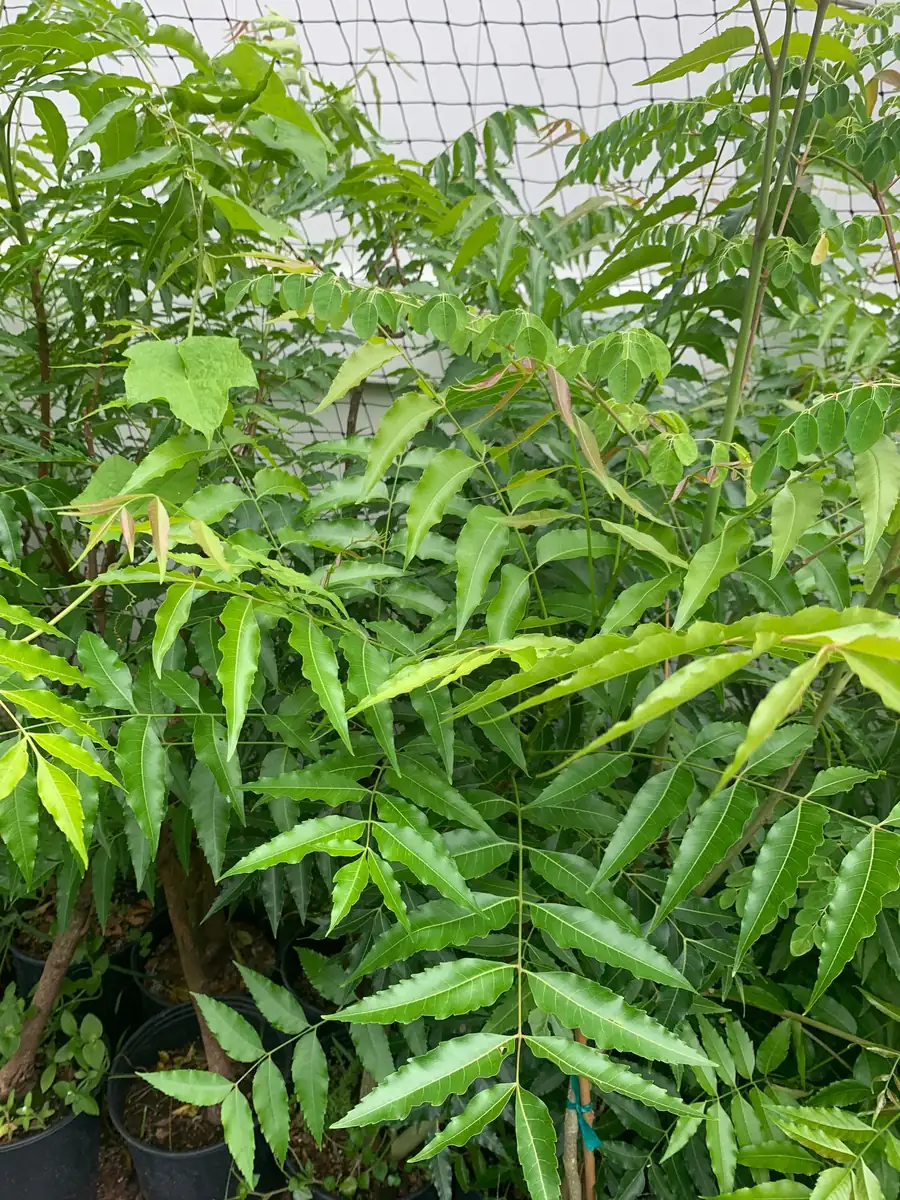
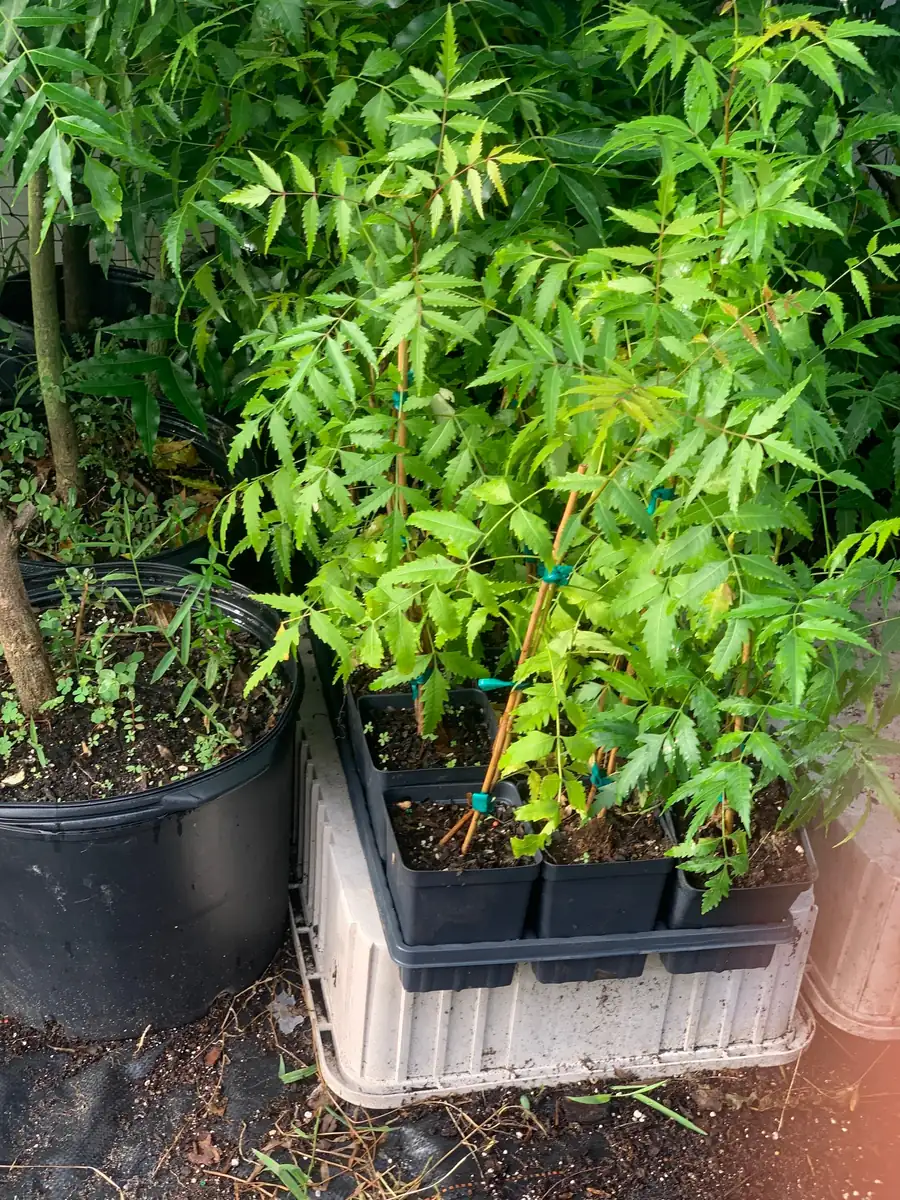
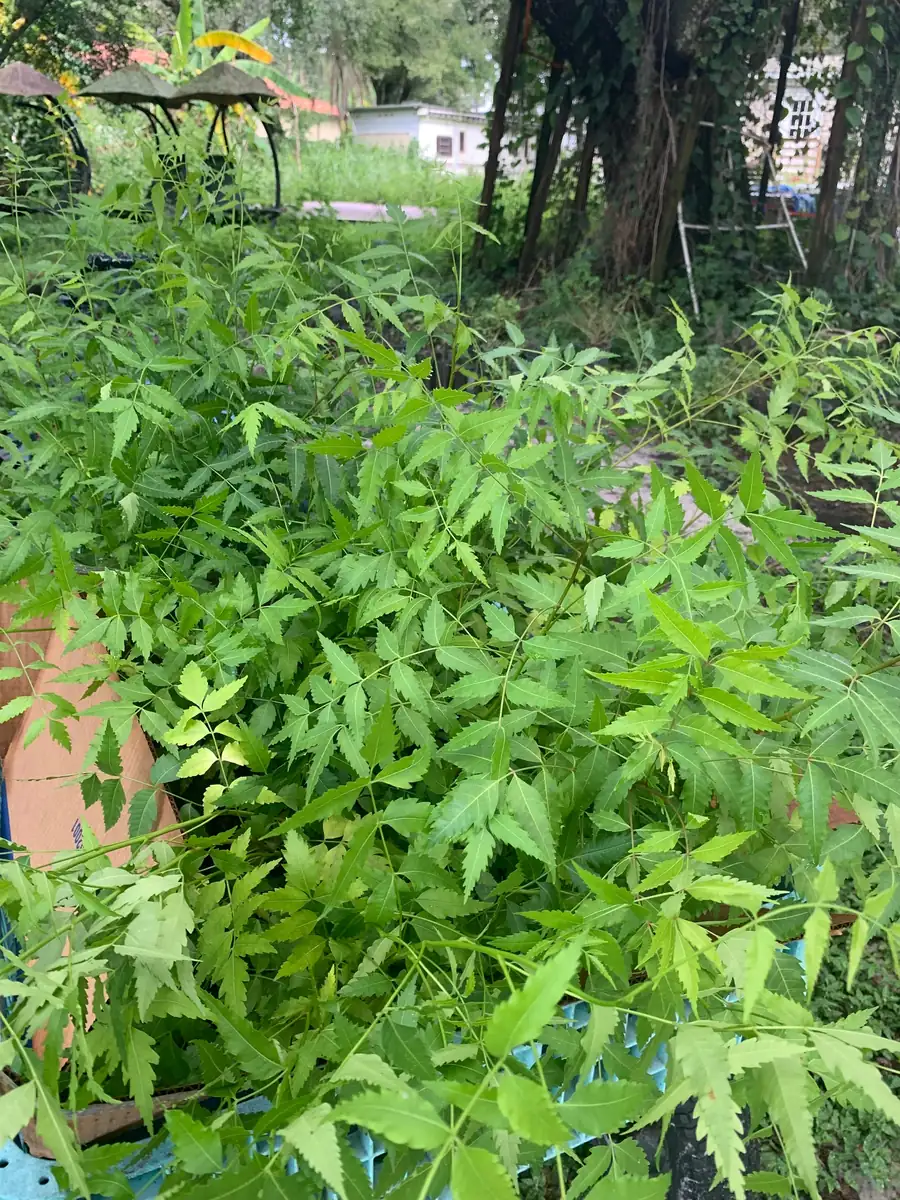
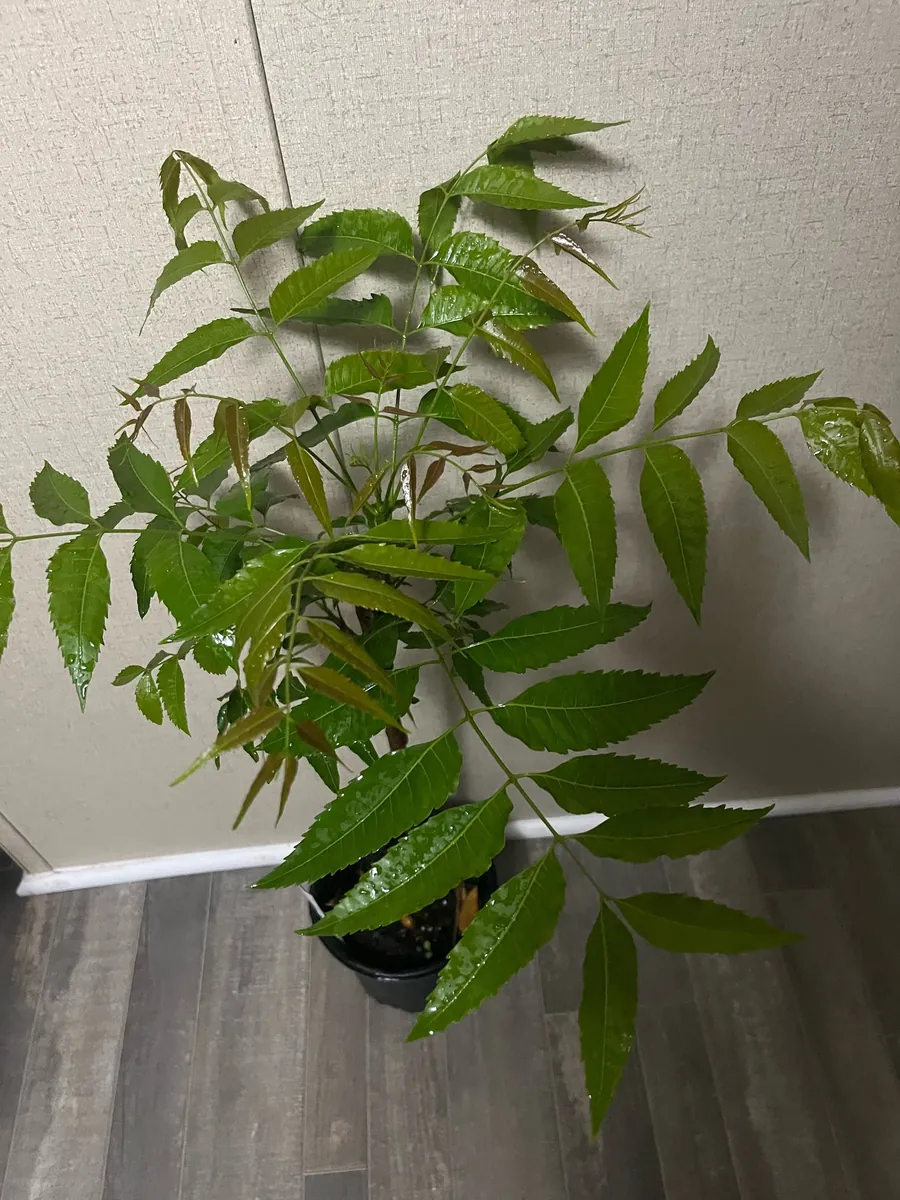
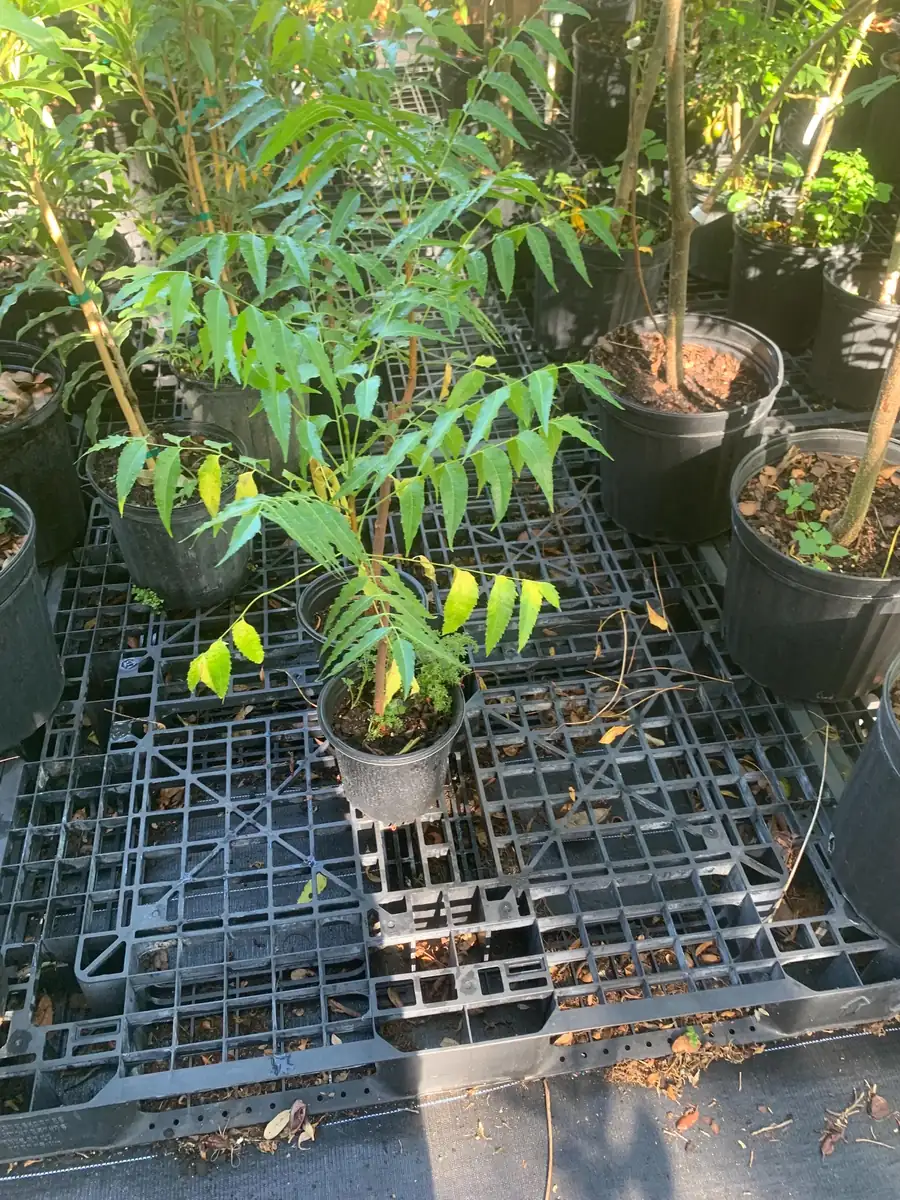
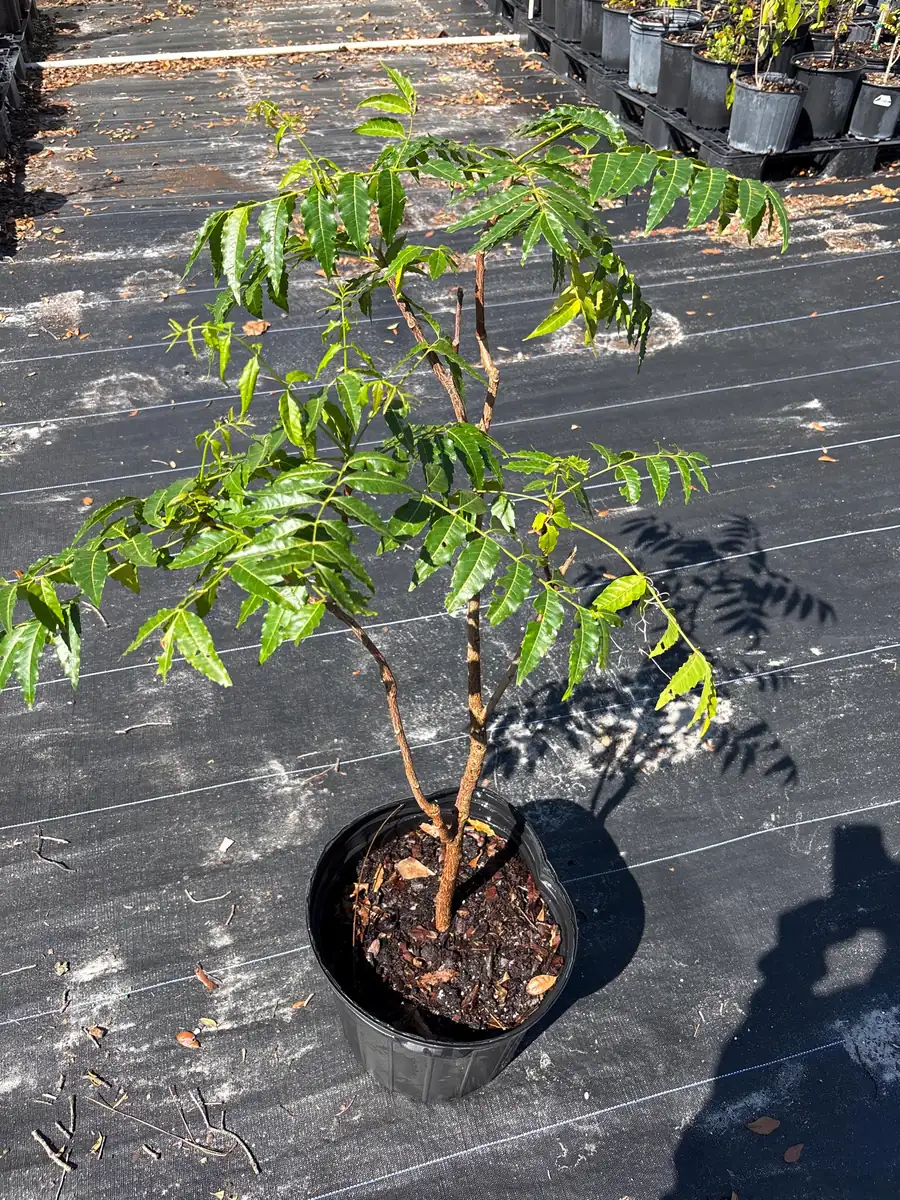
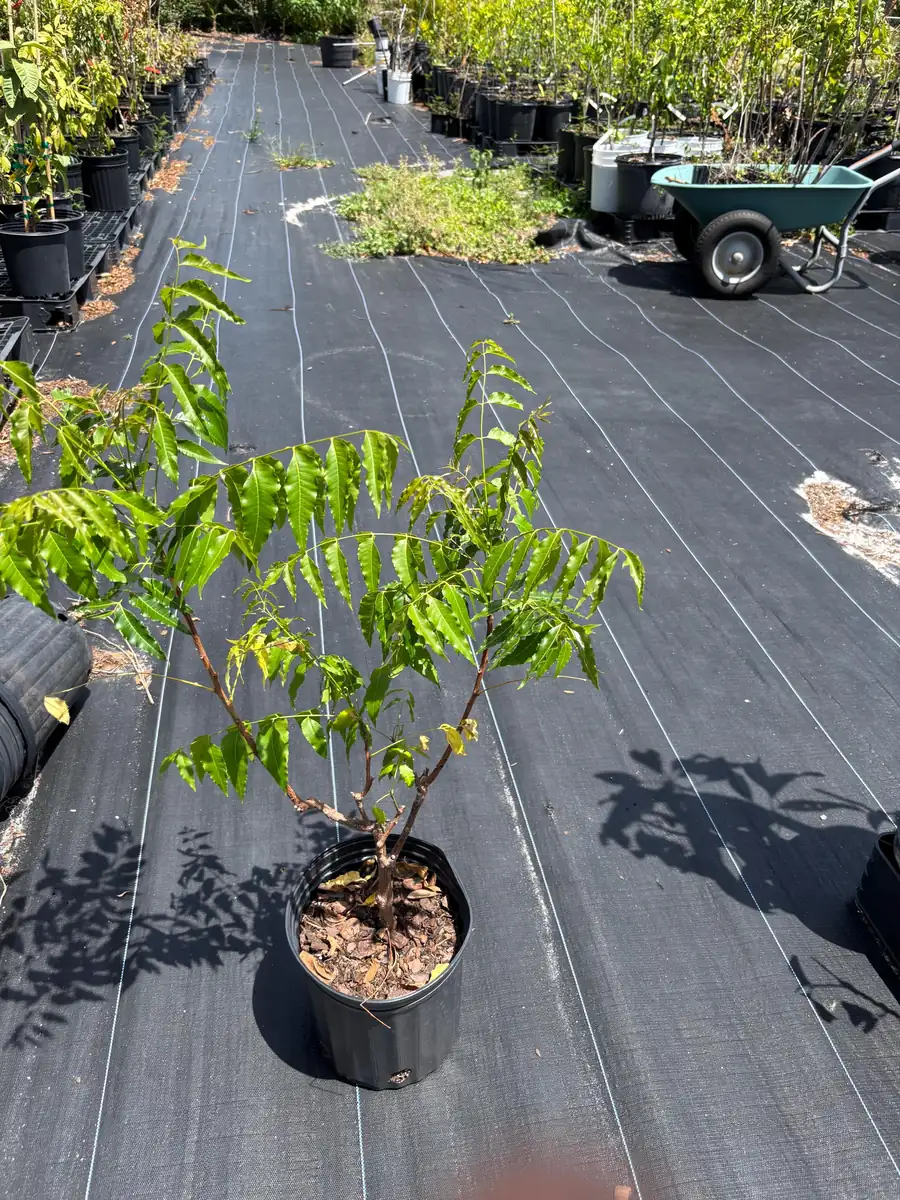
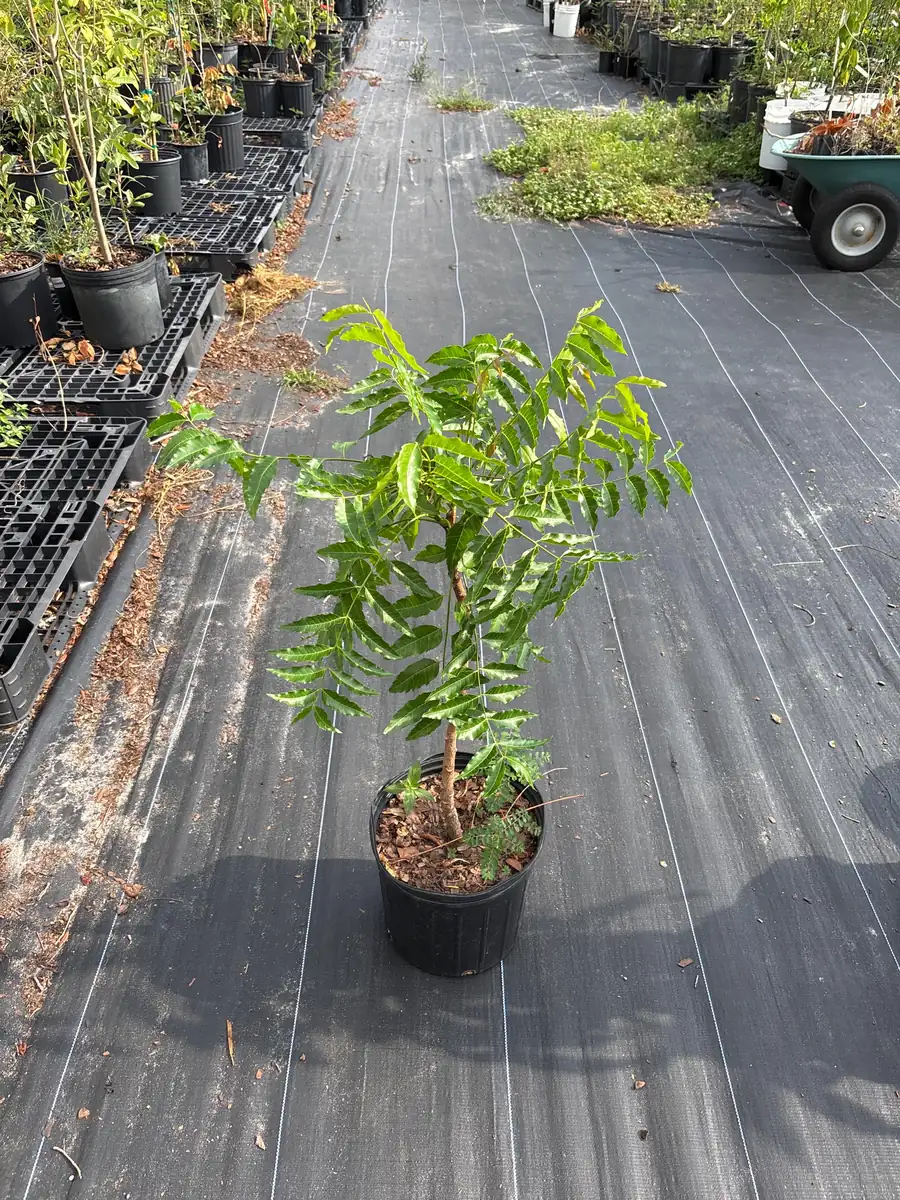
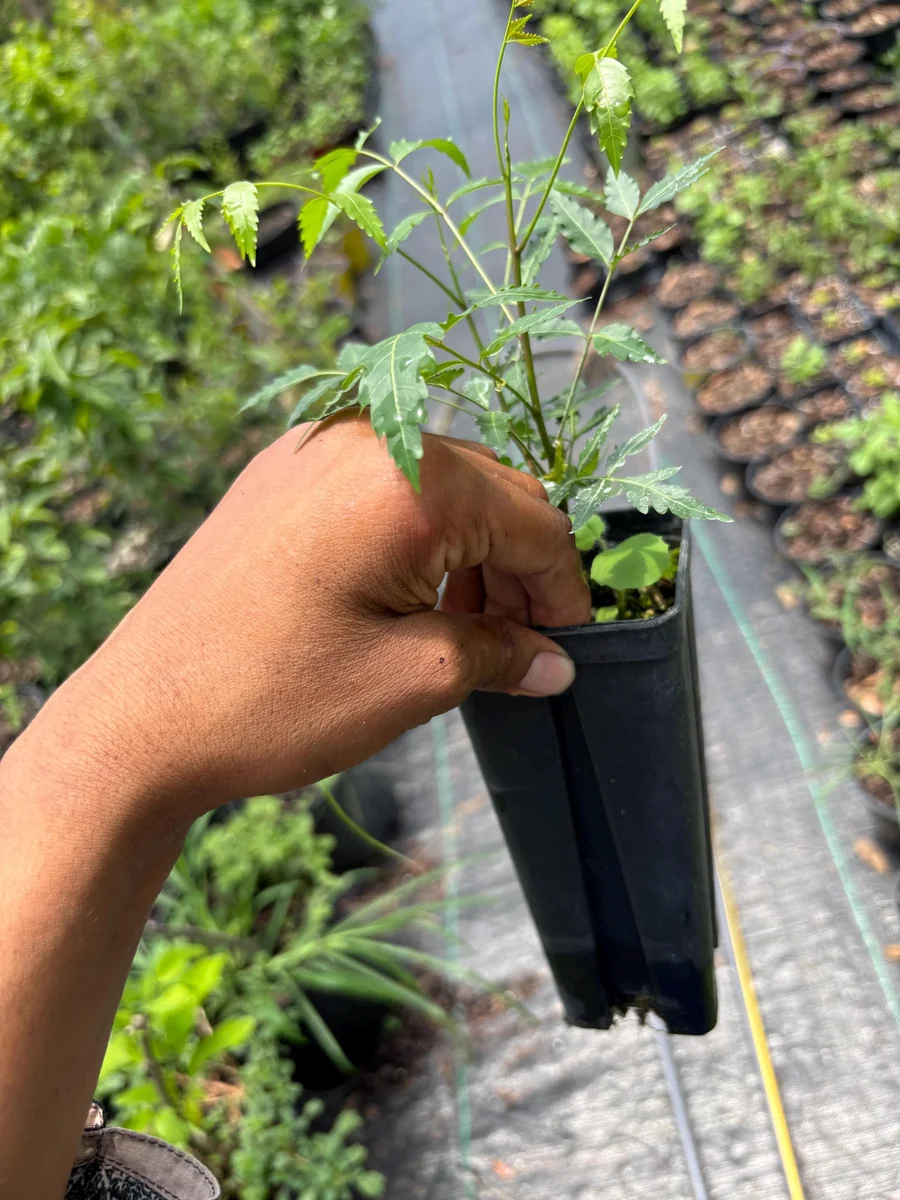
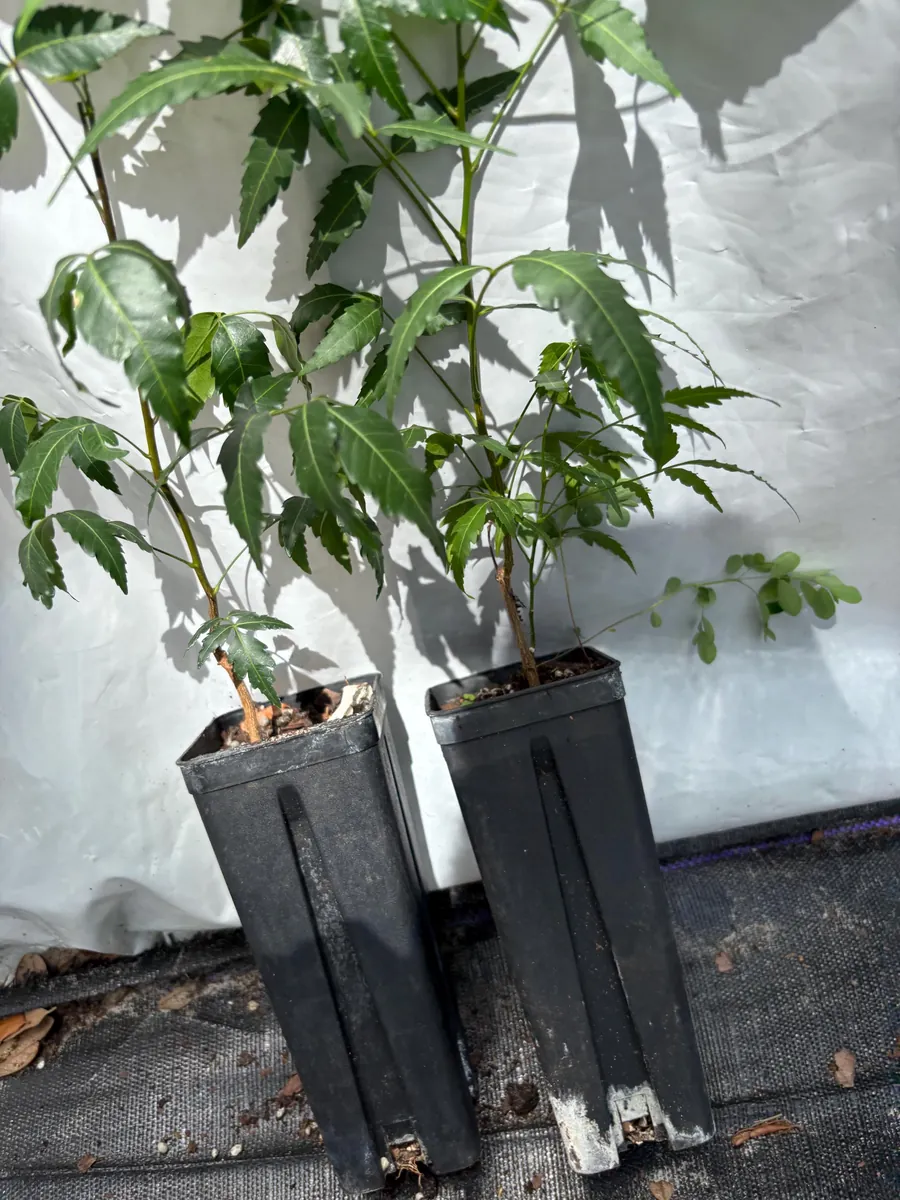
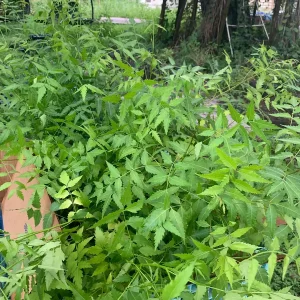
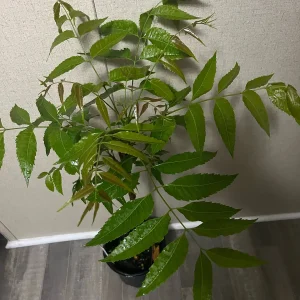
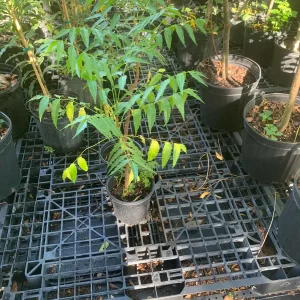
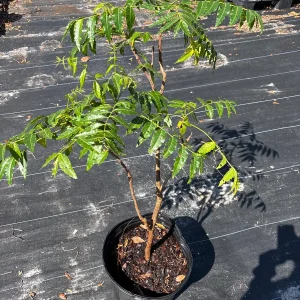
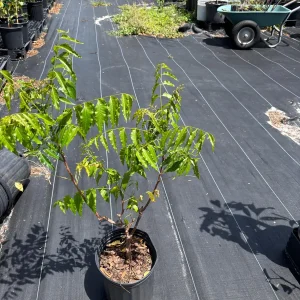
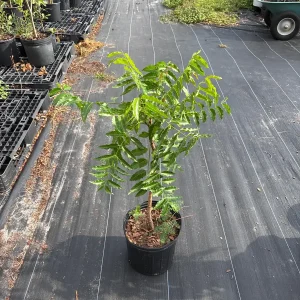
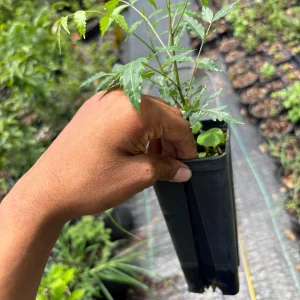
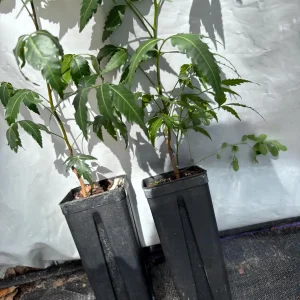
Live Neem Plant (Azadirachta indica) – Organic Pesticide Source – 4 inch Pot
From $54.00
Bring home a live neem plant (Azadirachta indica), known for its natural organic pesticide properties. This versatile plant is an excellent addition to any garden, offering both ornamental beauty and practical benefits. Easy to care for and adaptable to various conditions.
-
USDA Hardiness Zone
USDA Zones 9-11 (can be grown indoors in colder zones) -
Soil Type
Well-draining sandy loam -
Sunlight Exposure
Full sun (6-8 hours direct sunlight) -
Expected Planting Period
Year-round indoors; Spring to early summer outdoors

You can track your order HERE
Mar 02
Mar 07 - Mar 09
Mar 12 - Mar 16
Shipping and return policies: Our Alive & Thrive Guarantee covers issues with your plants within the first 30 days. Reach out to us. Our team will answer your questions and help you find the plants that are truly suitable for your environment, climate, and personal preferences.

Overview
Introduce a powerful natural solution to your garden with a live neem plant (Azadirachta indica). This remarkable tree, also commonly known as Nim or Margosa, is celebrated worldwide for its exceptional properties as a source of organic pesticides. Originating from the mahogany family, the azadirachta indica plant is a fast-growing specimen that brings both beauty and utility to your outdoor or indoor space. Our live neem plant is carefully cultivated to ensure a healthy start, ready to thrive in its new environment. It’s an ideal choice for gardeners seeking sustainable and eco-friendly ways to manage pests, making it a cornerstone of organic gardening practices.
The Neem tree has been revered for centuries in traditional medicine and agriculture, primarily due to its active compounds, azadirachtin, which acts as a powerful insect repellent and growth regulator. By integrating a live neem plant into your landscape, you’re not only enhancing its aesthetic appeal but also investing in a greener, more self-sufficient approach to plant care. This robust plant is suitable for a wide range of climates, demonstrating resilience and adaptability, making it a favorite among gardening enthusiasts.
Key Benefits
The live neem plant offers a multitude of advantages for both your garden and personal well-being. Its natural properties make it an invaluable asset:
- Natural Pest Control: The primary benefit of the live neem plant is its ability to act as an organic pesticide source. Compounds found in the plant, particularly azadirachtin, deter a wide array of garden pests without harming beneficial insects like bees and butterflies, promoting a healthier ecosystem.
- Air Purification: Like many plants, the Neem tree contributes to cleaner air by absorbing carbon dioxide and releasing oxygen, enhancing the air quality in its surroundings, whether indoors or outdoors.
- Medicinal Properties: Historically, various parts of the azadirachta indica plant have been used in traditional medicine for their anti-inflammatory, antiseptic, and antifungal properties, making it a truly versatile botanical.
- Drought Tolerance: Once established, the Neem tree is remarkably drought-tolerant, requiring less water than many other plants, which makes it an excellent choice for water-wise gardening.
- Fast Growth Rate: This species is known for its relatively fast growth, quickly establishing itself and providing its many benefits within a shorter timeframe compared to other slower-growing trees.
- Soil Improvement: Neem leaves and bark, when composted, can enrich soil fertility, improving its structure and nutrient content, further benefiting your garden’s overall health.
- Ornamental Value: Beyond its practical uses, the live neem plant is an attractive tree with lush green foliage, providing shade and visual appeal to any garden or patio.
Plant Care & Growing Tips
Caring for your live neem plant is relatively straightforward, making it an excellent choice for both novice and experienced gardeners. This resilient tree thrives in warm climates and can adapt to various conditions with proper attention. For optimal growth, ensure it receives ample sunlight. The Neem plant prefers full sun exposure, ideally at least 6-8 hours of direct sunlight per day. If growing indoors, place it near a south-facing window or supplement with a grow light to ensure it gets enough light. During its younger stages, protecting it from intense, scorching afternoon sun in very hot climates can be beneficial.
When it comes to watering, the azadirachta indica plant prefers consistent moisture when young, but once established, it becomes quite drought-tolerant. Water thoroughly when the top 1-2 inches of soil feel dry to the touch, and then allow the soil to dry out slightly before the next watering. Avoid overwatering, as this can lead to root rot. Well-draining soil is crucial for the Neem plant’s health. A sandy loam mix that drains quickly is ideal. You can amend heavy clay soils with sand or perlite to improve drainage. The Neem tree thrives in USDA hardiness zones 9-11, where it can be grown outdoors year-round. In colder regions, it can be grown in containers and brought indoors during winter months to protect it from frost. Fertilize sparingly; a balanced, slow-release fertilizer applied once or twice during the growing season (spring and summer) is usually sufficient. Look out for common pests like spider mites or mealybugs, though the plant’s natural properties often deter many insects. Pruning can be done to maintain shape and size, especially if growing in a container, and to encourage bushier growth. Understanding neem plant care will ensure your plant flourishes.
Size & Details
This live neem plant is typically shipped as a healthy, established specimen, approximately 5 inches tall, rooted in a 4-inch nursery pot. Neem trees are known for their fast growth rate, and with proper care, they can quickly reach significant heights when planted in the ground, potentially growing up to 30-50 feet tall in ideal conditions. When cultivated in containers, their size can be managed through regular pruning, allowing them to remain smaller and more suitable for indoor or patio environments. The plant you receive will be a vigorous young tree, ready to be transplanted into a larger pot or directly into your garden. Expect to see steady growth and the development of its characteristic lush foliage, which is the source of its beneficial compounds. The dense canopy provides welcome shade and contributes to the aesthetic appeal of your landscape. The organic pesticide plant nature means it will grow strong and healthy.
Frequently Asked Questions
- Q: How big does this live neem plant get? A: When planted in the ground in suitable climates (USDA zones 9-11), a Neem tree can grow quite large, reaching heights of 30-50 feet. If grown in a container, its size can be controlled through pruning, making it suitable for indoor or patio spaces.
- Q: What size pot does it come in? A: The live neem plant typically comes in a 4-inch nursery pot, with the plant itself being about 5 inches tall, ready for transplanting.
- Q: Is this an indoor or outdoor plant? A: In USDA zones 9-11, the Neem plant can be grown outdoors year-round. In colder climates, it can be grown in containers and brought indoors during the winter months to protect it from frost.
- Q: How much sunlight does the azadirachta indica plant need? A: The Neem plant thrives in full sun, requiring at least 6-8 hours of direct sunlight per day for optimal growth. If kept indoors, place it near a bright, south-facing window.
- Q: Is this plant easy to care for? A: Yes, the live neem plant is generally considered easy to care for. It is drought-tolerant once established and relatively low-maintenance, making it a good choice for various gardening skill levels. Understanding basic neem plant care will ensure success.
- Q: What condition will it arrive in? A: We ensure that all shipped plants are healthy and securely packaged, labeled as ‘Live plants’ or ‘Perishable,’ to ensure they arrive in the best possible condition.
- Q: Is it shipped in soil? A: Yes, the plant is shipped rooted in its nursery pot with soil, providing it with the necessary nutrients and stability during transit.
- Q: Can I use the leaves of the organic pesticide plant for anything? A: Yes, the leaves of the Neem plant are well-known for their natural insecticidal properties and have been traditionally used in various applications, including as an organic pesticide.
- Q: When is the best time to plant a live neem plant? A: The best time to plant a Neem tree is in the spring or early summer, allowing it ample time to establish itself before extreme weather conditions.
- Q: Will it survive winter in my zone? A: The Neem tree is hardy in USDA zones 9-11. If you are in a colder zone, it is recommended to grow it in a pot and bring it indoors during the winter to protect it from freezing temperatures.
| price by sizes | 2 Years Old Plant, 8” Tall Plant 4” Pot, Bushes Years 3 Old, Buy 2 In 4”In Pot |
|---|
Be the first to review “Live Neem Plant (Azadirachta indica) – Organic Pesticide Source – 4 inch Pot”
People Also Viewed
Sold 52 products
Original price was: $28.76.$14.38Current price is: $14.38.
Sold 98 products
Original price was: $49.98.$39.98Current price is: $39.98.
Sold 83 products
Original price was: $30.00.$24.00Current price is: $24.00.
Sold 95 products
From $19.99
Sold 58 products
From $91.80

Sold 93 products
Original price was: $191.96.$95.98Current price is: $95.98.
Sold 64 products
$43.98
Sold 86 products
$87.98
Sold 66 products
Original price was: $45.98.$22.99Current price is: $22.99.
Sold 56 products
Original price was: $279.60.$139.80Current price is: $139.80.
Sold 53 products
Original price was: $39.98.$19.99Current price is: $19.99.
Sold 97 products
Original price was: $147.16.$73.58Current price is: $73.58.
Sold 75 products
Original price was: $120.00.$60.00Current price is: $60.00.
Sold 84 products
Original price was: $49.96.$24.98Current price is: $24.98.
Sold 53 products
Original price was: $33.98.$23.78Current price is: $23.78.

Sold 99 products
Original price was: $89.98.$44.99Current price is: $44.99.
Sold 93 products
From $43.98
Sold 64 products
From $79.80



Reviews
There are no reviews yet.