
Leptospermum ‘Helene Strybing’ Tea Tree Live Plant – Pink Flowers, 1 Gallon Pot
Original price was: $147.16.$73.58Current price is: $73.58.
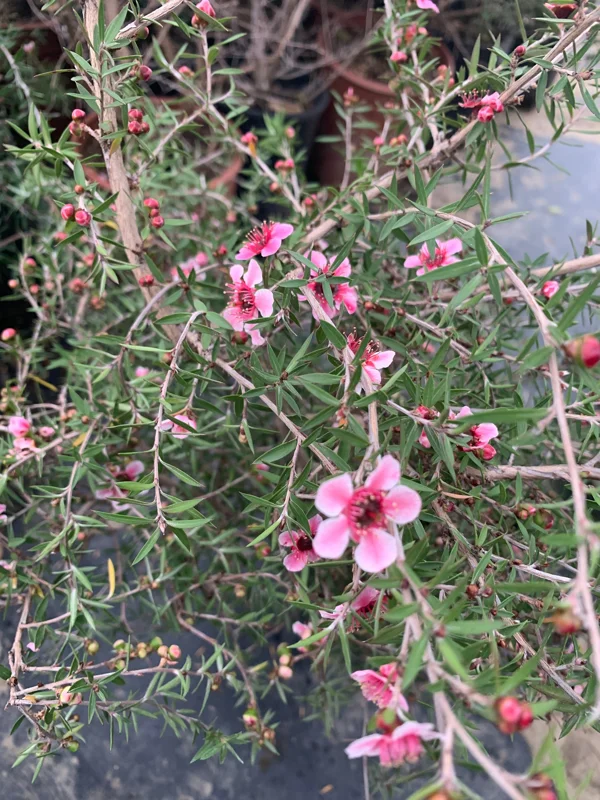
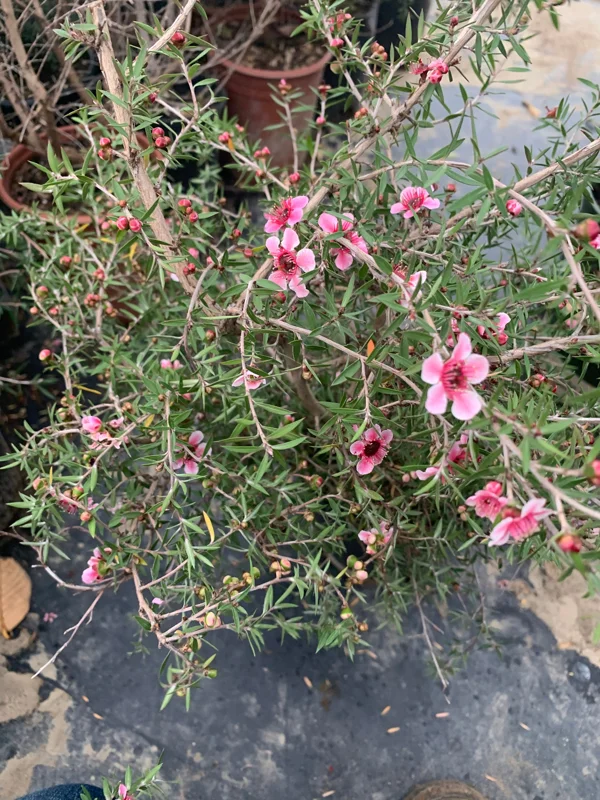
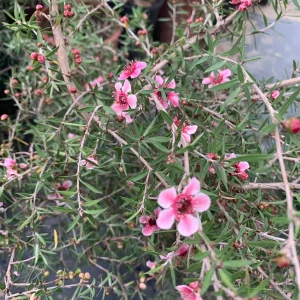
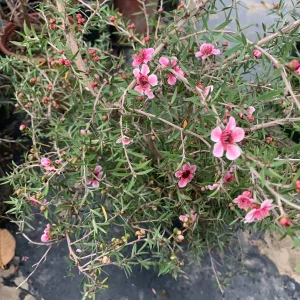
Bring elegance to your garden with the Leptospermum Helene Strybing live plant. This stunning tea tree features abundant, vibrant pink tea tree single flowers and attractive evergreen foliage. Perfect for adding year-round interest and a touch of color to your landscape.
-
USDA Hardiness Zone
USDA zones 9-11 -
Soil Type
Well-draining, sandy or loamy soil -
Sunlight Exposure
Full sun -
Expected Planting Period
Spring to early summer

You can track your order HERE
Mar 04
Mar 09 - Mar 11
Mar 14 - Mar 18
Shipping and return policies: Our Alive & Thrive Guarantee covers issues with your plants within the first 30 days. Reach out to us. Our team will answer your questions and help you find the plants that are truly suitable for your environment, climate, and personal preferences.

Overview
Introduce a touch of vibrant beauty to your outdoor space with the Leptospermum Helene Strybing live plant. Also known as the Pink Tea Tree, this cultivar of Leptospermum scoparium is celebrated for its profusion of delicate, single pink flowers that bloom primarily in spring and summer, creating a breathtaking display. Originating from Australia and New Zealand, Leptospermum species are renowned for their hardiness and attractive appearance. The ‘Helene Strybing’ variety stands out with its striking floral show and fine, aromatic evergreen foliage, making it a valuable addition to many garden styles. This versatile shrub offers both ornamental appeal and a robust nature, thriving in various conditions, and is an excellent choice for gardeners seeking a distinctive flowering shrub.
This particular offering is for a healthy, established pink tea tree, ready to be planted in your garden. Its elegant form and charming blossoms make it a popular choice for mixed borders, foundation plantings, or as a standalone specimen. The plant’s dense growth habit also provides excellent texture and structure to the landscape, ensuring visual interest even when not in bloom. If you’re looking for a plant that combines beauty with resilience, the ‘Helene Strybing’ is an exceptional option that will enhance your garden for years to come.
Key Benefits
The Leptospermum Helene Strybing live plant offers a multitude of benefits that make it a highly desirable addition to any garden. Its aesthetic appeal is undeniable, but its advantages extend far beyond mere beauty.
- Stunning Floral Display: Enjoy an abundance of vibrant pink, single flowers that cover the plant, creating a spectacular visual impact during its blooming season. These charming blossoms attract pollinators, adding life to your garden.
- Evergreen Foliage: The fine, needle-like leaves remain green throughout the year, providing continuous texture and color to your landscape, even in winter. This makes it an ideal plant for year-round interest.
- Low Maintenance: Once established, this pink tea tree is relatively easy to care for, requiring minimal attention. It’s drought-tolerant and adaptable to various soil conditions, making it suitable for busy gardeners.
- Attracts Pollinators: The nectar-rich flowers are a magnet for bees, butterflies, and other beneficial insects, contributing to a healthier and more biodiverse garden ecosystem.
- Versatile Landscaping Use: Whether used as a specimen plant, in a mixed border, for hedging, or in mass plantings, the Leptospermum scoparium Helene Strybing adapts beautifully to various garden designs and purposes.
- Drought Tolerance: This shrub is well-suited for xeriscaping or gardens in drier climates, as it can withstand periods of low water once established, reducing the need for frequent irrigation.
- Aromatic Foliage: The small, evergreen leaves release a pleasant, tea-like fragrance when crushed, adding another sensory dimension to your garden experience.
Plant Care & Growing Tips
Caring for your Leptospermum Helene Strybing live plant is straightforward, ensuring it thrives and provides years of beautiful blooms. This resilient shrub prefers a sunny location to achieve its best flowering potential. Aim for at least 6 hours of direct sunlight per day. While it can tolerate some partial shade, too much shade may reduce flower production and lead to a more open growth habit. It is naturally adapted to coastal conditions, making it tolerant of salt spray and windy environments.
When it comes to watering, the ‘Helene Strybing’ is quite drought-tolerant once established. During its first year, water regularly to help it establish a strong root system. After that, reduce watering frequency, especially in cooler months. Ensure the soil drains well, as this plant does not like consistently wet feet. A well-draining soil mix is crucial; sandy or loamy soils are ideal. Amend heavy clay soils with organic matter to improve drainage. This tea tree plant care guide emphasizes good drainage above all else. For fertilization, a balanced, slow-release granular fertilizer applied in spring can encourage vigorous growth and abundant flowering. Avoid high-phosphorus fertilizers, as native Australian plants can be sensitive to it.
Pruning is best done after the main flowering period to maintain shape and encourage bushier growth. Light tip pruning can also promote more blooms. Remove any dead, damaged, or crossing branches to improve air circulation. While generally pest and disease resistant, keep an eye out for common garden issues. Ensuring proper air circulation and avoiding overwatering will help prevent most problems. The Leptospermum scoparium Helene Strybing is generally hardy and robust, making it a rewarding plant for both novice and experienced gardeners who follow these simple care guidelines.
Size & Details
This offering is for a healthy Leptospermum Helene Strybing live plant, currently standing approximately 1 foot tall and shipped in a 1 gallon pot. This size provides a robust root system, ensuring a higher success rate upon transplanting into your garden. When mature, the ‘Helene Strybing’ typically grows to a height of 6 to 10 feet with a similar spread, forming an attractive, dense shrub. Its growth rate is moderate, allowing it to establish itself well within a few seasons. The plant is ready to be moved into its permanent outdoor location, where it will continue to develop its signature pink blooms.
It is provided as a potted specimen, meaning its roots are fully encased in soil, minimizing transplant shock. The 1 gallon size is ideal for immediate planting and allows the plant to quickly acclimate to its new environment. Expect this shrub to begin showcasing its beautiful pink flowers in the spring and continue through summer, providing extended periods of color and interest in your landscape. This established plant offers a head start on creating a vibrant and resilient garden feature.
Frequently Asked Questions
- Q: How big does this plant get? A: The Leptospermum Helene Strybing live plant typically grows to a mature height of 6 to 10 feet with a similar spread, forming a dense and attractive shrub in your garden.
- Q: Is this an indoor or outdoor plant? A: This is primarily an outdoor shrub, well-suited for garden landscapes, borders, and as a specimen plant. It thrives in full sun and is resilient in outdoor conditions.
- Q: How much sunlight does it need? A: For optimal growth and flowering, the pink tea tree requires at least 6 hours of direct sunlight per day. It can tolerate some partial shade but will flower less profusely.
- Q: Is this plant easy to care for? A: Yes, once established, the ‘Helene Strybing’ is considered low-maintenance. It is drought-tolerant and adaptable, making tea tree plant care relatively easy for most gardeners.
- Q: What condition will it arrive in? A: Your Leptospermum Helene Strybing live plant will arrive as an established plant, approximately 1 foot tall, and shipped securely in a 1 gallon pot with its root ball intact.
- Q: When is the best time to plant? A: The best time to plant is typically in spring or early fall, allowing the plant sufficient time to establish its root system before extreme weather conditions.
- Q: What soil type does it prefer? A: This shrub thrives in well-draining soil, such as sandy or loamy types. Avoid heavy clay soils that retain too much moisture, as good drainage is crucial for its health.
- Q: Will it survive winter in my zone? A: The Leptospermum scoparium Helene Strybing is generally hardy in USDA zones 9-11. In colder zones, it may need winter protection or can be grown in containers and moved indoors.
- Q: Does this plant attract pollinators? A: Absolutely! The abundant pink flowers are a great source of nectar and are known to attract bees, butterflies, and other beneficial pollinators to your garden.
- Q: Can I use the leaves for tea? A: While other Leptospermum varieties are used for tea, ‘Helene Strybing’ is primarily grown as an ornamental plant. It’s best enjoyed for its visual appeal rather than for consumption.
Be the first to review “Leptospermum ‘Helene Strybing’ Tea Tree Live Plant – Pink Flowers, 1 Gallon Pot”
People Also Viewed
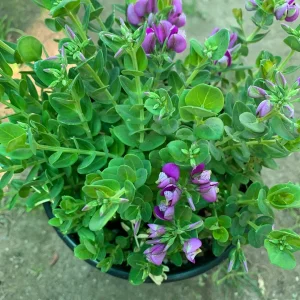
Sold 55 products
Original price was: $151.16.$75.58Current price is: $75.58.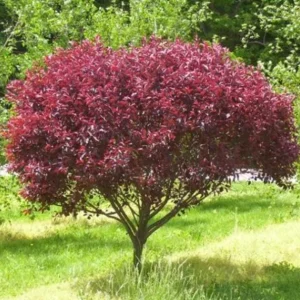
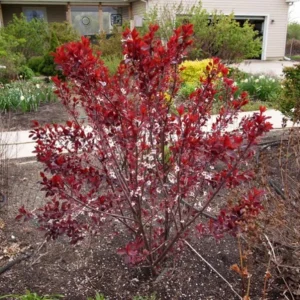
Sold 79 products
Original price was: $59.98.$41.98Current price is: $41.98.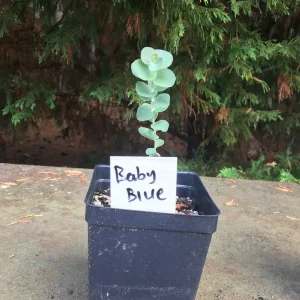

Sold 76 products
From $33.98
Sold 72 products
Original price was: $8.76.$4.38Current price is: $4.38.
Sold 98 products
Original price was: $79.90.$39.95Current price is: $39.95.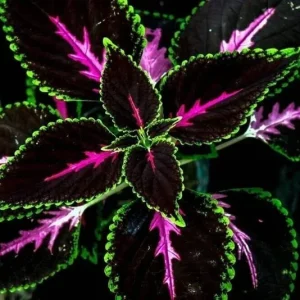

Flower Seeds
20 Tri-Color Coleus Seeds – Pink, Black & Green Foliage – Easy Grow Ornamental Perennial
Sold 70 products
Original price was: $14.76.$7.38Current price is: $7.38.
Trees
Sold 77 products
Original price was: $47.96.$23.98Current price is: $23.98.
Sold 66 products
Original price was: $31.96.$15.98Current price is: $15.98.

Sold 51 products
Original price was: $36.64.$18.32Current price is: $18.32.
Sold 78 products
$43.98
Sold 92 products
Original price was: $51.96.$25.98Current price is: $25.98.
Trees
Sold 83 products
Original price was: $100.00.$80.00Current price is: $80.00.
Sold 94 products
$37.38
Sold 91 products
Original price was: $144.00.$72.00Current price is: $72.00.
Sold 96 products
Original price was: $312.00.$156.00Current price is: $156.00.
Sold 95 products
Original price was: $192.00.$96.00Current price is: $96.00.
Sold 72 products
Original price was: $158.99.$111.29Current price is: $111.29.
HousePlants
Variegated Scindapsus Pictus ‘Jade Satin’ Live Plant in Nursery Pot – Rare Indoor Houseplant
Sold 82 products
Original price was: $76.00.$38.00Current price is: $38.00.



Reviews
There are no reviews yet.