
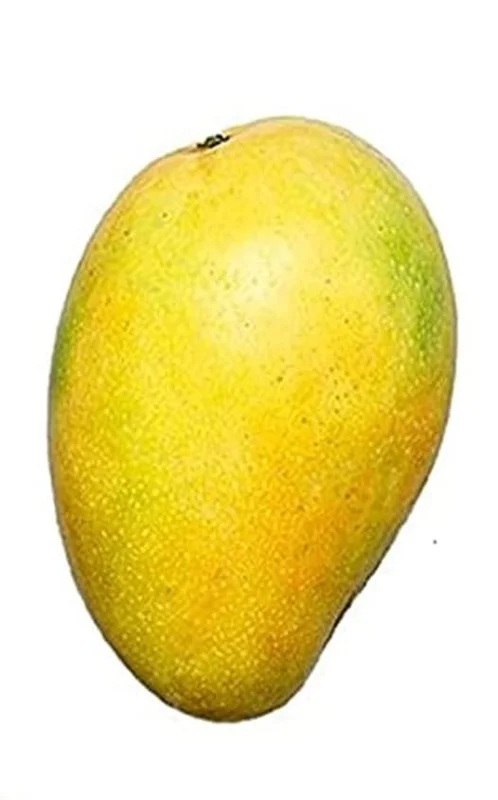
Lemon Meringue Mango Tree Live Plant – Grafted – 1 Foot Tall – Ships in 6″ Pot
Original price was: $247.96.$123.98Current price is: $123.98.
Cultivate your own exotic fruit with this lemon meringue mango tree. This 1-foot tall, grafted live plant produces uniquely tart and sweet mangoes with a delightful lemony aroma. Known for its fungus resistance, it’s a fantastic addition to any home orchard.
-
USDA Hardiness Zone
USDA zones 9-11 -
Soil Type
Well-draining, slightly acidic sandy loam -
Sunlight Exposure
Full sun (6-8 hours direct light) -
Expected Planting Period
Spring to early summer

You can track your order HERE
Mar 07
Mar 12 - Mar 14
Mar 17 - Mar 21
Shipping and return policies: Our Alive & Thrive Guarantee covers issues with your plants within the first 30 days. Reach out to us. Our team will answer your questions and help you find the plants that are truly suitable for your environment, climate, and personal preferences.

Overview
Bring the taste of the tropics to your home with the exquisite lemon meringue mango tree. This exceptional variety is a grafted live plant, ensuring a faster path to fruit production and true-to-type characteristics. Standing approximately 1 foot tall and shipped in a 6-inch pot, it’s ready to be nurtured into a bountiful producer of one of the most beloved mangoes. The fruit of the lemon meringue mango tree is renowned for its captivating flavor profile: a perfect balance of tartness and sweetness, complemented by a distinct lemon-like aroma that gives the mango its evocative name. Originally from Burma, where it is known as Pu Pyi Klai, this variety is celebrated not only for its incredible taste but also for its natural resilience, particularly its strong resistance to fungus, making it a robust choice for home gardeners.
For those seeking a truly unique and high-quality mango experience, the lemon meringue mango tree offers an unparalleled opportunity. Its juicy, fiberless flesh is a culinary delight, making it a favorite among fruit enthusiasts. Whether you’re an experienced grower or new to tropical fruit trees, this grafted mango tree provides a rewarding gardening journey, culminating in a harvest of delicious, aromatic mangoes.
Key Benefits
The lemon meringue mango tree offers numerous advantages for the home gardener and fruit lover alike. Its unique qualities make it a standout choice for cultivation.
- Exceptional Flavor Profile: Enjoy mangoes with a perfect blend of tart and sweet notes, accompanied by a refreshing lemon aroma that distinguishes this variety from others. This makes it a gourmet choice for fresh eating or culinary creations.
- Grafted for Faster Fruiting: As a grafted mango tree, this plant is designed to mature and produce fruit much quicker than trees grown from seed, allowing you to enjoy your first harvest sooner.
- Fungus Resistant: The Pu Pyi Klai mango is naturally resistant to many common fungal diseases, reducing the need for extensive chemical treatments and making it easier to maintain a healthy plant.
- High-Quality Fruit: Each mango from this tree boasts juicy, fiberless flesh, providing a superior eating experience free from stringiness.
- Unique & Rare Variety: Cultivate a less common, highly sought-after mango type that will impress friends and family with its distinctive taste and aroma.
- Home Orchard Addition: Perfect for enhancing your backyard orchard, providing fresh, homegrown fruit that is far superior to store-bought options.
- Rewarding Growing Experience: Nurturing a sweet mango plant from a young tree to a fruit-bearing specimen is a deeply satisfying endeavor for any gardener.
Plant Care & Growing Tips
Caring for your lemon meringue mango tree involves providing the right conditions to ensure healthy growth and abundant fruiting. Mango trees thrive in warm, sunny climates and require specific care to reach their full potential. Sunlight is paramount; your mango tree needs at least 6-8 hours of direct sunlight per day. In cooler climates, consider growing it in a large container that can be moved indoors during colder months, or provide supplemental grow lights. For outdoor planting, choose a location with full sun exposure and protection from strong winds.
Watering should be consistent, especially for young trees. Water deeply when the top 2-3 inches of soil feel dry to the touch, then allow the soil to dry out slightly before the next watering. Avoid overwatering, as this can lead to root rot. Good drainage is crucial. The ideal soil type is a well-draining, slightly acidic (pH 6.0-7.0) sandy loam. When grown in pots, use a high-quality potting mix formulated for tropical plants or fruit trees. Fertilize regularly during the growing season (spring through fall) with a balanced fertilizer designed for fruit trees, following package instructions. Reduce fertilization during dormancy. Protect your grafted mango tree from temperatures below 30°F (-1°C); young trees are particularly sensitive to frost.
Pruning is essential for shaping the tree, promoting air circulation, and encouraging fruit production. Prune after harvesting to remove dead or diseased branches and to maintain a manageable size. Regularly inspect your lemon meringue mango tree for pests and diseases, although its natural fungus resistance helps. Address any issues promptly with appropriate organic or chemical treatments. Providing consistent care will lead to a healthy, productive sweet mango plant for years to come.
Size & Details
This offering is for one lemon meringue mango tree, a vigorous grafted specimen standing approximately 1 foot tall from the base of the pot. It is shipped as a live plant in a 6-inch nursery pot, providing a well-established root system ready for transplanting. Mango trees typically grow at a moderate rate, and grafted varieties like this one can begin to produce fruit within 2-4 years under optimal conditions. The mature height of a grafted mango tree can vary greatly depending on pruning and growing conditions, but it can reach 10-20 feet if left unpruned, or be maintained at a smaller, more manageable size for home gardens or container growing. Expect to receive a healthy, actively growing plant, carefully packaged to ensure its safe arrival and ready for its new home.
The Pu Pyi Klai mango variety is known for its consistent production of medium-sized fruit, typically weighing between 8-12 ounces. The tree itself exhibits a somewhat upright to spreading growth habit, making it a good candidate for various backyard settings or even as a patio plant in larger containers. With proper care, this lemon meringue mango tree will provide a reliable harvest of delicious, aromatic mangoes.
Frequently Asked Questions
- Q: How big will this lemon meringue mango tree get? A: This lemon meringue mango tree is a grafted plant, typically growing to 10-20 feet tall if left unpruned. However, it can be maintained at a smaller size (6-10 feet) with regular pruning, making it suitable for home gardens or large containers.
- Q: Is this an indoor or outdoor plant? A: Mango trees thrive outdoors in warm climates (USDA Zones 9-11). In cooler regions, it can be grown in a large pot and brought indoors during winter, making it a versatile sweet mango plant for various environments.
- Q: How much sunlight does a grafted mango tree need? A: A grafted mango tree requires at least 6-8 hours of direct sunlight per day to produce fruit effectively. Choose a sunny location for outdoor planting or a bright, south-facing window if growing indoors.
- Q: Is this plant easy to care for? A: While mango trees require specific conditions, the Pu Pyi Klai variety is known for its fungus resistance, which simplifies care. Consistent watering, adequate sunlight, and proper fertilization are key to successfully growing this lemon meringue mango tree.
- Q: What condition will the lemon meringue mango tree arrive in? A: You will receive one actively growing lemon meringue mango tree, approximately 1 foot tall, shipped securely in a 6-inch nursery pot with a healthy root system, ready for planting.
- Q: When is the best time to plant this mango tree? A: The best time to plant a mango tree is in spring or early summer, after all danger of frost has passed, to allow it ample time to establish before cooler weather.
- Q: Can I grow this mango tree in a container? A: Yes, the lemon meringue mango tree can be successfully grown in a large container (20-gallon or larger) for many years, especially useful for those in cooler climates who need to move the plant indoors.
- Q: What are the unique characteristics of the Pu Pyi Klai mango? A: The Pu Pyi Klai, or lemon meringue mango tree, is celebrated for its tart yet sweet flavor and distinct lemony aroma. Its natural resistance to fungus also makes it a robust and desirable variety.
- Q: How long until this grafted mango tree produces fruit? A: As a grafted plant, your grafted mango tree can begin to produce fruit within 2-4 years under ideal growing conditions, much faster than seed-grown trees.
- Q: What kind of soil does a sweet mango plant prefer? A: A sweet mango plant thrives in well-draining, slightly acidic soil. A sandy loam mix is ideal, or a high-quality potting mix for tropical fruit trees if grown in a container.
Be the first to review “Lemon Meringue Mango Tree Live Plant – Grafted – 1 Foot Tall – Ships in 6″ Pot”
People Also Viewed
Sold 53 products
Original price was: $225.46.$135.28Current price is: $135.28.
HousePlants
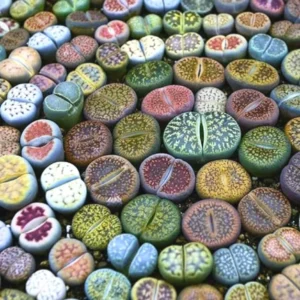
Lithops Live Plants Mix – 10 Large Colorful Living Stones Succulents for Indoor/Outdoor Growing
Sold 65 products
Original price was: $27.98.$13.99Current price is: $13.99.
Sold 85 products
Original price was: $147.16.$73.58Current price is: $73.58.
Sold 91 products
Original price was: $44.99.$31.49Current price is: $31.49.
Sold 72 products
From $17.16
Flower Plants
Yellow Bird of Paradise Plant Live Houseplant 5-10 Inches Tropical Strelitzia Reginae Bush
Sold 72 products
Original price was: $19.92.$9.96Current price is: $9.96.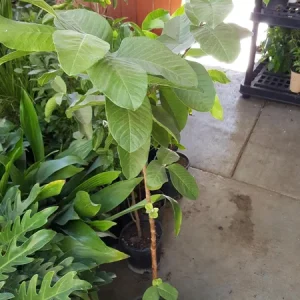
Sold 72 products
Original price was: $355.96.$177.98Current price is: $177.98.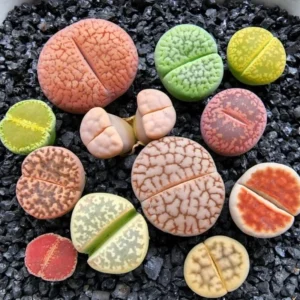
Sold 90 products
Original price was: $39.98.$19.99Current price is: $19.99.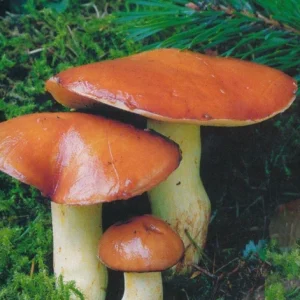
Sold 57 products
Original price was: $40.00.$20.00Current price is: $20.00.
Sold 53 products
Original price was: $36.00.$18.00Current price is: $18.00.
Sold 73 products
Original price was: $39.98.$19.99Current price is: $19.99.
Sold 78 products
Original price was: $112.00.$89.60Current price is: $89.60.
Sold 85 products
Original price was: $100.00.$80.00Current price is: $80.00.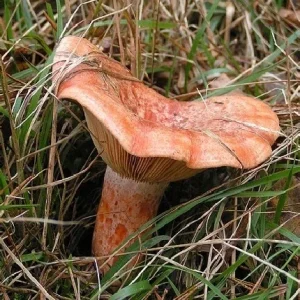
Seeds
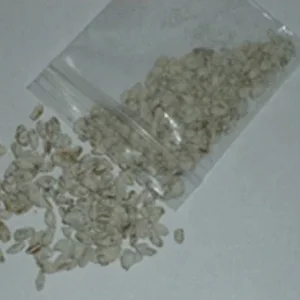
Saffron Milk Cap Mycelium Spawn (Lactarius deliciosus) on Dry Seeds – Outdoor Mushroom Cultivation
Sold 83 products
Original price was: $36.00.$18.00Current price is: $18.00.
Sold 94 products
Original price was: $391.96.$195.98Current price is: $195.98.
Sold 56 products
From $63.80
Sold 93 products
Original price was: $88.00.$44.00Current price is: $44.00.
Sold 56 products
Original price was: $28.76.$14.38Current price is: $14.38.


Reviews
There are no reviews yet.