
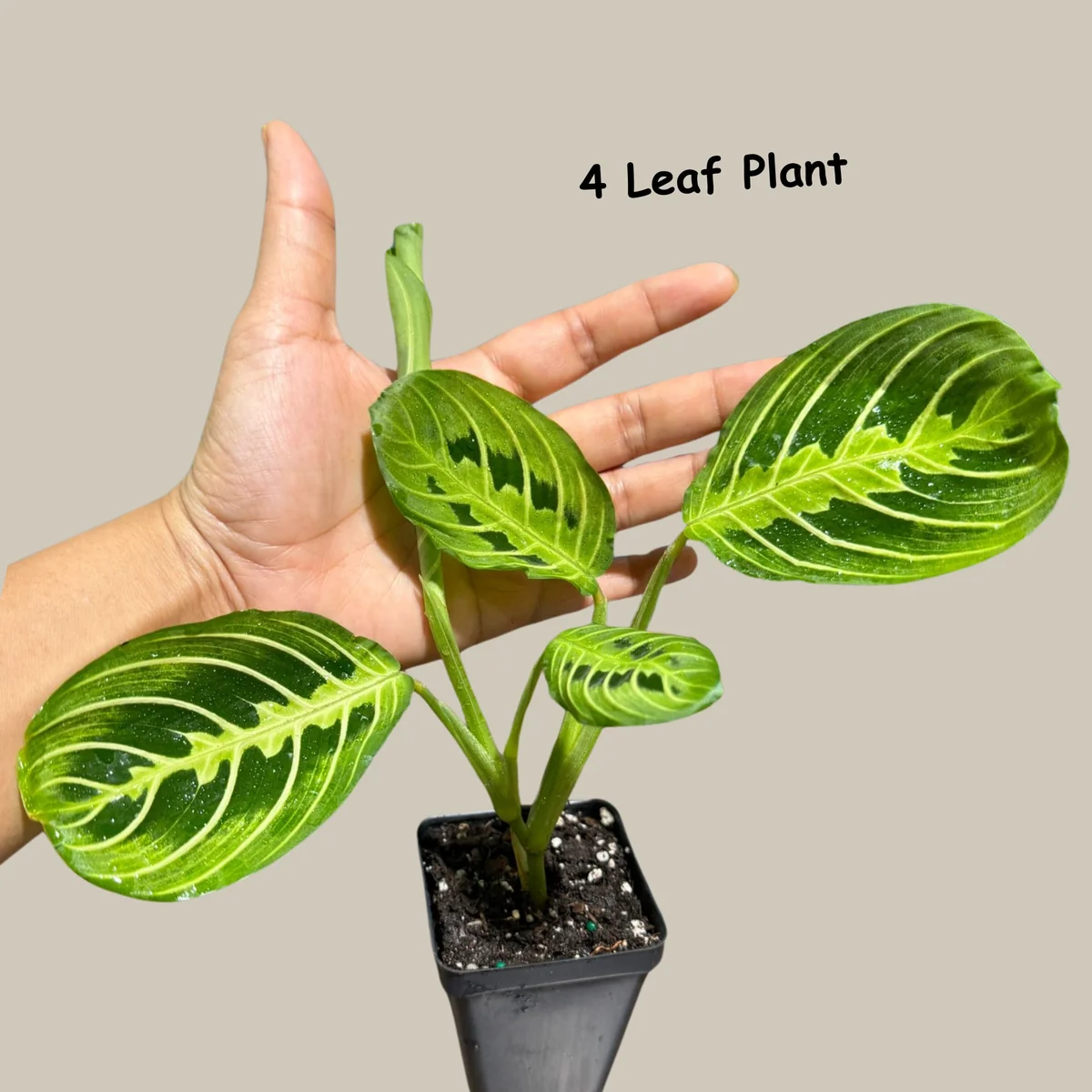
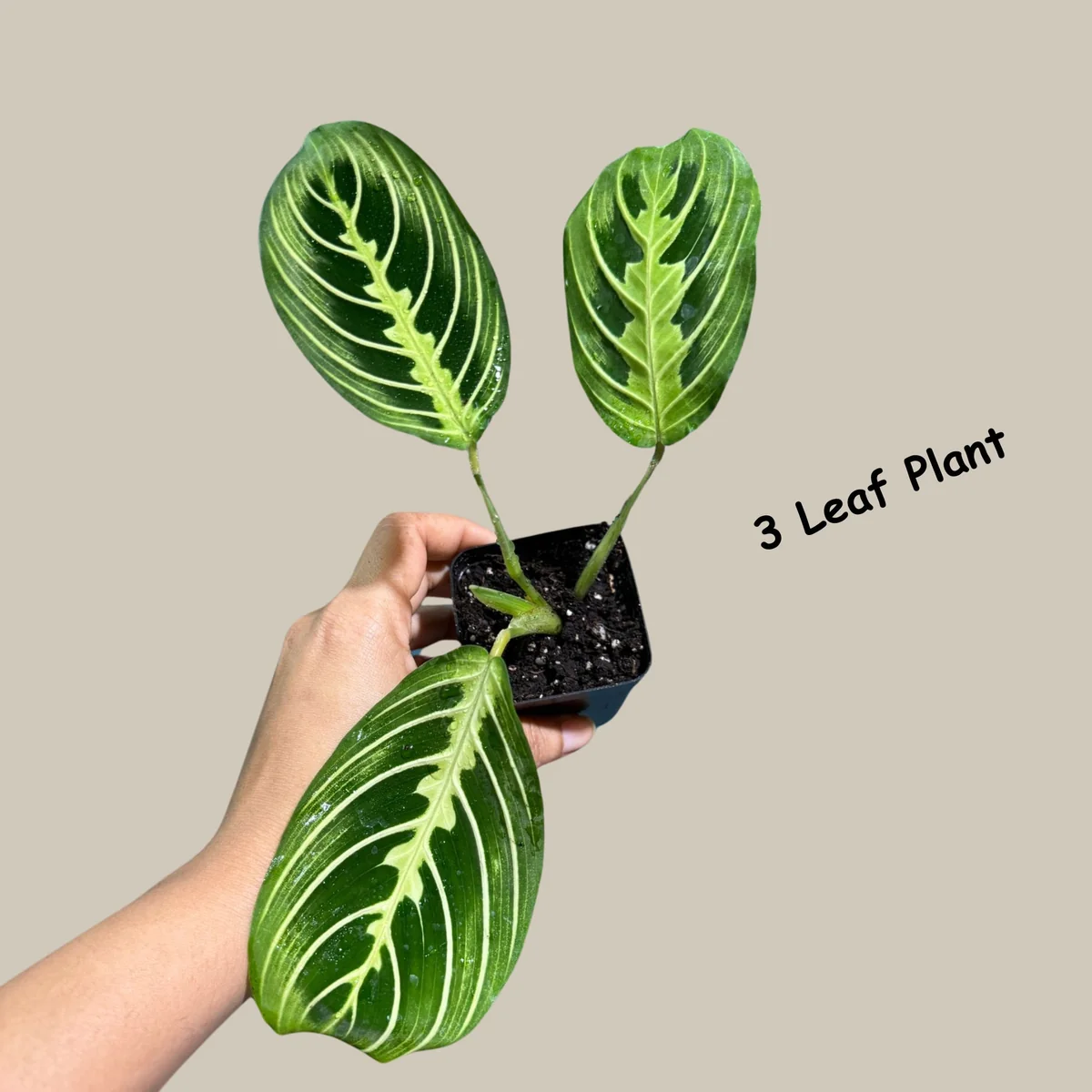
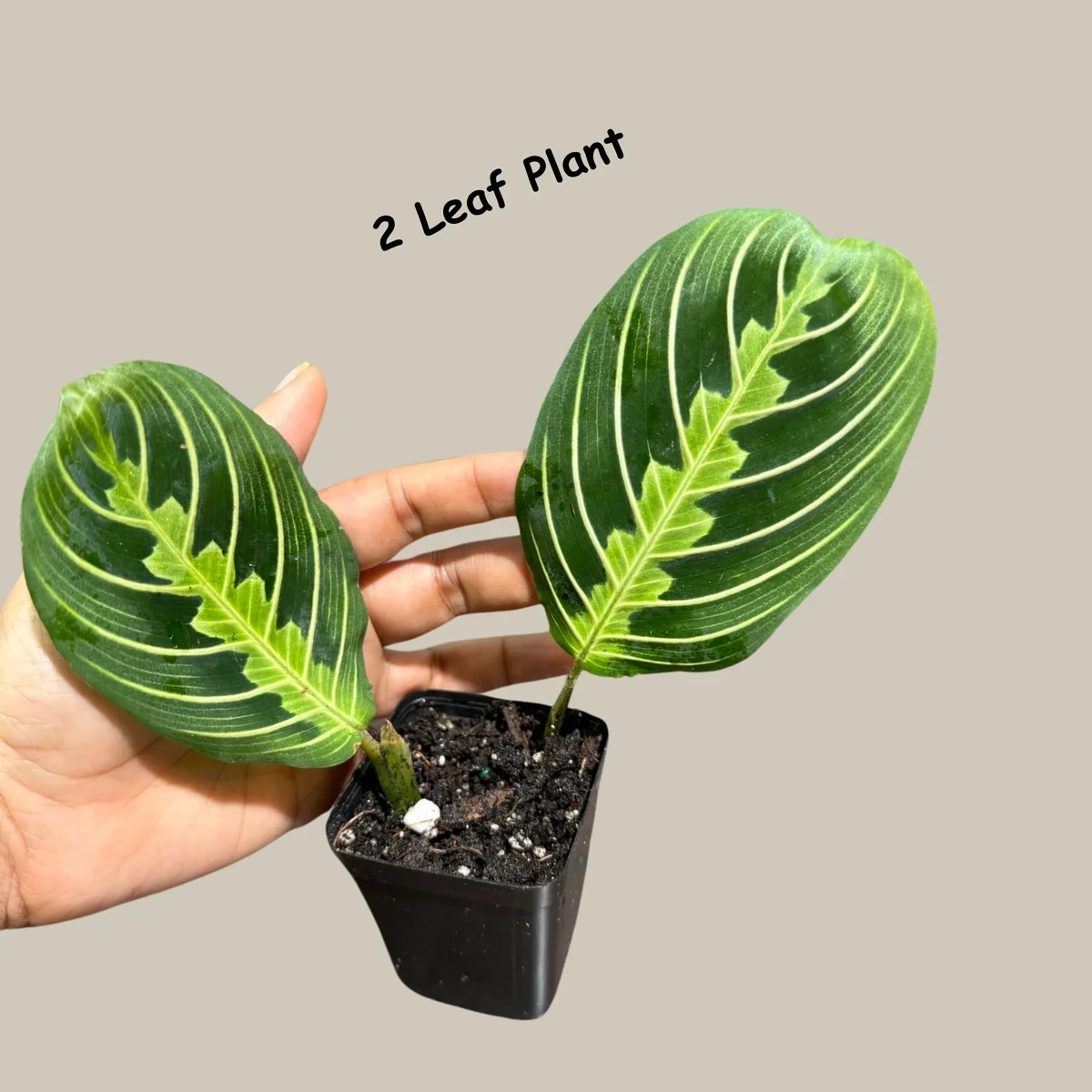
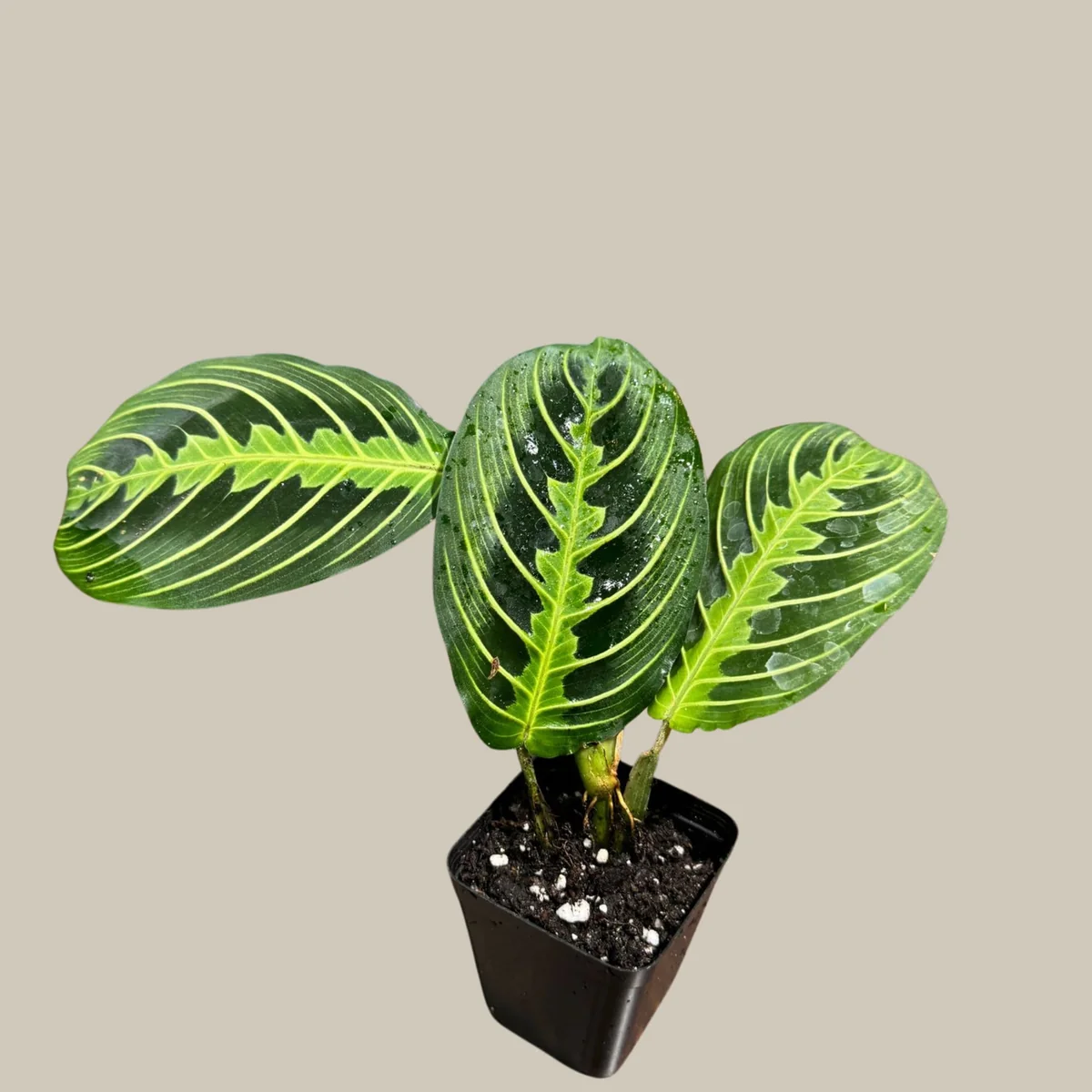
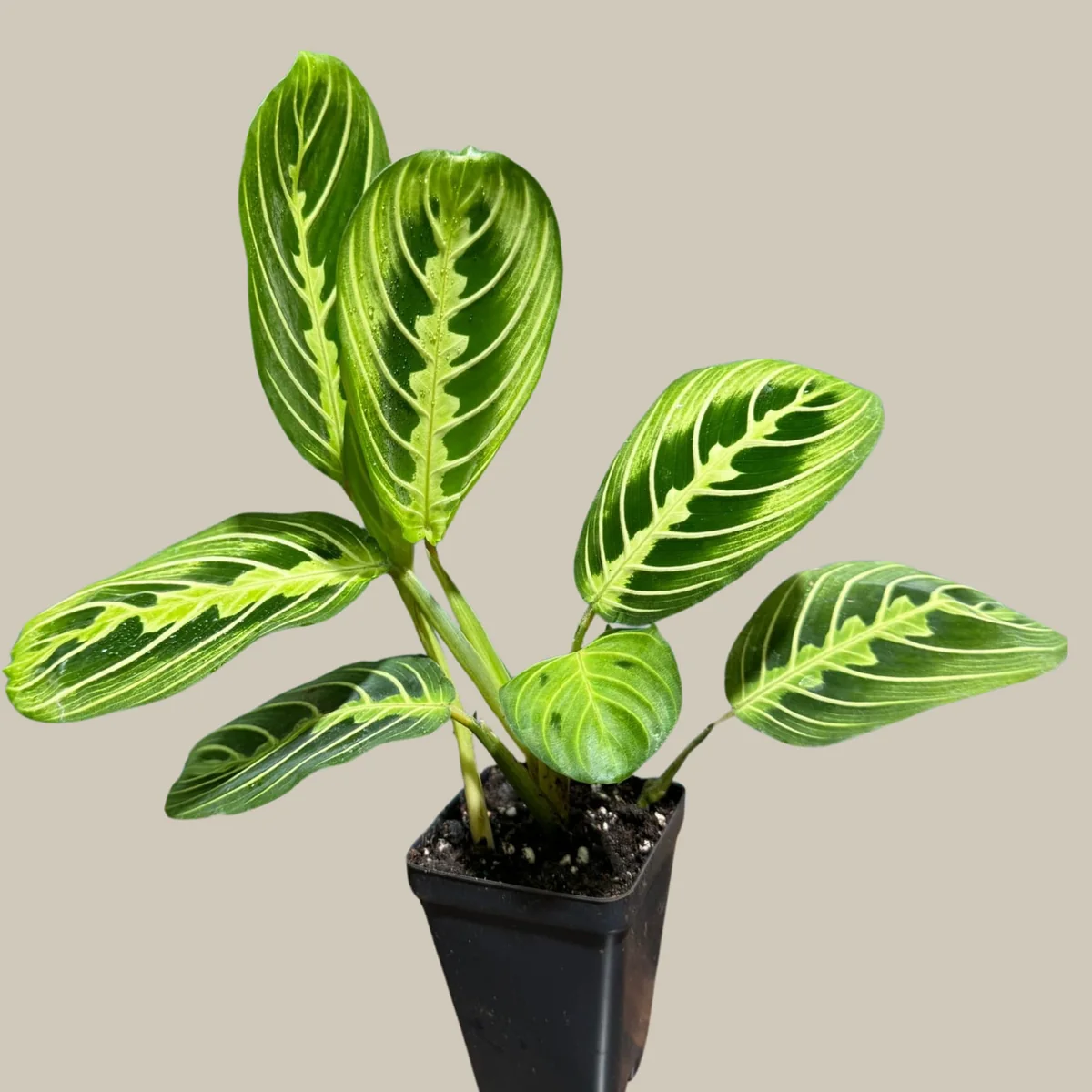
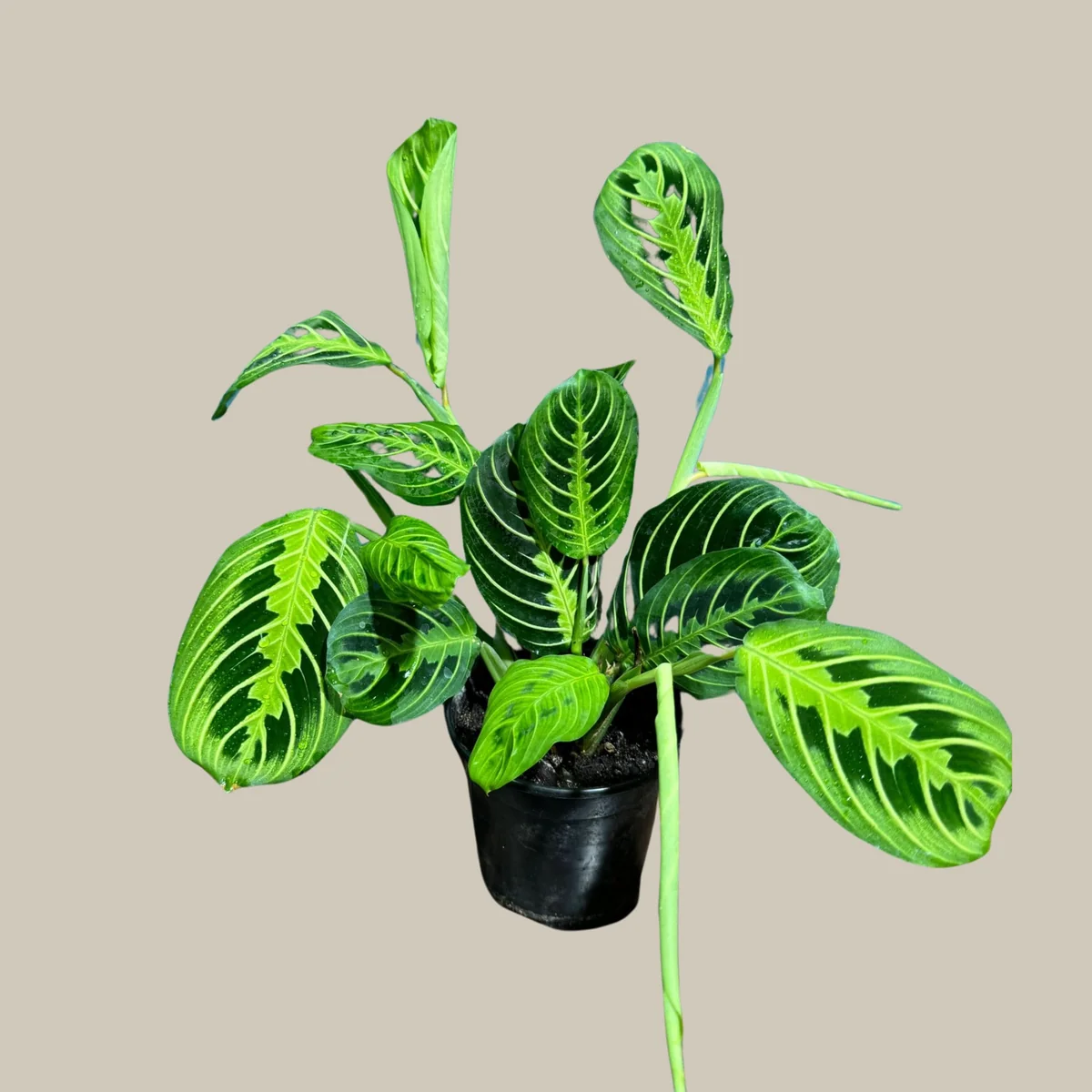

Lemon Lime Prayer Plant – Maranta Leuconeura Live Houseplant – Indoor Air Purifier
From $14.98
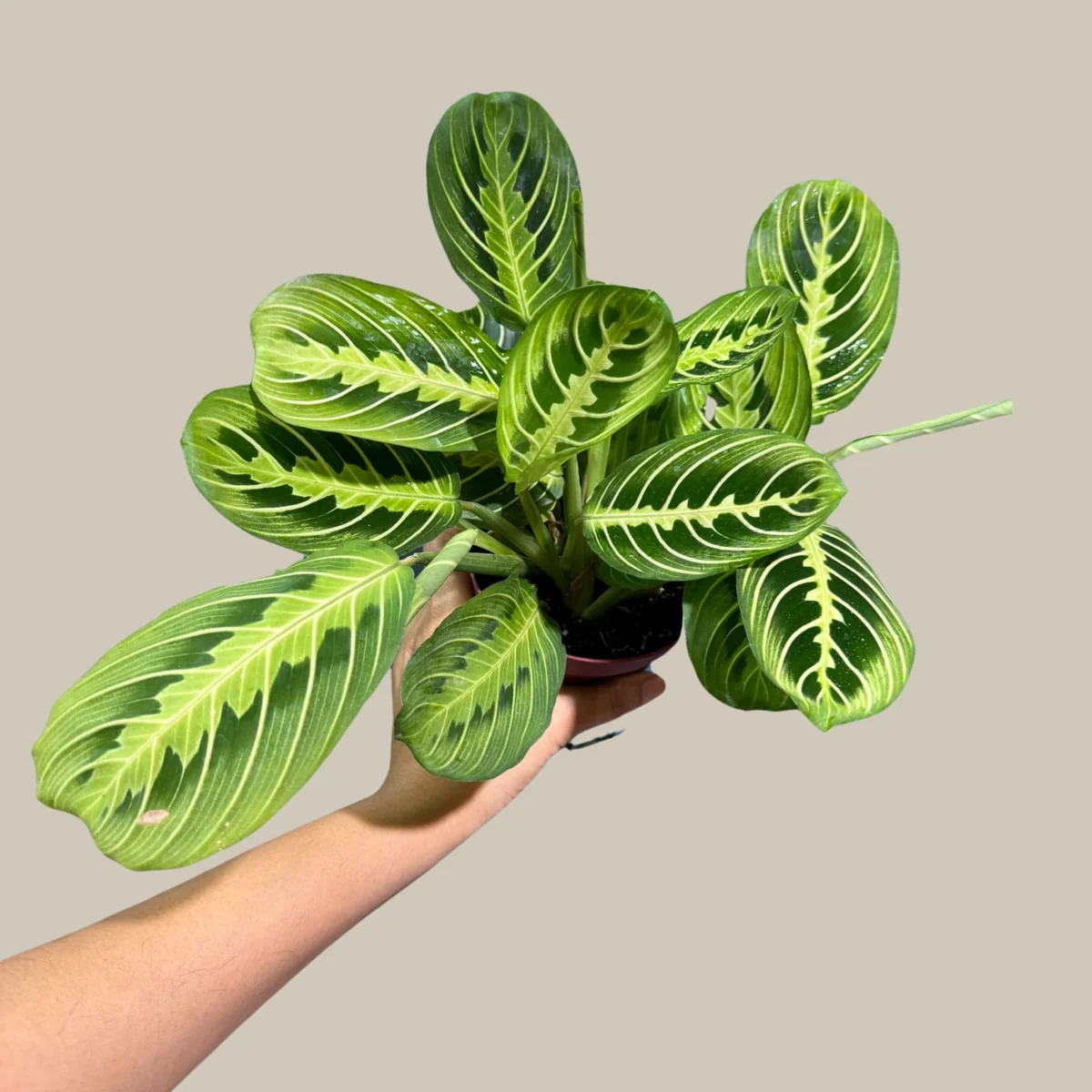
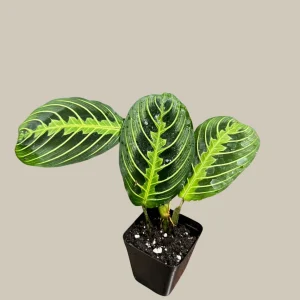
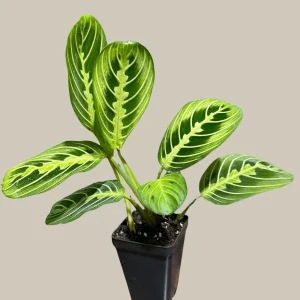
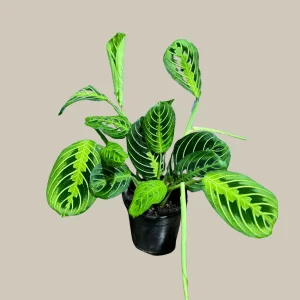
Bring vibrant greenery into your home with the lemon lime prayer plant (Maranta Leuconeura). This beautiful low light houseplant features striking lemon and lime-toned foliage that folds up at night. An excellent indoor air purifier plant and a perfect gift for any plant enthusiast.
-
USDA Hardiness Zone
Year-round indoors (USDA zones 10-11 outdoors) -
Soil Type
Well-draining, moisture-retentive potting mix -
Sunlight Exposure
Bright indirect light -
Expected Planting Period
Year-round indoors

You can track your order HERE
Mar 01
Mar 06 - Mar 08
Mar 11 - Mar 15
Shipping and return policies: Our Alive & Thrive Guarantee covers issues with your plants within the first 30 days. Reach out to us. Our team will answer your questions and help you find the plants that are truly suitable for your environment, climate, and personal preferences.

Overview
The lemon lime prayer plant, scientifically known as Maranta Leuconeura, is a captivating live houseplant celebrated for its distinctive foliage and charming nocturnal leaf habits. This particular cultivar offers a stunning display of vibrant green leaves adorned with eye-catching patterns in shades of lemon and lime, making it a standout addition to any indoor plant collection. As a maranta leuconeura care enthusiast’s delight, it’s known for its leaves folding upwards in the evening, resembling hands clasped in prayer, and unfurling again with the morning light. This unique physiological movement, called nyctinasty, adds an interactive element to its appeal. Originating from the tropical rainforests of Brazil, this plant thrives in conditions that mimic its natural habitat, offering a touch of the exotic to your home or office environment. It’s not just a beautiful plant; it’s also known for being a natural indoor air purifier plant, contributing to a healthier living space.
As a popular choice among prayer plant varieties, the Lemon Lime Maranta is relatively easy to care for, making it suitable for both novice and experienced plant parents. Its compact size makes it ideal for desks, shelves, or as part of a larger plant arrangement. The rich, varied coloration of its leaves ensures it remains an attractive focal point throughout the year, providing continuous visual interest. Whether you’re looking to start your indoor garden or expand an existing one, the lemon lime prayer plant offers both aesthetic beauty and natural benefits, making it an excellent choice for any indoor setting.
Key Benefits
The lemon lime prayer plant offers numerous advantages beyond its striking appearance, making it a highly desirable addition to any indoor space. Its unique characteristics provide both aesthetic and practical benefits for plant enthusiasts.
-
Stunning Foliage: This plant boasts incredibly vibrant green leaves with intricate patterns of lemon and lime tones. These striking colors and patterns provide year-round visual interest, making it a beautiful decorative element in any room. The contrast in colors is particularly appealing.
-
Unique Leaf Movement: Experience the captivating phenomenon of nyctinasty, where the leaves fold upwards at night, resembling hands in prayer, and then unfurl again in the morning. This dynamic behavior adds a fascinating, interactive quality not found in many other houseplants, making the lemon lime prayer plant a truly engaging companion.
-
Effective Air Purification: Like many houseplants, the Maranta Leuconeura contributes to improved indoor air quality. It helps filter out common airborne toxins, creating a fresher and healthier environment for you and your family. This natural air-purifying capability makes it a beneficial addition to any home or office.
-
Low Light Tolerance: Ideal for spaces with less direct sunlight, this low light houseplant thrives in indirect or filtered light conditions. This makes it a versatile choice for various rooms, from bedrooms to offices, where bright, direct light might be scarce. Its adaptability to lower light levels simplifies placement.
-
Pet-Friendly Nature: The Lemon Lime Prayer Plant is generally considered non-toxic to pets, offering peace of mind for households with curious cats or dogs. This makes it a safe and worry-free choice for pet owners who want to enjoy indoor greenery without concern.
-
Compact and Versatile Size: Its moderate growth habit and compact size make it perfect for tabletops, shelves, and small spaces. It can easily fit into various decor styles and arrangements without overwhelming the area, providing flexibility in design.
-
Easy to Propagate: For those looking to expand their plant collection or share with friends, the lemon lime prayer plant is relatively easy to propagate through stem cuttings, allowing for sustainable growth and sharing opportunities.
Plant Care & Growing Tips
Proper maranta leuconeura care is essential for the health and vibrant appearance of your lemon lime prayer plant. These plants thrive when their environmental needs are met, mimicking their native tropical habitat. Understanding their requirements for light, water, humidity, and soil will ensure your plant flourishes.
Light: The lemon lime prayer plant prefers bright, indirect light. Direct sunlight can scorch its delicate leaves, causing them to fade or develop brown spots. Position your plant near a window that receives filtered light, or in a spot where it gets plenty of ambient brightness without harsh direct rays. An east-facing window is often ideal, or a few feet back from a south or west-facing window. If light is too low, the vibrant patterns on the leaves may become less pronounced, and the plant may not exhibit its characteristic leaf movement as strongly.
Temperature and Humidity: These tropical beauties thrive in warm, humid conditions. Maintain ambient temperatures between 65°F and 80°F (18°C and 27°C). Avoid placing the plant near drafts from windows, doors, or air conditioning vents, as sudden temperature fluctuations can stress it. High humidity is crucial for the lemon lime prayer plant to prevent leaf edges from browning. You can increase humidity by misting the leaves regularly, placing the pot on a pebble tray filled with water (ensuring the pot doesn’t sit directly in the water), or using a humidifier. Grouping it with other plants can also create a microclimate with higher humidity.
Watering: Keep the soil consistently moist but never waterlogged. Water thoroughly when the top inch of soil feels slightly dry to the touch. It’s better to slightly underwater than overwater, as excessive moisture can lead to root rot. Use filtered or distilled water if possible, as Marantas can be sensitive to chemicals like chlorine and fluoride found in tap water, which can cause leaf tip burn. Ensure the pot has good drainage holes. Reduce watering frequency during the cooler, less active winter months.
Soil & Fertilizer: A well-draining yet moisture-retentive potting mix is best for the lemon lime prayer plant. A good blend typically includes peat moss, perlite, and a bit of compost to provide nutrients and aeration. This mixture allows for proper drainage while retaining enough moisture for the plant’s needs. During the active growing season (spring and summer), fertilize your plant once a month with a balanced, liquid houseplant fertilizer diluted to half strength. Avoid fertilizing in fall and winter when the plant’s growth slows down. Regularly check for signs of pests like spider mites or mealybugs, which can sometimes affect Marantas, and treat promptly with an appropriate horticultural spray.
Size & Details
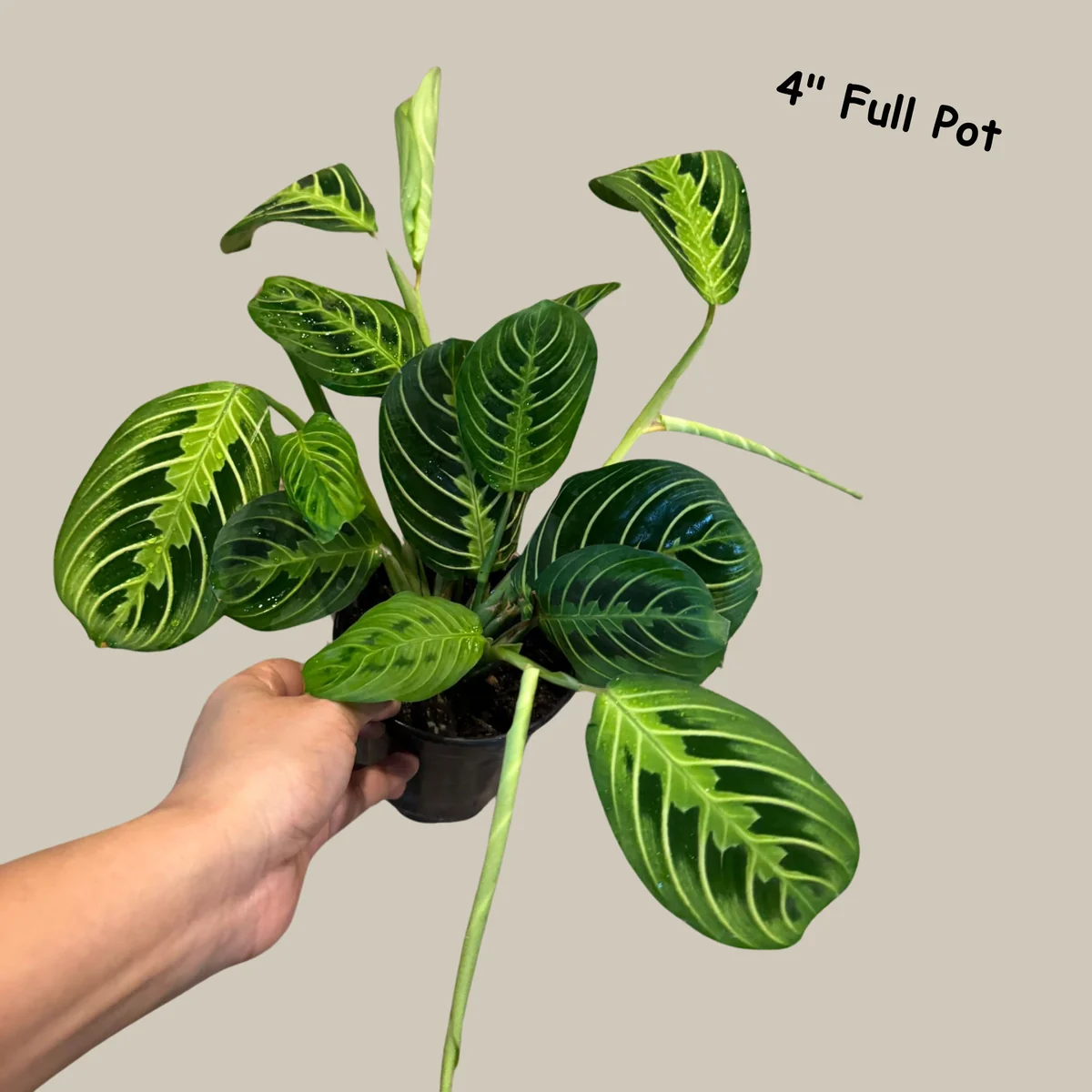
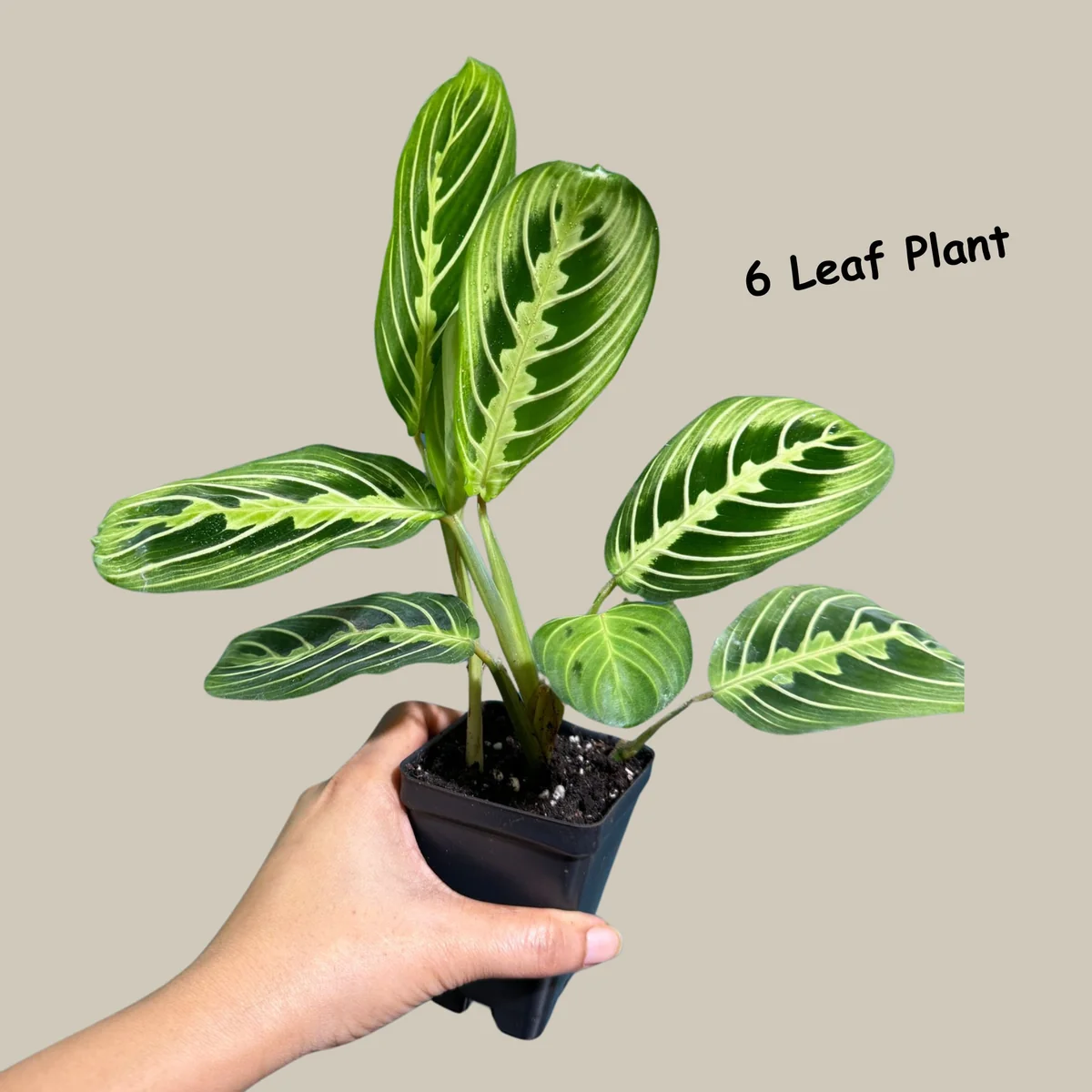
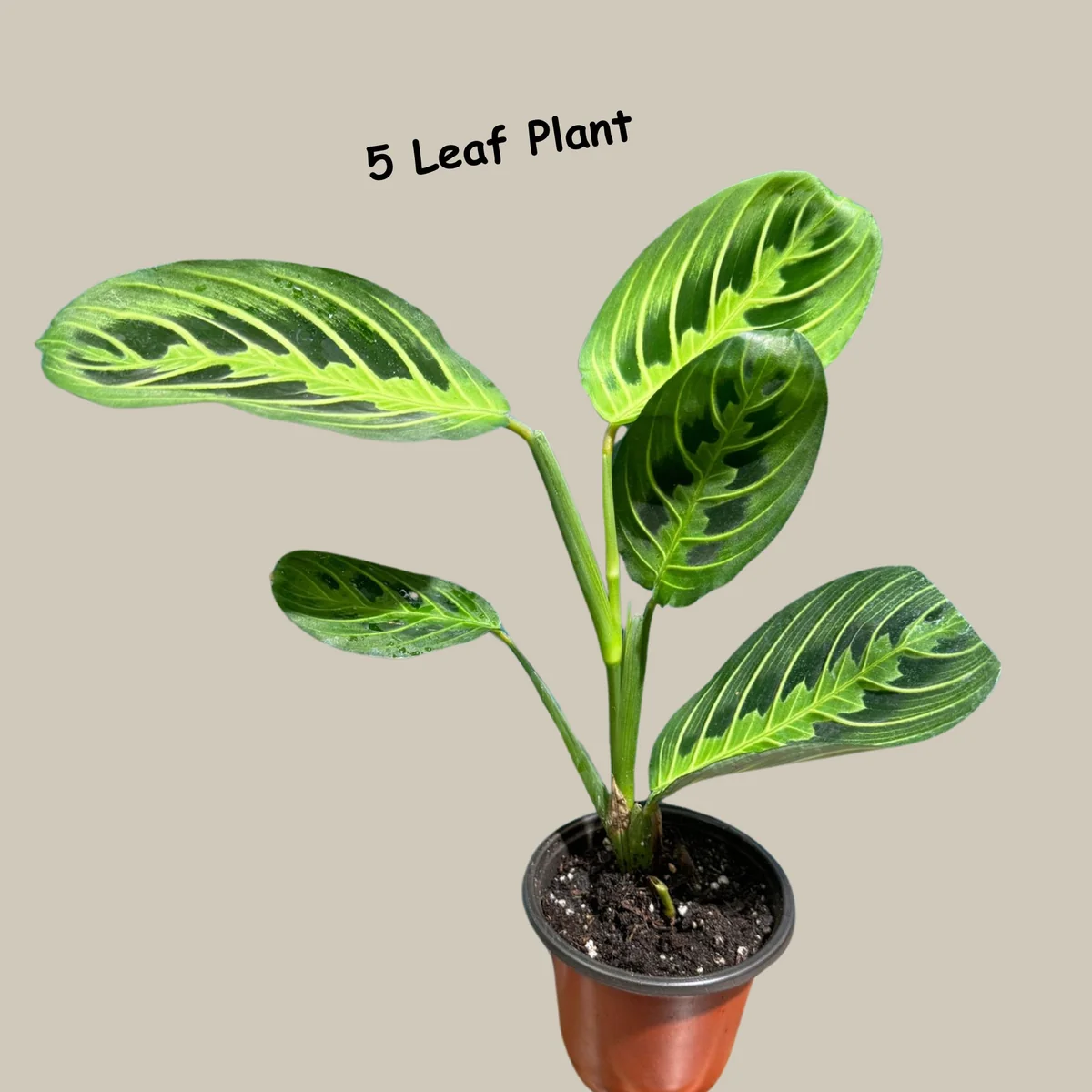
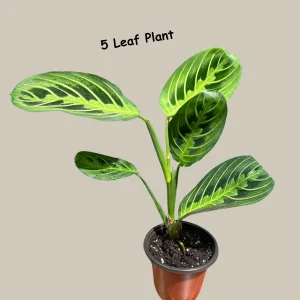
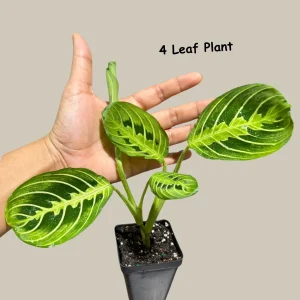
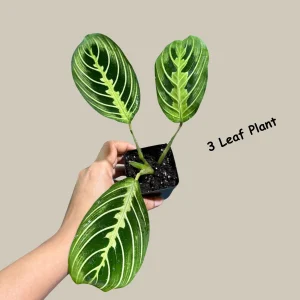
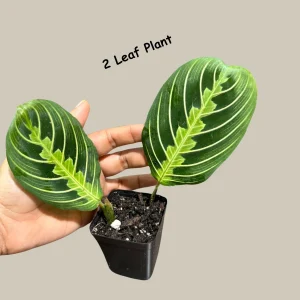
The lemon lime prayer plant is typically offered as a young, potted specimen, ready to thrive in your home. While specific dimensions can vary, most plants will arrive in a standard nursery pot, generally ranging from 4 to 6 inches in diameter. At this stage, the plant usually stands between 6 to 10 inches tall, including the pot. Its growth rate is moderate, and with proper maranta leuconeura care, it can eventually reach a spread of 12 to 18 inches, with individual leaves growing several inches long. The plant will continue to produce new foliage, gracefully trailing as it matures, making it suitable for hanging baskets or elevated shelves to showcase its unique growth habit. It’s important to note that you will receive a similar plant to the one pictured, ensuring the same quality and vibrant characteristics of this particular prayer plant varieties. Expect a healthy, well-rooted specimen ready to adapt to its new environment.
Frequently Asked Questions
-
Q: How big does a lemon lime prayer plant get? A: A lemon lime prayer plant typically grows to a moderate size, reaching about 6 to 12 inches in height and spreading 12 to 18 inches wide. Its trailing nature makes it suitable for hanging baskets or shelves where its foliage can cascade.
-
Q: Is the lemon lime prayer plant an indoor or outdoor plant? A: While it can thrive outdoors in very specific tropical climates (USDA zones 10-11), it is predominantly cultivated as an indoor air purifier plant due to its preference for consistent warmth and high humidity, making it a perfect low light houseplant.
-
Q: How much sunlight does a lemon lime prayer plant need? A: The lemon lime prayer plant prefers bright, indirect light. Direct sun can scorch its leaves, so place it near a window with filtered light or in a slightly shaded spot indoors. Too little light can dull its vibrant leaf patterns.
-
Q: Is this plant easy to care for? A: Yes, the Lemon Lime Prayer Plant is considered relatively easy to care for, making it suitable for beginners. Consistent watering, high humidity, and indirect light are key to successful maranta leuconeura care.
-
Q: What condition will my plant arrive in? A: Your plant will arrive healthy and well-packaged, similar to the selection you made. We prioritize its well-being during transit, ensuring it’s ready to thrive in its new home. Any specific concerns upon arrival will be addressed by our dedicated team.
-
Q: What type of soil is best for this prayer plant? A: A well-draining yet moisture-retentive potting mix is ideal. A blend containing peat moss, perlite, and a bit of compost works well to provide the right balance for your lemon lime prayer plant.
-
Q: Are prayer plant varieties pet-safe? A: Yes, the Maranta Leuconeura, including the lemon lime prayer plant, is generally considered non-toxic to pets. This makes it a safe choice for households with cats, dogs, or other curious animals.
-
Q: Why do the leaves of my prayer plant move? A: The unique leaf movement is called nyctinasty. The leaves fold upwards at night and flatten out during the day, a characteristic behavior of prayer plant varieties that helps them adapt to light conditions and conserve moisture.
-
Q: How often should I fertilize my lemon lime prayer plant? A: During the growing season (spring and summer), fertilize your lemon lime prayer plant once a month with a balanced, diluted liquid houseplant fertilizer. Reduce or stop fertilizing during fall and winter.
-
Q: Can I propagate my lemon lime prayer plant? A: Yes, you can propagate the lemon lime prayer plant from stem cuttings. Simply take a cutting with a node, place it in water or moist soil, and keep it in a warm, humid environment until roots develop.
| Options | 2 Leaf Plant, 3 Leaf Plant, 4 Leaf Plant, 4" Full Pot, 5 Leaf Plant, 6 Leaf Plant |
|---|
Be the first to review “Lemon Lime Prayer Plant – Maranta Leuconeura Live Houseplant – Indoor Air Purifier”
People Also Viewed
Sold 54 products
Original price was: $59.70.$29.85Current price is: $29.85.
Sold 51 products
Original price was: $67.80.$33.90Current price is: $33.90.
Sold 63 products
$43.98
Sold 58 products
From $197.96
Sold 88 products
From $19.99
Sold 65 products
$87.98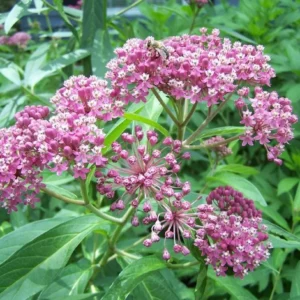
Flower Plants
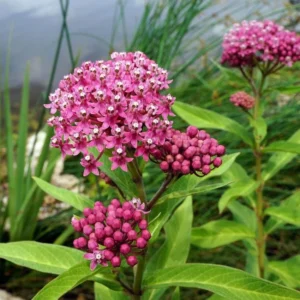
Red Milkweed Live Starter Plants – Set of 2, 4-8″ Tall, Perennial, Attracts Monarch Butterflies
Sold 91 products
Original price was: $59.97.$19.99Current price is: $19.99.
Sold 73 products
Original price was: $283.96.$141.98Current price is: $141.98.
Flower Plants
Cape Jasmine Plants – 2 Live Gardenia Plants – 4-6 Inch – Blooming Indoor Outdoor Jasmine
Sold 81 products
Original price was: $59.96.$29.98Current price is: $29.98.
Sold 71 products
From $99.80
Sold 99 products
Original price was: $41.56.$20.78Current price is: $20.78.
Sold 74 products
From $71.80
Flower Bulbs
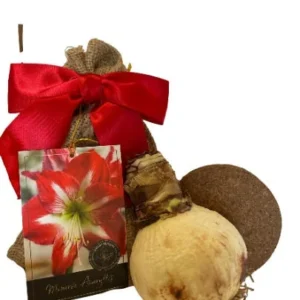
Amaryllis Minerva Growing Kit – Red & White Striped Flower Bulb with Rustic Pot – Indoor Plant
Sold 61 products
Original price was: $107.80.$53.90Current price is: $53.90.
Sold 58 products
Original price was: $35.98.$28.78Current price is: $28.78.
Sold 84 products
Original price was: $147.16.$73.58Current price is: $73.58.

Sold 70 products
Original price was: $19.00.$9.50Current price is: $9.50.

Sold 87 products
Original price was: $45.98.$32.18Current price is: $32.18.
Sold 62 products
Original price was: $147.16.$73.58Current price is: $73.58.



Reviews
There are no reviews yet.