
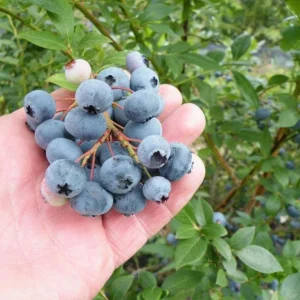
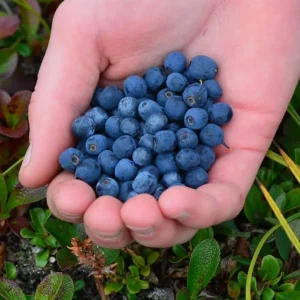
Legacy Blueberry Live Plant (Set of 2) – Northern Highbush – 4-6″ Tall – Vaccinium corymbosum – Outdoor or Container
Original price was: $162.36.$81.18Current price is: $81.18.
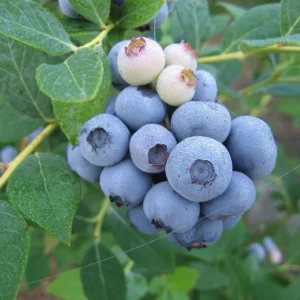
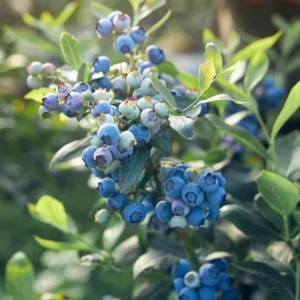
Bring the joy of fresh, late-season berries to your home with this set of two legacy blueberry live plant starters. These 4-6 inch tall northern highbush blueberry plants (Vaccinium corymbosum) are known for their exceptional flavor and vibrant seasonal foliage. Ideal for garden beds or as a container blueberry plant, they offer bountiful harvests and ornamental beauty.
-
USDA Hardiness Zone
USDA Zones 4-7 -
Soil Type
Well-draining, highly acidic soil (pH 4.5-5.5) -
Sunlight Exposure
Full sun to partial shade (6-8 hours direct sunlight) -
Expected Planting Period
Early spring or fall

You can track your order HERE
Feb 28
Mar 05 - Mar 07
Mar 10 - Mar 14
Shipping and return policies: Our Alive & Thrive Guarantee covers issues with your plants within the first 30 days. Reach out to us. Our team will answer your questions and help you find the plants that are truly suitable for your environment, climate, and personal preferences.

Overview
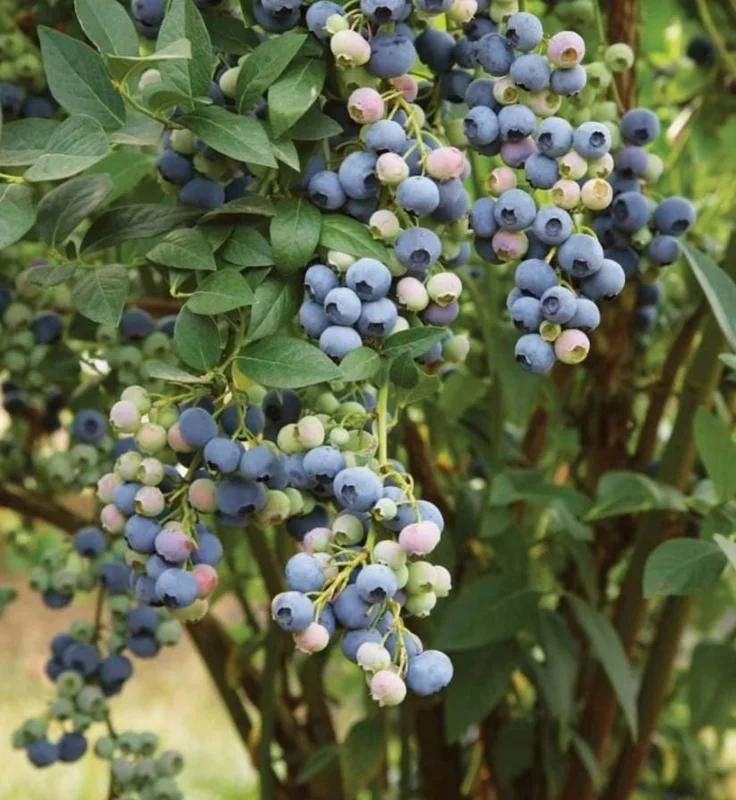
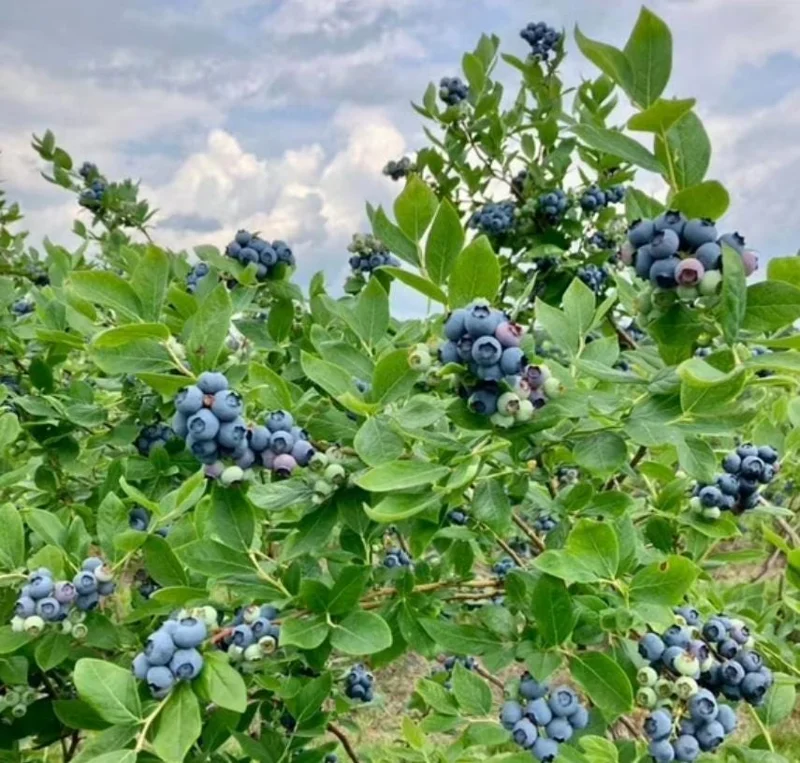
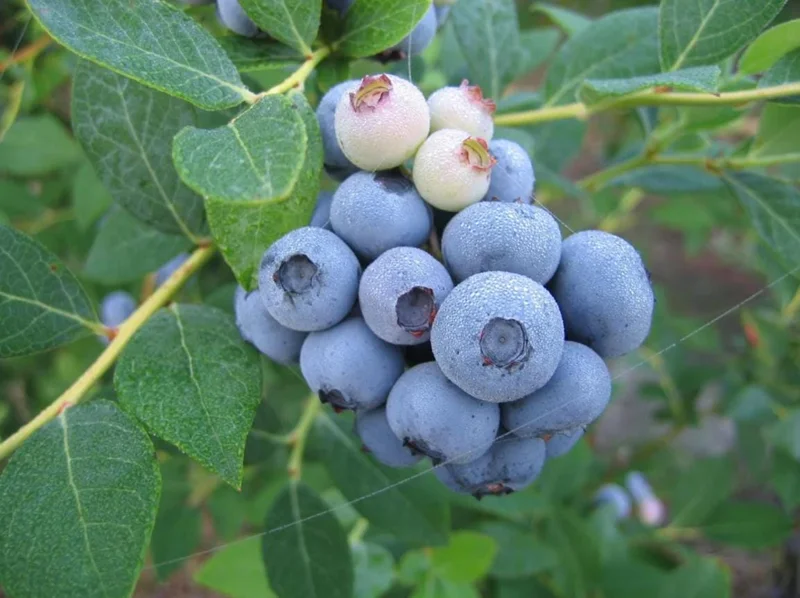
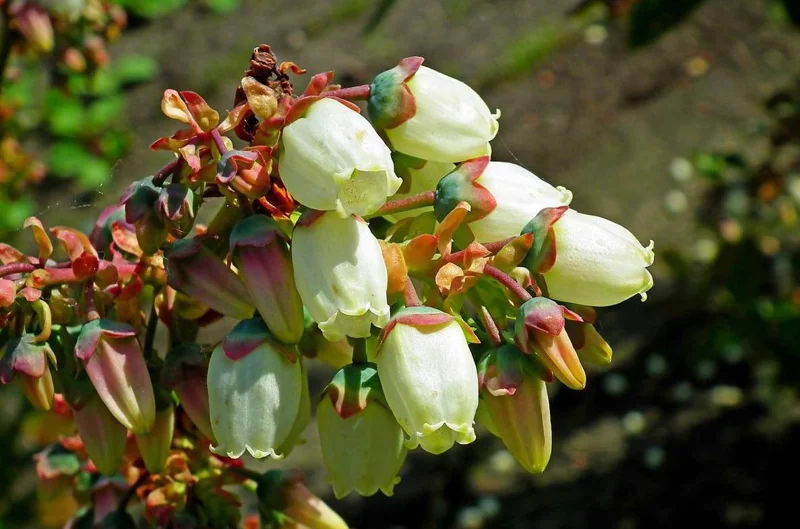
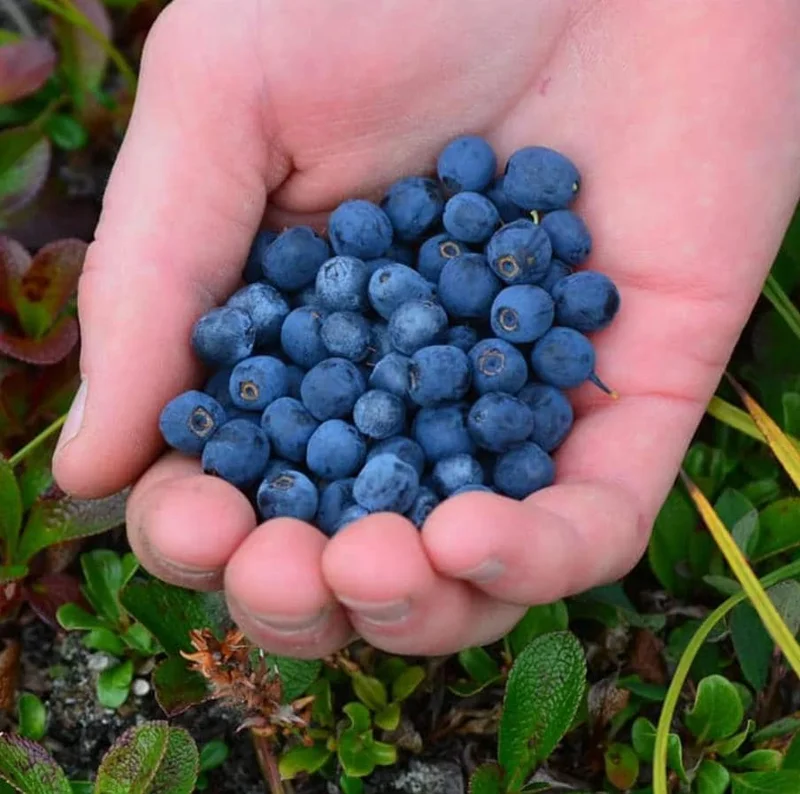
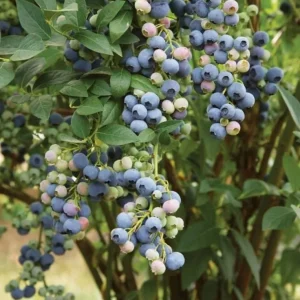
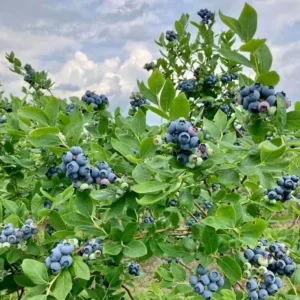
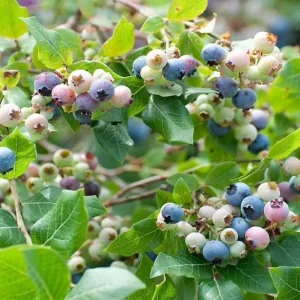
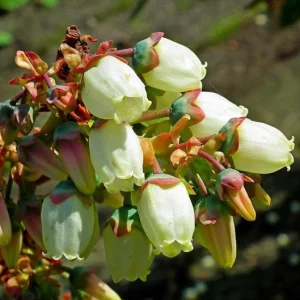
Introduce the delightful taste of late-season berries to your garden with this set of two legacy blueberry live plant starters. The Legacy Blueberry (Vaccinium corymbosum) is a highly sought-after northern highbush blueberry variety, celebrated for its exceptionally rich flavor and its ability to extend the fresh berry season well beyond that of most other types. Originating from careful cultivation, this particular blueberry bush offers not only bountiful fruit but also significant ornamental value, making it a dual-purpose addition to any outdoor space. These young starter plants are ready to be established in your garden or a suitable container, promising years of delicious harvests and seasonal beauty. The legacy blueberry live plant is a vigorous grower, known for its consistent production of large, sweet berries. Its robust nature makes it an excellent choice for both novice and experienced gardeners looking to cultivate high-quality, late season blueberry fruit. Beyond its edible offerings, this plant transforms through the seasons, showcasing delicate white flowers in spring and vibrant red foliage in the fall, ensuring continuous visual interest in your landscape.
Key Benefits
Cultivating the legacy blueberry live plant offers a multitude of advantages for home gardeners, combining both practical fruit production and aesthetic appeal. Here are some of the standout benefits for growing this northern highbush blueberry:
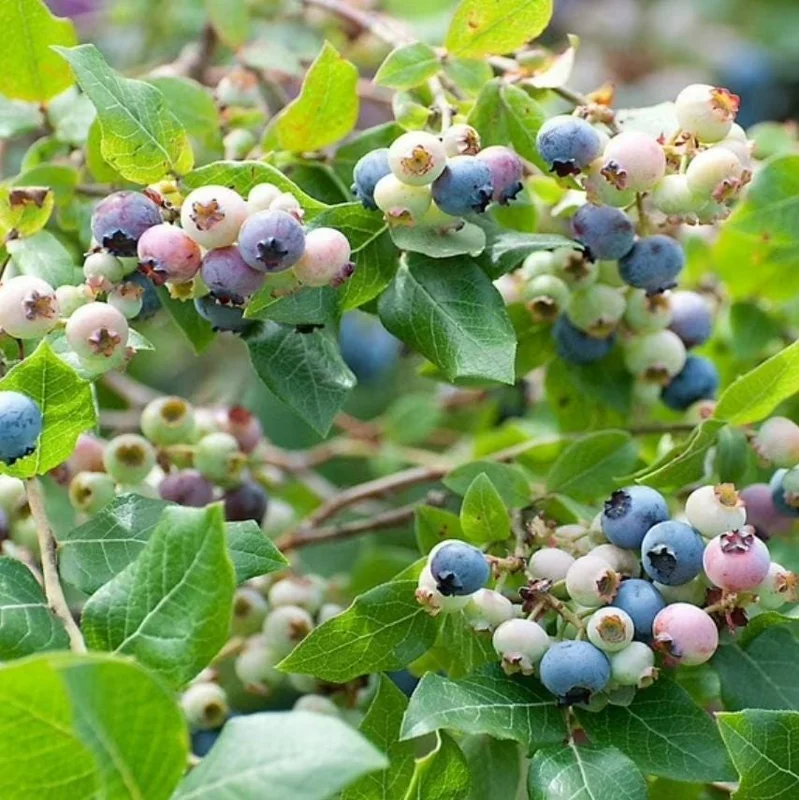
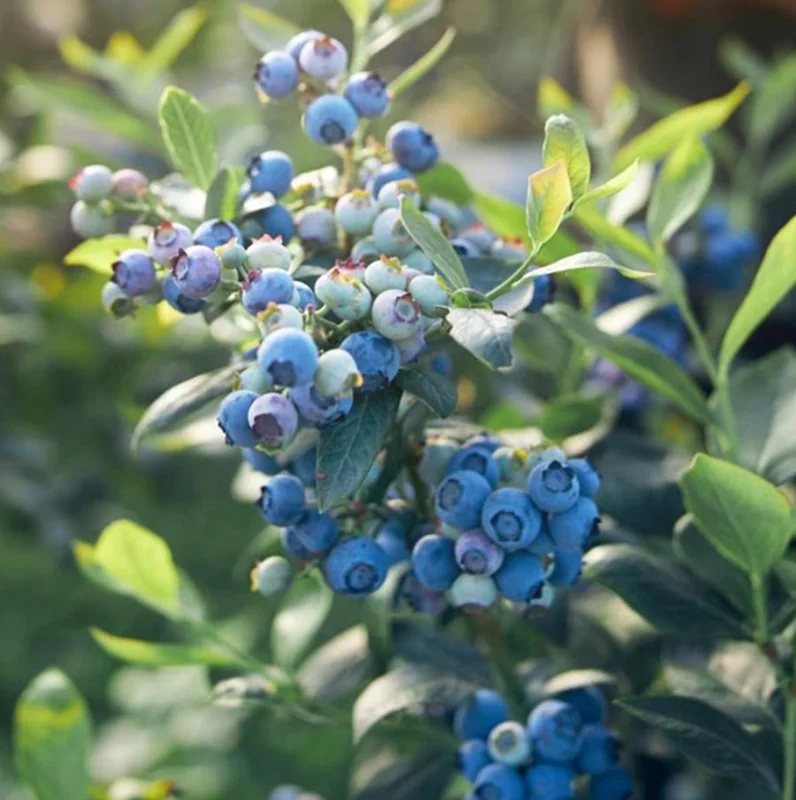
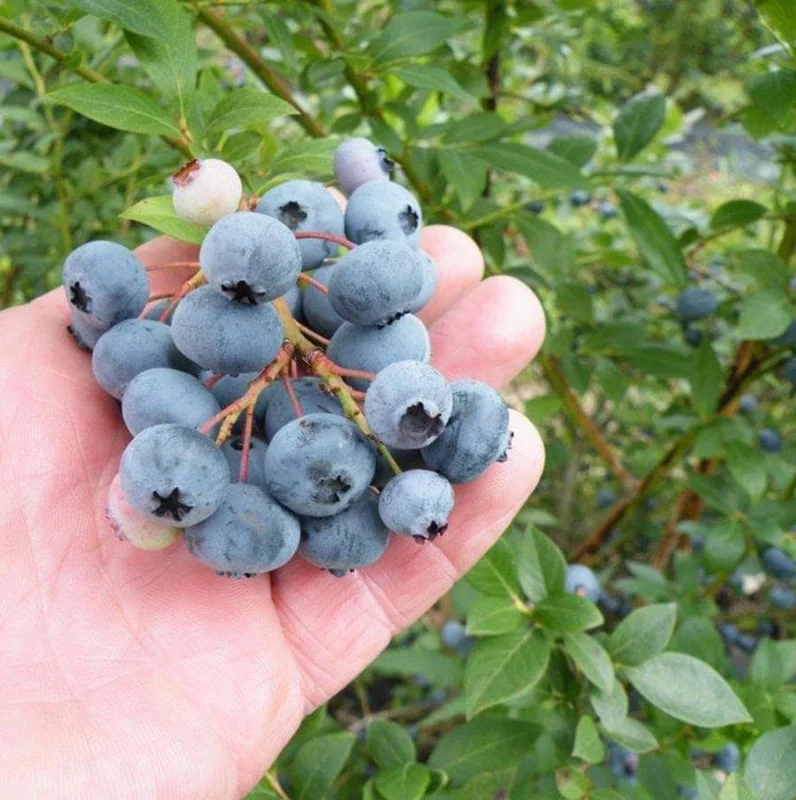
- Exceptional Late-Season Flavor: Enjoy richly flavored, sweet berries that ripen later than most other varieties, extending your fresh berry harvest well into the late summer or early fall. This makes the legacy blueberry live plant perfect for those who want to savor fresh fruit for longer.
- Dual Ornamental and Edible Appeal: Beyond its delicious fruit, this plant is a beautiful addition to any garden, featuring delicate white flowers in spring and brilliant red foliage in autumn, providing year-round visual interest.
- Cold Hardy Northern Highbush: As a northern highbush blueberry, it is well-suited for colder climates, thriving in USDA Zones 4–7, making it a reliable choice for many regions across the US.
- Versatile Growing Options: Whether you have a spacious garden bed or a compact patio, this blueberry bush can be successfully grown as a container blueberry plant or directly in the ground, offering flexibility for various garden designs.
- Pollinator Friendly: The spring flowers of the Legacy Blueberry attract essential pollinators like bees, contributing to a healthy garden ecosystem and ensuring good fruit set.
- High Yield Potential: With proper care, these vaccinium corymbosum plants are known for producing a generous crop of high-quality berries, perfect for fresh eating, baking, jams, and preserves.
- Adaptable to Soil Conditions (with amendments): While preferring acidic soil, these plants can be grown in containers with appropriate acidic potting mixes, making it accessible even if your native soil pH isn’t ideal.
Plant Care & Growing Tips
To ensure your legacy blueberry live plant thrives and produces abundant fruit, understanding its specific care requirements is crucial. These vaccinium corymbosum plants prefer a location that receives full sun to partial shade, with full sun being optimal for the best fruiting and growth. Aim for at least 6-8 hours of direct sunlight daily. Consistent watering is essential, especially during the establishment phase and throughout the fruiting season. The soil should be kept consistently moist, but never waterlogged, as blueberries are sensitive to both drought and excessive wetness. Overhead irrigation can be used, but drip irrigation is often preferred to keep foliage dry and reduce disease risk.
The most critical factor for successful blueberry cultivation is soil. Legacy Blueberries require well-draining, highly acidic soil with a pH between 4.5 and 5.5. If your garden soil is not naturally acidic, consider amending it with peat moss, sulfur, or using a specialized acidic potting mix if growing in containers. For container blueberry plant cultivation, ensure the pot has ample drainage holes to prevent root rot. Fertilize lightly with an acid-loving plant fertilizer during the growing season, typically in early spring and again after the first harvest. Avoid fertilizers high in nitrates, which can harm blueberries. Pruning is best done in late winter or early spring while the plant is dormant. Remove any dead, diseased, or weak branches, and thin out older canes to encourage new growth and better fruit production. This ensures your northern highbush blueberry remains healthy and productive.
Protecting your late season blueberry plants from birds and other wildlife may be necessary as the berries begin to ripen. Netting can be an effective solution to safeguard your harvest. While generally robust, monitor for common blueberry pests and diseases and address them promptly with organic or appropriate treatments. Providing consistent care will lead to a healthy, productive bush and a bountiful harvest of delicious berries from your garden bed.
Size & Details
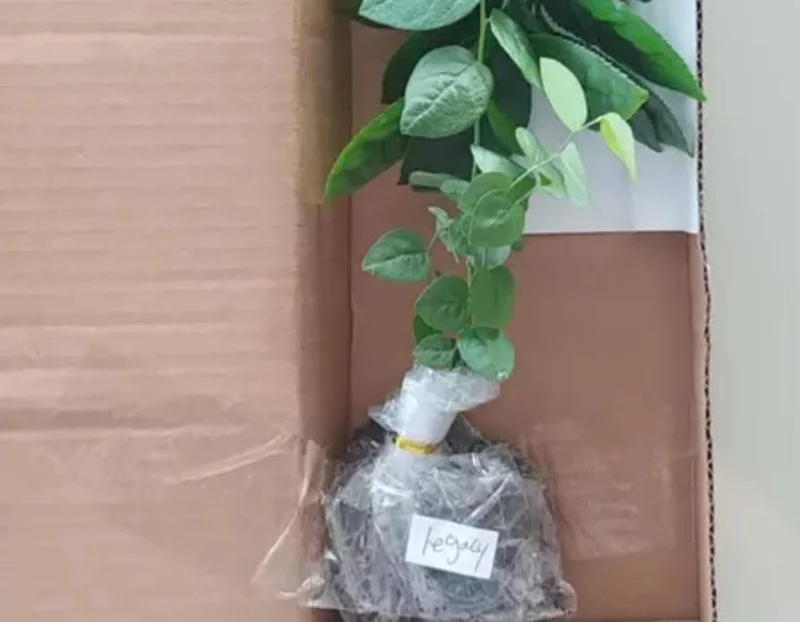
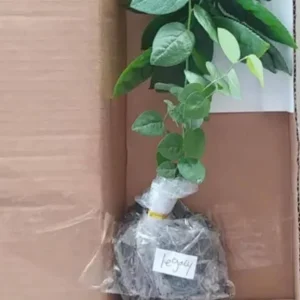
This offering includes a set of two healthy legacy blueberry live plant starter plants. Each plant measures approximately 4–6 inches tall when shipped. These young bare root plants are carefully packaged to ensure they arrive ready for planting in your garden or chosen container. As a northern highbush blueberry, the Legacy variety is known for its strong growth habit. When mature, these plants typically reach a height of 4–6 feet with a spread of 3–5 feet, forming an attractive, bushy shrub. The growth rate is moderate, and with proper care, you can expect fruit production to begin within 1-2 years after planting, with full production achieved in 3-5 years.
The Legacy Blueberry is a late season blueberry, meaning its fruit ripens after most other varieties have finished, usually from late summer into early fall. This characteristic makes it an excellent choice for extending your fresh berry supply. The plants are perennial, returning year after year to provide harvests. They are suitable for USDA Hardiness Zones 4–7. Whether you plan to cultivate them as a container blueberry plant on a patio or integrate them into a larger garden, these starters provide a robust foundation for a productive and beautiful fruit-bearing shrub.
Frequently Asked Questions
- Q: How big will these Legacy Blueberry plants get? A: These legacy blueberry live plant starters are 4–6 inches tall upon arrival. When mature, they typically grow to a height of 4–6 feet and spread 3–5 feet, forming a substantial bush, making them a significant northern highbush blueberry.
- Q: Is this an indoor or outdoor plant? A: The Legacy Blueberry is an outdoor plant, specifically a northern highbush blueberry, thriving in garden beds or large outdoor containers in USDA Zones 4–7. It is not suitable for indoor cultivation long-term.
- Q: How much sunlight does a Legacy Blueberry need? A: For optimal fruiting and growth, this plant requires full sun to partial shade, ideally receiving 6-8 hours of direct sunlight per day. Adequate sunlight is key for a successful late season blueberry harvest.
- Q: What condition will the plants arrive in? A: You will receive a set of two healthy vaccinium corymbosum plants, shipped bare root and carefully packaged to ensure they arrive in excellent condition, ready for immediate planting.
- Q: When is the best time to plant a Legacy Blueberry? A: The best time to plant your late season blueberry is in early spring or fall, allowing the roots to establish before extreme summer heat or winter cold.
- Q: Can I grow this blueberry in a container? A: Yes, the Legacy Blueberry is an excellent container blueberry plant. Ensure you use a large pot (at least 15-20 gallons) with good drainage and an acidic potting mix.
- Q: What kind of soil does this blueberry prefer? A: This blueberry thrives in well-draining, highly acidic soil with a pH between 4.5 and 5.5. Soil amendments like peat moss or sulfur may be needed if your native soil is not acidic enough for these vaccinium corymbosum plants.
- Q: Is this plant cold-hardy? A: Yes, as a northern highbush blueberry, it is cold-hardy and suitable for growing in USDA Zones 4–7.
- Q: How long until I can harvest berries? A: You can typically expect to see some fruit within 1-2 years of planting your legacy blueberry live plant, with full production achieved in 3-5 years.
- Q: Do I need more than one plant for fruit production? A: While Legacy Blueberries are often self-pollinating, planting multiple varieties of vaccinium corymbosum plants can significantly increase fruit yield and size due to enhanced cross-pollination.
Be the first to review “Legacy Blueberry Live Plant (Set of 2) – Northern Highbush – 4-6″ Tall – Vaccinium corymbosum – Outdoor or Container”
People Also Viewed
Sold 57 products
$59.38
Sold 76 products
From $67.00
Sold 69 products
Original price was: $63.76.$31.88Current price is: $31.88.
Sold 75 products
Original price was: $283.96.$141.98Current price is: $141.98.
Sold 50 products
Original price was: $23.00.$18.40Current price is: $18.40.
Sold 54 products
Original price was: $19.00.$9.50Current price is: $9.50.
Sold 64 products
$43.98
Sold 64 products
From $59.38
Sold 75 products
Original price was: $59.78.$29.89Current price is: $29.89.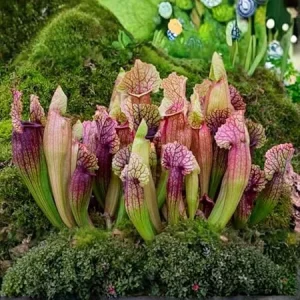
HousePlants
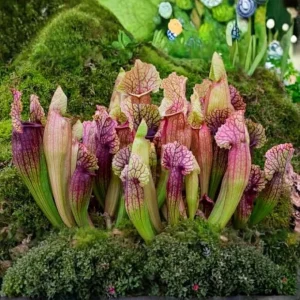
Purple Nepenthes Pitcher Plant Live – Exotic Tropical Houseplant for Indoor/Outdoor Décor
Sold 58 products
$65.98
Sold 99 products
Original price was: $110.72.$66.44Current price is: $66.44.
Sold 60 products
Original price was: $58.00.$46.40Current price is: $46.40.
Sold 71 products
Original price was: $30.76.$15.38Current price is: $15.38.
Sold 67 products
Original price was: $44.98.$22.49Current price is: $22.49.
Sold 55 products
Original price was: $60.00.$30.00Current price is: $30.00.
Sold 53 products
Original price was: $236.00.$118.00Current price is: $118.00.
Sold 82 products
$87.98
Sold 66 products
Original price was: $35.68.$17.84Current price is: $17.84.


Reviews
There are no reviews yet.