




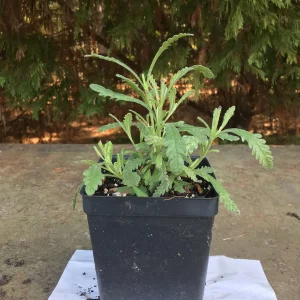
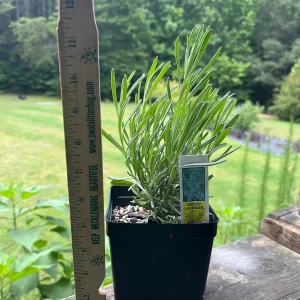
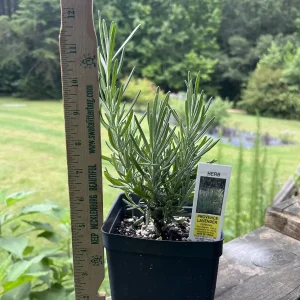
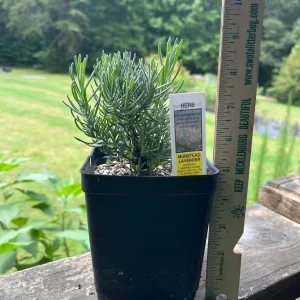
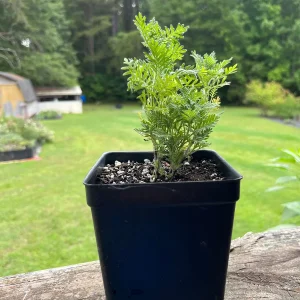
Lavender Live Plant – Aromatic Herb, 3.5 inch Pot, Outdoor Perennial
From $18.98
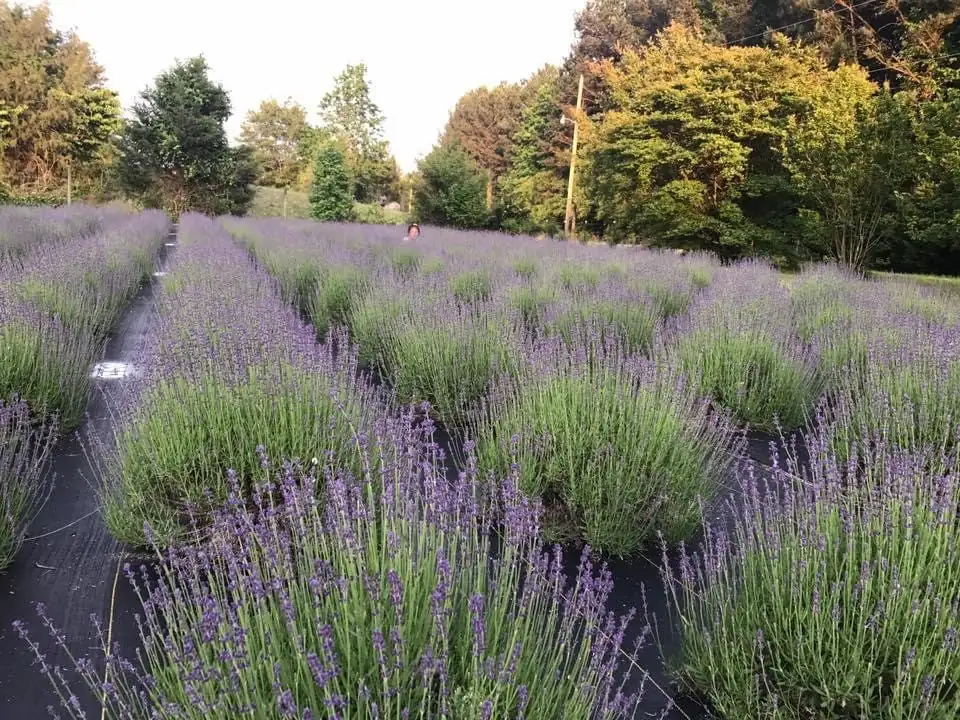
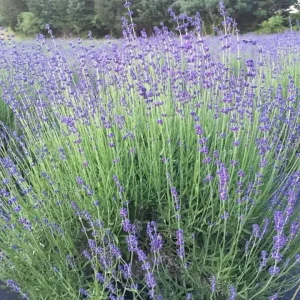
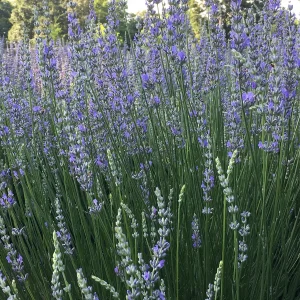
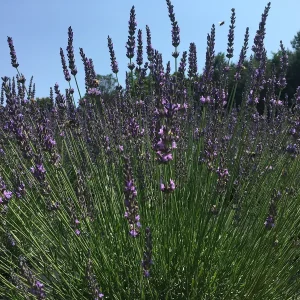
Bring the delightful fragrance of lavender live plant into your home or garden. These aromatic herb plants are perfect for culinary uses, potpourri, or simply enjoying their beautiful blooms. Our vigorous perennial lavender thrives outdoors in full sun and well-drained soil, offering stunning purple flowers and a soothing scent.
-
USDA Hardiness Zone
USDA zones 5-9 (varies by variety, some 9-11) -
Soil Type
Well-draining, sandy, slightly alkaline soil -
Sunlight Exposure
Full sun (6-8+ hours daily) -
Expected Planting Period
Spring to early summer

You can track your order HERE
Mar 01
Mar 06 - Mar 08
Mar 11 - Mar 15
Shipping and return policies: Our Alive & Thrive Guarantee covers issues with your plants within the first 30 days. Reach out to us. Our team will answer your questions and help you find the plants that are truly suitable for your environment, climate, and personal preferences.

Overview
Transform your garden or patio into a fragrant oasis with our exquisite lavender live plant collection. Renowned for its captivating aroma and beautiful purple blooms, lavender is a versatile aromatic herb plant cherished by gardeners and herbalists alike. Whether you’re looking to create a calming atmosphere, enhance your culinary creations, or craft homemade gifts, a perennial lavender is an excellent choice. This collection features various popular varieties, each offering unique characteristics in terms of fragrance, flower color, and growth habit. From the classic ‘Provence French Lavender’ to the heat-tolerant ‘Goodwin Creek Lavender’, you’ll find the perfect addition to your botanical haven.
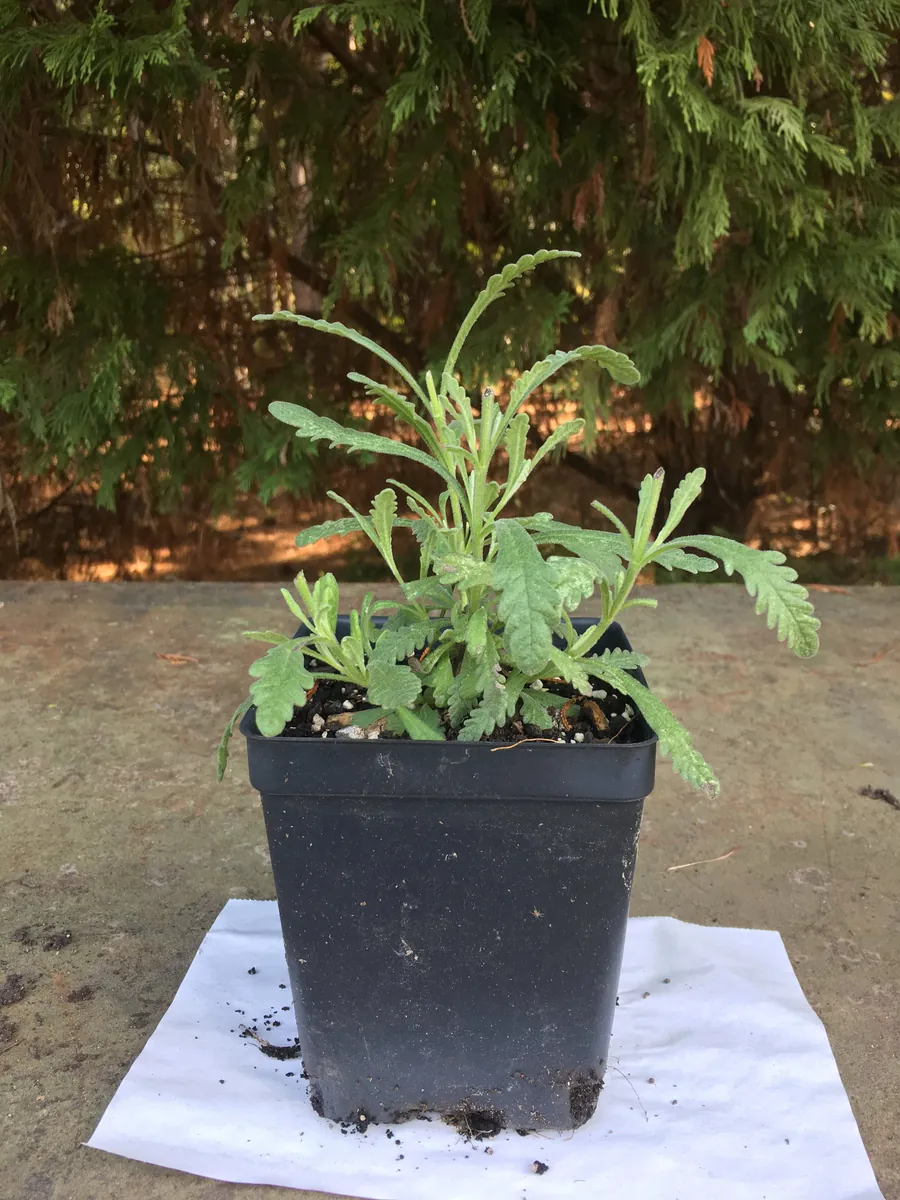
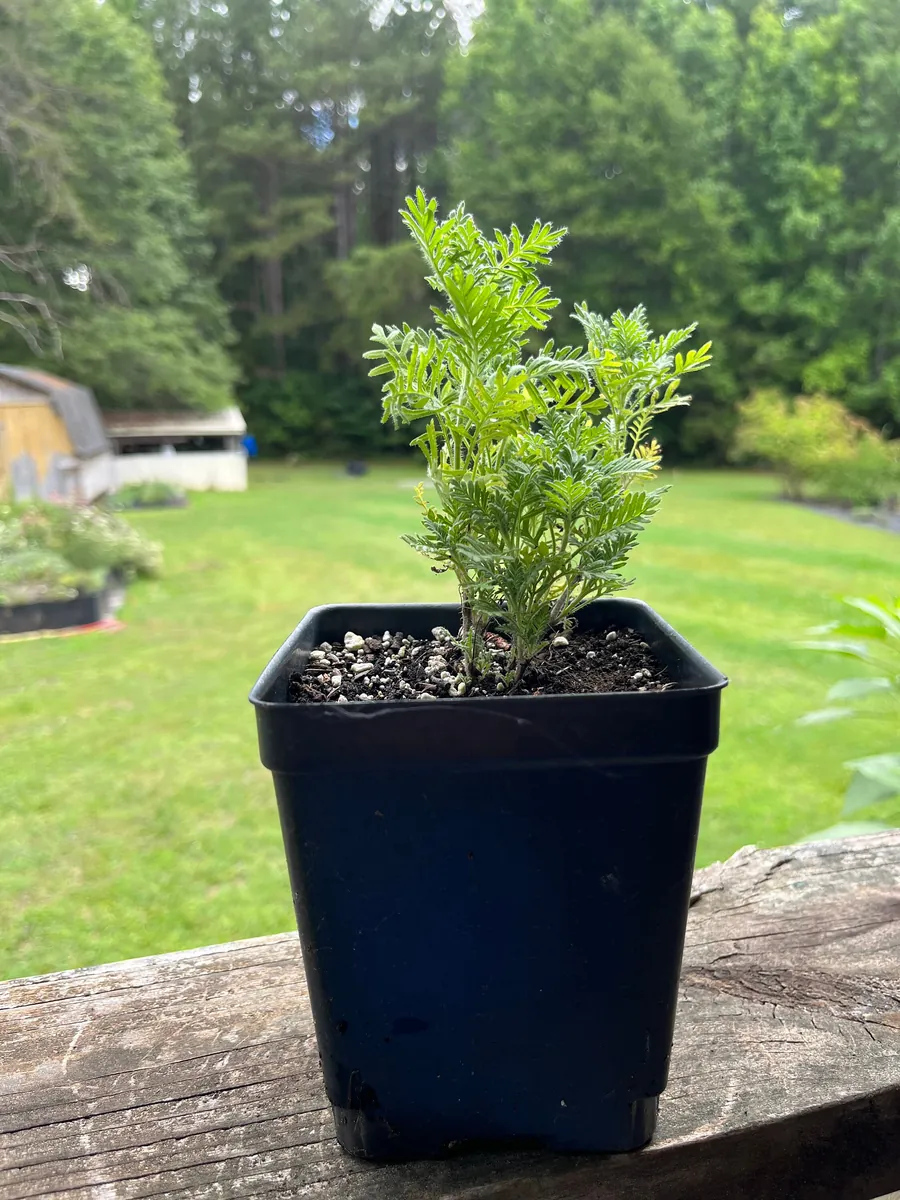
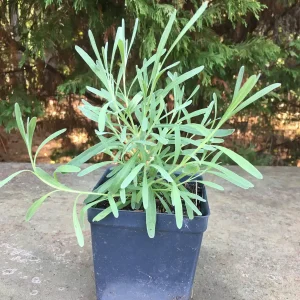
These robust plants are shipped in 3.5-inch pots, ready to be transplanted into your garden beds, containers, or window boxes. Lavender (Lavandula spp.) is a drought-resistant perennial, making it a low-maintenance yet highly rewarding plant for many climates. Its silvery-green foliage and vibrant flowers provide continuous visual appeal throughout the growing season. With proper care, your lavender live plant will flourish, offering years of beauty and fragrance.
Key Benefits
Our selection of lavender live plant varieties offers numerous advantages for both seasoned gardeners and beginners. These resilient plants not only add aesthetic charm but also provide practical benefits:
- Intensely Fragrant Blooms: Enjoy the strong, soothing aroma that lavender is famous for. Varieties like ‘Provence French Lavender’ and ‘True Gross French Lavender’ are exceptionally fragrant, perfect for aromatherapy or simply uplifting your spirits.
- Beautiful Ornamental Value: With their distinctive silvery-green foliage and vibrant purple flowers, these plants enhance any garden design. They are ideal for borders, hedges, rock gardens, or as striking container plants.
- Drought-Resistant Perennial: Once established, lavender is incredibly tough and requires minimal watering, making it a sustainable choice for water-wise gardening. It returns year after year, offering continuous beauty without constant replanting.
- Attracts Pollinators: Lavender blooms are a magnet for bees, butterflies, and other beneficial pollinators, contributing to the biodiversity and health of your garden ecosystem.
- Versatile Culinary & Craft Use: Many varieties, including ‘Angustifolia Munstead Lavender’, are excellent for culinary applications, potpourri, essential oils, dried arrangements, and crafting lavender wands or wreaths.
- Pest Deterrent: The strong scent of lavender can naturally deter common garden pests, helping to protect nearby plants without the need for chemical sprays.
- Low Maintenance: Requiring full sun and well-drained soil, lavender plant care is relatively straightforward. These plants are known for their resilience and ability to thrive in various conditions, making them a great choice for busy gardeners.
Plant Care & Growing Tips
Caring for your lavender live plant is generally simple, ensuring years of fragrant blooms with minimal effort. Lavender thrives in conditions that mimic its native Mediterranean environment. The most crucial factors for success are sunlight, soil, and proper watering.
Sunlight Requirements: Lavender demands full sun, meaning at least 6-8 hours of direct sunlight per day. Plant your aromatic herb plants in the brightest spot in your garden or on your patio. Good air circulation is also vital to prevent fungal issues, especially in humid climates. For indoor growing, a south-facing window or supplemental grow lights are recommended.
Soil and Drainage: Excellent drainage is paramount for lavender. It prefers lean, well-draining soil with a slightly alkaline pH. If your soil is heavy clay, amend it generously with sand, gravel, or organic matter to improve drainage. Raised beds or containers filled with a sandy potting mix are ideal. Avoid overly rich soil, as it can lead to leggy growth and fewer flowers. Hardiness zones vary by variety, with most thriving in zones 5-9, though some, like ‘Bucii Pinnata Lavender’, prefer warmer zones 9-11 and cannot tolerate frost.
Watering and Fertilization: Once established, lavender is highly drought-resistant and prefers dry conditions. Water deeply but infrequently, allowing the soil to dry out completely between waterings. Overwatering is the most common cause of lavender failure. Fertilization is rarely needed and can even be detrimental, promoting foliage growth over flowers. If your soil is very poor, a light application of a balanced, slow-release fertilizer in spring can be beneficial. We recommend pinching your perennial lavender 5-10 days after transplanting to encourage bushier growth.
Size & Details
Each lavender live plant is carefully cultivated and shipped in a 3.5-inch nursery pot, ensuring it arrives healthy and ready for transplanting. These are young, vigorous plants that will establish quickly in their new environment. Depending on the variety, mature lavender plants typically grow anywhere from 1 to 3 feet tall and wide, forming beautiful, mounding shrubs. For instance, ‘Angustifolia Munstead Lavender’ is a smaller cultivar, growing well in containers, while ‘Phenomenal Lavender’ is a medium-sized grower with robust purple flowers on tall stems.
Flower stem lengths can range from 6-8 inches, as seen in ‘Goodwin Creek Lavender’, and many varieties bloom continuously starting in spring through summer. Lavender generally has a moderate growth rate, reaching its mature size within 2-3 years. Expect beautiful purple flowers, often with a silvery or gray-green foliage contrast, providing a stunning display for your garden or patio. Ensure you provide ample space for your French lavender plant to reach its full potential.
Frequently Asked Questions
- Q: How big does this lavender live plant get? A: The mature size varies by variety. Most lavender plants grow between 1 to 3 feet tall and wide. Please refer to the specific variety details for more precise measurements, as some are more compact while others are larger.
- Q: What size pot does the lavender plant come in? A: Each lavender live plant is shipped in a 3.5-inch nursery pot, providing a healthy root system ready for transplanting.
- Q: Is this an indoor or outdoor plant? A: Lavender is primarily an outdoor plant that thrives in full sun. While it can be grown indoors with adequate light, it generally performs best in outdoor garden settings or on sunny patios.
- Q: How much sunlight does my lavender live plant need? A: Lavender requires at least 6-8 hours of direct sunlight per day to flourish and produce abundant blooms. Full sun is crucial for healthy growth and strong fragrance.
- Q: Is this plant easy to care for, especially for beginners? A: Yes, lavender is considered an easy-to-grow plant, especially if provided with full sun and well-draining soil. It is drought-tolerant and relatively low-maintenance, making it suitable for beginner gardeners. Proper lavender plant care is straightforward.
- Q: What condition will the lavender live plant arrive in? A: We carefully pack and ship healthy plants. While some minor stress (like brown leaves) can occur during transit, especially in summer, most plants recover quickly when watered and placed in partial shade for a few days.
- Q: Can I use this lavender in cooking? A: Many lavender varieties, particularly those from the Angustifolia species like ‘Munstead’, are suitable for culinary use. Always confirm the specific variety if you intend to use it for cooking. This makes it a versatile aromatic herb plant.
- Q: What is the best time to plant lavender? A: Spring is generally the best time to plant lavender after the last frost, allowing it ample time to establish before summer heat or winter cold.
- Q: Will my perennial lavender survive winter in my zone? A: Most lavender varieties are hardy in USDA zones 5-9. Some varieties, like ‘Bucii Pinnata Lavender’, are only hardy in zones 9-11 and cannot tolerate frost. Check the hardiness zone for the specific variety you choose.
- Q: How frequently should I water my new lavender live plant? A: Water deeply but sparingly. Allow the soil to dry out completely between waterings. Overwatering is detrimental to lavender, as it prefers dry conditions.
| Species | Bucci Pinnata, Goodwin Creek, Grosso, Munstead, Phenomenal, Provence, Super Blue |
|---|
Be the first to review “Lavender Live Plant – Aromatic Herb, 3.5 inch Pot, Outdoor Perennial”
People Also Viewed
Sold 61 products
Original price was: $391.96.$195.98Current price is: $195.98.
Sold 99 products
Original price was: $391.96.$195.98Current price is: $195.98.
Sold 89 products
From $75.96
Sold 55 products
Original price was: $59.98.$29.99Current price is: $29.99.
Sold 83 products
From $197.96
Sold 60 products
Original price was: $25.98.$20.78Current price is: $20.78.
Sold 72 products
Original price was: $40.00.$32.00Current price is: $32.00.
Sold 76 products
From $14.98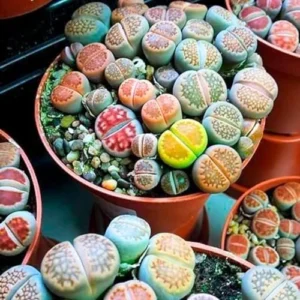
HousePlants
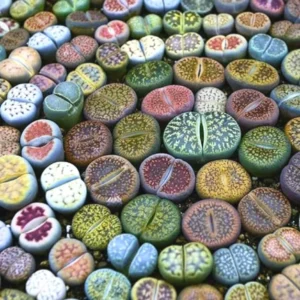
Lithops Live Plants Mix – 30 Colorful Succulents – Living Stones for Indoor/Outdoor Planting
Sold 54 products
Original price was: $65.98.$32.99Current price is: $32.99.
Sold 67 products
From $19.98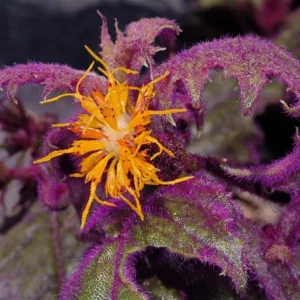
Flower Plants
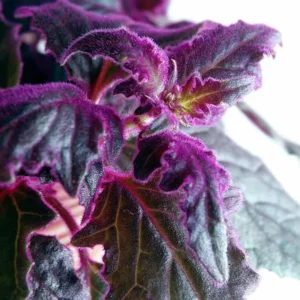
Purple Passion Plant Live – 2 Gynura Aurantiaca Plants, 4-9 Inch, Purple Velvet Royal Plant Indoor
Sold 85 products
Original price was: $49.98.$24.99Current price is: $24.99.
Sold 94 products
From $63.80
Sold 52 products
Original price was: $47.96.$23.98Current price is: $23.98.
Sold 61 products
$48.38
Sold 94 products
$43.98
Sold 97 products
Original price was: $79.98.$39.99Current price is: $39.99.
Sold 74 products
From $29.99
Sold 93 products
From $43.98

Reviews
There are no reviews yet.