
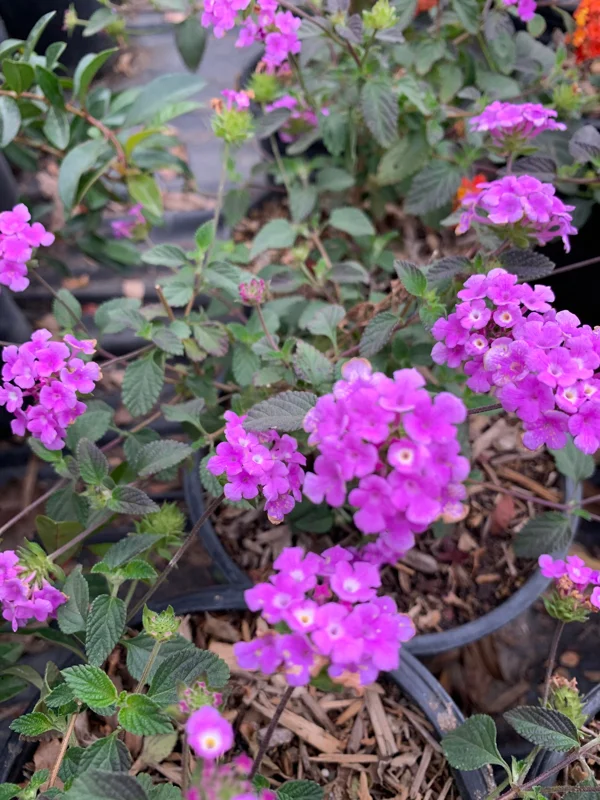
Lavender Lantana Live Plant – 1 Gallon Pot, 3-5″ Tall, Outdoor Perennial
Original price was: $147.16.$73.58Current price is: $73.58.
Brighten your outdoor spaces with the stunning lavender lantana live plant. This beautiful perennial is known for its clusters of lavender-hued flowers that attract pollinators. It’s a low-maintenance, drought tolerant plant, ideal for gardens, containers, and borders, thriving in sunny conditions.
-
USDA Hardiness Zone
8-11 -
Soil Type
well-draining soil -
Sunlight Exposure
full sun -
Expected Planting Period
spring to early summer

You can track your order HERE
Mar 02
Mar 07 - Mar 09
Mar 12 - Mar 16
Shipping and return policies: Our Alive & Thrive Guarantee covers issues with your plants within the first 30 days. Reach out to us. Our team will answer your questions and help you find the plants that are truly suitable for your environment, climate, and personal preferences.

Overview
Introduce a burst of continuous color and charm to your outdoor landscape with the exquisite lavender lantana live plant. Revered for its prolific blooming from spring through fall, this vibrant perennial is a favorite among gardeners seeking both beauty and resilience. The ‘Lavender’ variety of Lantana camara showcases enchanting clusters of small, tubular flowers that transition through shades of lavender, pink, and sometimes yellow, creating a captivating multi-toned effect. These cheerful blossoms not only provide a stunning visual display but also act as a magnet for butterflies, hummingbirds, and other beneficial pollinators, bringing your garden to life. Known for its robust nature, growing lantana is an excellent choice for various garden styles, from cottage gardens to xeriscapes, and performs wonderfully in containers on patios or as a cheerful groundcover.
Our lavender lantana live plant arrives ready to thrive, carefully cultivated to ensure a strong start in your garden. This plant is a fantastic option for those looking to add a splash of long-lasting color with minimal fuss. Its dense, slightly trailing habit makes it versatile for different planting applications, whether you’re filling a border, creating a vibrant focal point, or enhancing a mixed container. With its ability to withstand challenging conditions, including heat and drought, the lavender lantana proves to be a remarkably hardy and rewarding addition to nearly any outdoor setting in the US.
Key Benefits
The lavender lantana live plant offers a multitude of benefits that make it an indispensable choice for both novice and experienced gardeners. Its enduring beauty and easy-care nature ensure a delightful gardening experience. Here are some of the key advantages:
- Continuous Bloom: Enjoy a spectacular display of lavender and pink flowers from late spring until the first frost. This prolonged blooming period ensures your garden remains colorful and lively for many months, providing consistent visual interest throughout the growing season.
- Attracts Pollinators: The nectar-rich flowers are irresistible to butterflies, bees, and hummingbirds, making it an excellent plant for supporting local ecosystems and increasing biodiversity in your garden. It’s a joy to watch these creatures flit among the vibrant blooms.
- Drought-Tolerant: Once established, the lavender lantana live plant is remarkably drought-tolerant, requiring less water than many other flowering plants. This makes it an ideal choice for water-wise gardening and for those in warmer climates where conserving water is important.
- Low Maintenance: This plant is incredibly easy to care for, demanding little attention once settled in. It doesn’t require frequent pruning or special fertilization, allowing you more time to simply enjoy its beauty. Its hardiness contributes to its reputation as a fuss-free garden favorite.
- Versatile Use: Whether you’re looking for a vibrant groundcover, a container plant, a border specimen, or a hanging basket filler, this lantana adapts beautifully. Its mounding and slightly spreading growth habit allows it to fit seamlessly into various garden designs and landscape roles.
- Heat and Humidity Tolerant: Thrives in hot, humid conditions where many other plants might struggle. This makes it particularly well-suited for gardens in the southern and southwestern regions of the United States, providing reliable color even in intense summer heat.
- Deer Resistant: While no plant is entirely deer-proof, lantana is generally considered deer-resistant, making it a good option for gardens in areas where deer browsing is a concern. The slightly rough texture and aromatic foliage tend to deter them.
Plant Care & Growing Tips
Proper lantana plant care is straightforward, ensuring your lavender lantana live plant flourishes and provides abundant blooms throughout the season. These resilient plants are quite forgiving, making them suitable for gardeners of all skill levels. For optimal growth and flowering, understanding their basic needs is key.
Sunlight Requirements: Lavender lantana thrives in full sun, meaning it needs at least 6-8 hours of direct sunlight per day. The more sun it receives, the more prolific its blooms will be. While it can tolerate partial shade, flowering may be reduced, and the plant might become leggy. Choose a location in your garden that receives ample direct sunlight for the best results, especially if you want a vibrant display of the lavender lantana outdoor.
Watering: Once established, lantana is highly drought-tolerant. Water newly planted specimens regularly to help them establish a strong root system, typically once or twice a week, checking the soil moisture before each watering. After establishment, reduce watering frequency. Allow the top few inches of soil to dry out completely between waterings. Overwatering can lead to root rot, so ensure good drainage. In extremely hot and dry periods, supplemental watering may be beneficial to encourage continuous blooming.
Soil Type and Drainage: This plant prefers well-draining soil and is not particular about soil fertility. It can tolerate a wide range of soil types, including sandy, loamy, or even clay soils, as long as they drain well. Heavy, waterlogged soils should be avoided. If your soil is heavy clay, amending it with organic matter like compost can improve drainage and aeration. A slightly acidic to neutral pH (6.0-7.0) is generally ideal.
Temperature and Hardiness: Lavender lantana is typically grown as an annual in cooler climates but can be a perennial in USDA Hardiness Zones 8-11. It loves warmth and performs best in temperatures above 60°F (15°C). It is not frost-tolerant, so in regions with cold winters, it should be treated as an annual or brought indoors before the first frost. For those in suitable zones, it will return year after year, offering a reliable show.
Fertilization: Lantana is not a heavy feeder. A light application of a balanced, slow-release granular fertilizer in early spring, or a liquid feed every 4-6 weeks during the growing season, is usually sufficient. Avoid over-fertilizing, especially with high-nitrogen fertilizers, as this can promote foliage growth at the expense of flowers. For optimal blooming of your lavender lantana live plant, a fertilizer with a slightly higher phosphorus content can be beneficial.
Pruning: Light pruning can help maintain a bushy shape and encourage more blooms. Deadhead spent flowers regularly to prevent seed formation and promote continuous flowering throughout the season. In perennial zones, a more substantial pruning (cutting back by about one-third) can be done in early spring before new growth begins to rejuvenate the plant and encourage robust new stems.
Size & Details
This lavender lantana live plant is shipped in a 1-gallon nursery pot, ensuring it has a well-developed root system for a strong start in your garden. The plant itself measures approximately 3-5 inches in height upon arrival, ready to be transplanted and begin its vigorous growth. Lantana is known for its relatively fast growth rate in ideal conditions, quickly filling out its space. Depending on conditions and variety, it can typically reach a mature height of 1-3 feet and spread 1-4 feet wide, forming an attractive mounding or trailing habit. Expect this plant to start blooming profusely soon after planting, providing continuous color throughout the warm months.
The plant is carefully packaged to minimize stress during transit, arriving healthy and ready for its new home. It’s a robust and adaptable plant that, with proper care, will establish quickly and become a highlight of your garden. The generous 1-gallon pot size provides a substantial plant, offering an immediate visual impact and a head start on growth compared to smaller starter plants. This ensures a more rapid establishment and earlier, more abundant flowering, making your journey of growing lantana a rewarding one.
Frequently Asked Questions
- Q: How big does this lavender lantana plant get? A: This lavender lantana live plant is typically shipped at 3-5 inches tall in a 1-gallon pot. Once established, it can reach a mature height of 1-3 feet and spread 1-4 feet wide, depending on growing conditions and whether it’s treated as an annual or perennial.
- Q: Is this an indoor or outdoor plant? A: The lavender lantana live plant is primarily an outdoor plant, thriving in full sun. In USDA Zones 8-11, it is a perennial. In colder zones, it is typically grown as an annual or can be overwintered indoors with proper care.
- Q: How much sunlight does it need? A: For optimal blooming and vigorous growth, lavender lantana requires at least 6-8 hours of direct sunlight per day. Planting it in a full sun location will ensure the most vibrant and continuous flowers.
- Q: Is this plant easy to care for? A: Yes, lantana plant care is considered very easy. It’s a low-maintenance plant, particularly once established, due to its drought tolerance and resilience to heat and humidity. It’s an excellent choice for beginners and busy gardeners.
- Q: What condition will it arrive in? A: Your lavender lantana live plant will arrive in a 1-gallon nursery pot, carefully packaged to ensure it reaches you healthy and ready for planting. It will have a well-developed root system to help it establish quickly.
- Q: When is the best time to plant lavender lantana? A: The best time to plant lavender lantana outdoors is in spring after all danger of frost has passed, when soil temperatures have warmed up. This allows the plant ample time to establish before the peak growing season.
- Q: Will it survive winter in my zone? A: Lavender lantana is perennial in USDA Hardiness Zones 8-11. In zones colder than 8, it will likely not survive the winter outdoors and should be treated as an annual or brought indoors as a houseplant for the colder months.
- Q: Can I grow lavender lantana in a container? A: Absolutely! The lavender lantana live plant is an excellent choice for containers, hanging baskets, and patio pots. Its mounding and slightly trailing habit makes it very attractive in confined spaces, and container growing lantana allows for easy overwintering in colder climates.
- Q: Is the lavender lantana attractive to pollinators? A: Yes, one of the significant benefits of the lavender lantana outdoor is its strong attraction to pollinators. Butterflies, bees, and hummingbirds are frequently observed visiting its nectar-rich flowers, making it a great addition to a pollinator garden.
- Q: What kind of soil does it prefer? A: Lavender lantana prefers well-draining soil and can tolerate a variety of soil types, including sandy or loamy soils. Good drainage is crucial to prevent root rot. Amending heavy clay soils with organic matter will improve performance.
Be the first to review “Lavender Lantana Live Plant – 1 Gallon Pot, 3-5″ Tall, Outdoor Perennial”
People Also Viewed
Sold 59 products
Original price was: $51.96.$25.98Current price is: $25.98.
Sold 92 products
Original price was: $33.98.$23.78Current price is: $23.78.
Sold 62 products
$43.98
Sold 91 products
Original price was: $77.98.$38.99Current price is: $38.99.
Sold 94 products
$43.98
Sold 69 products
Original price was: $99.98.$49.99Current price is: $49.99.
Sold 53 products
Original price was: $28.76.$14.38Current price is: $14.38.
Sold 85 products
From $61.58
Sold 56 products
Original price was: $91.98.$45.99Current price is: $45.99.
Sold 77 products
Original price was: $63.76.$31.88Current price is: $31.88.
Sold 97 products
Original price was: $39.98.$19.99Current price is: $19.99.
Sold 79 products
Original price was: $45.98.$22.99Current price is: $22.99.
Sold 85 products
Original price was: $39.98.$19.99Current price is: $19.99.
Sold 87 products
Original price was: $200.00.$100.00Current price is: $100.00.
Sold 100 products
Original price was: $53.98.$26.99Current price is: $26.99.
Sold 50 products
Original price was: $39.98.$19.99Current price is: $19.99.
Sold 56 products
Original price was: $50.76.$25.38Current price is: $25.38.
Sold 71 products
From $22.44


Reviews
There are no reviews yet.