
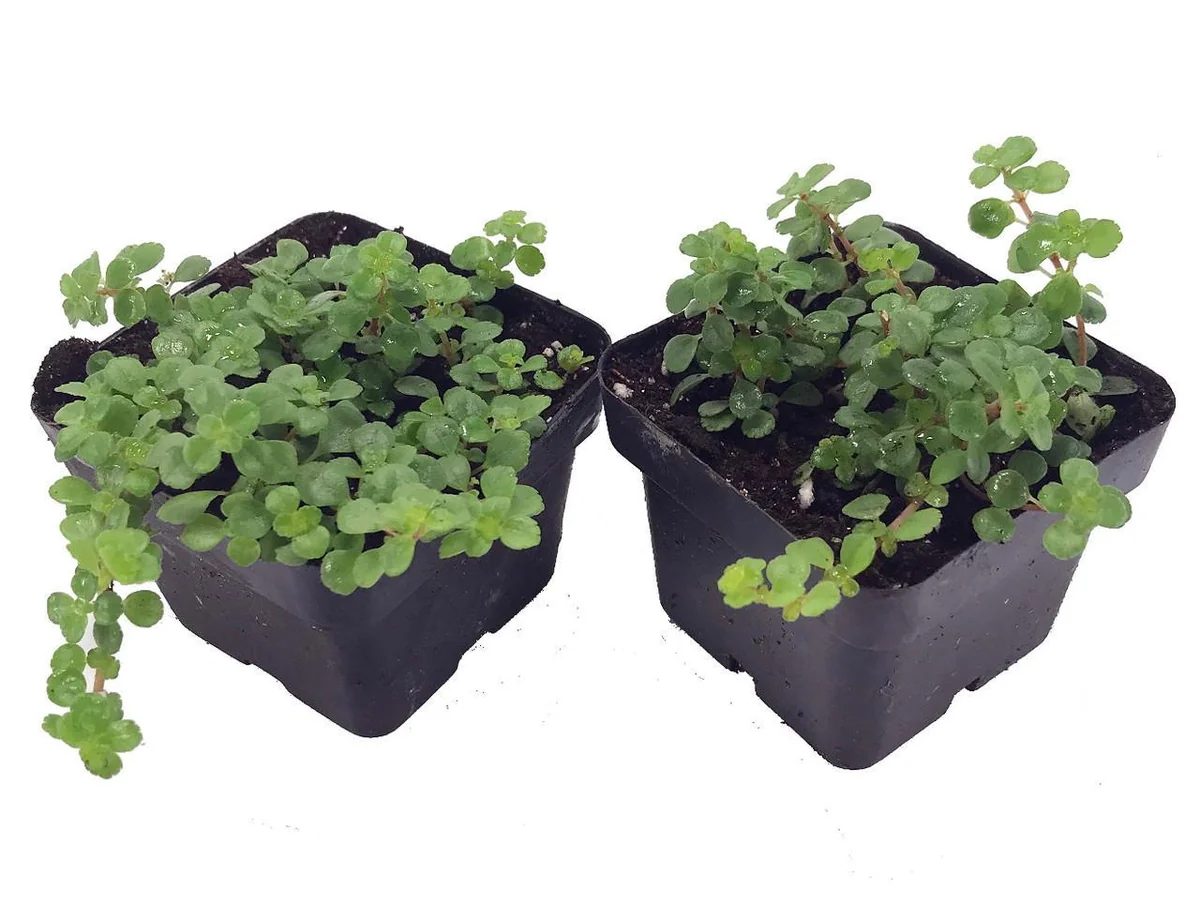
Large Leaf Baby Tears Live Plant – Pilea depressa – 2 Plants 2-inch Pots
Original price was: $31.96.$15.98Current price is: $15.98.
Bring lush greenery indoors with the large leaf baby tears live plant. This delightful Pilea depressa features rounded, medium green leaves, perfect for adding a trailing effect to hanging baskets, terrariums, or small pots. Enjoy its easy-care nature and vibrant foliage.
-
USDA Hardiness Zone
Year-round indoors (USDA zones 10-11 if outdoors) -
Soil Type
Well-draining potting mix -
Sunlight Exposure
Bright indirect light -
Expected Planting Period
Year-round indoors

You can track your order HERE
Mar 03
Mar 08 - Mar 10
Mar 13 - Mar 17
Shipping and return policies: Our Alive & Thrive Guarantee covers issues with your plants within the first 30 days. Reach out to us. Our team will answer your questions and help you find the plants that are truly suitable for your environment, climate, and personal preferences.

Overview
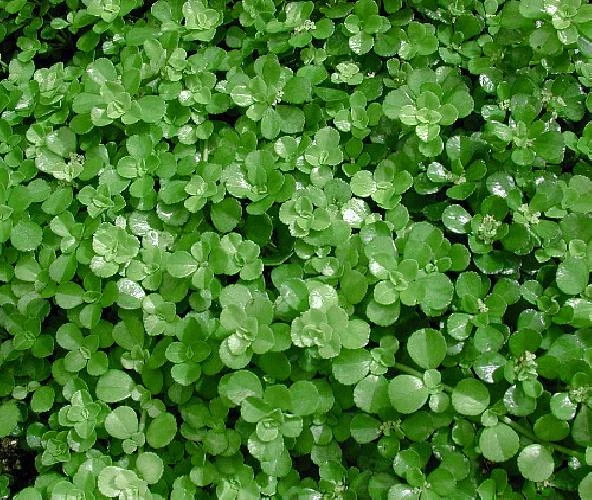
Introduce a touch of natural charm to your home with the large leaf baby tears live plant, scientifically known as Pilea depressa. This delightful trailing plant is celebrated for its abundant, small, rounded, medium green leaves that create a dense, carpet-like appearance. Originating from tropical regions, this species thrives in environments that mimic its natural humid habitat, making it an excellent choice for a variety of indoor settings. Whether you’re looking to enhance a terrarium, add a cascading element to a hanging basket, or create a miniature landscape in a fairy garden, the Pilea depressa offers versatile beauty and relatively simple care. Its vigorous growth and attractive foliage make it a favored option among both novice and experienced plant enthusiasts seeking a vibrant, low-maintenance houseplant.
The common name, “Large Leaf Baby Tears,” aptly describes its appearance, though the leaves are still quite delicate and small, offering a fine texture that complements other plants beautifully. This particular offering includes 2 plants, each arriving in a 2-inch pot, ready to be transplanted or placed directly into your chosen display. Its compact size upon arrival makes it ideal for immediate integration into small spaces or for starting new plant arrangements. Embrace the lush appeal of this charming plant and watch it transform your indoor environment with its lively green foliage.
Key Benefits
The large leaf baby tears live plant offers numerous advantages, making it a highly desirable addition to any indoor plant collection. Its aesthetic appeal combined with its adaptable nature ensures it will be a rewarding plant to cultivate.
- Versatile Decorative Use: This plant is incredibly adaptable, perfect for creating lush ground cover in terrariums, spilling gracefully from hanging baskets, or adding delicate texture to small pots and fairy gardens. Its dense foliage provides a vibrant green backdrop or focal point.
- Easy to Care For: Ideal for beginners and busy individuals, Pilea depressa requires minimal fuss. With basic attention to light and water, it thrives, making plant care enjoyable rather than a chore.
- Air Purifying Qualities: Like many houseplants, the large leaf baby tears live plant contributes to a healthier indoor environment by helping to filter airborne toxins and improve air quality, promoting a fresher living space.
- Rapid Growth and Trailing Habit: Enjoy quick results as this plant grows readily, producing long, trailing stems covered in leaves. This makes it excellent for achieving a full, cascading look in a relatively short period.
- Compact Size: Even with its vigorous growth, the plant maintains a naturally compact form, making it suitable for smaller living spaces, desks, windowsills, or as an underplanting for larger indoor plants.
- Enhances Humidity: For those interested in creating microclimates for other plants, a cluster of Pilea depressa can help increase local humidity, benefiting sensitive tropical species.
- Pet-Friendly Option: While it’s always best to keep plants out of reach, Pilea depressa is generally considered non-toxic to pets, offering peace of mind compared to many other houseplants.
Plant Care & Growing Tips
Caring for your large leaf baby tears live plant is straightforward, ensuring a thriving and beautiful display with just a few key considerations. This resilient plant flourishes indoors with consistent care, making it a joy for any plant parent. Understanding its specific needs will help you maintain its vibrant foliage and encourage robust growth.
Sunlight Requirements: The Pilea depressa prefers bright, indirect light. Place it near an east or north-facing window, or a few feet away from a south or west-facing window where it won’t receive direct, harsh sunlight, which can scorch its delicate leaves. Too little light might lead to leggy growth and less dense foliage, while too much direct light can cause leaf discoloration and wilting. Maintaining optimal lighting is crucial for healthy development and maintaining the plant’s compact form. This is particularly important for a trailing indoor plant like this one.
Watering Schedule & Soil Moisture: Water your plant when the top inch of soil feels dry to the touch. It appreciates consistent moisture but dislikes sitting in soggy soil, which can lead to root rot. Ensure your pot has drainage holes. During warmer months, you may need to water more frequently, while in winter, reduce watering as the plant’s growth slows. Providing adequate drainage and avoiding overwatering are key to successful pilea depressa care. Use filtered water or rainwater if possible, as it can be sensitive to chemicals in tap water.
Soil Type & Drainage: A well-draining potting mix is essential for the Pilea depressa. A standard houseplant potting mix amended with perlite or vermiculite for improved drainage works well. This ensures roots receive adequate aeration and prevents waterlogging. Good drainage is vital, especially for a plant that prefers consistent moisture but is prone to root issues if left in standing water.
Temperature Range & Humidity: This tropical plant thrives in temperatures between 65-75°F (18-24°C). Avoid exposing it to temperatures below 50°F (10°C), as it is not frost-tolerant. High humidity is beneficial for Pilea depressa, mimicking its native habitat. You can increase humidity by misting the plant regularly, placing it on a pebble tray with water, or using a humidifier. This also makes it an ideal terrarium plant, where humidity is naturally higher.
Fertilization: Feed your large leaf baby tears live plant once a month during its active growing season (spring through fall) with a balanced liquid houseplant fertilizer diluted to half strength. Reduce or cease fertilization during winter when the plant is dormant. Over-fertilization can harm the plant, so always follow the directions on the fertilizer package carefully.
Pruning: Trim your Pilea depressa as needed to maintain its shape, encourage bushier growth, and promote a fuller appearance. Pinching back the tips of stems will encourage branching. Regular trimming also helps to rejuvenate older plants and can provide cuttings for propagation, allowing you to easily grow more of these lovely plants. This is an important aspect of pilea depressa care to keep it looking its best.
Common Problems: Watch out for common pests like spider mites or mealybugs, especially in dry conditions. Address any infestations promptly with insecticidal soap. Yellowing leaves can indicate overwatering or nutrient deficiency, while browning tips may suggest low humidity or underwatering. Adjust your care routine accordingly to keep your fairy garden plant healthy.
Size & Details
Each order includes 2 Pilea depressa live plants, each carefully cultivated and shipped in individual 2-inch nursery pots. These plants are meticulously packed to ensure they arrive healthy and ready for their new home. Upon arrival, the plants are typically compact, with established root systems, making them easy to transplant into larger containers, hanging baskets, or terrarium setups. The trailing stems will begin to lengthen and cascade as the plant matures, creating a beautiful, lush effect. Pilea depressa is known for its relatively fast growth rate under optimal conditions, quickly filling out its space. Expect your plants to begin showing significant new growth within a few weeks of receiving them, especially with proper pilea depressa care. This makes it an exciting addition for those looking to see rapid development in their indoor garden projects or as a charming trailing indoor plant.
Frequently Asked Questions
- Q: How big will the large leaf baby tears live plant get? A: While the individual leaves are small, the plant itself can trail quite extensively, often reaching lengths of 12-18 inches or more in a hanging basket. Its spread in a terrarium will depend on the container size and how frequently it’s pruned. It’s a relatively fast grower, so you’ll see it fill out its space quickly.
- Q: Is this an indoor or outdoor plant? A: The large leaf baby tears live plant is primarily an indoor plant, especially in most climates. It thrives in warm, humid conditions typical of indoor environments. If you live in a very warm, humid, frost-free climate (USDA zones 10-11), it might tolerate outdoor conditions in a shaded area, but it’s best kept indoors for consistent growth.
- Q: How much sunlight does it need? A: This plant prefers bright, indirect light. Avoid direct sunlight, which can scorch its delicate leaves. An east or north-facing window is ideal, or a spot a few feet away from a south or west-facing window where it receives filtered light. Proper light is key for vibrant foliage and good growth.
- Q: Is this plant easy to care for? Is it good for beginners? A: Yes, the large leaf baby tears live plant is considered an easy-care plant and is an excellent choice for beginners. It’s quite forgiving and will thrive with consistent watering and bright, indirect light. Its resilience makes it a rewarding plant for those new to gardening.
- Q: What condition will the plants arrive in? A: Your large leaf baby tears live plant will arrive as two healthy, established plants in 2-inch nursery pots, carefully packaged to ensure their safe journey. They will be ready to be placed in their new home upon arrival, with robust root systems and vibrant foliage.
- Q: Can I use this plant in a terrarium? A: Absolutely! The Pilea depressa is an excellent terrarium plant due to its love for high humidity, compact growth habit, and trailing nature. It will create a beautiful, lush ground cover or add a cascading element within your enclosed ecosystem.
- Q: Is this plant pet-safe? A: Yes, Pilea depressa is generally considered non-toxic to cats and dogs, making it a safer choice for households with pets. However, it’s always a good practice to discourage pets from chewing on any houseplant.
- Q: How often should I water my Pilea depressa? A: Water when the top inch of soil feels dry. This typically means watering every 5-7 days, but it can vary based on humidity, light, and pot size. Always ensure good drainage to prevent root rot, which is vital for proper pilea depressa care.
- Q: Why are the leaves on my trailing indoor plant turning yellow? A: Yellowing leaves on your trailing indoor plant often indicate overwatering, which can lead to root rot. Ensure your pot has drainage holes and allow the top soil to dry out between waterings. It could also suggest a nutrient deficiency, so consider a balanced fertilizer during the growing season.
- Q: Can I propagate this plant? A: Yes, Pilea depressa is very easy to propagate! Simply take stem cuttings, remove the lower leaves, and place them in water or moist potting mix. They root readily, allowing you to create more of these charming plants for yourself or to share.
Be the first to review “Large Leaf Baby Tears Live Plant – Pilea depressa – 2 Plants 2-inch Pots”
People Also Viewed
Sold 61 products
Original price was: $154.36.$77.18Current price is: $77.18.
Sold 71 products
Original price was: $355.96.$177.98Current price is: $177.98.
Sold 79 products
From $127.80
Sold 81 products
Original price was: $175.96.$87.98Current price is: $87.98.
Sold 55 products
Original price was: $47.96.$23.98Current price is: $23.98.
Sold 71 products
Original price was: $67.96.$33.98Current price is: $33.98.
Sold 88 products
Original price was: $125.96.$62.98Current price is: $62.98.
Sold 59 products
$48.38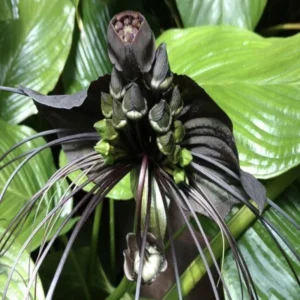
Flower Plants
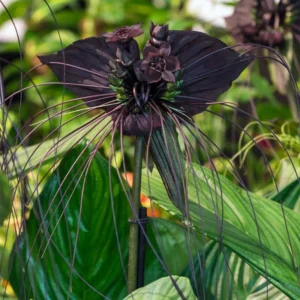
Black Bat Flower Live Plant – Tacca Chantrieri in 4 Inch Pot – Exotic Black Orchid Indoor/Outdoor
Sold 84 products
Original price was: $47.98.$23.99Current price is: $23.99.

Sold 96 products
Original price was: $89.98.$44.99Current price is: $44.99.
Sold 74 products
$41.78
Sold 72 products
$87.98
Sold 91 products
Original price was: $79.98.$39.99Current price is: $39.99.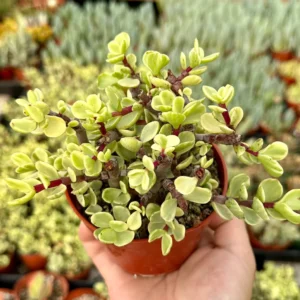
Succulents
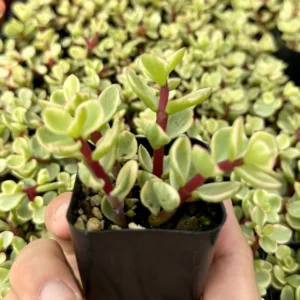
Variegated Elephant Bush Live Plant – Portulacaria Afra ‘Variegata’ Succulent – 2″ or 4″ Pot
Sold 87 products
Original price was: $33.56.$16.78Current price is: $16.78.

Sold 75 products
Original price was: $79.80.$39.90Current price is: $39.90.
Sold 100 products
$65.98
Sold 91 products
Original price was: $39.98.$19.99Current price is: $19.99.
Sold 88 products
From $50.00


Reviews
There are no reviews yet.