
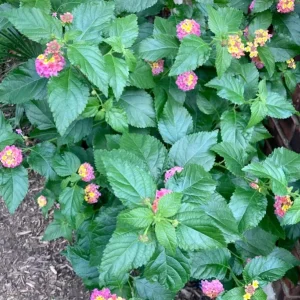
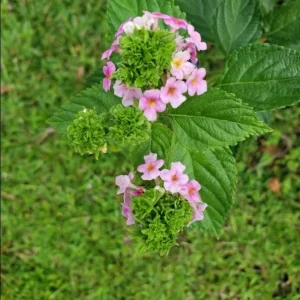
Lantana ‘Ham and Eggs’ Live Plant Set – 3 Starter Plants, 4-6″ Tall – Butterfly Friendly
Original price was: $61.56.$30.78Current price is: $30.78.
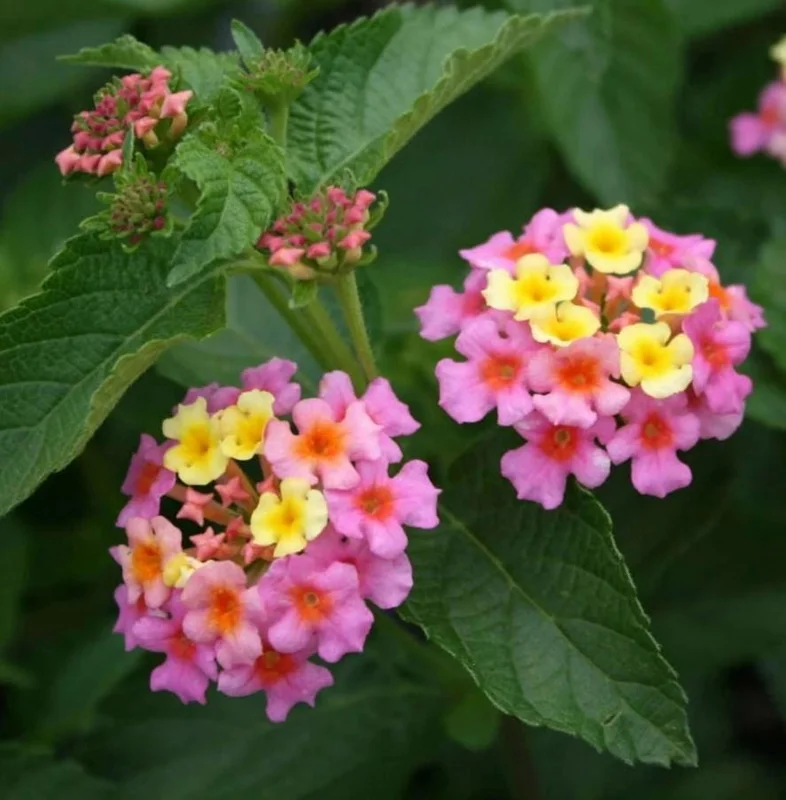
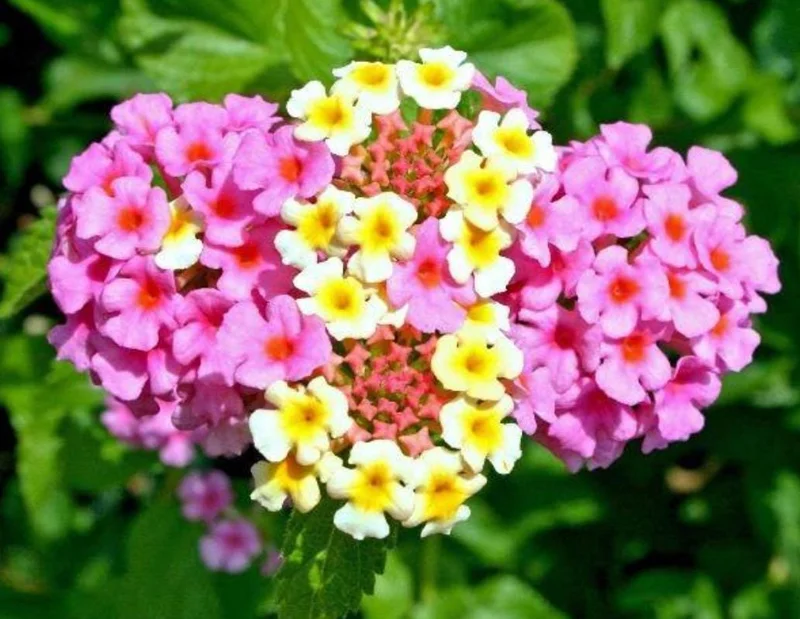
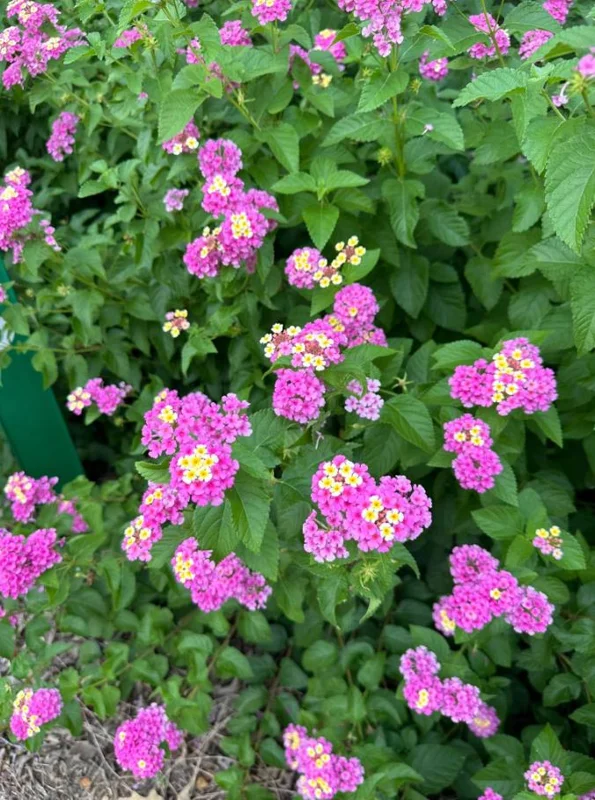
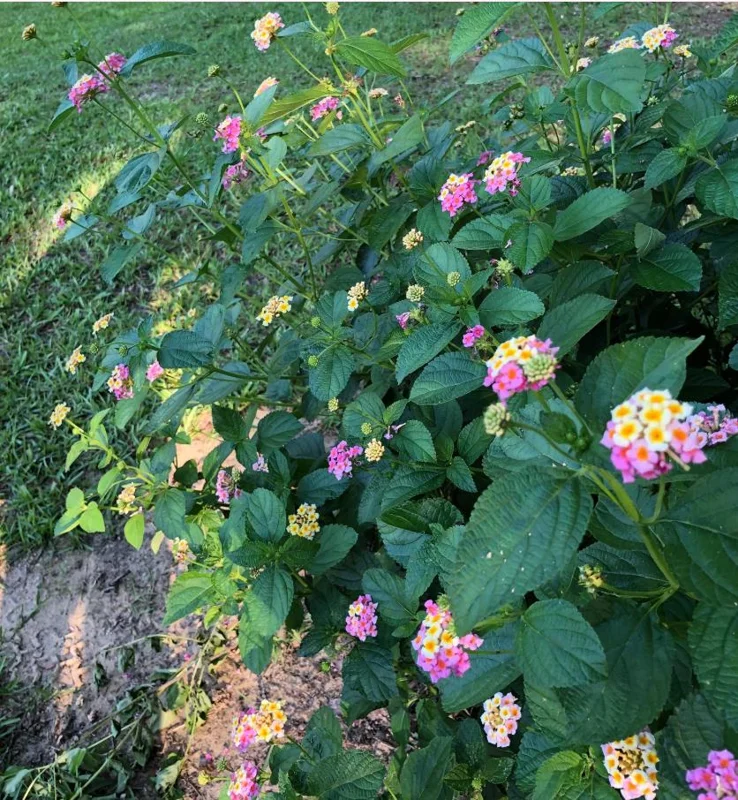
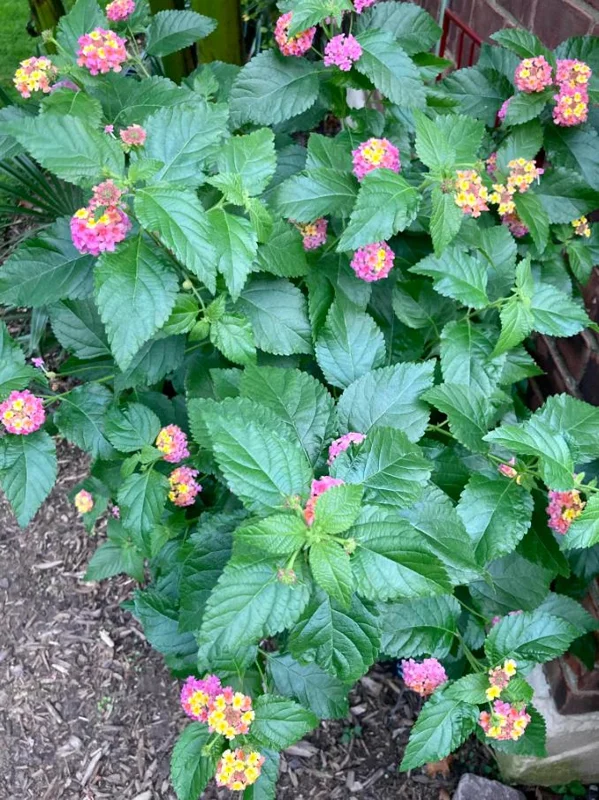
Bring continuous color to your garden with this set of three Lantana Ham and Eggs live plant starter plants, 4-6″ tall. Known for unique pink and yellow blooms, this pollinator friendly plant is also a drought tolerant lantana, ideal for garden beds or as lantana for containers with minimal lantana care.
-
USDA Hardiness Zone
USDA Zones 7–11 (perennial), colder zones (annual) -
Soil Type
Well-draining soil -
Sunlight Exposure
Full sun (at least 6 hours daily) -
Expected Planting Period
Spring to early summer

You can track your order HERE
Mar 01
Mar 06 - Mar 08
Mar 11 - Mar 15
Shipping and return policies: Our Alive & Thrive Guarantee covers issues with your plants within the first 30 days. Reach out to us. Our team will answer your questions and help you find the plants that are truly suitable for your environment, climate, and personal preferences.

Overview
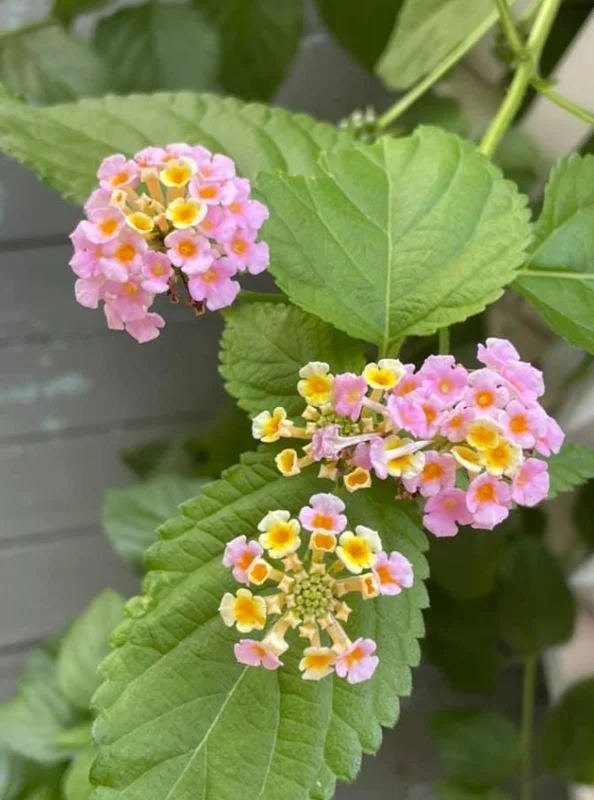
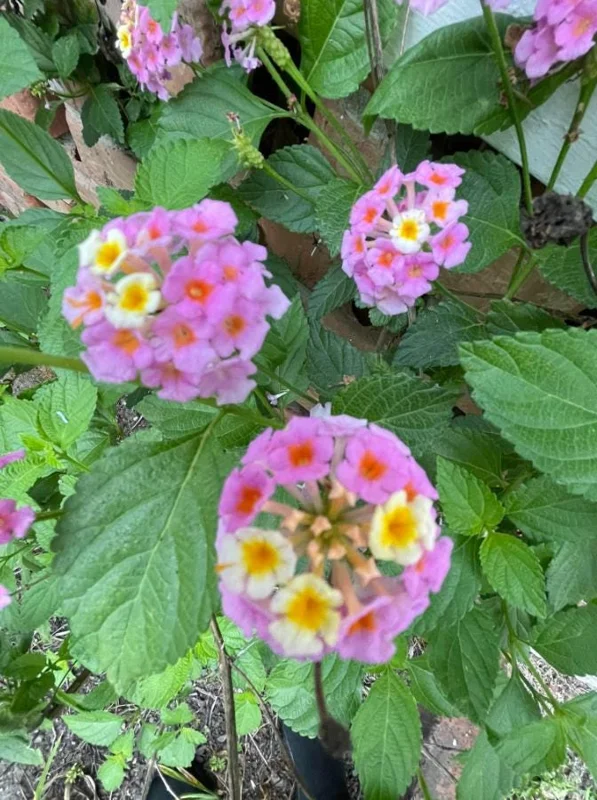
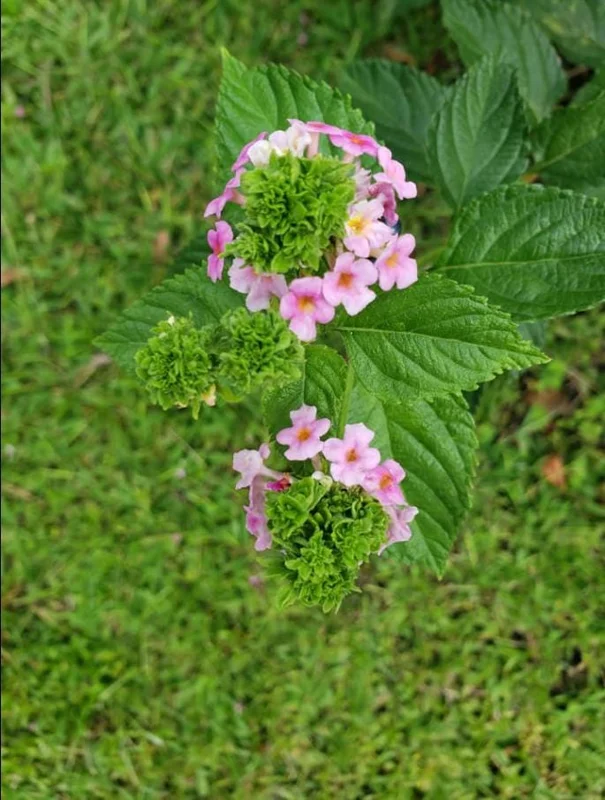
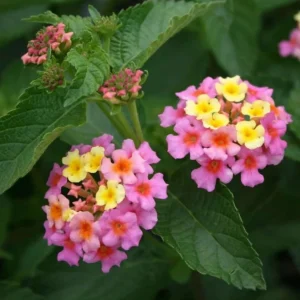
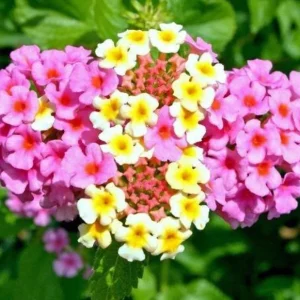
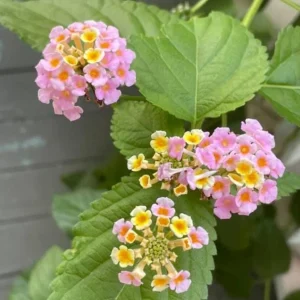
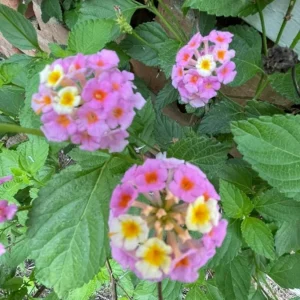
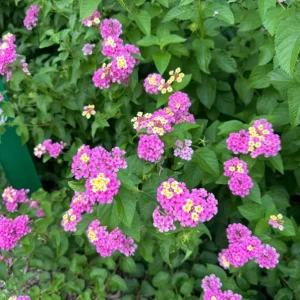
Introduce a burst of vibrant, continuous color to your outdoor spaces with the Lantana Ham and Eggs live plant. This delightful perennial is celebrated for its unique clusters of pink and yellow flowers, strikingly resembling a ‘ham and eggs’ breakfast, which bloom profusely from spring until the first frost. Each set includes three healthy starter plants, approximately 4–6 inches tall, ready to be planted in your garden or favorite containers. Known for its incredible resilience, this plant is not only beautiful but also remarkably easy to care for, thriving in various conditions. It’s an excellent choice for gardeners looking to add long-lasting visual interest and ecological value, as it’s a magnet for butterflies, bees, and hummingbirds, making it a truly pollinator friendly plant.
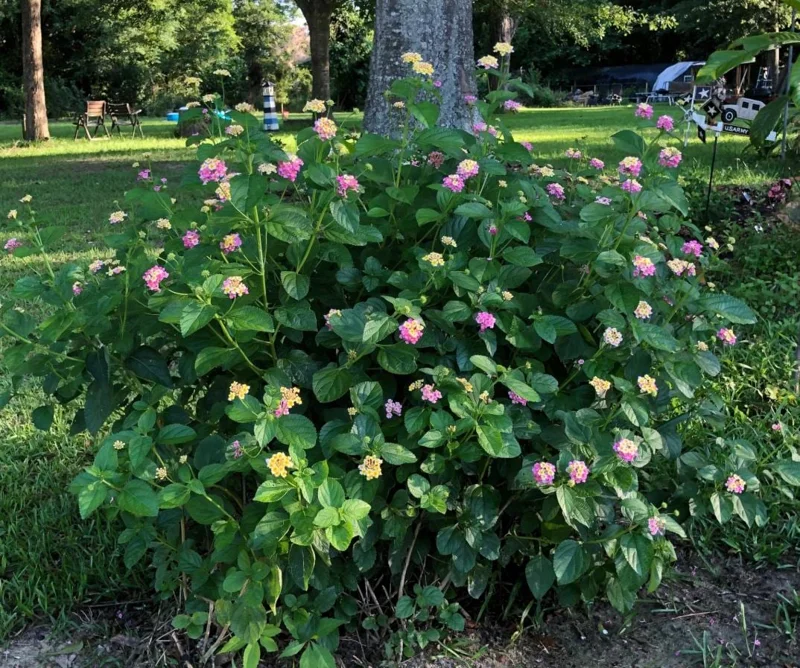
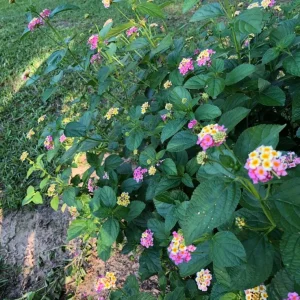
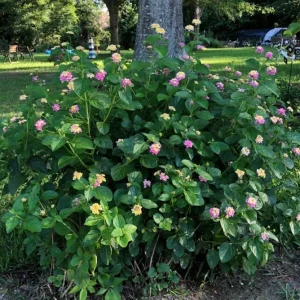
The ‘Ham and Eggs’ variety of Lantana camara is a compact, bushy plant that performs exceptionally well in sunny locations. Its ability to withstand heat and drought makes it a top pick for low-maintenance landscaping. Whether you’re an experienced gardener or just starting, these starter plants offer a rewarding growing experience, transforming your patio, balcony, or garden beds into a lively, colorful haven. Enjoy the cheerful display and the constant buzz of beneficial insects drawn to its charming blooms, all while benefiting from its robust nature and minimal lantana care requirements.
Key Benefits
The Lantana Ham and Eggs live plant offers numerous advantages for any garden or outdoor space, combining beauty with practicality. Its continuous blooming cycle ensures a vibrant display throughout the warmer months, providing sustained visual appeal and a lively atmosphere. Here are some of its most notable benefits:
- Continuous Blooms: Enjoy a spectacular show of pink and yellow flowers from spring through fall, ensuring your garden remains colorful and dynamic for an extended period. This makes it a standout choice for consistent garden beauty.
- Attracts Pollinators: This plant is a true pollinator friendly plant, drawing in butterflies, bees, and hummingbirds, which helps support local ecosystems and promotes biodiversity in your garden. It’s a living bird and butterfly feeder!
- Drought-Tolerant: Once established, the ‘Ham and Eggs’ lantana is highly resistant to drought, requiring less frequent watering than many other flowering plants. This makes it an ideal choice for water-wise gardening and busy individuals looking for a drought tolerant lantana.
- Heat-Resistant: Thrives in hot climates and full sun, making it perfect for areas where other plants might struggle. Its robust nature ensures it maintains its beauty even during peak summer heat, contributing to easy lantana care.
- Low Maintenance: Requires minimal care, making it suitable for both novice and experienced gardeners. An occasional light prune is often all that’s needed to keep it looking its best.
- Versatile Landscaping: Excellent for use in containers, hanging baskets, borders, and garden beds. Its compact growth habit allows for flexible placement in various garden designs, making lantana for containers a popular choice.
- Compact Growth: The ‘Ham and Eggs’ variety maintains a tidy and compact form, preventing it from overtaking other plants and making it suitable for smaller spaces and urban gardening.
Plant Care & Growing Tips
Caring for your Lantana Ham and Eggs live plant is straightforward, making it a joy for any gardener. To ensure prolific blooms and healthy growth, understanding its basic needs is key. These plants thrive in full sun, meaning they require at least six hours of direct sunlight daily for the best flower production. If planted in a shadier spot, flowering may be less abundant. They are remarkably heat-tolerant, a characteristic that makes them a favorite in warmer climates and sunny garden beds. The ideal USDA hardiness zones for this lantana are 7–11, where it can be grown as a perennial. In colder zones, it is typically grown as an annual or brought indoors during winter.
When it comes to watering, the ‘Ham and Eggs’ lantana prefers moderate moisture. It’s crucial to allow the soil to dry out slightly between waterings to prevent root rot, as this drought tolerant lantana does not like consistently wet feet. Good drainage is paramount, whether you’re planting it in the ground or in a container. Use a well-draining soil mix; a standard potting mix amended with some sand or perlite works well for containers, while garden beds should have soil that doesn’t retain too much moisture. Fertilization is optional; a light feeding with a balanced liquid fertilizer during its active growing season (spring and summer) can encourage more blooms, but avoid over-fertilizing. Pruning is beneficial to maintain its shape and encourage new growth and more flowers; simply pinch back spent blooms or trim leggy stems. This simple routine ensures your lantana care is minimal yet effective, providing beautiful lantana for containers or garden beds, and ensuring it remains a fantastic pollinator friendly plant.
Size & Details
This offering includes a set of three healthy Lantana Ham and Eggs live plant starter plants, each standing approximately 4–6 inches tall at the time of shipment. These are young, vigorous plants ready to establish quickly in your garden. They are shipped bare root, with their roots carefully wrapped in a soil medium to ensure moisture retention during transit, rather than in pots. This method helps reduce stress during shipping and allows for immediate planting upon arrival. While the plants are young and may not be flowering immediately, they are poised for rapid growth and will begin to produce their characteristic pink and yellow blooms from spring through frost, given adequate sunlight and care.
The ‘Ham and Eggs’ variety is known for its compact growth habit, typically reaching a mature height of 1-3 feet and spreading 1-3 feet wide, making it an excellent choice for a variety of landscaping applications. Expect continuous blooms once established, transforming your outdoor space with vibrant color. These plants are ideal for creating colorful borders, filling out garden beds, or adding a splash of color to patios and balconies when planted as lantana for containers. They are perennials in USDA Zones 7–11 and can be enjoyed as annuals in colder regions.
Frequently Asked Questions
- Q: How big will these Lantana Ham & Eggs plants get? A: Your Lantana Ham and Eggs live plant will typically grow to a mature height and spread of 1-3 feet. They maintain a compact, bushy form, making them suitable for various garden designs and container planting.
- Q: Are these plants shipped in pots? A: No, these starter plants are shipped bare root. Their roots are carefully wrapped in a moist medium to ensure they stay healthy during transit, and they are ready for planting upon arrival.
- Q: How much sunlight do these Lantana plants need? A: For the best blooming performance, these plants require full sun, meaning at least 6 hours of direct sunlight per day. Adequate sunlight is crucial for vibrant flowers and healthy growth.
- Q: Is this a good plant for attracting butterflies? A: Absolutely! The Lantana Ham and Eggs live plant is a highly effective pollinator friendly plant, known for attracting butterflies, bees, and hummingbirds to its colorful blooms.
- Q: What kind of soil is best for Lantana? A: Lantana thrives in well-draining soil. If planting in the ground, ensure your garden bed has good drainage. For containers, use a high-quality potting mix that drains well. This helps prevent root rot, which is important for proper lantana care.
- Q: Can I grow this Lantana in a container? A: Yes, this variety is excellent for containers, hanging baskets, and patio pots. Its compact size and continuous blooms make lantana for containers a very popular and successful option for patios and balconies.
- Q: Is this Lantana drought-tolerant? A: Yes, once established, this is a very drought tolerant lantana. It can withstand periods of dryness, making it a great choice for water-wise gardens or areas with less frequent watering.
- Q: When will my plants start to flower? A: As these are starter plants, they may not be flowering upon arrival. They will typically begin to bloom from spring through frost once established and receiving sufficient sunlight and proper care.
- Q: What USDA zones is this plant hardy in? A: The ‘Ham and Eggs’ lantana is hardy as a perennial in USDA Zones 7–11. In colder zones, it is usually grown as an annual or overwintered indoors.
- Q: Is this plant safe for pets? A: Lantana can be mildly toxic if ingested by pets or children. It is recommended for ornamental purposes only and should be placed where curious pets or children cannot easily access it.
Be the first to review “Lantana ‘Ham and Eggs’ Live Plant Set – 3 Starter Plants, 4-6″ Tall – Butterfly Friendly”
People Also Viewed
Sold 50 products
$54.98
Sold 86 products
Original price was: $39.98.$19.99Current price is: $19.99.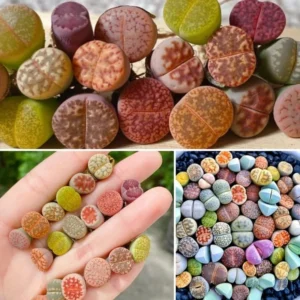
HousePlants
Lithops Live Plants Mix – 10 Large Colorful Living Stones Succulents for Indoor/Outdoor Growing
Sold 51 products
Original price was: $27.98.$13.99Current price is: $13.99.
Sold 55 products
$109.98

Sold 84 products
Original price was: $59.96.$29.98Current price is: $29.98.
Sold 88 products
From $120.99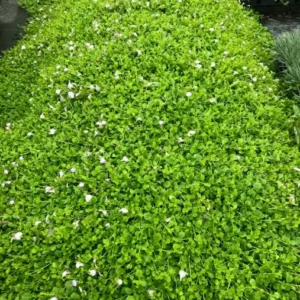
Flower Plants
Creeping Blue Mazus Reptans Live Plant – Blue Flowers, 4 inch Pot, Outdoor Groundcover
Sold 95 products
From $51.80
Sold 88 products
Original price was: $232.00.$116.00Current price is: $116.00.
Sold 86 products
From $6.84
Sold 87 products
Original price was: $79.98.$39.99Current price is: $39.99.
Sold 87 products
Original price was: $51.98.$25.99Current price is: $25.99.
Sold 54 products
$48.38
Sold 71 products
Original price was: $69.96.$34.98Current price is: $34.98.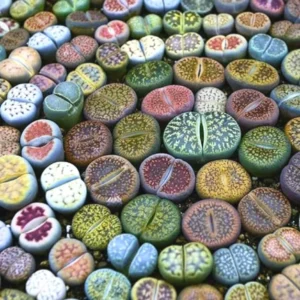

Sold 71 products
Original price was: $39.98.$19.99Current price is: $19.99.
Sold 58 products
From $16.78
Sold 95 products
Original price was: $26.76.$13.38Current price is: $13.38.
Sold 83 products
Original price was: $150.00.$120.00Current price is: $120.00.
Sold 96 products
Original price was: $272.00.$136.00Current price is: $136.00.



Reviews
There are no reviews yet.