
Lady Fern Bare Root Plant – Athyrium filix-femina – Shade & Wet Soils
From $59.96
Add elegance to your landscape with a lady fern bare root plant. This adaptable native fern thrives in moist to wet soils and offers beautiful three-season interest. Perfect for shade garden fern borders, groundcover, or naturalizing riparian areas.
-
USDA Hardiness Zone
USDA zones 4-9 -
Soil Type
Rich, organic, consistently moist to wet, well-draining soil -
Sunlight Exposure
Partial to full shade; can tolerate full sun with consistent moisture -
Expected Planting Period
Early spring or fall

You can track your order HERE
Mar 17
Mar 22 - Mar 24
Mar 27 - Mar 31
Shipping and return policies: Our Alive & Thrive Guarantee covers issues with your plants within the first 30 days. Reach out to us. Our team will answer your questions and help you find the plants that are truly suitable for your environment, climate, and personal preferences.

Overview
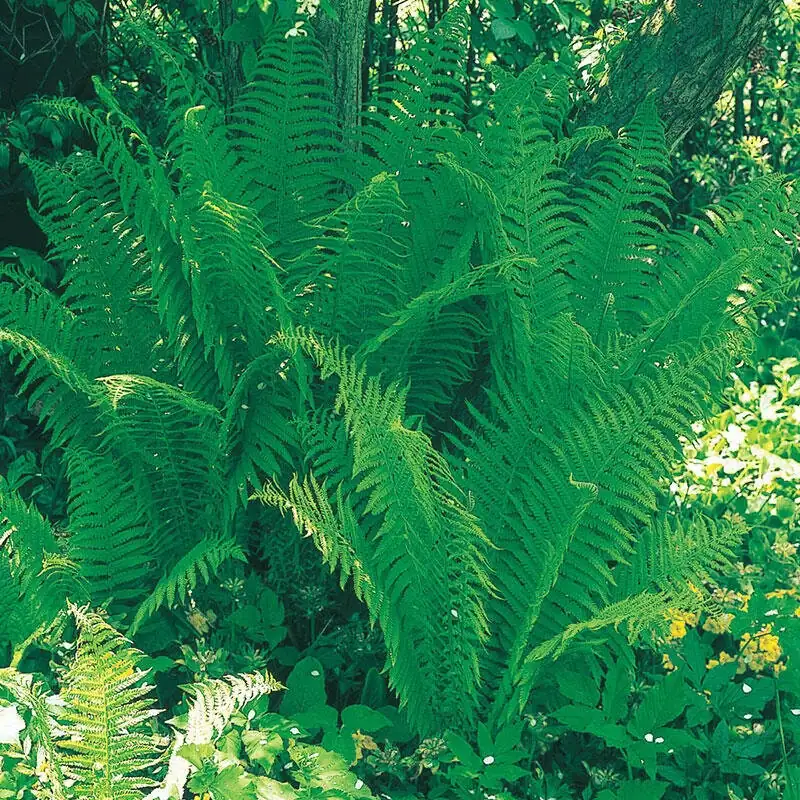
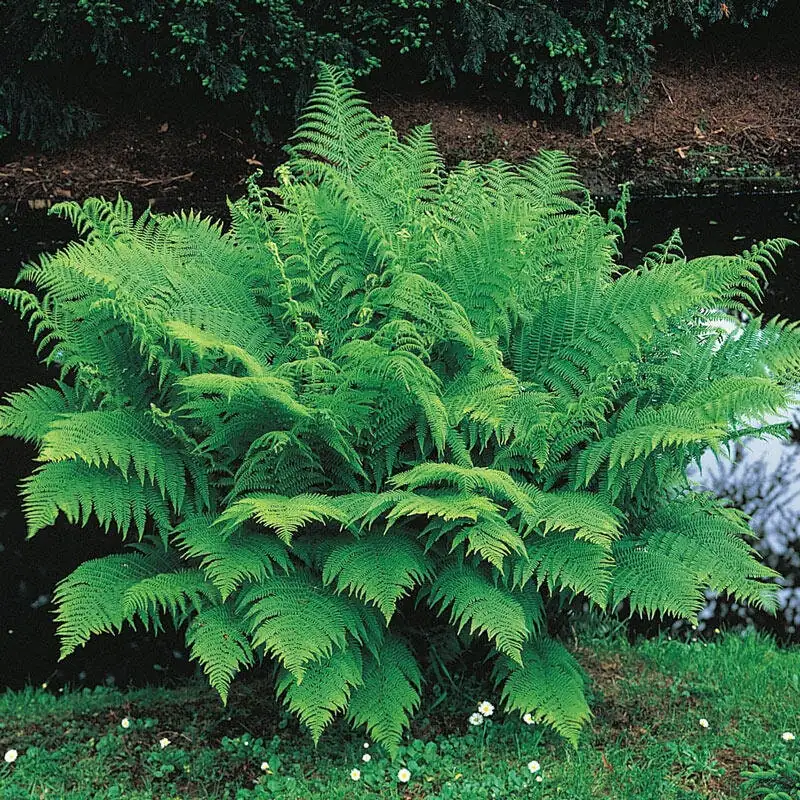
Transform your garden with the graceful beauty of a lady fern bare root plant. This impressive fern, scientifically known as Athyrium filix-femina, is a tall, broad-leaved fern revered for its lush foliage and adaptable nature. Originating from the forests and riparian areas of the Pacific Northwest, the lady fern is a stunning addition to any landscape, providing effortless majesty and a touch of prehistoric charm. Unlike many other ferns, the lady fern bare root can even tolerate full sun conditions as long as its soil remains consistently moist, making it a versatile choice for various garden settings. It’s an excellent option for those looking to stabilize soils, reduce erosion, and provide shelter for local wildlife.
The Athyrium filix-femina is native to habitats across the northern hemisphere and is found in nearly every state in the US, excluding Hawaii. Its resilience and striking appearance make it a favorite for gardeners seeking a low-maintenance yet impactful plant. When you plant a lady fern bare root, you’re not just adding greenery; you’re cultivating a piece of natural history that will bring serene beauty to your outdoor space for years to come.
Key Benefits
The lady fern bare root offers numerous advantages for both your garden and the local ecosystem, making it a highly desirable plant:
- Exceptional Three-Season Interest: Enjoy dynamic changes from spring fiddleheads unfurling into delicate fronds, to the persistent green foliage deep into fall. This fern provides continuous visual appeal.
- Adaptable to Various Light Conditions: While preferring temperate woodlands, Athyrium filix-femina can thrive in full sun as long as the soil is kept moist, offering flexibility in planting locations.
- Soil Stabilization and Erosion Control: Lady ferns are excellent for naturalizing areas, helping to stabilize soils and reduce erosion, particularly in moist or riparian zones.
- Wildlife Habitat Provider: The spring growth provides food for insects and snails, while the mature leaves offer shelter for birds and mammals, supporting local biodiversity.
- Low Maintenance and Resilient: Once established, this native fern plant requires minimal care, making it ideal for busy gardeners or those new to fern cultivation.
- Versatile Landscape Use: Perfect as groundcover around trees, a new texture in a shade garden fern, a border plant along shady paths, or for adding beauty to pond edges, rain gardens, and low-lying areas.
- Unique Aesthetic Appeal: The diamond silhouette of its fronds and the intriguing fiddleheads add a unique, ancient elegance to any garden design.
Plant Care & Growing Tips
Caring for your lady fern bare root is straightforward, making it an excellent choice for gardeners of all experience levels. These ferns are incredibly adaptable but thrive best with specific conditions. For sunlight, while they prefer temperate woodlands, the Athyrium filix-femina can tolerate full sun exposure as long as the soil remains consistently moist. In hotter climates or areas with intense afternoon sun, partial to full shade is ideal to prevent frond scorch. Aim for a location that receives dappled sunlight or morning sun with afternoon shade.
Watering is crucial for the lady fern bare root, especially in its establishment phase and during dry spells. They prefer wet soils, ranging from moist to perennially wet, but do not do well if their roots are submerged for extended periods. Ensure good drainage while maintaining consistent moisture. A rich, organic soil mix that retains moisture but doesn’t become waterlogged is perfect. Amend heavy clay soils with compost or peat moss to improve drainage and aeration. Lady ferns are generally hardy and can withstand cooler climates, with some subspecies even thriving in subarctic regions. They are typically suited for USDA zones 4-9.
Fertilization is not usually a strict requirement for this native fern plant, especially if planted in rich, organic soil. However, you can apply a balanced, slow-release granular fertilizer in early spring to encourage vigorous growth. Monitor for common fern pests like slugs and snails, which may be attracted to the tender spring growth. Proper air circulation and avoiding overhead watering can help prevent fungal issues. With these simple care tips, your lady fern bare root will flourish and become a stunning focal point in your garden, especially as a lush wet soil plant.
Size & Details
This offering is for a lady fern bare root plant, meaning it will arrive without soil, ready for immediate planting. Bare root plants are an economical and efficient way to establish new ferns in your garden. Upon planting, the lady fern will begin to establish its root system and unfurl its distinctive fronds, typically reaching a mature height of 2-4 feet with a similar spread, forming an appealing diamond silhouette. The growth rate is moderate, with significant foliage development occurring in the first growing season if conditions are favorable. The plant will continue to expand in size each year, creating a dense and lush display. This native fern plant will provide a robust visual impact, particularly when used in mass plantings or as a border element.
The Athyrium filix-femina is known for its graceful arching fronds that can grow quite large, offering a dramatic texture to your landscape. When planting, consider giving it ample space to reach its full potential. Expect the vibrant green fronds to persist deep into fall, providing a beautiful contrast to autumnal colors before dying back for winter and re-emerging with new fiddleheads the following spring. This resilience and seasonal interest make the lady fern bare root a valuable addition to any garden design, especially in areas where you need a reliable wet soil plant.
Frequently Asked Questions
- Q: How big does a lady fern bare root plant get? A: A mature lady fern bare root typically grows to a height of 2-4 feet with a similar spread, forming a beautiful diamond-shaped clump of fronds. Its size can vary slightly depending on growing conditions and moisture availability.
- Q: Is this an indoor or outdoor plant? A: The Athyrium filix-femina is primarily an outdoor plant, ideal for shade gardens, woodland settings, and riparian areas. While some ferns can be grown indoors, the lady fern thrives best in an outdoor environment where it can experience seasonal changes.
- Q: How much sunlight does a lady fern need? A: Lady ferns prefer partial to full shade. However, they are quite adaptable and can tolerate full sun exposure as long as the soil is consistently moist. In hot climates, providing afternoon shade is recommended to prevent scorching.
- Q: Is this plant easy to care for? A: Yes, the lady fern bare root is considered relatively easy to care for once established. Its primary requirements are consistently moist soil and appropriate light conditions. It’s a low-maintenance native fern plant suitable for beginners.
- Q: What condition will the bare root arrive in? A: Your lady fern bare root will arrive dormant, without soil, and carefully packaged to ensure its health during transit. It will be ready for immediate planting upon arrival to encourage successful establishment.
- Q: When is the best time to plant a lady fern bare root? A: The best time to plant a lady fern bare root is in early spring or fall when temperatures are mild. This allows the plant to establish its root system before the stress of summer heat or winter cold.
- Q: What kind of soil does a lady fern prefer? A: Lady ferns thrive in rich, organic, consistently moist to wet soils with good drainage. They do not tolerate prolonged periods of standing water, so while they like moisture, good aeration is still important.
- Q: Is the lady fern a good choice for a rain garden? A: Absolutely! The lady fern is an excellent wet soil plant and a perfect candidate for rain gardens, pond borders, or low-lying areas that frequently experience moist conditions.
- Q: Will it survive winter in my zone? A: The Athyrium filix-femina is hardy in USDA zones 4-9, making it suitable for a wide range of climates across the United States. It will die back in winter but reliably re-emerge in spring.
- Q: Can I use the lady fern as groundcover? A: Yes, the lady fern makes fantastic groundcover, particularly in shady areas under trees or along pathways. Its spreading habit helps to fill in spaces beautifully and naturally.
| Lady Fern | 10, 15, 5 |
|---|
Be the first to review “Lady Fern Bare Root Plant – Athyrium filix-femina – Shade & Wet Soils”
People Also Viewed
Sold 68 products
Original price was: $36.38.$18.19Current price is: $18.19.
Sold 64 products
Original price was: $39.98.$19.99Current price is: $19.99.
Sold 81 products
Original price was: $30.78.$15.39Current price is: $15.39.
Sold 82 products
Original price was: $106.38.$53.19Current price is: $53.19.
Sold 58 products
Original price was: $44.78.$22.39Current price is: $22.39.
Sold 79 products
Original price was: $59.18.$29.59Current price is: $29.59.
Sold 58 products
Original price was: $53.98.$26.99Current price is: $26.99.
Sold 57 products
Original price was: $30.78.$15.39Current price is: $15.39.
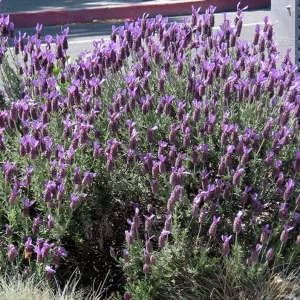
Flowers
Set of 2 Spanish Eyes Lavender Live Plants – 4-6″ Tall – Fragrant Perennial Flowers – Indoor/Outdoor
Sold 62 products
Original price was: $36.38.$18.19Current price is: $18.19.
Sold 53 products
Original price was: $47.98.$23.99Current price is: $23.99.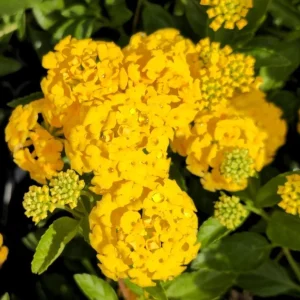
Flowers
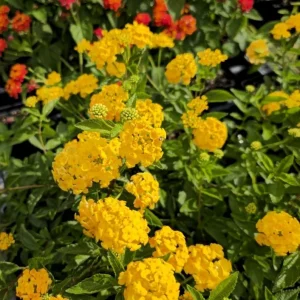
Set of 2 New Gold Lantana Live Plants – 4-6″ Tall – Yellow Flowers – Attracts Pollinators – Outdoor
Sold 84 products
Original price was: $32.18.$16.09Current price is: $16.09.
Sold 64 products
Original price was: $8.40.$4.20Current price is: $4.20.
Sold 67 products
Original price was: $31.98.$15.99Current price is: $15.99.
Sold 100 products
Original price was: $33.98.$18.49Current price is: $18.49.
Sold 87 products
Original price was: $291.16.$145.58Current price is: $145.58.
Sold 88 products
Original price was: $32.18.$16.09Current price is: $16.09.
Sold 98 products
Original price was: $32.18.$16.09Current price is: $16.09.
Sold 60 products
Original price was: $60.78.$30.39Current price is: $30.39.



Reviews
There are no reviews yet.