
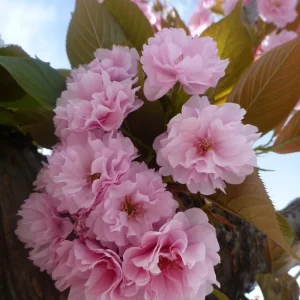
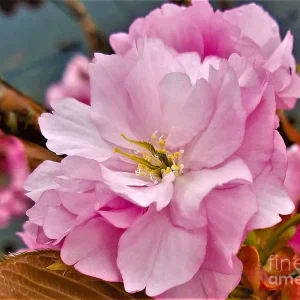
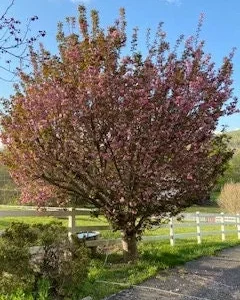

Kwanzan Cherry Flowering Tree Bare-root – Stunning Pink Spring Blooms
From $79.80
Bring breathtaking beauty to your garden with a Kwanzan Cherry bare-root. This stunning ornamental tree is known for its spectacular double pink blooms in spring, creating a dramatic focal point in any landscape. Flourishes in USDA Zones 5-9 with full sun and well-draining soil.
-
USDA Hardiness Zone
5-9 -
Soil Type
Well-draining, loose, rich in organic matter -
Sunlight Exposure
Full sun -
Expected Planting Period
Early spring

You can track your order HERE
Mar 04
Mar 09 - Mar 11
Mar 14 - Mar 18
Shipping and return policies: Our Alive & Thrive Guarantee covers issues with your plants within the first 30 days. Reach out to us. Our team will answer your questions and help you find the plants that are truly suitable for your environment, climate, and personal preferences.

Overview
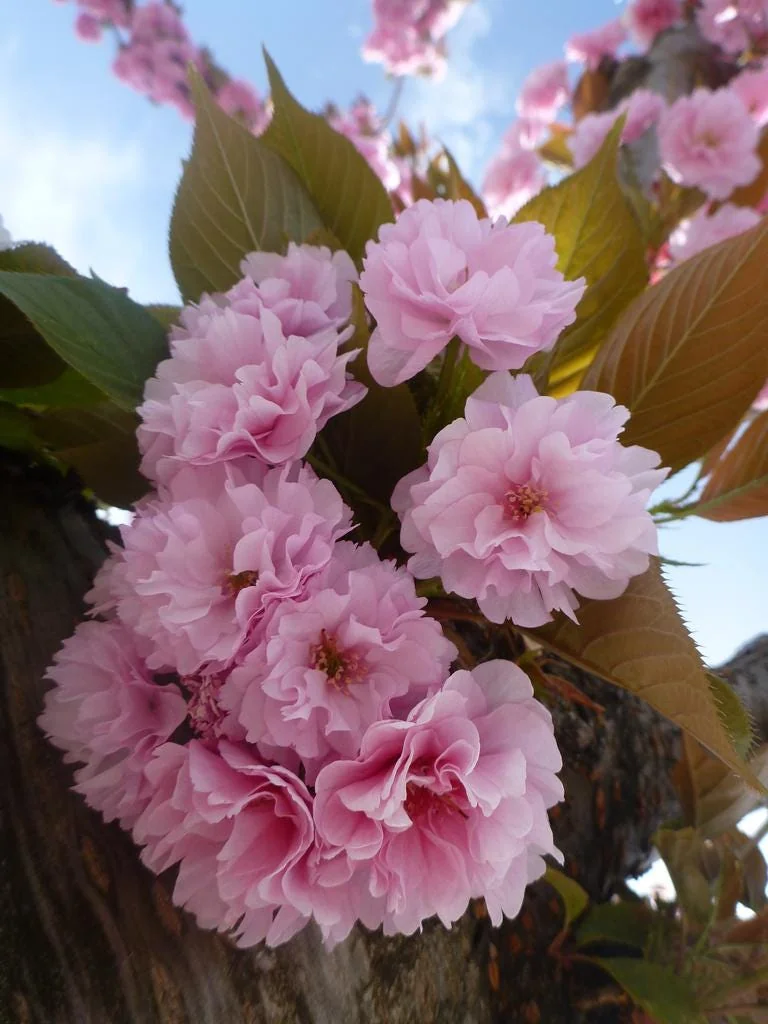
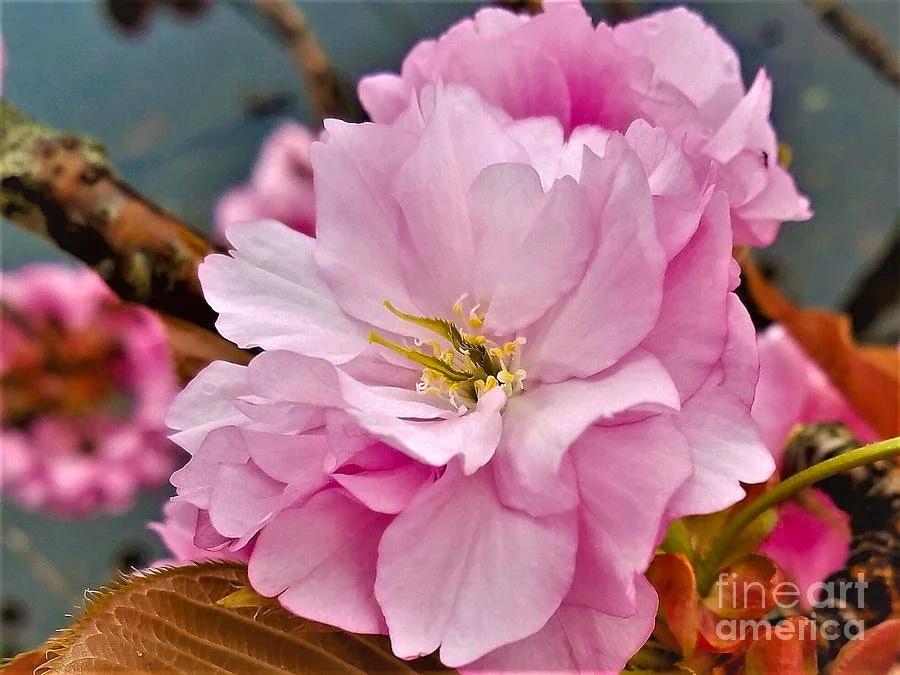
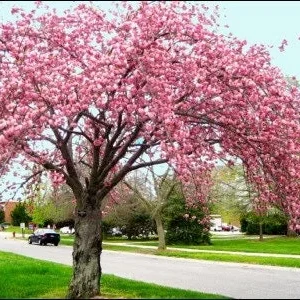
Transform your outdoor space with the magnificent Kwanzan Cherry bare-root. This highly sought-after ornamental flowering tree is celebrated for its abundant, showy double-pink blossoms that burst forth in spring, creating a truly spectacular display. Unlike many other cherry varieties, the Kwanzan Cherry (Prunus serrulata ‘Kwanzan’) produces sterile flowers, meaning it won’t bear fruit, allowing all its energy to go into its incredible floral show. As a deciduous tree, its leaves emerge a coppery-red, maturing to a vibrant green, and then turning brilliant shades of orange and red in the fall, providing multi-season interest. This bare-root specimen offers an economical and effective way to establish a robust and beautiful tree in your garden, ready to thrive and deliver years of enjoyment.
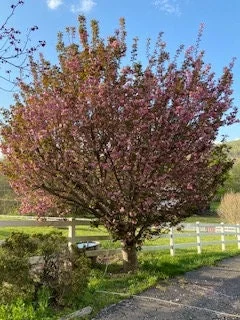
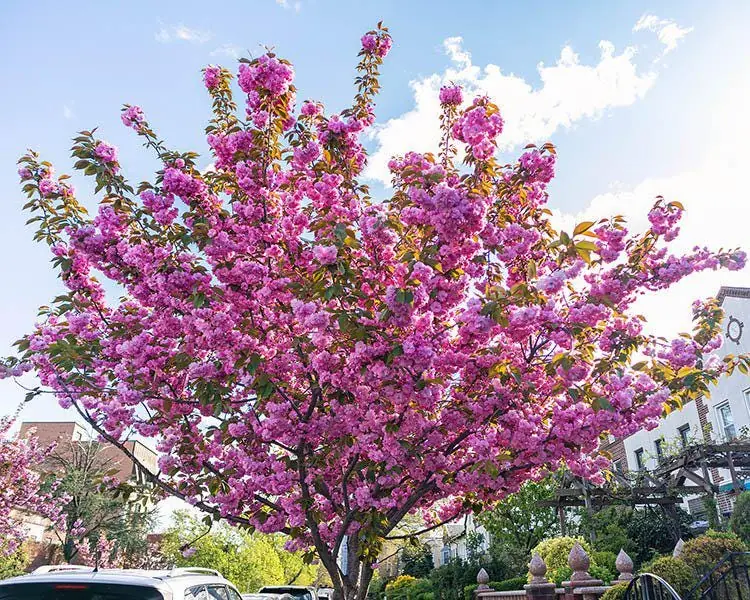
The Kwanzan flowering tree is a popular choice for street plantings, garden accents, and even as a striking specimen tree due to its upright, vase-shaped form when young, maturing into a more rounded, spreading canopy. Its elegant structure and profusion of flowers make it a favorite for adding significant curb appeal and a touch of classic beauty. When properly planted and cared for, this bare-root cherry tree will quickly establish itself, growing into a magnificent landscape feature that heralds the arrival of spring with unparalleled charm.
Key Benefits
The Kwanzan Cherry offers a multitude of benefits for any garden or landscape, making it a truly rewarding choice for both novice and experienced gardeners. Its stunning visual appeal is just the beginning of what this remarkable tree provides.
- Spectacular Spring Blooms: Enjoy an explosion of vibrant, double pink flowers that completely cover the branches each spring, creating an unforgettable visual spectacle. The dense, cloud-like clusters of blossoms are a hallmark of the Kwanzan Cherry bare-root.
- Multi-Season Interest: Beyond its spring flowers, the Kwanzan Cherry offers attractive coppery-red new foliage, lush green summer leaves, and brilliant fall colors, ensuring beauty throughout the growing season.
- Elegant Form and Structure: This ornamental cherry tree develops a graceful, vase-shaped canopy that provides an excellent focal point or a beautiful addition to rows and driveways. Its mature form adds architectural interest to the landscape.
- Drought Tolerance Once Established: While needing consistent moisture during establishment, mature Kwanzan Cherry trees exhibit good drought tolerance, making them relatively low-maintenance.
- Attracts Pollinators: Although its flowers are sterile, the abundant blooms still attract early spring pollinators, contributing to the biodiversity of your garden.
- Versatile Planting Options: Ideal as a specimen tree, planted in groupings, or even trained as a bonsai, this Kwanzan flowering tree adapts to various landscape designs.
- Hardy and Resilient: Thriving in USDA Hardiness Zones 5-9, the Kwanzan Cherry is a robust choice for many climates, offering reliable performance year after year.
Plant Care & Growing Tips
Ensuring the success of your Kwanzan Cherry bare-root begins with proper planting and consistent care during its establishment. These trees are relatively low-maintenance once mature, but attention to detail in the first few years will yield a stronger, healthier tree with more abundant blooms. When considering Kwanzan cherry tree care, remember that site selection is paramount.
Plant your Kwanzan Cherry in a location that receives full sunlight, meaning at least 6 hours of direct sun per day. Ample sunlight is crucial for optimal flowering and overall tree health. The soil should be well-draining, loose, and rich in organic matter. If you have heavy clay soil, amend it generously with compost to improve drainage. Kwanzan cherry trees’ roots struggle to compete with grass, so consider planting them in a raised mound bed, especially if drainage is a concern. The mound should be 12-18 inches above the surrounding soil level. Space multiple trees 12-15 feet apart from the center of the trunk to allow for proper growth and air circulation. Water regularly during the first year, ensuring the soil remains consistently moist but not waterlogged. Once established, supplemental watering may only be needed during prolonged dry spells. Fertilize in early spring with a balanced, slow-release fertilizer formulated for flowering trees, following package instructions. Pruning should be done in late winter or early spring to remove any dead, damaged, or crossing branches, and to maintain the desired shape. Protecting young trees from pests and diseases with appropriate horticultural practices will also contribute to their long-term vitality. Understanding planting Kwanzan cherry correctly sets the stage for a thriving tree.
Size & Details
The Kwanzan Cherry bare-root is typically shipped as a dormant, young tree without soil around its roots. This method allows for easier transport and often results in quicker establishment once planted in its new home. Upon arrival, the bare-root tree will consist of a main stem and a network of roots, ready for immediate planting. The initial height of the bare-root specimen can vary, but it is typically a young sapling, often ranging from 2-4 feet tall. This allows you to shape the tree as it grows. With proper care, Kwanzan Cherry trees are fast-growing, reaching a mature height of 15-25 feet with a similar spread. They develop a strong, upright, vase-shaped form that becomes more rounded over time. Expect the first significant blooms to appear within 2-3 years after planting, with increasingly spectacular displays as the tree matures. This ornamental cherry tree delivers significant impact.
Frequently Asked Questions
- Q: How big does a Kwanzan Cherry tree get? A: A mature Kwanzan Cherry tree typically reaches a height of 15-25 feet with a similar spread. Its vase-shaped form gradually rounds out as it ages, providing a substantial landscape presence.
- Q: What is the best time to plant a Kwanzan Cherry bare-root? A: The ideal time to plant a bare-root Kwanzan Cherry is in early spring, after the last threat of hard frost but before the tree breaks dormancy. This allows the roots to establish before summer heat.
- Q: What kind of soil does this tree need? A: Kwanzan Cherry trees thrive in well-draining, loose soil that is rich in organic matter. Avoid heavy clay soils or areas with poor drainage, as this can lead to root issues.
- Q: How much sunlight does a Kwanzan flowering tree require? A: For the best blooming and overall health, Kwanzan Cherry trees need full sun, which means at least 6 hours of direct sunlight per day. Less sun can result in fewer flowers.
- Q: Is the Kwanzan Cherry tree difficult to care for? A: With proper site selection and initial care, Kwanzan Cherry trees are relatively easy to maintain. Regular watering during establishment and annual pruning are the main requirements for good Kwanzan cherry tree care.
- Q: Will my ornamental cherry tree produce fruit? A: No, Kwanzan Cherry trees produce sterile, double flowers and do not bear fruit. This means all their energy goes into creating a stunning floral display.
- Q: What USDA Hardiness Zones are suitable for Kwanzan Cherry? A: Kwanzan Cherry trees flourish in USDA Hardiness Zones 5-9, making them a hardy choice for a wide range of climates.
- Q: How far apart should I plant multiple Kwanzan Cherry trees? A: If planting multiple trees, space them 12-15 feet apart from the center of the trunk to allow for adequate growth and air circulation as they mature.
- Q: What condition will the bare-root tree arrive in? A: Your Kwanzan Cherry bare-root will arrive dormant, without soil around its roots, and carefully packaged to ensure its health during transit. It should be planted as soon as possible after arrival.
- Q: When can I expect my Kwanzan Cherry to bloom? A: While they may produce a few flowers in their first year, significant blooming typically begins 2-3 years after planting, with the display becoming more spectacular as the tree matures.
| Kuanzan Cherry | 18-24'', 2-3' Feet Tall |
|---|
Be the first to review “Kwanzan Cherry Flowering Tree Bare-root – Stunning Pink Spring Blooms”
People Also Viewed
Sold 81 products
Original price was: $69.98.$34.99Current price is: $34.99.
Sold 76 products
Original price was: $67.80.$33.90Current price is: $33.90.
Sold 61 products
Original price was: $33.98.$27.18Current price is: $27.18.
Sold 87 products
Original price was: $56.00.$28.00Current price is: $28.00.
Sold 73 products
Original price was: $259.96.$129.98Current price is: $129.98.
Sold 74 products
Original price was: $111.96.$55.98Current price is: $55.98.
HousePlants
Swedish Ivy Plants – 4 Plectranthus Live Houseplant – 4 Inch Pot – Variegated Starter Plants
Sold 53 products
Original price was: $59.98.$29.99Current price is: $29.99.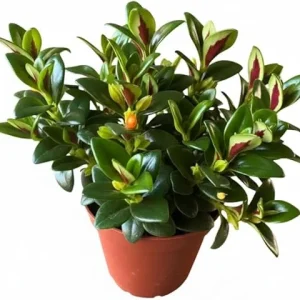
HousePlants
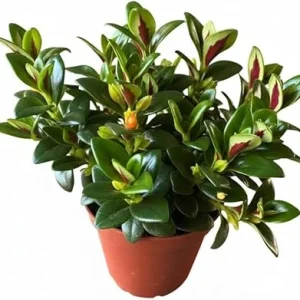
Goldfish Plant Live Houseplant – Lady Goldfish Variety – 4-Inch Potted Tropical Indoor Plant
Sold 67 products
$72.58
Sold 72 products
Original price was: $283.96.$141.98Current price is: $141.98.
Sold 61 products
Original price was: $289.96.$144.98Current price is: $144.98.
Sold 94 products
Original price was: $24.35.$7.74Current price is: $7.74.
Sold 91 products
Original price was: $47.96.$23.98Current price is: $23.98.
Sold 60 products
From $3.96
Sold 90 products
Original price was: $111.00.$55.50Current price is: $55.50.
Sold 52 products
From $39.80
Sold 98 products
Original price was: $54.36.$27.18Current price is: $27.18.
Sold 64 products
Original price was: $39.98.$19.99Current price is: $19.99.
Sold 85 products
Original price was: $39.99.$34.99Current price is: $34.99.


Reviews
There are no reviews yet.