
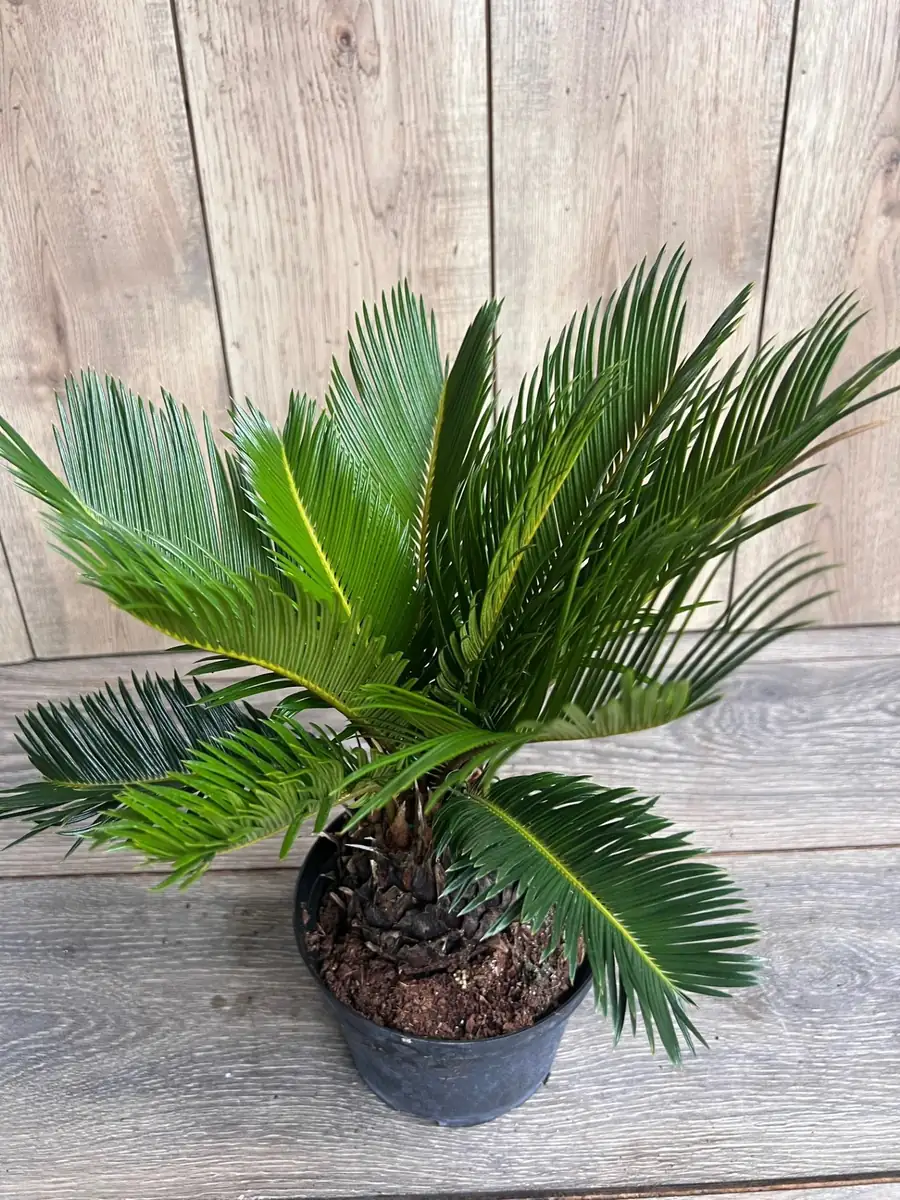
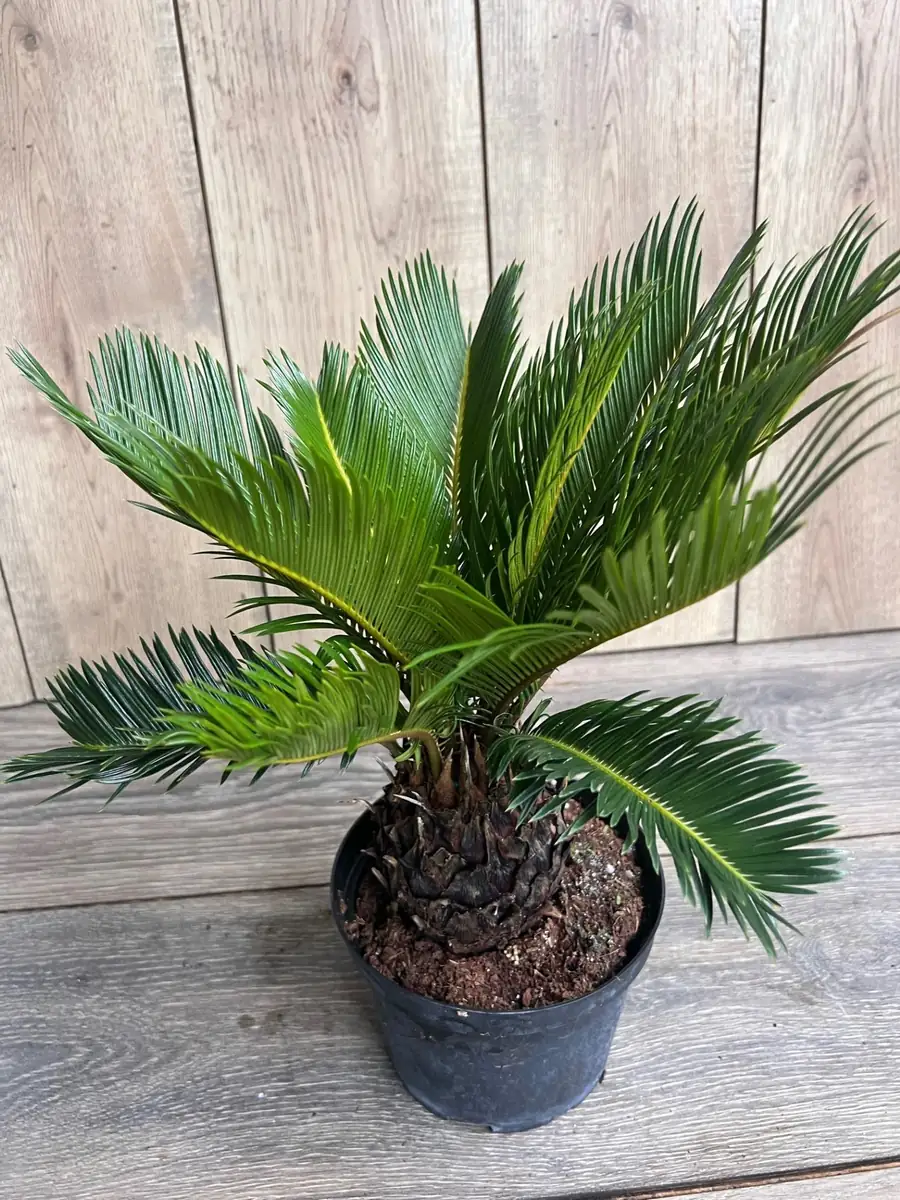
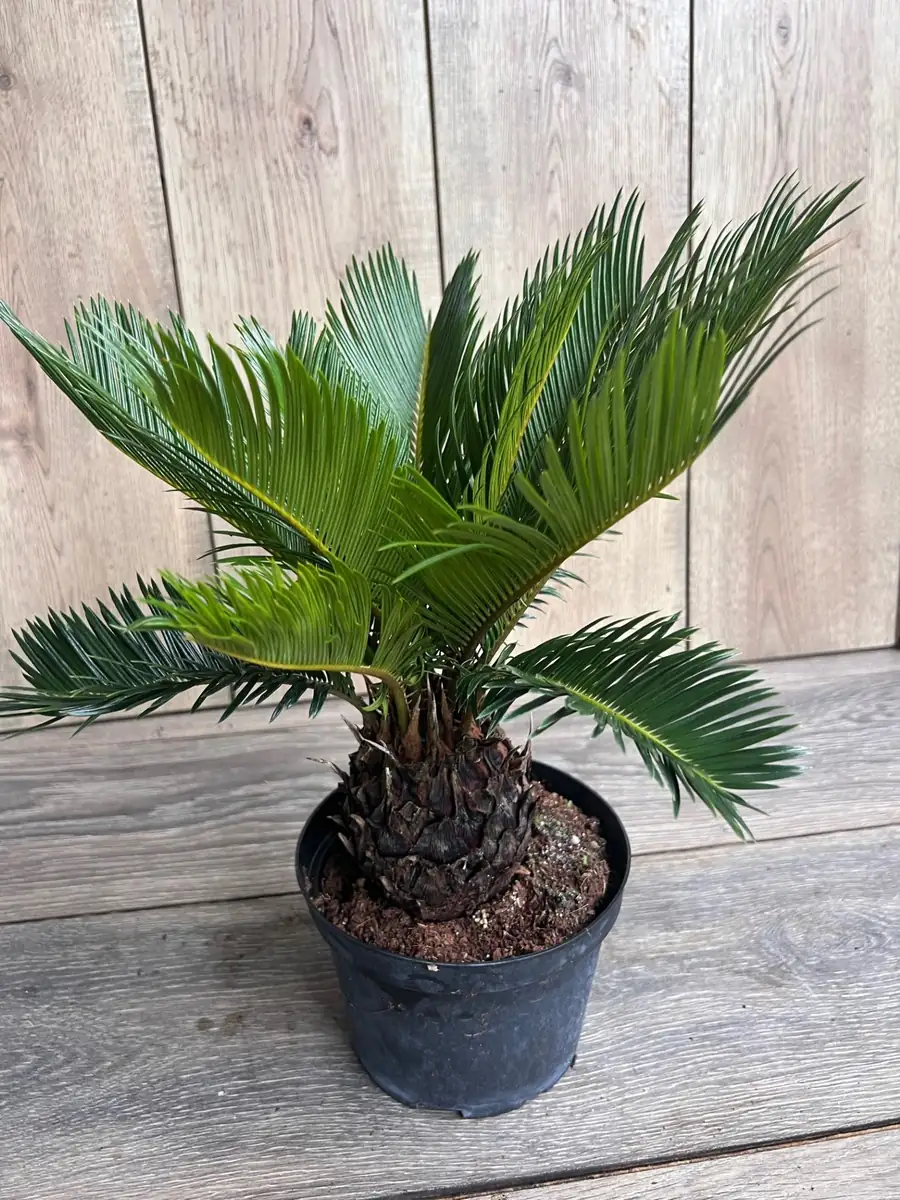
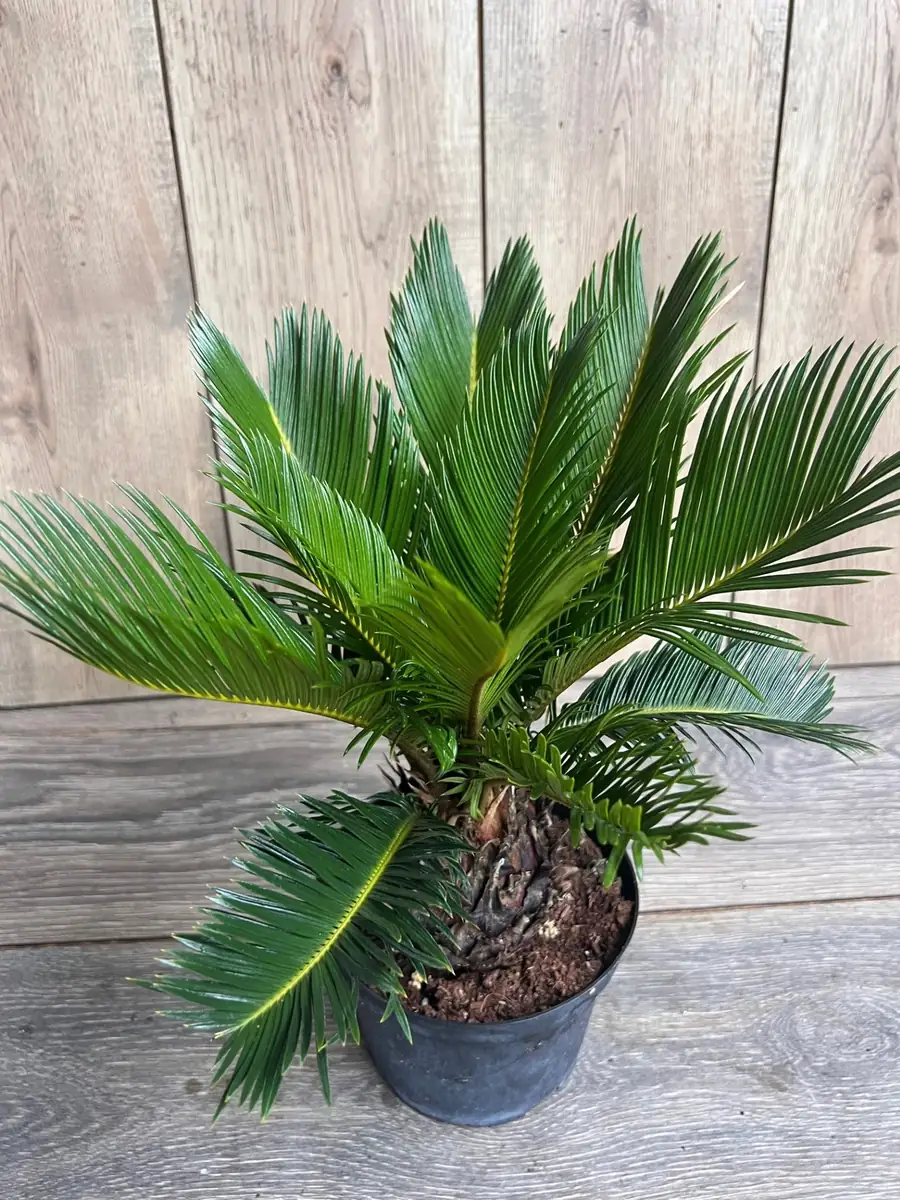
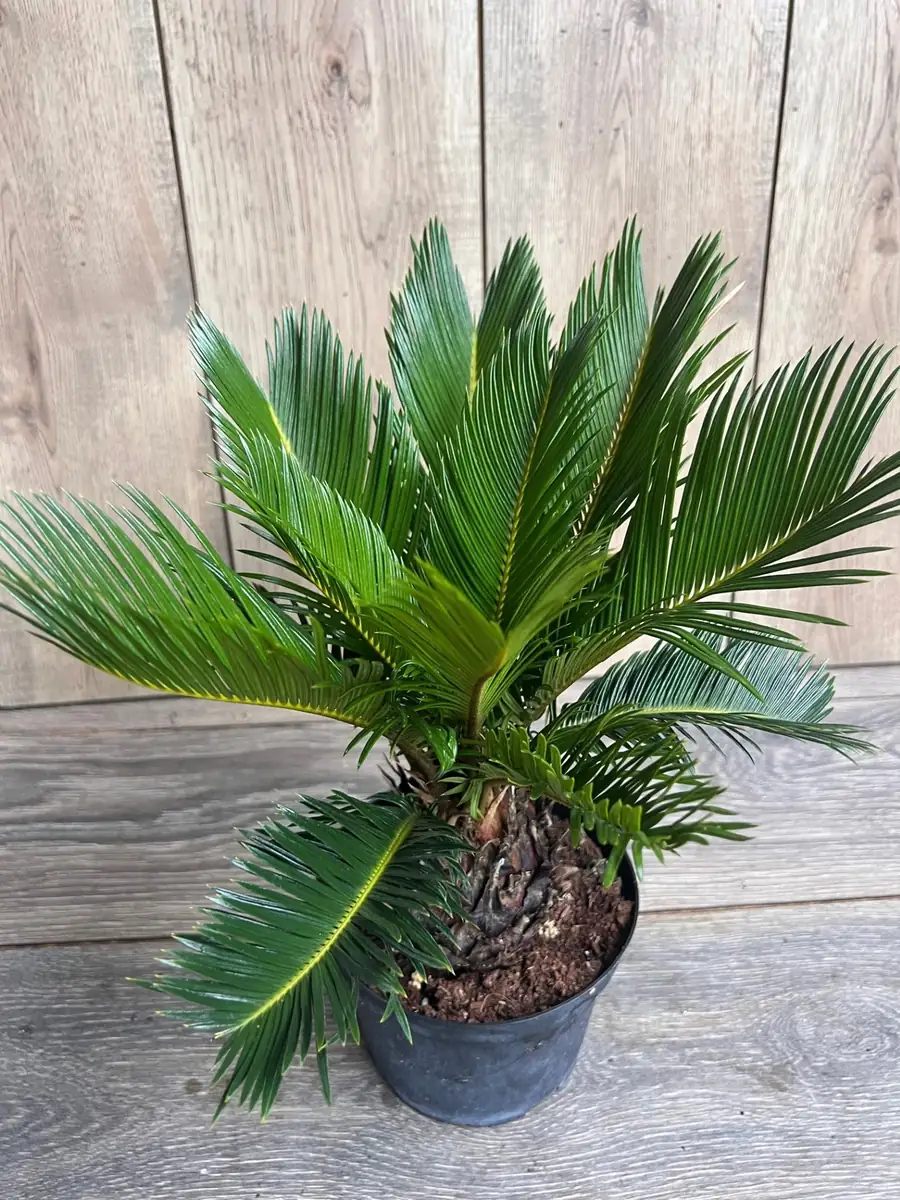
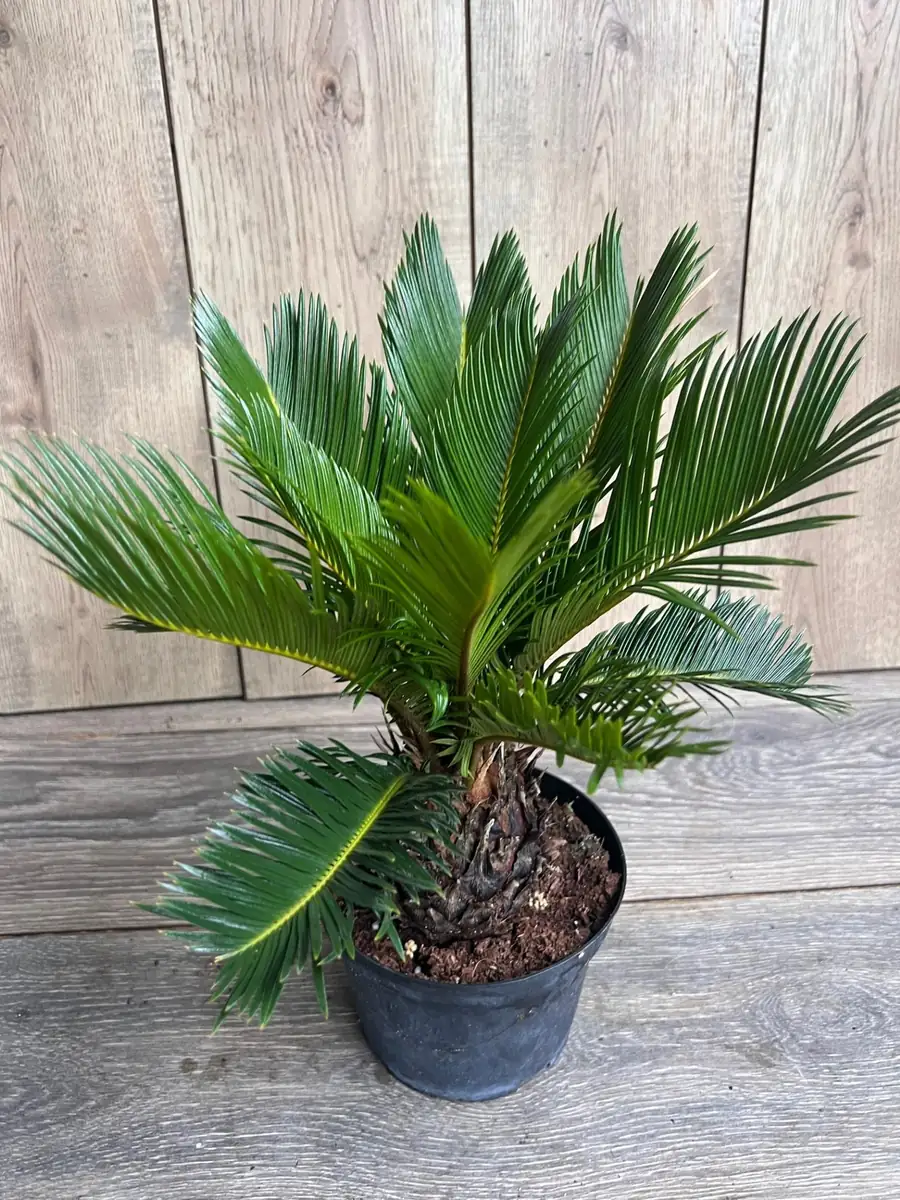
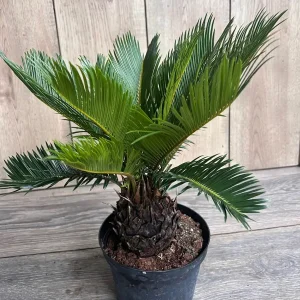
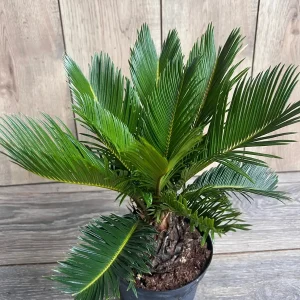
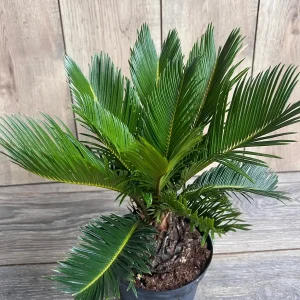
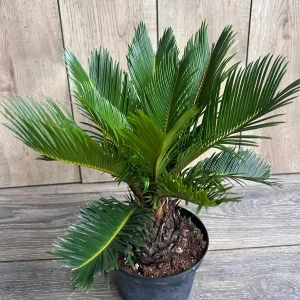
King Sago Palm Live Plant – 6 inch Pot – Exotic Indoor & Outdoor Accent
Original price was: $65.76.$39.46Current price is: $39.46.
Bring exotic beauty to your home or garden with this king sago palm live plant in a 6-inch pot. Known for its stiff, showy fronds and drought tolerance, this indoor sago palm thrives in bright light and makes an excellent accent for patios, courtyards, or sunny indoor locations.
-
USDA Hardiness Zone
USDA zones 9-11 (can be grown indoors elsewhere) -
Soil Type
Well-draining sandy potting mix -
Sunlight Exposure
Bright indirect light (indoors), partial shade (outdoors) -
Expected Planting Period
Year-round indoors; spring to early summer outdoors

You can track your order HERE
Mar 05
Mar 10 - Mar 12
Mar 15 - Mar 19
Shipping and return policies: Our Alive & Thrive Guarantee covers issues with your plants within the first 30 days. Reach out to us. Our team will answer your questions and help you find the plants that are truly suitable for your environment, climate, and personal preferences.

Overview
Introduce a touch of timeless, exotic elegance into your living space or garden with this stunning king sago palm live plant. Revered for its striking architectural form and resilient nature, the sago palm (Cycas revoluta) is not a true palm but a cycad, an ancient group of plants that predate dinosaurs. This particular specimen comes in a 6-inch pot, ready to beautify your environment. Originating from the southern islands of Japan, the sago palm care is surprisingly straightforward, making it an ideal choice for both novice and experienced plant enthusiasts. Its stiff, feather-like fronds unfurl gracefully, creating a dramatic focal point wherever it is placed. Whether you’re looking to add a unique texture to your plant collection or seeking a durable outdoor accent, this plant offers unparalleled aesthetic appeal and longevity.
The king sago palm live plant is a versatile choice, capable of thriving in various settings. Its slow growth rate and compact size when young make it a perfect candidate for container planting, allowing you to easily move it indoors or out depending on the season and your design preferences. This plant is celebrated for its robust health and ability to withstand periods of drought, making it a low-maintenance option for busy individuals. Its rich green foliage provides a vibrant contrast to any decor, adding a lush, tropical feel to balconies, patios, or sun-drenched interior rooms. Embrace the enduring charm of the sago palm and transform your space into a serene, verdant retreat.
Key Benefits
The king sago palm live plant offers a multitude of benefits, making it a highly desirable addition to any plant collection. Its unique appearance and easy maintenance contribute to its widespread popularity:
- Exotic Visual Appeal: With its symmetrical crown of stiff, glossy fronds, the king sago palm live plant provides a sophisticated, tropical aesthetic that instantly elevates any indoor or outdoor setting. It’s a living sculpture that draws the eye.
- Drought Tolerance: This plant is remarkably tolerant of dry conditions once established, requiring less frequent watering compared to many other ornamental plants, which simplifies its care routine significantly. This makes it a great choice for those seeking a drought tolerant sago.
- Versatile Placement: Suitable for both indoor and outdoor environments, it can serve as a stunning focal point on a patio, an elegant accent in a garden, or a vibrant green addition to a bright indoor space as an indoor sago palm.
- Low Maintenance: Despite its exotic appearance, the sago palm is relatively easy to care for, thriving with minimal intervention once its basic needs for light and well-drained soil are met.
- Long Lifespan: Sago palms are known for their longevity, often living for many decades, providing enduring beauty and value for years to come.
- Unique Texture: The stiff, leathery texture of its fronds adds an interesting tactile element to plant arrangements and garden designs, enhancing sensory appeal.
- Air Purification: Like many plants, the sago palm contributes to a healthier indoor environment by helping to filter air and improve oxygen levels, though to a lesser extent than some other houseplants.
Plant Care & Growing Tips
Caring for your king sago palm live plant is a rewarding experience, as these resilient plants are quite forgiving. For optimal growth, understanding their specific needs is key. Sunlight requirements are crucial: while the sago palm will tolerate full sun, it performs best in partial shade when planted outdoors in hot, dry climates to prevent leaf scorch. If you’re growing it as an indoor sago palm, ensure it receives bright, indirect light, ideally from a south or west-facing window. Insufficient light can lead to leggy growth and smaller fronds. Rotate the pot occasionally to ensure even growth.
When it comes to watering, the sago palm prefers well-drained soil and is quite drought tolerant. The most common mistake is overwatering, which can lead to root rot. Allow the soil to dry out completely between waterings. You can check the soil moisture by inserting your finger about two inches deep – if it feels dry, it’s time to water. Reduce watering significantly during cooler months. The ideal soil type is a sandy, well-draining potting mix. A mix formulated for palms or cacti works well, ensuring good aeration and preventing waterlogging. The cycas revoluta thrives in temperatures between 65-75°F (18-24°C) and can tolerate brief drops, but should be brought indoors when temperatures consistently fall below 50°F (10°C) if grown in colder regions. Fertilize sparingly during the growing season (spring and summer) with a slow-release granular fertilizer formulated for palms or a balanced liquid fertilizer diluted to half strength. Yellowing leaves can sometimes indicate a nutrient deficiency, particularly magnesium or potassium, which can be addressed with appropriate supplements. Watch out for common pests like scale insects or mealybugs, which can be treated with horticultural oil or insecticidal soap.
Size & Details
This king sago palm live plant is provided in a 6-inch nursery pot, making it a perfect size for immediate display or transplanting into a decorative container. At this stage, the plant typically stands about 8-12 inches tall from the base of the soil, with a spread of approximately 10-15 inches, depending on the number and size of its fronds. Sago palms are known for their slow growth rate, especially when young, adding only a few inches in height and a new flush of leaves each year. This makes them an excellent choice for those who prefer a plant that won’t quickly outgrow its space. When mature, outdoors in ideal conditions, a drought tolerant sago can eventually reach heights of 10-15 feet with a spread of 8-10 feet, though indoor specimens will remain significantly smaller, often staying under 3-5 feet tall. The plant is shipped as a healthy, established specimen, carefully packaged to ensure its safe arrival. Expect vibrant green foliage and a sturdy caudex (trunk) characteristic of a well-cared-for cycad. It is a long-lived plant, offering decades of beauty with proper sago palm care.
Frequently Asked Questions
- Q: How big will my King Sago Palm get? A: Your king sago palm live plant in a 6-inch pot will initially be about 8-12 inches tall. Indoors, they typically grow to 3-5 feet, while outdoor plants in optimal conditions can reach 10-15 feet over many years due to their slow growth rate.
- Q: Is this an indoor or outdoor plant? A: The King Sago Palm is versatile. It can be kept as an indoor sago palm in bright light or grown outdoors on a patio, courtyard, or in the garden in suitable climates. It should be brought inside during winter in colder regions.
- Q: How much sunlight does a King Sago Palm need? A: This plant thrives in bright, indirect light indoors. Outdoors, it prefers partial shade, especially in hot, dry climates, though it can tolerate full sun once established.
- Q: Is this plant easy to care for? A: Yes, the King Sago Palm is considered relatively easy to care for, making it suitable for beginners. Its key requirements are well-drained soil and proper watering, ensuring the soil dries out between waterings.
- Q: What condition will my King Sago Palm arrive in? A: Your king sago palm live plant will arrive as a healthy, established plant in its 6-inch nursery pot, carefully packaged to minimize stress during transit.
- Q: How often should I water my sago palm? A: Allow the soil to dry out completely between waterings. Overwatering is detrimental. This drought tolerant sago requires less frequent watering than many other plants.
- Q: What kind of soil is best for sago palms? A: A well-draining soil mix is essential. A sandy potting mix, or one formulated for palms or cacti, will provide the best drainage and aeration for your cycas revoluta.
- Q: Is the King Sago Palm pet-safe? A: No, all parts of the sago palm are toxic if ingested by pets and humans. Keep it out of reach of children and animals.
- Q: What is the ideal temperature range for King Sago Palms? A: Sago palms prefer temperatures between 65-75°F (18-24°C). They can tolerate brief cooler periods but should be protected from temperatures consistently below 50°F (10°C).
- Q: Can I fertilize my King Sago Palm? A: Yes, fertilize during the growing season (spring and summer) with a slow-release palm fertilizer or a diluted balanced liquid fertilizer. Avoid over-fertilizing.
Be the first to review “King Sago Palm Live Plant – 6 inch Pot – Exotic Indoor & Outdoor Accent”
People Also Viewed
Sold 68 products
Original price was: $103.98.$51.99Current price is: $51.99.
Sold 61 products
Original price was: $38.92.$19.46Current price is: $19.46.
Sold 93 products
From $71.80
Sold 78 products
Original price was: $116.56.$69.94Current price is: $69.94.
Sold 91 products
Original price was: $37.47.$12.49Current price is: $12.49.
Sold 64 products
Original price was: $65.98.$32.99Current price is: $32.99.
Sold 95 products
Original price was: $39.98.$27.98Current price is: $27.98.
Sold 86 products
Original price was: $55.98.$27.99Current price is: $27.99.
Sold 94 products
Original price was: $28.76.$14.38Current price is: $14.38.

Sold 67 products
$37.38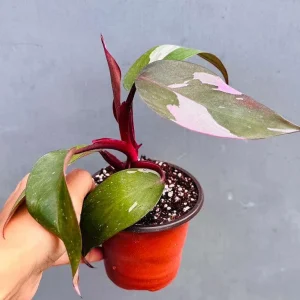
HousePlants
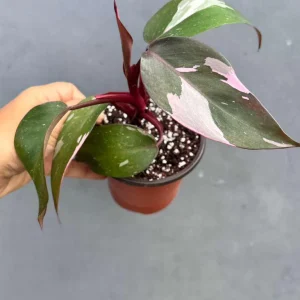
Philodendron Pink Princess Live Plant – 3″ Grow Pot – Variegated Pink Foliage – Indoor Houseplant
Sold 100 products
Original price was: $77.60.$38.80Current price is: $38.80.
Sold 60 products
Original price was: $147.16.$73.58Current price is: $73.58.
Sold 73 products
Original price was: $180.00.$90.00Current price is: $90.00.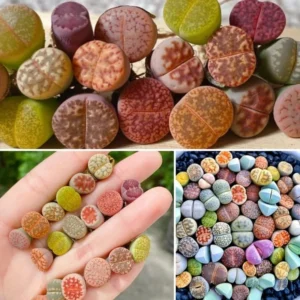
HousePlants
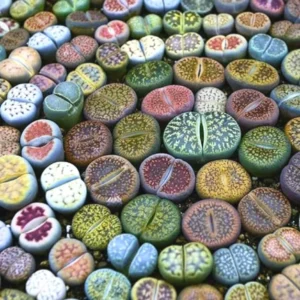
Lithops Live Plants Mix – 10 Large Colorful Living Stones Succulents for Indoor/Outdoor Growing
Sold 79 products
Original price was: $27.98.$13.99Current price is: $13.99.
Sold 96 products
Original price was: $53.98.$26.99Current price is: $26.99.
Sold 76 products
Original price was: $59.98.$41.98Current price is: $41.98.
Sold 54 products
Original price was: $27.60.$9.04Current price is: $9.04.
Sold 82 products
Original price was: $319.96.$159.98Current price is: $159.98.



Reviews
There are no reviews yet.