
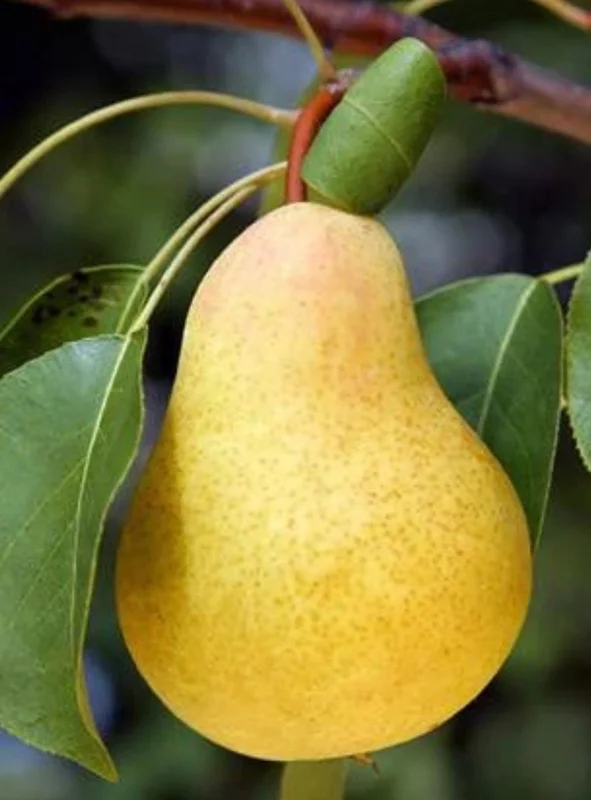
Kieffer Pear Tree – Live Fruit Plant – 2ft Tall – Ship in 3 Gallon Pot – Outdoor
Original price was: $283.96.$141.98Current price is: $141.98.
Bring home a robust Kieffer Pear Tree, a fast-growing fruit plant producing an abundant harvest of sweet, crisp, and juicy pears. This 2ft tall pear tree live plant is shipped in a 3-gallon pot, ready for planting in your outdoor garden or orchard.
-
USDA Hardiness Zone
USDA zones 4-9 -
Soil Type
Well-draining, loamy soil -
Sunlight Exposure
Full sun -
Expected Planting Period
Early spring or fall

You can track your order HERE
Mar 01
Mar 06 - Mar 08
Mar 11 - Mar 15
Shipping and return policies: Our Alive & Thrive Guarantee covers issues with your plants within the first 30 days. Reach out to us. Our team will answer your questions and help you find the plants that are truly suitable for your environment, climate, and personal preferences.

Overview
Cultivate your own delicious harvest with the remarkable Kieffer Pear Tree. This vigorous and reliable fruit tree is renowned for its exceptional productivity, yielding a heavy crop of large, flavorful pears. Originating from a cross between a European and Asian pear, the Kieffer variety (Pyrus communis ‘Kieffer’) is celebrated for its adaptability and disease resistance, making it an excellent choice for both novice and experienced gardeners. As a pear tree live plant, it arrives ready to thrive, eager to establish itself in your landscape and provide years of bountiful fruit. Its upright growth habit and attractive foliage add ornamental value to any garden, while the promise of sweet, crisp fruit makes it a highly desirable addition for home orchards.
The Kieffer Pear Tree is a deciduous fruit tree that offers not only delectable fruit but also beautiful spring blossoms, attracting pollinators to your garden. Known for its hardiness, it can withstand a range of growing conditions, making it a versatile option for many regions across the United States. Its ability to produce high-quality fruit that stores well further enhances its appeal, allowing you to enjoy your harvest long after picking. If you’re looking for a dependable and rewarding fruit tree, the Kieffer Pear is an outstanding choice that combines ease of care with generous yields.
Key Benefits
The Kieffer Pear Tree offers numerous advantages for the home gardener, transforming your outdoor space into a productive and beautiful environment. Its robust nature and delicious fruit make it a standout choice among fruit trees:
- Abundant Fruit Production: Expect a heavy and consistent yield of large, high-quality pears, ensuring a plentiful harvest for fresh eating, canning, or preserves. This tree is a true workhorse in the orchard, providing generous quantities of fruit every season.
- Delicious Flavor Profile: The pears are celebrated for their sweet, crisp, and juicy texture, offering a refreshing taste that is perfect straight off the tree or in various culinary applications. Enjoy the delightful balance of sweetness and a hint of tartness.
- Exceptional Hardiness: This variety is known for its resilience and adaptability to different climates and soil types, making it a reliable choice for a wide range of growing conditions. It demonstrates good resistance to common pear diseases.
- Long Storage Life: Kieffer pears are excellent for storage, allowing you to enjoy your homegrown fruit for an extended period after harvest. They maintain their quality and flavor well, making them a practical choice for food preservation.
- Versatile Culinary Use: Beyond fresh eating, growing Kieffer pears opens up a world of culinary possibilities. They are ideal for baking, canning, making preserves, or even fermenting into pear cider.
- Fast Growing: As a relatively fast-growing fruit tree, you can expect to see significant development and fruit production sooner than with some other pear varieties. This means quicker gratification for your gardening efforts.
- Pollinator Attraction: The beautiful white blossoms in spring not only herald the coming fruit but also attract beneficial pollinators to your garden, contributing to a healthy ecosystem.
Plant Care & Growing Tips
Caring for your Kieffer Pear Tree is relatively straightforward, ensuring a healthy plant and a bountiful harvest. These trees thrive in full sun, requiring at least 6-8 hours of direct sunlight per day for optimal fruit production. Choose a planting site that offers good air circulation and protection from strong winds, which can damage branches or developing fruit. While tolerant of various soil types, Kieffer pears prefer well-draining, fertile loamy soil with a pH between 6.0 and 7.0. Amending heavy clay soils with organic matter can improve drainage and aeration, which is crucial for root health.
Consistent watering is essential, especially during the tree’s establishment period and dry spells. Aim to keep the soil consistently moist but not waterlogged. Deep watering encourages the development of a strong root system. Once established, the Kieffer Pear Tree is somewhat drought-tolerant but will perform best with regular irrigation. Fertilize in early spring with a balanced fruit tree fertilizer, following the product’s instructions. Pruning is vital for maintaining tree health, shape, and fruit production. Annually, remove dead, damaged, or crossing branches, and thin out overcrowded areas to allow for better light penetration and air circulation, which helps prevent disease. This 2ft pear tree will grow into a substantial fruiting specimen with proper care, providing years of delicious fruit. For those interested in growing Kieffer pears successfully, understanding these fundamental care practices is key.
Size & Details
This Kieffer Pear Tree is a robust live plant, typically arriving approximately 2 feet tall from the soil line, and is shipped securely in a 3-gallon nursery pot. This size provides a well-established root system, allowing for easier transplanting and quicker establishment in your garden. Kieffer pears are known for their vigorous growth rate and can reach a mature height of 15-20 feet with a similar spread, though they can be kept smaller with proper pruning. The tree is a productive variety, often beginning to bear fruit within 3-5 years of planting. The fruit itself is large, typically round to oval, with greenish-yellow skin often blushed with red. It is ready for harvest in late summer to early fall, depending on your climate, making it a perfect addition for a consistent supply of delicious, home-grown fruit. This fruit tree for sale is an excellent investment for any home orchard.
Frequently Asked Questions
- Q: How big does this Kieffer Pear Tree get? A: A mature Kieffer Pear Tree can reach heights of 15-20 feet and a similar spread. However, it can be maintained at a smaller size with regular and appropriate pruning, which also helps optimize fruit production.
- Q: Is this an indoor or outdoor plant? A: The Kieffer Pear Tree is an outdoor fruit tree. It requires ample sunlight and space to grow and produce fruit, making it unsuitable for indoor cultivation. It is a hardy variety designed for garden and orchard settings.
- Q: How much sunlight does it need? A: This pear tree thrives in full sun, requiring a minimum of 6 to 8 hours of direct sunlight per day to ensure vigorous growth and abundant fruit production. Choosing a sunny location is crucial for success.
- Q: Is this plant easy to care for? A: Yes, the Kieffer Pear Tree is considered relatively easy to care for, especially compared to some other fruit varieties. Its hardiness and disease resistance make it a good choice for beginners interested in growing Kieffer pears.
- Q: What condition will it arrive in? A: Your pear tree live plant will arrive securely packaged, approximately 2 feet tall, and planted in a 3-gallon pot with soil. We take great care to ensure it reaches you in excellent condition, ready for planting.
- Q: When is the best time to plant a Kieffer Pear Tree? A: The ideal time to plant a Kieffer Pear Tree is in early spring or fall when the weather is mild. This allows the tree to establish its root system before the stress of summer heat or winter cold.
- Q: Will it survive winter in my zone? A: The Kieffer Pear is known for its cold hardiness and is suitable for USDA Zones 4-9. If your region falls within this range, your tree should successfully overwinter with appropriate care.
- Q: Can I use Kieffer pears for canning? A: Absolutely! Kieffer pears are highly prized for their excellent canning qualities. Their firm, crisp flesh holds up well during processing, making them perfect for preserves, pies, and canned pear halves.
- Q: How long until it blooms and produces fruit? A: You can typically expect your Kieffer Pear Tree to begin blooming and producing fruit within 3-5 years after planting, depending on growing conditions and care.
- Q: What kind of soil does it prefer? A: While adaptable, the Kieffer Pear prefers well-draining, fertile loamy soil. It’s important to avoid heavy, waterlogged soils to prevent root rot. Amending with compost can improve soil structure.
Be the first to review “Kieffer Pear Tree – Live Fruit Plant – 2ft Tall – Ship in 3 Gallon Pot – Outdoor”
People Also Viewed
Sold 85 products
Original price was: $69.98.$34.99Current price is: $34.99.
Sold 94 products
From $18.32
Sold 82 products
Original price was: $355.96.$177.98Current price is: $177.98.
Sold 58 products
Original price was: $43.98.$30.78Current price is: $30.78.
Trees
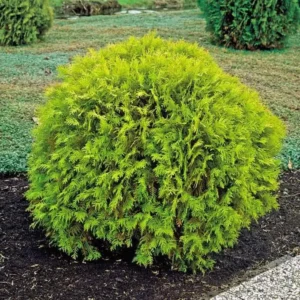
Golden Arborvitae Live Tree – 8-14″ Tall, 1qt Pot, Thuja occidentalis, Evergreen Ornamental Plant
Sold 67 products
Original price was: $34.10.$11.64Current price is: $11.64.
Sold 58 products
Original price was: $59.98.$29.99Current price is: $29.99.
Sold 62 products
Original price was: $47.10.$16.84Current price is: $16.84.
Sold 93 products
Original price was: $28.76.$14.38Current price is: $14.38.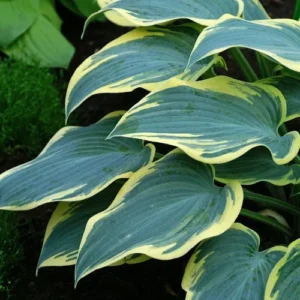
Flower Plants
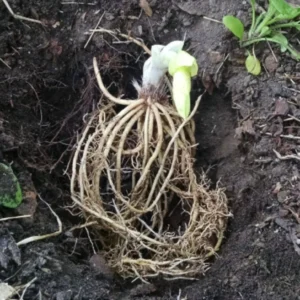
First Frost Hosta Bare Root Plant – Blue-Green & Cream Variegated Foliage, Outdoor Perennial
Sold 72 products
From $71.80
Sold 81 products
From $54.36
Sold 100 products
Original price was: $31.98.$25.58Current price is: $25.58.
Sold 62 products
Original price was: $39.96.$19.98Current price is: $19.98.
Sold 80 products
Original price was: $399.80.$199.90Current price is: $199.90.
Sold 91 products
Original price was: $36.00.$28.80Current price is: $28.80.
Sold 88 products
Original price was: $39.98.$19.99Current price is: $19.99.
Sold 96 products
Original price was: $79.96.$39.98Current price is: $39.98.
Sold 68 products
Original price was: $79.98.$39.99Current price is: $39.99.
Sold 87 products
Original price was: $9.16.$4.58Current price is: $4.58.


Reviews
There are no reviews yet.