
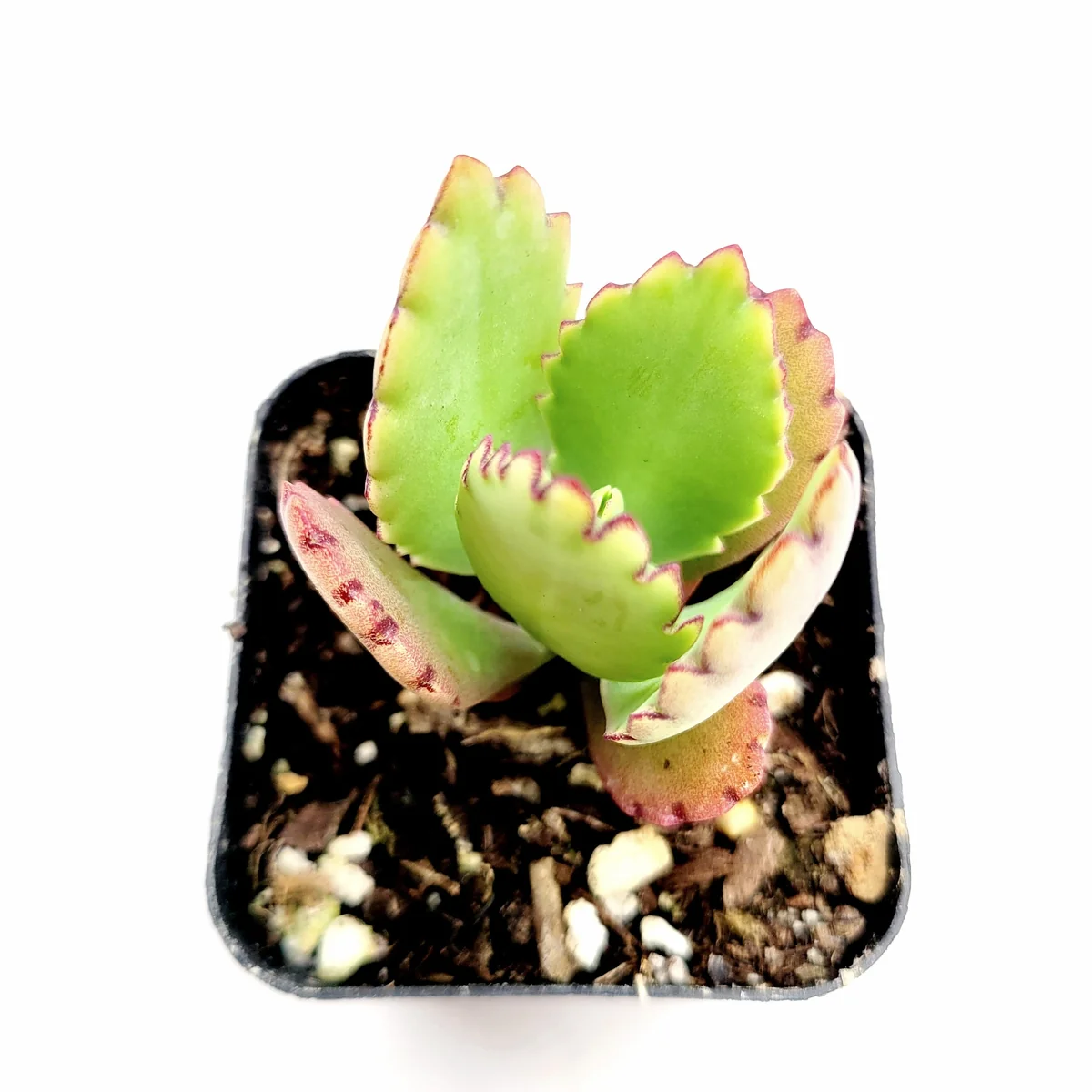
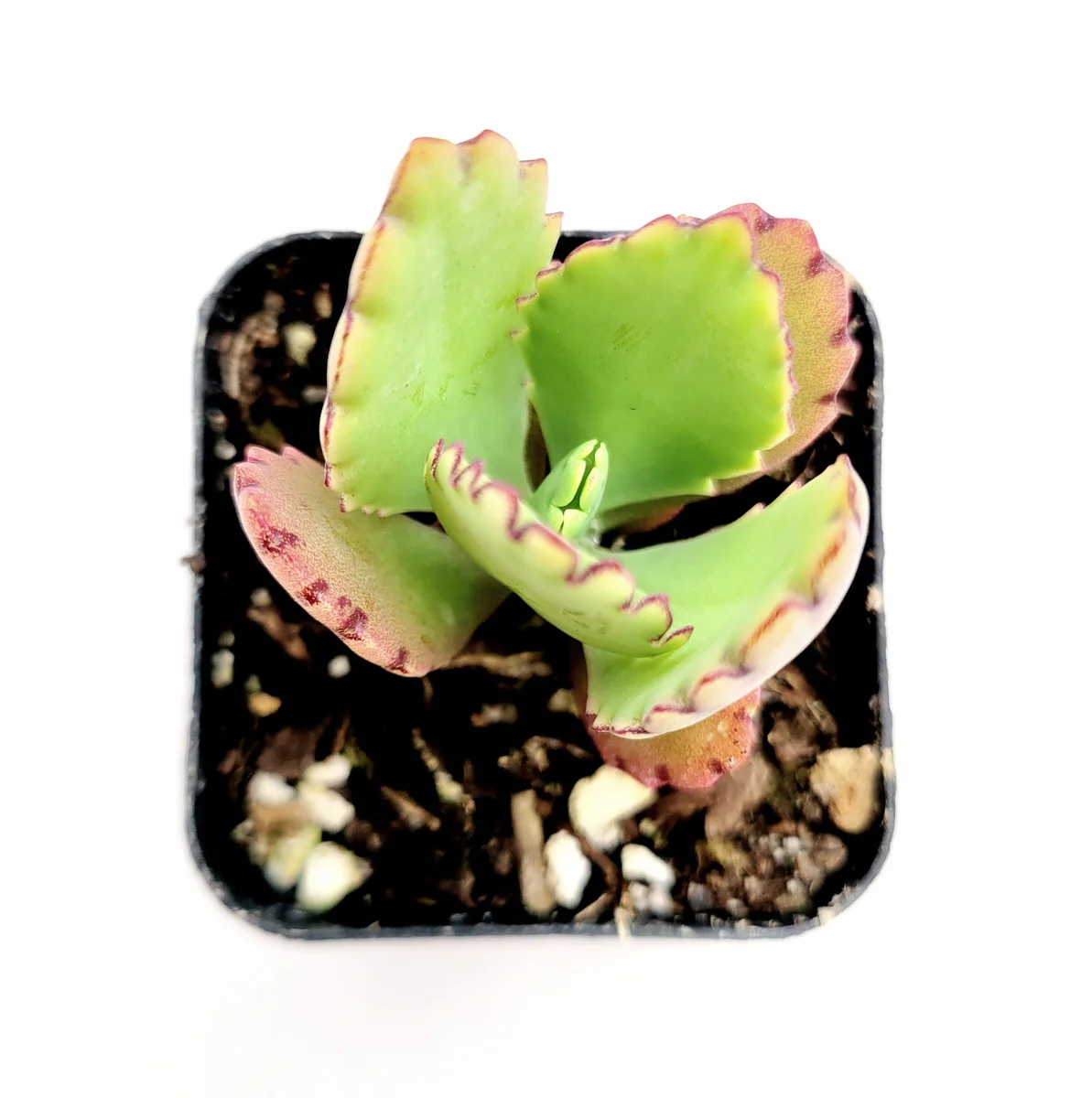
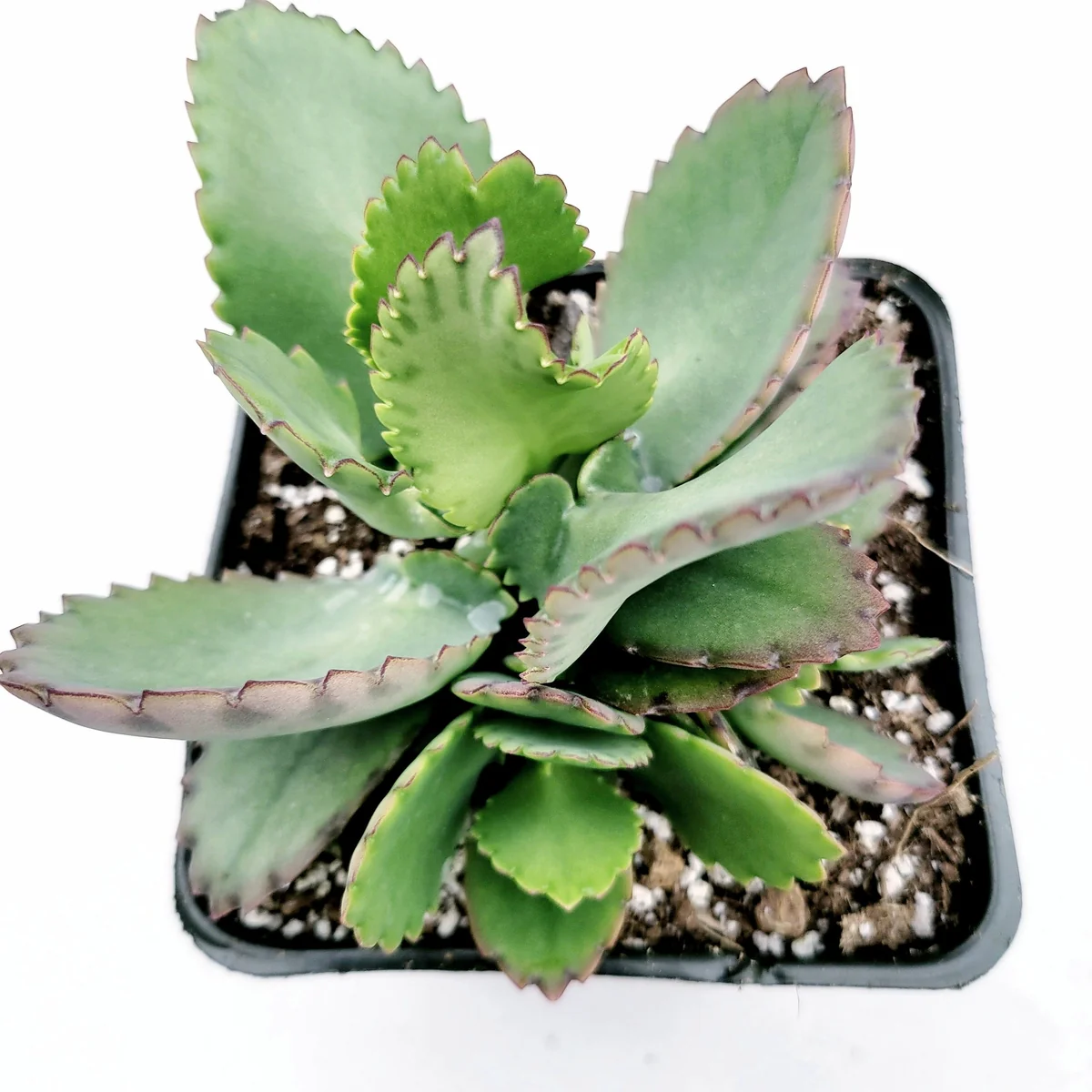
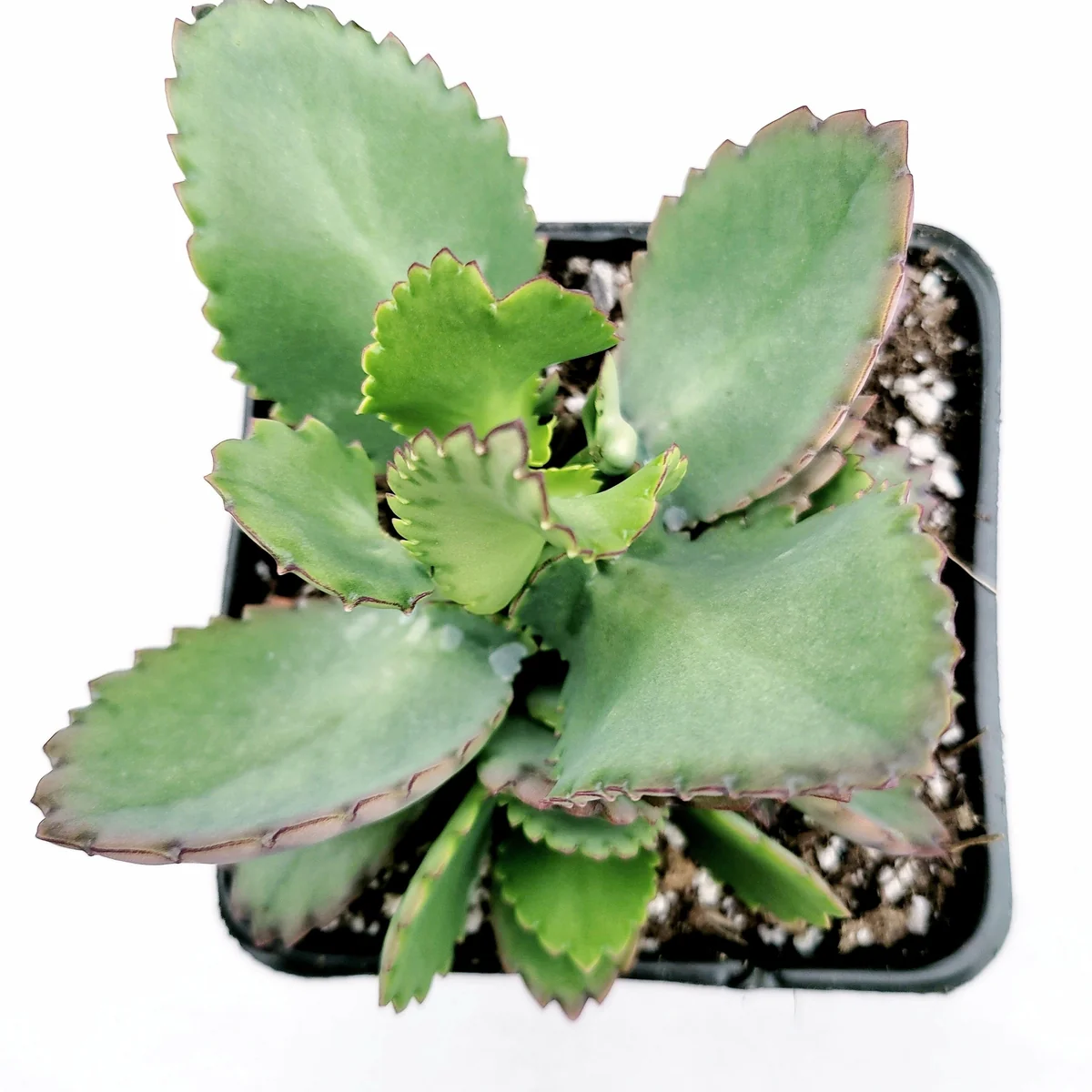
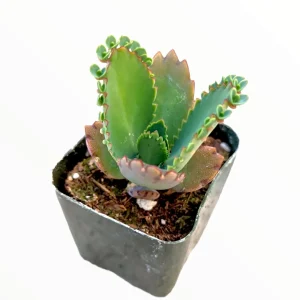
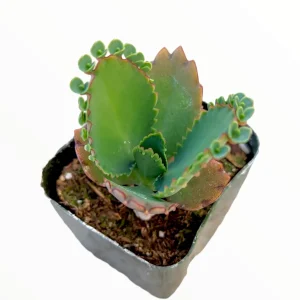
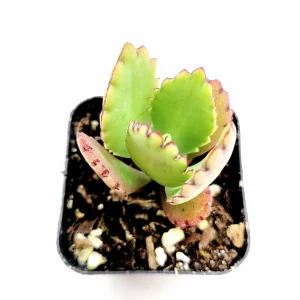
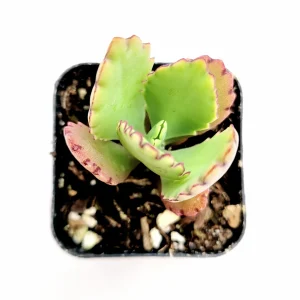
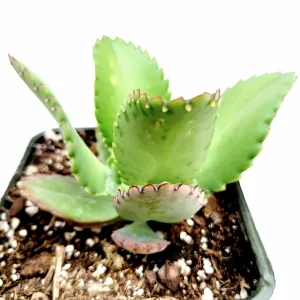
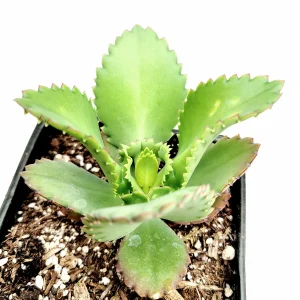
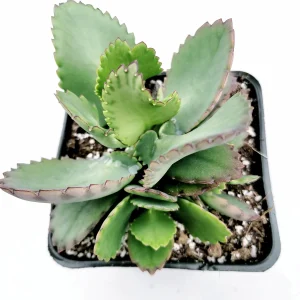
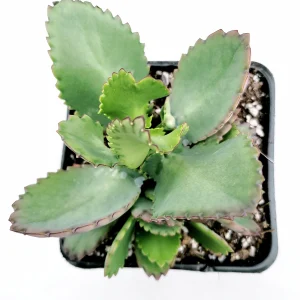
Kalanchoe daigremontiana ‘Mother of Thousands’ Live Succulent Plant
Original price was: $29.76.$14.88Current price is: $14.88.
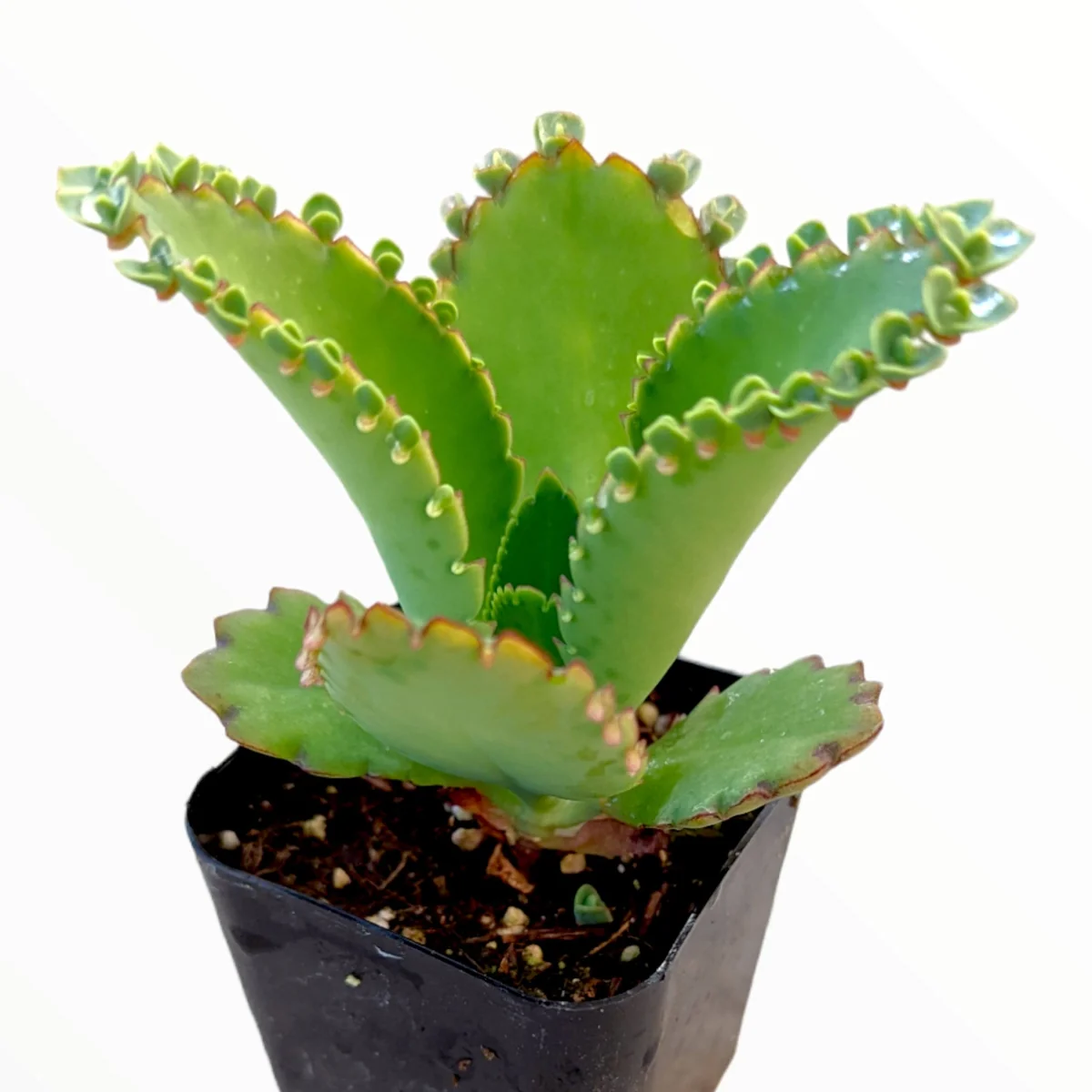
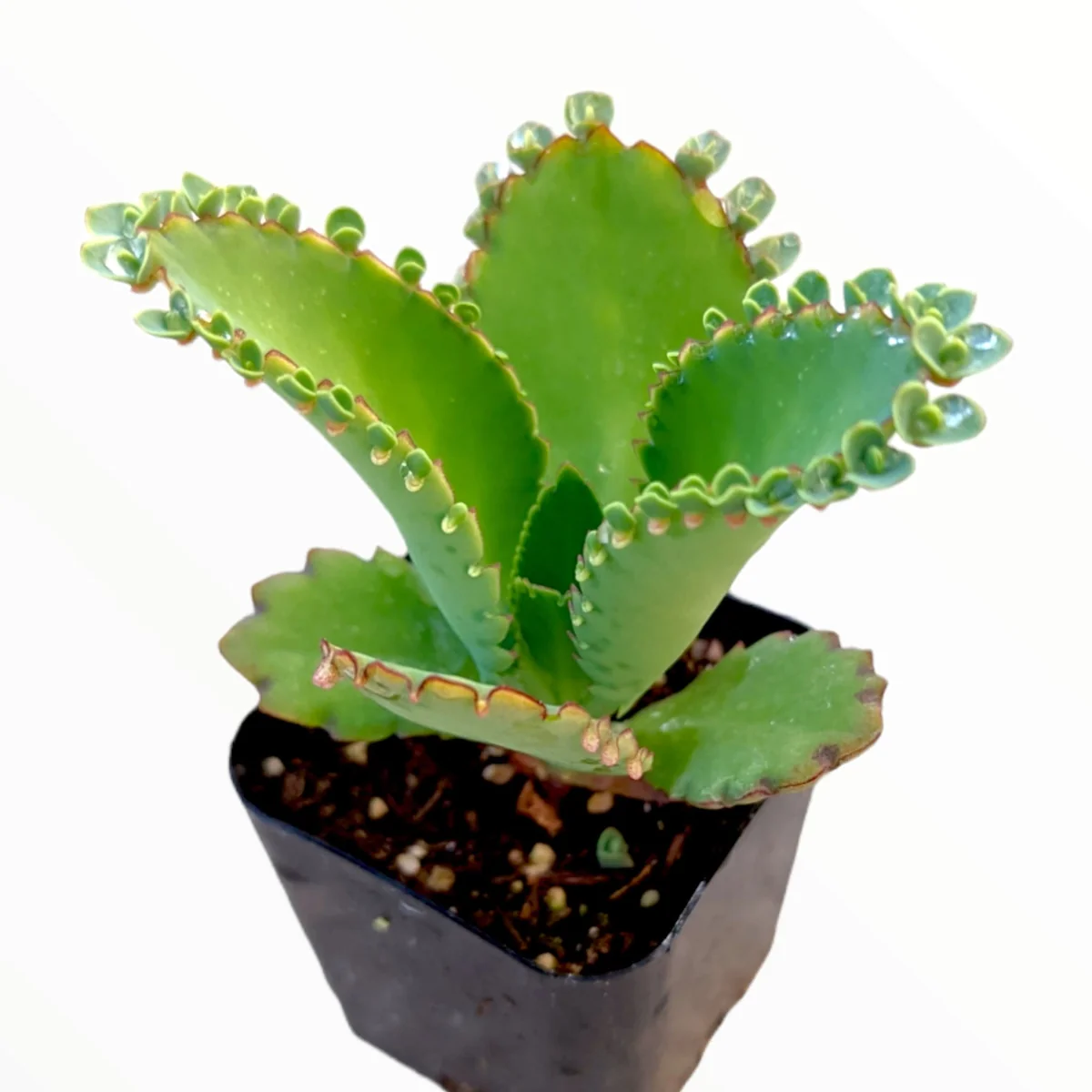
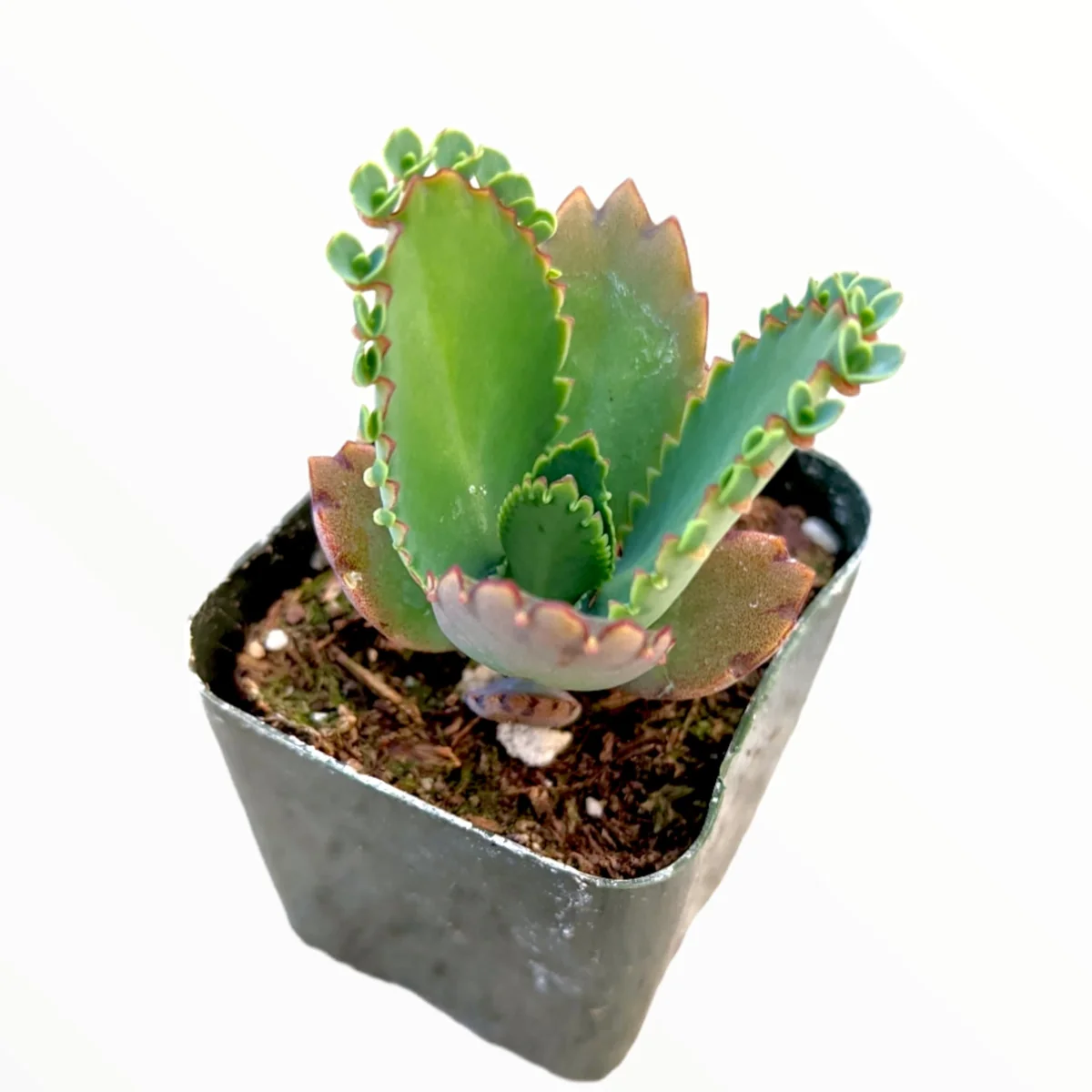
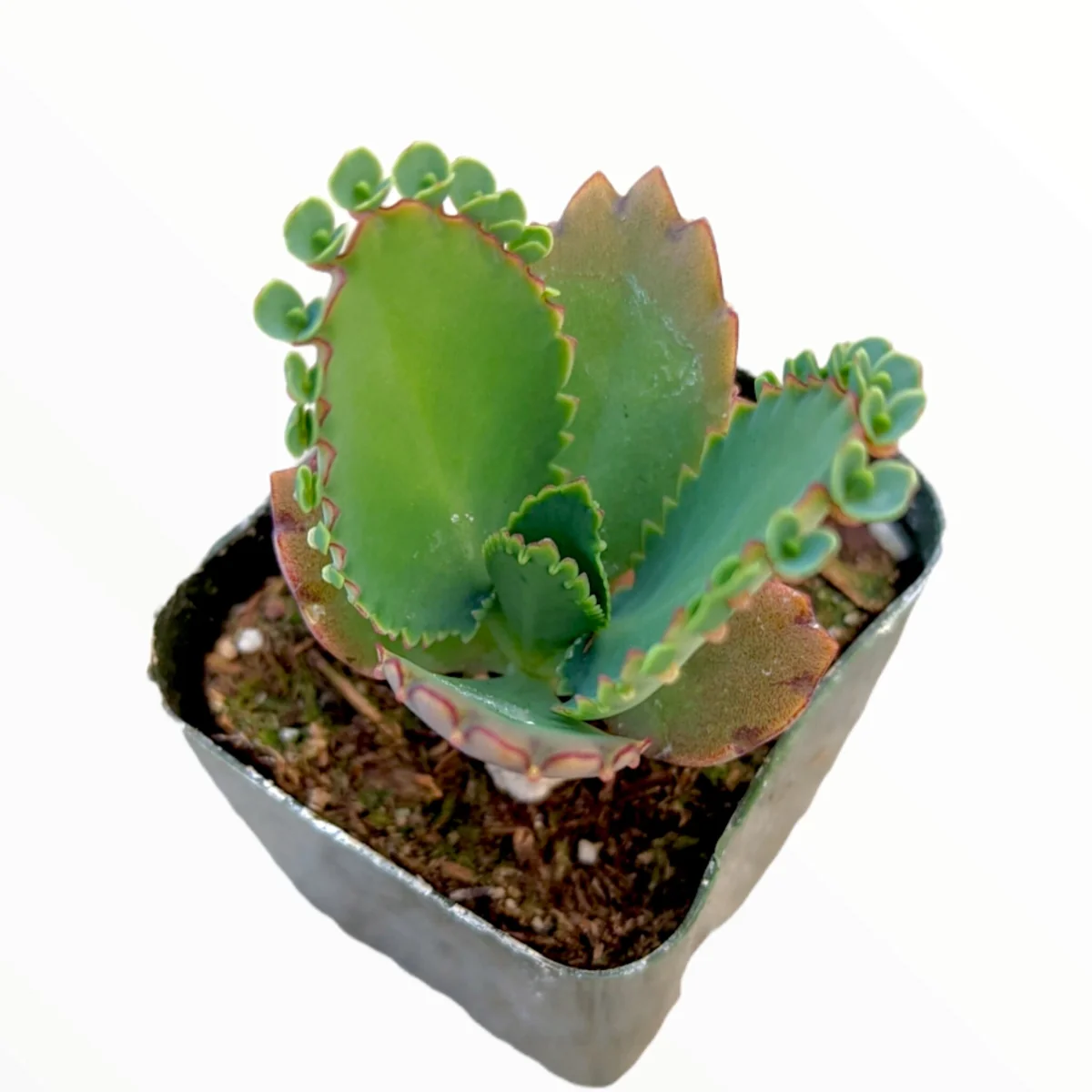
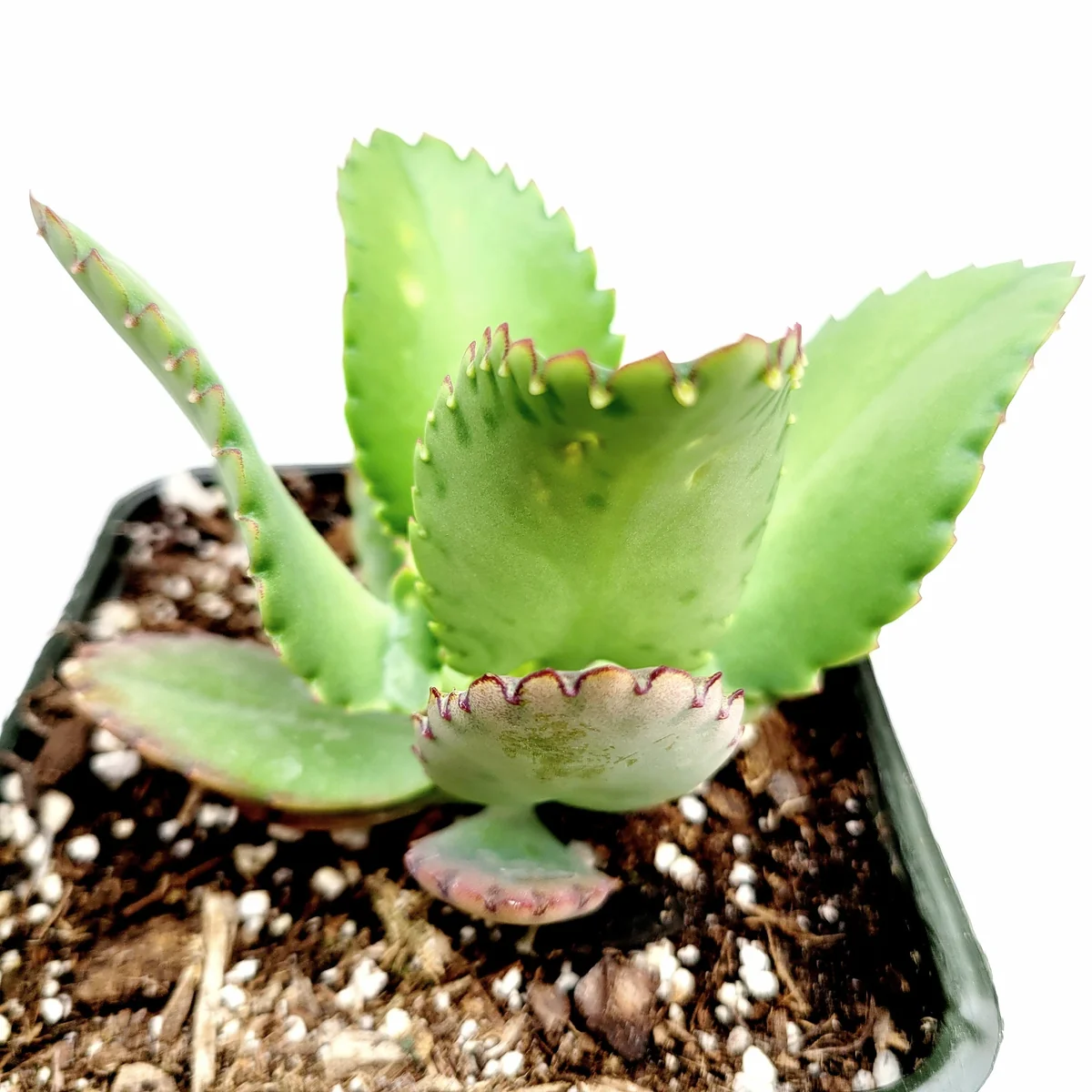
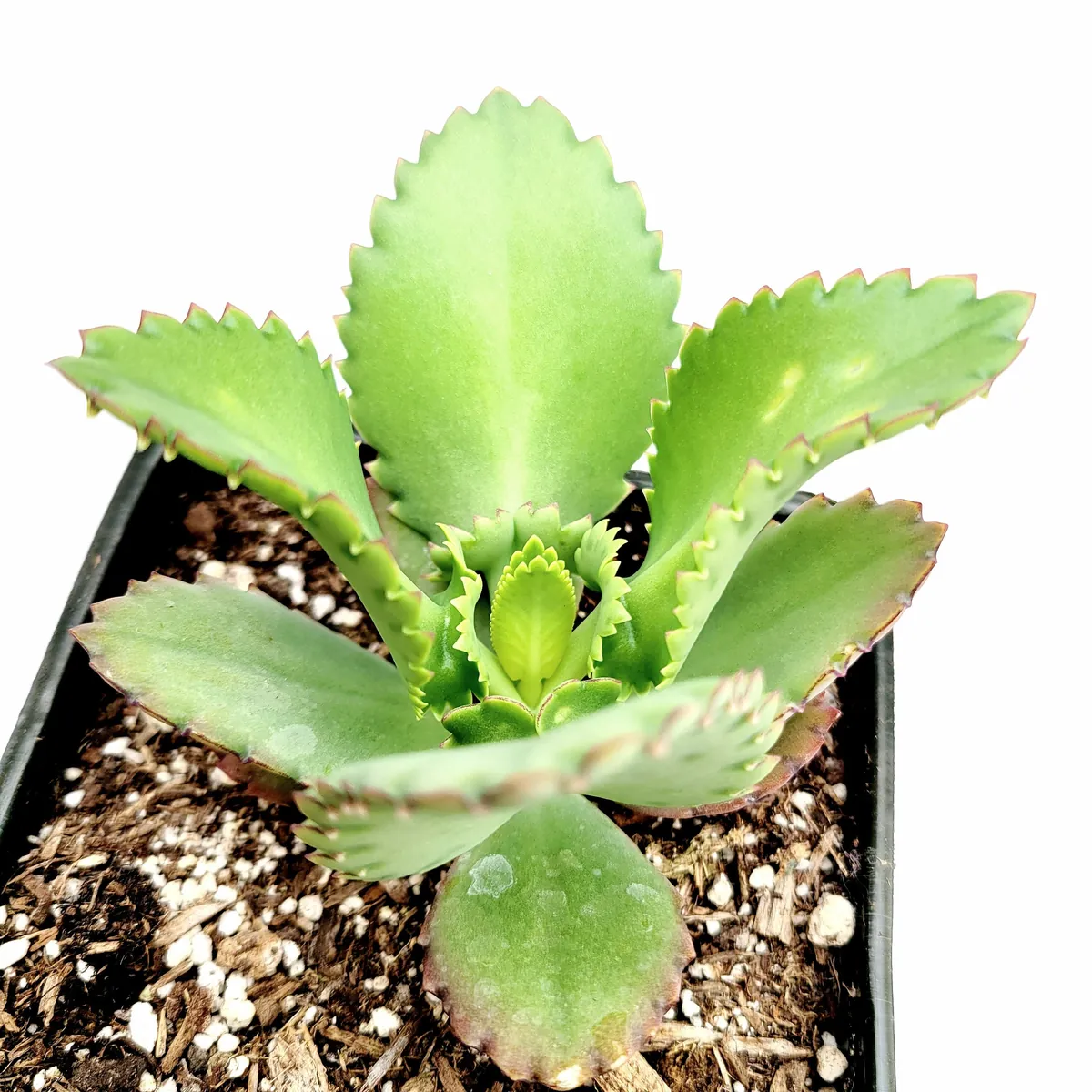
Bring home a unique Kalanchoe Mother of Thousands live plant, known for its distinctive blue-green leaves and prolific plantlets along the edges. This low maintenance succulent is perfect for beginners and busy plant enthusiasts, thriving with minimal attention. Enjoy its striking appearance as an indoor or outdoor accent.
-
USDA Hardiness Zone
USDA zones 9-11 (outdoors), suitable for all zones indoors -
Soil Type
Well-draining cactus or succulent mix -
Sunlight Exposure
Bright indirect light -
Expected Planting Period
Year-round indoors

You can track your order HERE
Feb 27
Mar 04 - Mar 06
Mar 09 - Mar 13
Shipping and return policies: Our Alive & Thrive Guarantee covers issues with your plants within the first 30 days. Reach out to us. Our team will answer your questions and help you find the plants that are truly suitable for your environment, climate, and personal preferences.

Overview
The Kalanchoe Mother of Thousands live plant, scientifically known as Kalanchoe daigremontiana, is a fascinating and easy-to-grow succulent native to Madagascar. This unique plant belongs to the Crassulaceae family and is renowned for its distinctive appearance and reproductive habit. Its large, blue-green leaves can grow up to 6 inches in length and 3 inches in width, providing a striking visual element to any plant collection. What truly sets the Kalanchoe daigremontiana apart are the thousands of tiny plantlets that form along the edges of its leaves. These miniature replicas of the parent plant can easily drop off and root, earning the plant its common name, ‘Mother of Thousands’. This prolific propagation makes it an exciting addition for those who enjoy sharing plants or expanding their succulent garden.
This particular Mother of Thousands succulent care is remarkably straightforward, making it an ideal choice for both seasoned plant enthusiasts and those new to gardening. It thrives on neglect, preferring well-drained soil and infrequent watering, which aligns perfectly with a busy lifestyle. Whether placed on a sunny windowsill, a bright desk, or in a sheltered outdoor spot, this succulent will bring a touch of the exotic to its surroundings. Its architectural form and intriguing propagation method make it a constant source of fascination and a beautiful, conversation-starting plant.
Key Benefits
The Kalanchoe Mother of Thousands live plant offers numerous benefits, making it a popular choice for plant lovers. Its unique characteristics contribute to both its aesthetic appeal and ease of care.
- Distinctive Appearance: The large, blue-green leaves provide a striking visual contrast, enhanced by the fascinating rows of tiny plantlets along their edges. This makes it a captivating focal point in any room or garden.
- Low Maintenance: This succulent is incredibly forgiving and requires minimal attention, making it perfect for beginners or individuals with busy schedules. Its resilience means less worry about frequent watering or specific care routines.
- Easy Propagation: The ‘Mother of Thousands’ lives up to its name by producing numerous plantlets, which can be easily detached and grown into new plants. This offers an endless supply of new Kalanchoe plants to share with friends or expand your collection.
- Adaptable Growth: While primarily an indoor plant in cooler climates, it can thrive outdoors in warmer regions, adapting well to various environments as long as its basic light and water needs are met.
- Drought Tolerant: Like most succulents, the Kalanchoe Mother of Thousands live plant is highly drought-tolerant, capable of storing water in its thick leaves. This reduces the need for frequent watering, especially during dry spells.
- Unique Texture and Form: The robust leaves and the delicate plantlets create an interesting textural contrast, adding depth and character to succulent arrangements or standalone displays.
- Air Purification: While not as prominent as some other houseplants, succulents like Kalanchoe contribute to improving indoor air quality by absorbing toxins and releasing oxygen.
Plant Care & Growing Tips
Providing proper Mother of Thousands succulent care ensures a healthy and thriving plant. These hardy succulents are generally low-maintenance, but understanding their specific needs will help them flourish. They prefer at least 6 hours of bright, indirect sunlight daily. When grown indoors, a south or west-facing window is ideal, but ensure it’s not exposed to intense, direct afternoon sun, which can scorch the leaves. If growing outdoors, choose a location with morning sun and afternoon shade, especially in hot climates. Insufficient light can lead to leggy growth and dull color, while too much direct sun can cause leaf discoloration.
Watering should be done sparingly. The most common mistake with succulents is overwatering. Allow the soil to dry out completely between waterings, then water thoroughly until it drains from the bottom. During winter months, reduce watering even further, as the plant’s growth slows. For soil, use a well-draining cactus or succulent mix. This type of soil prevents waterlogging, which can lead to root rot. You can enhance drainage by adding perlite or pumice to a standard potting mix. Repotting is rarely needed as these plants prefer to be slightly root-bound. When repotting, choose a pot only slightly larger than the current one and ensure it has drainage holes.
The ideal temperature range for Kalanchoe daigremontiana is between 16-24°C (60-75°F). They are not frost-tolerant and should be brought indoors if temperatures drop below 40°F (4°C). They thrive in low humidity, around 40% relative humidity, which is typical of most indoor environments. Fertilize sparingly, if at all, during the growing season (spring and summer) with a diluted succulent or cactus fertilizer. Over-fertilization can harm the plant. Common problems include root rot from overwatering and mealybugs or aphids, which can be treated with insecticidal soap. Proper light and watering are key to preventing most issues and ensuring a healthy Kalanchoe Mother of Thousands live plant.
Size & Details
The Kalanchoe daigremontiana, or ‘Mother of Thousands’, typically grows upright with a sturdy stem, reaching heights of 1 to 3 feet in maturity, though often remaining more compact when grown in pots. Its distinctive blue-green leaves can reach impressive sizes, up to 6 inches long and 3 inches wide. The plantlets that form along the leaf margins are tiny, usually less than half an inch, but they are numerous and readily detach to form new plants. This live plant is generally shipped as a rooted specimen, either in a small nursery pot (2-4 inches) with soil or as a bare-root plant, depending on the size and vendor. When planted, these succulents establish quickly, showing moderate to fast growth under optimal conditions. Expect to see the characteristic plantlets developing as the plant matures, typically within a few months of establishment.
Frequently Asked Questions
- Q: How big does this plant get? A: The Kalanchoe Mother of Thousands live plant can typically grow between 1 to 3 feet tall, though its size can be influenced by pot size and growing conditions. Its leaves can reach up to 6 inches in length.
- Q: Is this an indoor or outdoor plant? A: This succulent can thrive both indoors and outdoors. It is best suited for outdoor planting in USDA zones 9-11, and should be brought indoors or protected from frost in colder climates.
- Q: How much sunlight does it need? A: The Kalanchoe daigremontiana prefers at least 6 hours of bright, indirect light daily. Too much direct sun can scorch its leaves, while too little can lead to leggy growth.
- Q: Is this plant easy to care for? A: Yes, the ‘Mother of Thousands’ is known for being a very low maintenance succulent. It’s an excellent choice for beginners due to its drought tolerance and minimal care requirements.
- Q: What condition will it arrive in? A: The plant will arrive as a healthy, live specimen. Depending on the size purchased, it may be shipped in a pot with soil or as a bare-root plant, carefully packaged to ensure its safety during transit.
- Q: How often should I water my Kalanchoe Mother of Thousands? A: Water only when the soil is completely dry to the touch. This typically means once every 2-4 weeks, depending on humidity and temperature. Overwatering is the biggest threat to this succulent.
- Q: Is the Mother of Thousands succulent care difficult during winter? A: Winter care primarily involves reducing watering significantly and ensuring the plant is kept above 40°F (4°C). If outdoors in a cold climate, it must be moved indoors to avoid frost damage.
- Q: What kind of soil is best for this plant? A: A well-draining cactus or succulent potting mix is ideal. You can amend regular potting soil with perlite or pumice to improve drainage.
- Q: Can I use the plantlets to grow new plants? A: Absolutely! The plantlets that form on the leaves are designed for easy propagation. Simply remove them and place them on top of well-draining soil, where they will root and grow into new plants.
- Q: Is the Kalanchoe daigremontiana safe for pets? A: No, Kalanchoe plants are considered toxic to pets if ingested. It is advisable to keep this plant out of reach of curious animals.
| Size | 2 Inch #A, 2 Inch #B, 4 Inch, 6 Inch |
|---|
Be the first to review “Kalanchoe daigremontiana ‘Mother of Thousands’ Live Succulent Plant”
People Also Viewed
Sold 62 products
Original price was: $39.98.$19.99Current price is: $19.99.
Sold 56 products
$43.98

Sold 63 products
Original price was: $95.16.$47.58Current price is: $47.58.
Sold 56 products
From $19.99
Sold 67 products
$48.38
Sold 97 products
Original price was: $147.16.$73.58Current price is: $73.58.
Sold 60 products
Original price was: $72.76.$36.38Current price is: $36.38.
Sold 62 products
Original price was: $147.16.$73.58Current price is: $73.58.
Sold 92 products
From $43.98

Sold 61 products
Original price was: $180.00.$90.00Current price is: $90.00.
Sold 57 products
Original price was: $147.16.$73.58Current price is: $73.58.
Sold 75 products
Original price was: $24.35.$7.74Current price is: $7.74.
Sold 99 products
From $13.98
Sold 99 products
$329.98
Sold 81 products
Original price was: $61.56.$30.78Current price is: $30.78.
Sold 73 products
Original price was: $69.96.$34.98Current price is: $34.98.
Sold 78 products
$48.38
Sold 73 products
Original price was: $59.98.$29.99Current price is: $29.99.



Reviews
There are no reviews yet.