
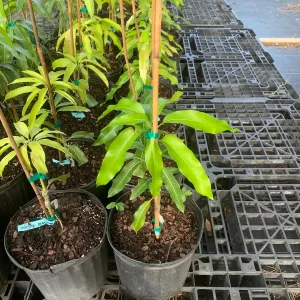
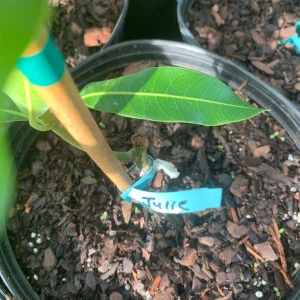
Julie Mango Tree Live Plant – Grafted – 3 Gallon Pot – Sweet Fiberless Fruit
Original price was: $320.00.$160.00Current price is: $160.00.
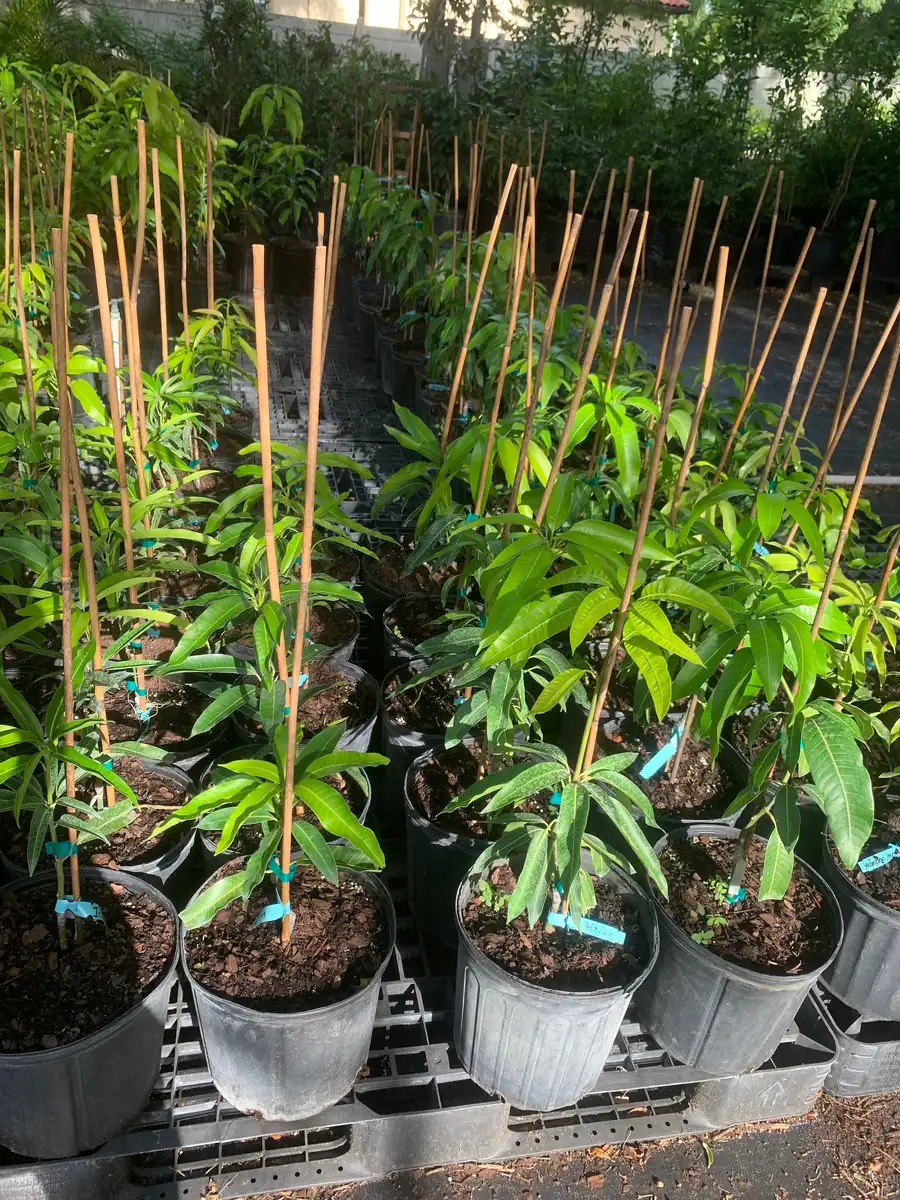
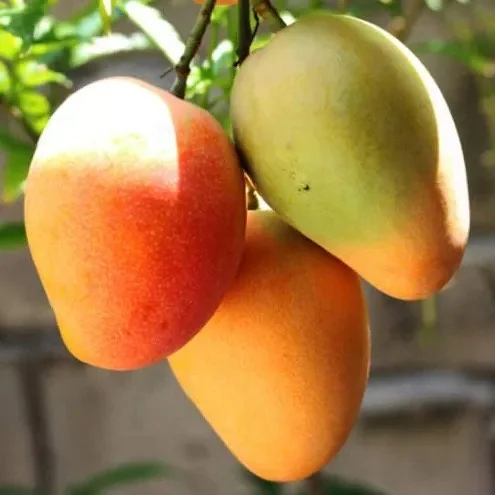
Cultivate your own tropical paradise with a Julie mango tree live plant. This grafted variety, in a 3 gallon pot, is celebrated for its exceptionally sweet, fiberless fruit and manageable “dwarf” growth habit, making it perfect for container growing or smaller gardens. Enjoy consistent fruit production from this Trinidad and Jamaican favorite.
-
USDA Hardiness Zone
USDA Zones 10-11 (or container plant in cooler zones) -
Soil Type
Well-draining, slightly acidic soil (pH 6.0-7.0) -
Sunlight Exposure
Full sun (minimum 6 hours daily) -
Expected Planting Period
Year-round in tropical climates; Spring to early summer in subtropical regions (or year-round indoors/container)

You can track your order HERE
Mar 03
Mar 08 - Mar 10
Mar 13 - Mar 17
Shipping and return policies: Our Alive & Thrive Guarantee covers issues with your plants within the first 30 days. Reach out to us. Our team will answer your questions and help you find the plants that are truly suitable for your environment, climate, and personal preferences.

Overview
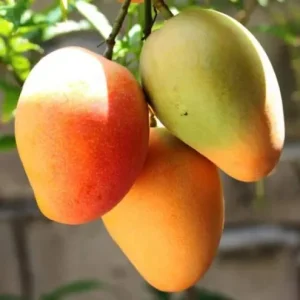
Bring the taste of the tropics to your home with this exquisite Julie mango tree live plant. Revered for its exceptional fruit quality, the ‘Julie’ mango is a long-time favorite among mango enthusiasts, particularly in the Caribbean. This grafted specimen arrives in a 3 gallon pot, offering a head start on growth and fruit production. Known for its sweet, juicy, and famously fiberless flesh, the ‘Julie’ mango provides a truly delightful culinary experience. Despite being considered a “dwarf” variety, it is a consistent and prolific producer, making it an excellent choice for both experienced growers and those new to cultivating tropical fruit trees. This tree can be grown in a container, allowing for portability and protection in cooler climates, or directly in the ground where conditions permit.
The ‘Julie’ mango is a tropical to subtropical tree that thrives in warm environments. Its compact size makes it a popular selection for home gardens where space might be limited, yet it doesn’t compromise on yield or flavor. Originating from Trinidad and widely popular in Jamaica, this specific mango variety is a testament to superior taste and ease of cultivation. With proper care, your Julie mango tree live plant will flourish, providing you with an abundance of delicious, homegrown mangoes for years to come.
Key Benefits
Investing in a Julie mango tree live plant offers a multitude of rewards, from its delectable fruit to its ornamental appeal. This exceptional variety provides both aesthetic beauty and a bountiful harvest. The ‘Julie’ mango is not just a plant; it’s an experience that enriches your garden and your palate.
- Superior Fruit Quality: Enjoy exceptionally sweet, juicy, and completely fiberless mangoes, considered a delicacy by many. The flavor profile is rich and complex, a true tropical delight.
- Consistent Production: Despite its “dwarf” classification, the ‘Julie’ mango tree is known for being a reliable and consistent fruit producer, ensuring a steady supply of delicious harvests.
- Compact Growth Habit: Ideal for container gardening or smaller garden spaces, this tree maintains a manageable size while still yielding plentiful fruit. This makes it a perfect dwarf mango tree for patios or urban settings.
- Grafted for Early Fruiting: Being a grafted plant, your Julie mango tree live plant will mature and produce fruit much faster than trees grown from seed, offering quicker gratification.
- Adaptable Growing Options: Can be grown successfully in large containers or planted directly in the ground in suitable climates, offering flexibility for various gardening setups.
- Ornamental Appeal: Beyond its fruit, the ‘Julie’ mango tree features attractive foliage, adding a lush, tropical aesthetic to any landscape or patio.
- Cultural Significance: A beloved variety with strong ties to Caribbean culture, bringing a piece of Trinidad and Jamaica to your garden.
Plant Care & Growing Tips
Caring for your Julie mango tree live plant is a rewarding experience that ensures a healthy tree and abundant fruit. This tropical beauty requires specific conditions to thrive, but with attention to these details, you’ll be enjoying your own homegrown mangoes. They need a minimum of 6 hours of full sun per day to photosynthesize effectively and produce sweet fruit. Planting in a location with southern exposure is often ideal. While they can tolerate a variety of soils, the key is excellent drainage. Mango trees are susceptible to root rot in waterlogged conditions.
For watering, allow the top few inches of soil to dry out between waterings. Overwatering is a common mistake. During dry periods, especially when the tree is young or fruiting, consistent moisture is crucial. Fertilize your grafted mango tree with a balanced fertilizer formulated for fruit trees, typically in spring, summer, and early fall. Avoid fertilizing in late fall or winter. Pruning can help maintain a desirable shape and size, improve air circulation, and encourage fruit production. Remove any dead, diseased, or crossing branches. The ‘Julie’ mango is sensitive to cold; protect it from temperatures below 30°F. If growing in a container, bring it indoors or into a protected area during winter months. This is crucial for successful growing Julie mango outside of tropical regions.
The ideal temperature range for a ‘Julie’ mango tree is between 60°F and 90°F. It is typically suited for USDA Hardiness Zones 10-11, where frost is rare or non-existent. In cooler zones, container growing is essential, allowing the plant to be moved indoors during cold snaps. Ensure the soil pH is slightly acidic, between 6.0 and 7.0, for optimal nutrient uptake. Watch out for common pests like aphids, scale, and mealybugs, and treat them with appropriate organic or chemical controls. Good air circulation and proper watering practices can help prevent fungal diseases.
Size & Details
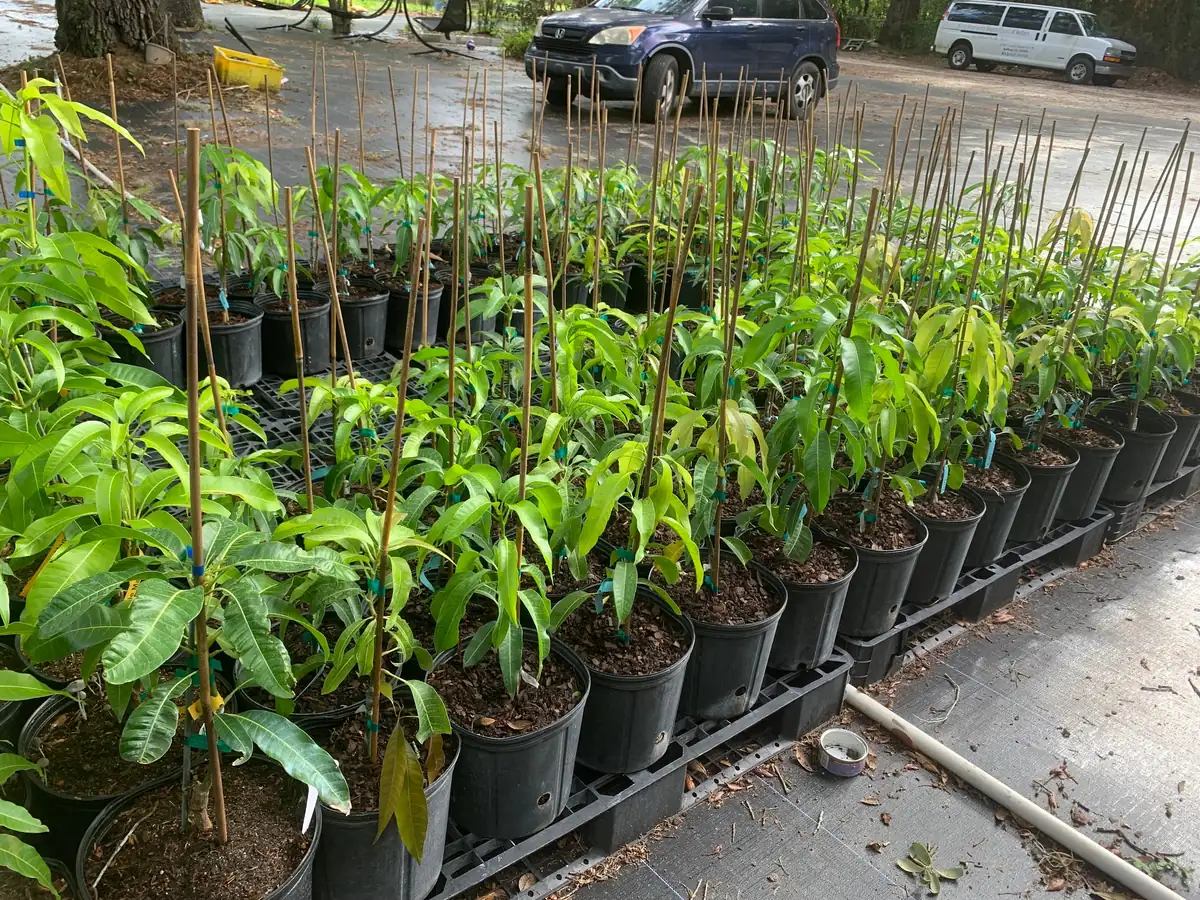
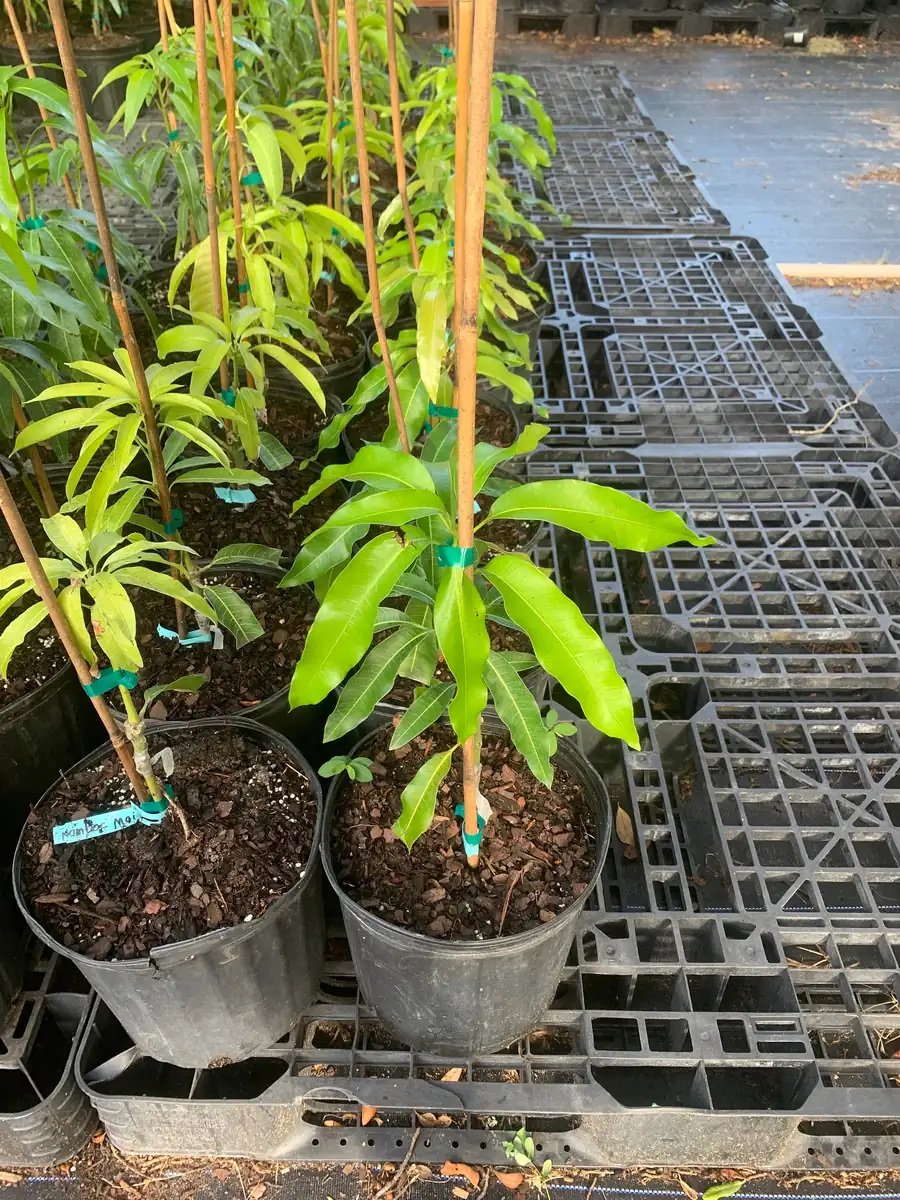
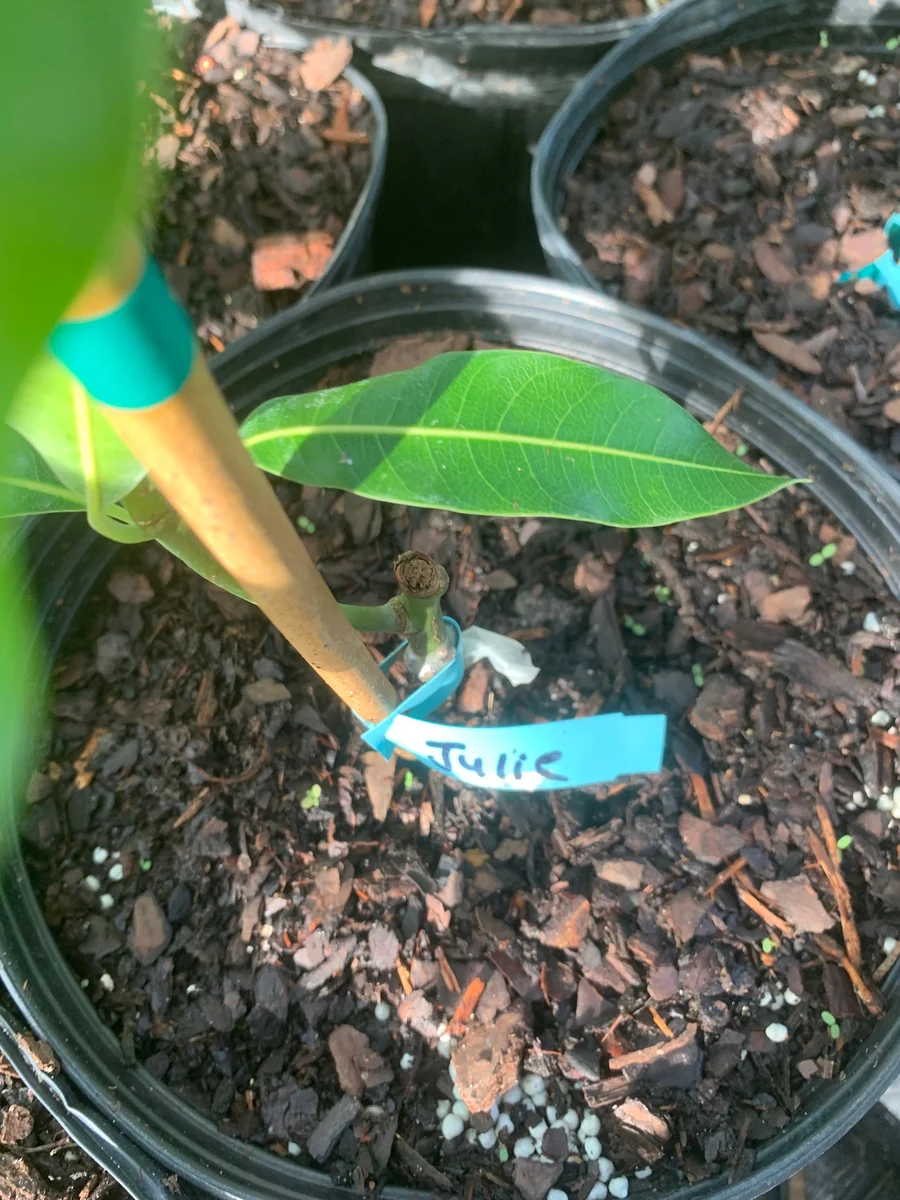
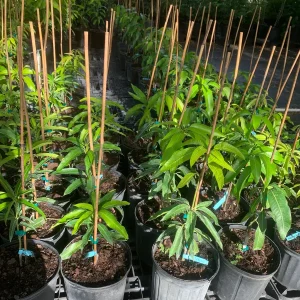
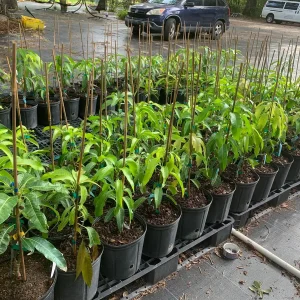
This offering is for one Julie mango tree live plant, which is vigorously grafted and established in a 3 gallon pot. The grafting process ensures that the tree will exhibit the desirable characteristics of the ‘Julie’ variety and begin fruiting much earlier than seed-grown trees. While specific height will vary upon arrival based on growth, these trees are typically well-branched and ready for transplanting into a larger container or directly into the ground. The ‘Julie’ mango is considered a “dwarf” variety, meaning it will naturally stay smaller than many other mango cultivars, often reaching a mature height of 10-15 feet when planted in the ground, or even more compact in a container.
The root system is robust and well-developed within the 3-gallon nursery pot, indicating a healthy and established plant. Expected time to first fruit can be within 2-4 years after planting under optimal conditions, thanks to it being a grafted mango tree. This plant is shipped in its nursery pot, with soil intact, to minimize transplant shock and ensure a smooth transition to its new home. Its manageable size makes it an excellent candidate for those interested in growing Julie mango in various settings.
Frequently Asked Questions
- Q: How big does this plant get? A: The Julie mango tree live plant is considered a “dwarf” variety, typically growing 10-15 feet tall when planted in the ground. In a container, its size can be kept even more compact with proper pruning, making it an excellent dwarf mango tree option.
- Q: What size pot does it come in? A: This Julie mango tree live plant is shipped in a sturdy 3 gallon pot, providing a healthy root system and a strong start for your new tree.
- Q: Is this an indoor or outdoor plant? A: The ‘Julie’ mango tree is a tropical plant best suited for outdoor growing in USDA Zones 10-11. In cooler climates, it can be grown outdoors during warm months and brought indoors or into a greenhouse when temperatures drop, making it versatile for growing Julie mango.
- Q: How much sunlight does it need? A: This mango tree requires a minimum of 6 hours of full, direct sunlight per day to thrive and produce fruit. Plenty of sun is crucial for developing sweet, delicious mangoes.
- Q: Is this plant easy to care for? Is it good for beginners? A: While not entirely hands-off, the ‘Julie’ mango tree is considered relatively easy to care for among tropical fruit trees, especially as a grafted mango tree. Its dwarf nature and consistent fruiting make it a good choice for enthusiastic beginners willing to learn about tropical plant care.
- Q: What condition will it arrive in? A: Your Julie mango tree live plant will arrive well-packaged in its 3-gallon nursery pot with soil, carefully prepared to withstand shipping and minimize stress. Some minor leaf drop is normal during transit.
- Q: Can I grow this tree in a container long-term? A: Yes, the ‘Julie’ mango’s compact size and dwarf nature make it an excellent candidate for long-term container growing. Ensure you choose a large pot (15-25 gallons or more) with good drainage and refresh the soil periodically.
- Q: How long until it produces fruit? A: As a grafted tree, you can typically expect your Julie mango tree live plant to start producing fruit within 2-4 years after planting, given optimal growing conditions and care.
- Q: What kind of soil does it prefer? A: It prefers well-draining soil with a slightly acidic pH (6.0-7.0). A good quality potting mix amended with perlite or coarse sand for drainage is ideal for container growing.
Be the first to review “Julie Mango Tree Live Plant – Grafted – 3 Gallon Pot – Sweet Fiberless Fruit”
People Also Viewed
Sold 92 products
Original price was: $67.64.$33.82Current price is: $33.82.
Sold 52 products
From $51.80
Sold 94 products
From $197.96
Sold 100 products
Original price was: $48.08.$24.04Current price is: $24.04.
Sold 51 products
Original price was: $58.14.$29.07Current price is: $29.07.
Sold 93 products
$43.98
Sold 67 products
$48.38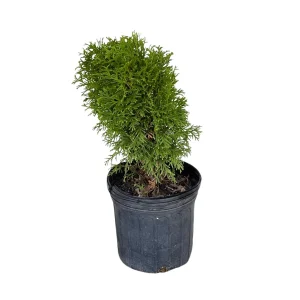
Shrubs
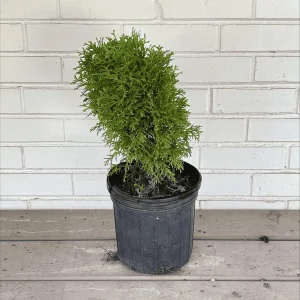
Little Giant Eastern Arborvitae Live Plant – Thuja Occidentalis ‘Little Giant’ – 1 Gallon Potted
Sold 93 products
Original price was: $115.80.$57.90Current price is: $57.90.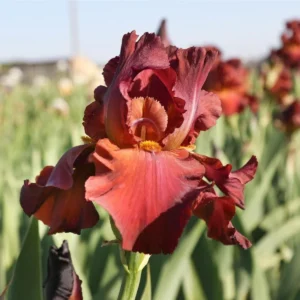
Flower Plants
Red Reblooming Bearded Iris Live Plant – ‘My Friend Jonathan’ – 3.5 inch Pot – Outdoor
Sold 53 products
From $47.80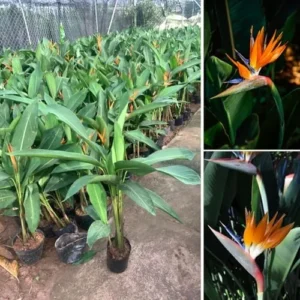
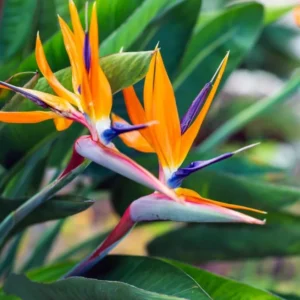
Flower Plants
Orange Bird of Paradise Live Plant – 5-10 Inch Tropical Strelitzia Reginae Outdoor Plant
Sold 75 products
Original price was: $35.98.$17.99Current price is: $17.99.
Sold 74 products
From $47.80
Sold 78 products
From $43.00
Sold 76 products
Original price was: $24.35.$7.74Current price is: $7.74.
Sold 85 products
Original price was: $89.98.$44.99Current price is: $44.99.
Sold 83 products
Original price was: $47.98.$23.99Current price is: $23.99.
Sold 91 products
Original price was: $57.96.$28.98Current price is: $28.98.
Sold 81 products
Original price was: $39.98.$19.99Current price is: $19.99.
Sold 83 products
From $43.98


Reviews
There are no reviews yet.