
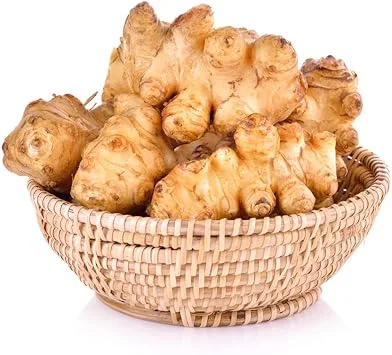
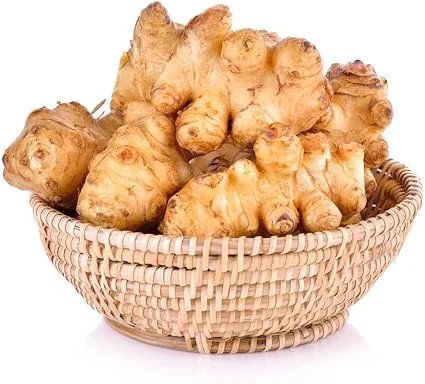
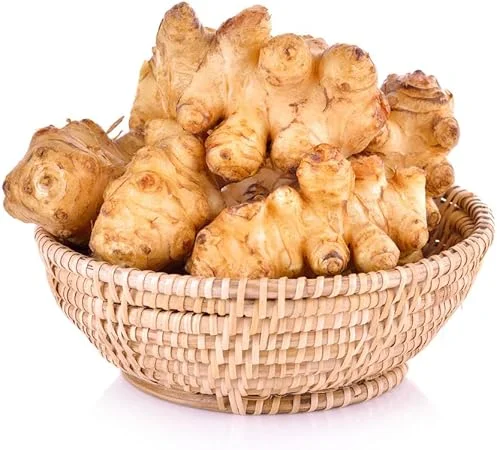
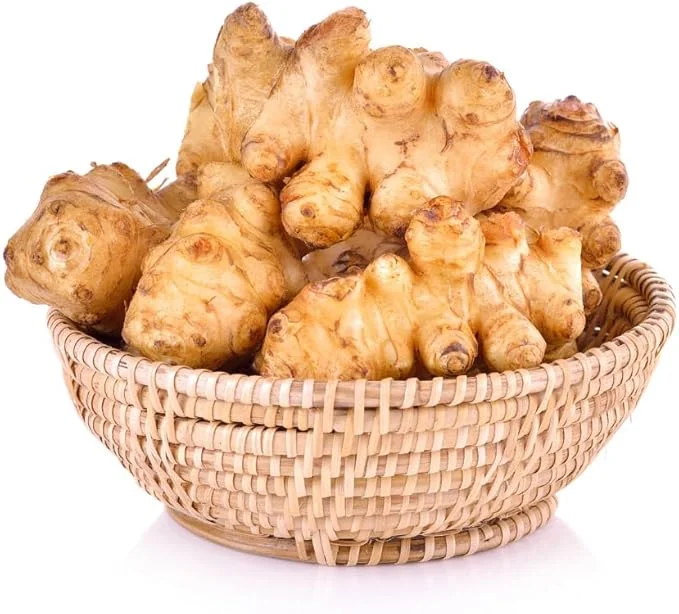
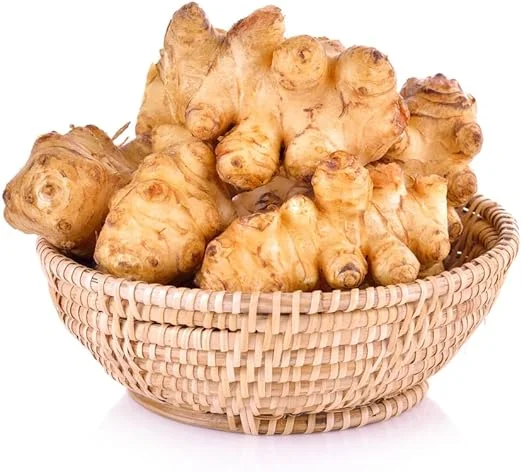
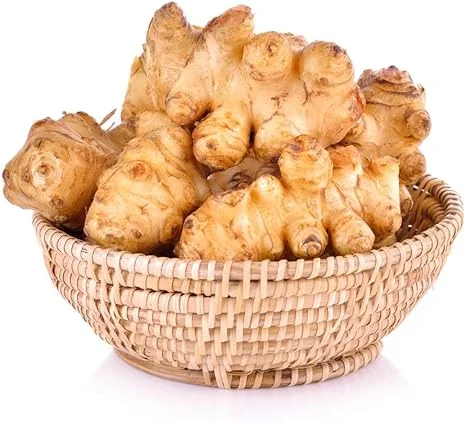
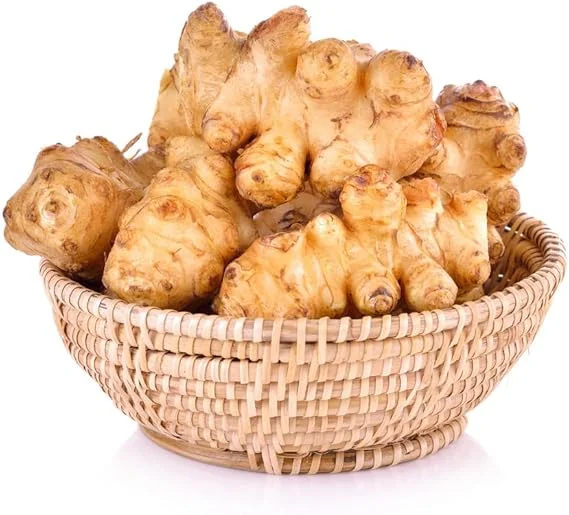
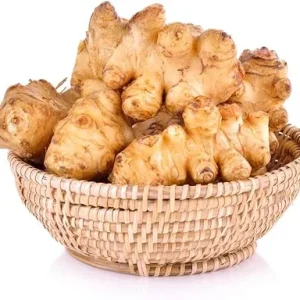
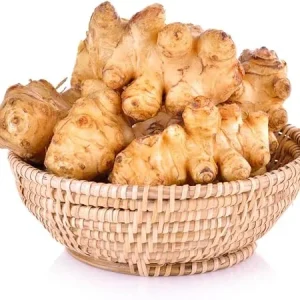
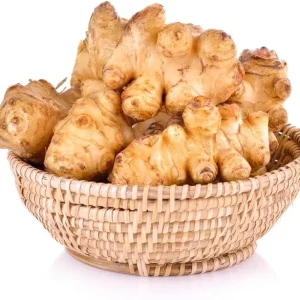
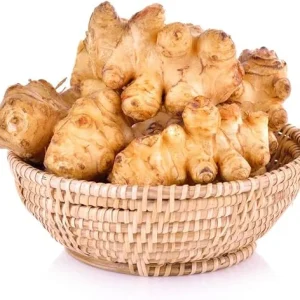
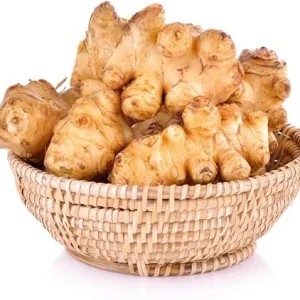
Jerusalem Artichoke Tubers – 5 Live Sunchoke Bulbs for Planting, Outdoor Vegetable
Original price was: $39.98.$19.99Current price is: $19.99.
Cultivate your own delicious and nutritious Jerusalem Artichoke tubers. This set includes 5 live sunchoke bulbs, ready for planting to establish a thriving hardy vegetable plant in your garden. Enjoy the unique flavor and abundant harvest from these easy-to-grow tubers.
-
USDA Hardiness Zone
3-9 -
Soil Type
Well-draining soil, rich in organic matter -
Sunlight Exposure
Full Sun -
Expected Planting Period
Early spring or fall

You can track your order HERE
Apr 01
Apr 06 - Apr 08
Apr 11 - Apr 15
Shipping and return policies: Our Alive & Thrive Guarantee covers issues with your plants within the first 30 days. Reach out to us. Our team will answer your questions and help you find the plants that are truly suitable for your environment, climate, and personal preferences.

Overview
Bring the unique flavor and robust growth of Jerusalem Artichoke tubers to your garden with this set of 5 live sunchoke bulbs. Also known as sunchokes, these versatile plants are renowned for their delicious, edible tubers and their ability to thrive in a variety of conditions. Perfect for gardeners looking to add a resilient and productive vegetable to their landscape, these tubers promise a bountiful harvest. Whether you’re a seasoned gardener or just starting, growing Jerusalem Artichokes is a rewarding experience, yielding a continuous supply of nutritious root vegetables that can be enjoyed in countless culinary applications.
These sunchoke bulbs for planting are ideal for establishing a hardy and low-maintenance vegetable patch. The plant itself, Helianthus tuberosus, is a relative of the sunflower, producing tall stalks and cheerful yellow flowers in late summer, adding ornamental value before the underground harvest. They are an excellent choice for those seeking an abundant and sustainable food source right from their backyard. Get ready to transform your garden into a productive edible landscape with these easy-to-grow tubers.
The Jerusalem Artichoke tubers are a fantastic addition for anyone interested in permaculture or simply extending their harvesting season. These tubers can be harvested throughout winter and into early spring in many zones, providing fresh produce when other garden plants are dormant. Their adaptability and vigorous growth make them a favorite among home gardeners.
Key Benefits
Adding Jerusalem Artichoke tubers to your garden offers a wealth of advantages, from their ease of cultivation to their nutritional value and culinary versatility. These plants are not only productive but also contribute positively to the garden ecosystem.
- Easy to Grow: These sunchoke bulbs for planting are incredibly forgiving and require minimal care once established. They are perfect for beginner gardeners and those looking for low-maintenance edible plants. Their robust nature means less fuss and more harvest.
- Abundant Harvest: Once planted, Jerusalem Artichokes multiply readily, providing a generous yield of delicious tubers year after year. You’ll have plenty for your kitchen and perhaps even some to share with friends and family. This makes them a highly productive hardy vegetable plant.
- Nutritious Edible Tubers: The tubers are a good source of inulin (a prebiotic fiber), vitamins, and minerals. They have a crisp texture and a subtly sweet, nutty flavor, making them a healthy and delightful addition to meals. Enjoy these fresh edible tubers garden-fresh.
- Drought Tolerant: Once established, Jerusalem Artichoke plants are remarkably drought tolerant, making them suitable for various climates and reducing the need for constant watering. This special feature contributes to their low-maintenance appeal.
- Perennial Growth: As a perennial, these tubers will return each year without the need for replanting, establishing a self-sustaining food source in your garden. This long-term benefit makes them an excellent investment for any gardener.
- Versatile Culinary Use: From roasting and boiling to mashing or eating raw in salads, the tubers are incredibly versatile in the kitchen. Explore new recipes and enjoy the unique flavor of your homegrown Jerusalem Artichoke tubers.
- Adds Garden Structure: The tall stalks can reach 6-10 feet, providing a natural backdrop or screen in your garden, especially when they bloom with cheerful yellow flowers in late summer.
Plant Care & Growing Tips
Jerusalem Artichoke tubers are remarkably easy to care for, making them an excellent choice for gardeners of all skill levels. They thrive in full sun, requiring at least 6-8 hours of direct sunlight per day to produce the best tuber yield. Plant them in a location where they won’t shade out other sun-loving plants, as they can grow quite tall. These plants are adaptable to a wide range of soil types but prefer well-draining soil that is rich in organic matter. Avoid heavy, waterlogged soils, as this can lead to tuber rot. If your soil is heavy, amend it with compost or sand to improve drainage.
When it comes to watering, growing Jerusalem Artichokes need moderate moisture, especially during dry spells and when the plants are actively growing. However, once established, they exhibit good drought tolerance. Fertilization is generally not heavily required; a balanced organic fertilizer applied in early spring can boost growth, but often the tubers perform well without much intervention, especially in fertile soil. These plants are hardy in USDA Zones 3-9, meaning they can withstand cold winters and hot summers within this range. In colder zones, a layer of mulch can help protect the tubers through winter. Pests and diseases are generally not a major concern for this robust hardy vegetable plant.
Harvesting edible tubers garden-fresh can begin after the first frost, which signals the plant to send energy down to the tubers. You can dig them up as needed throughout the fall, winter, and early spring before new growth begins. Leave some tubers in the ground for next year’s crop. Be mindful that Jerusalem Artichokes can spread aggressively, so consider planting them in a dedicated area or using root barriers to contain their growth if you don’t want them to take over your garden.
Size & Details
This offering includes a set of 5 live Jerusalem Artichoke tubers (sunchoke bulbs) ready for planting. Each tuber is carefully selected for viability, ensuring a strong start for your garden. The tubers typically measure between 1 to 3 inches in length, varying naturally in shape and size. These plants are known for their vigorous growth, with stalks typically reaching heights of 6 to 10 feet tall by late summer, adorned with bright yellow, sunflower-like blooms. They are shipped dormant and ready to be planted upon arrival to establish your new hardy vegetable plant crop.
Once planted, expect the plants to establish quickly, with foliage emerging in spring. The tubers will begin to form underground throughout the summer, maturing in the fall after the first frost. This allows for harvesting throughout the colder months and into early spring in many regions, providing a valuable late-season food source. These sunchoke bulbs for planting are a long-term investment, providing continuous yields for many years.
Frequently Asked Questions
- Q: How big do these Jerusalem Artichoke plants get? A: Jerusalem Artichoke plants are vigorous growers, typically reaching impressive heights of 6 to 10 feet tall by late summer. The tubers themselves vary in size, usually between 1 to 3 inches.
- Q: Is this an indoor or outdoor plant? A: These Jerusalem Artichoke tubers are outdoor plants. They are best suited for garden beds where they have ample space to grow and spread, thriving in full sun conditions.
- Q: How much sunlight do Jerusalem Artichokes need? A: For optimal growth and tuber production, Jerusalem Artichokes require full sun exposure, meaning at least 6-8 hours of direct sunlight per day.
- Q: Is this plant easy to care for? A: Yes, growing Jerusalem Artichokes is considered very easy. They are low-maintenance, drought-tolerant once established, and adaptable to various soil conditions, making them ideal for beginners.
- Q: What condition will the tubers arrive in? A: The sunchoke bulbs for planting will arrive as live, dormant tubers, ready for immediate planting. They are carefully packaged to ensure their viability during transit.
- Q: When is the best time to plant Jerusalem Artichoke tubers? A: The best time to plant these tubers is in early spring, after the last frost, or in the fall in milder climates. This allows them to establish before the growing season.
- Q: Can I use these edible tubers in cooking? A: Absolutely! These edible tubers garden-fresh are highly versatile. They can be roasted, boiled, mashed, fried, or eaten raw in salads, offering a unique nutty and slightly sweet flavor.
- Q: Will this hardy vegetable plant survive winter in my zone? A: Jerusalem Artichokes are hardy in USDA Zones 3-9. In these zones, the tubers will happily overwinter in the ground and regrow in the spring, providing a perennial harvest.
- Q: What kind of soil is best for Jerusalem Artichokes? A: While adaptable, they prefer well-draining soil that is rich in organic matter. Avoid overly wet or heavy clay soils for best results.
- Q: How long until I can harvest the tubers? A: Tubers are typically ready for harvest in the fall, after the first frost, and can be dug up throughout the winter and into early spring before new growth begins.
Be the first to review “Jerusalem Artichoke Tubers – 5 Live Sunchoke Bulbs for Planting, Outdoor Vegetable”
People Also Viewed
Sold 55 products
Original price was: $59.96.$29.98Current price is: $29.98.
Sold 62 products
Original price was: $140.00.$70.00Current price is: $70.00.
Sold 96 products
Original price was: $289.96.$144.98Current price is: $144.98.
Sold 80 products
Original price was: $78.38.$39.19Current price is: $39.19.
Sold 57 products
Original price was: $57.98.$28.99Current price is: $28.99.
Sold 62 products
Original price was: $291.16.$145.58Current price is: $145.58.
Sold 66 products
Original price was: $190.00.$152.00Current price is: $152.00.
Sold 88 products
Original price was: $28.76.$14.38Current price is: $14.38.
Sold 72 products
Original price was: $39.98.$19.99Current price is: $19.99.
Sold 63 products
Original price was: $39.98.$19.99Current price is: $19.99.
Sold 95 products
Original price was: $147.16.$73.58Current price is: $73.58.
Sold 60 products
Original price was: $59.98.$41.98Current price is: $41.98.
Sold 68 products
Original price was: $99.96.$49.98Current price is: $49.98.
Sold 99 products
Original price was: $67.80.$33.90Current price is: $33.90.
Sold 72 products
Original price was: $175.96.$87.98Current price is: $87.98.
Sold 83 products
Original price was: $46.99.$26.99Current price is: $26.99.
Sold 77 products
Original price was: $147.16.$73.58Current price is: $73.58.
Flower Plants
Black Bat Flower Live Plant – Tacca Chantrieri in 4 Inch Pot – Exotic Black Orchid Indoor/Outdoor
Sold 54 products
Original price was: $47.98.$23.99Current price is: $23.99.



Reviews
There are no reviews yet.