
Jabuticaba Tree Live Plant – 4 inch Pot – Indoor/Outdoor Fruit Tree
Original price was: $67.16.$33.58Current price is: $33.58.
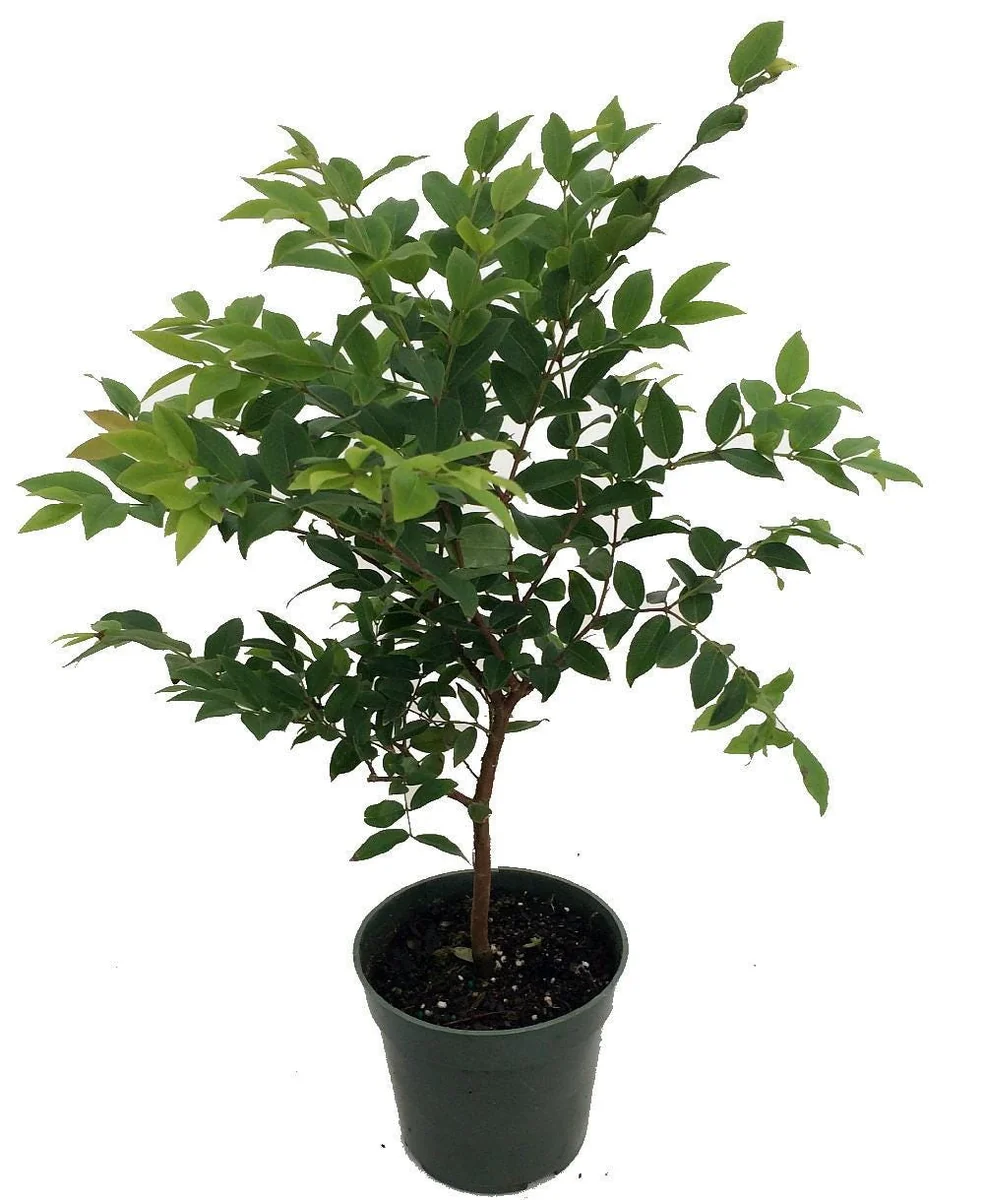
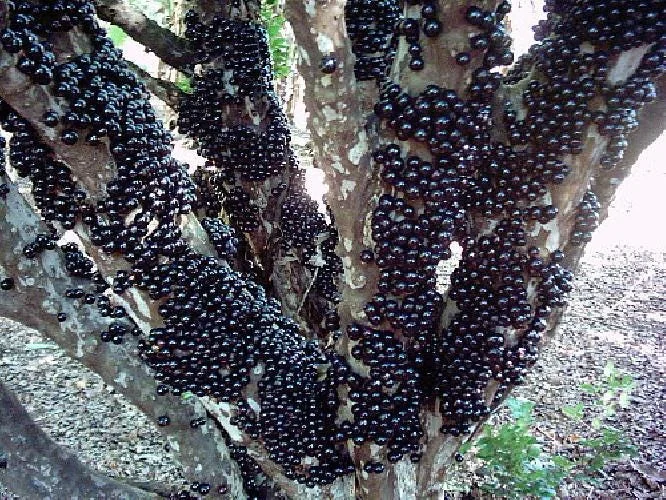
Cultivate your own unique fruit source with this Jabuticaba Tree live plant, arriving in a 4 inch pot. Known for its distinct trunk-fruiting habit, this versatile plant can thrive indoors as an exotic houseplant, outdoors in warm climates, or shaped into a beautiful Jabuticaba bonsai tree.
-
USDA Hardiness Zone
USDA Zones 9-11 -
Soil Type
Well-draining, rich, slightly acidic soil -
Sunlight Exposure
Partial shade to full sun (with adequate water) -
Expected Planting Period
Year-round indoors; spring to summer outdoors in warm climates

You can track your order HERE
Feb 28
Mar 05 - Mar 07
Mar 10 - Mar 14
Shipping and return policies: Our Alive & Thrive Guarantee covers issues with your plants within the first 30 days. Reach out to us. Our team will answer your questions and help you find the plants that are truly suitable for your environment, climate, and personal preferences.

Overview
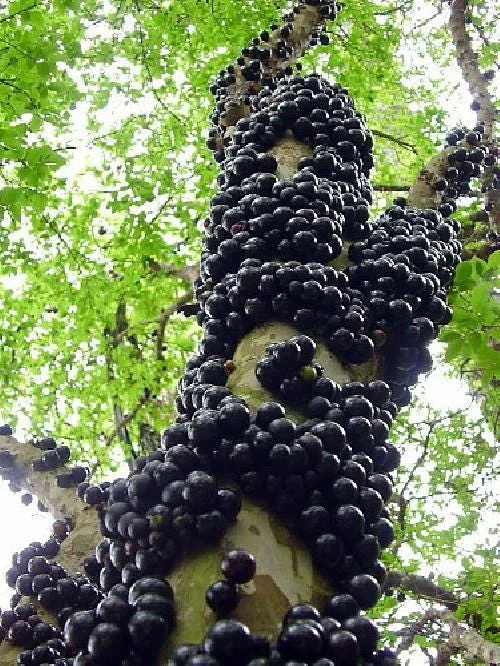
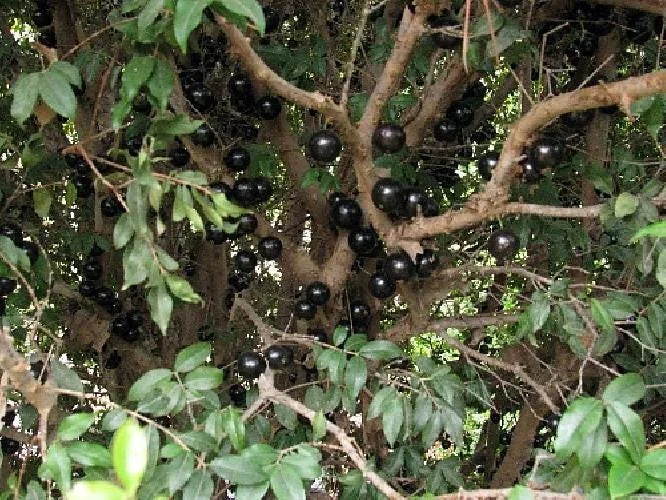
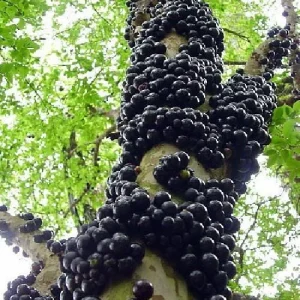
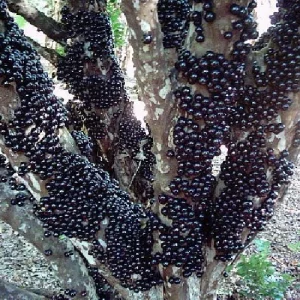
Introduce an extraordinary addition to your plant collection with the Jabuticaba Tree live plant (Myrciaria cauliflora), often referred to as the Brazilian Grape Tree. This fascinating member of the Myrtaceae family is renowned for its unique characteristic of bearing fruit directly on its trunk, branches, and exposed roots—a phenomenon known as cauliflory. Our young Jabuticaba fruit tree arrives in a convenient 4-inch pot, ready to be nurtured into a thriving specimen. Originating from southern Brazil, this evergreen plant offers both ornamental beauty and delicious, edible fruit, making it a truly special choice for plant enthusiasts. Whether you envision it as an exotic houseplant, a tropical garden feature, or a captivating Jabuticaba bonsai tree, this plant promises a rewarding growing experience.
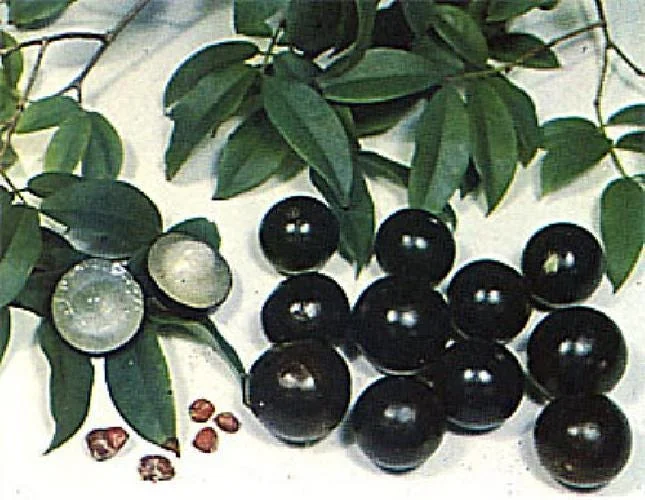
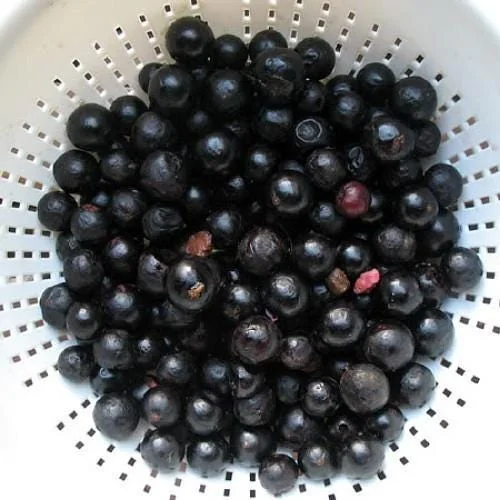
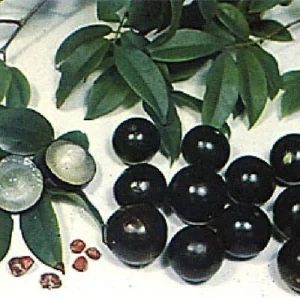
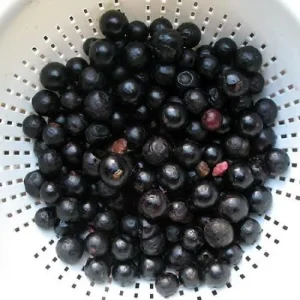
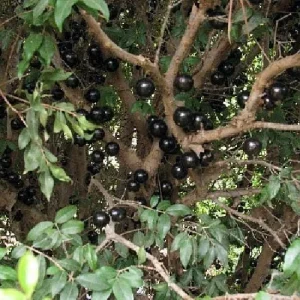
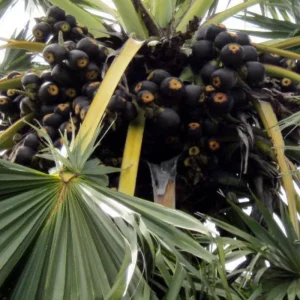
The Jabuticaba is a relative of the guava, sharing similar smooth, creamy tan bark with a pinkish tint that peels in graceful curls. Its new leaves emerge pinkish before maturing to a light to medium green, densely packed along its branches. This remarkable tree blooms multiple times a year during warmer months, producing delicate white flowers that transform rapidly into globular, purple berries. These berries, sized between 3/4 and 1 1/2 inches in diameter, offer a juicy pulp perfect for fresh eating, preserves, or ice cream. Embrace the joy of growing your own exotic fruit with this resilient and beautiful Myrciaria cauliflora plant.
Key Benefits
The Jabuticaba Tree live plant offers a multitude of benefits, from its unique aesthetics to its delicious fruit and versatile growing options. It’s an exceptional choice for anyone looking to add an unusual and productive plant to their home or garden.
- Unique Fruit Production: Experience the wonder of fruit growing directly on the trunk and branches, providing a striking visual and culinary novelty. The edible purple berries develop quickly from flower to ripe fruit in about three weeks, offering multiple harvests throughout the warm seasons.
- Versatile Growing Options: This plant is highly adaptable, suitable for various environments. It can be grown as an exotic Jabuticaba fruit tree indoors as a houseplant, outdoors in warm climates, or meticulously shaped into an elegant Jabuticaba bonsai tree, fitting diverse gardening styles.
- Ornamental Appeal: Beyond its fruit, the Jabuticaba boasts beautiful, peeling bark and attractive evergreen foliage. The new growth emerges with a pinkish hue, adding subtle color variation before maturing to lush green leaves, enhancing its decorative value in any setting.
- Fresh, Delicious Fruit: Enjoy the sweet, juicy pulp of fresh Jabuticaba berries. They are excellent for eating straight from the tree, or can be used to make delicious preserves, jellies, and even ice cream, bringing a taste of the tropics to your table.
- Evergreen Foliage: Maintain year-round interest with its evergreen nature. While it sheds half its leaves each spring before new growth, it remains a vibrant presence in your garden or home throughout the year.
- Educational & Engaging: Growing a Myrciaria cauliflora plant is an engaging experience, particularly for those interested in unique botanical specimens or fruit cultivation. It provides a fascinating opportunity to observe the plant’s distinct growth habits and fruit development.
- Adaptable to Light Conditions: While it thrives in partial shade, the Jabuticaba can also tolerate full sun exposure, provided it receives adequate watering. This flexibility makes it easier to find a suitable location for your plant.
Plant Care & Growing Tips
Caring for your Jabuticaba Tree live plant is straightforward once you understand its basic needs. This tropical plant thrives in warm conditions and appreciates consistent moisture and appropriate light. Understanding how to grow Jabuticaba indoors or outdoors effectively will ensure a healthy and productive plant.
Sunlight Requirements: The Jabuticaba prefers partial shade, especially during the hottest parts of the day, but can tolerate full sun if kept consistently moist. If growing indoors, place your Myrciaria cauliflora plant near a bright window where it receives several hours of indirect light. Outdoors, choose a spot where it gets morning sun and afternoon shade, particularly in regions with intense summer heat. Avoid placing it in deep shade, as this can reduce fruit production.
Watering Schedule and Soil Moisture: This tree, especially when young, requires adequate and frequent watering. The soil should remain consistently moist but not waterlogged. Allow the top inch or two of soil to dry out slightly between waterings. Reduce watering frequency during cooler months or if the plant is dormant. Ensure good drainage to prevent root rot. When growing a Jabuticaba fruit tree in a container, make sure the pot has drainage holes.
Soil Type and Drainage: Jabuticabas prefer rich, slightly acidic to neutral soil (pH 5.5-6.5) that is well-draining. A good quality potting mix amended with organic matter like compost or peat moss is ideal for potted plants. For outdoor planting, ensure the garden soil is fertile and drains well. Heavy clay soils should be amended with sand and organic matter to improve drainage.
Temperature Range and USDA Hardiness Zone: As a tropical plant, the Jabuticaba must be protected from freezing temperatures. It is generally hardy in USDA Zones 9-11. If you live in a colder climate, it is best to grow Jabuticaba indoors or in a greenhouse, moving it outside during warm summer months. Ideal temperatures range from 65-85°F (18-29°C). Sudden drops in temperature can stress the plant and affect fruiting.
Fertilization Schedule and Type: Fertilize your Jabuticaba Tree live plant with a balanced, slow-release fertilizer or a liquid fertilizer formulated for fruit trees during its active growing season (spring and summer). Follow the manufacturer’s instructions for application rates. Young plants may benefit from more frequent, lighter applications. Reduce or cease fertilization during fall and winter. Micronutrients, especially iron, can be beneficial if your soil is alkaline.
Common Problems and Solutions: Overwatering is a common issue, leading to root rot. Ensure proper drainage and adjust watering based on soil moisture. Pests like aphids or scale can occasionally affect Jabuticabas; treat with horticultural oil or insecticidal soap as needed. Yellowing leaves can indicate nutrient deficiencies or improper pH; test your soil and adjust fertilization accordingly. Protecting from frost is critical for outdoor plants in marginal zones.
Size & Details
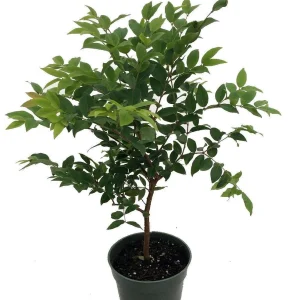
This Jabuticaba Tree live plant is provided in a 4 inch pot, making it a perfect starter plant for your home or garden. While young, it has the potential to grow into a substantial tree. In its native habitat, a mature Jabuticaba can reach heights of 10-25 feet, with a similar spread. However, when cultivated in containers or as a Jabuticaba bonsai tree, its size can be easily managed through pruning. The initial growth rate is moderate, gradually speeding up once established. Expect your plant to arrive as a well-rooted specimen, ready for transplanting into a larger pot or a suitable outdoor location.
The unique characteristic of fruit growing directly on the trunk means that even a relatively young plant can begin to produce its delicious purple berries, though significant fruiting often begins after several years of growth. The fruit itself typically measures 3/4 to 1 1/2 inches in diameter. This plant is shipped as a live, actively growing tree, carefully packaged to ensure its safe arrival. With proper care, your Jabuticaba will develop into a beautiful and productive specimen, offering both aesthetic appeal and a bountiful harvest of exotic fruit.
Frequently Asked Questions
- Q: How big does this plant get? A: In its natural environment, a Jabuticaba tree can reach 10-25 feet tall. However, when grown in a pot or as a Jabuticaba bonsai tree, its size can be controlled with regular pruning, making it suitable for smaller spaces or indoor environments.
- Q: What size pot does it come in? A: This Jabuticaba Tree live plant comes in a 4 inch pot, which is an ideal size for a young plant. You will want to transplant it into a slightly larger pot upon arrival or directly into the ground if your climate permits.
- Q: Is this an indoor or outdoor plant? A: The Jabuticaba is versatile. It can be grown outdoors in USDA Zones 9-11 where it is protected from frost. In colder climates, it thrives as an indoor houseplant or can be moved outdoors during warm summer months.
- Q: How much sunlight does it need? A: This Myrciaria cauliflora plant prefers partial shade but can tolerate full sun if kept consistently well-watered. Indoors, provide bright, indirect light; outdoors, a location with morning sun and afternoon shade is often ideal.
- Q: Is this plant easy to care for? A: While it requires consistent watering and protection from frost, the Jabuticaba is generally considered moderately easy to care for. Providing the right light, soil, and moisture conditions will lead to a thriving Jabuticaba fruit tree.
- Q: What condition will it arrive in? A: Your Jabuticaba Tree live plant will arrive as a healthy, well-rooted young tree, carefully packaged to minimize stress during transit. It will be ready for immediate planting upon arrival.
- Q: Can I really grow fruit on the trunk? A: Yes, that is the unique characteristic of the Jabuticaba! The flowers and subsequently the edible purple berries grow directly on the trunk, mature branches, and exposed roots, making it a truly fascinating plant.
- Q: How long until it blooms and fruits? A: While young plants may take a few years to establish before significant fruiting, the Jabuticaba can bloom multiple times a year during warm months. Once established, fruit can develop very quickly, often within three weeks from open flower to ripe berry.
- Q: Will it survive winter in my zone? A: If you are in USDA Zones 9-11, it can survive winter outdoors with protection from severe frost. In colder zones, you must grow Jabuticaba indoors or provide significant winter protection to prevent damage from freezing temperatures.
- Q: What kind of soil does it prefer? A: The Jabuticaba thrives in rich, well-draining soil with a slightly acidic to neutral pH. A good quality potting mix with added organic matter is recommended for container growing.
Be the first to review “Jabuticaba Tree Live Plant – 4 inch Pot – Indoor/Outdoor Fruit Tree”
People Also Viewed
Sold 67 products
From $127.80
Sold 70 products
Original price was: $79.80.$39.90Current price is: $39.90.
Sold 51 products
Original price was: $67.16.$33.58Current price is: $33.58.
Sold 61 products
Original price was: $28.76.$14.38Current price is: $14.38.
Sold 64 products
From $55.96
Sold 83 products
From $51.00
Sold 100 products
From $107.80
Sold 53 products
Original price was: $18.76.$9.38Current price is: $9.38.
Sold 92 products
From $47.80
Sold 53 products
$48.38
Sold 66 products
Original price was: $31.96.$15.98Current price is: $15.98.
Sold 72 products
Original price was: $28.76.$14.38Current price is: $14.38.
Sold 93 products
Original price was: $88.08.$52.84Current price is: $52.84.
Flower Plants
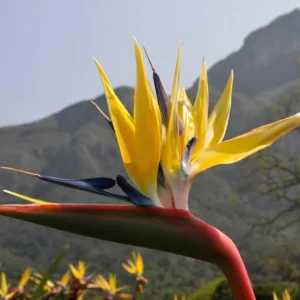
Yellow Bird of Paradise Live Plant – 5-10 Inch Tropical Outdoor Plant Strelitzia Reginae
Sold 73 products
Original price was: $69.98.$34.99Current price is: $34.99.
Sold 82 products
Original price was: $22.76.$11.38Current price is: $11.38.
Sold 75 products
Original price was: $28.76.$14.38Current price is: $14.38.
Sold 96 products
$43.98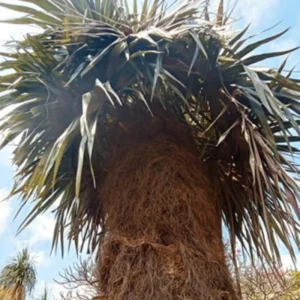
Sold 89 products
$329.98


Reviews
There are no reviews yet.