
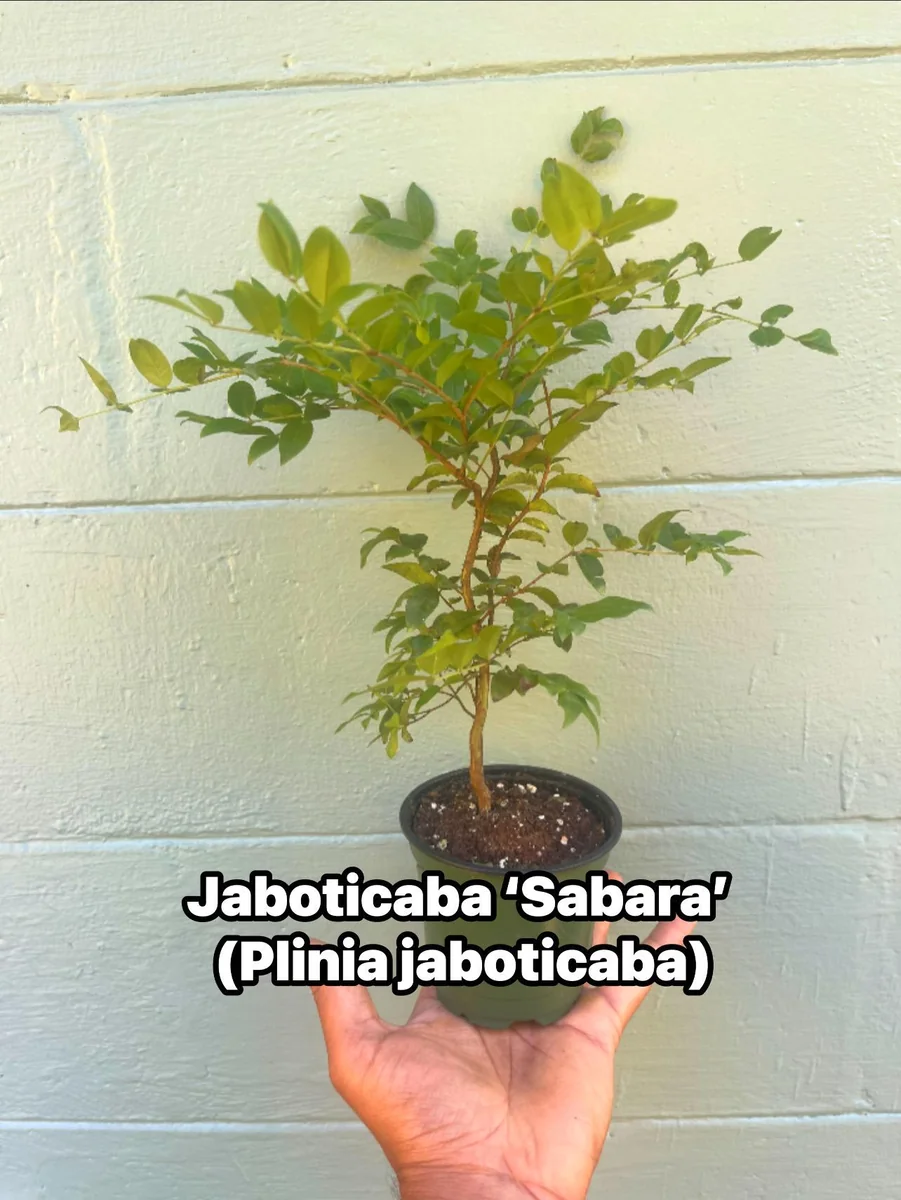
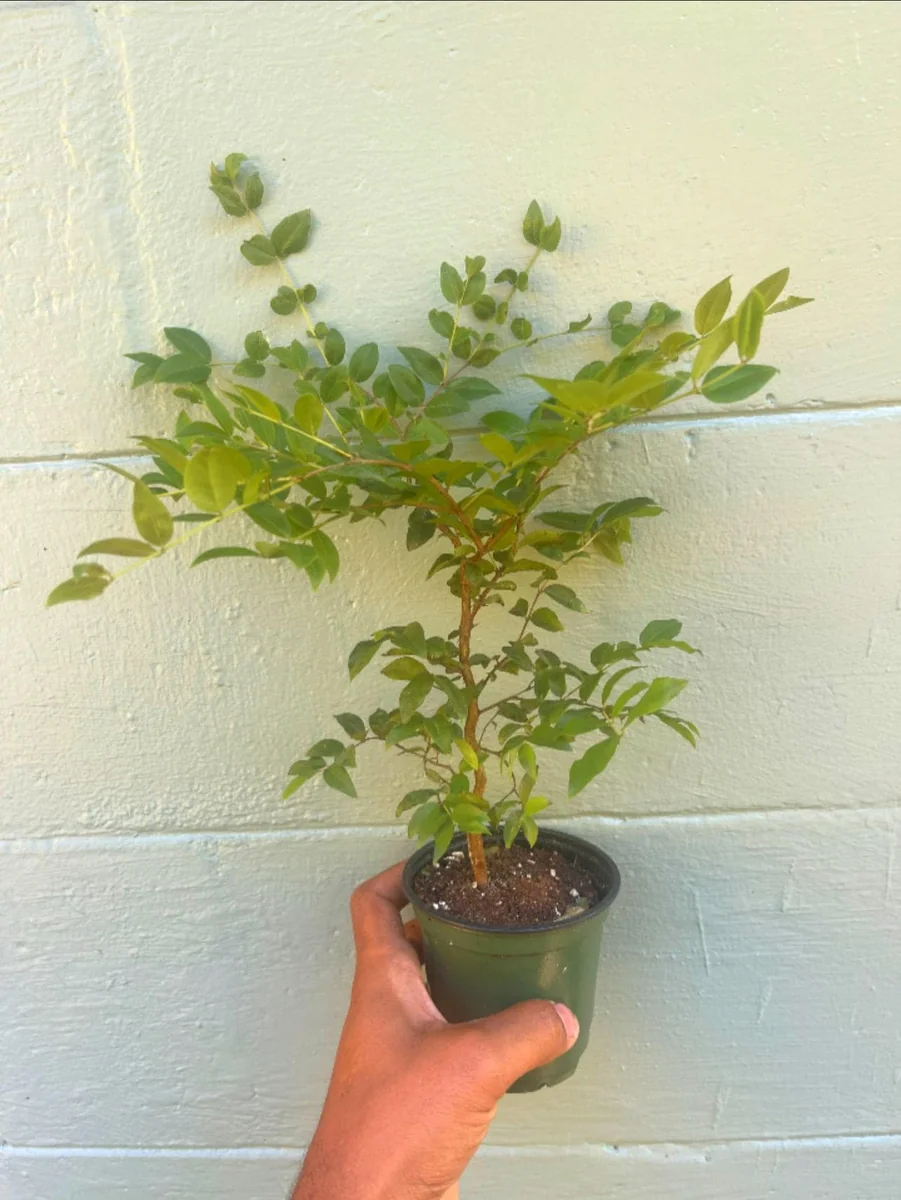
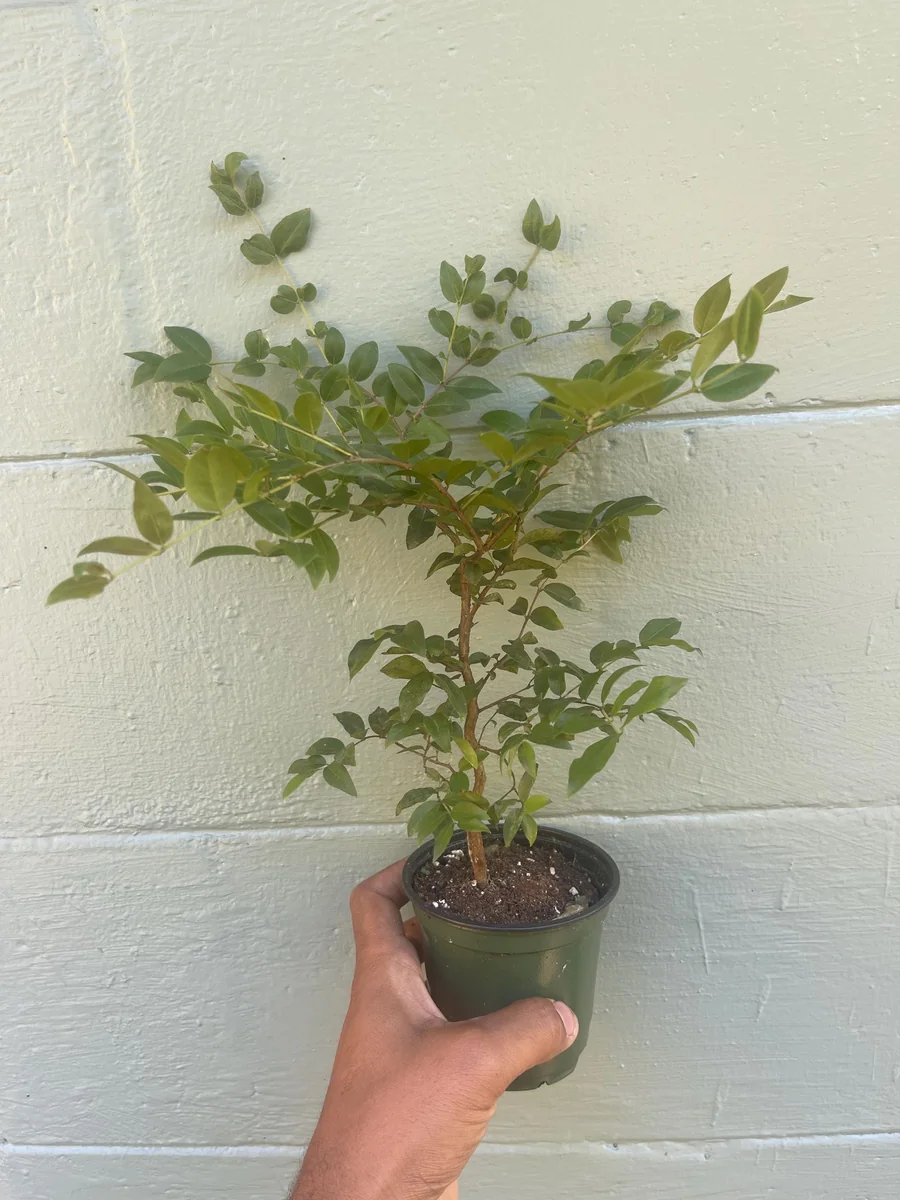
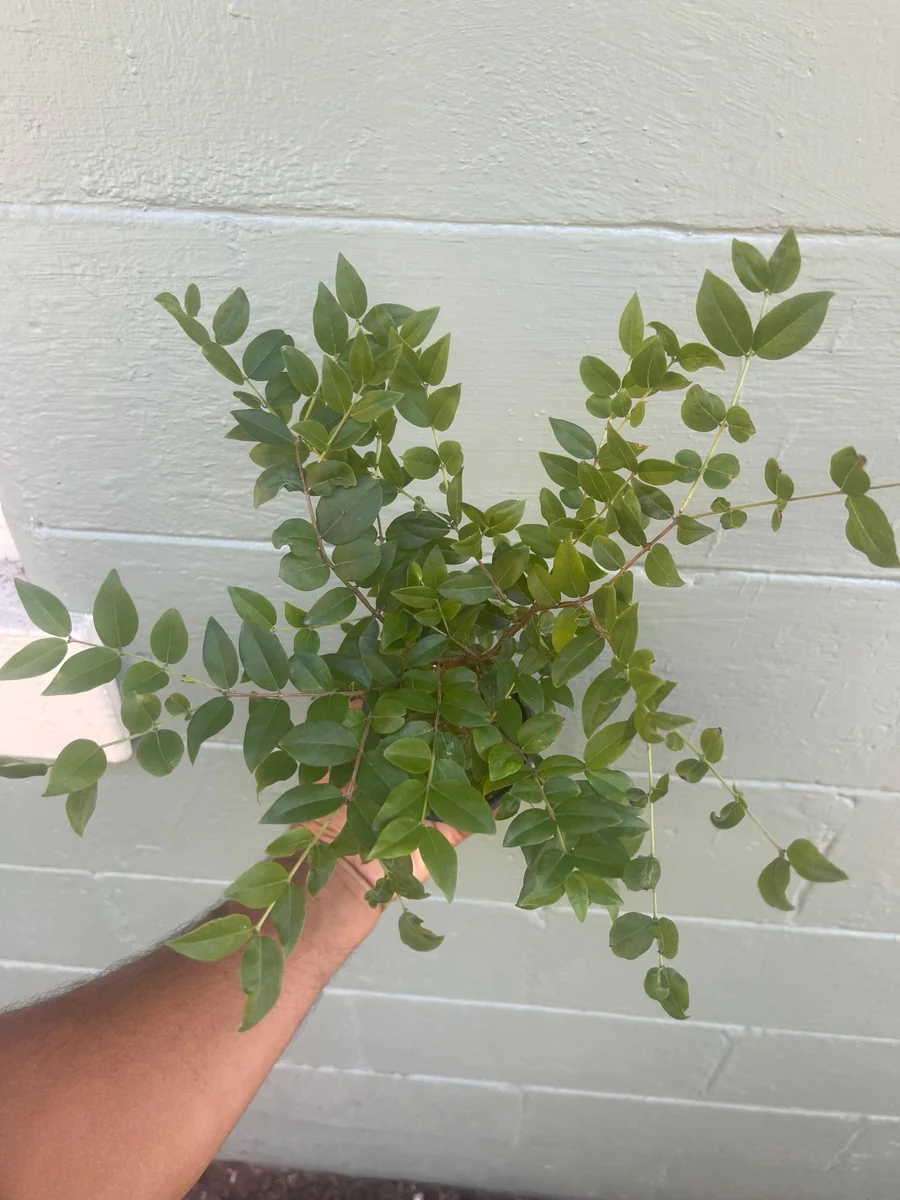
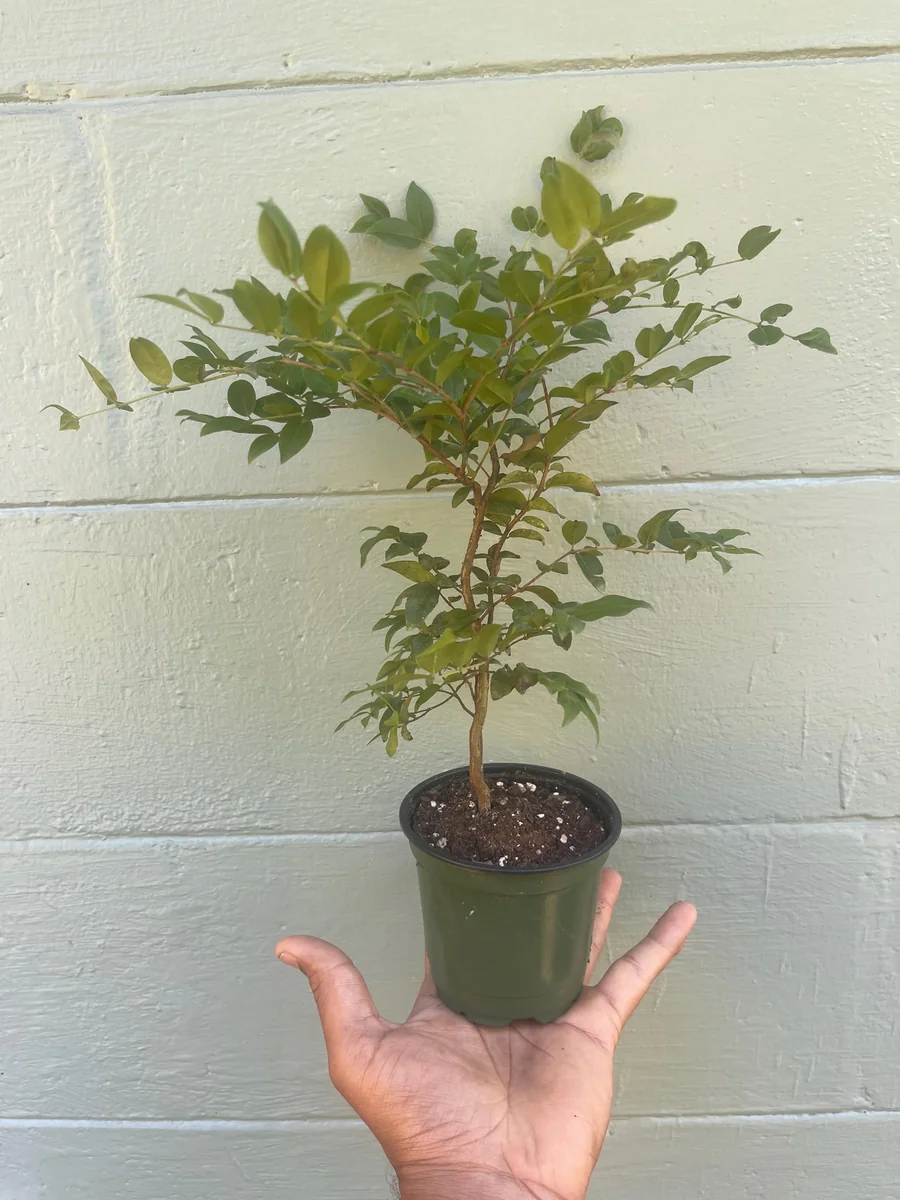
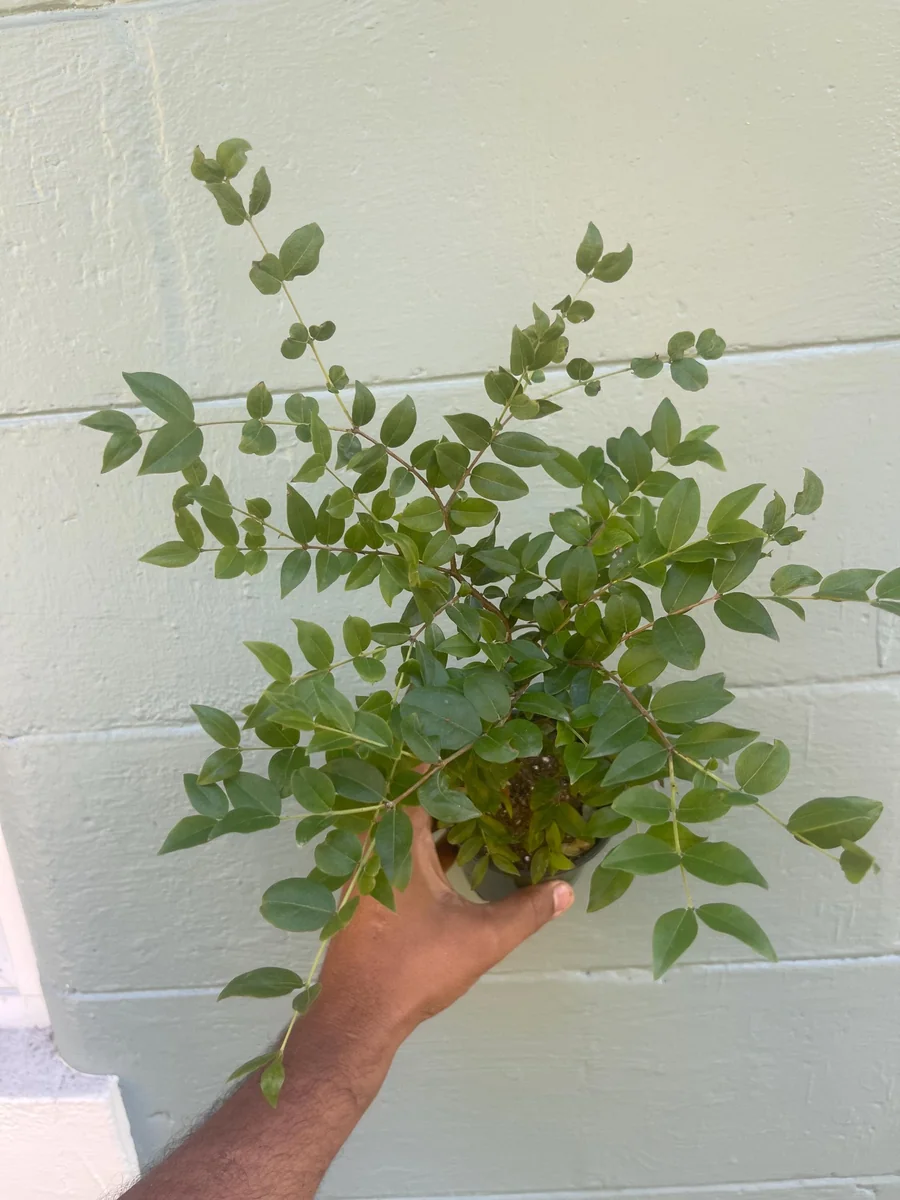
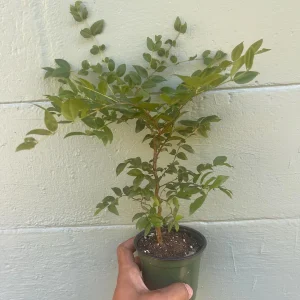
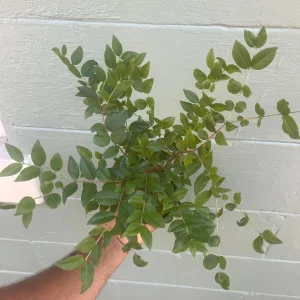
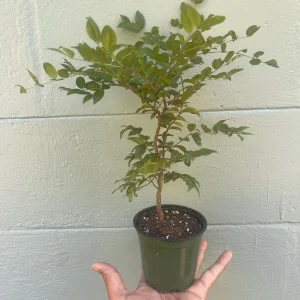
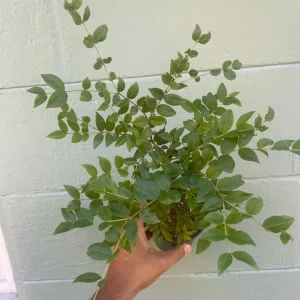
Jaboticaba Sabara Live Plant – Rare Tropical Fruit Tree, 4-inch Pot
Original price was: $69.98.$59.48Current price is: $59.48.
Add a unique tropical treasure to your garden with the jaboticaba sabara live plant. This rare fruit tree is known for its striking trunk-grown berries and ornamental beauty. Perfect for growing in pots on patios or as an indoor plant in cooler climates, it offers delicious grape-like fruit and glossy evergreen foliage. Ships healthy in a 4-inch pot.
-
USDA Hardiness Zone
USDA Zones 9-11 -
Soil Type
Well-draining, slightly acidic soil -
Sunlight Exposure
Full sun to partial shade -
Expected Planting Period
Year-round indoors; Spring to early summer outdoors

You can track your order HERE
Mar 01
Mar 06 - Mar 08
Mar 11 - Mar 15
Shipping and return policies: Our Alive & Thrive Guarantee covers issues with your plants within the first 30 days. Reach out to us. Our team will answer your questions and help you find the plants that are truly suitable for your environment, climate, and personal preferences.

Overview
Introduce an exotic touch to your garden or indoor plant collection with the jaboticaba sabara live plant. Also known by its botanical name, Plinia jaboticaba, this rare and captivating tropical fruit tree is celebrated for its truly unique fruiting habit. Unlike most fruit trees, the Jaboticaba Sabara produces its sweet, grape-like berries directly on its trunk and branches, a phenomenon known as cauliflory. This striking feature gives the plant an incredible, almost bonsai-like appearance, making it a conversation starter and a stunning ornamental addition. Each plant arrives healthy and well-established in a 4-inch pot, ready to thrive and bring a taste of the tropics to your home.
The Sabara variety is particularly prized among jaboticaba enthusiasts for its prolific fruiting and exceptionally sweet, flavorful fruit. Whether you’re an experienced gardener seeking a distinctive specimen or a beginner looking for an easy-to-grow tropical plant, the jaboticaba sabara live plant offers both aesthetic appeal and delicious rewards. Its compact growth habit and adaptability make it an excellent choice for container gardening, patios, or even as an indoor specimen in areas with cooler winters.
Key Benefits
Beyond its rare beauty and delicious fruit, the Jaboticaba Sabara offers numerous advantages for any plant enthusiast:
- Unique Cauliflorous Fruiting: Enjoy the spectacle of grape-like berries growing directly on the trunk and branches, providing a truly exotic and ornamental display. This makes the jaboticaba sabara live plant a focal point in any setting.
- Delicious & Nutritious Fruit: Harvest sweet, juicy, grape-flavored fruits that are perfect for eating fresh, making jams, or adding to desserts. The fresh taste of home-grown tropical fruit is unparalleled.
- Evergreen Beauty: Even when not fruiting, its glossy, dark green foliage provides year-round visual interest and a lush, tropical feel to your space. This plant maintains its attractive appearance throughout the seasons.
- Versatile Growth Habit: Ideal for growing in pots, making it suitable for patios, balconies, or as an indoor plant. Its compact nature also lends itself well to bonsai training, allowing for creative shaping.
- Relatively Easy to Grow: Despite being a rare fruit tree, the Jaboticaba Sabara is surprisingly resilient and adaptable, making it a rewarding choice for gardeners of various skill levels. With proper care, it will flourish.
- Long Lifespan: Jaboticaba trees are known for their longevity, often living for many decades, ensuring you’ll enjoy its beauty and fruit for years to come. It’s a long-term investment in your garden.
- Attracts Wildlife: The sweet fruits can attract beneficial pollinators and small birds, adding to the biodiversity of your garden ecosystem.
Plant Care & Growing Tips
Caring for your jaboticaba sabara live plant is straightforward, allowing even novice gardeners to succeed. These tropical trees thrive in warm, humid conditions but can adapt to various environments with a few considerations. For sunlight, Jaboticabas prefer full sun to partial shade. In very hot climates, some afternoon shade can protect the leaves from scorching. If grown indoors, place it near a bright window that receives at least 6 hours of indirect light daily, or supplement with a grow light.
Watering is crucial for optimal growth. Keep the soil consistently moist but never waterlogged. Allow the top inch of soil to dry slightly before watering again. During dry spells, or if grown in a container, more frequent watering may be necessary. Ensure excellent drainage to prevent root rot. The ideal soil type is a rich, well-draining, slightly acidic medium. A good quality potting mix amended with compost and perlite works well for container-grown plants. Aim for a soil pH between 5.5 and 6.5. This helps the plinia jaboticaba care routine.
Jaboticabas are sensitive to cold and thrive in USDA Hardiness Zones 9-11. In colder regions, they must be grown in containers and brought indoors when temperatures drop below 30°F (-1°C). Fertilize your tropical fruit tree every 2-3 months during the growing season (spring and summer) with a balanced, slow-release fertilizer or an organic fruit tree fertilizer. Pruning is generally minimal, focused on shaping and removing dead or crossing branches. Pests are usually not a major issue, but keep an eye out for aphids or scale insects and treat with horticultural oil if necessary. With these simple guidelines, your sabara jaboticaba for sale will flourish.
Size & Details
This jaboticaba sabara live plant arrives as a healthy, young specimen, established in a 4-inch nursery pot. At this stage, the plant typically stands between 6 to 12 inches tall, measured from the base of the pot. Jaboticaba Sabara is known for its relatively slow growth rate initially, gradually accelerating as it matures. When grown in the ground in ideal conditions, it can eventually reach heights of 10 to 15 feet, forming a dense, bushy tree. However, it is easily maintained at a smaller size through pruning, making it an excellent candidate for container cultivation, where it can be kept at 4-8 feet tall, or even trained as a bonsai specimen.
The plant you receive is ready to be transplanted into a larger pot or directly into your garden if your climate permits. Fruiting usually begins within 3-5 years from a young plant, though this can vary depending on growing conditions and care. The compact nature and adaptability of this rare fruit tree make it a versatile choice for various garden settings, from suburban yards to urban patios. Expect a robust root system and vibrant foliage upon arrival, indicating a healthy start for your new tropical addition.
Frequently Asked Questions
- Q: How big does this plant get? A: The jaboticaba sabara live plant typically grows 10-15 feet tall in the ground, but it can be maintained at 4-8 feet in a container with regular pruning. Its compact growth makes it very manageable.
- Q: What size pot does it come in? A: Each Jaboticaba Sabara plant is shipped healthy and well-established in a 4-inch nursery pot, ready for transplanting. This size ensures a good start for the young tree.
- Q: Is this an indoor or outdoor plant? A: It can be both! The Jaboticaba Sabara thrives outdoors in USDA Zones 9-11. In colder climates, it’s best grown in a pot and brought indoors during winter, making it a versatile tropical fruit tree.
- Q: How much sunlight does it need? A: This plant prefers full sun to partial shade. If growing indoors, place it in a location that receives at least 6 hours of bright, indirect light daily to ensure good growth and fruiting.
- Q: Is this plant easy to care for? A: Despite being a rare fruit tree, the Jaboticaba Sabara is surprisingly easy to care for once established. It requires consistent moisture, well-draining soil, and protection from frost.
- Q: What condition will it arrive in? A: Your sabara jaboticaba for sale will arrive healthy, well-rooted, and carefully packaged to ensure its safe journey. We take great care in preparing our plants for shipment.
- Q: How long until it fruits? A: Jaboticaba Sabara plants typically begin producing fruit within 3-5 years from a young plant. Optimal growing conditions and consistent care can encourage earlier fruiting.
- Q: What’s the best soil for a Jaboticaba? A: They prefer a rich, slightly acidic, well-draining soil. A good quality potting mix amended with compost and perlite is ideal, especially for container growing.
- Q: Will it survive winter in my zone? A: If you are in USDA Zones 9-11, it can survive outdoors. In colder zones, it must be protected from frost or brought indoors when temperatures fall below freezing to ensure its survival.
- Q: Can I train the Jaboticaba Sabara as a bonsai? A: Yes, its unique trunk-fruiting habit and compact growth make it an excellent candidate for bonsai training, adding another dimension to its ornamental appeal.
Be the first to review “Jaboticaba Sabara Live Plant – Rare Tropical Fruit Tree, 4-inch Pot”
People Also Viewed
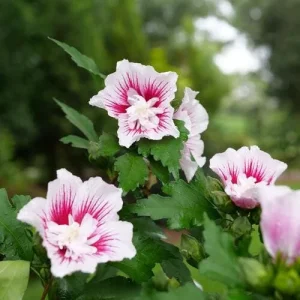
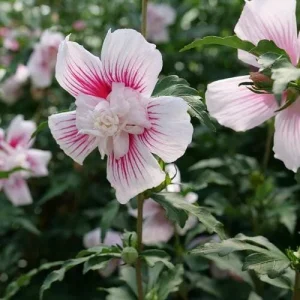
Sold 58 products
Original price was: $54.36.$27.18Current price is: $27.18.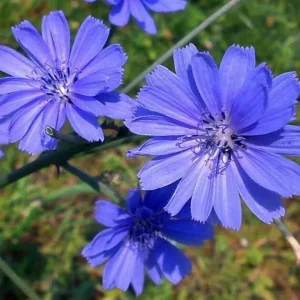
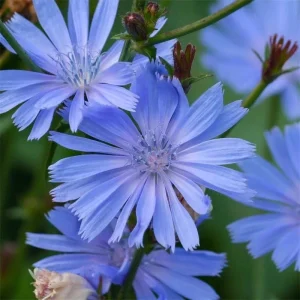
Herb Seeds
Chicory Seeds 300+ – Italian Dandelion Blue Flower – Non-GMO Perennial Herb Seeds Outdoor
Sold 69 products
Original price was: $8.40.$4.20Current price is: $4.20.
Sold 82 products
Original price was: $77.98.$38.99Current price is: $38.99.
Sold 89 products
Original price was: $55.96.$27.98Current price is: $27.98.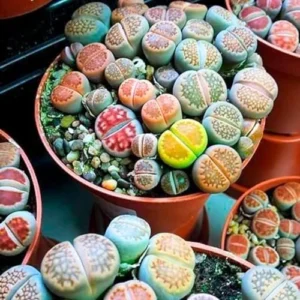
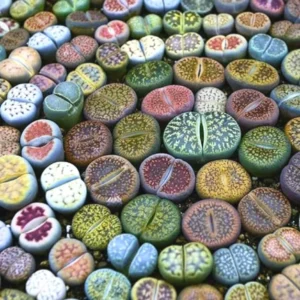
HousePlants
Lithops Live Plants Mix – 30 Colorful Succulents – Living Stones for Indoor/Outdoor Planting
Sold 67 products
Original price was: $65.98.$32.99Current price is: $32.99.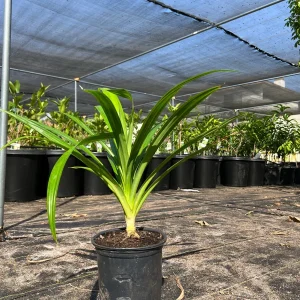
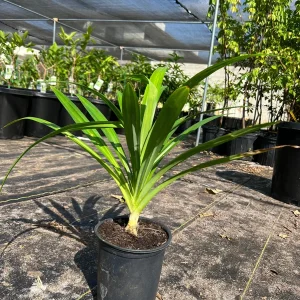
Sold 83 products
Original price was: $147.16.$73.58Current price is: $73.58.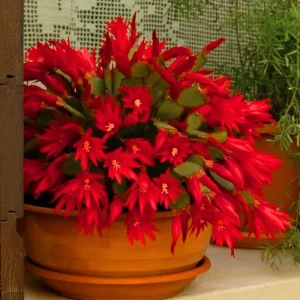
Sold 76 products
From $43.98
Sold 61 products
From $61.58
Sold 66 products
$87.98

Sold 65 products
Original price was: $54.36.$27.18Current price is: $27.18.
Sold 53 products
Original price was: $58.14.$29.07Current price is: $29.07.
Sold 55 products
$48.38
Sold 93 products
Original price was: $67.16.$33.58Current price is: $33.58.
Sold 61 products
Original price was: $47.98.$23.99Current price is: $23.99.
Sold 96 products
Original price was: $69.98.$34.99Current price is: $34.99.
Sold 84 products
Original price was: $67.80.$33.90Current price is: $33.90.
Sold 68 products
Original price was: $18.98.$15.18Current price is: $15.18.
Sold 56 products
Original price was: $54.36.$27.18Current price is: $27.18.


Reviews
There are no reviews yet.