
Jaboticaba Live Tree Starter – 1 ft Tall – Fruit & Ornamental – Ships Bare Root
Original price was: $145.56.$72.78Current price is: $72.78.
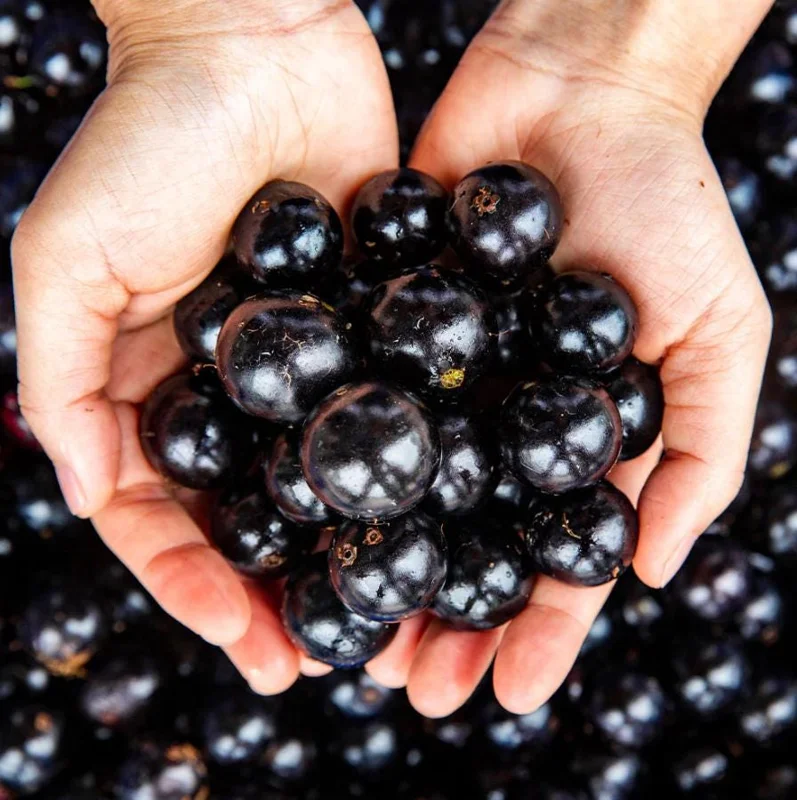
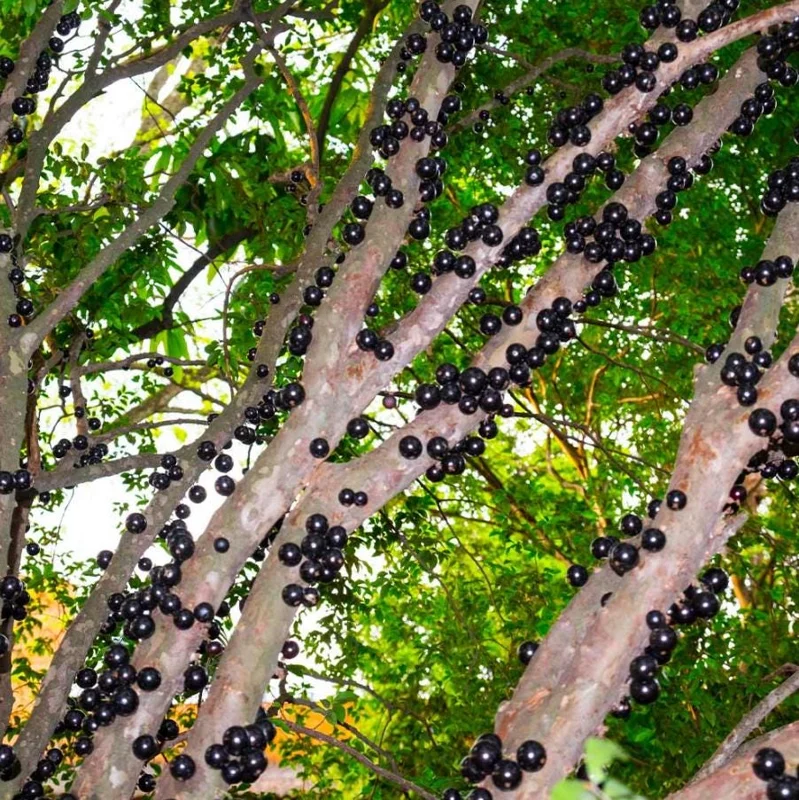
Introduce an exotic touch to your garden with a jaboticaba live tree. This 1 ft tall starter plant, scientifically known as Plinia cauliflora, offers unique trunk-fruiting berries and significant ornamental appeal. Perfect for gardens or containers, it provides delicious edible fruit and year-round beauty as an ornamental fruit tree.
-
USDA Hardiness Zone
USDA zones 9–11 -
Soil Type
Rich, loamy, well-draining, slightly acidic soil -
Sunlight Exposure
Full sun to partial shade -
Expected Planting Period
Year-round in appropriate zones; protect from frost

You can track your order HERE
Mar 07
Mar 12 - Mar 14
Mar 17 - Mar 21
Shipping and return policies: Our Alive & Thrive Guarantee covers issues with your plants within the first 30 days. Reach out to us. Our team will answer your questions and help you find the plants that are truly suitable for your environment, climate, and personal preferences.

Overview
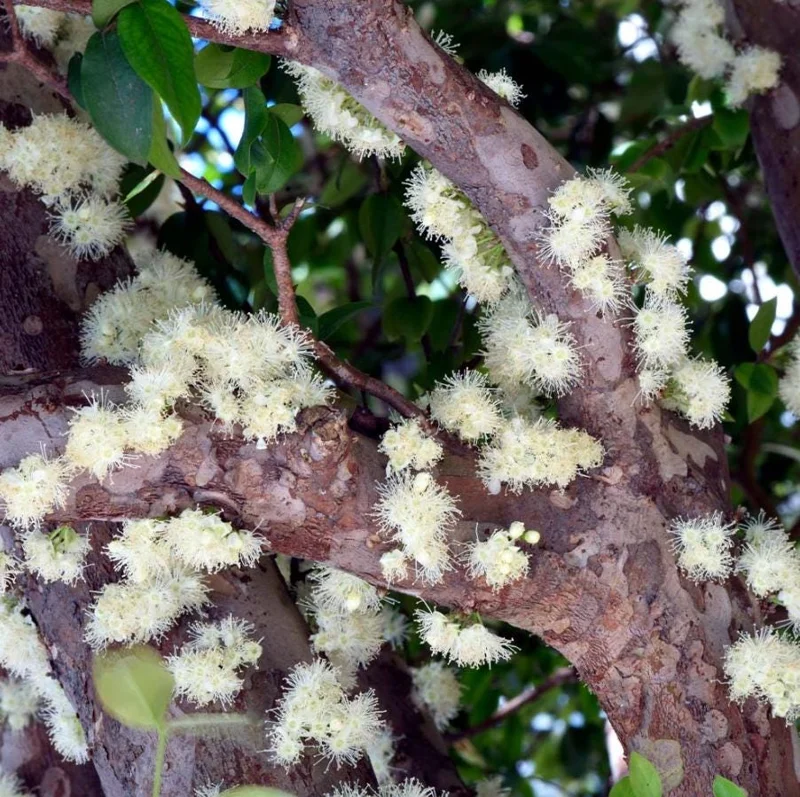
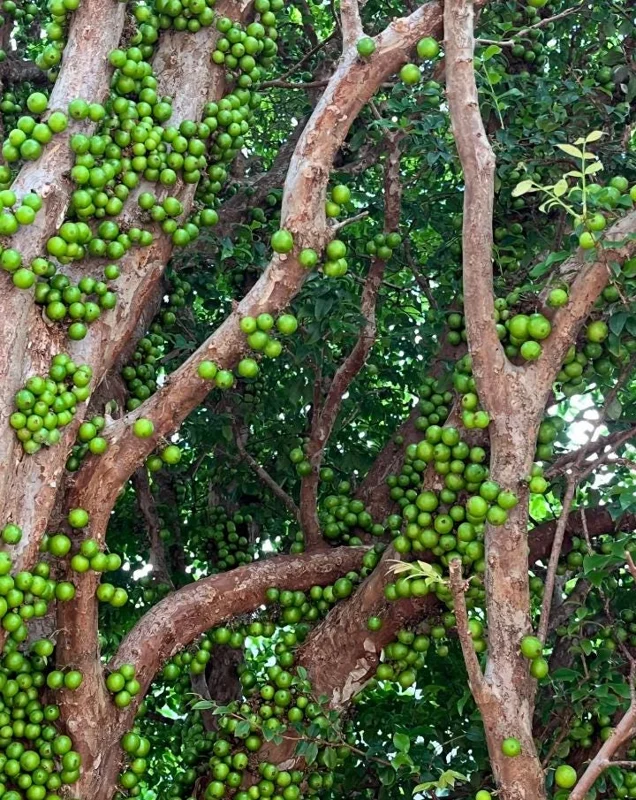
Introduce an exotic touch to your garden or patio with a jaboticaba live tree. This distinctive jaboticaba fruit tree, scientifically known as Plinia cauliflora, is celebrated for its unusual fruiting habit where the berries grow directly on the trunk and branches, creating a truly spectacular display. Native to South America, the Jaboticaba is a unique and captivating addition for any gardening enthusiast. Our 1-foot tall starter plant is perfect for beginning your journey into growing this fascinating species, promising both ornamental appeal and the delight of fresh, homegrown fruit. Its slow-growing and compact nature makes it versatile for various planting environments, making it an excellent choice for those seeking a unique plinia cauliflora plant.
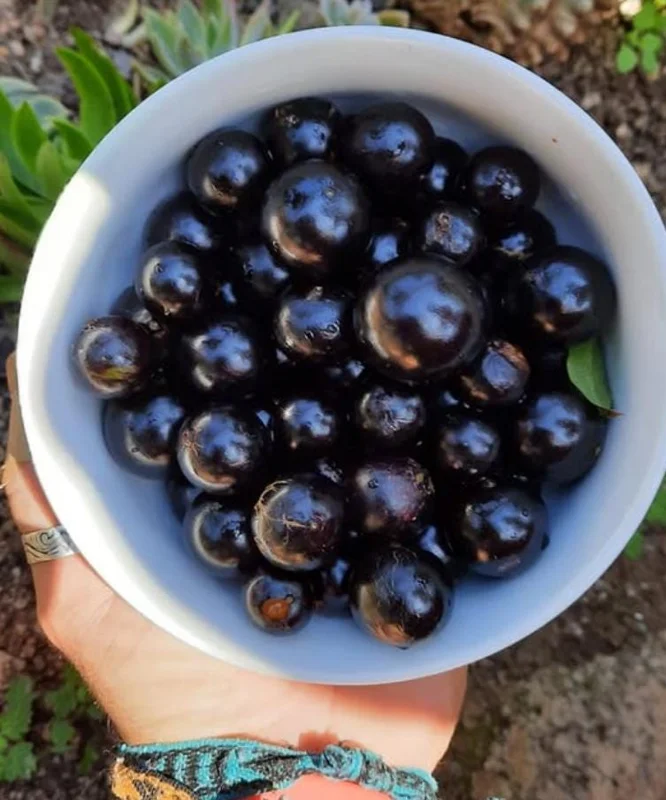
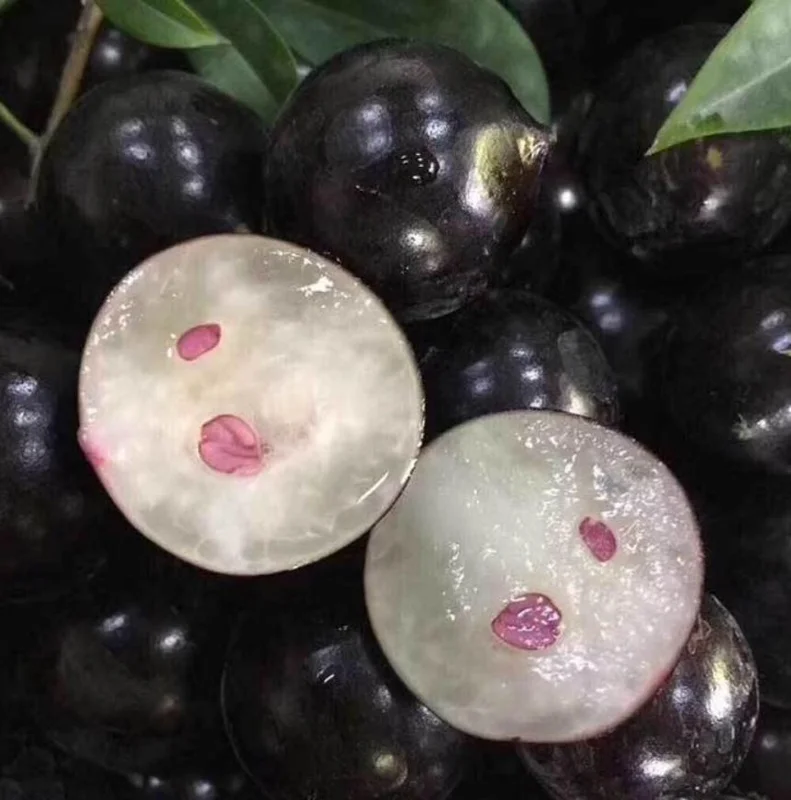
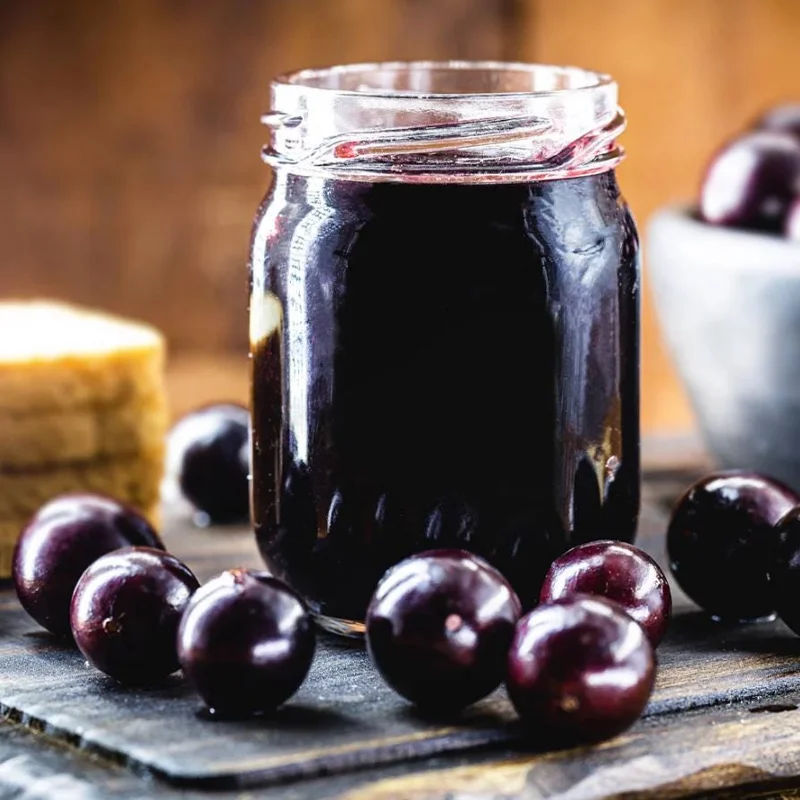
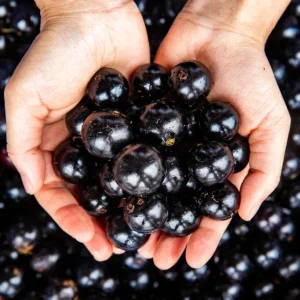
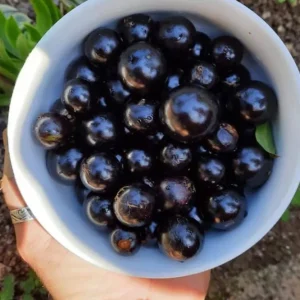
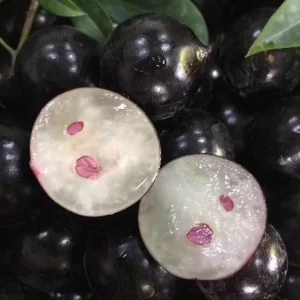
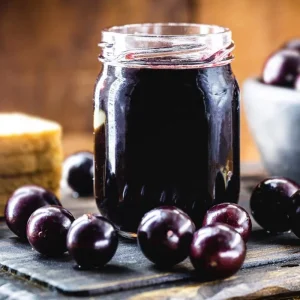
The jaboticaba live tree is not just a conversation starter; it’s a productive plant that offers sweet, juicy, dark purple berries reminiscent of grapes. These delicious fruits can be enjoyed fresh, or transformed into exquisite jams, jellies, and even wine. Beyond its culinary contributions, the tree itself is highly ornamental, featuring glossy green leaves and attractive peeling bark, ensuring year-round visual interest. With proper jaboticaba plant care, this young tree will grow to become a cherished part of your landscape, providing beauty and bounty for years to come.
Key Benefits
The jaboticaba live tree offers a multitude of benefits, from its striking appearance to its delicious fruit. It’s a truly rewarding plant for both novice and experienced gardeners, especially those interested in an ornamental fruit tree.
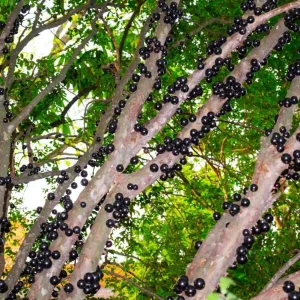
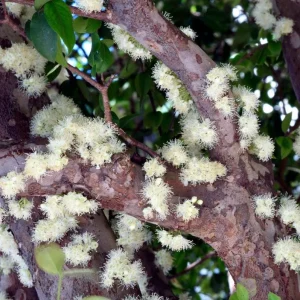
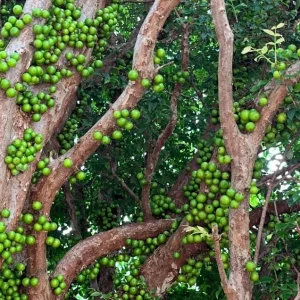
- Unique Fruiting Habit: Experience the wonder of berries growing directly on the trunk and branches, an extraordinary sight that makes the Jaboticaba a true garden centerpiece. This distinctive feature is characteristic of the plinia cauliflora plant species, adding a tropical flair to any setting.
- Delicious Edible Fruit: Harvest sweet, juicy, grape-like berries perfect for fresh eating, making jams, jellies, or even homemade wine. The fresh fruit from a jaboticaba fruit tree is a rare and delightful treat, offering a unique flavor profile that sets it apart.
- Ornamental Appeal: Beyond its fruit, the tree boasts glossy green foliage, attractive peeling bark, and a compact growth habit, providing year-round beauty to your garden or patio. It truly serves as an ornamental fruit tree, enhancing any landscape with its unique form.
- Versatile Planting: Its slow growth and manageable size make it ideal for various settings, including traditional gardens, container planting on patios, or even as a unique specimen in smaller spaces. This adaptability makes it suitable for many gardeners.
- Low Maintenance: Once established, the Jaboticaba is relatively easy to care for, requiring consistent moisture and adequate sunlight to thrive. Consistent jaboticaba plant care will ensure a healthy, productive tree for years to come.
- Conversation Starter: Its unusual appearance and delicious, uncommon fruit are sure to intrigue guests and spark conversations about this remarkable plant, making it a focal point.
- Tropical Ambiance: Adds a beautiful tropical aesthetic to any outdoor or indoor space, creating a serene and exotic environment that feels like a getaway.
Plant Care & Growing Tips
Caring for your jaboticaba live tree is a rewarding experience that ensures a healthy plant and abundant fruit. These young starter plants require consistent attention as they establish themselves. The Jaboticaba thrives in conditions that mimic its native South American environment, particularly regarding light, water, and soil. For optimal growth, provide full sun to partial shade; while it can tolerate some shade, more sunlight generally leads to better fruit production. Ensure the soil remains consistently moist but is also well-drained, as soggy roots can be detrimental. Moderate watering is key, especially during dry periods or when the plant is young, as part of comprehensive jaboticaba plant care.
The ideal soil for your plinia cauliflora plant is rich, loamy, and well-draining, with a slightly acidic pH. Incorporating organic matter can significantly improve soil structure and fertility. These trees are best suited for USDA zones 9–11 and must be protected from frost, which can severely damage or kill young plants. If you live in a colder zone, consider growing your jaboticaba fruit tree in a container that can be moved indoors during winter. Fertilize regularly with a balanced, slow-release fertilizer designed for fruit trees, especially during the active growing season, to encourage robust growth and fruit development. Pay attention to common pests and diseases, although Jaboticaba trees are generally quite resilient. Proper jaboticaba plant care will ensure your tree flourishes.
Pruning is generally light, focused on shaping the tree and removing any dead or crossing branches. Its naturally compact habit means it doesn’t require extensive pruning. As an ornamental fruit tree, maintaining its shape can enhance its aesthetic appeal. Remember that these are young starter plants and will need time to mature and begin fruiting. Patience and consistent care will be rewarded with a beautiful, productive tree. Protecting young plants from strong winds can also aid in their establishment.
Size & Details
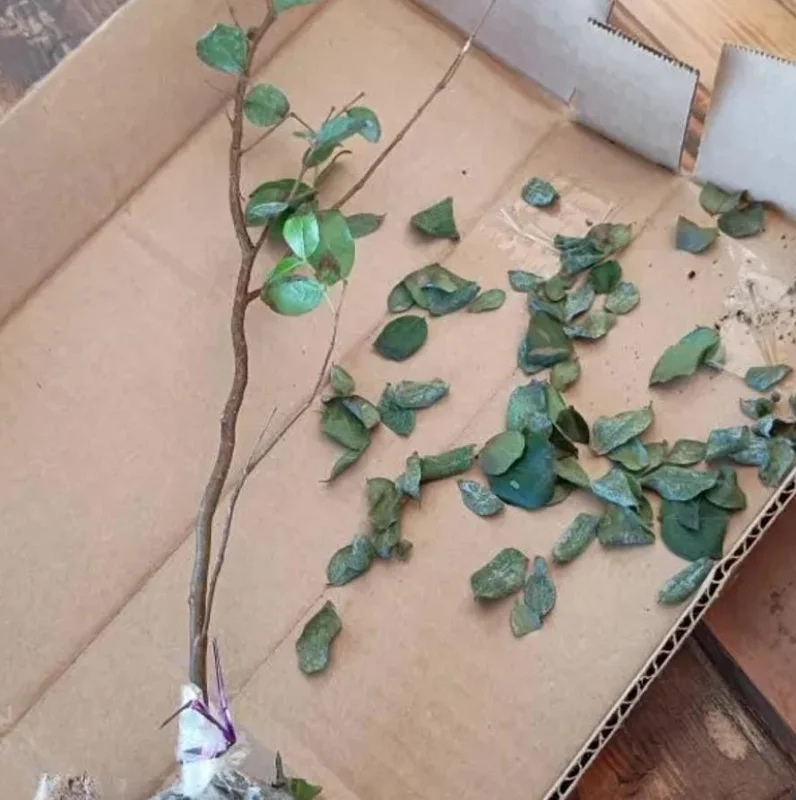
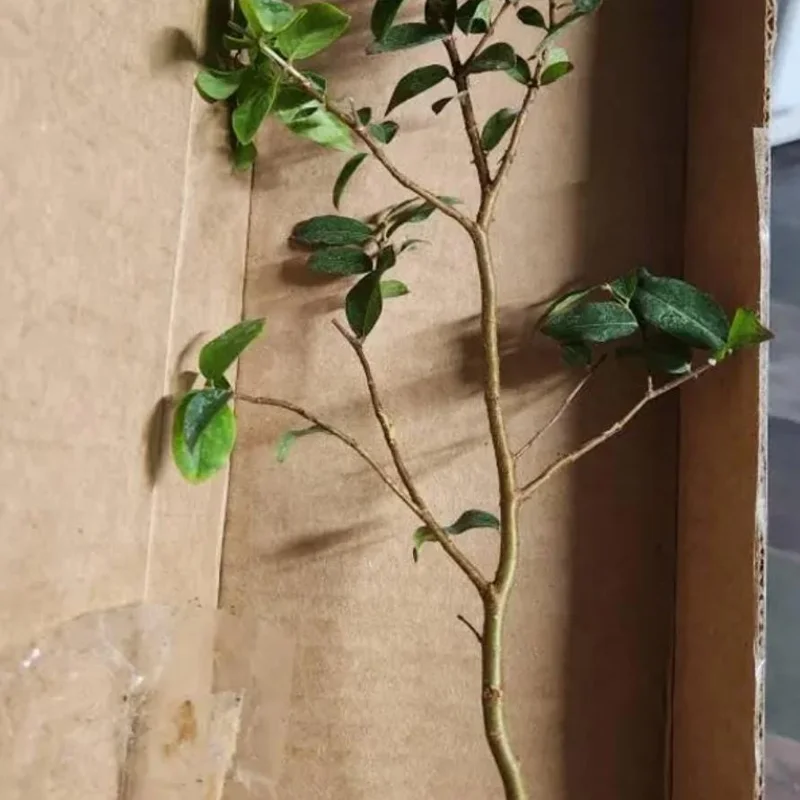
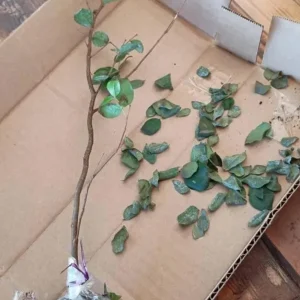
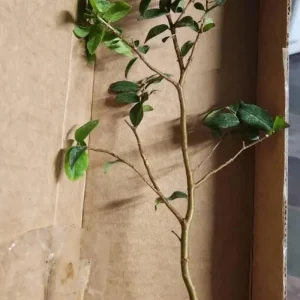
This offering is for one healthy jaboticaba live tree starter, approximately 1 foot tall at the time of shipping. These young trees are shipped bare-root in eco-friendly packaging to ensure safe and fresh arrival. While photos may depict mature trees to illustrate their full fruiting potential, please note that your plant is a young starter and will require time and care to reach maturity and produce fruit. The Jaboticaba is known for its slow-growing nature, typically reaching a mature height of 10-20 feet in ideal conditions, though it can be kept smaller with pruning or container growing. It adapts well to various settings, from garden beds to large patio containers.
The plinia cauliflora plant is a compact tree, making it suitable for smaller gardens, patios, and even balconies. Expect it to take several years to begin fruiting, typically 3-5 years from a well-established starter plant, though this can vary based on growing conditions and specific jaboticaba plant care. When planting, handle the bare roots gently and plant as soon as possible after arrival. Ensure it has adequate space to grow, and consider its mature size when choosing a permanent location. This ornamental fruit tree promises long-term enjoyment and a unique addition to your landscape.
Frequently Asked Questions
- Q: How big does this plant get and what size pot does it come in? A: This is a 1-foot tall jaboticaba live tree starter. It ships bare-root, meaning it does not come in a pot. Jaboticaba trees are slow-growing and can reach 10-20 feet tall when mature, but can be maintained at a smaller size with pruning or by growing in a large container.
- Q: Is this an indoor or outdoor plant? How much sunlight does it need? A: The jaboticaba fruit tree thrives outdoors in USDA zones 9-11. In colder climates, it can be grown in a container and brought indoors during winter. It requires full sun to partial shade for best growth and fruit production.
- Q: Is this plant easy to care for? Is it good for beginners? A: While not extremely difficult, the Jaboticaba tree requires consistent moisture and protection from frost. It’s suitable for beginners willing to provide consistent jaboticaba plant care and attention to its specific needs, especially when young.
- Q: What condition will it arrive in? Is it shipped in soil? A: Your jaboticaba live tree will arrive as a healthy bare-root starter plant. It is shipped without soil and should be planted as soon as possible after delivery to ensure optimal health.
- Q: Can I really eat the fruit from this tree? What does Jaboticaba fruit taste like? A: Yes, the berries from the plinia cauliflora plant are edible and delicious! They are sweet, juicy, and taste similar to a grape, often with a slightly acidic tang. They are great fresh or used in various culinary applications.
- Q: How long until it blooms and produces fruit? A: As a starter plant, your Jaboticaba tree will need time to mature. Typically, it takes 3-5 years for a well-established tree to begin blooming and producing fruit, depending on growing conditions and care.
- Q: Will it survive winter in my zone? What’s the minimum temperature? A: The Jaboticaba tree thrives in USDA zones 9-11. It is sensitive to frost and should be protected when temperatures drop below 28-30°F (-2 to -1°C). If you are outside of these zones, it’s best to grow it in a container and move it indoors during colder months.
- Q: Why is it called an ornamental fruit tree? A: It’s called an ornamental fruit tree because, in addition to producing delicious fruit, its unique growth habit with berries on the trunk, glossy leaves, and attractive peeling bark makes it a highly decorative and visually appealing plant for any garden or landscape.
- Q: What kind of soil is best for a Jaboticaba tree? A: The Jaboticaba prefers rich, loamy, and well-draining soil. It also appreciates slightly acidic conditions. Amending your soil with organic matter can greatly benefit its growth.
- Q: How often should I water my young Jaboticaba tree? A: Young jaboticaba live tree plants require consistent moisture. Keep the soil consistently moist but never waterlogged. Regular, moderate watering is essential, especially during dry spells, to help the plant establish its root system.
Be the first to review “Jaboticaba Live Tree Starter – 1 ft Tall – Fruit & Ornamental – Ships Bare Root”
People Also Viewed
Sold 80 products
Original price was: $8.52.$4.26Current price is: $4.26.
Sold 59 products
Original price was: $28.76.$14.38Current price is: $14.38.
Sold 68 products
Original price was: $54.99.$34.99Current price is: $34.99.
Sold 56 products
Original price was: $44.00.$22.00Current price is: $22.00.
Sold 64 products
Original price was: $39.98.$19.99Current price is: $19.99.
Sold 52 products
Original price was: $47.96.$23.98Current price is: $23.98.
Sold 68 products
Original price was: $57.98.$28.99Current price is: $28.99.
Flower Plants
Royal Standard Hosta Bare Root Plant – Fragrant White Flowers, Sun Tolerant, Perennial
Sold 63 products
From $71.80
Sold 66 products
Original price was: $36.00.$18.00Current price is: $18.00.
Sold 63 products
Original price was: $230.00.$172.50Current price is: $172.50.
Sold 80 products
Original price was: $47.96.$23.98Current price is: $23.98.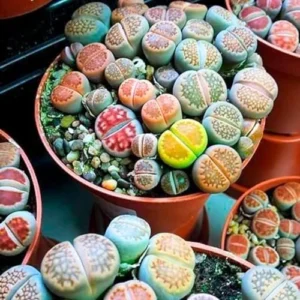
HousePlants
Lithops Live Plants Mix – 30 Colorful Succulents – Living Stones for Indoor/Outdoor Planting
Sold 74 products
Original price was: $65.98.$32.99Current price is: $32.99.
Flower Plants
Sold 97 products
Original price was: $77.98.$38.99Current price is: $38.99.
Sold 94 products
Original price was: $31.96.$15.98Current price is: $15.98.
Sold 96 products
Original price was: $66.00.$52.80Current price is: $52.80.
Sold 87 products
Original price was: $69.08.$34.54Current price is: $34.54.
Flower Plants
Red Milkweed Live Starter Plants – Set of 2, 4-8″ Tall, Perennial, Attracts Monarch Butterflies
Sold 100 products
Original price was: $59.97.$19.99Current price is: $19.99.
Sold 74 products
Original price was: $39.98.$19.99Current price is: $19.99.


Reviews
There are no reviews yet.