
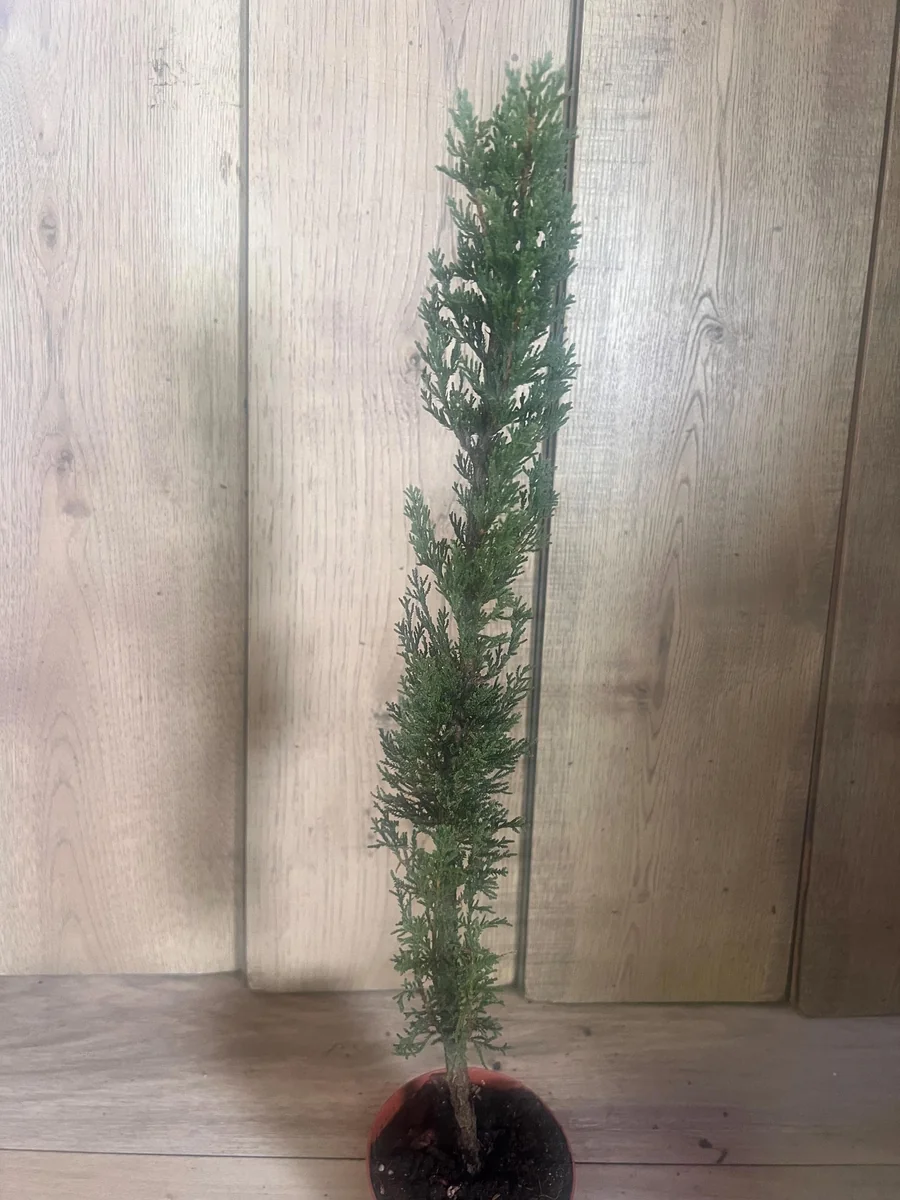
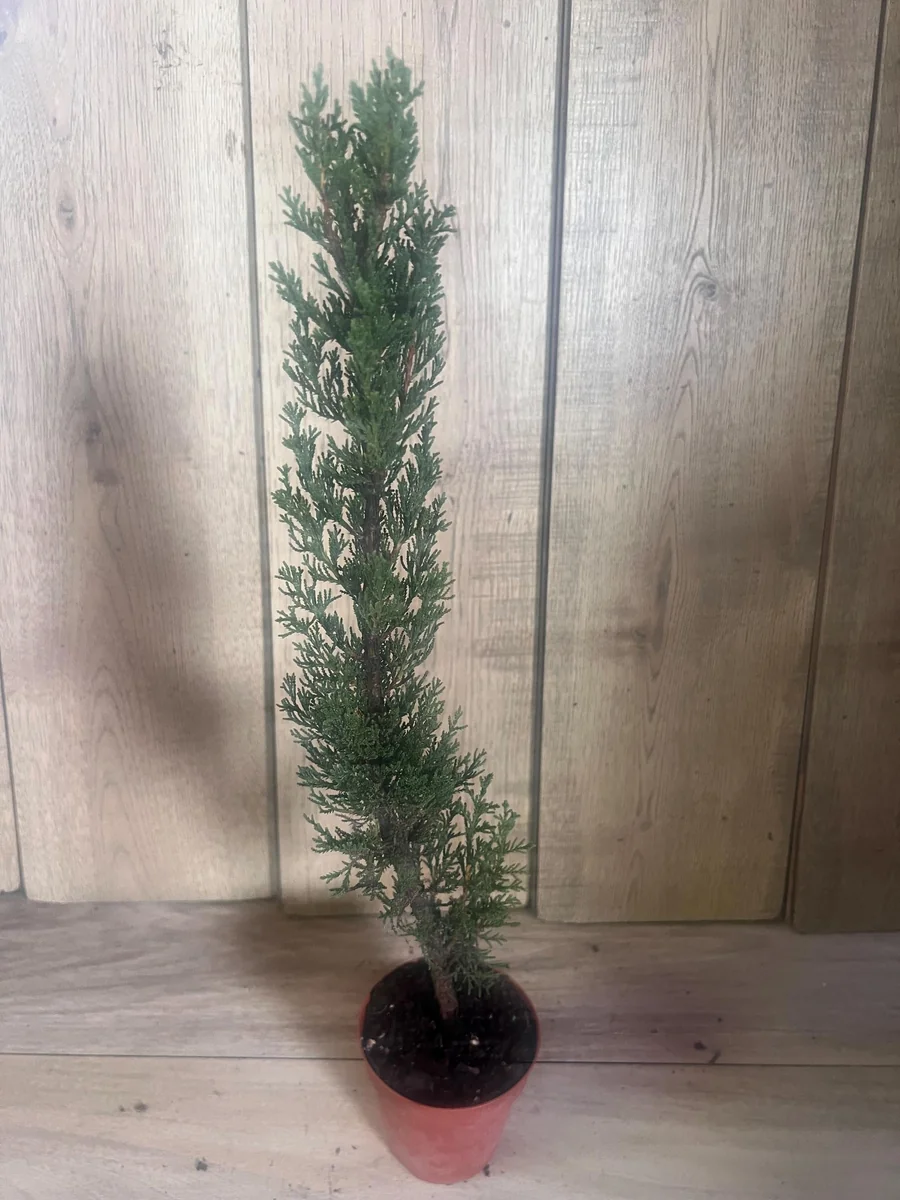
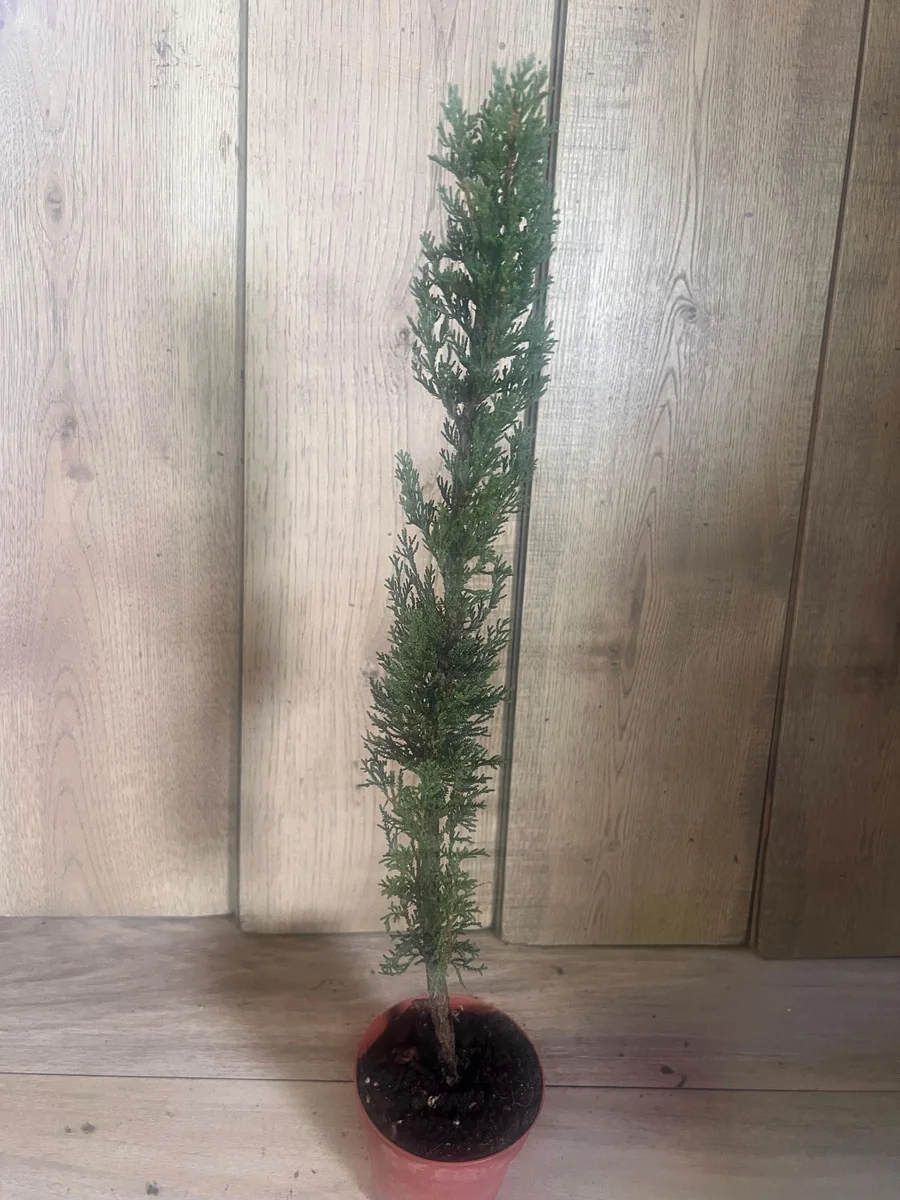
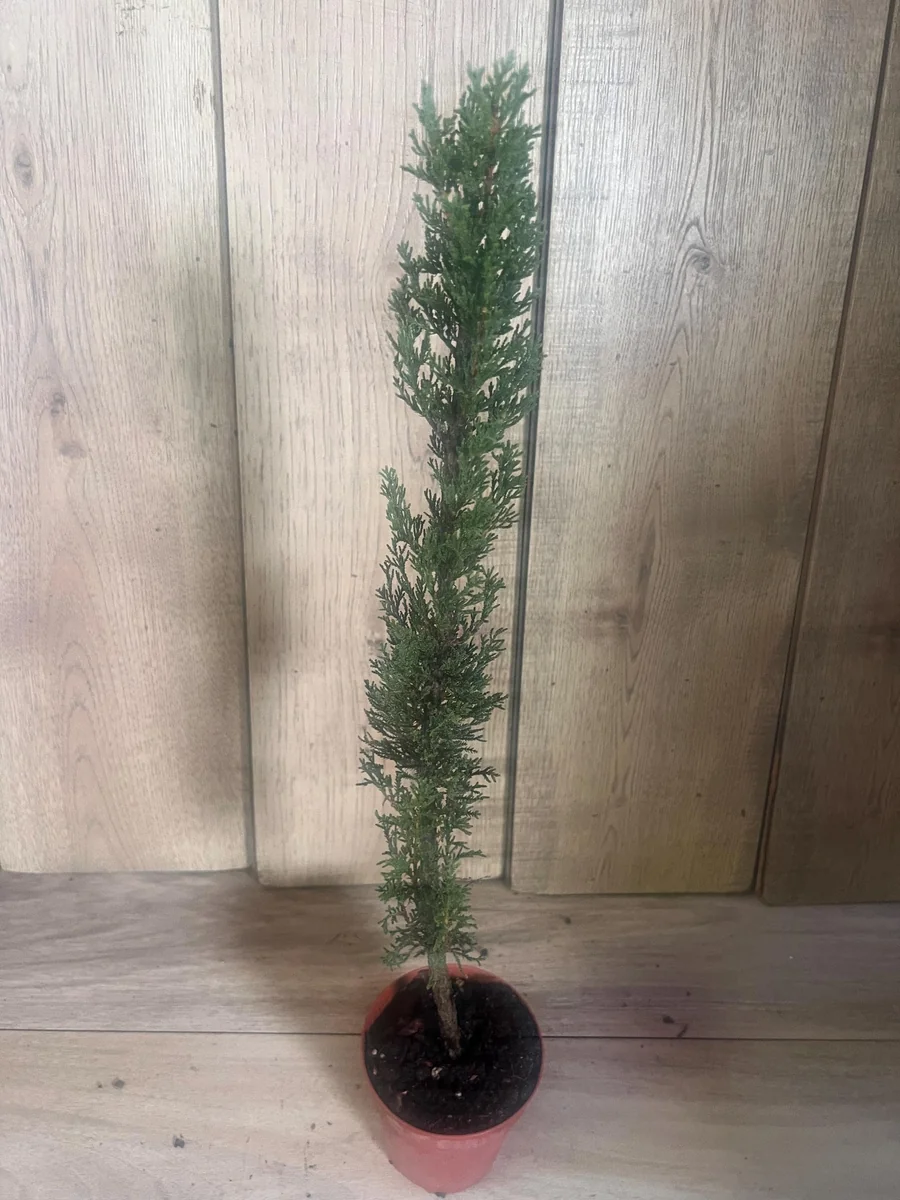
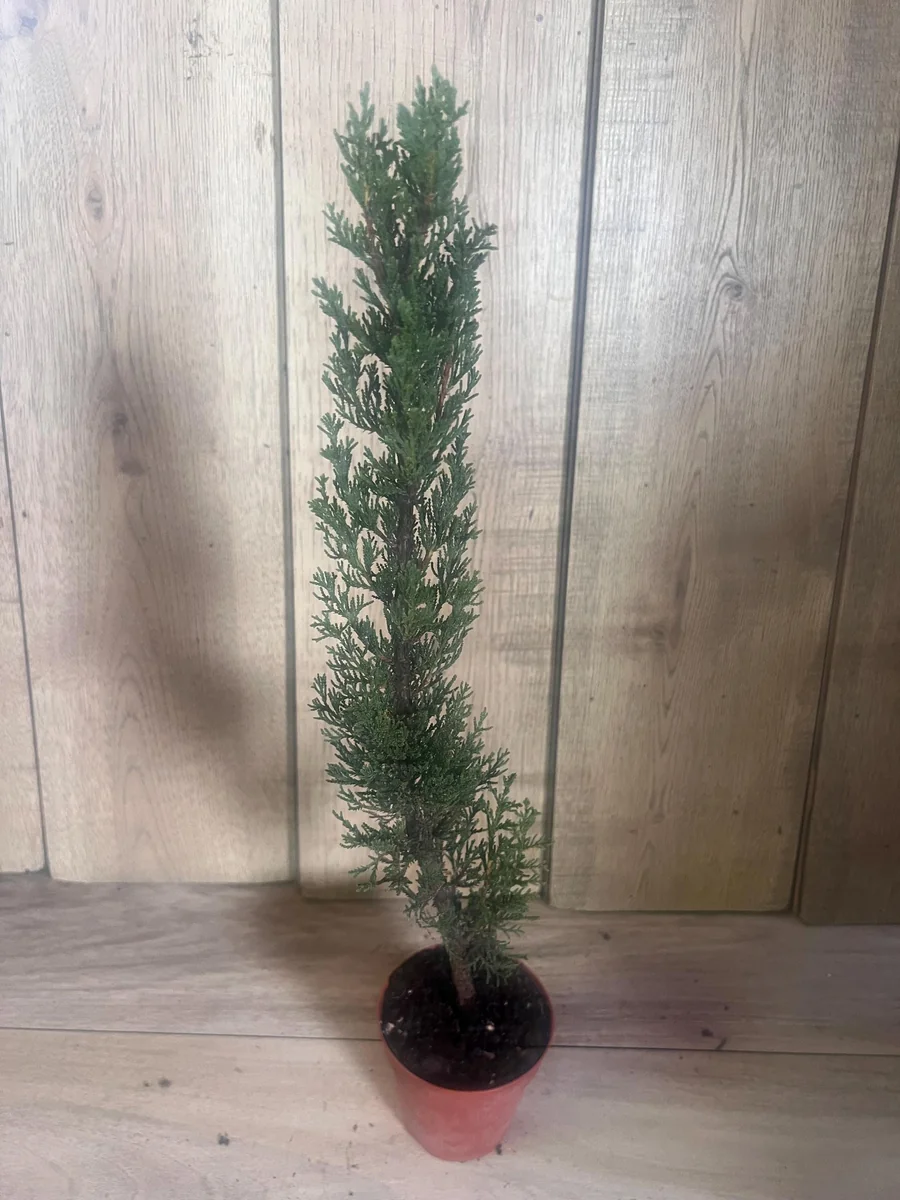
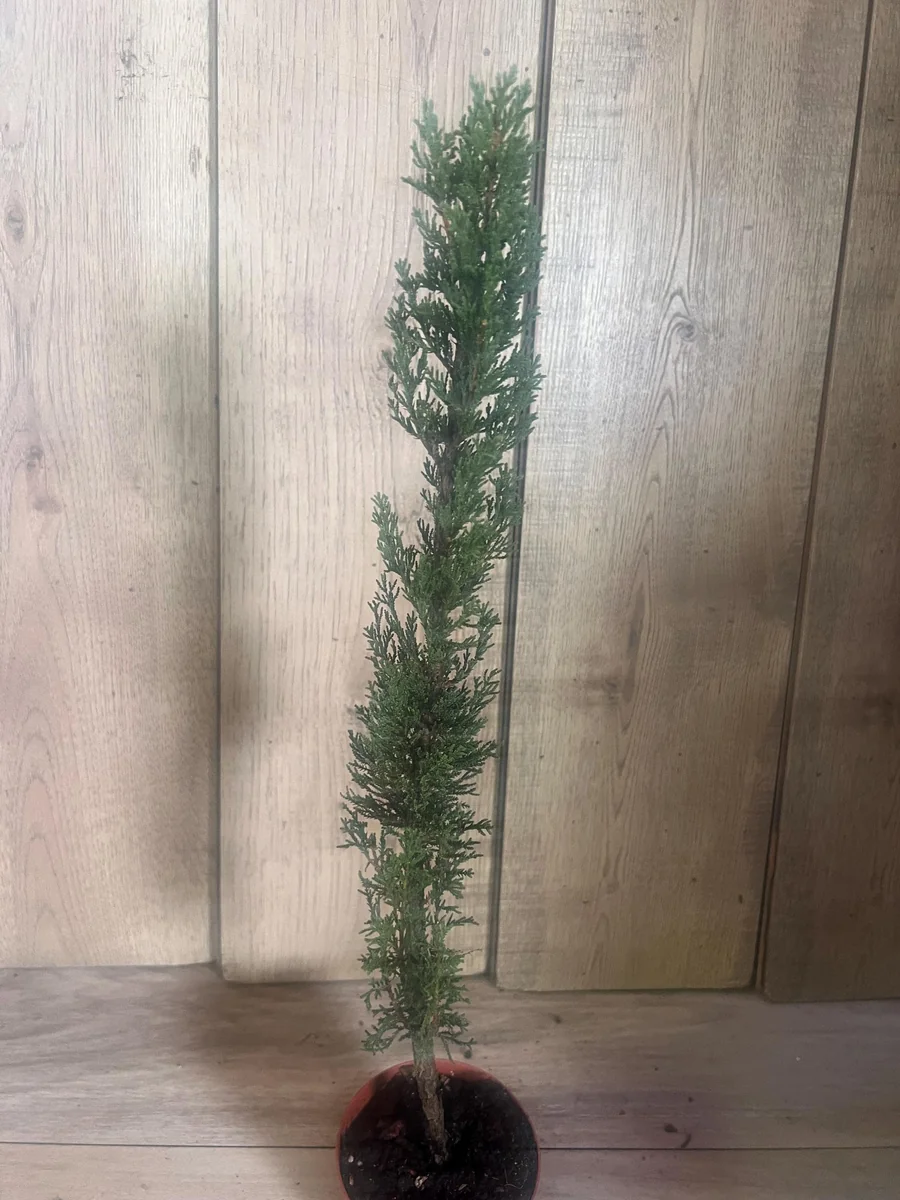

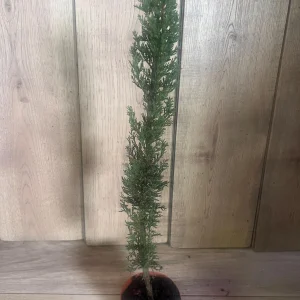
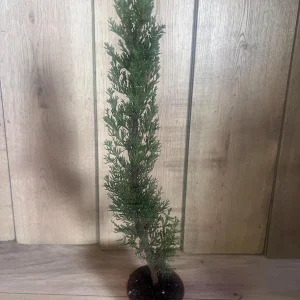
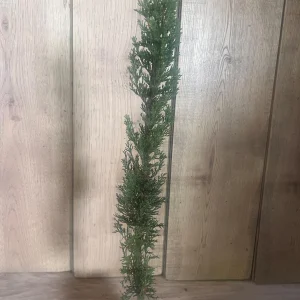
Italian Cypress Live Plant – Cupressus sempervirens – 6 inch Pot – Outdoor Tree
Original price was: $41.90.$25.14Current price is: $25.14.
Introduce timeless elegance to your landscape with the italian cypress live plant. This beautiful Cupressus sempervirens care is easy, offering a tall, narrow form perfect for creating dramatic vertical accents and Mediterranean-style gardens. Ideal for full sun and well-draining soil, it’s a stunning italian cypress tree.
-
USDA Hardiness Zone
USDA Zones 7-10 -
Soil Type
Well-draining, sandy or loamy soil -
Sunlight Exposure
Full sun -
Expected Planting Period
Spring to early fall

You can track your order HERE
Mar 03
Mar 08 - Mar 10
Mar 13 - Mar 17
Shipping and return policies: Our Alive & Thrive Guarantee covers issues with your plants within the first 30 days. Reach out to us. Our team will answer your questions and help you find the plants that are truly suitable for your environment, climate, and personal preferences.

Overview
The italian cypress live plant, scientifically known as Cupressus sempervirens, is a symbol of timeless elegance and Mediterranean charm. This evergreen tree is celebrated for its distinctive tall, narrow, and columnar form, which instantly adds sophistication and a classic architectural element to any landscape. Originating from the Mediterranean region, the italian cypress live plant thrives in warm, sunny climates, making it an excellent choice for replicating the serene beauty of Tuscan gardens in your own outdoor space. It’s a robust and visually striking tree that commands attention, perfect for both formal and informal designs. Unlike many other trees, the italian cypress live plant maintains its slender silhouette, making it suitable for various garden sizes where vertical emphasis is desired without extensive spread.
Known for its rich green foliage, the Cupressus sempervirens care is surprisingly straightforward once established, appealing to both novice and experienced gardeners. It’s a long-lived species that provides year-round visual interest and structure. Whether you’re looking to create a grand entrance, line a driveway, or establish a dramatic focal point, this tree offers unparalleled beauty and resilience. Its adaptability to various well-draining soil types and its drought-tolerant nature contribute to its widespread popularity as a landscaping staple. This particular offering provides a healthy, thriving specimen, ready to be planted and begin transforming your garden into a serene Mediterranean retreat.
Key Benefits
The italian cypress live plant offers a multitude of benefits that make it a highly desirable addition to any garden or landscape project. Its unique characteristics contribute significantly to both aesthetics and ease of maintenance.
- Timeless Elegance: With its classic, columnar shape and deep green foliage, the italian cypress live plant brings an immediate sense of sophistication and old-world charm, reminiscent of European estates and Mediterranean villas.
- Architectural Accent: This tree acts as a living sculpture, providing strong vertical lines that can define spaces, frame views, or create a grand sense of scale, enhancing the overall design of your garden.
- Low Maintenance: Once established, the Cupressus sempervirens care is minimal. It requires little pruning to maintain its natural form and is generally resistant to many common pests and diseases.
- Drought Tolerance: Highly adaptable to dry conditions, the drought tolerant tree is an excellent choice for water-wise landscaping, thriving in regions with hot, arid summers.
- Versatile Landscaping: Perfect for creating formal hedges, privacy screens, windbreaks, or as a striking single specimen. Its narrow profile allows it to fit into tighter spaces where other trees might be too wide.
- Year-Round Interest: As an evergreen, the italian cypress tree provides consistent color and structure throughout all seasons, keeping your garden looking vibrant even in winter.
- Heat and Wind Resistant: This hardy tree can withstand challenging environmental conditions, including intense heat and strong winds, making it a reliable choice for various climates.
Plant Care & Growing Tips
Proper Cupressus sempervirens care is crucial for ensuring your italian cypress live plant thrives and reaches its full majestic potential. These trees are known for their hardiness, but a good start can make all the difference. They prefer a location with full sun, meaning at least 6-8 hours of direct sunlight per day. Adequate light ensures dense foliage and vigorous growth. When it comes to watering, young trees require consistent moisture during their first growing season to establish a strong root system. Water deeply once a week, allowing the soil to dry out slightly between waterings. Once mature, the italian cypress live plant is remarkably drought-tolerant and will only need occasional watering during prolonged dry spells.
The ideal soil for an italian cypress tree is well-draining, sandy, or loamy. Avoid heavy clay soils that retain too much moisture, as this can lead to root rot. Good drainage is paramount for the health of your tree. The recommended temperature range for optimal growth is 60–95°F (15–35°C), but mature trees can tolerate brief cold spells down to about 10–15°F (−12 to −9°C). Fertilize your italian cypress live plant once or twice a year in spring with a balanced, slow-release granular fertilizer to promote healthy foliage and robust growth. Pruning is rarely necessary for this naturally columnar tree; simply remove any dead, damaged, or errant branches to maintain its elegant shape. While generally resistant, monitor for cypress canker, a fungal disease, and ensure good air circulation to prevent it. This hardy and drought tolerant tree will reward you with years of beauty.
Size & Details
This offering is for a healthy italian cypress live plant, typically shipped in a 6-inch nursery pot, similar to the pictures provided. At the time of shipment, the plant will be well-rooted and actively growing, ready for transplanting into your garden or a larger container. Cupressus sempervirens care leads to a tree that can ultimately reach impressive heights of 30-60 feet with a narrow spread of only 3-6 feet, making it an excellent choice for vertical landscaping. Its growth rate is moderate, typically adding 1-2 feet per year under ideal conditions. This allows for a relatively quick impact on your landscape design while still being manageable. The plant will arrive carefully packaged to ensure its health and vitality during transit, ready for its new home as a striking italian cypress tree.
The tree’s mature size and slender form make it perfect for creating a grand statement without occupying a large footprint. Whether you’re planting a single specimen or creating a formal row, understanding the potential mature dimensions helps in planning your garden layout. This drought tolerant tree is an investment in long-term beauty and structure for your outdoor space. Its evergreen nature ensures year-round visual interest.
Frequently Asked Questions
- Q: How big does the italian cypress live plant get? A: A mature italian cypress tree can typically reach heights of 30 to 60 feet, with a very narrow spread of only 3 to 6 feet, making it a perfect choice for vertical interest in compact spaces.
- Q: Is this an indoor or outdoor plant? A: The italian cypress live plant is primarily an outdoor tree, thriving in full sun and well-draining soil. It is not suitable for long-term indoor cultivation.
- Q: How much sunlight does the italian cypress live plant need? A: This tree requires at least 6-8 hours of direct sunlight per day to grow vigorously and maintain its dense, rich green foliage. Full sun exposure is essential for optimal health.
- Q: Is the Cupressus sempervirens care difficult for beginners? A: No, Cupressus sempervirens care is relatively easy once the tree is established. It is a hardy, low-maintenance plant that tolerates drought and requires minimal pruning.
- Q: What condition will the italian cypress live plant arrive in? A: Your plant will arrive healthy and actively growing, securely packaged in a 6-inch nursery pot, similar to the product images, ready for transplanting.
- Q: When is the best time to plant an italian cypress tree? A: The best time to plant is in spring or early fall, allowing the tree to establish its root system before extreme summer heat or winter cold.
- Q: Will this drought tolerant tree survive winter in my zone? A: The italian cypress live plant is hardy in USDA zones 7-10, tolerating brief cold spells down to about 10-15°F (-12 to -9°C) once mature. In colder zones, it may need winter protection.
- Q: What kind of soil does the italian cypress live plant prefer? A: It thrives in well-draining, sandy, or loamy soil. Good drainage is crucial to prevent root rot, so avoid heavy clay soils.
- Q: How often should I water my italian cypress tree? A: Young trees need deep watering once a week during their first growing season. Mature trees are drought-tolerant and require less frequent watering, mainly during extended dry periods.
- Q: Is pruning necessary for Cupressus sempervirens care? A: Minimal pruning is needed. Only trim lightly to maintain its natural columnar shape or to remove any dead or damaged branches.
Be the first to review “Italian Cypress Live Plant – Cupressus sempervirens – 6 inch Pot – Outdoor Tree”
People Also Viewed

Sold 82 products
Original price was: $8.52.$4.26Current price is: $4.26.
Sold 55 products
Original price was: $43.99.$23.99Current price is: $23.99.
Sold 75 products
Original price was: $427.96.$213.98Current price is: $213.98.
Sold 52 products
Original price was: $74.76.$37.38Current price is: $37.38.
Sold 53 products
Original price was: $119.74.$71.84Current price is: $71.84.
Sold 65 products
Original price was: $8.52.$4.26Current price is: $4.26.

Sold 92 products
Original price was: $14.76.$7.38Current price is: $7.38.
Sold 64 products
$35.18
Sold 87 products
Original price was: $13.92.$6.96Current price is: $6.96.
Sold 82 products
Original price was: $57.98.$28.99Current price is: $28.99.
Sold 67 products
Original price was: $87.80.$43.90Current price is: $43.90.
Sold 76 products
$50.00

Sold 96 products
$42.00
Sold 83 products
Original price was: $201.98.$100.99Current price is: $100.99.
Sold 60 products
From $99.80
Sold 61 products
Original price was: $355.96.$177.98Current price is: $177.98.
Sold 73 products
From $56.72
Sold 62 products
$54.00



Reviews
There are no reviews yet.