
Hosta Big Blue Mixed Bare Roots – Perennial Shade Loving Plants, USDA Zones 3-9
From $131.80
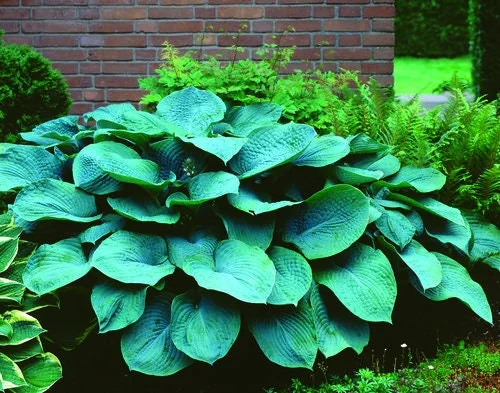
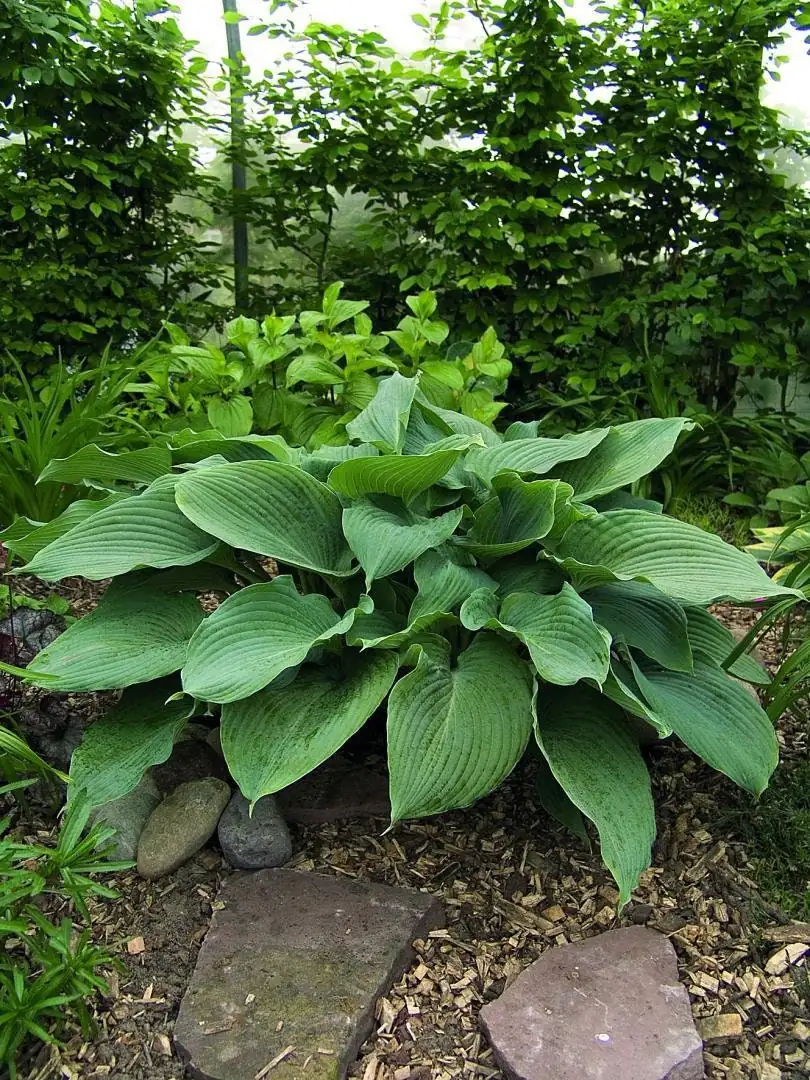
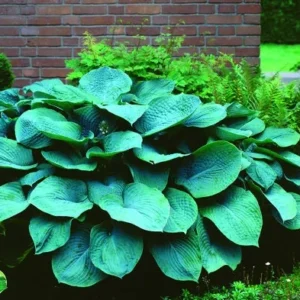
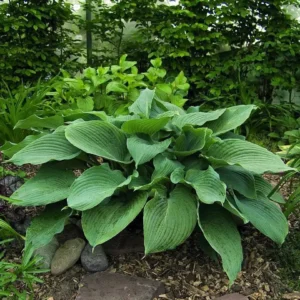
Introduce stunning blue-green foliage to your shaded garden with Hosta Big Blue Mixed bare roots. These shade loving hosta plants are robust, low-maintenance perennials, perfect for creating lush, vibrant displays year after year in USDA Zones 3-9.
-
USDA Hardiness Zone
3-9 -
Soil Type
Rich, well-draining, slightly acidic soil (pH 6.0-7.0) -
Sunlight Exposure
Partial shade to full shade -
Expected Planting Period
Mid to late spring

You can track your order HERE
Apr 12
Apr 17 - Apr 19
Apr 22 - Apr 26
Shipping and return policies: Our Alive & Thrive Guarantee covers issues with your plants within the first 30 days. Reach out to us. Our team will answer your questions and help you find the plants that are truly suitable for your environment, climate, and personal preferences.

Overview
Introduce a touch of serene blue to your shaded garden spaces with our exquisite Hosta Big Blue Mixed bare roots. This collection features a curated selection of larger hosta varieties, renowned for their impressive size, striking blue-green leaves, and robust growth. These shade loving hosta plants are an ideal choice for gardeners seeking to create lush, low-maintenance landscapes under trees, along pathways, or in shaded borders. Shipped as ready-to-grow bare roots, these hostas establish quickly, promising a vibrant display from summer through fall. Our mix guarantees at least three distinct types, ensuring a diverse and visually appealing arrangement that will transform any dim corner into a focal point. Experience the enduring beauty and easy care that makes hostas a garden favorite.
The Hosta Big Blue Mixed bare roots are celebrated not just for their aesthetic appeal but also for their resilience. These plants are known to withstand various conditions once established, making them a reliable choice for both novice and experienced gardeners. Their ability to thrive in dappled light makes them invaluable for areas where other plants struggle. With minimal effort, you can enjoy a continuous show of rich foliage that adds depth and character to your outdoor living areas. Plant these magnificent perennial hosta varieties and watch your garden come alive with varying shades of blue and green.
Key Benefits
Integrating these hostas into your garden design offers numerous advantages, making them a truly rewarding investment for any outdoor space. The Hosta Big Blue Mixed bare roots provide exceptional value and beauty, enhancing your garden for years to come.
- Stunning Foliage: Enjoy a spectacular display of large, textured blue-green leaves that bring a calming and sophisticated element to any shade garden. The mixed varieties ensure a dynamic visual impact, making your blue hosta garden truly stand out.
- Shade Loving: Perfectly suited for those challenging shaded areas where many other plants struggle. These hostas thrive in low light, illuminating dark corners with their vibrant presence. They are truly excellent shade loving hosta plants.
- Low Maintenance: Once established, these perennials require minimal care, making them an ideal choice for busy gardeners. They are drought-tolerant and generally resistant to pests, allowing you more time to enjoy your garden.
- Hardy & Resilient: Known for their hardiness across USDA Zones 3-9, these hostas are robust and can withstand a wide range of climatic conditions, ensuring long-term garden success.
- Versatile Landscaping: Ideal for mass plantings, borders, ground cover, or as accent plants. Their broad leaves provide excellent texture and contrast against other garden elements.
- Attracts Pollinators: While primarily grown for their foliage, hostas do produce delicate lavender or white flowers on tall stalks in summer, which can attract hummingbirds and other beneficial pollinators.
- Long-Lasting Beauty: These perennial hosta varieties return year after year, growing larger and more impressive with each season, providing enduring beauty without the need for annual replanting.
Plant Care & Growing Tips
Caring for your Hosta Big Blue Mixed bare roots is straightforward, ensuring a lush and thriving garden with minimal effort. These hardy plants are remarkably forgiving and will reward you with beautiful foliage season after season. Understanding their basic needs will help you maximize their growth and aesthetic appeal. For optimal growth, it’s essential to provide the right conditions from the start.
Hostas perform best in partial to full shade. While some varieties can tolerate a bit of morning sun, intense afternoon sun can scorch their leaves, especially the blue varieties, causing them to turn green or brown. Aim for at least 4-6 hours of indirect light or dappled shade. Water regularly, especially during dry spells and when the plants are establishing. Hostas prefer consistently moist, but not waterlogged, soil. They are drought-tolerant once established but will perform best with even moisture. The ideal soil for hostas is rich, well-draining, and slightly acidic (pH 6.0-7.0). Amend heavy clay soils with organic matter like compost to improve drainage and fertility. A light application of balanced granular fertilizer in early spring can boost growth. Ensure that the soil remains cool and moist, which can be achieved by applying a layer of organic mulch around the plants, keeping it away from the crowns to prevent rot. These perennial hosta varieties are quite adaptable to various soil conditions, but providing them with rich soil will yield the most impressive results. Follow these hosta care tips for vibrant growth.
Hostas are generally low-maintenance, but a few simple practices can ensure their continued health. Cut back spent flower spikes at their base after blooming to redirect energy into foliage growth. In the fall, cutting back the foliage helps eliminate cover for overwintering slugs and other pests, though this can also be done in early spring. Division is best done in spring when new leaves are unfurled, but hostas can be divided or transplanted successfully throughout the growing season with diligent follow-up watering. Keep an eye out for slugs and snails, which can be a common pest. Using organic slug baits or hand-picking can help manage them. By following these simple guidelines, your hostas will flourish, creating a vibrant and healthy blue hosta garden for years to come.
Size & Details
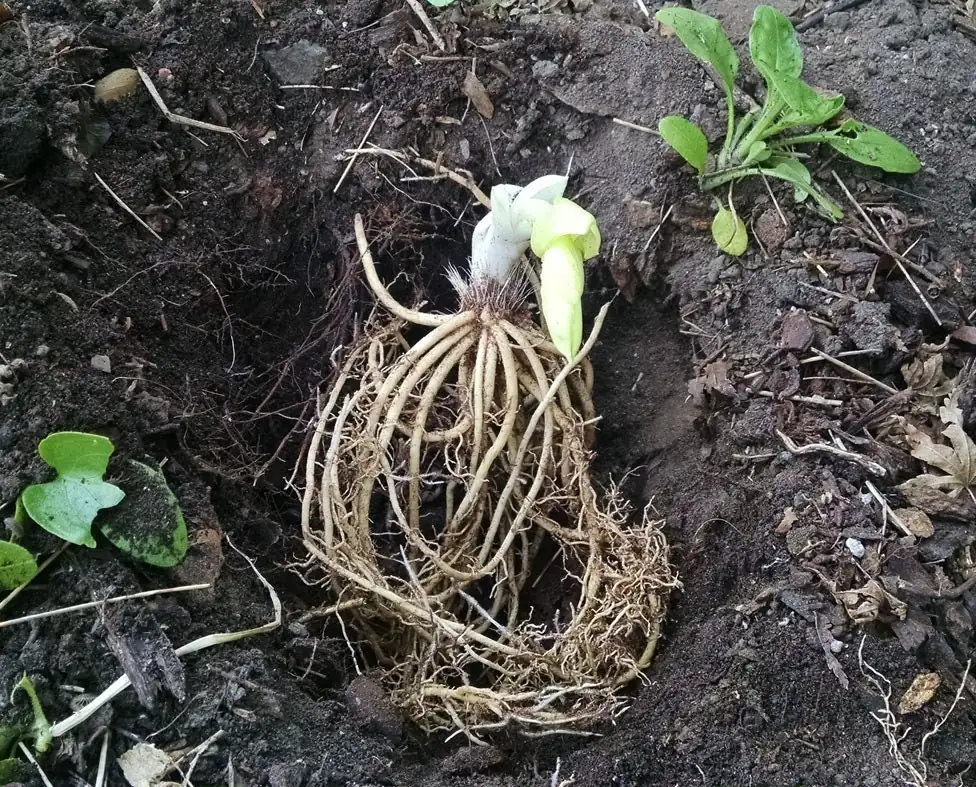
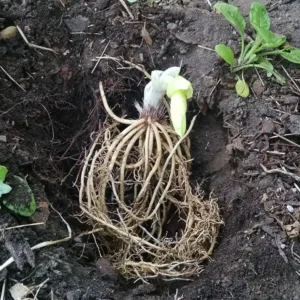
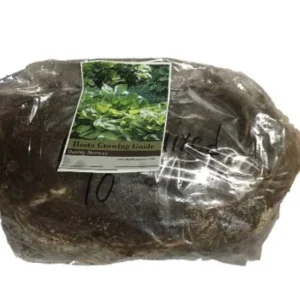
Our Hosta Big Blue Mixed bare roots are shipped as dormant, ready-to-plant specimens, ensuring a strong start in your garden. Each bare root is carefully selected to guarantee a healthy and vigorous plant once established. These hostas are known for their impressive mature size, typically reaching about 18 inches in height and spreading between 32 to 36 inches wide, creating a substantial and impactful presence in the landscape. The exact size will vary slightly depending on the specific varieties included in your mix, but all are chosen for their robust growth and large foliage.
These plants are hardy perennials, reliably returning year after year in USDA Zones 3 through 9. They bloom from summer through fall, producing delicate flower spikes that add an extra layer of interest. The bare root form allows for easy planting and quick establishment, as the plant’s energy is focused on root development and new growth. Expect to see significant foliage development within the first growing season, with the plants reaching their full majestic size in 2-3 years. The mix will include at least three distinct types, providing variety in texture and slight variations in blue hues, enhancing the overall appeal of your shade loving hosta plants.
Frequently Asked Questions
- Q: How big do these hosta plants get? A: These Hosta Big Blue Mixed bare roots are chosen for their larger size. They typically grow to about 18 inches tall and can spread between 32 to 36 inches wide, creating a significant presence in your garden.
- Q: Are these hostas suitable for full sun? A: While hostas are generally shade loving hosta plants, these blue varieties are best in partial to full shade. Intense afternoon sun can cause their distinctive blue color to fade or scorch the leaves.
- Q: Is this an indoor or outdoor plant? A: These are outdoor perennial plants. They are hardy in USDA Zones 3-9 and are designed to thrive in garden beds and shaded outdoor landscapes, contributing to a beautiful blue hosta garden.
- Q: How much sunlight do these hostas need? A: They prefer partial shade to full shade. This means they need protection from the harshest afternoon sun, ideally receiving morning sun or dappled light throughout the day.
- Q: Is this plant easy to care for? A: Yes, hostas are known for being low-maintenance. Once established, they are quite drought-tolerant and require minimal intervention, making them excellent perennial hosta varieties for beginners. Following basic hosta care tips will ensure their success.
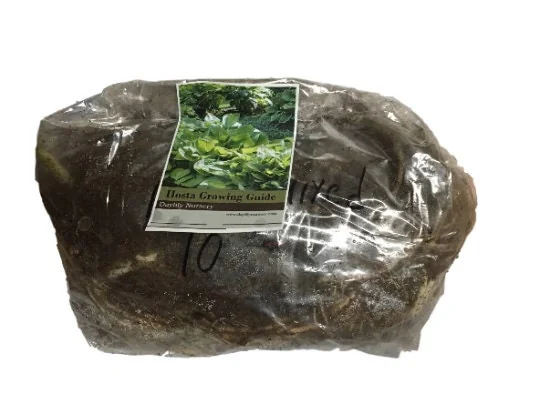
- Q: What condition will the hostas arrive in? A: Your hostas will arrive as healthy, dormant bare roots, ready for planting. This is a common and effective way to ship perennials, ensuring they establish well in your garden.
- Q: How long until these hostas bloom? A: Hostas are primarily grown for their foliage, but they will typically produce flower spikes from summer through fall in their first or second growing season, depending on planting time and conditions.
- Q: When is the best time to plant these hosta bare roots? A: The optimal time for planting bare roots is in mid to late spring, after the danger of hard frost has passed. This allows them the longest possible growing season to establish.
- Q: Will these hostas survive winter in my zone? A: Yes, these Hosta Big Blue Mixed bare roots are hardy in USDA Zones 3-9, meaning they are well-equipped to survive winter in most temperate climates and return reliably each spring.
- Q: What type of soil is best for a blue hosta garden? A: Hostas thrive in rich, well-draining soil that is slightly acidic. Amending your soil with compost or other organic matter will provide the best environment for these plants.
| Amount | 10, 6 |
|---|
Be the first to review “Hosta Big Blue Mixed Bare Roots – Perennial Shade Loving Plants, USDA Zones 3-9”
People Also Viewed
Sold 84 products
Original price was: $32.18.$16.09Current price is: $16.09.
Vegetable Seeds
Sold 54 products
Original price was: $31.99.$11.99Current price is: $11.99.
Sold 85 products
Original price was: $47.58.$23.79Current price is: $23.79.
Sold 89 products
Original price was: $97.98.$48.99Current price is: $48.99.
Sold 74 products
Original price was: $117.98.$58.99Current price is: $58.99.
Sold 69 products
Original price was: $47.58.$23.79Current price is: $23.79.
Sold 69 products
Original price was: $47.58.$23.79Current price is: $23.79.
Sold 72 products
Original price was: $93.78.$46.89Current price is: $46.89.
Sold 79 products
From $14.98
Sold 53 products
Original price was: $67.98.$33.99Current price is: $33.99.
Sold 61 products
Original price was: $147.16.$73.58Current price is: $73.58.
Sold 71 products
Original price was: $51.18.$25.59Current price is: $25.59.
Sold 71 products
Original price was: $31.99.$11.99Current price is: $11.99.
Sold 66 products
From $79.40
Sold 67 products
Original price was: $49.98.$24.99Current price is: $24.99.
Sold 95 products
Original price was: $175.96.$87.98Current price is: $87.98.
Sold 60 products
Original price was: $28.76.$14.38Current price is: $14.38.




%20–%20Set%20of%202,%204-6″%20Tall%20–%20Edible%20Fruit%20Tree&url=https://gardennursery.net/product/barbados-cherry-live-plant-malpighia-emarginata-set-of-2-4-6-tall-edible-fruit-tree/&media=https://img.gardennursery.net/2026/03/barbados-cherry-live-plant-malpighia-emarginata-se-8a89f0b2.webp)


Reviews
There are no reviews yet.