
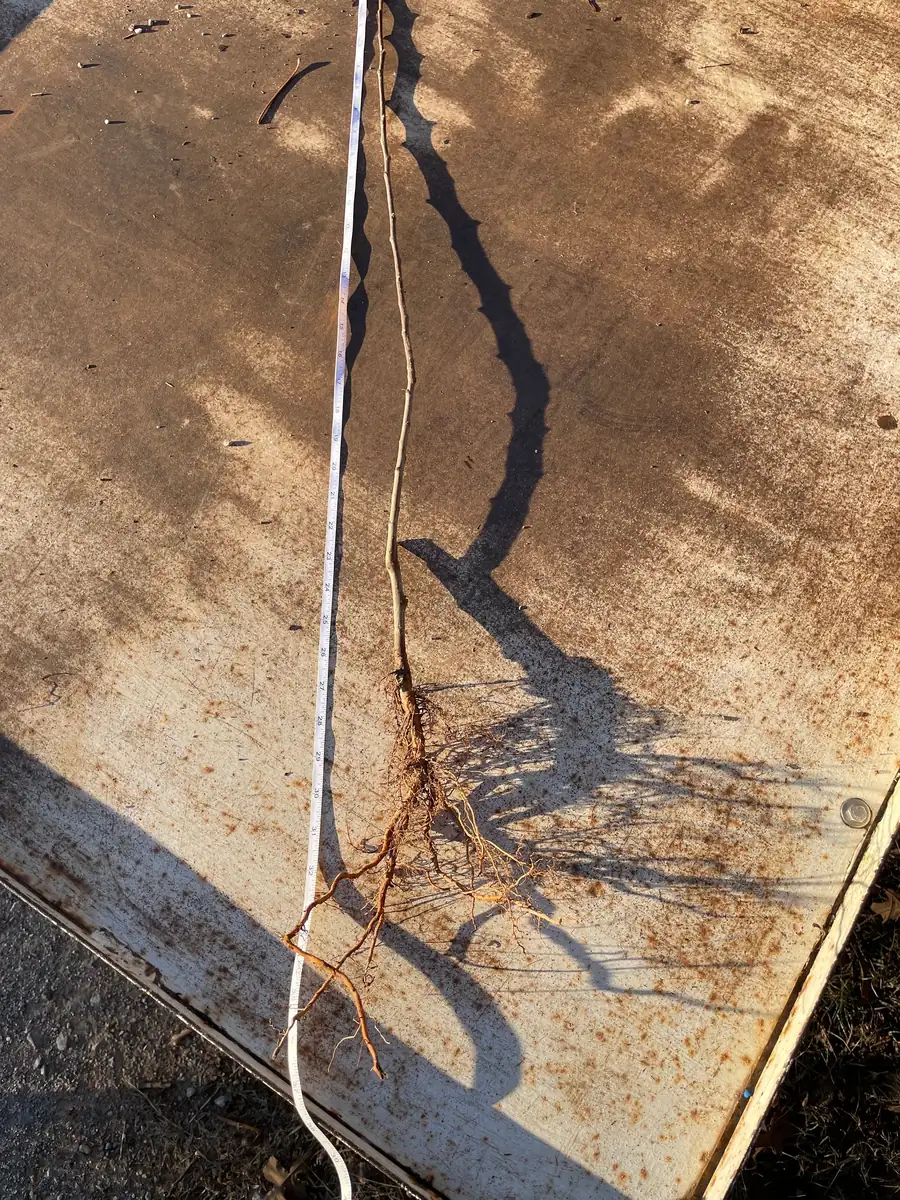
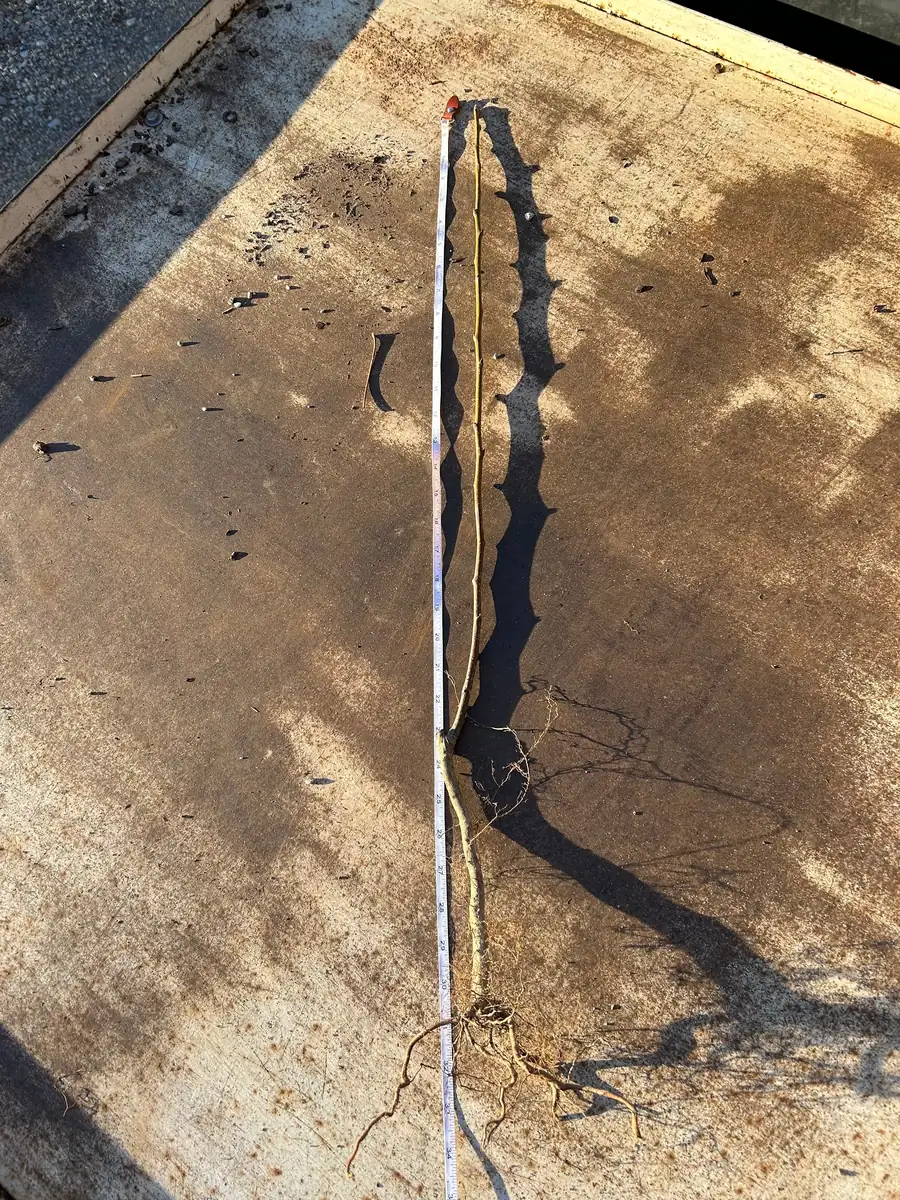
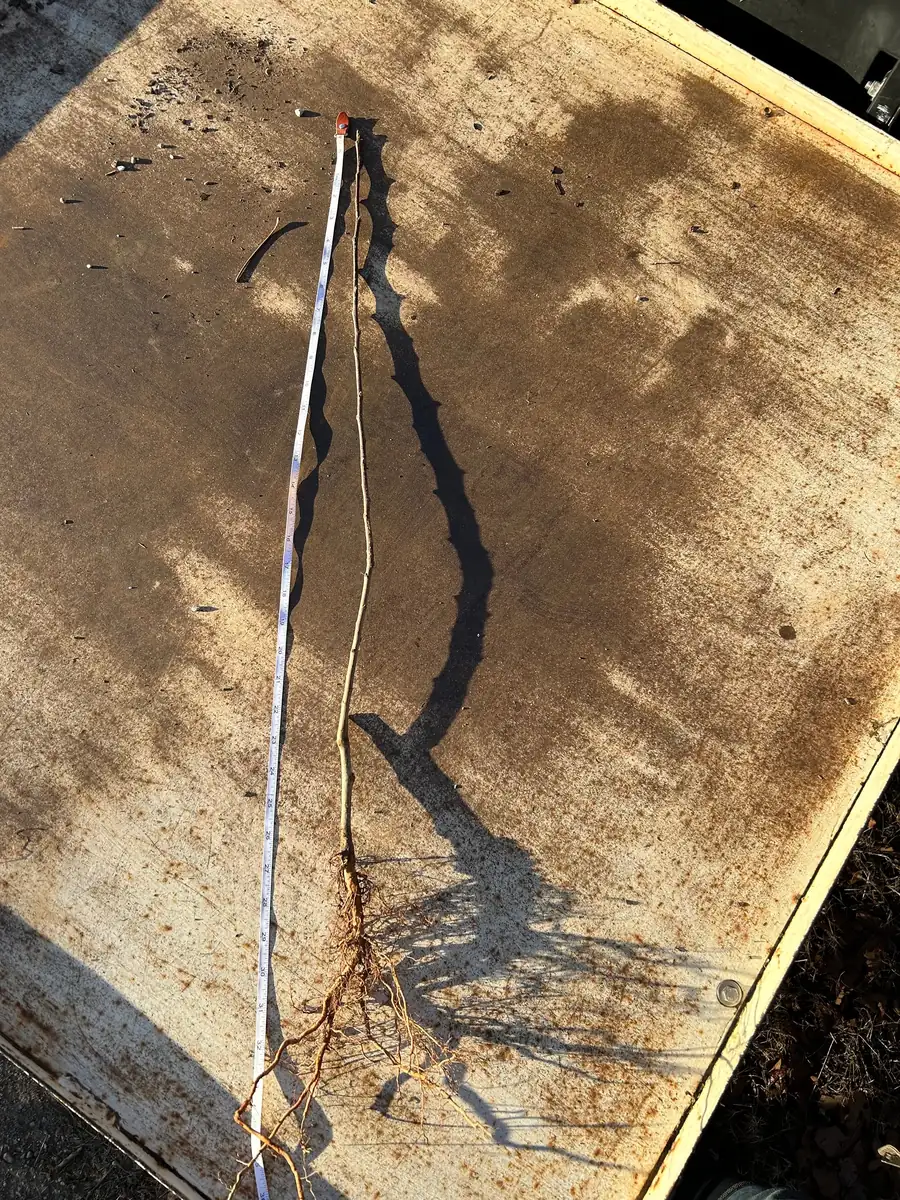
Honeycrisp Apple Tree Bareroot – 2-3 ft Tall Live Fruit Tree Outdoor USDA 3-8
From $147.80
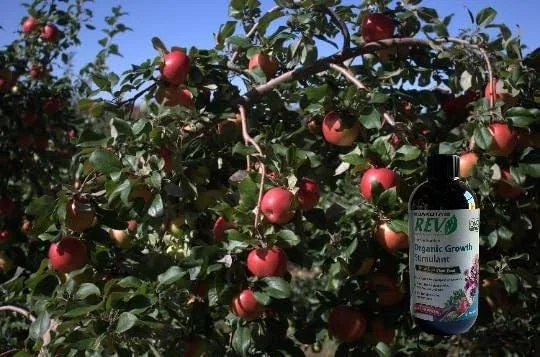
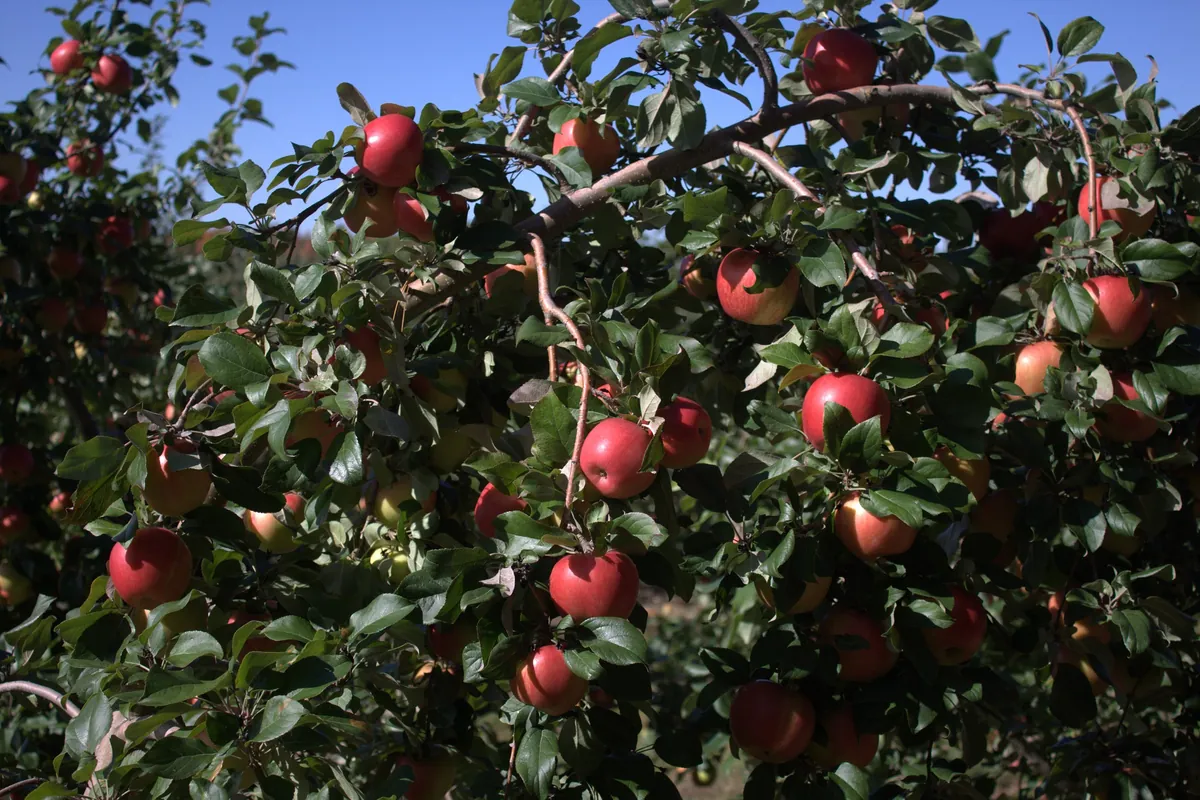
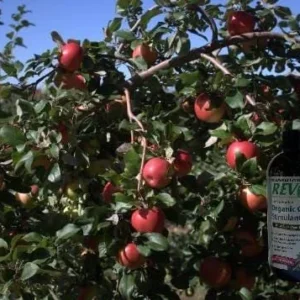
Introduce a beloved American favorite to your garden with a Honeycrisp apple tree. This bareroot apple tree, typically 2-3 feet tall, is celebrated for its explosively juicy, crisp, and sweet fruit. A cold hardy fruit tree, it thrives in USDA Zones 3-8 and is perfect for home orchards. Enjoy fresh, delicious apples directly from your backyard.
-
USDA Hardiness Zone
USDA Zones 3-8 -
Soil Type
Loamy, well-drained soil -
Sunlight Exposure
Full sun (6-8 hours direct light) -
Expected Planting Period
Early spring

You can track your order HERE
Apr 12
Apr 17 - Apr 19
Apr 22 - Apr 26
Shipping and return policies: Our Alive & Thrive Guarantee covers issues with your plants within the first 30 days. Reach out to us. Our team will answer your questions and help you find the plants that are truly suitable for your environment, climate, and personal preferences.

Overview
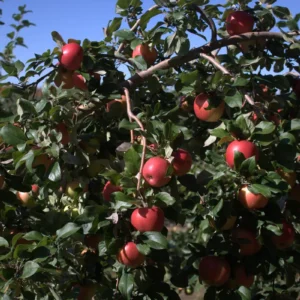
Introduce a beloved American favorite to your garden with a Honeycrisp apple tree. This offering is for a bareroot apple tree, typically measuring 2-3 feet tall, ready for planting and establishing strong roots. The Honeycrisp variety is celebrated for its outstanding fresh-eating qualities, producing fruit that is aromatic and sweet as honey, with an explosively juicy and crisp texture. Originating from Excelsior, Minnesota, in 1974, this fruit tree is known for its cold-hardiness, making it suitable for a wide range of growing zones. Growing your own Honeycrisp apple tree allows you to enjoy fresh, delicious apples directly from your backyard.
Honeycrisp apple trees ripen in early September, providing a delightful harvest. While naturally compact, making it suitable even for smaller spaces, it requires a pollinator. Choosing another apple variety to plant nearby will ensure successful cross-pollination and a bountiful yield. This cold hardy fruit tree is a fantastic investment for any home gardener looking to cultivate high-quality, flavorful apples. Learn the essentials of apple tree care to ensure a bountiful harvest.
Key Benefits
Adding a Honeycrisp apple tree to your landscape offers numerous advantages, from delicious fruit to aesthetic appeal, enhancing your home orchard with minimal effort if you understand apple tree care:
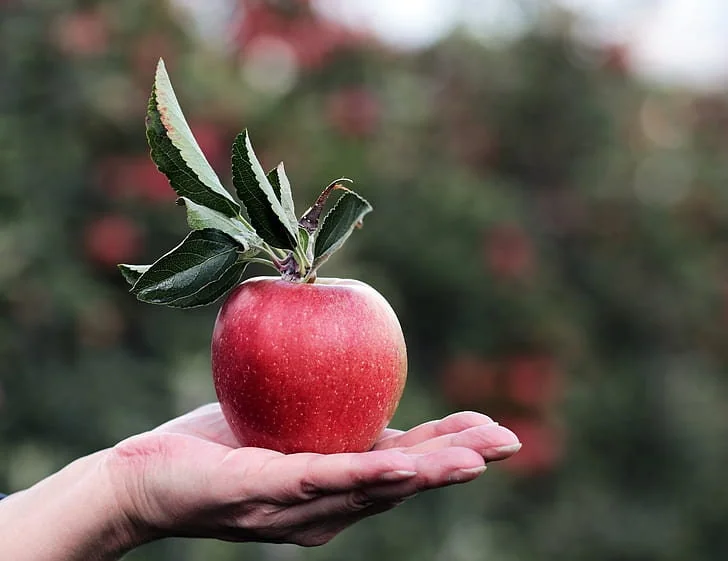
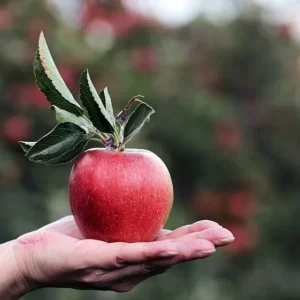
- Exceptional Fruit Quality: Enjoy large, red apples with a sweet, aromatic flavor and an unparalleled crisp, juicy texture, making them ideal for fresh eating. The unique texture is a hallmark of the Honeycrisp apple tree.
- Cold Hardy: This variety is highly resilient to cold temperatures, thriving in USDA Zones 3-8, which extends its growing potential across many regions. It’s truly a cold hardy fruit tree.
- Compact Growth Habit: The tree’s naturally compact size allows it to be grown even in smaller gardens or urban settings, maximizing space efficiency. This makes growing Honeycrisp apples accessible to more gardeners.
- Early Harvest: Apples ripen in early September, providing a fall harvest that can be enjoyed fresh or used in various culinary applications.
- Pollination Benefits: While requiring a pollinator, it encourages diversification of your orchard with other apple varieties, enhancing overall garden biodiversity and ensuring a good yield from your bareroot apple tree.
- Home Orchard Favorite: A highly sought-after variety that elevates the appeal and productivity of any home orchard, offering a rewarding gardening experience.
- Long-Term Yield: With proper care, a bareroot apple tree like the Honeycrisp will provide many years of delicious fruit, becoming a cherished part of your garden.
Plant Care & Growing Tips
Caring for your Honeycrisp apple tree is crucial for a successful harvest. These bareroot apple tree specimens thrive in full sun, requiring at least 6-8 hours of direct sunlight daily for optimal fruit production. Good air circulation is also important to prevent diseases. Plant in loamy, well-drained soil with a pH level between 6.0 and 7.0. While adaptable, avoiding heavy clay or sandy soils will yield better results. Regular watering is essential, especially during dry periods and the tree’s establishment phase. Aim for consistent moisture without waterlogging the roots.
This cold hardy fruit tree requires 800-1000 chill hours, making it well-suited for temperate climates. Pollination is vital; plant another apple variety within 100 feet for adequate cross-pollination. Popular choices include Gala, Fuji, or Granny Smith. Fertilize annually in early spring with a balanced fruit tree fertilizer. Pruning should be done in late winter to remove dead or diseased branches, improve air circulation, and shape the tree for better fruit production. Monitor for common apple tree pests and diseases, addressing issues promptly to ensure the health of your Honeycrisp apple tree. Learning proper apple tree care will lead to a thriving and productive tree, making the process of growing Honeycrisp apples a success.
Size & Details
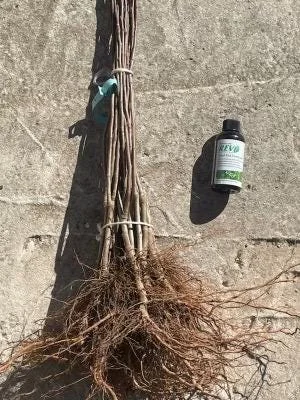
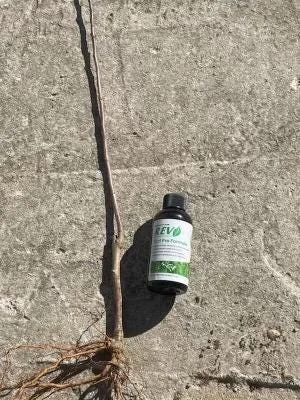
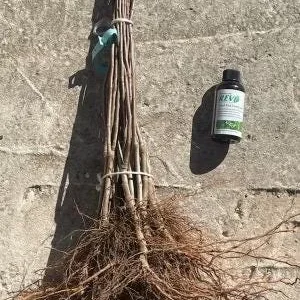
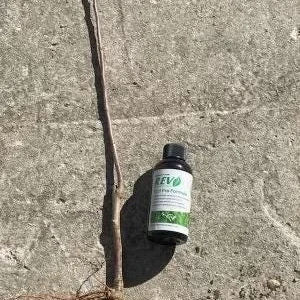
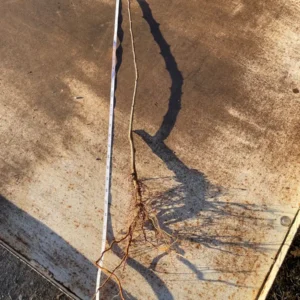
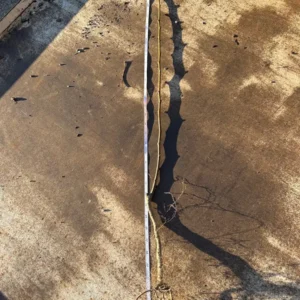
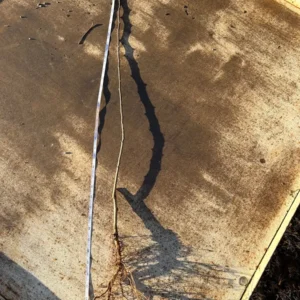
This offering is for a Honeycrisp apple tree provided as a bareroot specimen, typically ranging from 2-3 feet tall at the time of shipment. Bareroot apple tree stock is dormant and ships without soil around their roots, allowing for easier transport and planting. Upon arrival, it’s recommended to plant them as soon as possible. The tree will typically begin to bear fruit within 2-5 years after planting, with fruit size generally large and ripening in early September. The bloom color is white, appearing mid to late season. This variety is suitable for USDA Zone Range 3-8, requiring 800-1000 chill hours. The mature tree will develop a naturally compact stature, making it a manageable addition to most home gardens. Proper planting and initial apple tree care are essential for its establishment and future growth, leading to successful growing Honeycrisp apples.
Frequently Asked Questions
- Q: How big does this Honeycrisp apple tree get? A: A mature Honeycrisp apple tree typically grows to a manageable size, often around 10-15 feet tall and wide, especially with proper pruning. Its naturally compact habit makes it suitable for various garden sizes, allowing you to enjoy growing Honeycrisp apples even in smaller spaces.
- Q: Is this an indoor or outdoor plant? A: The Honeycrisp apple tree is an outdoor fruit tree. It requires a significant amount of sunlight and space to grow and produce fruit, and its cold-hardiness is meant for outdoor climates.
- Q: How much sunlight does it need? A: This tree thrives in full sun, meaning it needs at least 6-8 hours of direct, unfiltered sunlight per day to produce the best fruit.
- Q: Is this plant easy to care for? A: With proper initial planting and consistent apple tree care, including watering, fertilizing, and pruning, the Honeycrisp apple tree is relatively easy for gardeners with some experience. Beginners can succeed with good research and attention.
- Q: What condition will it arrive in? A: This is a bareroot apple tree, meaning it will arrive dormant, without soil around its roots. This is a standard and healthy way to ship deciduous fruit trees for planting.
- Q: How long until it blooms and bears fruit? A: The Honeycrisp apple tree typically blooms mid to late season and begins to bear fruit within 2-5 years after planting. Fruit ripens in early September.
- Q: Will it survive winter in my zone? A: Yes, the Honeycrisp is a cold hardy fruit tree, suitable for USDA Zones 3-8, meaning it can withstand significant winter cold in these regions. Ensure your local zone falls within this range for optimal survival.
- Q: Does the Honeycrisp apple tree need a pollinator? A: Yes, this variety requires another apple variety for cross-pollination to ensure adequate fruit set. Plant a different apple tree within 100 feet for the best results to ensure successful growing Honeycrisp apples.
- Q: What type of soil is best for this tree? A: Loamy, well-drained soil with a pH between 6.0 and 7.0 is ideal for growing a healthy Honeycrisp apple tree. Avoid poorly draining soils.
- Q: What are the benefits of a bareroot apple tree? A: Bareroot apple tree stock often establishes faster and can be more cost-effective. They are also easier to transport and plant during their dormant season, leading to strong root development.
| Amount | 1, 2, 3 |
|---|
Be the first to review “Honeycrisp Apple Tree Bareroot – 2-3 ft Tall Live Fruit Tree Outdoor USDA 3-8”
People Also Viewed
Sold 65 products
Original price was: $30.00.$24.00Current price is: $24.00.
HousePlants
Lithops Live Plants Mix – 10 Large Colorful Living Stones Succulents for Indoor/Outdoor Growing
Sold 80 products
Original price was: $27.98.$13.99Current price is: $13.99.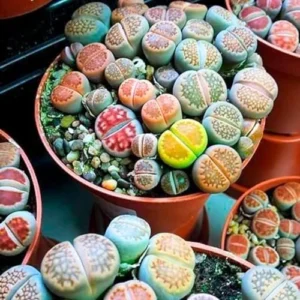
HousePlants
Lithops Live Plants Mix – 30 Colorful Succulents – Living Stones for Indoor/Outdoor Planting
Sold 73 products
Original price was: $65.98.$32.99Current price is: $32.99.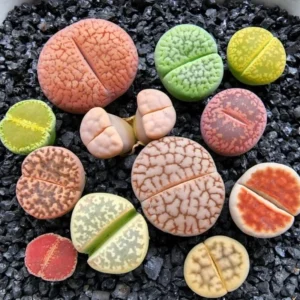
Sold 93 products
Original price was: $39.98.$19.99Current price is: $19.99.
Sold 98 products
Original price was: $44.98.$22.49Current price is: $22.49.
HousePlants
Angel Wing Begonia Maculata Live Plant – 2 Pack, 5-9″ Tall, Indoor/Outdoor Polka Dot Begonia
Sold 64 products
$54.98
Sold 98 products
Original price was: $49.98.$24.99Current price is: $24.99.
Sold 61 products
Original price was: $48.00.$38.40Current price is: $38.40.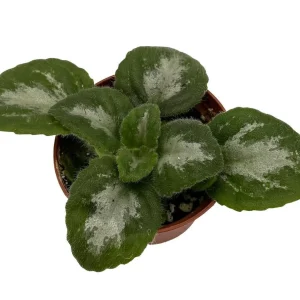
HousePlants
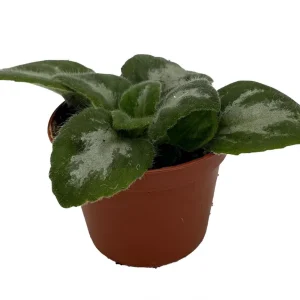
Primulina Asian Violet Live Plant – 2.5 inch Pot – Indoor Houseplant for Bright Indirect Light
Sold 53 products
Original price was: $38.36.$19.18Current price is: $19.18.
Sold 50 products
Original price was: $355.96.$177.98Current price is: $177.98.
Sold 85 products
Original price was: $9.16.$4.58Current price is: $4.58.
Sold 68 products
From $7.98
Sold 76 products
Original price was: $38.36.$19.18Current price is: $19.18.
Sold 77 products
Original price was: $47.98.$23.99Current price is: $23.99.
Sold 75 products
From $51.80
Sold 91 products
From $49.28
Sold 93 products
Original price was: $89.98.$44.99Current price is: $44.99.





Reviews
There are no reviews yet.