
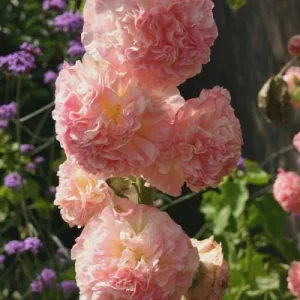
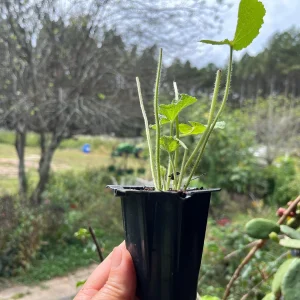


Hollyhock Live Plant – Tall Alcea Rosea Flower in 2.25″ Pot – Outdoor Garden
Original price was: $35.96.$17.98Current price is: $17.98.
Transform your garden with a beautiful hollyhock live plant (Alcea rosea). This vibrant flower adds timeless cottage garden charm with its tall, dramatic spikes, perfect for borders and attracting pollinators.
- Ships in a 2.25″ nursery pot
- Thrives in full sun, USDA zones 3-9
- Attracts butterflies, bees, and hummingbirds
-
USDA Hardiness Zone
USDA zones 3-9, possibly 10 -
Soil Type
Well-draining, moderately fertile soil -
Sunlight Exposure
Full sun -
Expected Planting Period
Fall or spring

You can track your order HERE
Mar 01
Mar 06 - Mar 08
Mar 11 - Mar 15
Shipping and return policies: Our Alive & Thrive Guarantee covers issues with your plants within the first 30 days. Reach out to us. Our team will answer your questions and help you find the plants that are truly suitable for your environment, climate, and personal preferences.

Overview
Introduce classic beauty to your outdoor space with a hollyhock live plant. These stunning Alcea rosea specimens are celebrated for their impressive height and dramatic flower spikes, bringing a touch of old-fashioned charm to any garden. As biennials or short-lived perennials, hollyhocks create a striking presence, often reaching 5 to 7 feet tall. They are a favorite for creating vibrant backdrops, enhancing pollinator gardens, and adding vertical interest, evoking a sense of nostalgic beauty. Each hollyhock live plant is grown with care and shipped in its own nursery pot, ready for easy transplanting into your garden or a larger container. Revel in the joy of cultivating these magnificent flowers that promise to be a focal point in your landscape.
The unique allure of hollyhocks extends beyond their visual appeal; they are also gaining popularity as cut flowers, despite needing a bit of experimentation for optimal vase life. Their robust nature and ability to thrive in various conditions make them a rewarding addition for gardeners of all skill levels. Whether you’re aiming to create a charming cottage garden, attract beneficial insects, or simply enjoy beautiful blooms, a hollyhock live plant is an excellent choice. These plants are known for their resilience and ability to self-sow, ensuring continuous enjoyment for seasons to come.
Key Benefits
A hollyhock live plant offers numerous advantages, making it an exceptional choice for gardeners seeking both beauty and ecological value. Their impressive stature and vibrant blooms contribute significantly to garden aesthetics and biodiversity.
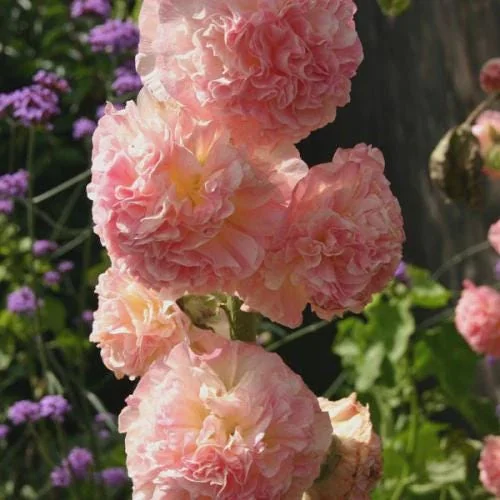
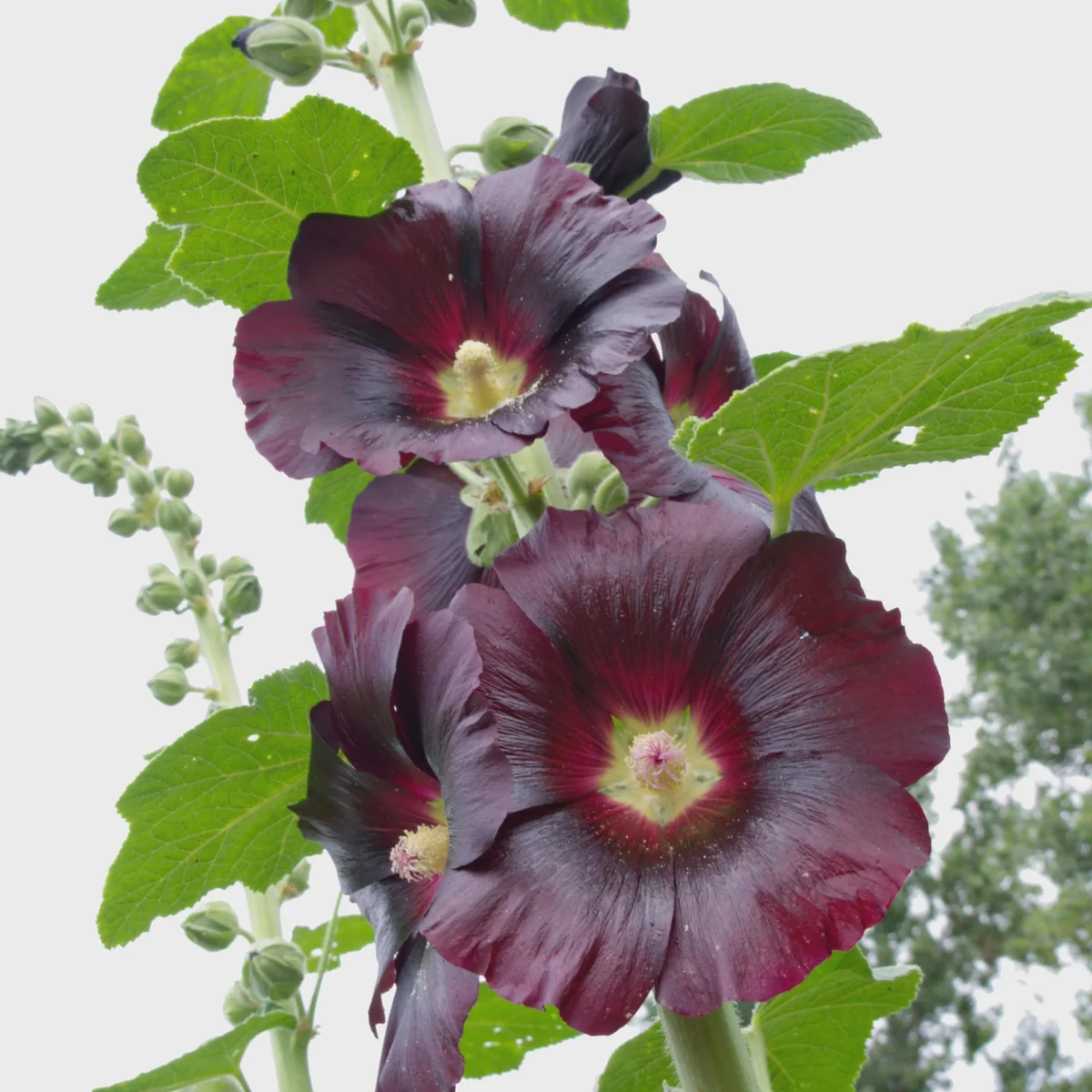
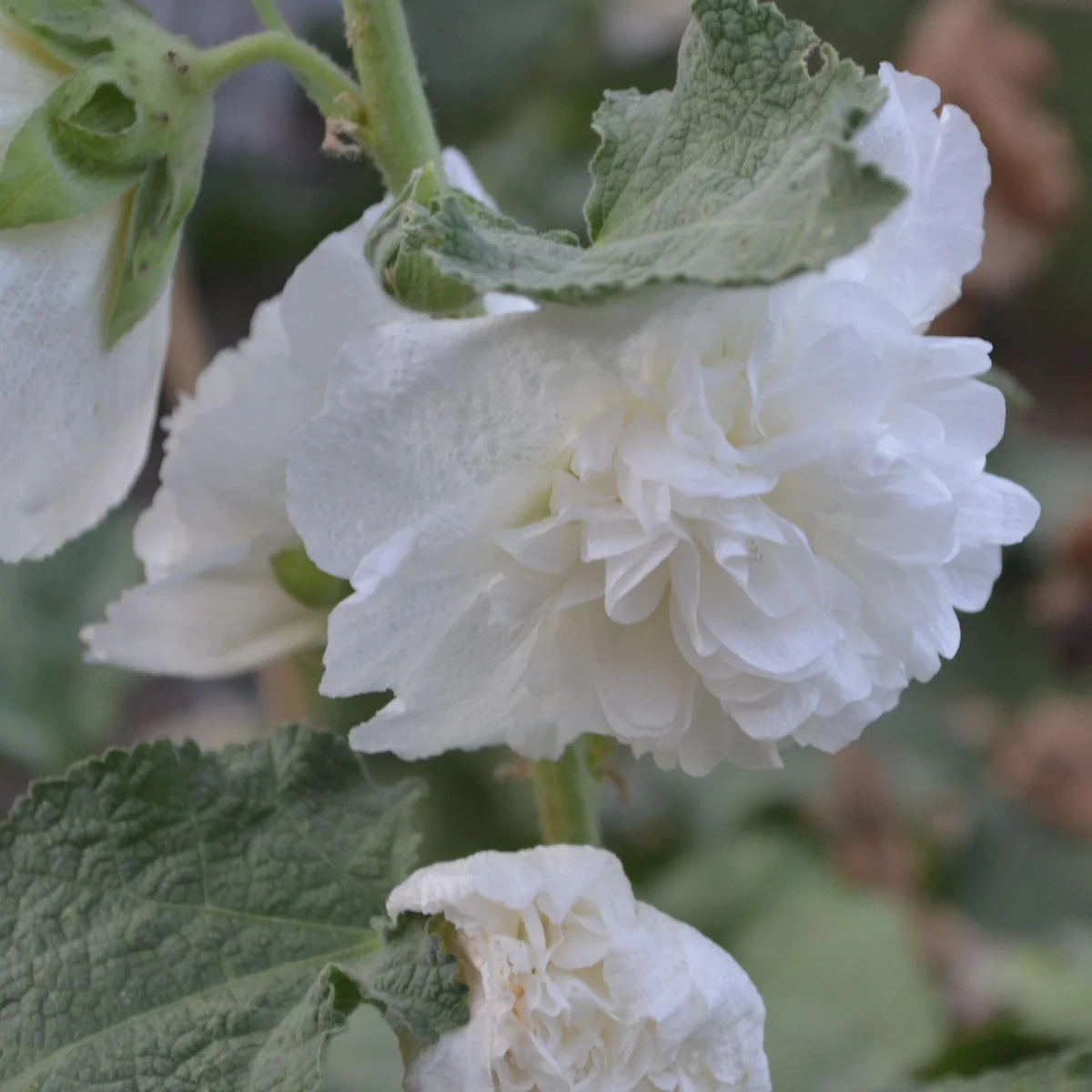
- Stunning Visual Impact: Grow tall, dramatic flower spikes that reach up to 7 feet, providing a striking presence and vertical interest in garden borders, against fences, or as privacy screens. The vibrant blossoms come in a choice of black, white, and peach colors, adding a diverse palette to your landscape.
- Attracts Pollinators: The showy flowers are a magnet for essential garden visitors, including butterflies, bees, and hummingbirds, contributing to a healthy and thriving ecosystem. This makes them ideal for any pollinator friendly plants initiative.
- Easy to Cultivate: Hollyhocks are relatively low-maintenance, thriving in full sun and well-drained, moderately fertile soil. Once established, they exhibit good drought tolerance, reducing the need for constant watering.
- Long Bloom Season: Enjoy a continuous display of beautiful flowers from early summer through fall, ensuring your garden remains colorful and lively for an extended period. This prolonged bloom makes them a valuable asset to any perennial bed.
- Heirloom Quality: Cultivated from non-GMO seeds, these classic varieties have been cherished by gardeners for generations, offering a connection to traditional garden aesthetics and reliable performance.
- Versatile Garden Use: Perfect for back-of-the-border plantings, creating natural privacy screens, or adding vertical accents. They are also suitable for cut flower arrangements, bringing their unique beauty indoors.
- Adaptable to Various Climates: Hardy in USDA zones 3-9, and potentially 10, these plants are suitable for a wide range of climates across the US, though success in hot, humid southern regions may vary. Understanding Alcea rosea care is key to success.
Plant Care & Growing Tips
Caring for your hollyhock live plant is straightforward, ensuring a dazzling display of blooms with proper attention. These plants thrive in conditions that mimic their natural habitat, preferring ample sunlight and well-drained soil. For optimal flowering, plant your hollyhock in a location that receives full sun, meaning at least 6-8 hours of direct sunlight per day. Good air circulation is also crucial to prevent common fungal issues like rust, especially in humid environments. Positioning them where they can benefit from morning sun and afternoon shade in hotter climates can be beneficial.
When it comes to soil, hollyhocks prefer well-draining garden soil that is moderately fertile. Amending your soil with compost before planting will provide essential nutrients and improve drainage, giving your hollyhock live plant a strong start. While established plants are somewhat drought-tolerant, consistent moisture is vital during their active growing and blooming periods. Water deeply when the top inch of soil feels dry to the touch, but avoid overwatering, which can lead to root rot. For best growth, allow 18-24 inches between plants to ensure adequate air circulation and space for their extensive root systems. Most hollyhocks will bloom in their second year, so fall planting is often recommended to yield flowers the following season, allowing the plant to establish a robust root system.
Regular fertilization is not always necessary, especially if your soil is already rich. However, if your soil is poor, a balanced, slow-release granular fertilizer applied in spring can encourage vigorous growth. Staking may be required for taller plants, particularly in windy areas, to prevent them from toppling over. While hollyhocks can self-sow, the offspring may not always be true to the parent plant’s characteristics. Though technically biennials, they can perennialize under ideal conditions, but don’t expect annual returns without some self-seeding or replanting. Harvesting cut flowers when the bottom blooms are open and the top spike is still in bud can even encourage a second flush of blooms, extending the season for these magnificent tall garden flowers. This attention to Alcea rosea care will ensure a thriving plant.
Size & Details
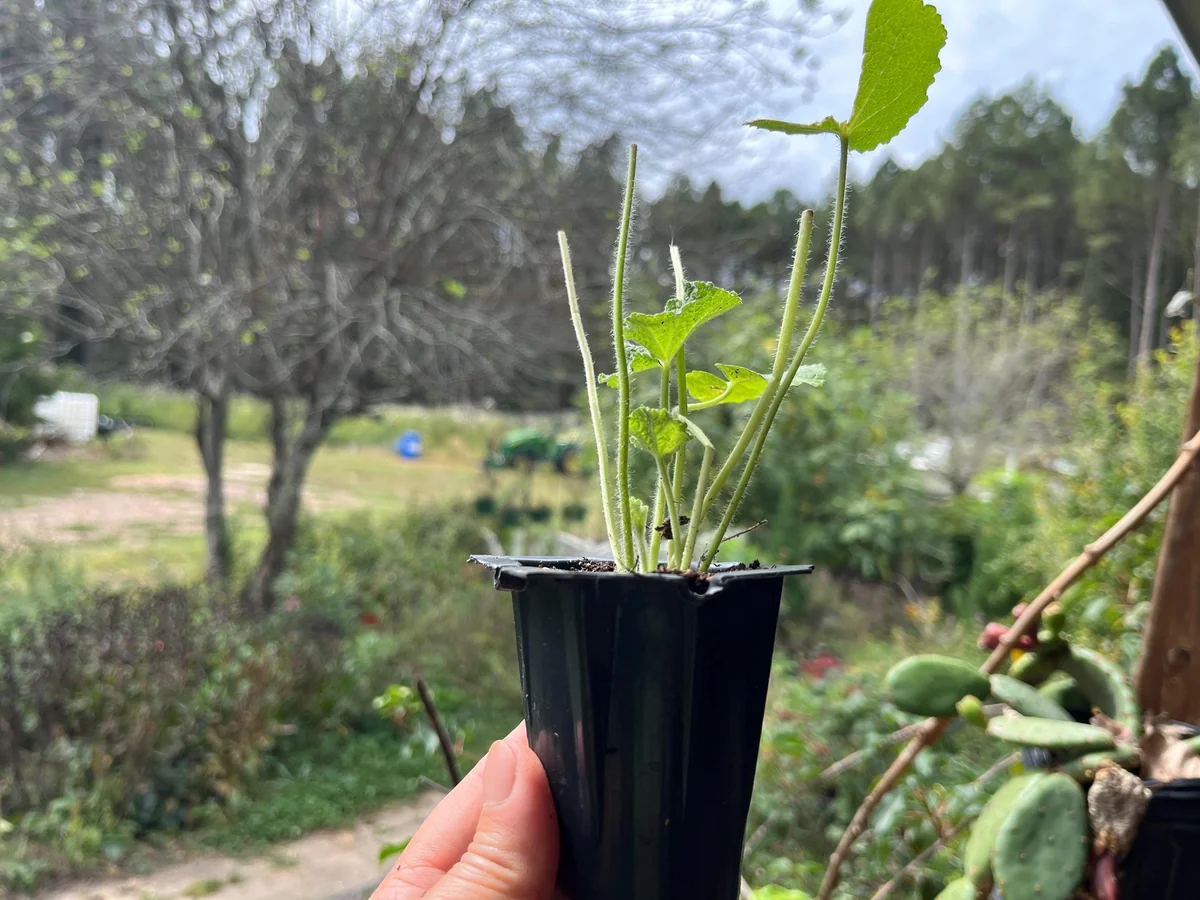
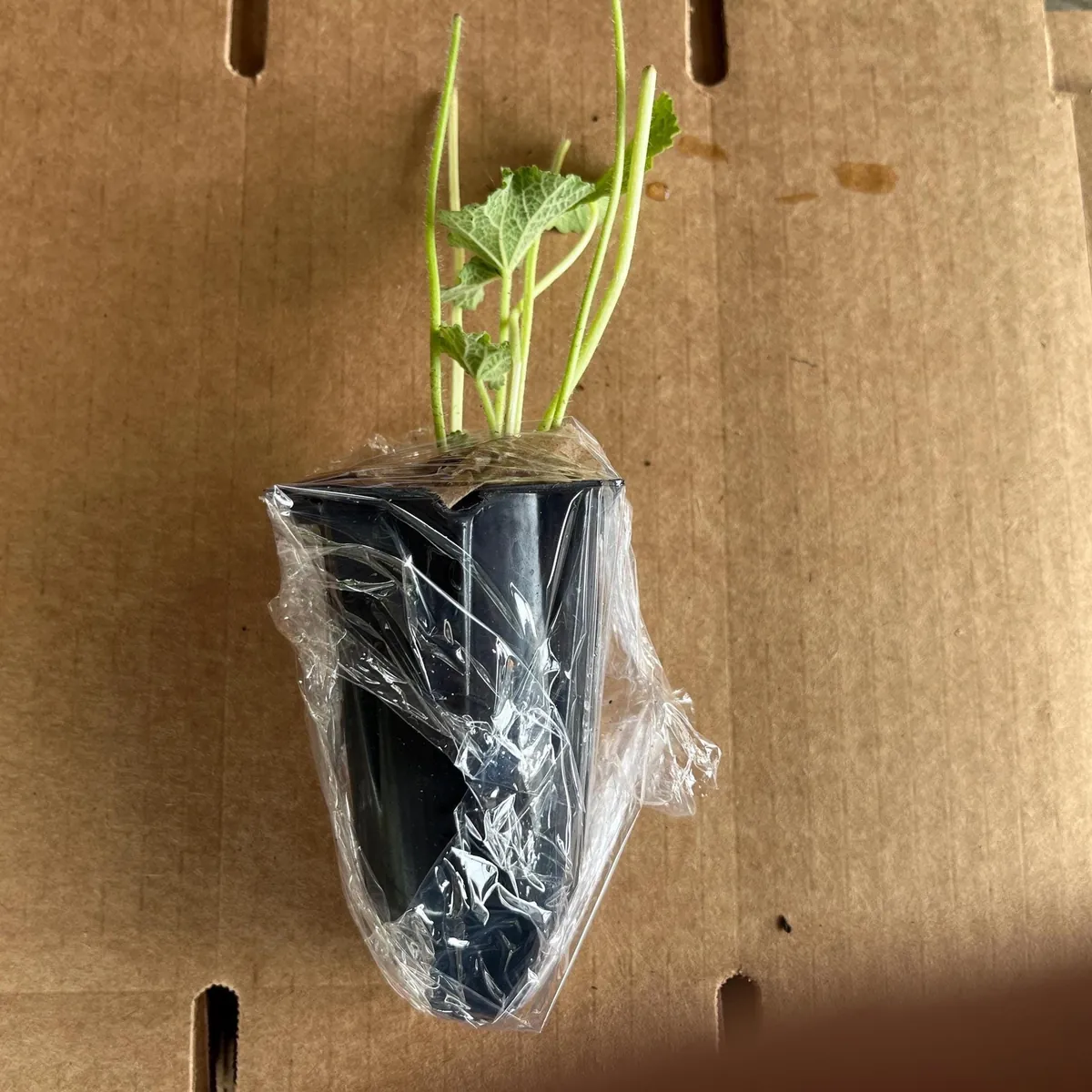
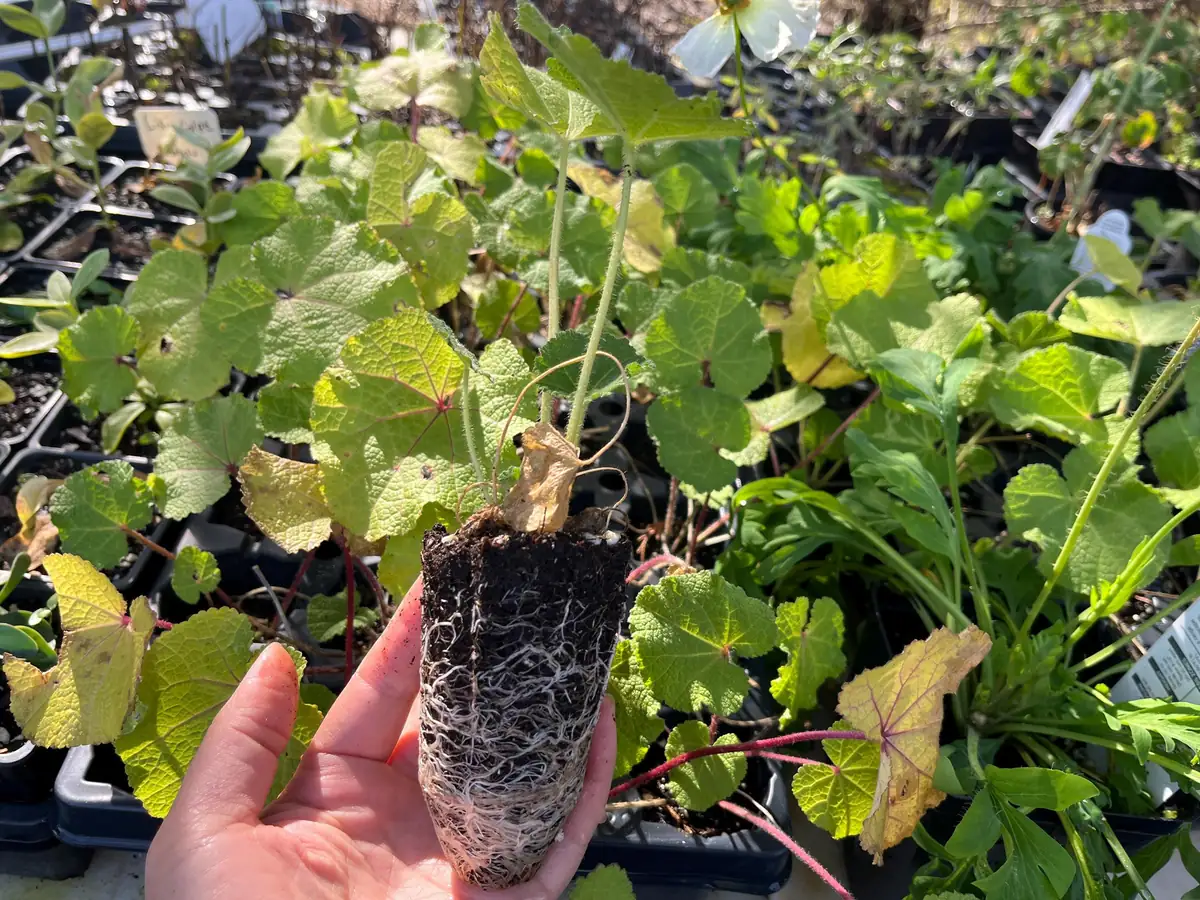
Each hollyhock live plant is carefully nurtured and shipped in a small plug-size 2.25-inch nursery container, ready for immediate transplanting upon arrival. The size of individual plants may vary slightly, as they are naturally grown organisms, but all are guaranteed to be healthy and robust with a strong root system. These plants are designed to grow into impressive specimens, typically reaching heights of 5 to 7 feet, with a spread of 1 to 2 feet, creating a significant presence in your garden. While you will receive a young seedling, the potential for stately growth is immense, making them excellent cottage garden plants. Expect blooms from early summer through fall, with most varieties flowering in their second year after planting.
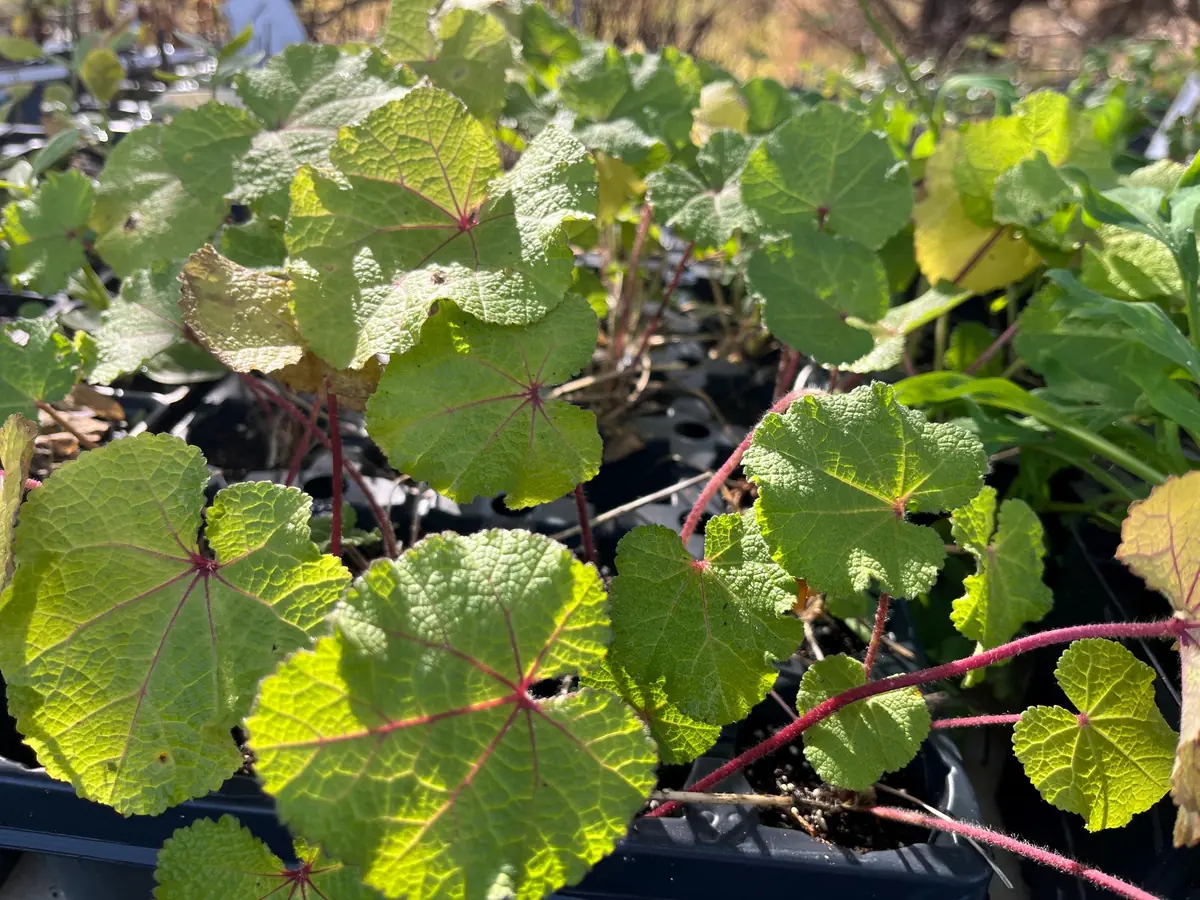
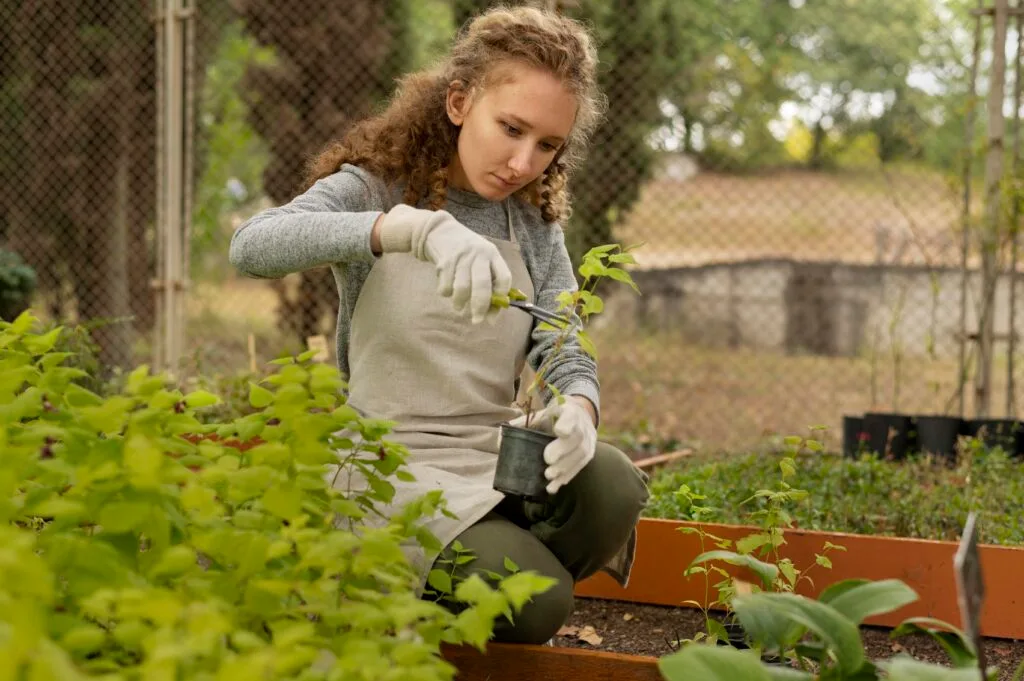
The plant will arrive in a form suitable for transplanting directly into a larger pot or your garden bed. It is important to note that the images displayed may show mature or blooming plants, which are illustrative of the plant’s potential. You will receive a healthy young plant, not necessarily one already in bloom. The focus is on providing a vigorous plant ready to establish and thrive in your care. These are non-GMO plants, carrying the heirloom quality that gardeners appreciate. Prepare for a magnificent display as your hollyhock matures, providing vertical interest and an abundance of flowers for pollinators and admirers alike. These plants are a cornerstone for creating beautiful, pollinator friendly plants landscapes.
Frequently Asked Questions
- Q: How big does this hollyhock live plant get? A: Hollyhocks are known for their impressive height, typically growing between 5 to 7 feet tall with a spread of 1 to 2 feet. Their tall, dramatic flower spikes make them excellent for adding vertical interest to your garden.
- Q: What size pot does the hollyhock plant come in? A: Each hollyhock live plant is shipped in a small plug-size 2.25-inch nursery container. This size is ideal for safe transport and allows for easy transplanting into your garden or a larger pot upon arrival.
- Q: Is this an indoor or outdoor plant? How much sunlight does it need? A: Hollyhocks are primarily outdoor plants, thriving in full sun. They require at least 6-8 hours of direct sunlight daily to produce the most abundant and vibrant blooms. They are not typically grown indoors.
- Q: Is this plant easy to care for? Is it good for beginners? A: Yes, hollyhocks are considered relatively easy to grow and are suitable for beginners. They require well-drained soil, full sun, and consistent watering during establishment. Understanding basic Alcea rosea care will ensure success.
- Q: What condition will the hollyhock live plant arrive in? A: Your plant will arrive healthy and ready to thrive, securely packaged in its nursery pot. While slight variations in size and some foliage yellowing can occur during transit, new growth will emerge as the plant recovers.
- Q: How long until it blooms? When is the best time to plant? A: Most hollyhocks are biennials and will typically bloom in their second year after planting. Fall planting allows the plant to establish its root system over winter, yielding flowers the following summer.
- Q: Will it survive winter in my zone? What’s the minimum temperature? A: Hollyhocks are hardy in USDA zones 3-9, and possibly zone 10, making them resilient to a wide range of winter temperatures. They are well-suited for most US climates, though success in very hot, humid southern regions can vary.
- Q: Are hollyhocks good for attracting pollinators? A: Absolutely! These tall garden flowers with their vibrant blooms are incredibly attractive to butterflies, bees, and hummingbirds, making them a fantastic addition to any pollinator-friendly garden.
- Q: Can I use hollyhocks as cut flowers? A: Yes, hollyhocks can be used as cut flowers. For the best vase life, harvest when the bottom flowers are open and the rest of the spike is still in bud. Some experimentation with hydration techniques may be needed.
- Q: What are these cottage garden plants best used for in the landscape? A: Hollyhocks are perfect for back-of-the-border plantings, creating privacy screens, adding vertical interest, and enhancing the classic charm of cottage gardens. They also look stunning against rustic backdrops like old barns.
| Primary color | Black, Peaches N Dreams, White |
|---|
Be the first to review “Hollyhock Live Plant – Tall Alcea Rosea Flower in 2.25″ Pot – Outdoor Garden”
People Also Viewed
Sold 62 products
Original price was: $107.98.$53.99Current price is: $53.99.
Sold 54 products
Original price was: $43.20.$21.60Current price is: $21.60.
Sold 58 products
Original price was: $24.35.$7.74Current price is: $7.74.
Sold 76 products
Original price was: $100.00.$80.00Current price is: $80.00.
Sold 69 products
Original price was: $43.20.$21.60Current price is: $21.60.
Sold 98 products
$54.98
Sold 89 products
$43.98
Sold 63 products
Original price was: $200.00.$160.00Current price is: $160.00.
Sold 88 products
Original price was: $39.98.$19.99Current price is: $19.99.
Sold 72 products
From $197.96
Sold 95 products
Original price was: $91.98.$45.99Current price is: $45.99.
Sold 72 products
$43.98
Sold 69 products
Original price was: $79.98.$39.99Current price is: $39.99.
Sold 63 products
Original price was: $33.98.$16.99Current price is: $16.99.
Sold 74 products
$48.38
Sold 60 products
Original price was: $79.96.$39.98Current price is: $39.98.
Sold 97 products
Original price was: $64.80.$32.40Current price is: $32.40.
Sold 79 products
$87.98


Reviews
There are no reviews yet.