
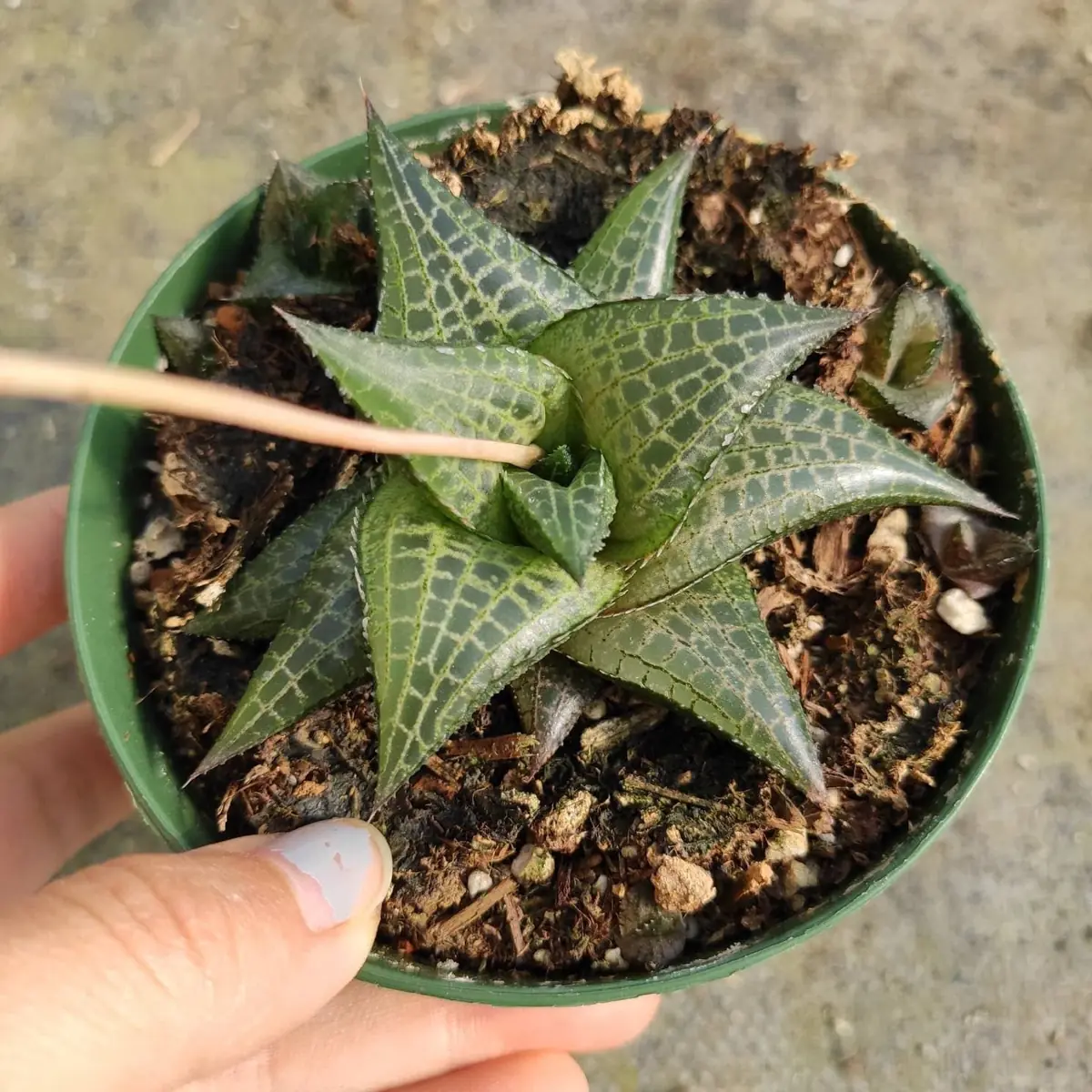
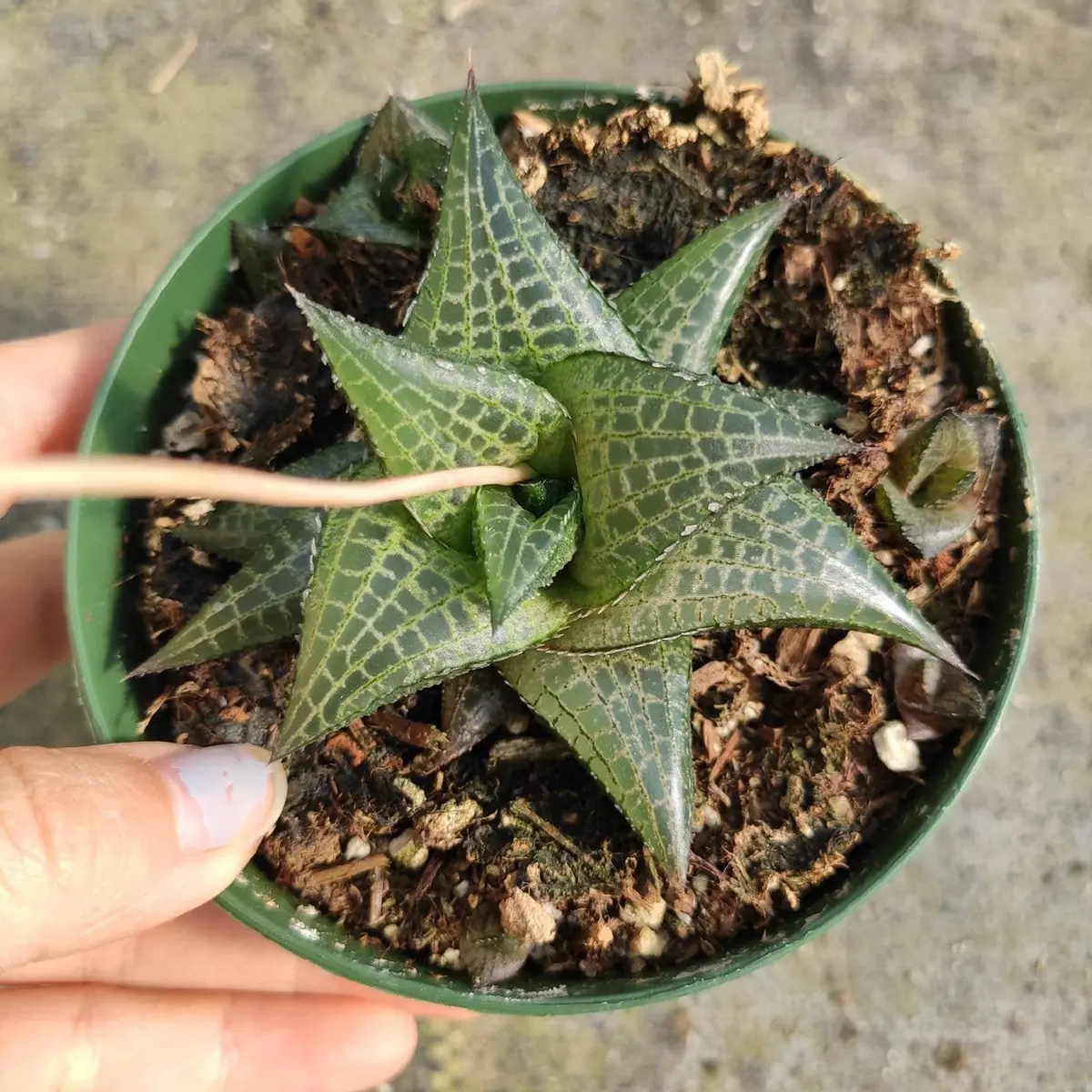
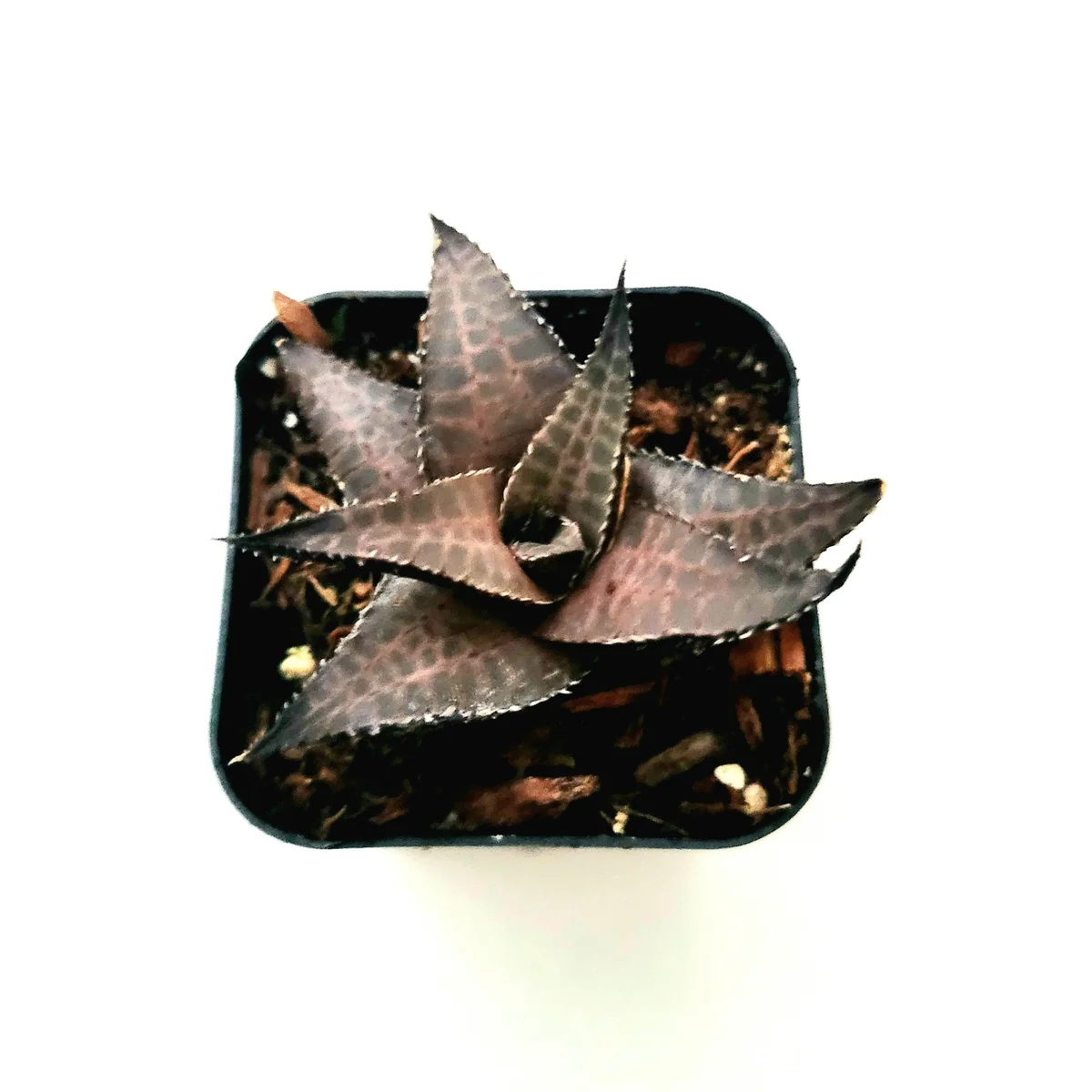
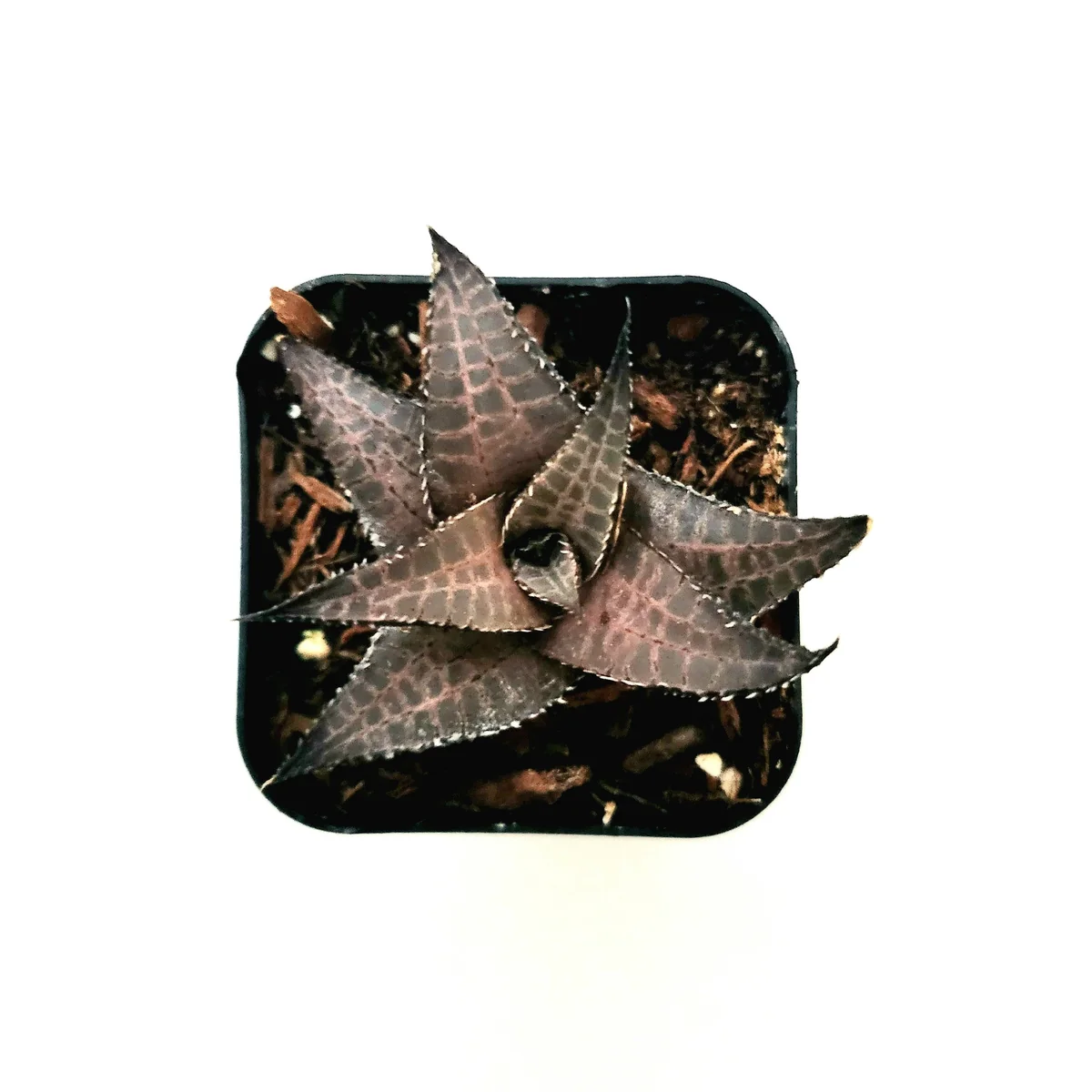
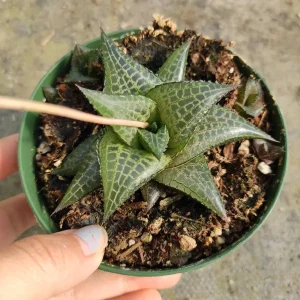
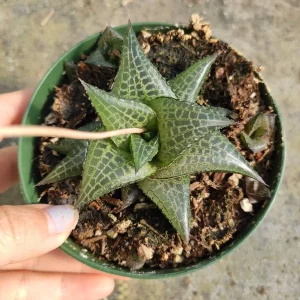
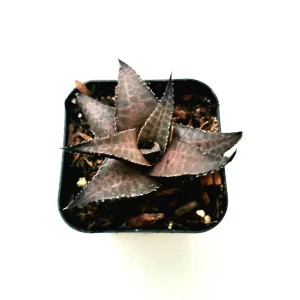
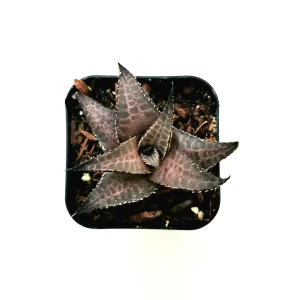
Haworthia venosa subsp. tessellata Veined Haworthia Succulent Live Plant – Easy Care
Original price was: $68.24.$34.12Current price is: $34.12.
Bring home a beautiful Haworthia venosa subsp. tessellata, also known as Veined Haworthia succulent. This easy care succulent is perfect for beginners and thrives indoors. Its unique tessellated leaves add a touch of natural elegance to any space.
-
USDA Hardiness Zone
USDA zones 9-11 (outdoors), suitable for all zones indoors -
Soil Type
Well-draining succulent or cactus mix -
Sunlight Exposure
Bright indirect light -
Expected Planting Period
Year-round indoors

You can track your order HERE
Mar 01
Mar 06 - Mar 08
Mar 11 - Mar 15
Shipping and return policies: Our Alive & Thrive Guarantee covers issues with your plants within the first 30 days. Reach out to us. Our team will answer your questions and help you find the plants that are truly suitable for your environment, climate, and personal preferences.

Overview
Introducing the captivating Haworthia venosa subsp. tessellata, a fascinating live succulent plant that brings a touch of South African and Namibian desert beauty into your home. Often referred to as the Veined Haworthia succulent due to its intricate leaf patterns, this small, slow-growing succulent is a true gem for plant enthusiasts of all levels. Belonging to the Asphodelaceae family, it showcases rosettes with leaves that can range in color from vibrant green to earthy brown, creating a striking visual appeal. With its compact size, typically reaching up to 4 inches in diameter, this Haworthia tessellata plant is an ideal choice for windowsills, desks, or terrariums. Its resilience and minimal care requirements make it an excellent easy care succulent, especially for those just beginning their journey into plant parenthood. Occasionally, small flowers may emerge during the summer months, adding another layer of charm to this already delightful indoor succulent.
Key Benefits
The Haworthia venosa subsp. tessellata offers a multitude of benefits that make it a highly desirable addition to any plant collection. Its unique aesthetics and hardy nature contribute to a rewarding ownership experience. This Veined Haworthia succulent is not only visually appealing but also incredibly forgiving, ensuring success even for novice gardeners.
- Stunning Aesthetic Appeal: The intricate, tessellated patterns on its leaves provide a unique and captivating texture, making the Haworthia venosa subsp. tessellata a standout decorative element. Its compact rosette form and varying green to brown hues offer visual interest without requiring much space.
- Exceptional Ease of Care: Renowned as an easy care succulent, this plant is perfect for those new to gardening or anyone seeking a low-maintenance companion. It tolerates infrequent watering and doesn’t demand constant attention, thriving on neglect rather than fuss.
- Adaptable to Indoor Environments: As a robust indoor succulent plant, the Haworthia tessellata adapts well to typical household conditions. It doesn’t require intense light, making it suitable for various indoor placements where other succulents might struggle.
- Drought-Tolerant Nature: Like most succulents, the Haworthia venosa subsp. tessellata stores water in its thick leaves, allowing it to withstand periods of drought. This makes it an ideal choice for busy individuals or those who travel frequently, reducing the worry of maintaining consistent watering schedules.
- Small and Space-Saving: With rosettes typically growing up to 4 inches in diameter, this Haworthia tessellata plant is perfect for small apartments, office desks, or as part of a succulent arrangement. Its diminutive size allows for versatile placement options.
- Year-Round Greenery: Providing consistent greenery throughout the year, the Veined Haworthia succulent offers continuous natural beauty. While it may produce small flowers in summer, its primary appeal lies in its evergreen foliage.
Plant Care & Growing Tips
Caring for your Haworthia venosa subsp. tessellata is straightforward, making it an excellent choice for anyone looking to enjoy the beauty of succulents without extensive effort. Understanding its basic needs will ensure your easy care succulent thrives and continues to display its unique charm. This indoor succulent plant is quite tolerant, but a few key practices will help it reach its full potential.
When it comes to light, Haworthia tessellata plant varieties prefer bright, indirect light. While they can tolerate some direct morning sun, prolonged exposure to intense afternoon sun can scorch their leaves. An east-facing window is often ideal, providing gentle morning light. For watering, the golden rule is to allow the soil to dry out completely between waterings. Overwatering is the most common cause of succulent demise, leading to root rot. During winter, reduce watering significantly as the plant enters a period of dormancy. The ideal soil for your Veined Haworthia succulent should be well-draining. A cactus or succulent potting mix, often amended with pumice, perlite, or coarse sand, provides the perfect environment to prevent waterlogging. Good drainage is crucial for the health of your Haworthia venosa subsp. tessellata.
Temperature-wise, these succulents prefer temperatures between 24-32°C (75-90°F) but are quite adaptable to average household temperatures. They are not frost-tolerant, so if you live in an area with cold winters, ensure your indoor succulent plant is protected. Repotting is best done in spring or early summer, typically every 2-3 years or when the plant outgrows its current container. Choose a pot that is only slightly larger than the root ball. Fertilization is generally not heavily required; a diluted succulent fertilizer can be applied once or twice during the active growing season (spring/summer). Keep an eye out for common pests like mealybugs, which can be treated with rubbing alcohol on a cotton swab. With these simple care tips, your Haworthia venosa subsp. tessellata will flourish.
Size & Details
The Haworthia venosa subsp. tessellata is a compact and charming succulent, making it suitable for various display options. Its rosettes typically reach a diameter of up to 4 inches, maintaining a neat and tidy appearance. This slow-growing nature means it won’t quickly outgrow its space, making it a long-term companion. Plants are shipped in various forms depending on size; smaller 2-inch plants are typically shipped with their pot and soil, while larger 4-inch and above plants are often shipped bare root. When shipped bare root, they are carefully prepared to ensure their health upon arrival, requiring prompt potting in appropriate succulent soil upon receipt. You will receive a healthy plant very similar to those pictured, though natural variations in shape and color are to be expected as each live plant is unique. The Haworthia tessellata plant is perfect for adding natural texture to any collection.
Frequently Asked Questions
- Q: How big does this plant get? A: The Haworthia venosa subsp. tessellata typically forms rosettes that can grow up to 4 inches in diameter. It is a slow-growing succulent, making it ideal for small spaces.
- Q: Is this an indoor or outdoor plant? A: This Veined Haworthia succulent is primarily grown as an indoor plant in most climates due to its sensitivity to cold. It can be moved outdoors in warm, frost-free weather, but should be protected from harsh direct sun.
- Q: How much sunlight does it need? A: The Haworthia venosa subsp. tessellata thrives in bright, indirect light. Avoid prolonged exposure to intense direct sunlight, which can scorch its leaves. An east-facing window is often perfect.
- Q: Is this plant easy to care for? A: Yes, it is considered an easy care succulent, making it an excellent choice for beginners. Its low watering requirements and tolerance for varying indoor conditions contribute to its beginner-friendly nature.
- Q: What condition will it arrive in? A: Plants are shipped with care. Smaller sizes typically come potted with soil, while larger plants are often shipped bare root to ensure their health during transit. You will receive a healthy, viable indoor succulent plant.
- Q: How often should I water my Haworthia? A: Water only when the soil is completely dry to the touch. This typically means once every 2-4 weeks, depending on environmental conditions. Reduce watering significantly in winter.
- Q: What type of soil is best for this Haworthia tessellata plant? A: A well-draining soil mix is crucial. Use a specialized cactus or succulent potting mix, or amend regular potting soil with perlite, pumice, or coarse sand to improve drainage.
- Q: Can this plant produce flowers? A: Yes, the Haworthia venosa subsp. tessellata can produce small, subtle flowers during the summer months, adding an extra dimension to its appearance.
- Q: Is this Haworthia venosa subsp. tessellata pet-safe? A: Haworthias are generally considered non-toxic to pets, making them a safer choice for households with curious animals. However, it’s always best to discourage pets from chewing on plants.
- Q: When is the best time to repot my Haworthia? A: Repotting is generally recommended in the spring or early summer, when the plant is actively growing. Repot every 2-3 years, or when the plant clearly outgrows its container.
| Size | 2 Inch, 4 Inch |
|---|
Be the first to review “Haworthia venosa subsp. tessellata Veined Haworthia Succulent Live Plant – Easy Care”
People Also Viewed
Sold 94 products
Original price was: $47.98.$23.99Current price is: $23.99.
Sold 83 products
From $67.80
Sold 60 products
Original price was: $39.16.$19.58Current price is: $19.58.
Sold 84 products
Original price was: $1,470.00.$735.00Current price is: $735.00.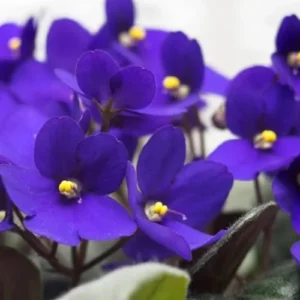
Flower Plants
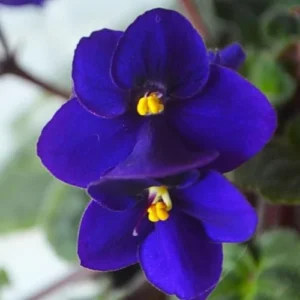
African Violet Live Plant Houseplant – Dark Blue Flower, 4 Inch Pot – Indoor Ready to Grow
Sold 99 products
Original price was: $75.98.$37.99Current price is: $37.99.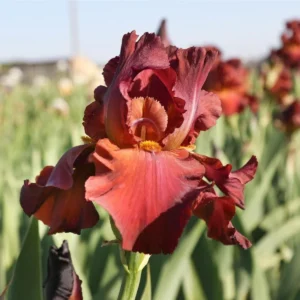
Flower Plants
Red Reblooming Bearded Iris Live Plant – ‘My Friend Jonathan’ – 3.5 inch Pot – Outdoor
Sold 53 products
From $47.80
Sold 68 products
Original price was: $355.96.$177.98Current price is: $177.98.
Sold 73 products
Original price was: $540.00.$270.00Current price is: $270.00.
Sold 97 products
Original price was: $540.00.$270.00Current price is: $270.00.
Sold 99 products
Original price was: $61.56.$30.78Current price is: $30.78.
Sold 96 products
Original price was: $125.96.$62.98Current price is: $62.98.
Sold 68 products
From $20.98

Sold 68 products
Original price was: $45.56.$22.78Current price is: $22.78.
Sold 56 products
Original price was: $66.00.$52.80Current price is: $52.80.
Sold 67 products
Original price was: $135.80.$67.90Current price is: $67.90.
Sold 63 products
From $7.98
Sold 53 products
Original price was: $147.16.$73.58Current price is: $73.58.
Sold 86 products
Original price was: $11.56.$5.78Current price is: $5.78.


Reviews
There are no reviews yet.