
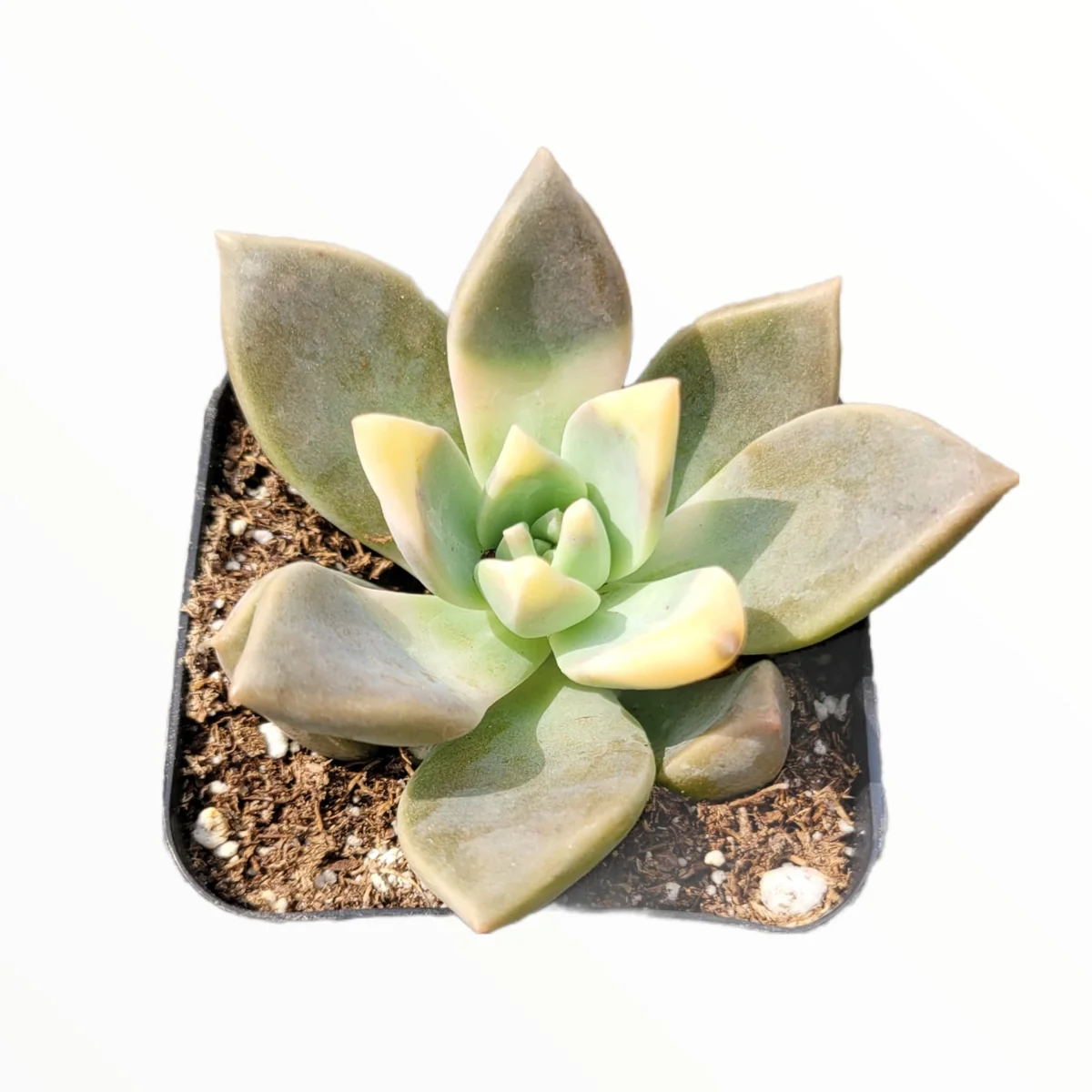
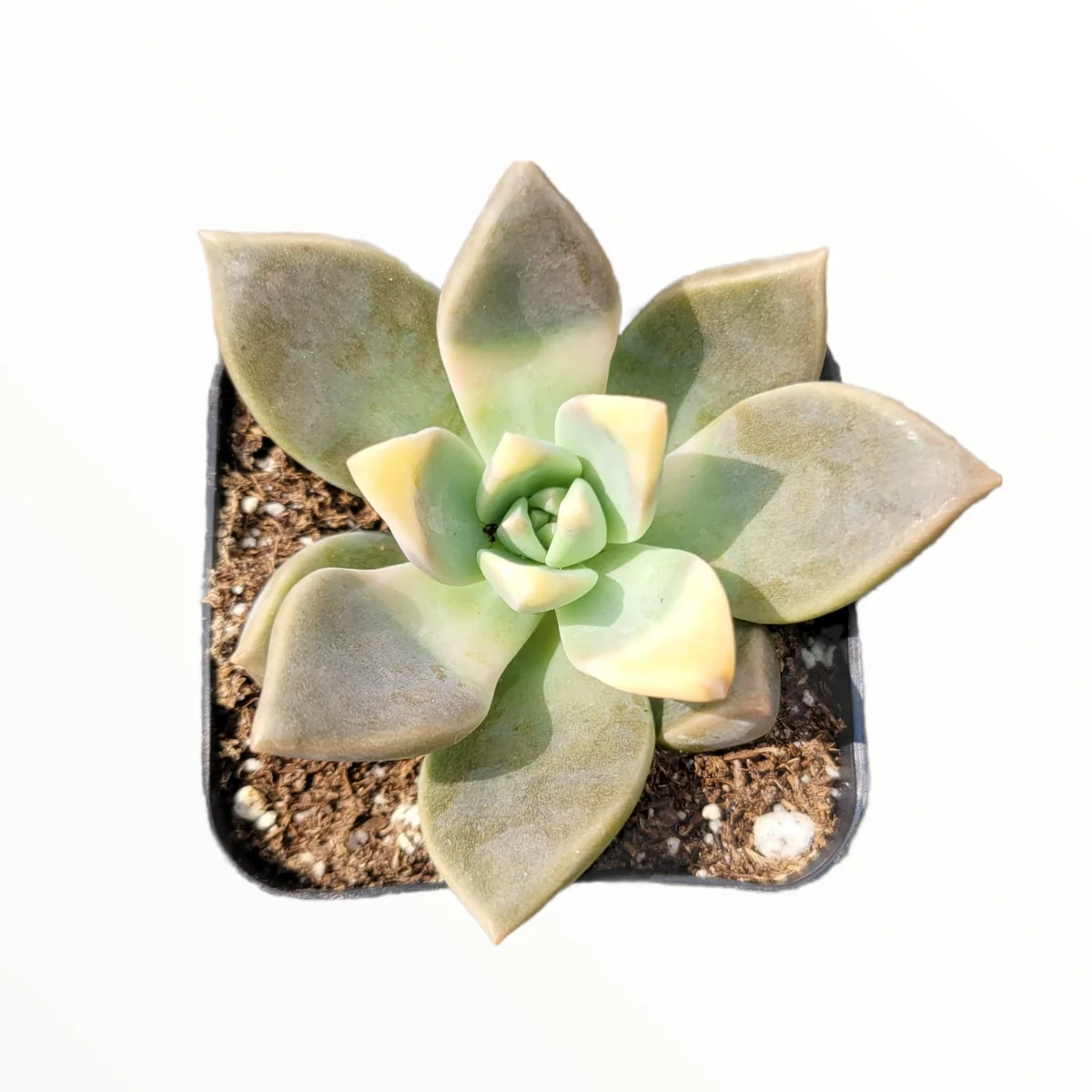
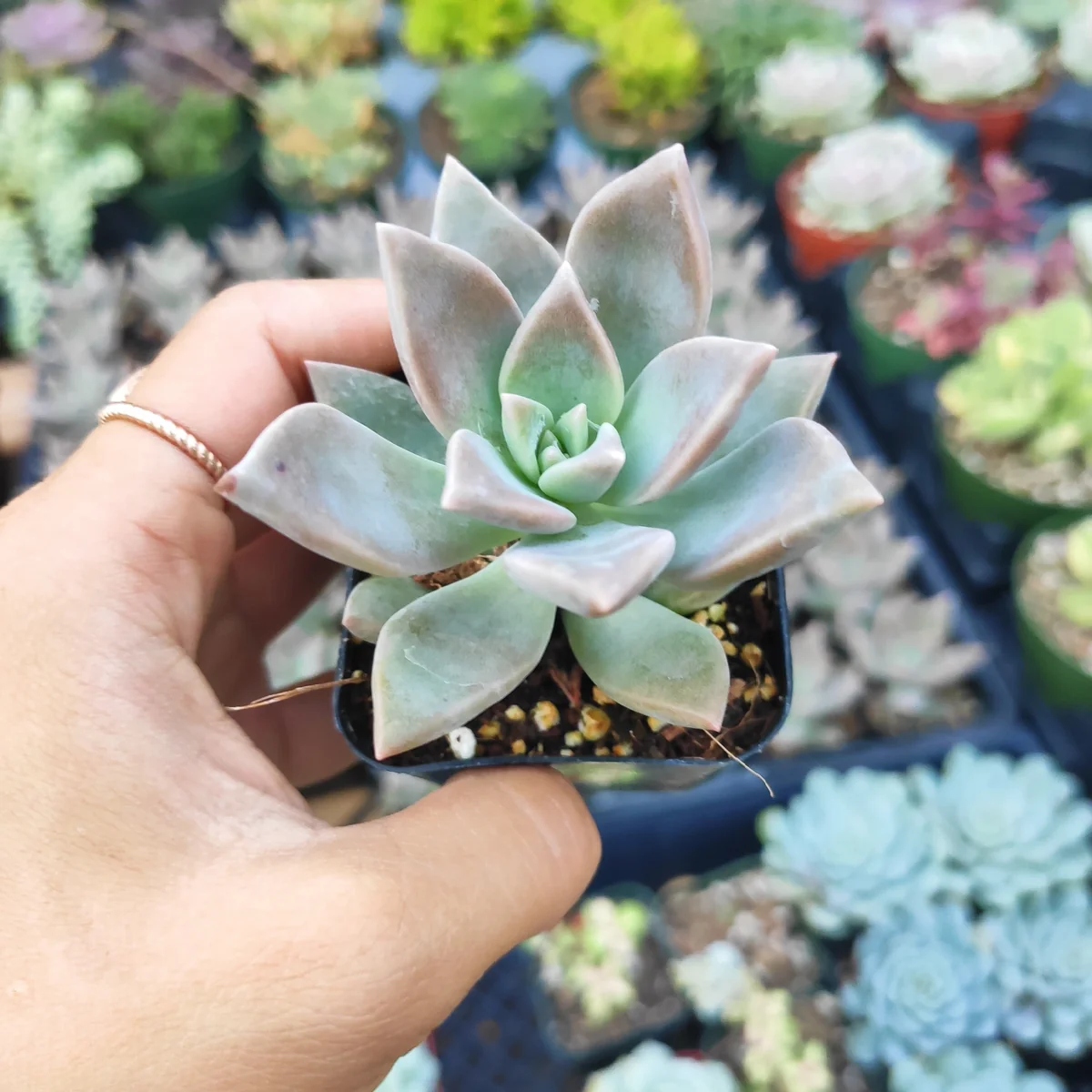
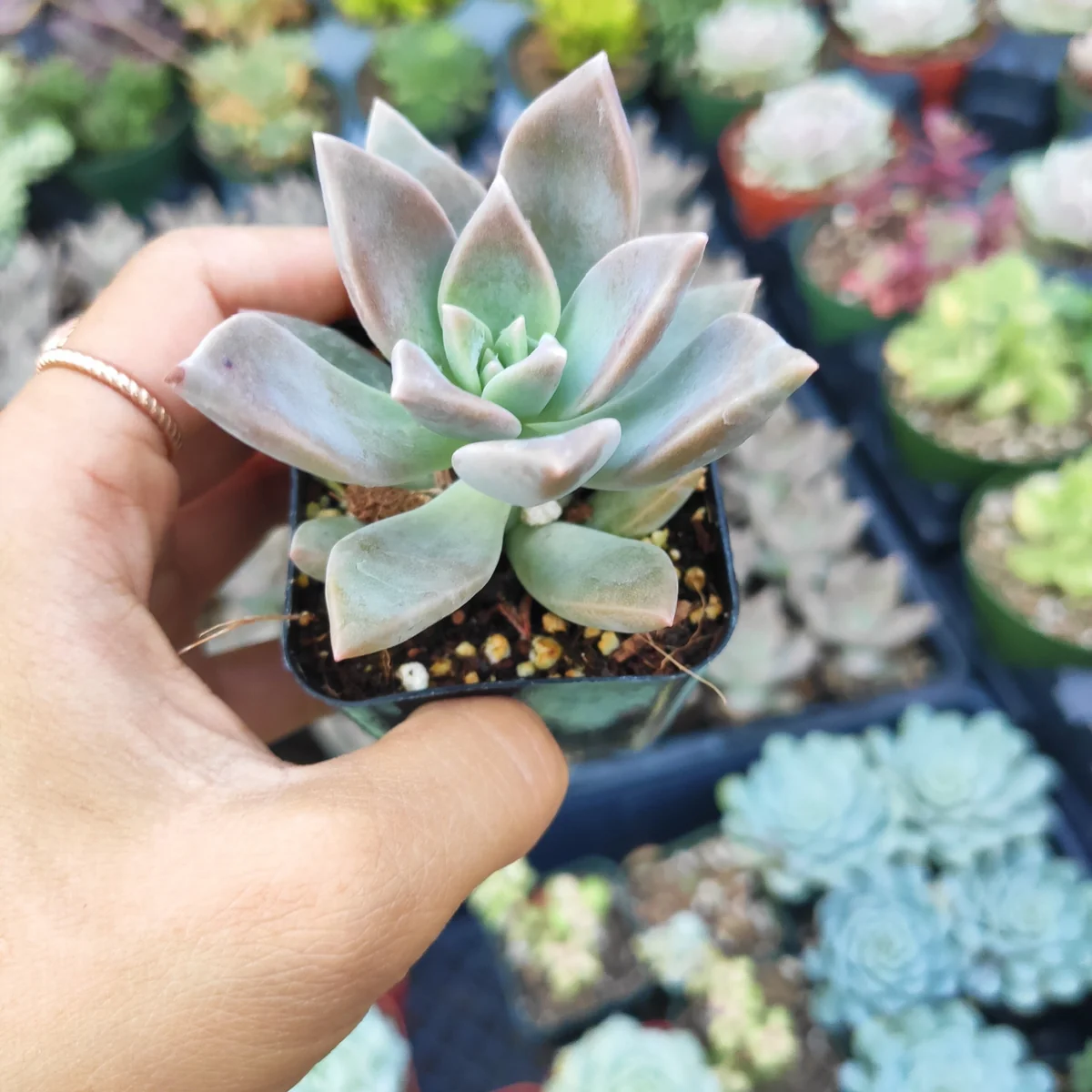
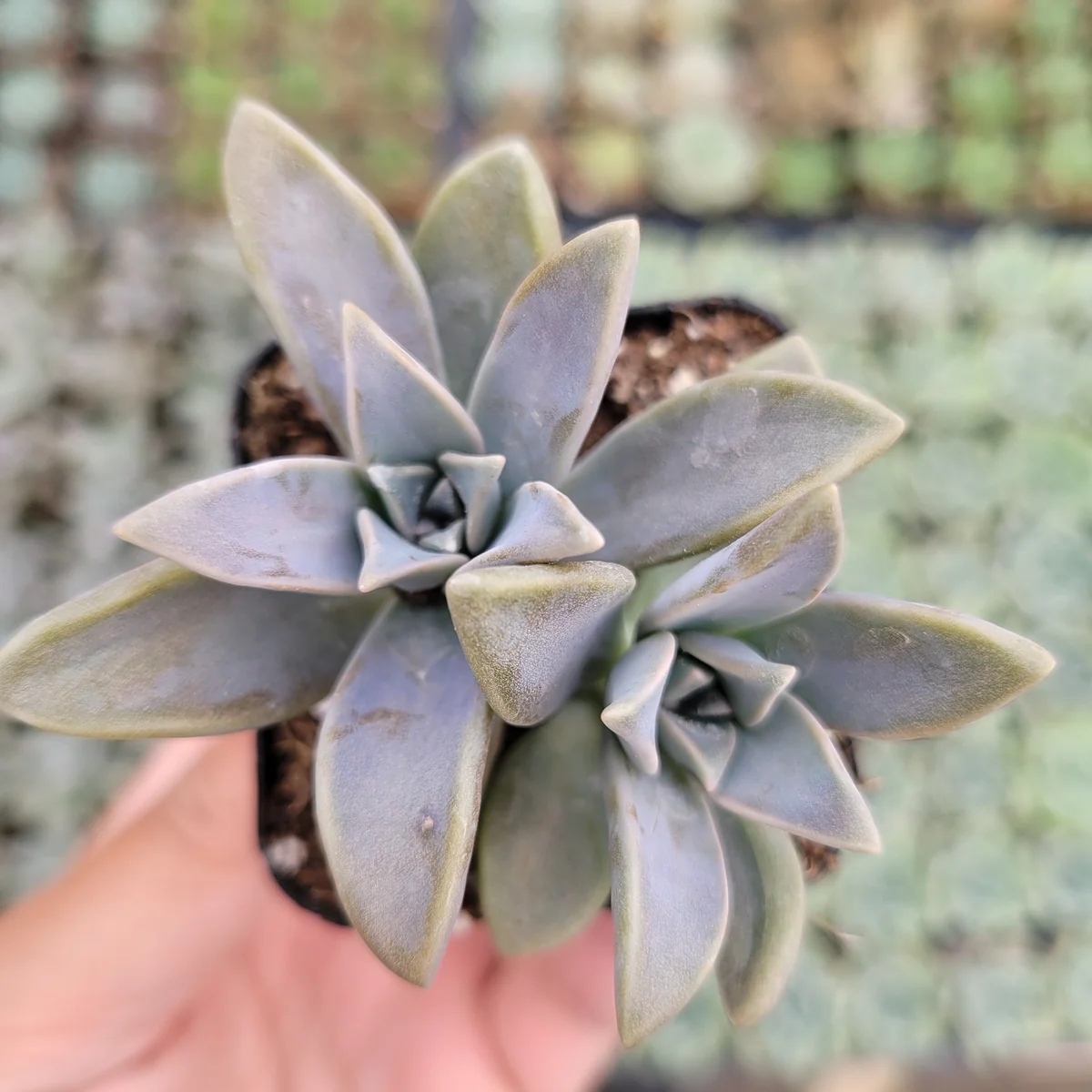
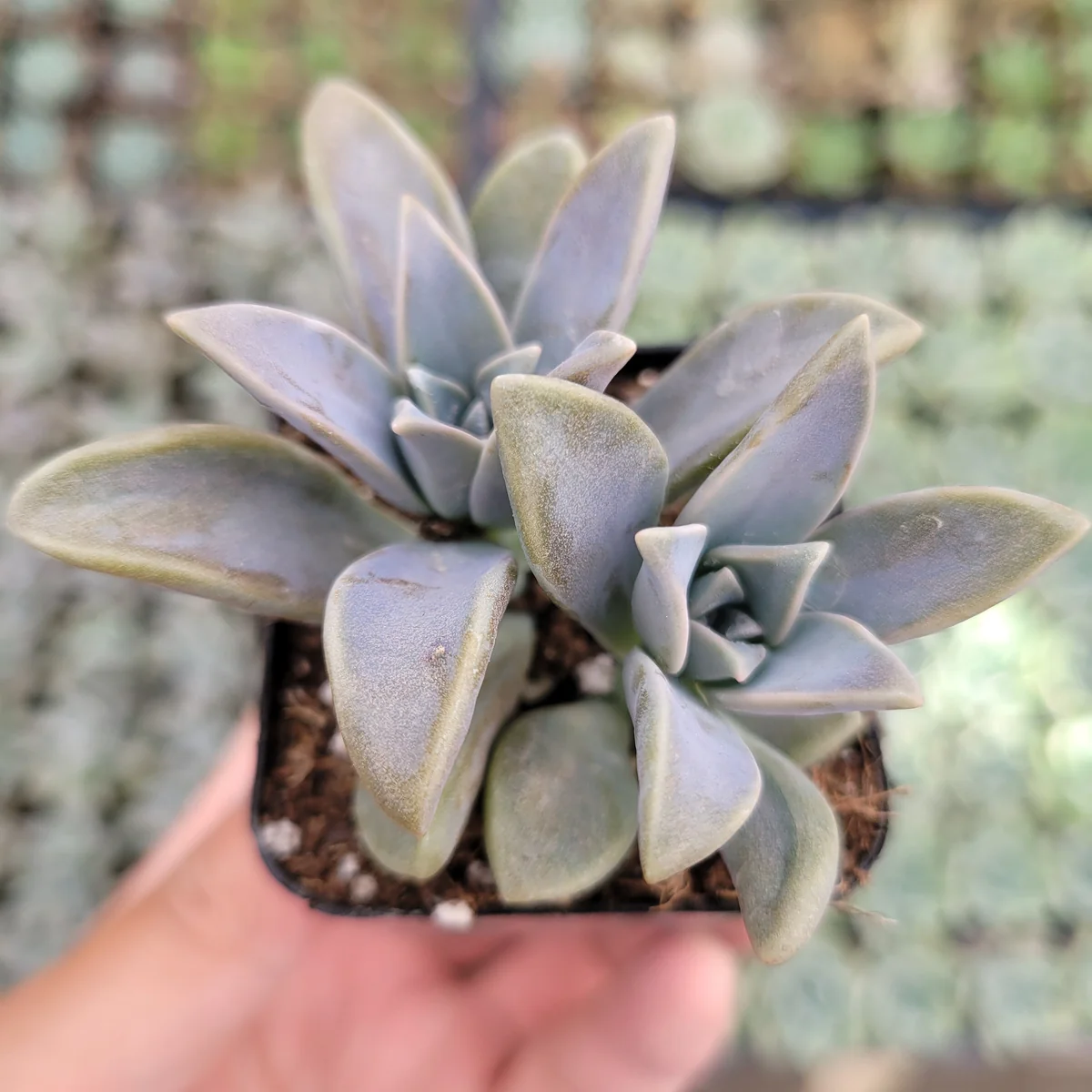
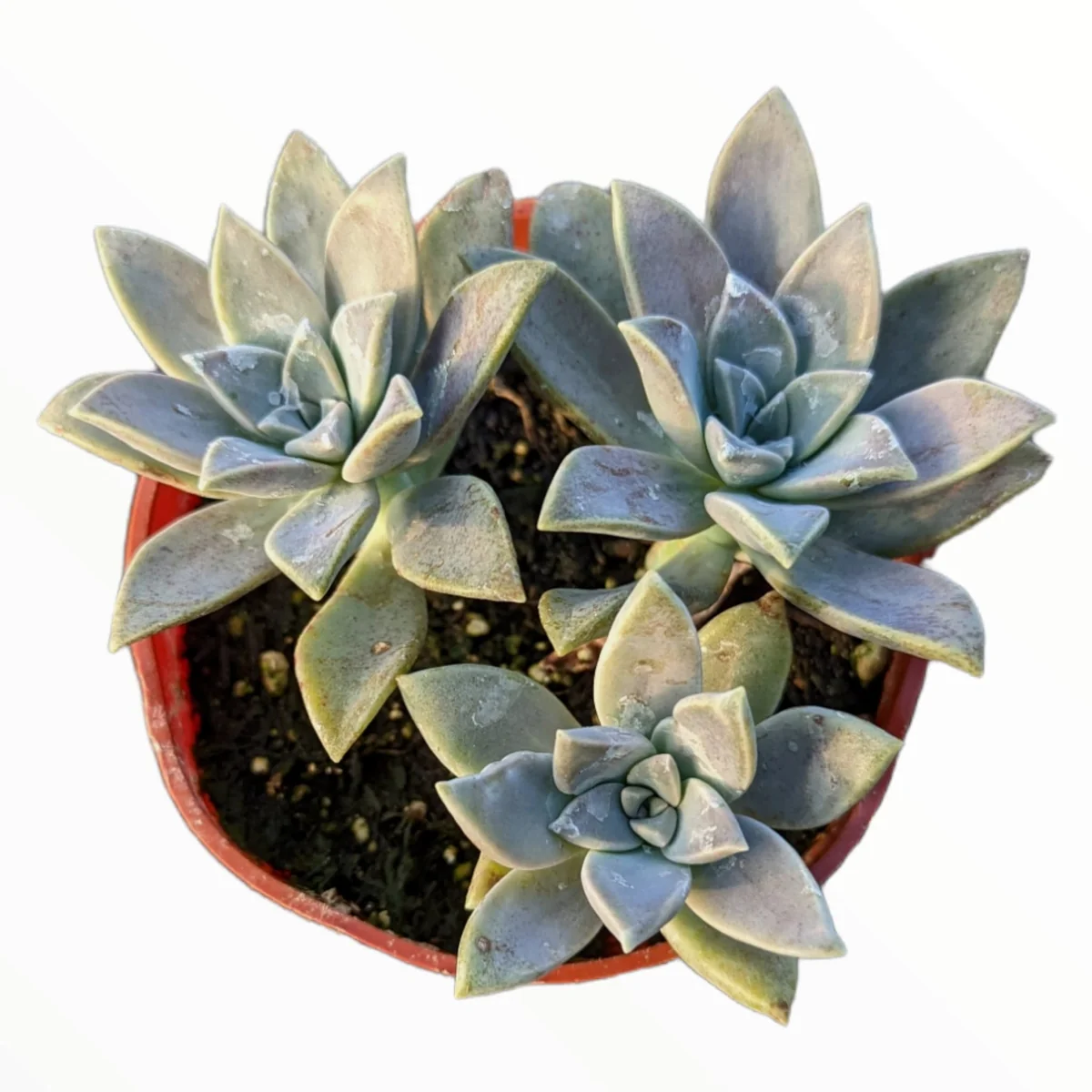
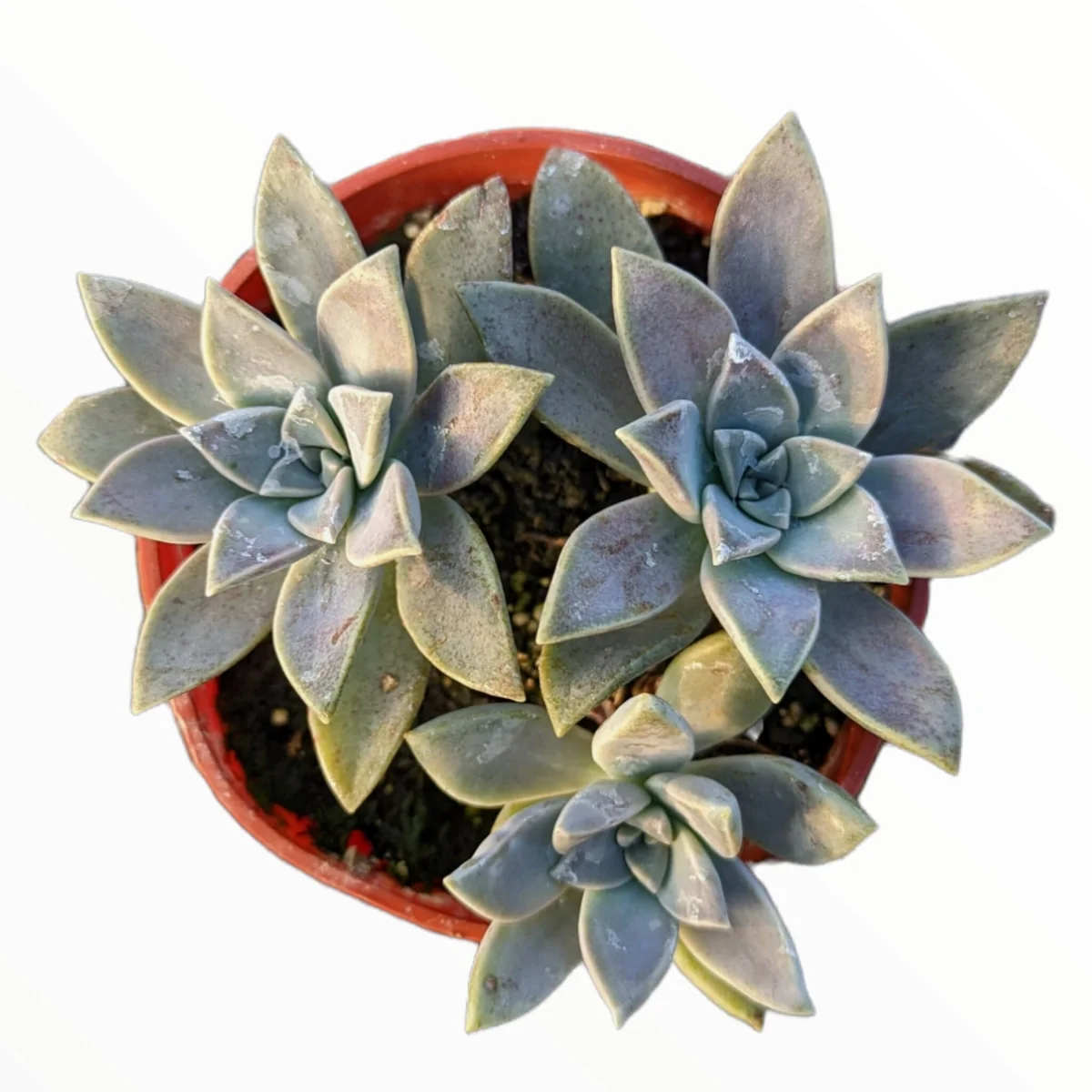
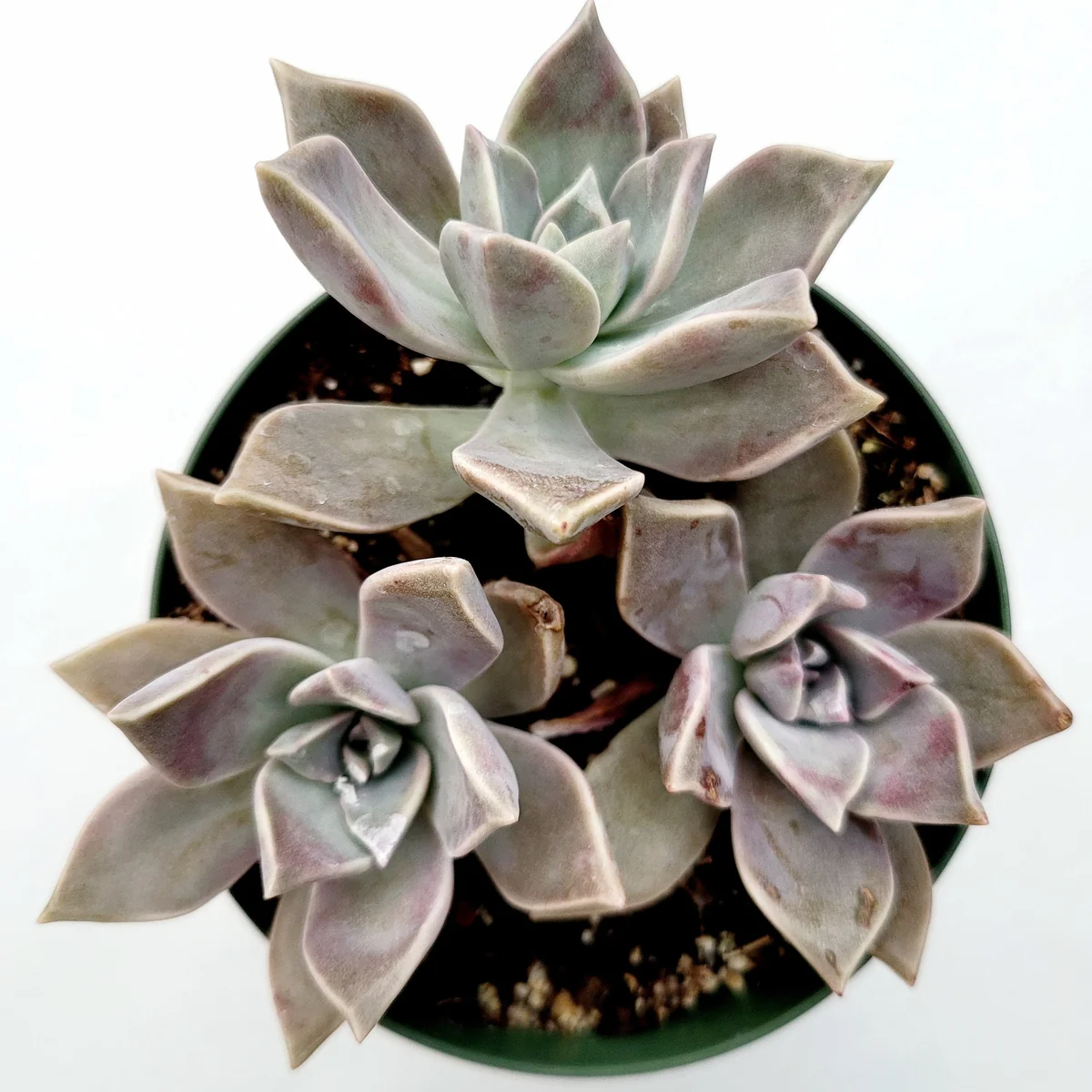
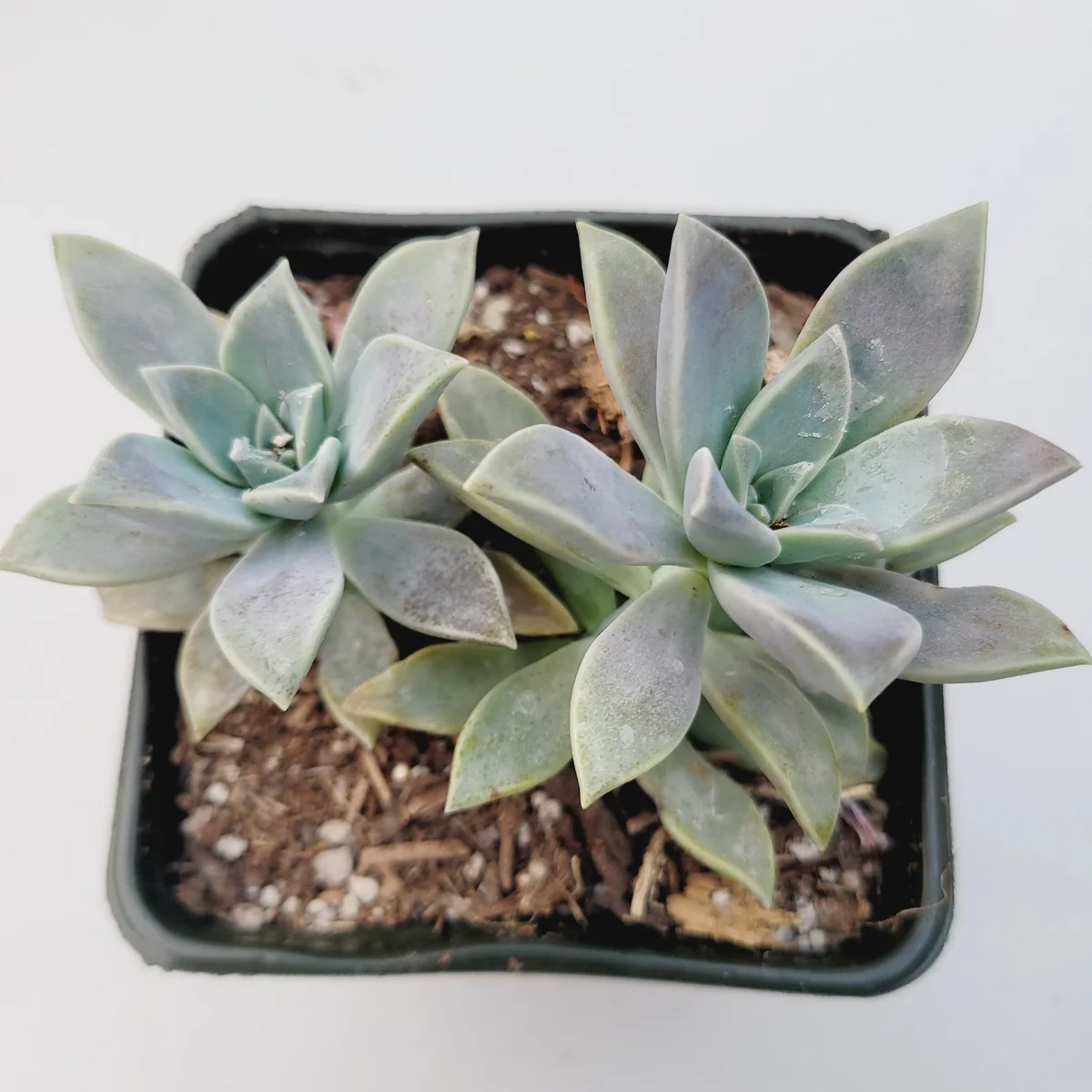
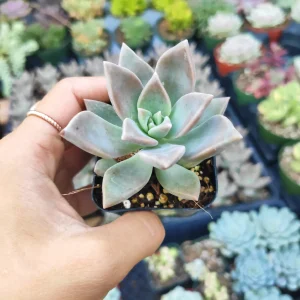
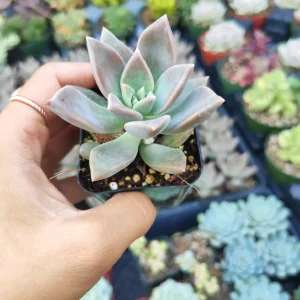
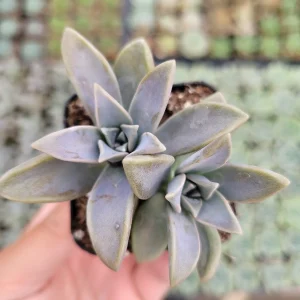
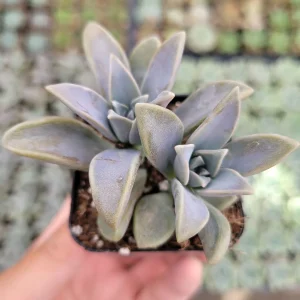
Graptopetalum paraguayense Blue Haze Succulent Plant – Live Indoor/Outdoor
From $18.32
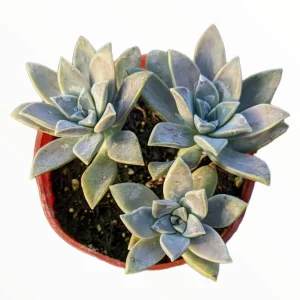
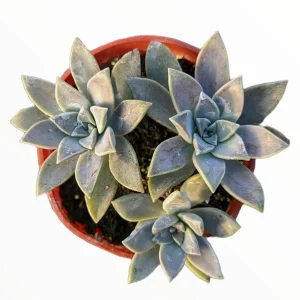
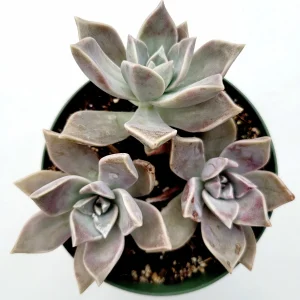
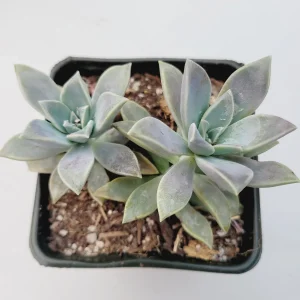
Bring home the captivating Graptopetalum paraguayense Blue Haze, a highly sought-after succulent plant known for its unique rosette form and beautiful blue-green to pinkish-gray foliage. This drought tolerant succulent is perfect for adding texture and color to any indoor or outdoor plant collection, requiring minimal care to thrive.
-
USDA Hardiness Zone
USDA zones 9-11 (outdoors), suitable for all zones indoors -
Soil Type
Well-draining succulent or cactus mix -
Sunlight Exposure
Full sun to partial sun (at least 6 hours daily) -
Expected Planting Period
Year-round indoors; spring to summer outdoors

You can track your order HERE
Mar 05
Mar 10 - Mar 12
Mar 15 - Mar 19
Shipping and return policies: Our Alive & Thrive Guarantee covers issues with your plants within the first 30 days. Reach out to us. Our team will answer your questions and help you find the plants that are truly suitable for your environment, climate, and personal preferences.

Overview
Introduce a touch of serene beauty to your home or garden with the exquisite Graptopetalum paraguayense Blue Haze. This live succulent plant, often referred to as the Ghost Plant due to its powdery ‘farina’ coating, is a captivating addition for both novice and experienced plant enthusiasts. Native to Mexico, this resilient succulent is celebrated for its striking rosettes of fleshy, spoon-shaped leaves that transition from a delicate blue-green to soft pinks and purples when exposed to ample sunlight. The Graptopetalum paraguayense Blue Haze is not just visually appealing; it’s also incredibly hardy and drought-tolerant, making it an ideal choice for xeriscaping or as a low-maintenance houseplant. Its unique coloration and easy-care nature ensure it stands out in any collection, providing year-round interest and natural elegance.
Key Benefits
The Graptopetalum paraguayense Blue Haze offers numerous advantages, making it a popular choice for various settings. Its beauty and resilience are just two of the many reasons to welcome this plant into your space.
- Stunning Visual Appeal: The rosettes of the Graptopetalum paraguayense Blue Haze boast a chameleon-like color palette, ranging from pale blue-green to soft pink and lilac hues, especially when happily sun-stressed. This ever-changing display adds dynamic interest to your plant arrangements.
- Exceptional Drought Tolerance: As a succulent, this plant is naturally adapted to dry conditions. It stores water in its leaves, significantly reducing the need for frequent watering, making it a perfect choice for busy individuals or water-wise gardens. This characteristic makes it a truly drought tolerant succulent.
- Low Maintenance & Easy Care: Known for its hardiness, the Graptopetalum paraguayense Blue Haze is an ideal plant for beginners. It requires minimal attention once established, thriving on neglect rather than over-fussing. For those seeking an easy care succulent, this is an excellent option.
- Versatile Placement: This succulent can be grown indoors in bright, sunny windows or outdoors in frost-free climates. It’s excellent for rock gardens, container arrangements, succulent bowls, and as a groundcover.
- Air Purification Qualities: Like many plants, succulents contribute to a healthier indoor environment by absorbing toxins and releasing oxygen, making your living space fresher.
- Propagation Made Easy: This succulent readily propagates from leaves and stem cuttings, allowing you to easily expand your collection or share with friends. Its vigorous growth makes propagation a rewarding experience.
- Pest and Disease Resistant: Generally, the Graptopetalum paraguayense Blue Haze is robust and less susceptible to common pests and diseases, particularly when proper watering and light conditions are provided.
Plant Care & Growing Tips
Caring for your Graptopetalum paraguayense Blue Haze is straightforward, ensuring a rewarding experience with this beautiful succulent. Providing the right conditions will encourage vibrant color and robust growth. This Ghost Plant succulent thrives with adequate light and proper watering techniques.
Sunlight: This succulent absolutely loves bright light. For the best color development, aim for at least 6 hours of direct sunlight per day. If grown indoors, a south-facing window is ideal. Outdoors, full sun to partial shade is suitable, though direct afternoon sun in very hot climates might cause scorching. Insufficient light will result in leggy growth and less vibrant coloration. Understanding Blue Haze succulent care starts with light.
Watering: The most common mistake with succulents is overwatering. Allow the soil to dry out completely between waterings. When you do water, do so thoroughly until water drains from the bottom of the pot. In active growing seasons (spring and summer), you might water every 2-4 weeks, reducing frequency significantly in fall and winter. Always check the soil moisture before watering.
Soil: Well-draining soil is crucial for the health of your Graptopetalum paraguayense Blue Haze. A cactus and succulent potting mix, or a homemade blend of potting soil, perlite, and coarse sand, will provide the necessary drainage to prevent root rot. Good drainage is key to maintaining a healthy drought tolerant succulent.
Temperature & Humidity: This succulent prefers warmer temperatures, ideally between 65-80°F (18-27°C). It can tolerate temperatures down to 20°F (-6°C) for short periods but is not frost-hardy long-term. If temperatures drop below 40°F (4°C), it’s best to bring potted plants indoors or provide frost protection. Low humidity is preferred, mimicking its natural arid habitat.
Fertilization: Fertilize sparingly, if at all. A diluted, balanced liquid fertilizer designed for succulents can be applied once or twice during the active growing season (spring and summer). Avoid fertilizing in fall and winter when the plant is dormant.
Propagation: The Graptopetalum paraguayense Blue Haze is incredibly easy to propagate from individual leaves or stem cuttings. Simply remove a healthy leaf or cut a stem, allow it to callus for a few days, and then place it on well-draining soil. New plantlets will emerge from the base of the leaf or stem.
Size & Details
This listing is for a live Graptopetalum paraguayense Blue Haze plant, typically shipped as a bare-root specimen to ensure safe transit and optimal health upon arrival. The plant will be similar in size and appearance to the product photos, though natural variations in shape and color may occur. Individual rosettes usually grow to about 4-6 inches in diameter and can form trailing stems up to 12 inches long over time. When provided with ample light, the plant will maintain a more compact, vibrant rosette form. It is a relatively fast grower, quickly filling out containers or spreading across garden beds. While specific pot size is not included with bare-root shipments, we recommend planting it in a container that allows for root growth, typically a 4-6 inch pot initially, with good drainage.
Frequently Asked Questions
- Q: How big does this plant get? A: A single rosette of the Graptopetalum paraguayense Blue Haze typically grows to about 4-6 inches in diameter. Over time, it can form trailing stems that extend up to 12 inches or more, creating a beautiful cascading effect.
- Q: Is this an indoor or outdoor plant? A: The Graptopetalum paraguayense Blue Haze is versatile. It can be grown indoors in a bright, sunny location or outdoors in frost-free climates. It thrives in USDA zones where temperatures do not consistently fall below freezing.
- Q: How much sunlight does it need? A: This succulent requires ample sunlight to display its best colors. Aim for at least 6 hours of direct sunlight daily. If grown indoors, a south-facing window is ideal. For outdoor plants, full sun is preferred, but protect from intense afternoon sun in very hot regions.
- Q: Is this plant easy to care for? A: Yes, the Graptopetalum paraguayense Blue Haze is considered a very easy care succulent, making it perfect for beginners. Its drought-tolerant nature and minimal needs make it a low-maintenance choice.
- Q: What condition will it arrive in? A: Your Graptopetalum paraguayense Blue Haze will typically arrive as a bare-root plant, meaning it will be shipped without soil or a pot. This method ensures the plant’s health during transit and allows you to plant it in your preferred medium upon arrival.
- Q: How often should I water my Ghost Plant succulent? A: Water sparingly. Allow the soil to dry out completely between waterings, then water thoroughly. Overwatering is the biggest killer of succulents, so err on the side of underwatering, especially during cooler months.
- Q: Will it survive winter in my zone? A: The Graptopetalum paraguayense Blue Haze is tolerant of brief drops to around 20°F (-6°C) but is not reliably frost-hardy. If you live in an area with freezing winters, it’s best to bring potted plants indoors or provide significant frost protection.
- Q: What is the ‘Blue Haze’ referring to? A: The ‘Blue Haze’ refers to the plant’s beautiful pale blue-green foliage, often with a powdery coating (farina) that gives it a soft, hazy appearance. This coloration can intensify to pinkish-purple with sufficient sun exposure.
- Q: What kind of soil is best for this succulent plant? A: A well-draining soil mix is essential. Use a specialized cactus and succulent potting mix, or create your own by amending regular potting soil with perlite or pumice to improve drainage. This is crucial for Blue Haze succulent care.
- Q: Can I propagate the Graptopetalum paraguayense Blue Haze? A: Absolutely! This succulent is very easy to propagate from leaf cuttings or stem cuttings. Simply let the cuttings callus for a few days before placing them on or in well-draining soil, and new plants will sprout.
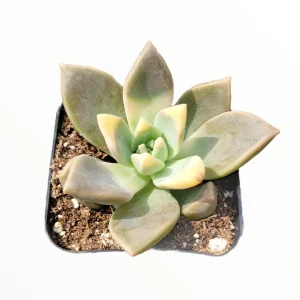
| Size | 2 Inch #A, 2 Inch #B, 2 Inch Variegated, 4 Inch #A, 4 Inch #B, 4 Inch #C, 6 Inch Cluster |
|---|
Be the first to review “Graptopetalum paraguayense Blue Haze Succulent Plant – Live Indoor/Outdoor”
People Also Viewed
Sold 90 products
Original price was: $39.94.$19.97Current price is: $19.97.
Sold 57 products
Original price was: $108.00.$54.00Current price is: $54.00.

Sold 80 products
Original price was: $35.92.$17.96Current price is: $17.96.
Sold 86 products
Original price was: $91.98.$45.99Current price is: $45.99.
Sold 84 products
Original price was: $47.98.$23.99Current price is: $23.99.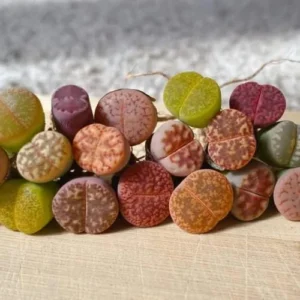
Sold 68 products
Original price was: $39.98.$19.99Current price is: $19.99.
Seeds
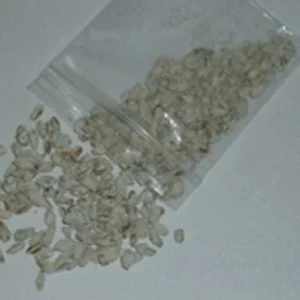
Wine Cap Mushroom Mycelium Spawn – Stropharia rugosoannulata – Edible Mushroom Seeds for Cultivation
Sold 57 products
Original price was: $36.00.$18.00Current price is: $18.00.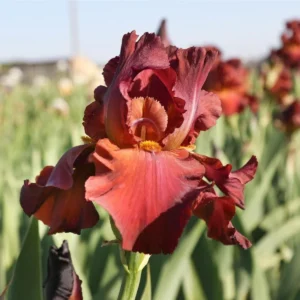
Flower Plants
Red Reblooming Bearded Iris Live Plant – ‘My Friend Jonathan’ – 3.5 inch Pot – Outdoor
Sold 96 products
From $47.80
Sold 57 products
Original price was: $38.00.$19.00Current price is: $19.00.
Sold 83 products
Original price was: $41.56.$20.78Current price is: $20.78.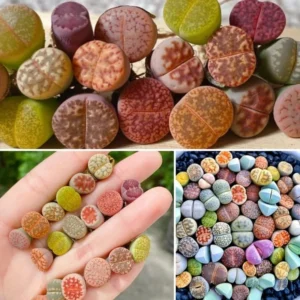
HousePlants
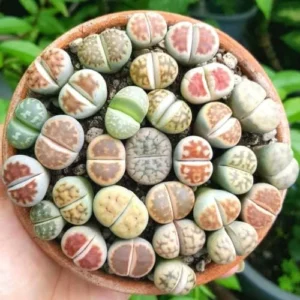
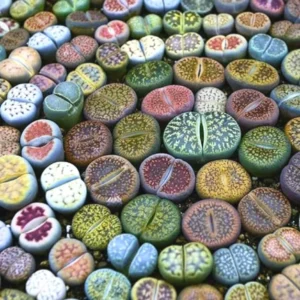
Lithops Live Plants Mix – 10 Large Colorful Living Stones Succulents for Indoor/Outdoor Growing
Sold 99 products
Original price was: $27.98.$13.99Current price is: $13.99.
Sold 82 products
From $13.90
Sold 93 products
$87.98
Sold 82 products
Original price was: $150.00.$120.00Current price is: $120.00.

Sold 71 products
Original price was: $14.76.$7.38Current price is: $7.38.
Sold 99 products
Original price was: $44.00.$22.00Current price is: $22.00.
Fruits
Cotton Candy Grape Vine Cuttings – 2 Fresh Cuttings, 8 Inches, Vitis Vinifera, Outdoor Fruit Plant
Sold 67 products
Original price was: $112.00.$56.00Current price is: $56.00.
Sold 85 products
Original price was: $77.98.$38.99Current price is: $38.99.



Reviews
There are no reviews yet.