
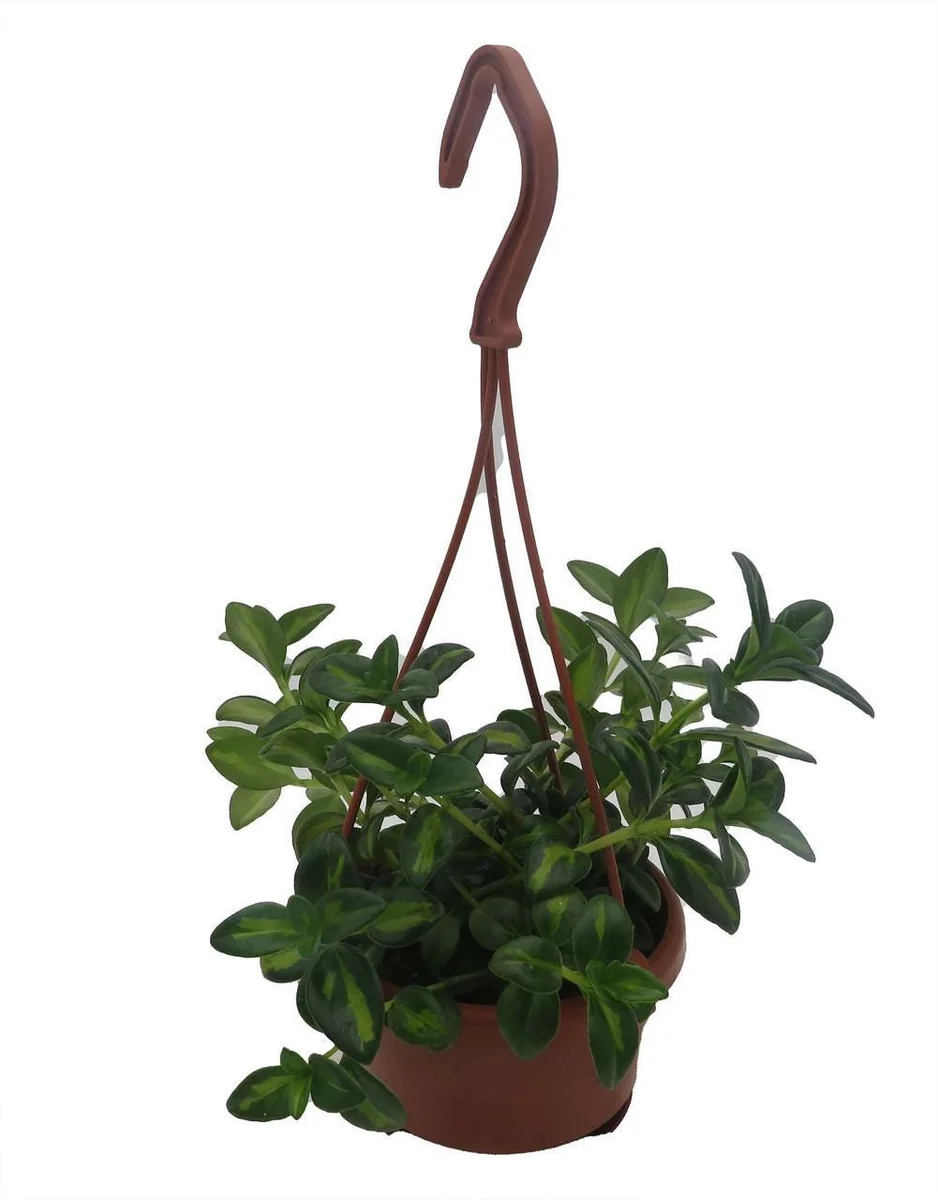
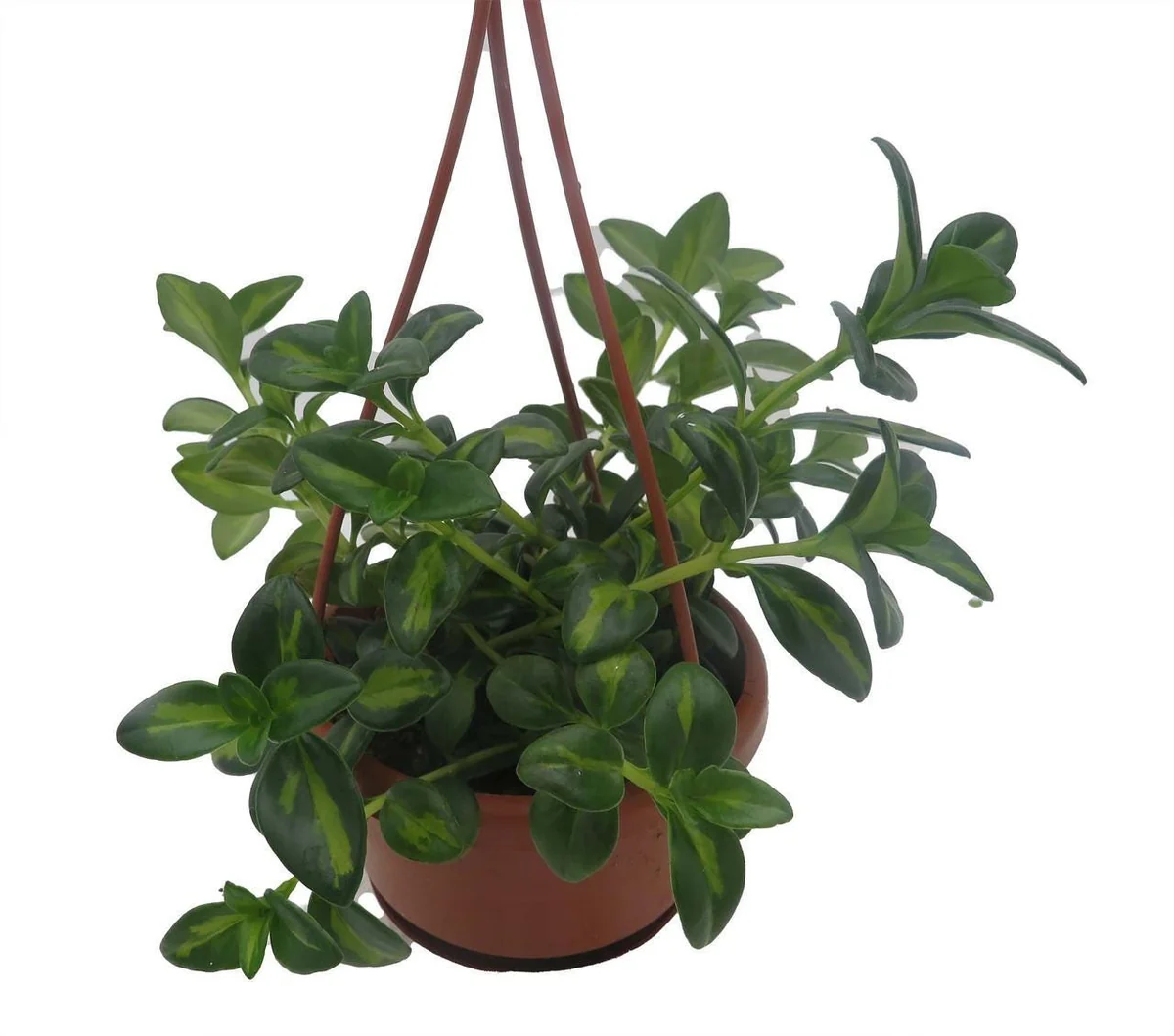
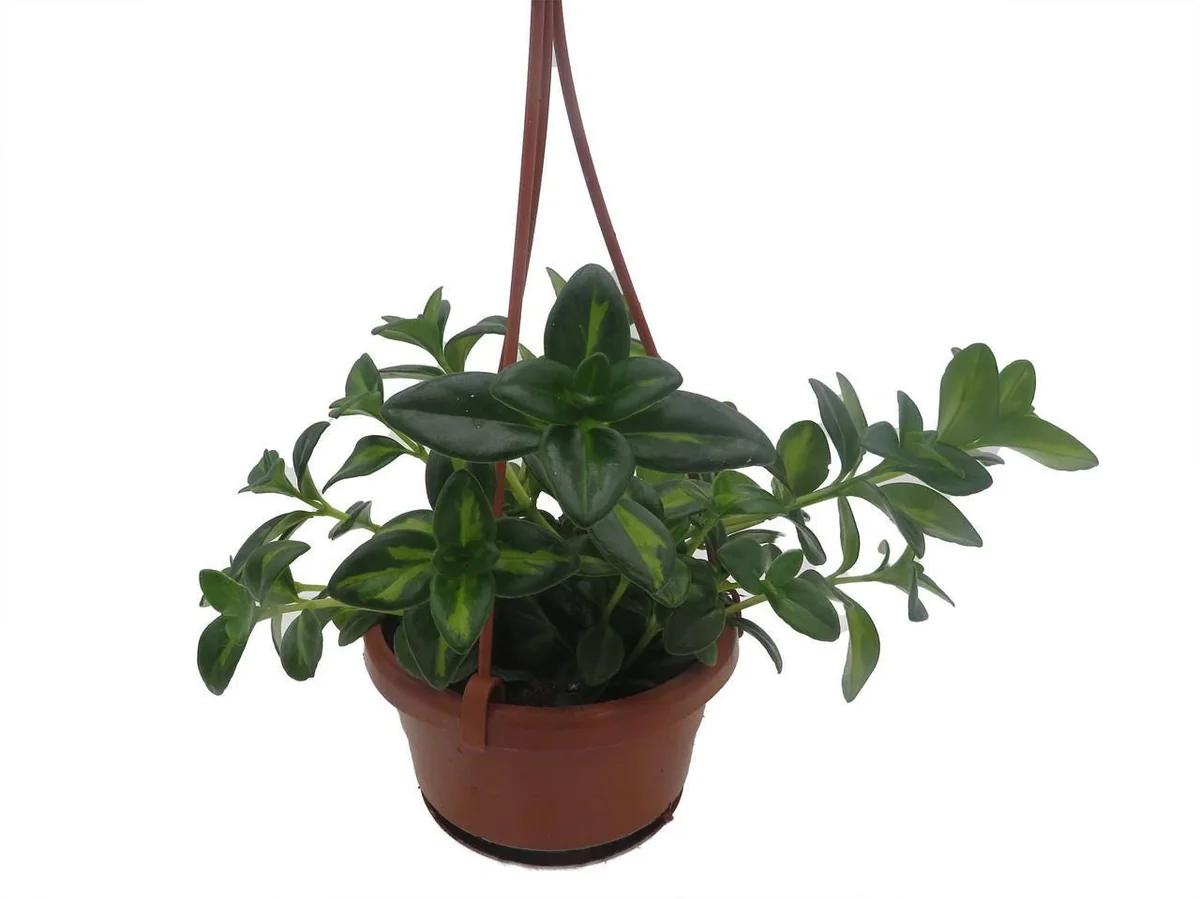
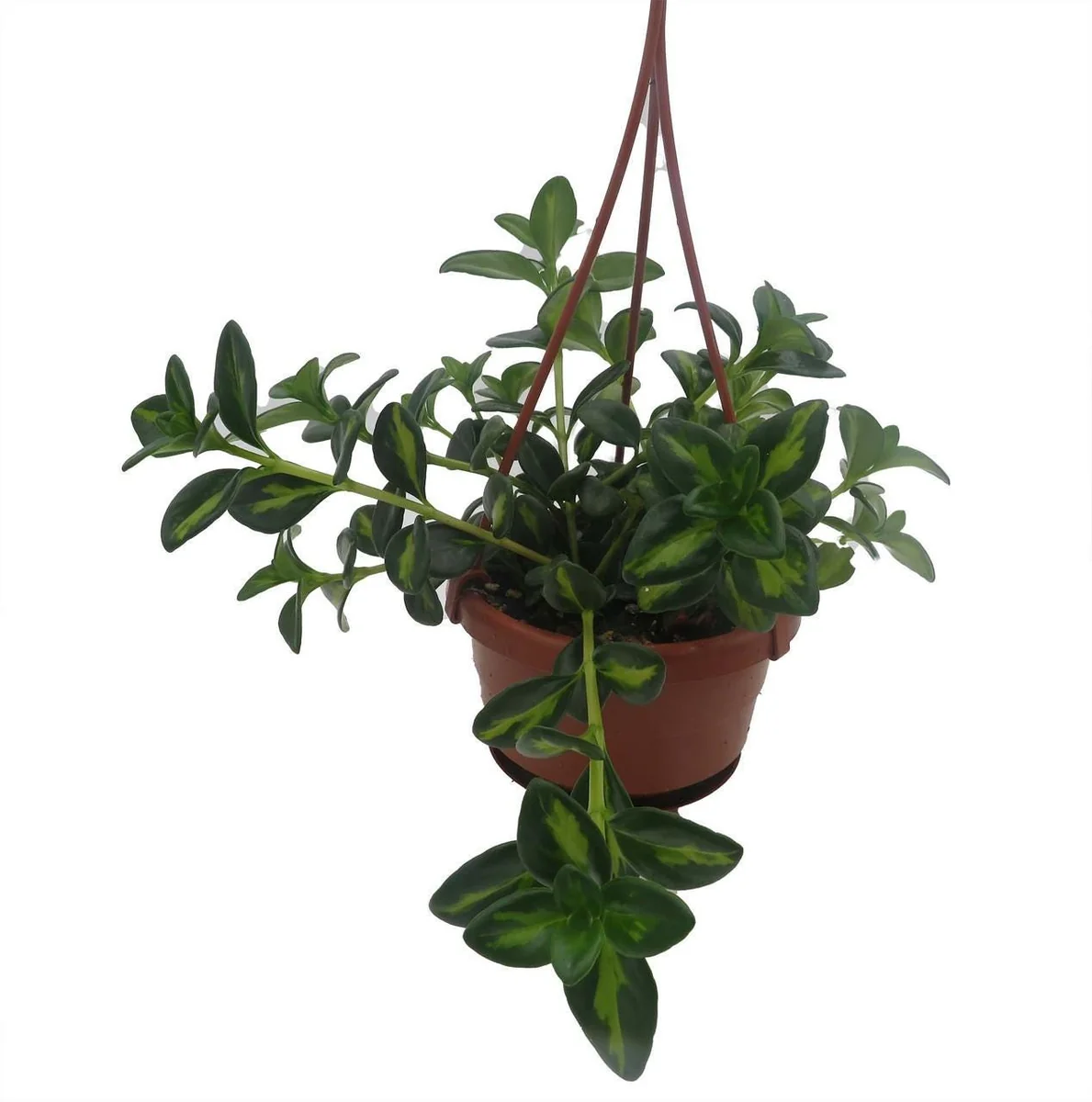
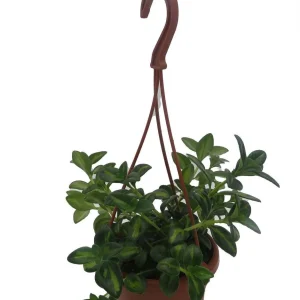
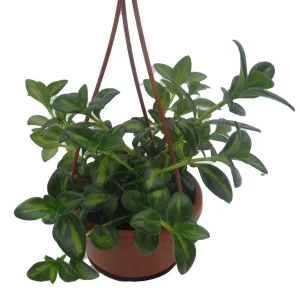
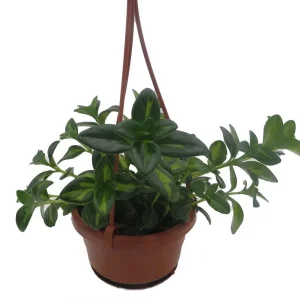
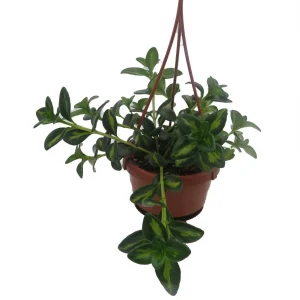
Goldfish Plant Live Plant – Nematanthus Gregarius – 4 inch Hanging Basket
Original price was: $57.56.$28.78Current price is: $28.78.
Bring unique charm to your home with this beautiful goldfish plant live plant, Nematanthus gregarius. Perfect for hanging baskets, its distinctive orange-red flowers resemble tiny goldfish. An ideal tropical houseplant care is easy for bright, indirect light indoors.
-
USDA Hardiness Zone
USDA zones 10-11 (outdoors), otherwise indoor -
Soil Type
Well-draining potting mix -
Sunlight Exposure
Bright indirect light -
Expected Planting Period
Year-round indoors

You can track your order HERE
Feb 27
Mar 04 - Mar 06
Mar 09 - Mar 13
Shipping and return policies: Our Alive & Thrive Guarantee covers issues with your plants within the first 30 days. Reach out to us. Our team will answer your questions and help you find the plants that are truly suitable for your environment, climate, and personal preferences.

Overview
Experience the unique beauty of the goldfish plant live plant, Nematanthus gregarius, an enchanting addition to any indoor plant collection. Native to tropical America, this fascinating houseplant is celebrated for its unusual, pouch-like flowers that vividly resemble tiny goldfish, complete with a ‘tail’ at the end. Belonging to the same family as African violets and gloxinias, the goldfish plant is a captivating specimen that brings a touch of exotic flair and vibrant color to your living space. This particular offering comes in a convenient 4-inch hanging basket, making it a perfect choice for elevated display where its trailing stems and abundant blooms can be fully appreciated. Its lush green foliage provides a beautiful backdrop for the striking orange-red blossoms, creating a truly eye-catching display. Whether you’re a seasoned plant enthusiast or new to the world of houseplants, the goldfish plant offers a rewarding growing experience with its distinctive appearance and relatively straightforward care requirements.
The Nematanthus gregarius, often simply called the goldfish plant indoor, is a popular choice for its ornamental value. Its compact size and trailing growth habit make it ideal for hanging baskets, shelves, or even as a cheerful desk plant. The continuous blooming cycle, especially in optimal conditions, ensures a prolonged period of visual delight. This tropical houseplant care is well-suited for those looking to add a splash of vibrant color and unique botanical interest to their home or office environment.
Key Benefits
The goldfish plant live plant offers several advantages that make it a highly desirable choice for indoor gardening enthusiasts:
- Unique Ornamental Appeal: The most striking feature is its distinctive, bright orange-red flowers that truly resemble small goldfish, providing a constant source of fascination and conversation.
- Ideal for Hanging Baskets: Its naturally trailing growth habit makes it perfectly suited for hanging displays, allowing its beautiful foliage and blooms to cascade gracefully.
- Vibrant Color: The vivid orange-red flowers add a pop of tropical color, brightening up any room and creating a cheerful atmosphere.
- Relatively Easy Care: With proper light and watering, Nematanthus gregarius is not overly demanding, making it suitable for both beginner and experienced plant owners.
- Long Blooming Period: Under favorable conditions, the goldfish plant can produce flowers almost continuously throughout the year, offering extended periods of enjoyment.
- Air Purifying Qualities: Like many houseplants, it contributes to a healthier indoor environment by helping to filter and purify the air.
- Compact Size: Even with its trailing habit, the plant remains relatively compact, fitting well into various indoor settings without taking up excessive space.
Plant Care & Growing Tips
Caring for your goldfish plant live plant involves understanding its tropical origins to replicate its preferred environment. For optimal growth and prolific flowering, bright, filtered light is essential. Avoid direct, intense sunlight, especially during the hottest parts of the day, as this can scorch the leaves and fade the flower color. An east-facing window or a few feet away from a south or west-facing window with sheer curtains is ideal. If grown outdoors in a warm, sheltered position, ensure it receives morning sun and afternoon shade, as it is frost tender and cannot tolerate cold temperatures.
When it comes to watering, consistency is key during the growing season (spring and summer). Water thoroughly when the top inch of soil feels dry to the touch, allowing excess water to drain completely from the bottom of the pot. Do not let the plant sit in standing water, as this can lead to root rot. During the winter months, when growth slows, reduce watering significantly, keeping the soil fairly dry. The soil should be well-draining; a standard potting mix amended with some perlite or orchid bark works well. This ensures good aeration for the roots. For successful nematanthus gregarius care, maintaining high humidity is also beneficial. You can achieve this by misting the plant regularly, placing it near a humidifier, or setting its pot on a pebble tray filled with water.
Fertilize your goldfish plant every 2-4 weeks during the growing season with a balanced liquid fertilizer diluted to half strength. Reduce or stop fertilizing during the dormant winter period. Pruning is important to maintain a bushy shape and encourage more blooms. After flowering, tip prune the stems by pinching back the growing tips. This encourages branching and a fuller appearance. Watch out for common pests like spider mites and mealybugs; inspect your plant regularly and treat any infestations promptly with insecticidal soap. Proper goldfish plant indoor care ensures a healthy, thriving plant that will reward you with its charming blooms for years.
Size & Details
This goldfish plant live plant (Nematanthus gregarius) is supplied in a 4-inch hanging basket, ready for immediate display. The plant typically features multiple established stems, already showing some trailing growth, making it a visually appealing addition from day one. In optimal conditions, the trailing stems can reach lengths of 1 to 2 feet, creating a lush, cascading effect. The vibrant orange-red blooms are typically about 1 inch in length and appear intermittently throughout the year, with peak flowering often occurring in spring and summer. The foliage consists of small, glossy, dark green leaves that provide an excellent contrast to the bright flowers. This plant has a moderate growth rate, allowing it to fill out its hanging basket beautifully within a few months. It is shipped as a healthy, actively growing plant in its nursery pot, ensuring a smooth transition to your home environment.
Frequently Asked Questions
- Q: How big does this goldfish plant get? A: This goldfish plant live plant comes in a 4-inch hanging basket. Its trailing stems can grow to be 1 to 2 feet long, creating a lovely cascading effect, while the overall plant remains relatively compact.
- Q: Is this an indoor or outdoor plant? A: The Goldfish Plant is primarily grown as an indoor houseplant in most climates due to its frost tender nature. It can be grown outdoors in warm, sheltered positions in USDA zones that do not experience frost, but thrives best indoors.
- Q: How much sunlight does it need? A: This plant requires bright, indirect light. Avoid direct, harsh sunlight which can scorch its leaves. An east-facing window or a spot a few feet from a south or west-facing window is ideal for optimal nematanthus gregarius care.
- Q: Is this plant easy to care for? A: Yes, the goldfish plant indoor is generally considered easy to care for, making it suitable for beginners. Providing consistent bright, indirect light and proper watering are the main keys to its success.
- Q: What condition will it arrive in? A: Your goldfish plant will arrive as a healthy, actively growing specimen in its 4-inch nursery hanging basket, carefully packaged to ensure its safe journey to your home.
- Q: How often should I water my goldfish plant? A: During the growing season (spring and summer), water when the top inch of soil feels dry. In winter, reduce watering significantly, allowing the soil to dry out more between waterings.
- Q: Is the goldfish plant pet-safe? A: While generally considered non-toxic, it’s always best to keep plants out of reach of curious pets to prevent any potential stomach upset.
- Q: When does the goldfish plant bloom? A: Under ideal conditions, the goldfish plant live plant can bloom almost continuously throughout the year, with its most abundant flowering typically occurring in spring and summer.
- Q: What type of soil does it prefer? A: It thrives in a well-draining potting mix. A standard houseplant mix amended with perlite or orchid bark for extra drainage is highly recommended for optimal root health.
- Q: Can I propagate my goldfish plant? A: Yes, goldfish plants are relatively easy to propagate from stem cuttings, especially during the warmer months. Simply take a cutting, remove the lower leaves, and place it in moist potting mix or water.
Be the first to review “Goldfish Plant Live Plant – Nematanthus Gregarius – 4 inch Hanging Basket”
People Also Viewed
Sold 88 products
Original price was: $89.98.$44.99Current price is: $44.99.
Sold 67 products
Original price was: $50.99.$30.99Current price is: $30.99.
Sold 82 products
Original price was: $39.98.$19.99Current price is: $19.99.
Sold 51 products
Original price was: $340.00.$170.00Current price is: $170.00.
Sold 81 products
Original price was: $14.76.$7.38Current price is: $7.38.
Sold 75 products
Original price was: $220.00.$176.00Current price is: $176.00.
Sold 65 products
Original price was: $36.00.$28.80Current price is: $28.80.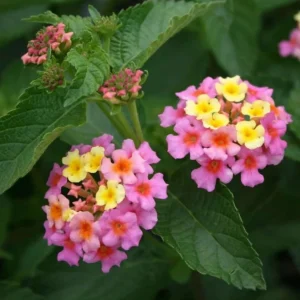
Flower Plants
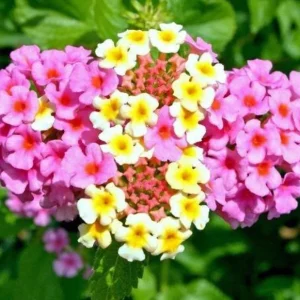
Lantana ‘Ham and Eggs’ Live Plant Set – 3 Starter Plants, 4-6″ Tall – Butterfly Friendly
Sold 71 products
Original price was: $61.56.$30.78Current price is: $30.78.
Sold 55 products
Original price was: $161.56.$80.78Current price is: $80.78.
Sold 56 products
From $4.06

Sold 61 products
Original price was: $15.96.$7.98Current price is: $7.98.
Sold 86 products
From $199.80
Sold 51 products
Original price was: $28.00.$22.40Current price is: $22.40.
Sold 95 products
Original price was: $201.98.$100.99Current price is: $100.99.
Sold 85 products
Original price was: $93.98.$46.99Current price is: $46.99.
Sold 57 products
Original price was: $91.98.$45.99Current price is: $45.99.
Sold 98 products
Original price was: $19.00.$9.50Current price is: $9.50.
Sold 87 products
Original price was: $67.96.$33.98Current price is: $33.98.


Reviews
There are no reviews yet.