




Georgia Southern Collard Seeds – Non-GMO Vegetable Seeds – Easy to Grow
Original price was: $8.52.$4.26Current price is: $4.26.
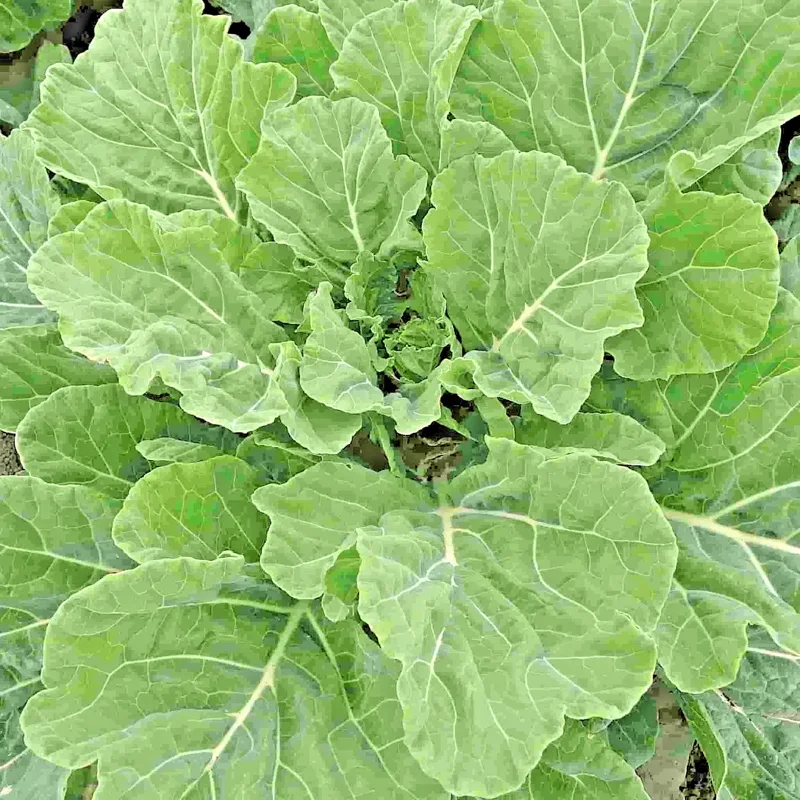
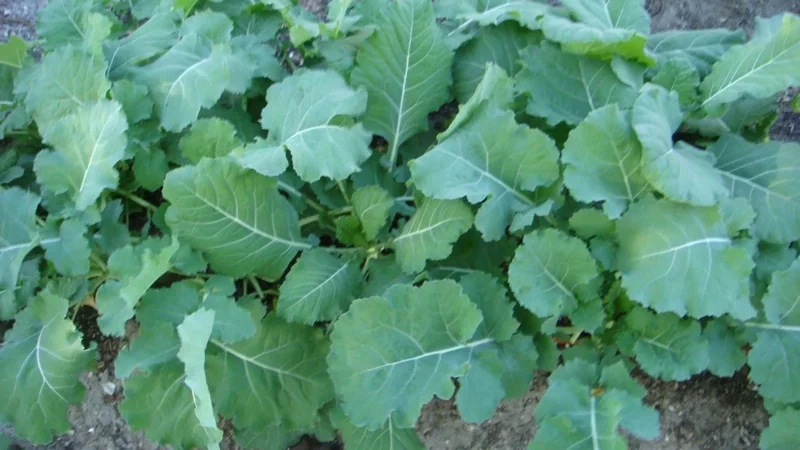
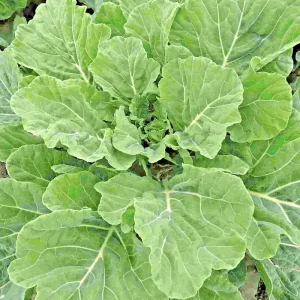
Cultivate robust and flavorful collard greens with our premium Georgia Southern Collard Seeds. These non-GMO collard seeds are perfect for home gardeners seeking a hearty, traditional Southern vegetable. Enjoy a bountiful harvest of tender, nutritious leaves with these easy to grow collards.
-
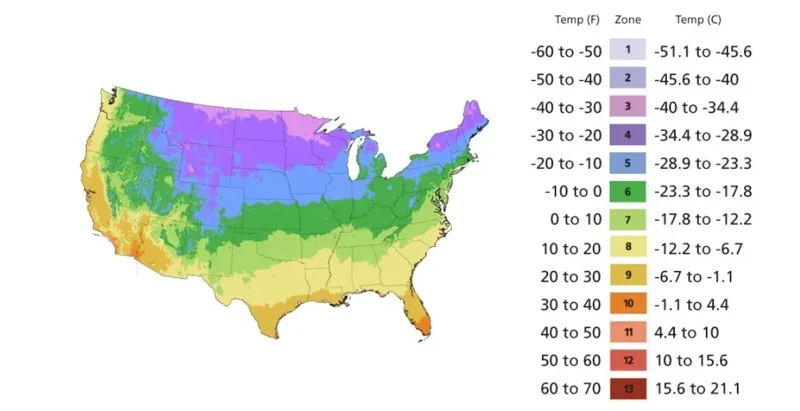
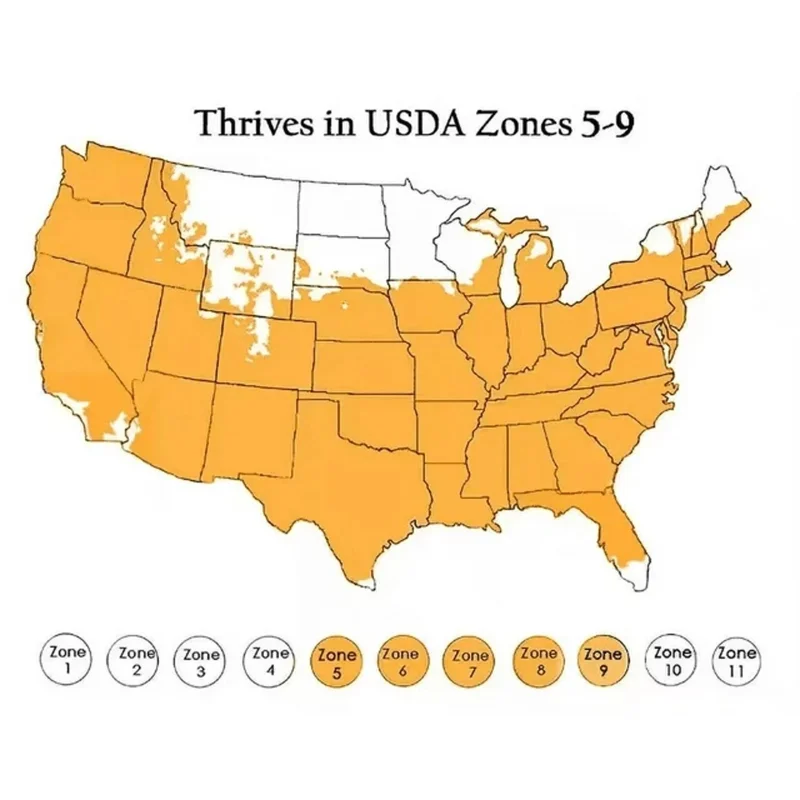
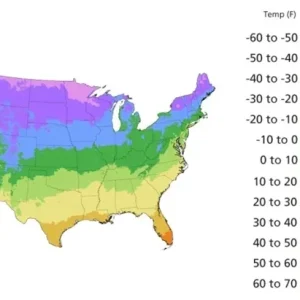
USDA Hardiness Zone
Zones 3-12 -
Soil Type
Loam, Peat, Sand, well-draining soil -
Sunlight Exposure
Full Sun -
Expected Planting Period
Spring to late summer

You can track your order HERE
Mar 23
Mar 28 - Mar 30
Apr 02 - Apr 06
Shipping and return policies: Our Alive & Thrive Guarantee covers issues with your plants within the first 30 days. Reach out to us. Our team will answer your questions and help you find the plants that are truly suitable for your environment, climate, and personal preferences.

Overview
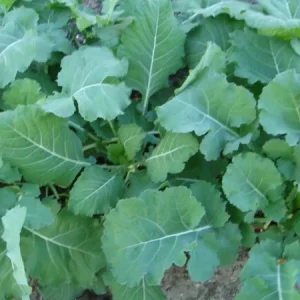
Embark on a rewarding gardening journey with our premium Georgia Southern Collard Seeds. These high-quality, non-GMO collard seeds are an excellent choice for gardeners of all experience levels, promising a generous yield of classic, flavorful collard greens. Known scientifically as Brassica oleracea, the Georgia Southern variety is celebrated for its large, tender leaves and dependable growth, making it a staple in Southern cuisine and a beloved addition to any home garden. Whether you’re a seasoned green thumb or just starting out, these seeds provide the foundation for a successful and delicious harvest.
The Georgia Southern Collard is a robust and resilient plant, thriving in various climates and offering a continuous supply of nutritious foliage. Its dark green leaves are packed with vitamins and minerals, making them a healthy choice for cooking. With their distinct, slightly bitter flavor that mellows with cooking, these collard greens are ideal for traditional dishes, stews, and fresh salads. Planting these collard green seeds is an investment in fresh, homegrown produce that you can enjoy throughout the growing season.
Key Benefits
Choosing to plant Georgia Southern Collard Seeds brings a multitude of benefits to your garden and kitchen. These versatile vegetable seeds offer both culinary delight and gardening satisfaction.
- Nutrient-Rich Harvest: Enjoy collard greens that are packed with essential vitamins (A, C, K) and minerals, contributing to a healthy diet. Growing your own ensures you have access to fresh, chemical-free produce.
- Reliable & Vigorous Growth: The Georgia Southern variety is known for its strong growth habit and resistance, ensuring a successful harvest even for novice gardeners. These plants produce large, abundant leaves consistently.
- Extended Harvest Season: Collard greens can be harvested over an extended period, providing fresh greens from spring through fall, and often into winter in milder climates. This continuous yield makes them a highly productive crop.
- Versatile Culinary Use: From traditional Southern-style cooked greens to fresh salads and stir-fries, the tender leaves of collards are incredibly versatile in the kitchen. The rich flavor profile adds depth to many dishes.
- Adaptable to Various Climates: While a Southern favorite, these collards adapt well to a wide range of climates, tolerating both heat and light frosts, making them suitable for many USDA zones. Enthusiasts seeking easy to grow collards will find this variety particularly satisfying.
- Non-GMO Assurance: Our non-GMO collard seeds provide peace of mind, allowing you to grow healthy, natural food for your family without concerns about genetic modification.
- Garden Aesthetics: Beyond their culinary value, the large, lush green leaves of collard plants add a beautiful, textural element to your vegetable garden or edible landscape.
Plant Care & Growing Tips
Growing Georgia Southern Collard Seeds is a straightforward process that yields rewarding results. These plants are relatively low-maintenance, making them an excellent choice for both beginners and experienced gardeners. For optimal growth, collards prefer full sun, meaning at least 6 hours of direct sunlight per day. However, they can tolerate partial shade, especially in hotter climates where some afternoon shade can prevent bolting and maintain leaf tenderness. Ensuring adequate sunlight is crucial for developing strong, healthy plants and maximizing your harvest of collard green seeds.
When it comes to watering, collards need consistent moisture. Aim for about 1 inch of water per week, either from rainfall or irrigation. The soil should remain consistently moist but not waterlogged. Good drainage is essential to prevent root rot. These plants thrive in rich, well-draining soil with a pH between 6.0 and 7.0. Amend your garden beds with compost or other organic matter before planting to provide a nutrient-rich environment. Fertilize every 4-6 weeks with a balanced organic fertilizer to support continuous leaf production. The Brassica oleracea seeds will establish best in these conditions.
Collards are hardy and can be grown in USDA Hardiness Zones 3-12. They are tolerant of light frosts, which can actually improve their flavor, making the leaves sweeter. Plant seeds about 1/2 inch deep and 3-4 inches apart, thinning seedlings to 12-18 inches apart once they are a few inches tall. Space rows 2-3 feet apart. Common problems include aphids and cabbage worms, which can be managed with organic pest control methods like neem oil or insecticidal soap. Keep an eye out for yellowing leaves, which might indicate a nutrient deficiency or overwatering. With proper care, these easy to grow collards will provide a continuous harvest.
Size & Details
Our Georgia Southern Collard Seeds offer the potential for robust plants that typically grow to a height of 24-36 inches (60-90 cm) and spread about 18-24 inches (45-60 cm) wide, forming a clumping growth habit. This variety produces large, broad, dark green leaves that are perfect for harvesting young as tender greens or allowing them to mature for heartier cooking. The seeds are provided in various sizes, allowing you to choose the quantity that best suits your gardening needs, from small home gardens to larger plots. They are shipped as dry seeds, ready for direct sowing or starting indoors.
Expected time to maturity for Georgia Southern Collards is approximately 60-80 days from sowing, depending on growing conditions and desired leaf size. Regular harvesting of outer leaves encourages continuous production. The plants are annuals, completing their life cycle within one growing season. These non-GMO collard seeds are cultivated in the United States, ensuring quality and suitability for a wide range of growing conditions.
Frequently Asked Questions
- Q: How big does this plant get? A: Georgia Southern Collard plants typically reach a height of 24-36 inches (60-90 cm) and can spread 18-24 inches (45-60 cm) wide, offering a substantial harvest of leaves.
- Q: Is this an indoor or outdoor plant? A: Georgia Southern Collard Seeds are primarily grown outdoors in garden beds, but they can also be grown in large containers on patios or balconies where space is limited.
- Q: How much sunlight does it need? A: Collard greens thrive in full sun, requiring at least 6 hours of direct sunlight daily for optimal growth and leaf development. They can tolerate partial shade, especially in hot climates.
- Q: Is this plant easy to care for? A: Yes, collard greens are considered easy to grow, making them suitable for beginner gardeners. They require consistent watering, rich soil, and adequate sunlight. These are truly easy to grow collards.
- Q: What condition will it arrive in? A: Our product consists of high-quality, viable collard green seeds, packaged securely to ensure their integrity during transit. You will receive a packet of seeds, not a live plant.
- Q: When is the best time to plant? A: For best results, plant Brassica oleracea seeds in early spring for a summer harvest, or in late summer for a fall/winter harvest, especially in USDA Zones 3-12.
- Q: Will it survive winter in my zone? A: Collards are quite cold-hardy and can tolerate light frosts, often improving their flavor. In milder climates (USDA Zones 8 and above), they can overwinter and provide continuous harvests.
- Q: Can I use these collard seeds for microgreens? A: While primarily grown for mature leaves, collard seeds can be used for microgreens, offering a quick harvest of nutrient-dense sprouts.
- Q: Are these non-GMO collard seeds organic? A: The seeds are non-GMO. While not explicitly stated as certified organic, they are natural and untreated.
- Q: What type of soil is best for growing collards? A: Collards prefer rich, well-draining soil with a pH between 6.0 and 7.0. Amending the soil with compost will greatly benefit their growth.
Be the first to review “Georgia Southern Collard Seeds – Non-GMO Vegetable Seeds – Easy to Grow”
People Also Viewed
Sold 62 products
Original price was: $64.80.$32.40Current price is: $32.40.
Sold 63 products
Original price was: $99.80.$49.90Current price is: $49.90.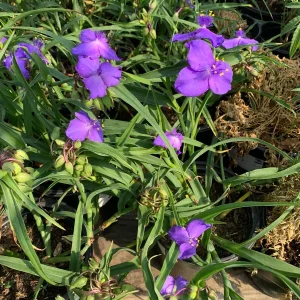
Flower Plants
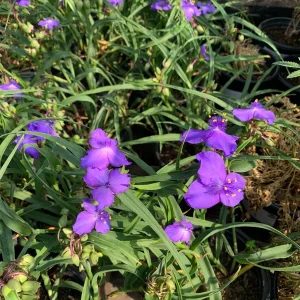
Tradescantia Virginia Purple Spiderwort Live Plant – 1 ft Tall in 6″ Pot – Outdoor Flower
Sold 62 products
Original price was: $147.16.$73.58Current price is: $73.58.
Sold 80 products
Original price was: $48.08.$24.04Current price is: $24.04.
Sold 74 products
Original price was: $107.80.$53.90Current price is: $53.90.
Sold 99 products
Original price was: $79.98.$39.99Current price is: $39.99.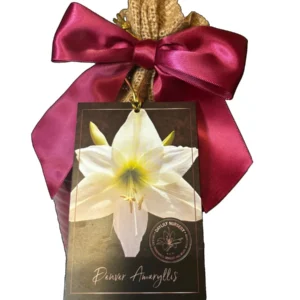
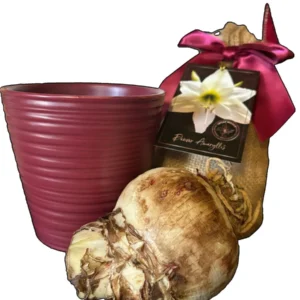
Sold 72 products
Original price was: $119.80.$59.90Current price is: $59.90.
Sold 60 products
From $69.99
Sold 98 products
Original price was: $39.98.$19.99Current price is: $19.99.
Sold 51 products
Original price was: $157.96.$78.98Current price is: $78.98.
Sold 56 products
Original price was: $67.96.$33.98Current price is: $33.98.

Sold 70 products
$30.00
Flowers
Set of 2 Spanish Eyes Lavender Live Plants – 4-6″ Tall – Fragrant Perennial Flowers – Indoor/Outdoor
Sold 95 products
Original price was: $36.38.$18.19Current price is: $18.19.
Sold 65 products
Original price was: $91.98.$45.99Current price is: $45.99.
Sold 99 products
Original price was: $27.98.$13.99Current price is: $13.99.
Sold 65 products
Original price was: $247.96.$123.98Current price is: $123.98.

Sold 83 products
$50.00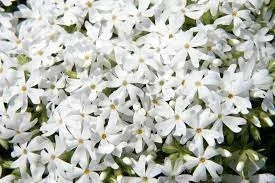
Flower Plants
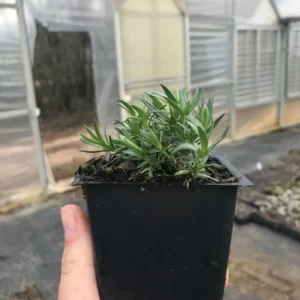
Snowflake Creeping Phlox Live Plant – 3.5in Pot, Deer Resistant Groundcover, Attracts Pollinators
Sold 60 products
From $67.80



Reviews
There are no reviews yet.