

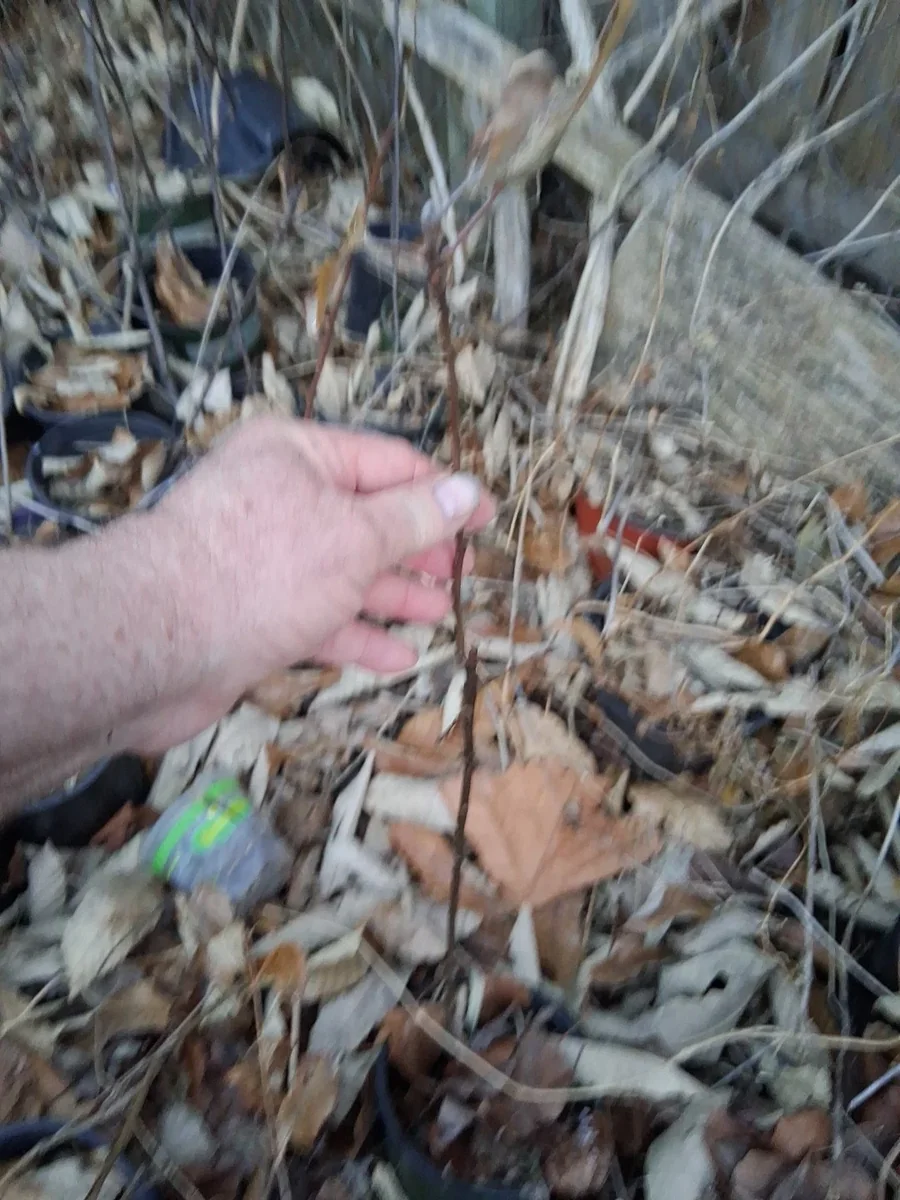
Fuji Apple Tree Live Plant – Rooted Fruit Tree, 3+ ft Tall, Outdoor
Original price was: $181.98.$90.99Current price is: $90.99.
Bring home a Fuji Apple Tree live plant and enjoy fresh, homegrown fruit. This rooted apple tree arrives 3+ feet tall, ready for planting in your garden. Known for its sweet, crisp apples and beautiful spring blossoms, it’s an ideal outdoor fruit tree for any enthusiast.
-
USDA Hardiness Zone
USDA Zones 4-8 -
Soil Type
Well-draining loamy soil -
Sunlight Exposure
Full sun -
Expected Planting Period
Early spring or fall

You can track your order HERE
Apr 12
Apr 17 - Apr 19
Apr 22 - Apr 26
Shipping and return policies: Our Alive & Thrive Guarantee covers issues with your plants within the first 30 days. Reach out to us. Our team will answer your questions and help you find the plants that are truly suitable for your environment, climate, and personal preferences.

Overview
Transform your backyard into a bountiful orchard with this vibrant Fuji Apple Tree live plant. Revered for its exceptionally sweet, crisp, and juicy fruit, the Fuji apple (Malus domestica ‘Fuji’) is a top choice among fruit connoisseurs. This robust rooted apple tree is delivered ready for immediate planting, standing at an impressive height of up to 3+ feet tall, ensuring a significant head start in your garden. As a deciduous tree, it will grace your landscape with beautiful spring blossoms before yielding a generous harvest of red-blushed, firm apples in the fall. Cultivating your own Fuji Apple Tree live plant offers the immense satisfaction of growing your own food, providing you with fresh, organic fruit that tastes superior to store-bought varieties. This particular specimen is a strong, well-rooted tree, designed to provide a higher success rate for gardeners eager to establish a productive apple tree and successfully grow Fuji apples for years to come.
Key Benefits
Investing in a Fuji Apple Tree live plant provides numerous advantages for both experienced gardeners and novices alike, making it an outstanding choice for an outdoor fruit tree in your landscape:
- Delicious Fruit Harvest: Enjoy a consistent supply of incredibly sweet, crisp, and juicy Fuji apples. These are perfect for eating fresh right off the tree, baking into pies and crisps, or making homemade cider. Growing your own guarantees peak freshness and a flavor profile that commercial apples simply cannot match.
- Beautiful Ornamental Value: Beyond its delectable fruit, the Fuji Apple Tree offers significant aesthetic appeal. Its abundant spring blooms create a stunning visual display, enhancing the beauty of your garden. The broadleaf foliage provides pleasant shade during warmer months and transforms into vibrant fall colors, adding seasonal interest.
- Cold Hardy and Adaptable: This variety is celebrated for its excellent cold resistance, making it suitable for a wide range of climates. It proves to be a robust and reliable choice for many USDA zones (typically 4-8), promising a consistent and reliable harvest year after year. Understanding proper Fuji apple tree care contributes to its hardiness.
- Supports Pollinators: The profusion of flowers in spring acts as a magnet for bees and other beneficial pollinators. This contributes significantly to the health of your local ecosystem and ensures a good fruit set, leading to a more bountiful harvest for your Fuji Apple Tree live plant.
- Long Storage Life: Fuji apples are renowned for their exceptional storage capabilities. After harvesting, you can enjoy your fresh apples for an extended period, making them an ideal choice for home gardeners who want to savor their produce well into the colder months.
- Pet and Child Safe: This plant is generally considered safe for households with children and pets, offering peace of mind as you enjoy your garden and its delicious produce.
- Therapeutic Gardening: Engaging in the process to grow Fuji apples provides a rewarding and calming gardening experience, connecting you with nature and the joy of self-sufficiency.
Plant Care & Growing Tips
Proper care is absolutely essential for cultivating a thriving Fuji Apple Tree live plant and ensuring a bountiful harvest. Apple trees have specific requirements to produce their best fruit. They prefer a location that receives full sun, meaning at least 6-8 hours of direct sunlight per day. Good air circulation is also critically important to help prevent fungal diseases. When it comes to watering, apple trees need consistent moisture, especially during dry periods and when the fruit is actively developing. The soil should be kept evenly moist but never waterlogged; a medium watering schedule is typically best. Well-draining soil is crucial to prevent root rot, so a loamy soil mix enriched with organic matter is ideal. The Fuji apple tree is cold resistant and generally hardy in USDA zones 4-8. It requires a certain number of chill hours to set fruit, so it’s important to plant it in an appropriate climate where winters are sufficiently cold. Understanding proper Fuji apple tree care is key to its long-term success and productivity.
Fertilize your apple tree in early spring before new growth begins, using a balanced fruit tree fertilizer. Avoid over-fertilizing, which can promote leafy growth at the expense of fruit production. Pruning is a vital practice for apple trees; prune in late winter or early spring to remove dead or diseased branches, improve air circulation within the canopy, and shape the tree for better light penetration and fruit production. Common problems include pests like aphids and codling moths, and diseases such as apple scab. Regular inspection and appropriate organic or conventional treatments can help manage these issues effectively. Learning about general apple tree care will ensure your tree flourishes and you can proudly grow Fuji apples that are healthy and delicious.
Size & Details
This offering is for one robust rooted apple tree, specifically a Fuji variety, standing at an impressive height of up to 3+ feet tall upon arrival. It is a deciduous, broadleaf fruit tree, meaning it will naturally lose its leaves in the fall and regrow them vigorously in the spring. The tree is currently in a budding growth stage, indicating it’s ready to establish itself and begin its growth cycle in your garden. This is an outdoor fruit tree, designed to be grown in an orchard or garden setting where it can receive ample sunlight and space. The exact mature height and spread will depend on various factors such as growing conditions, your pruning regimen, and whether it’s on a dwarf or standard rootstock (information not specified, but typically standard or semi-dwarf based on initial height). Expect summer to be its primary season of interest for fruit development, with harvest typically occurring in late summer to early fall. This robust, rooted specimen is provided as a single plant, carefully packaged and ready for immediate planting upon arrival, marking the exciting start of your journey to grow Fuji apples.
Frequently Asked Questions
- Q: How big does this Fuji Apple Tree get? A: This Fuji Apple Tree live plant is currently up to 3+ feet tall. Its mature size will depend on its rootstock and growing conditions, but most Fuji apple trees can reach 10-20 feet tall without pruning. With proper Fuji apple tree care, you can manage its size to suit your garden space.
- Q: Is this an indoor or outdoor plant? A: The Fuji Apple Tree is an outdoor fruit tree. It requires full sun and a period of cold dormancy to produce fruit, making it unsuitable for indoor cultivation.
- Q: How much sunlight does it need? A: This apple tree thrives in full sun, requiring at least 6 to 8 hours of direct sunlight daily for optimal growth and fruit production.
- Q: Is this plant easy to care for? A: While not entirely hands-off, the Fuji Apple Tree is considered moderately easy to care for with consistent watering, proper pruning, and pest management. Following good apple tree care practices will yield the best results and help you successfully grow Fuji apples.
- Q: Can I use Fuji apples in cooking? A: Absolutely! Fuji apples are excellent for eating fresh, baking pies, making applesauce, and even juicing due to their sweet flavor and crisp texture. You’ll love the versatility of the apples you grow Fuji apples for culinary uses.
- Q: When is the best time to plant this rooted apple tree? A: The best time to plant a rooted apple tree is typically in early spring or fall, when the weather is cooler and less stressful for the plant to establish its root system.
- Q: Will it survive winter in my zone? A: Fuji Apple Trees are cold resistant and generally hardy in USDA Zones 4-8. Check your local USDA zone to ensure it’s suitable for your climate and will thrive as an outdoor fruit tree.
- Q: What condition will the tree arrive in? A: This is a rooted apple tree, carefully packaged to ensure it arrives healthy and ready for planting. It will be in a budding growth stage, prepared to establish itself in your garden and begin its growth cycle.
- Q: How often should I water my Fuji Apple Tree? A: Apple trees need consistent moisture, especially during dry periods and when fruit is developing. Keep the soil evenly moist but not waterlogged; a medium watering schedule is typically best for a healthy Fuji Apple Tree live plant.
- Q: Do I need more than one Fuji Apple Tree for fruit production? A: While Fuji apples are somewhat self-fertile, planting another apple variety nearby (like Gala or Granny Smith) can significantly increase fruit yield due to cross-pollination, ensuring a more abundant harvest from your rooted apple tree.
Be the first to review “Fuji Apple Tree Live Plant – Rooted Fruit Tree, 3+ ft Tall, Outdoor”
People Also Viewed
Sold 60 products
Original price was: $127.96.$63.98Current price is: $63.98.
Sold 98 products
Original price was: $32.18.$16.09Current price is: $16.09.
Sold 65 products
Original price was: $247.96.$123.98Current price is: $123.98.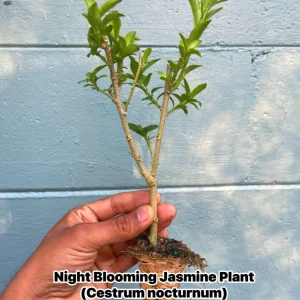
Shrubs
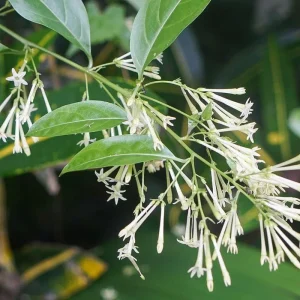
Night Blooming Jasmine Live Plant (Cestrum nocturnum) – Fragrant Outdoor Shrub 5-7 inches tall
Sold 73 products
From $44.16
Flower Plants
Sold 88 products
Original price was: $47.58.$23.79Current price is: $23.79.
Sold 67 products
Original price was: $49.90.$29.94Current price is: $29.94.
Sold 77 products
Original price was: $99.80.$49.90Current price is: $49.90.
Sold 50 products
Original price was: $73.98.$36.99Current price is: $36.99.
Sold 76 products
Original price was: $25.56.$12.78Current price is: $12.78.
Sold 89 products
Original price was: $202.56.$101.28Current price is: $101.28.
Sold 56 products
Original price was: $79.98.$39.99Current price is: $39.99.
Flower Plants
Cape Jasmine Plants Live – 2 Frost Proof Gardenia Plants – 3-6 Inch Tall – Gardenia Plant Pot
Sold 76 products
Original price was: $56.00.$28.00Current price is: $28.00.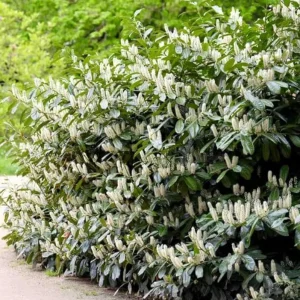
Shrubs
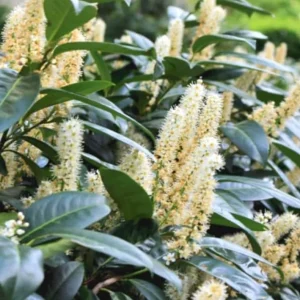
Cherry Laurel Live Plant Seedlings – Set of 2, 6-12 inches, 2.5-inch Pot, Outdoor Evergreen Shrub
Sold 100 products
Original price was: $57.98.$40.58Current price is: $40.58.
Sold 98 products
Original price was: $73.98.$36.99Current price is: $36.99.
Sold 100 products
Original price was: $45.99.$32.19Current price is: $32.19.
Sold 77 products
Original price was: $42.99.$30.09Current price is: $30.09.
Sold 62 products
From $103.80
Sold 66 products
Original price was: $34.10.$11.64Current price is: $11.64.


%20–%20Fragrant%20Outdoor%20Shrub%205-7%20inches%20tall&url=https://gardennursery.net/product/night-blooming-jasmine-live-plant-cestrum-nocturnum-fragrant-outdoor-shrub-5-7-inches-tall/&media=https://img.gardennursery.net/2026/01/night-blooming-jasmine-live-plant-cestrum-nocturnu-769x1024.webp)


Reviews
There are no reviews yet.