
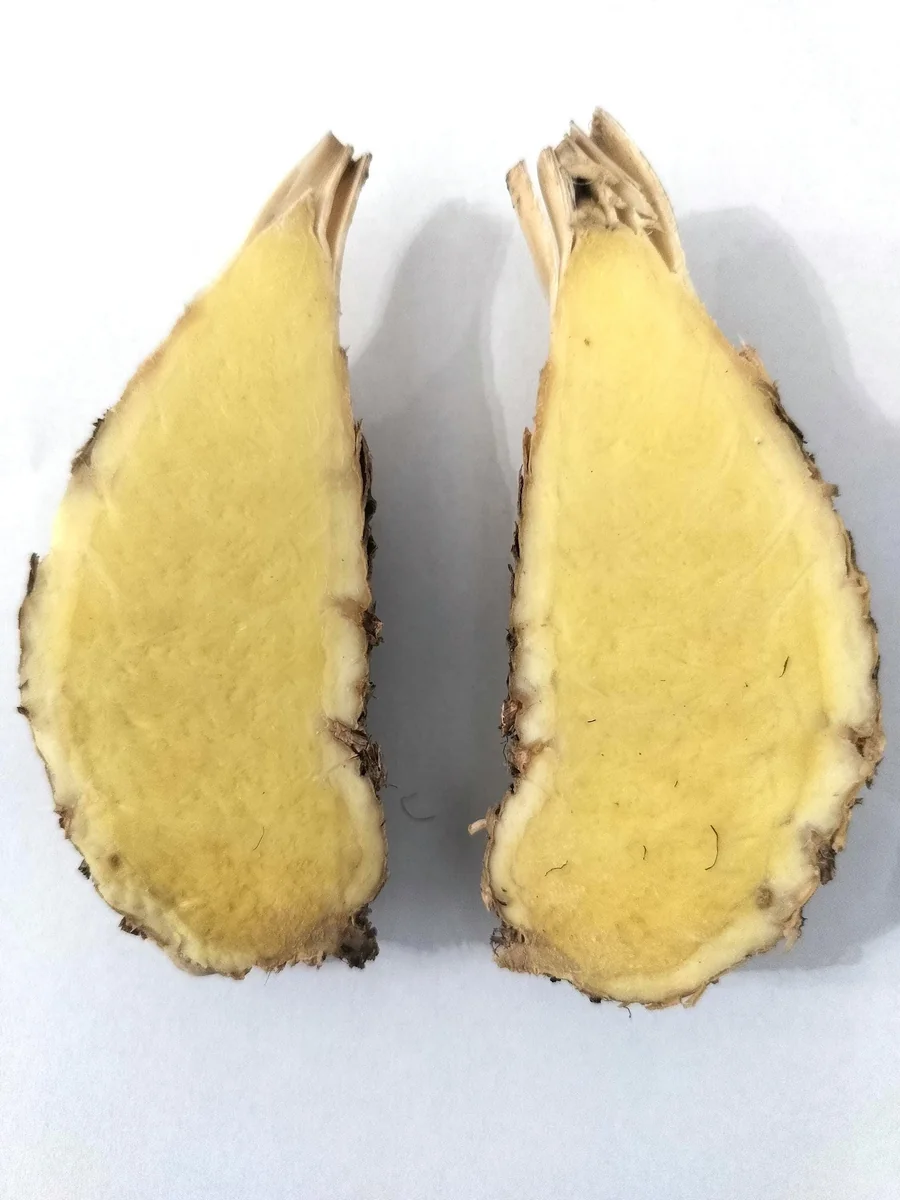
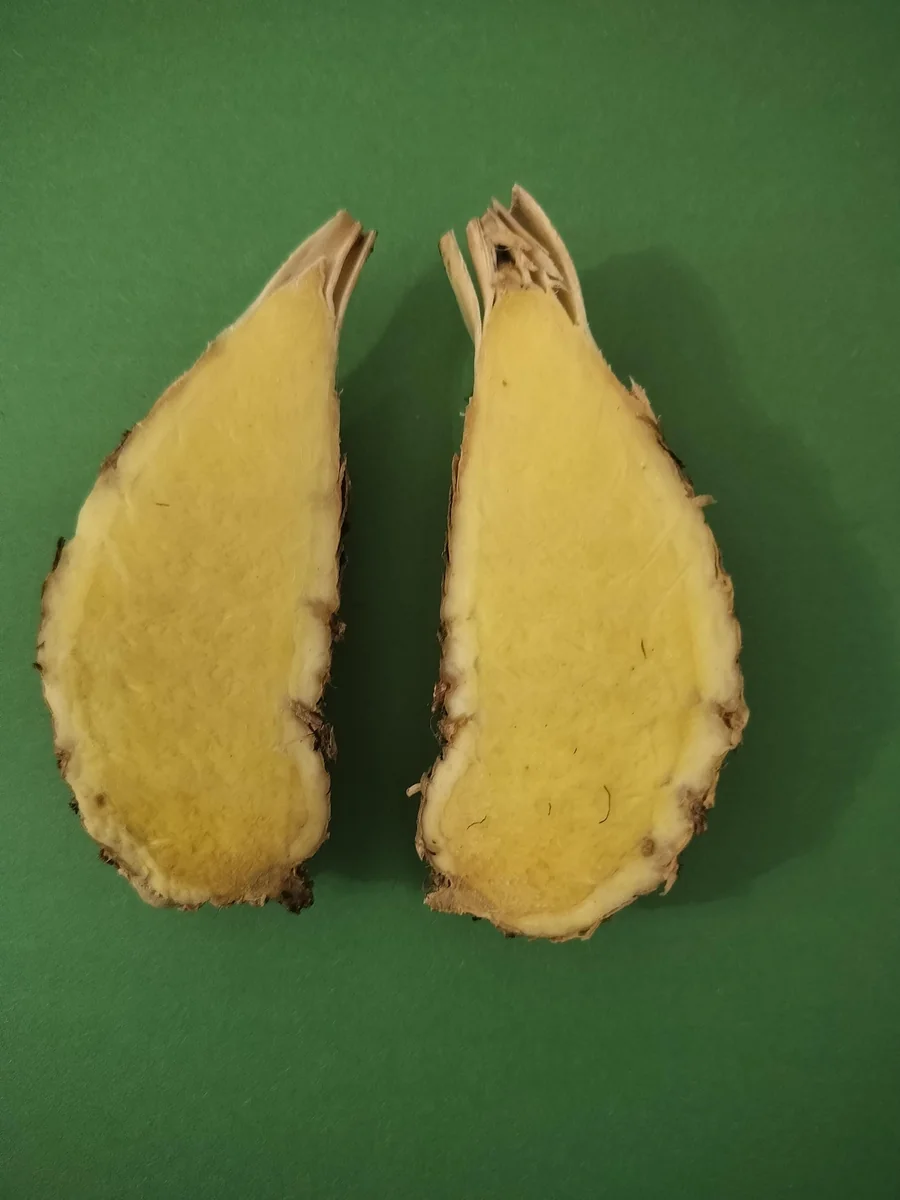
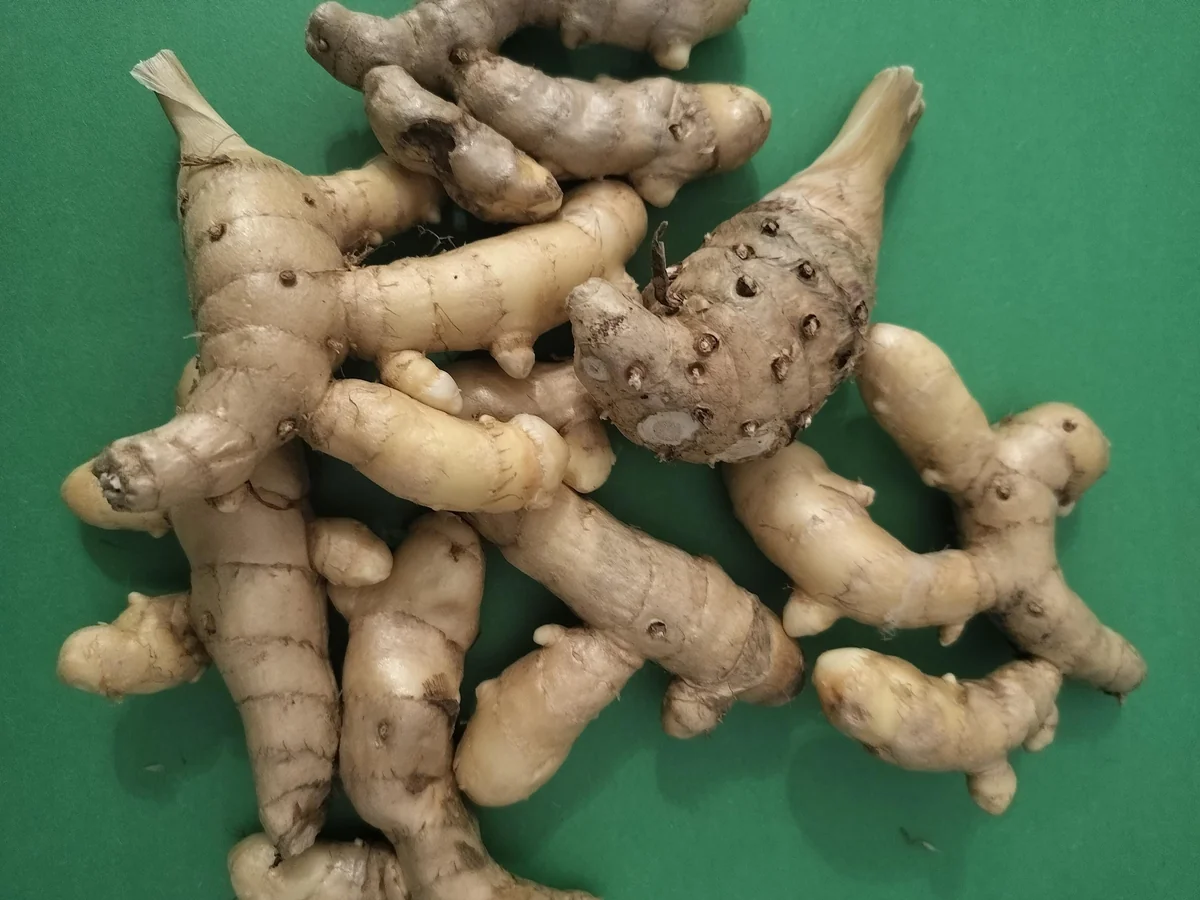
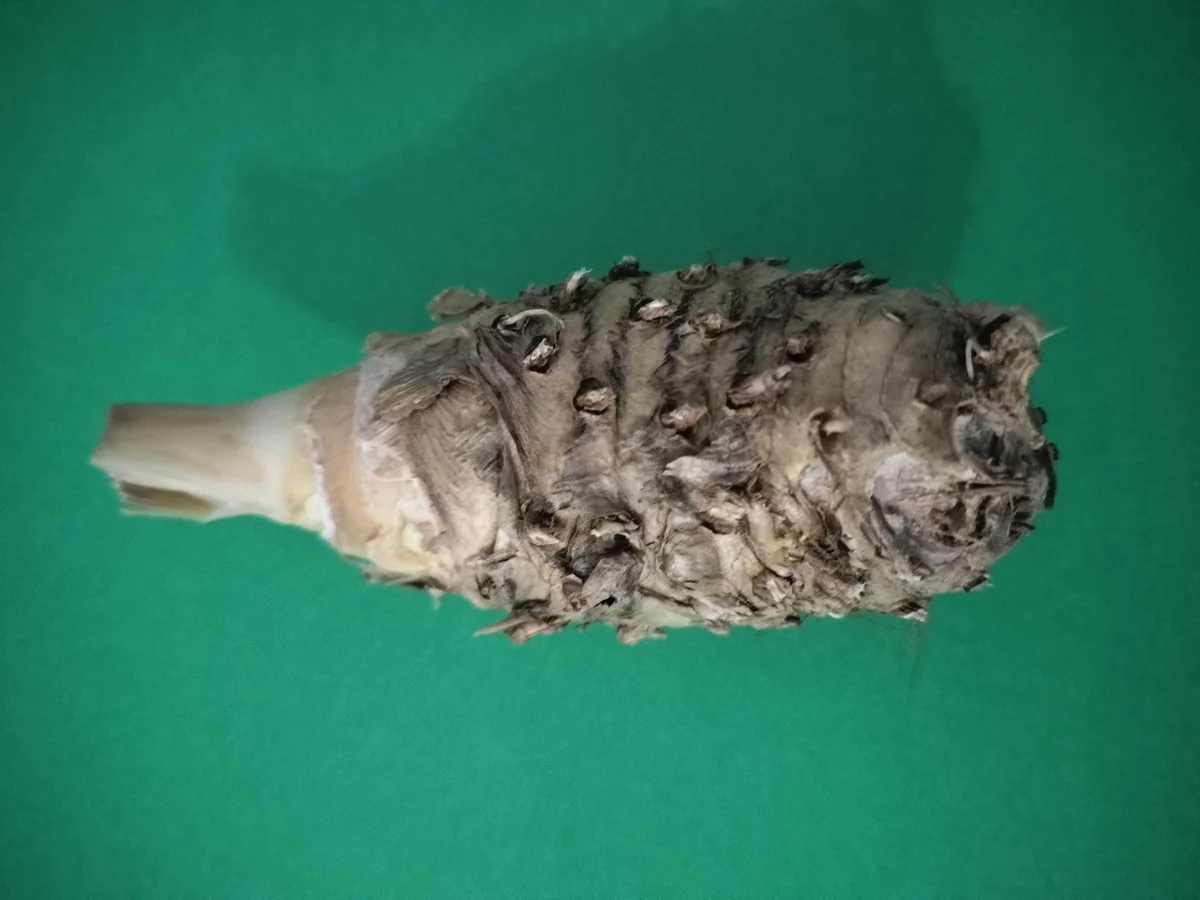
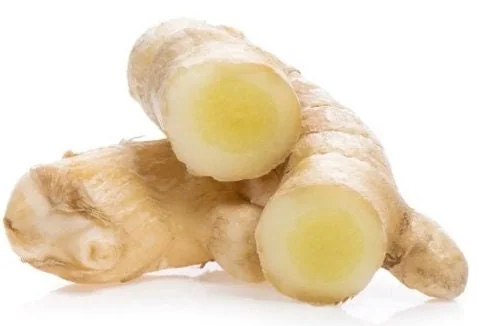
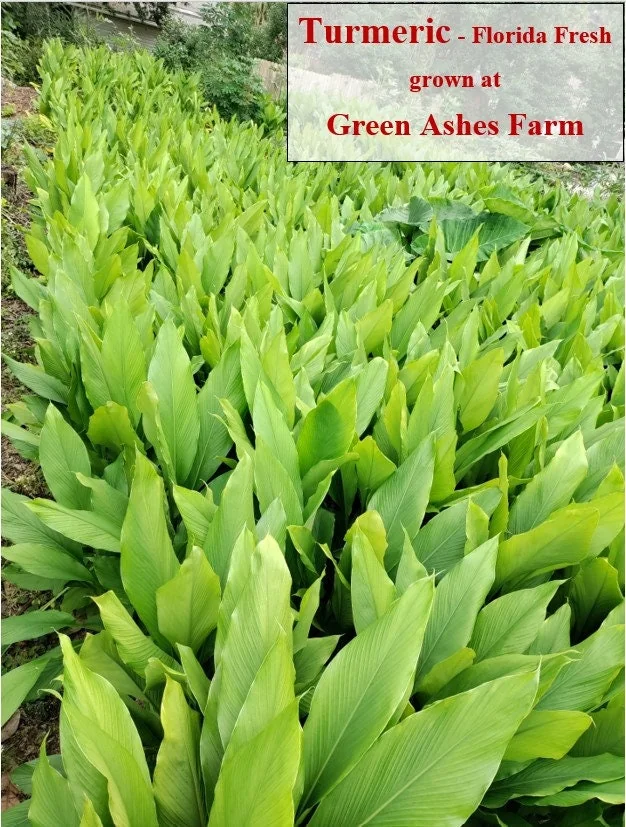
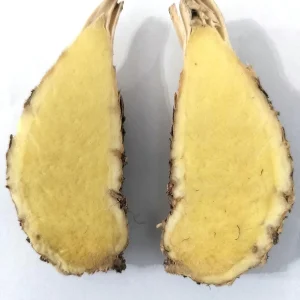
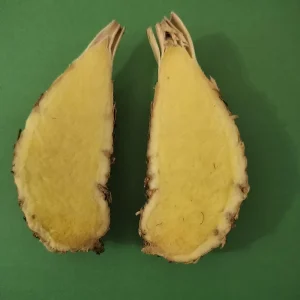
Fresh White Turmeric Rhizomes – Curcuma Amada – Edible & Plantable
From $15.96
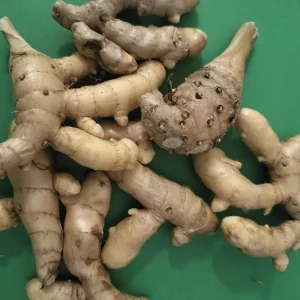
Cultivate your own flavorful white turmeric rhizomes (Curcuma Amada), also known as mango turmeric. These fresh rhizomes are perfect for culinary use in various dishes or planting to grow your own beautiful, edible plants. Enjoy the unique aroma and taste of this versatile herb.
-
USDA Hardiness Zone
USDA zones 8-11 (perennial outdoors), all zones (annual or indoor) -
Soil Type
Rich, well-draining soil -
Sunlight Exposure
Partial shade to full sun -
Expected Planting Period
Mid-spring to early summer

You can track your order HERE
Mar 14
Mar 19 - Mar 21
Mar 24 - Mar 28
Shipping and return policies: Our Alive & Thrive Guarantee covers issues with your plants within the first 30 days. Reach out to us. Our team will answer your questions and help you find the plants that are truly suitable for your environment, climate, and personal preferences.

Overview
Embark on a culinary and gardening adventure with fresh white turmeric rhizomes. Also known as Curcuma Amada or mango turmeric, these unique rhizomes offer a delightful blend of ginger-like flavor with a distinctive mango aroma. Originating from the turmeric family, these rhizomes are not only a fascinating addition to your garden but also a versatile ingredient in the kitchen. Whether you’re looking to grow your own spices or explore new culinary dimensions, these plantable and edible rhizomes provide an exciting opportunity for both seasoned gardeners and culinary enthusiasts. The Curcuma Amada plant is known for its robust growth and ability to produce a bountiful harvest, making it a rewarding choice for home cultivation.
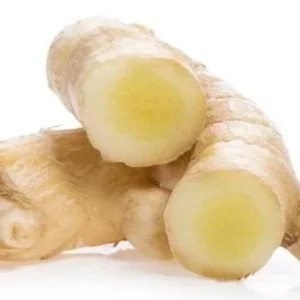
These fresh rhizomes are carefully selected for quality, ensuring you receive healthy specimens ready for planting or immediate culinary use. Unlike common yellow turmeric, white turmeric rhizomes have a pale interior and a more subtle, yet complex, flavor profile. They are a fantastic way to introduce unique tastes and textures into your cooking, from vibrant curries to refreshing salads. Cultivating your own grow white turmeric allows you to observe its fascinating growth cycle, from dormancy in winter to vigorous sprouting in mid-spring, culminating in a fresh supply of this aromatic spice.
Key Benefits
Beyond their culinary appeal, white turmeric rhizomes offer numerous advantages for gardeners and health-conscious individuals alike. These benefits make them a valuable addition to any home garden or kitchen:
-
Culinary Versatility: The unique flavor profile, reminiscent of ginger with a mango aroma and a slightly bitter aftertaste, makes it an excellent ingredient for diverse cuisines. Use it fresh in salads, pickled, or ground into pastes for curries and dals. This versatility expands your culinary repertoire, allowing you to experiment with new and exciting dishes.
-
Easy to Grow: These rhizomes are relatively simple to cultivate, thriving in suitable conditions. They go dormant during winter and reliably sprout again in mid-spring, offering a sustainable source of fresh turmeric year after year. Even novice gardeners can successfully grow white turmeric with basic care.
-
Aromatic & Flavorful: The distinct mango-like fragrance and ginger-like taste provide a sensory delight. This aromatic quality enhances both your garden and your dishes, offering a fresh and exotic touch that sets it apart from common spices. The unique aroma is a key characteristic of mango turmeric benefits.
-
Health-Conscious Choice: As a natural spice, white turmeric can be a part of a healthy diet. While specific health claims are not made, incorporating fresh, home-grown ingredients is generally beneficial. These edible turmeric rhizomes allow you to control the quality of your ingredients.
-
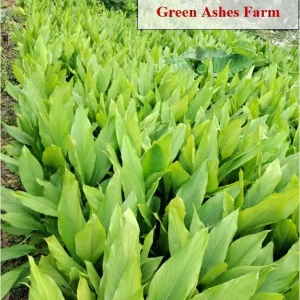
Beautiful Edible Plant: Beyond its practical uses, the Curcuma Amada plant is an attractive addition to your garden. Its lush foliage can add a tropical touch, making it both ornamental and functional. Watching your own turmeric grow from a rhizome is a rewarding experience.
-
Sustainable Harvest: With proper care, you can enjoy a continuous supply of fresh white turmeric. Planting mother and finger rhizomes ensures a staggered harvest and ongoing growth, providing a sustainable source for your culinary needs.
-
Unique Spice: Differentiate your cooking with this less common, yet highly flavorful, variety of turmeric. It’s a talking point and a way to introduce new culinary experiences to friends and family. Explore the many ways to enjoy edible turmeric rhizomes.
Plant Care & Growing Tips
Cultivating white turmeric rhizomes successfully requires understanding their specific needs, though they are generally forgiving plants. To ensure a thriving Curcuma Amada plant, pay close attention to these guidelines. White turmeric, like its yellow counterpart, prefers warm, humid climates. If you live in a region with cold winters, it’s best to grow them in containers that can be brought indoors during the colder months, or treat them as annuals, harvesting the rhizomes before the first frost. The plant goes dormant during winter, with the leaves dying back, and will re-sprout in mid-spring.
Sunlight requirements: White turmeric thrives in partial shade to full sun. While it can tolerate full sun, especially in cooler climates, a location that receives 4-6 hours of morning sun with some afternoon shade is ideal, particularly in hotter regions, to prevent leaf scorch. If growing indoors, provide bright, indirect light. Watering schedule and soil moisture preferences: Keep the soil consistently moist but not waterlogged during the growing season. Allow the top inch of soil to dry out slightly between waterings. Reduce watering significantly when the plant enters dormancy in late fall. Overwatering can lead to rhizome rot. Soil type and drainage requirements: Plant in rich, well-draining soil. A mix of compost, peat moss, and perlite or sand works well to ensure good drainage. The pH preference is slightly acidic to neutral (6.0-7.0).
Temperature range and USDA hardiness zone: White turmeric prefers temperatures between 65°F and 95°F (18°C-35°C). It is ideally suited for USDA Zones 8-11 for outdoor perennial growth. In colder zones, it must be overwintered indoors. Fertilization schedule and type: Feed every 2-4 weeks during the active growing season (spring to fall) with a balanced liquid fertilizer. Reduce or stop fertilization when the plant enters dormancy. Common problems and solutions: Watch out for spider mites and mealybugs, especially in dry conditions; treat with insecticidal soap. Ensure good air circulation to prevent fungal issues. Yellowing leaves can indicate overwatering, nutrient deficiency, or the onset of dormancy. Understanding these care tips will help you successfully grow white turmeric and enjoy its unique flavor.
Size & Details
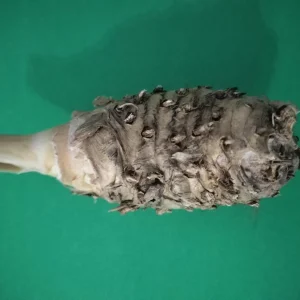
These fresh white turmeric rhizomes are ready for planting or culinary use, offering a flexible solution for your needs. Each order typically includes a mix of mother and finger rhizomes, providing a good base for propagation and immediate enjoyment. Mother rhizomes, which are larger, tend to establish faster and produce a more abundant harvest, while finger rhizomes also grow well. The rhizomes are shipped fresh, ensuring viability for planting. When planted, the Curcuma Amada plant can grow to an average height of 2-3 feet with a similar spread, forming lush, tropical-looking foliage. The growth rate is moderate, with visible growth typically starting a few weeks after planting in warm conditions. Expect a harvest of new rhizomes in about 8-10 months from planting.
For planting, ensure you have a pot that is at least 8-10 inches in diameter for a single rhizome, or larger for multiple. The rhizomes are typically harvested when the foliage begins to die back in late fall, signaling their dormancy. The yield can vary based on growing conditions, but a healthy plant can produce a significant amount of fresh turmeric. These edible turmeric rhizomes are a fantastic way to ensure you have a fresh supply of this unique ingredient right from your garden.
Frequently Asked Questions
-
Q: How big do these rhizomes get when planted? A: When planted, a single Curcuma Amada plant can grow to an average height of 2-3 feet with a similar spread, producing lush, tropical foliage. The rhizomes themselves will multiply underground.
-
Q: Is this an indoor or outdoor plant? A: White turmeric rhizomes can be grown both indoors and outdoors. In USDA Zones 8-11, they can be grown outdoors as perennials. In colder climates, they should be grown in containers and brought indoors for winter, or treated as annuals.
-
Q: How much sunlight does it need? A: White turmeric prefers partial shade to full sun. In hotter climates, some afternoon shade is beneficial. If growing indoors, provide bright, indirect light for optimal growth of your Curcuma Amada plant.
-
Q: Is this plant easy to care for? A: Yes, white turmeric rhizomes are considered relatively easy to care for. They require consistent moisture during the growing season, well-draining soil, and warmth. They are a good choice for beginners looking to grow white turmeric.
-
Q: What condition will the rhizomes arrive in? A: The white turmeric rhizomes will arrive fresh and ready for planting or culinary use. They are carefully packaged to ensure their quality during transit.
-
Q: Can I use white turmeric in cooking? A: Absolutely! These are edible turmeric rhizomes and can be used fresh in various dishes, including curries, salads, pickles, and chutneys. The unique mango-ginger flavor adds an exotic touch to your cuisine, offering distinct mango turmeric benefits.
-
Q: How long until I can harvest the turmeric? A: You can typically expect to harvest new edible turmeric rhizomes about 8-10 months after planting, when the foliage begins to die back in late fall, signaling dormancy.
-
Q: What are the main differences between white and yellow turmeric? A: White turmeric has a pale interior, a distinct mango-like aroma, and a flavor similar to ginger with a slightly bitter aftertaste. Yellow turmeric has a vibrant orange interior, a more earthy flavor, and is commonly used for its strong coloring properties. Both are members of the Curcuma family.
-
Q: Is white turmeric safe for pets? A: While turmeric is often considered safe for pets in small, controlled amounts, it’s always best to consult with a veterinarian regarding specific dietary additions for your pets, especially with any new plant material.
-
Q: What are some common uses for mango turmeric in different cuisines? A: In Indonesia, it’s ground for white curry pastes. In India, it’s used fresh or pickled and flavors dahls and chutneys. In Thai cuisine, it’s used raw in salads or with chili pastes, showcasing the versatility of mango turmeric benefits.
| Weight | 1 Lb, 4 Oz, 8 Oz |
|---|
Be the first to review “Fresh White Turmeric Rhizomes – Curcuma Amada – Edible & Plantable”
People Also Viewed

Flower Plants
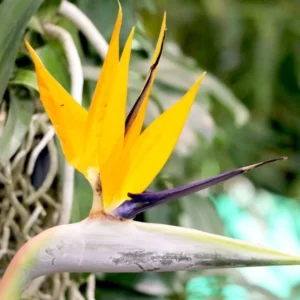
Yellow Bird of Paradise Live Plant – 5-10 Inch Tropical Outdoor Plant Strelitzia Reginae
Sold 61 products
Original price was: $69.98.$34.99Current price is: $34.99.
Sold 73 products
From $51.80
Sold 66 products
Original price was: $160.00.$128.00Current price is: $128.00.
Sold 82 products
Original price was: $39.00.$19.50Current price is: $19.50.
Sold 62 products
From $13.98
Seeds
Saffron Milk Cap Mycelium Spawn (Lactarius deliciosus) on Dry Seeds – Outdoor Mushroom Cultivation
Sold 69 products
Original price was: $36.00.$18.00Current price is: $18.00.
Sold 69 products
Original price was: $47.96.$23.98Current price is: $23.98.
Sold 53 products
Original price was: $175.96.$87.98Current price is: $87.98.

Sold 75 products
Original price was: $23.96.$11.98Current price is: $11.98.
Sold 83 products
Original price was: $40.00.$20.00Current price is: $20.00.
Sold 81 products
Original price was: $55.80.$27.90Current price is: $27.90.
Sold 89 products
Original price was: $79.98.$39.99Current price is: $39.99.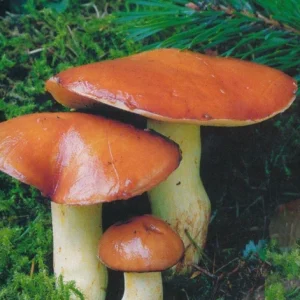
Sold 60 products
Original price was: $40.00.$20.00Current price is: $20.00.
Sold 52 products
From $67.80
Sold 88 products
Original price was: $36.00.$18.00Current price is: $18.00.
Sold 97 products
Original price was: $36.00.$18.00Current price is: $18.00.
Sold 99 products
Original price was: $95.80.$47.90Current price is: $47.90.
Sold 69 products
Original price was: $96.76.$48.38Current price is: $48.38.



Reviews
There are no reviews yet.