
French Lavender (Lavandula Dentata) Live Plant – 1 Gallon Pot – Outdoor Shrub
Original price was: $147.16.$73.58Current price is: $73.58.
Bring the beauty and aroma of Provence to your garden with a vibrant French Lavender live plant. This robust Lavandula Dentata care plant arrives in a 1-gallon pot, ready to thrive outdoors and fill your space with its distinctive fragrance.
-
USDA Hardiness Zone
USDA Zones 8-11 -
Soil Type
Well-draining, sandy or gravelly soil -
Sunlight Exposure
Full sun -
Expected Planting Period
Spring to early summer

You can track your order HERE
Mar 04
Mar 09 - Mar 11
Mar 14 - Mar 18
Shipping and return policies: Our Alive & Thrive Guarantee covers issues with your plants within the first 30 days. Reach out to us. Our team will answer your questions and help you find the plants that are truly suitable for your environment, climate, and personal preferences.

Overview
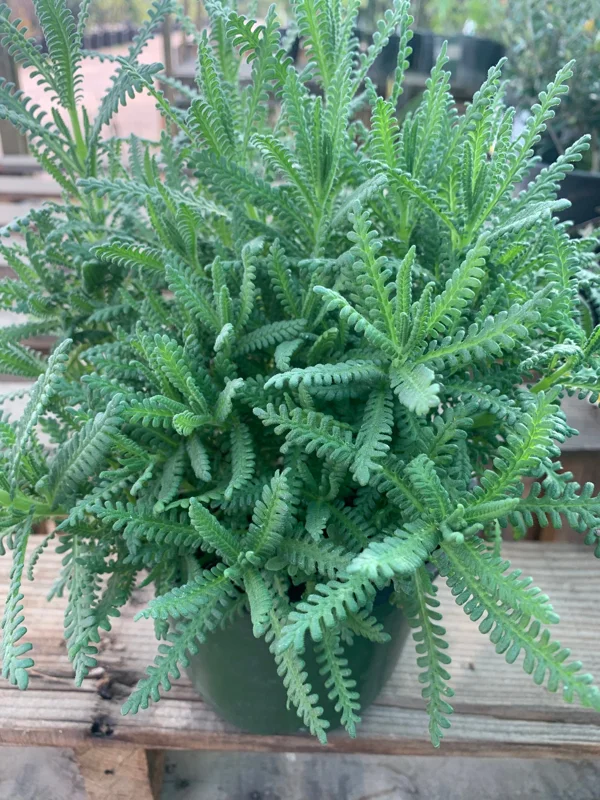
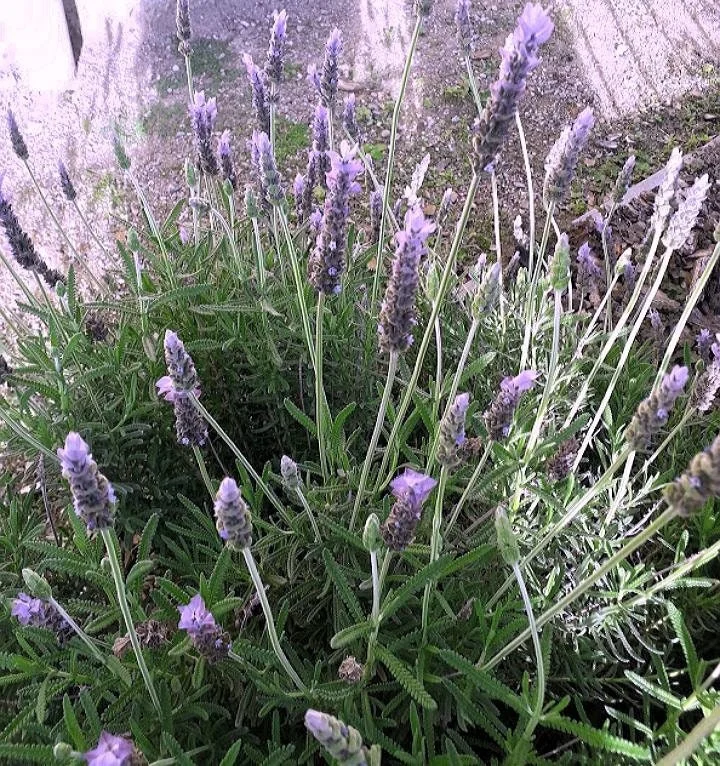
Transform your outdoor space into a fragrant sanctuary with our premium French Lavender live plant. Known botanically as Lavandula Dentata, this captivating shrub is celebrated for its distinctive toothed leaves and beautiful, long-lasting purple flowers. Unlike some other lavender varieties, French Lavender live plant offers a unique, slightly more herbaceous scent, making it a favorite for both ornamental gardens and aromatic uses. This robust specimen arrives as a healthy, established plant in a 1-gallon pot, standing approximately 1 foot tall, ready to be planted and flourish in your garden. It’s an excellent choice for gardeners looking for a drought-tolerant, low-maintenance, and highly rewarding plant that brings both visual appeal and a delightful fragrance.
Our French Lavender live plant is carefully cultivated to ensure strong root development and vigorous growth, providing you with a head start on creating a stunning landscape. Whether you’re designing a cottage garden, a Mediterranean-inspired bed, or simply adding a touch of elegance to a patio container, Lavandula Dentata is a versatile and resilient plant. Its evergreen foliage and continuous blooming habit throughout warmer months ensure a consistent display of beauty and scent. Enjoy the calming presence and the gentle hum of pollinators that this wonderful fragrant lavender plant attracts.
Key Benefits
Investing in a French Lavender live plant brings a multitude of advantages to your garden and home. This beloved herb is not only aesthetically pleasing but also offers practical benefits that enhance your outdoor living experience:
- Aromatic Delight: The distinctive, slightly camphorous fragrance of Lavandula Dentata is known for its calming properties. Its scent can help reduce stress and create a peaceful atmosphere in your garden or home when used in sachets.
- Stunning Visual Appeal: With its striking purple-blue flower spikes and attractive gray-green, toothed foliage, this lavender variety adds a touch of Mediterranean charm and elegance to any landscape design.
- Pollinator Magnet: The vibrant flowers are a favorite of bees, butterflies, and other beneficial pollinators, making it an excellent addition for supporting local ecosystems and encouraging biodiversity in your garden.
- Drought Tolerance: Once established, French Lavender live plant is remarkably drought-tolerant, requiring minimal watering. This makes it an ideal choice for water-wise gardening and arid climates, reducing your garden’s water consumption.
- Low Maintenance: This hardy perennial requires relatively little care. Regular pruning after flowering encourages bushier growth and more blooms, making growing French Lavender a rewarding experience for gardeners of all skill levels.
- Deer and Rabbit Resistant: The strong aromatic oils in lavender deter deer and rabbits, protecting your garden from common pests without the need for chemical deterrents.
- Versatile Landscaping Plant: Perfect for borders, rock gardens, mass plantings, or as a container plant, its adaptability allows it to thrive in various outdoor settings, enhancing different garden styles.
Plant Care & Growing Tips
Proper Lavandula Dentata care is essential for a thriving and abundant French Lavender live plant. This Mediterranean native prefers conditions that mimic its natural habitat. It requires at least 6-8 hours of direct sunlight per day to produce the most vibrant blooms and strongest fragrance. Choose a location in your garden that receives full sun exposure throughout the day. While it can tolerate some partial shade, too little sun will result in leggy growth and fewer flowers. Good air circulation is also crucial to prevent fungal diseases, so avoid overcrowding when planting.
When it comes to watering, less is often more for French Lavender live plant. It is highly susceptible to root rot in overly wet conditions. Water deeply but infrequently, allowing the soil to dry out completely between waterings. In established plants, especially during hot, dry periods, a deep watering once every 1-2 weeks may suffice. For newly planted lavender, more consistent watering may be needed until the root system is established. The ideal soil for growing French Lavender is well-draining, sandy, or gravelly, with a slightly alkaline pH (6.5-8.0). If your soil is heavy clay, amend it with sand, gravel, and organic matter to improve drainage. Fertilization is generally not necessary; lavender thrives in lean soil. If your soil is particularly poor, a light application of a balanced, slow-release fertilizer in spring can be beneficial, but avoid high-nitrogen fertilizers which can promote foliage over flowers.
Pruning is a vital aspect of Lavandula Dentata care to maintain its shape, promote new growth, and encourage prolific flowering. The best time to prune is after the main flush of blooms in late spring or early summer. Remove spent flower stalks and trim back about one-third of the plant’s growth, avoiding cutting into old, woody stems as much as possible. A lighter trim can be done in the fall to tidy up the plant. French Lavender live plant is generally hardy in USDA Zones 8-11, tolerating mild winters. In colder zones, it can be grown as an annual or overwintered indoors in a bright, cool location. Protect outdoor plants in marginal zones with a thick layer of mulch in late fall to insulate the roots from extreme cold. This practice will help your outdoor lavender shrub return beautifully year after year.
Size & Details
This offering includes one healthy French Lavender live plant (Lavandula Dentata), shipped in a sturdy 1-gallon nursery pot. Upon arrival, the plant typically stands approximately 1 foot (12 inches) tall from the base of the pot, with a spread of about 8-10 inches, though exact dimensions may vary slightly depending on the individual plant’s growth stage. This size provides a well-established root system, ensuring a strong start in your garden. Growing French Lavender can result in a mature plant reaching a height of 2-3 feet and a similar spread, forming a beautiful, mounded shrub. The plant is ready for immediate transplantation into your garden beds, borders, or a larger decorative container. Expect vigorous growth and flowering throughout the warmer months, typically from late spring through fall, providing continuous beauty and aroma.
Frequently Asked Questions
- Q: How big does this plant get? A: This French Lavender live plant arrives in a 1-gallon pot at about 1 foot tall. When mature, it can reach a height and spread of 2-3 feet, creating a lovely, rounded shrub in your garden.
- Q: Is this an indoor or outdoor plant? A: French Lavender live plant (Lavandula Dentata) is primarily an outdoor plant. It thrives in full sun conditions and is well-suited for garden beds, borders, and outdoor containers.
- Q: How much sunlight does it need? A: For optimal growth and flowering, your fragrant lavender plant requires at least 6-8 hours of direct sunlight per day. Choose a sunny spot in your garden to ensure abundant blooms.
- Q: Is this plant easy to care for? A: Yes, Lavandula Dentata care is considered relatively easy. Once established, it is drought-tolerant and requires minimal attention beyond proper sunlight, well-draining soil, and occasional pruning.
- Q: What condition will it arrive in? A: Your French Lavender live plant will arrive as a healthy, established plant in a 1-gallon nursery pot, approximately 1 foot tall, with its root ball intact and ready for planting.
- Q: When is the best time to plant this outdoor lavender shrub? A: The best time for growing French Lavender is in spring or early summer after the last frost, allowing it ample time to establish its root system before winter.
- Q: Will it survive winter in my zone? A: French Lavender live plant is typically hardy in USDA Zones 8-11. In colder zones, it can be grown as an annual or given winter protection, such as heavy mulching, to help it survive.
- Q: Can I use the flowers for culinary purposes? A: While Lavandula Dentata is primarily grown for its ornamental and aromatic qualities, some people use its flowers sparingly in culinary applications. However, English lavender varieties are generally preferred for cooking due to their sweeter flavor profile.
- Q: What kind of soil does it prefer? A: This outdoor lavender shrub thrives in well-draining, sandy, or gravelly soil with a slightly alkaline pH. Good drainage is crucial to prevent root rot.
- Q: Does this plant attract pollinators? A: Absolutely! The vibrant flowers of the fragrant lavender plant are highly attractive to bees, butterflies, and other beneficial pollinators, making it a great choice for a pollinator garden.
Be the first to review “French Lavender (Lavandula Dentata) Live Plant – 1 Gallon Pot – Outdoor Shrub”
People Also Viewed
Sold 66 products
Original price was: $39.99.$34.99Current price is: $34.99.
Sold 98 products
Original price was: $39.98.$19.99Current price is: $19.99.
Sold 75 products
Original price was: $41.98.$20.99Current price is: $20.99.
Sold 65 products
Original price was: $89.98.$44.99Current price is: $44.99.
Sold 68 products
Original price was: $28.76.$14.38Current price is: $14.38.
Sold 64 products
Original price was: $111.96.$55.98Current price is: $55.98.
Sold 87 products
Original price was: $99.80.$49.90Current price is: $49.90.
Sold 52 products
$87.98
Sold 94 products
Original price was: $22.76.$11.38Current price is: $11.38.
Sold 80 products
Original price was: $28.76.$14.38Current price is: $14.38.
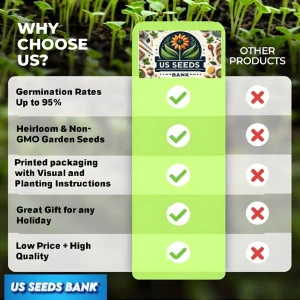
Vegetable Seeds
85g Jumbo Bailey Virginia Peanut Seeds – Organic Non-GMO Vegetable Seeds for Planting Outdoor
Sold 52 products
Original price was: $26.76.$13.38Current price is: $13.38.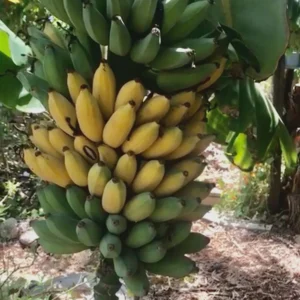

Sold 59 products
Original price was: $64.00.$51.20Current price is: $51.20.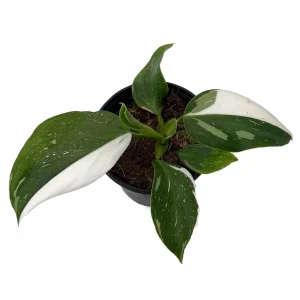
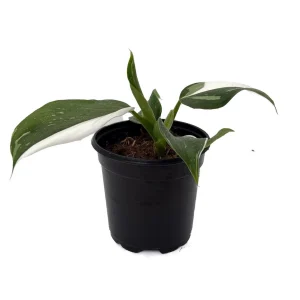
Sold 83 products
Original price was: $89.56.$44.78Current price is: $44.78.
Sold 70 products
Original price was: $18.76.$9.38Current price is: $9.38.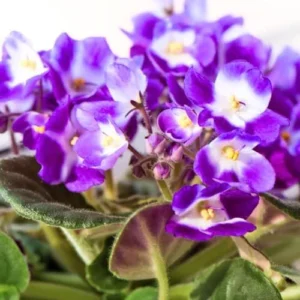
Flower Plants
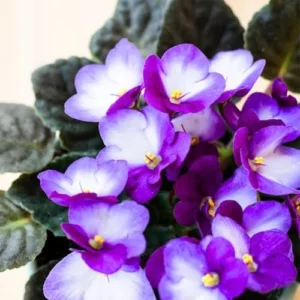
African Violet Live Plant Houseplant – Purple White Flower, 4 Inch Pot, Indoor Growing
Sold 93 products
Original price was: $79.98.$39.99Current price is: $39.99.
Sold 72 products
Original price was: $31.96.$15.98Current price is: $15.98.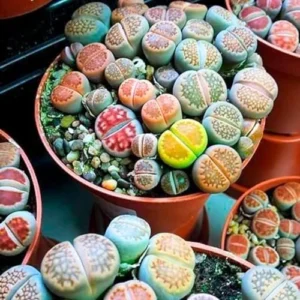
HousePlants
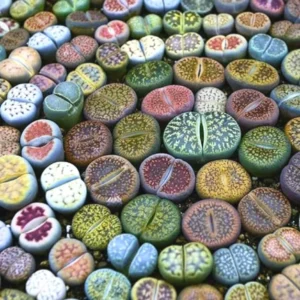
Lithops Live Plants Mix – 30 Colorful Succulents – Living Stones for Indoor/Outdoor Planting
Sold 72 products
Original price was: $65.98.$32.99Current price is: $32.99.
Flower Plants
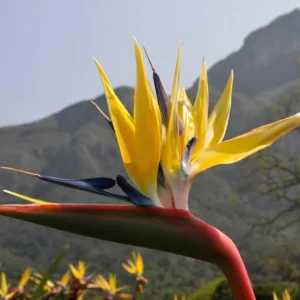
Yellow Bird of Paradise Plant Live Houseplant 5-10 Inches Tropical Strelitzia Reginae Bush
Sold 56 products
Original price was: $19.92.$9.96Current price is: $9.96.

Reviews
There are no reviews yet.