
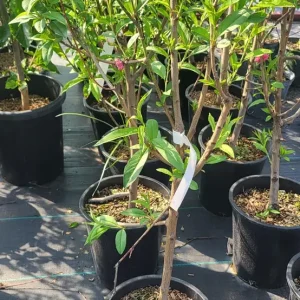
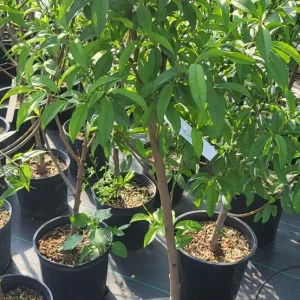
Flowering Peach Tree Live Plant – 5 Gallon, 3-4 Feet Tall – Outdoor
Original price was: $250.00.$187.50Current price is: $187.50.
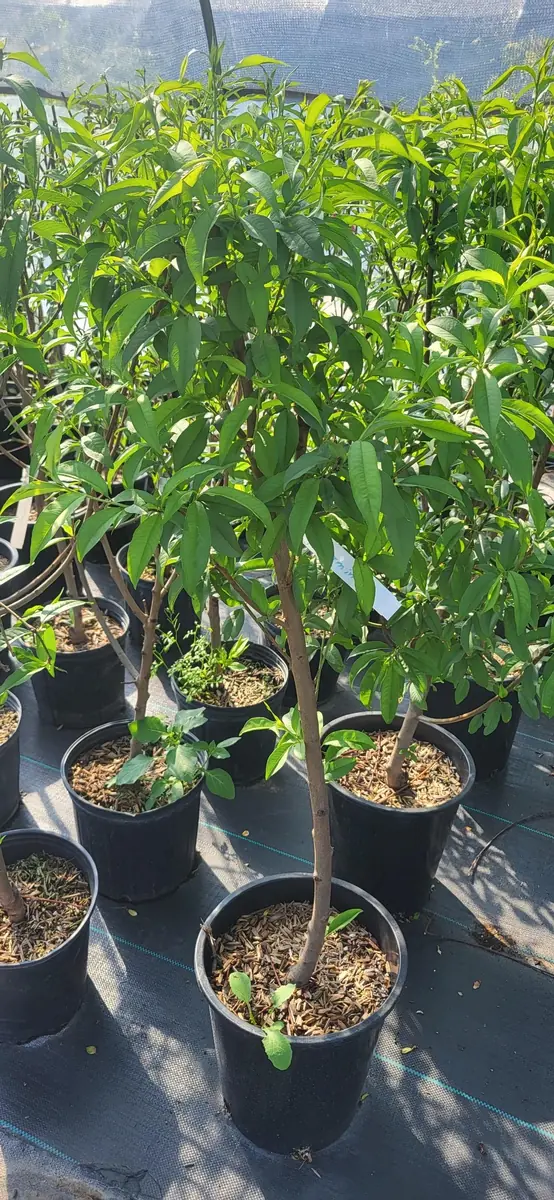
Bring vibrant spring color to your garden with this beautiful flowering peach tree. Standing 3-4 feet tall and grown in a 5-gallon container, this live plant is ready to thrive outdoors, producing stunning blossoms each season.
-
USDA Hardiness Zone
USDA Zones 5-9 -
Soil Type
Well-draining loam -
Sunlight Exposure
Full sun -
Expected Planting Period
Spring to early fall

You can track your order HERE
Feb 28
Mar 05 - Mar 07
Mar 10 - Mar 14
Shipping and return policies: Our Alive & Thrive Guarantee covers issues with your plants within the first 30 days. Reach out to us. Our team will answer your questions and help you find the plants that are truly suitable for your environment, climate, and personal preferences.

Overview
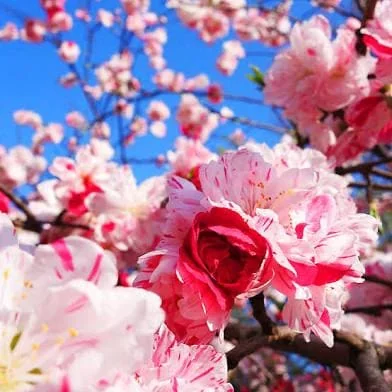
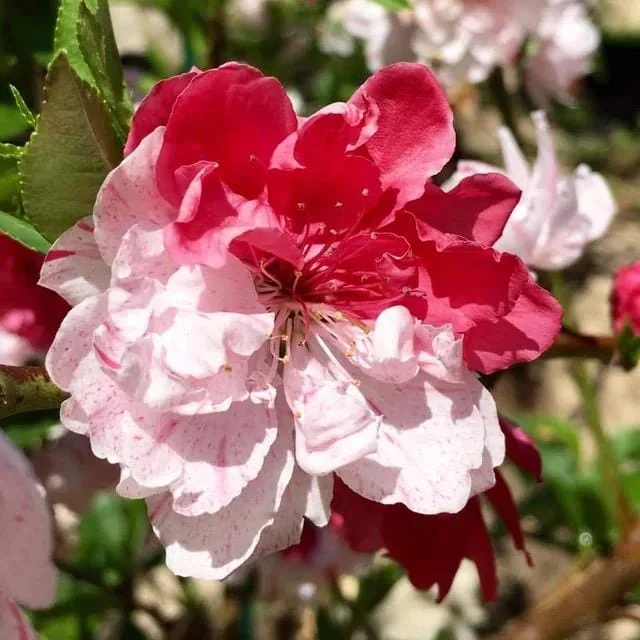
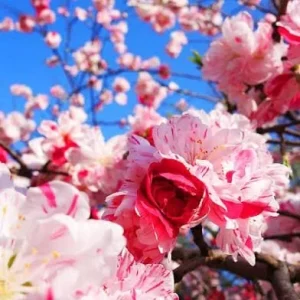
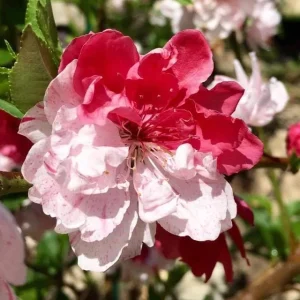
Transform your outdoor space with the stunning beauty of a flowering peach tree. This exquisite live plant, often referred to as an ornamental peach tree, is celebrated for its spectacular spring blossoms that can turn any garden into a picturesque landscape. Our offering is a robust specimen, standing 3-4 feet tall and cultivated in a generous 5-gallon nursery pot, ensuring it arrives healthy and ready for planting. While it produces beautiful flowers, the primary appeal of this variety is its ornamental value, making it a perfect focal point for yards, patios, or large garden beds. The delicate, often multi-hued flowers provide an early burst of color, signaling the arrival of warmer weather and attracting beneficial pollinators. If you are searching for a striking and resilient plant to enhance your home’s curb appeal, a flowering peach tree is an excellent choice.
Known for its rapid growth and impressive display, this type of peach tree offers more than just aesthetic appeal. It’s a fantastic way to introduce architectural interest and seasonal variation to your garden. Whether you’re an experienced gardener or just starting, planting a live peach tree plant can be a rewarding experience, providing years of visual enjoyment. Its adaptability to various soil types and climates further adds to its appeal, making it a popular option for many homeowners.
Key Benefits
Adding an ornamental peach tree to your garden provides numerous advantages, enhancing both the beauty and ecological value of your outdoor environment. Its captivating blooms are just the beginning of what this remarkable plant offers.
- Spectacular Spring Blooms: Enjoy an explosion of vibrant pink or white flowers each spring, creating a breathtaking visual display that is truly unforgettable. This early-season color brightens the landscape after winter.
- Attracts Pollinators: The abundant flowers provide an early food source for bees and other beneficial pollinators, contributing to the health of your local ecosystem and supporting biodiversity.
- Low Maintenance: Once established, the flowering peach tree is relatively easy to care for, requiring minimal attention beyond basic watering and occasional pruning, making it ideal for busy gardeners.
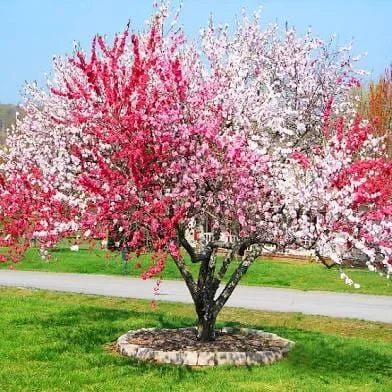
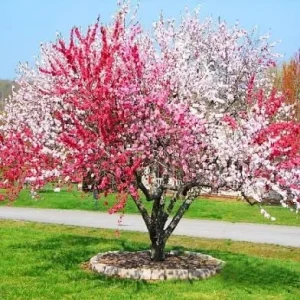
- Landscape Focal Point: Its attractive form and stunning seasonal display make it a perfect specimen tree for lawns, garden beds, or as part of a mixed border, drawing the eye and adding structure.
- Rapid Growth: This tree grows at a moderate to fast rate, meaning you won’t have to wait long to enjoy its full beauty and benefits. It quickly establishes itself in the garden.
- Drought Tolerance: While regular watering is important during establishment, mature flowering peach trees show good drought tolerance, making them suitable for regions with varying rainfall patterns.
- Seasonal Interest: Beyond its spring flowers, the tree offers attractive green foliage in summer and an interesting branching structure in winter, providing year-round appeal to your garden.
Plant Care & Growing Tips
Caring for your flowering peach tree is straightforward, ensuring years of beautiful blooms. This ornamental variety thrives when given the right conditions, which largely mirror those for fruiting peach trees, though with less emphasis on fruit production. For optimal growth and flowering, select a site that receives full sun, meaning at least 6-8 hours of direct sunlight per day. Good air circulation is also beneficial to prevent fungal diseases. When considering a peach tree for sale, remember that proper planting is key to its success. Dig a hole twice as wide as the root ball and just as deep, ensuring the top of the root ball is level with the soil surface. Backfill with native soil, avoiding excessive amendments that can hinder root establishment.
Watering is crucial, especially during the first year after planting. Provide deep and regular watering, about once or twice a week, allowing the soil to dry out slightly between waterings. Mature trees are more drought-tolerant but will benefit from supplemental watering during prolonged dry spells. The ideal soil type is well-draining loam with a slightly acidic to neutral pH (6.0-7.0). Avoid heavy clay soils that retain too much moisture, which can lead to root rot. Fertilize in early spring with a balanced slow-release fertilizer designed for flowering trees, following package instructions. Pruning should be done in late winter or early spring while the tree is dormant, focusing on removing dead, diseased, or crossing branches to maintain an open structure and encourage vigorous flowering. Keep an eye out for common peach tree pests and diseases, and address them promptly with appropriate organic or chemical treatments. A healthy live peach tree plant will reward you with abundant blossoms.
Size & Details
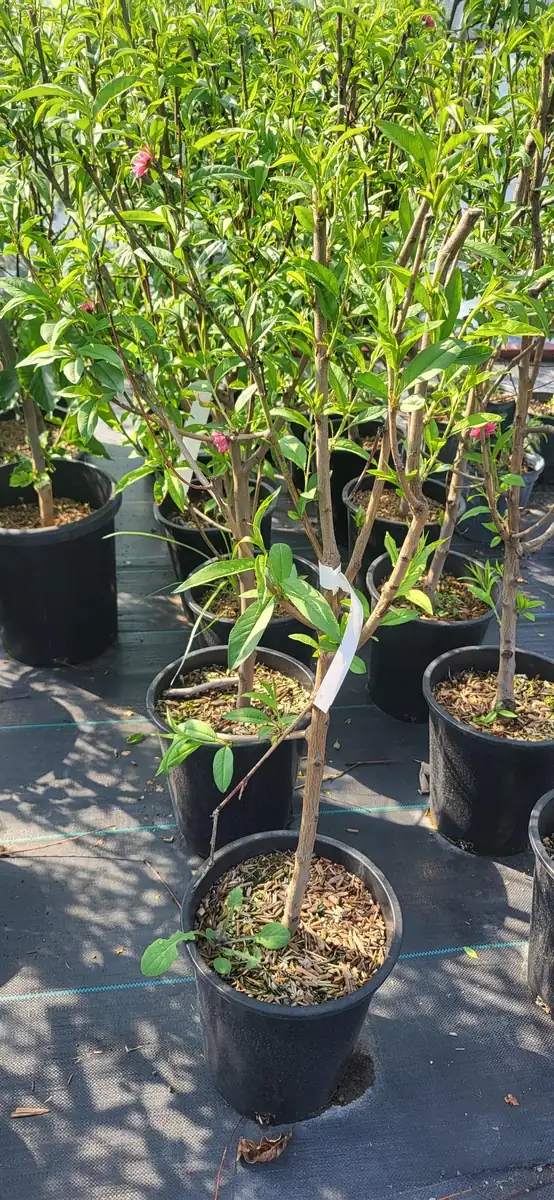
This magnificent flowering peach tree arrives as a well-established live plant, ready to make an immediate impact in your garden. It currently stands impressively at 3-4 feet tall, offering a substantial presence from day one. The tree is carefully cultivated and shipped in a robust 5-gallon nursery container, complete with soil, ensuring its roots are protected and it transitions smoothly to its new home. This size indicates a well-developed root system, which is crucial for successful establishment and vigorous growth in your landscape. You can expect this ornamental peach tree to grow at a moderate pace, reaching a mature height of approximately 15-20 feet with a similar spread, creating a beautiful canopy of flowers and foliage.
The peppermint peach tree, as some variations are known, is typically grown for its ornamental value rather than fruit production, though some varieties may yield small, inedible peaches. Its primary contribution is its spectacular floral display. It’s best planted in spring or early fall to allow roots to establish before extreme temperatures. When you purchase this peach tree for sale, you are investing in a long-lasting source of beauty and seasonal interest for your garden, thriving for many years with proper care.
Frequently Asked Questions
- Q: How big does this flowering peach tree get? A: This flowering peach tree is currently 3-4 feet tall and shipped in a 5-gallon pot. When mature, it typically reaches a height of 15-20 feet with a similar spread, creating a lovely ornamental canopy.
- Q: Is this an indoor or outdoor plant? A: This flowering peach tree is an outdoor plant. It requires full sun exposure and is best suited for planting directly in the ground in appropriate USDA hardiness zones to thrive and produce its beautiful blooms.
- Q: How much sunlight does an ornamental peach tree need? A: An ornamental peach tree requires full sun exposure, meaning at least 6 to 8 hours of direct sunlight per day. Ample sunlight is essential for vigorous growth and abundant flowering.
- Q: Is this peach tree easy to care for? A: Yes, once established, the flowering peach tree is considered relatively low-maintenance. It primarily needs consistent watering during its first year, annual pruning, and occasional fertilization to stay healthy and bloom profusely.
- Q: What condition will the live peach tree plant arrive in? A: Your live peach tree plant will arrive in a 5-gallon container with its pot and soil, carefully packaged to ensure it reaches you healthy and ready for planting. We take great care in preparing plants for shipment.
- Q: How long until this peach tree blooms? A: This 3-4 feet tall flowering peach tree is a semi-mature plant. You can typically expect it to produce its first significant blooms in the spring following its first full growing season after planting, if properly cared for.
- Q: Will this ornamental peach tree survive winter in my zone? A: The hardiness of your ornamental peach tree depends on your USDA growing zone. Most flowering peach varieties are hardy in zones 5-9. Please check your specific zone to ensure it’s suitable for your climate.
- Q: What type of soil is best for a flowering peach tree? A: A flowering peach tree thrives in well-draining, fertile soil with a slightly acidic to neutral pH. Sandy loam is ideal, but it can adapt to various soil types as long as drainage is good.
Be the first to review “Flowering Peach Tree Live Plant – 5 Gallon, 3-4 Feet Tall – Outdoor”
People Also Viewed
Sold 81 products
Original price was: $54.36.$27.18Current price is: $27.18.
Sold 61 products
Original price was: $40.00.$32.00Current price is: $32.00.
Sold 83 products
From $61.58
Sold 77 products
Original price was: $37.35.$12.94Current price is: $12.94.
Sold 81 products
Original price was: $100.00.$80.00Current price is: $80.00.
Sold 82 products
Original price was: $48.00.$38.40Current price is: $38.40.
Sold 82 products
Original price was: $60.00.$48.00Current price is: $48.00.
Sold 77 products
Original price was: $89.98.$44.99Current price is: $44.99.
Sold 68 products
Original price was: $46.00.$36.80Current price is: $36.80.
Sold 63 products
Original price was: $28.00.$22.40Current price is: $22.40.
Sold 98 products
Original price was: $399.80.$199.90Current price is: $199.90.
Sold 55 products
Original price was: $100.00.$80.00Current price is: $80.00.
Sold 66 products
Original price was: $60.00.$48.00Current price is: $48.00.
Sold 89 products
$329.98
Sold 81 products
Original price was: $77.98.$38.99Current price is: $38.99.
Sold 98 products
Original price was: $175.96.$87.98Current price is: $87.98.
Sold 96 products
Original price was: $29.99.$19.99Current price is: $19.99.
Fruits
5 Windsor Blueberry Starter Plug – Vaccinium corymbosum – Southern Highbush Blueberry Live Plant
Sold 63 products
Original price was: $80.00.$64.00Current price is: $64.00.


Reviews
There are no reviews yet.