
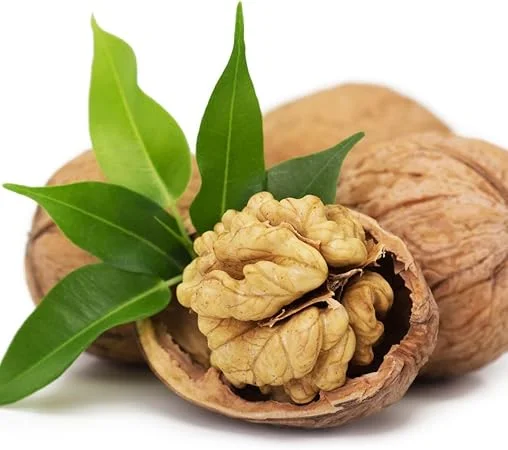
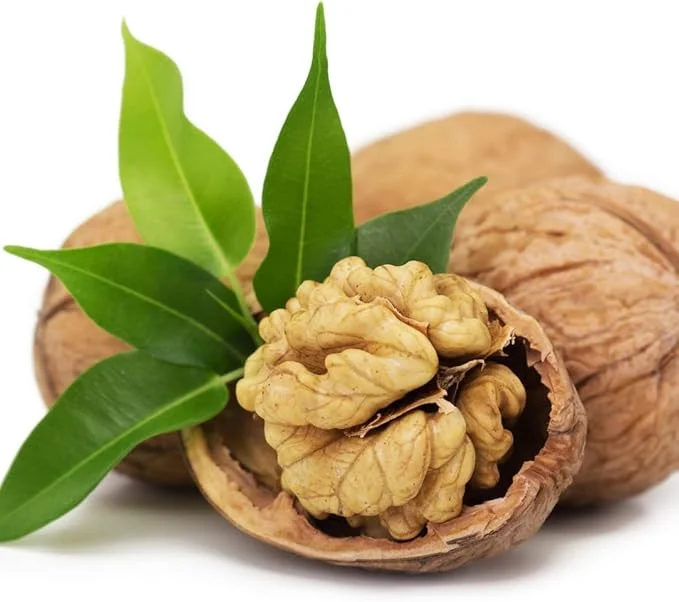
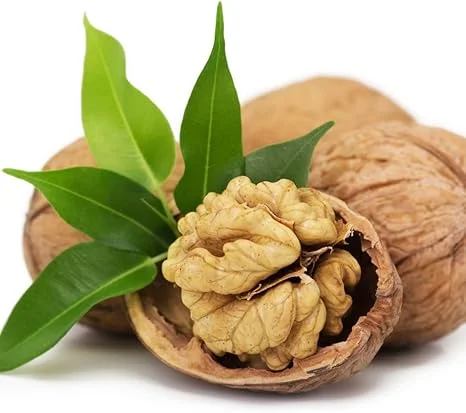
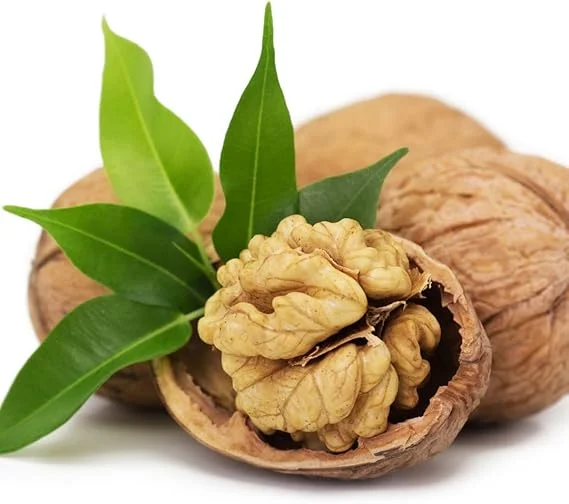
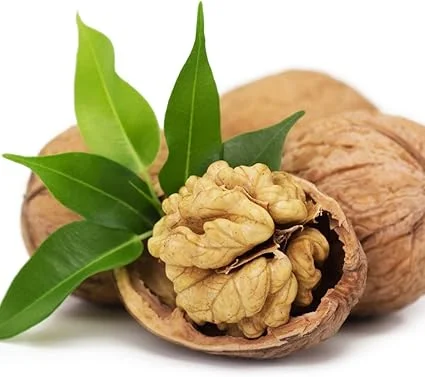
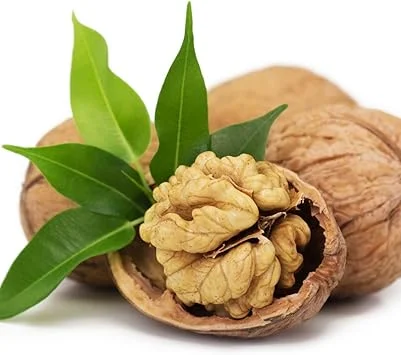
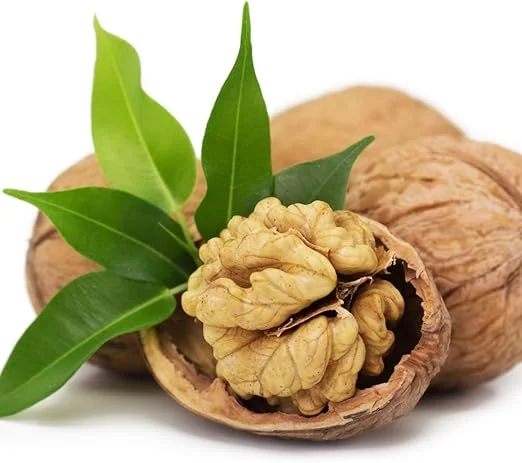
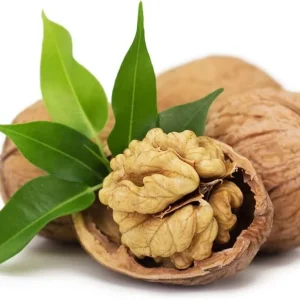
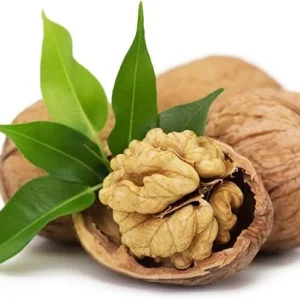
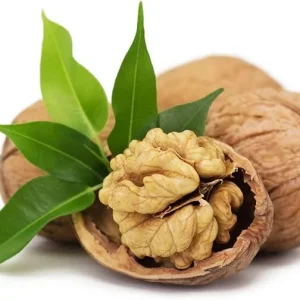
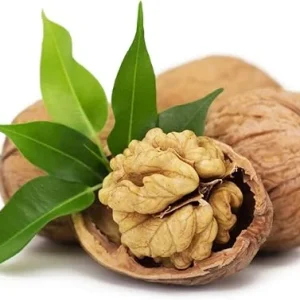
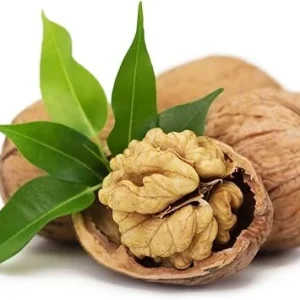
English Walnut Tree Live Plant 1-2 Ft, Cold Hardy, Dormant, for Garden
Original price was: $91.98.$45.99Current price is: $45.99.
Cultivate your own delicious walnuts with this English Walnut tree live plant. This 1-2 foot, cold-hardy, dormant specimen is perfect for garden planting and offers a long-term investment in your landscape. Enjoy its vigorous growth and future nut production.
-
USDA Hardiness Zone
Zones 4-9 -
Soil Type
Well-draining, deep, fertile loam -
Sunlight Exposure
Full Sun -
Expected Planting Period
Early spring or late fall

You can track your order HERE
Feb 10
Feb 15 - Feb 17
Feb 20 - Feb 24
Shipping and return policies: Our Alive & Thrive Guarantee covers issues with your plants within the first 30 days. Reach out to us. Our team will answer your questions and help you find the plants that are truly suitable for your environment, climate, and personal preferences.

Overview
Bring the timeless beauty and bounty of a nut-producing tree to your garden with this exceptional English Walnut tree live plant. This offering features a robust, 1-2 foot tall, cold-hardy, and dormant English Walnut tree, ready to establish itself in your landscape. Known botanically as Juglans regia, the English Walnut is a classic choice for gardeners seeking both ornamental appeal and edible rewards. This particular specimen is carefully cultivated to ensure a strong start, providing the foundation for a magnificent shade tree that will also yield delicious walnuts for years to come. Planting a cold hardy walnut tree is a smart long-term investment, offering both ecological benefits and a sustainable food source right in your backyard.
The English Walnut is celebrated for its attractive foliage, stately form, and, most importantly, its highly prized nuts. Unlike some other walnut varieties, the English Walnut is often preferred for its thinner shell and rich flavor. This young, dormant walnut tree is in the ideal stage for transplanting, allowing it to adapt to its new environment and awaken with the spring, ready for vigorous growth. It’s an excellent choice for those looking to add a significant, productive, and beautiful tree to their property, contributing to both the aesthetic and edible landscape.
Key Benefits
Investing in an English Walnut tree live plant offers a multitude of benefits, from enhancing your garden’s beauty to providing a sustainable food source. This tree is not just a plant; it’s a legacy.
- Sustainable Nut Production: Once established, your English Walnut tree will begin to produce highly nutritious and delicious walnuts, offering a sustainable, homegrown food source for many years. This makes it a fantastic addition for those interested in self-sufficiency and healthy eating.
- Long-Term Landscape Investment: English Walnut trees are long-lived and grow into impressive specimens, adding significant value and beauty to your property. Their strong, upright form and attractive canopy provide excellent shade.
- Cold Hardiness for Diverse Climates: This cold hardy walnut tree is suited for a wide range of climates, specifically USDA Zones 4-9, ensuring it can withstand colder temperatures and thrive in various regions across the US.
- Low Maintenance Once Established: After the initial establishment phase, English Walnut trees are relatively low maintenance, requiring minimal intervention to flourish. This makes them ideal for gardeners seeking productive trees without excessive upkeep.
- Environmental Benefits: Like all trees, the English Walnut contributes positively to the environment by producing oxygen, providing habitat for wildlife, and helping to sequester carbon dioxide, making it a responsible choice for your garden.
- Versatile Use of Nuts: The walnuts produced can be enjoyed fresh, baked into desserts, added to salads, or used in various culinary applications, making this tree a versatile asset for any home cook.
- Aesthetic Appeal: Beyond its practical uses, the English Walnut tree is a beautiful addition to any garden or yard, with attractive leaves and a graceful silhouette that changes with the seasons. It’s a wonderful way to grow your own walnuts.
Plant Care & Growing Tips
Caring for your English Walnut tree live plant is straightforward, especially once it’s established. Understanding its basic needs will ensure vigorous growth and abundant nut production. English Walnuts thrive in warm climates with plenty of sunlight, making site selection crucial for optimal performance. They require minimal maintenance once established, but proper initial care is key.
For sunlight, English Walnuts prefer full sun exposure, meaning at least 6-8 hours of direct sunlight per day. Choose a location in your garden that receives ample sun throughout the day. When it comes to watering, young trees need consistent moisture to establish their root systems. Water deeply and regularly, especially during dry periods, ensuring the soil remains moist but not waterlogged. Once mature, English Walnuts are more drought-tolerant but will benefit from supplemental watering during extended dry spells. The ideal soil type is well-draining, deep, and fertile loam. They can tolerate a range of soil pH but prefer slightly acidic to neutral conditions. Ensure good drainage to prevent root rot, as wet feet can be detrimental to the health of your dormant walnut tree. Incorporating organic matter at planting time can improve soil structure and fertility.
English Walnuts are hardy in USDA Zones 4-9. This wide range indicates their adaptability to various climates, making them a reliable choice for many gardeners. Fertilization can begin in the second year after planting, using a balanced slow-release fertilizer in early spring. Avoid over-fertilizing young trees. Pruning should focus on removing dead, damaged, or crossing branches to maintain a strong structure and good air circulation. Light pruning for shaping can be done in late winter or early spring while the tree is still dormant. Watch out for common pests and diseases, though English Walnuts are generally robust. Prompt identification and treatment will ensure your tree remains healthy and productive, allowing you to successfully grow your own walnuts for years to come.
Size & Details
This offering is for one English Walnut tree live plant, measuring approximately 1-2 feet tall at the time of shipment. It is a dormant plant, meaning it will arrive without leaves, which is the optimal condition for transplanting and reduces transplant shock. This cold hardy walnut tree is cultivated to be robust and ready for planting in your garden. English Walnut trees are known for their moderate to fast growth rate, eventually reaching heights of 40-60 feet with a similar spread, creating a magnificent canopy. While this tree is young, it represents a long-term investment, as it will produce nuts after several years of establishment and growth.
The plant is shipped as a bare-root or potted specimen, depending on the season and nursery practices, ensuring it arrives healthy and ready for its new home. Expect the tree to begin actively growing in the spring following planting. This dormant walnut tree is ideally sized for easy handling and planting, giving it the best chance to establish a strong root system. With proper care, it will develop into a large, productive tree, providing shade and delicious nuts for generations. It is specifically selected for its vigor and ability to thrive in a home garden setting for those who wish to grow your own walnuts.
Frequently Asked Questions
- Q: How big does this plant get? A: This English Walnut tree live plant is 1-2 feet tall when shipped. Once mature, English Walnut trees can reach an impressive height of 40-60 feet with a similar spread, creating a substantial shade tree.
- Q: Is this an indoor or outdoor plant? A: This is an outdoor tree, specifically a cold hardy walnut tree designed to be planted in your garden or orchard. It requires ample space to grow and thrive.
- Q: How much sunlight does it need? A: English Walnut trees require full sun exposure, meaning at least 6-8 hours of direct sunlight per day, for optimal growth and nut production.
- Q: What condition will it arrive in? A: The tree will arrive as a dormant walnut tree, typically 1-2 feet tall, without leaves. This is normal and ideal for transplanting, minimizing stress on the plant.
- Q: Can I use the walnuts for cooking? A: Absolutely! The walnuts produced by an English Walnut tree are highly prized for their rich flavor and are excellent for baking, snacking, salads, and various culinary uses. It’s a great way to grow your own walnuts for fresh consumption.
- Q: How long until it starts producing nuts? A: English Walnut trees typically begin producing nuts several years after planting, often within 5-10 years, depending on growing conditions and care. It’s a long-term investment that yields delicious rewards.
- Q: Will it survive winter in my zone? A: Yes, this is a cold hardy walnut tree, suitable for USDA Hardiness Zones 4-9, meaning it is well-equipped to survive cold winters within this range.
- Q: What kind of soil does it prefer? A: English Walnuts thrive in deep, well-draining, fertile loam. Good drainage is crucial to prevent root issues, and they prefer slightly acidic to neutral soil pH.
- Q: Is this plant easy to care for? A: While initial care is important for establishment, English Walnut trees are relatively low maintenance once they are well-rooted. They are quite resilient and can thrive with minimal intervention.
- Q: When is the best time to plant this tree? A: Planting a dormant walnut tree is best done in early spring or late fall when the tree is not actively growing, allowing it to establish its root system before the stress of summer heat or winter cold.
Be the first to review “English Walnut Tree Live Plant 1-2 Ft, Cold Hardy, Dormant, for Garden”
People Also Viewed
Sold 72 products
Original price was: $143.80.$71.90Current price is: $71.90.
Sold 80 products
Original price was: $427.96.$213.98Current price is: $213.98.

Sold 66 products
Original price was: $143.80.$71.90Current price is: $71.90.
Sold 60 products
From $47.80
Sold 52 products
Original price was: $67.80.$33.90Current price is: $33.90.
Sold 83 products
From $60.00
Sold 53 products
Original price was: $245.98.$172.18Current price is: $172.18.
Flower Plants
Creeping Blue Mazus Reptans Live Plant – Blue Flowers, 4 inch Pot, Outdoor Groundcover
Sold 97 products
From $51.80

Sold 53 products
Original price was: $47.96.$23.98Current price is: $23.98.
Sold 89 products
Original price was: $67.98.$33.99Current price is: $33.99.
Sold 52 products
Original price was: $70.98.$35.49Current price is: $35.49.
Sold 84 products
From $79.80
Sold 68 products
From $54.00
HousePlants
Variegated Philodendron Strawberry Shake Live Plant – Rare Houseplant – Exotic Indoor Plant
Sold 64 products
Original price was: $380.00.$190.00Current price is: $190.00.
Sold 69 products
Original price was: $108.00.$54.00Current price is: $54.00.
Sold 69 products
Original price was: $37.98.$18.99Current price is: $18.99.
Sold 68 products
Original price was: $58.58.$29.29Current price is: $29.29.
Sold 77 products
Original price was: $49.98.$24.99Current price is: $24.99.



Reviews
There are no reviews yet.