
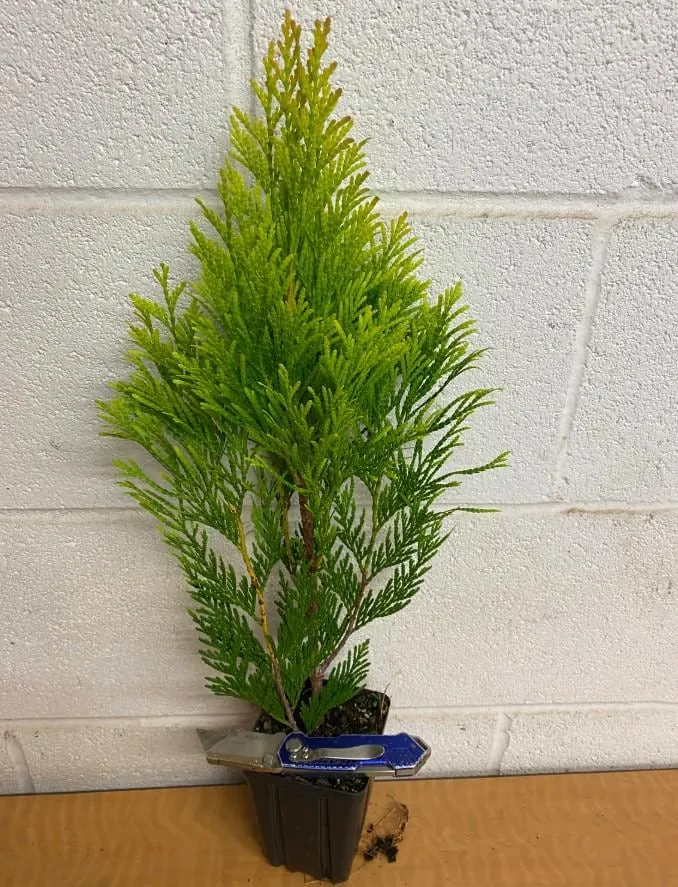
Emerald Green Arborvitae Live Tree – 6-12″ Tall – 4″ Pot – Thuja occidentalis – Outdoor Evergreen
Original price was: $21.10.$6.44Current price is: $6.44.
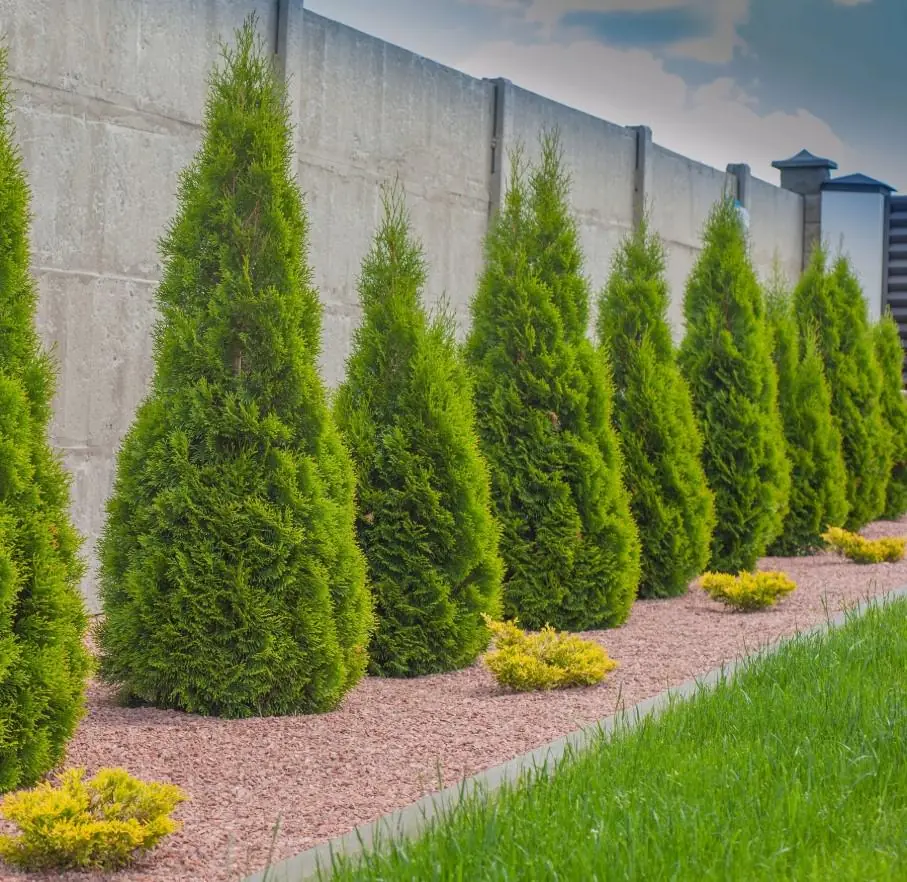
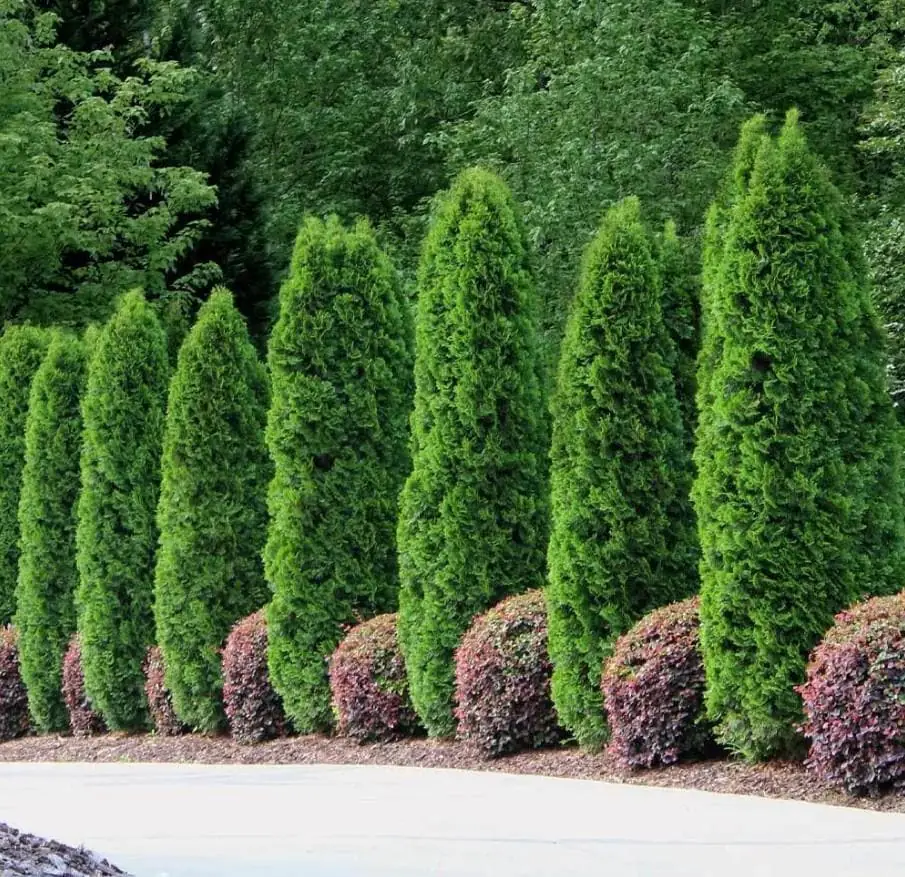
Add a beautiful, dense privacy screen or formal hedge to your garden with this Emerald Green Arborvitae live tree. Standing 6-12″ tall in a 4″ pot, this Thuja occidentalis plant is known for its vibrant, year-round emerald-green foliage and upright growth habit. Ideal for creating a natural boundary or elegant landscape feature.
-
USDA Hardiness Zone
USDA Zones 3–8 -
Soil Type
Moist, well-drained soil -
Sunlight Exposure
Full sun to partial shade -
Expected Planting Period
Spring or Fall

You can track your order HERE
Feb 25
Mar 02 - Mar 04
Mar 07 - Mar 11
Shipping and return policies: Our Alive & Thrive Guarantee covers issues with your plants within the first 30 days. Reach out to us. Our team will answer your questions and help you find the plants that are truly suitable for your environment, climate, and personal preferences.

Overview
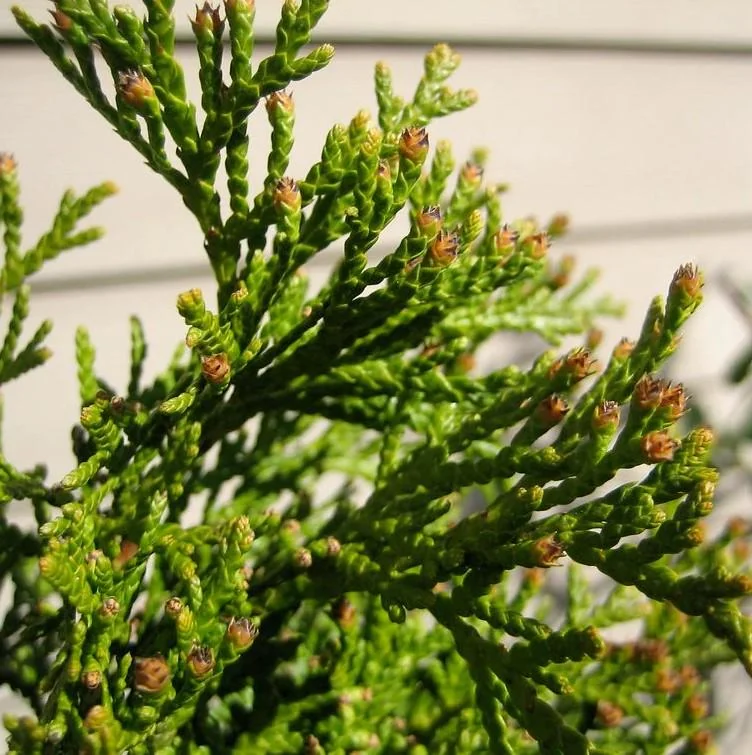
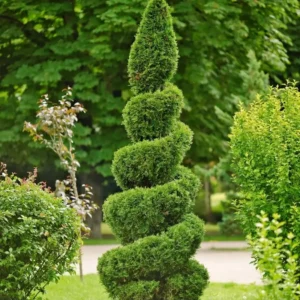
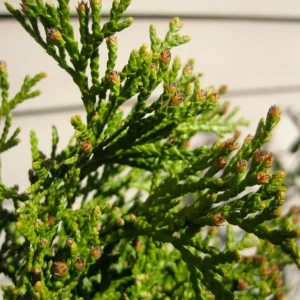
Transform your outdoor space with the stunning Emerald Green Arborvitae live tree. This popular evergreen, scientifically known as Thuja occidentalis ‘Smaragd’, is revered for its striking emerald-green foliage that maintains its vibrant color throughout the year, even in colder months. Unlike some evergreens that can turn bronze in winter, the Emerald Green Arborvitae live tree stays true to its name, providing consistent beauty and privacy. Originating from North America, this cultivar is a fantastic choice for gardeners seeking a low-maintenance yet highly effective solution for privacy screens, formal hedges, or foundation plantings. Its naturally narrow and upright growth habit means less pruning is required to maintain its elegant shape, making it an excellent selection for both experienced and novice gardeners alike. This individual plant arrives ready for planting, allowing you to quickly establish a lush, green presence in your landscape.
The Emerald Green Arborvitae live tree is a versatile and resilient plant, adaptable to a wide range of climates and soil conditions. Its dense foliage not only provides visual appeal but also creates a significant sound and wind barrier, enhancing the tranquility and comfort of your garden. Whether you’re looking to define property lines, create a serene backyard retreat, or add structured beauty to your home’s exterior, this Thuja occidentalis plant offers an ideal solution. Its compact footprint makes it suitable for various garden sizes, from expansive estates to more intimate urban gardens. Invest in the lasting beauty and functional benefits of this exceptional evergreen.
Key Benefits
The Emerald Green Arborvitae live tree offers a multitude of advantages for any landscape design, combining aesthetic appeal with practical functionality. Its enduring beauty and robust nature make it a top choice for creating long-lasting, attractive garden features.
- Year-Round Vibrant Color: Enjoy consistent, rich emerald-green foliage throughout all seasons, providing a lively and fresh look even in winter, unlike many other evergreens. This ensures your garden remains vibrant and appealing all year long.
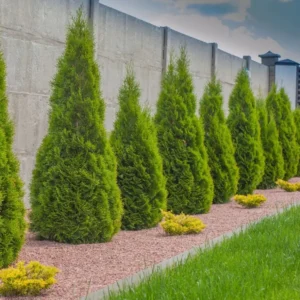
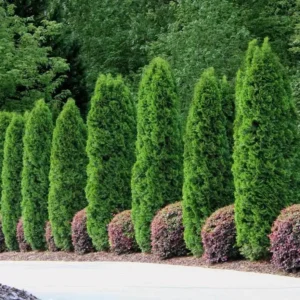
- Excellent Privacy Screen: Its dense, upright growth habit makes it an unparalleled choice for creating effective and beautiful privacy screens. Planted in rows, these trees quickly form a solid green wall, offering seclusion from neighbors and street views.
- Low Maintenance & Easy Care: Once established, the Emerald Green Arborvitae live tree requires minimal upkeep. Its natural pyramidal shape means less frequent pruning is needed to maintain its attractive form, saving you time and effort.
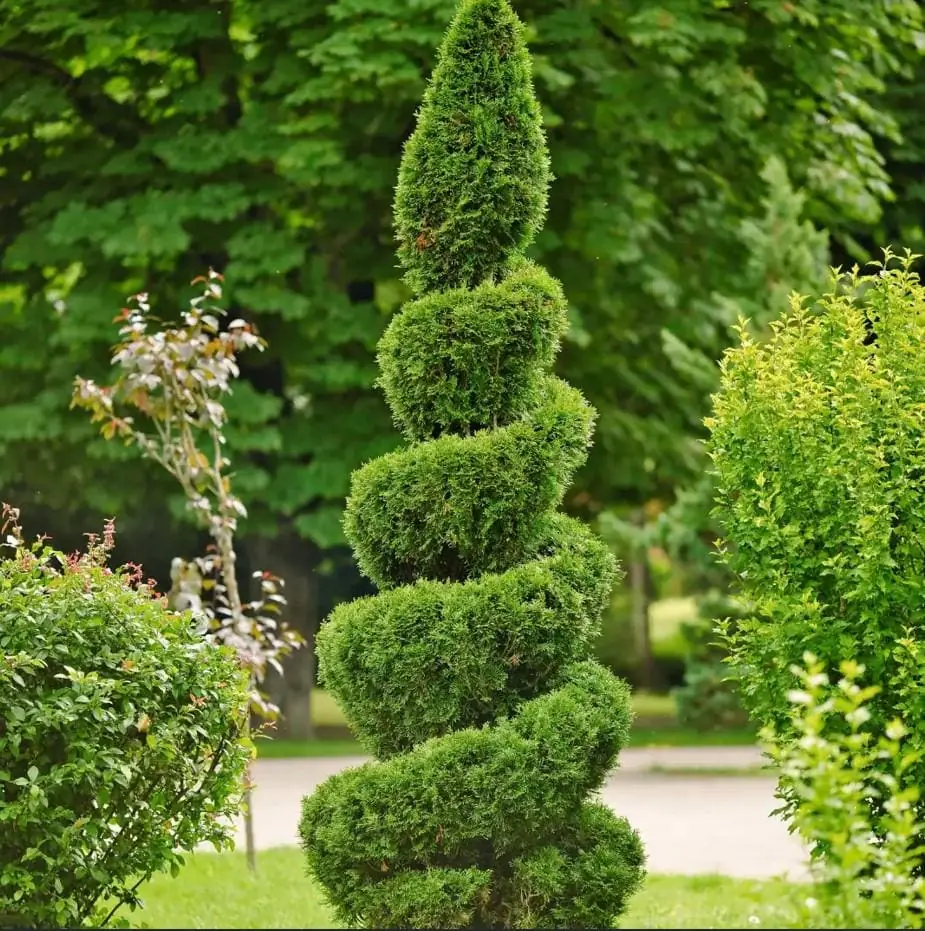
- Versatile Landscaping Use: Perfect for formal hedges, property line definition, windbreaks, sound barriers, or as elegant specimen plants. Its adaptability allows it to fit seamlessly into various garden styles and purposes.
- Hardy & Resilient: Tolerant of a wide range of USDA zones (3-8) and various soil conditions, making it a robust choice for many regions. This resilience ensures a higher success rate for gardeners.
- Compact Footprint: With a mature width of only 3-4 feet, this narrow arborvitae for landscaping is ideal for smaller spaces where a wide-spreading tree would be impractical, yet a strong vertical element is desired.
- Improved Property Value: Well-maintained evergreens like the fast growing privacy trees can significantly enhance the curb appeal and value of your home, offering both beauty and functionality.
Plant Care & Growing Tips
Proper care is essential to ensure your Emerald Green Arborvitae live tree thrives and develops into a magnificent landscape feature. These guidelines will help you establish and maintain a healthy, vibrant plant for years to come. When planting, ensure the root ball is level with or slightly above the surrounding soil to prevent waterlogging. Backfill with a mixture of native soil and compost to provide initial nutrients and improve drainage.
Sunlight Requirements: The Emerald Green Arborvitae live tree performs best in full sun to partial shade. For optimal growth and the most vibrant foliage color, aim for at least 6 hours of direct sunlight per day. While it can tolerate some shade, too much shade can lead to sparser growth and less dense foliage. Ensure adequate air circulation around the plant, especially when planted in hedges, to prevent fungal issues.
Watering Schedule & Soil Moisture: Regular watering is crucial, especially during the first growing season, to establish a strong root system. Water deeply 2-3 times a week, ensuring the soil is consistently moist but not waterlogged. Avoid drought stress, particularly in hot, dry periods. Once established, these plants are moderately drought-tolerant but will benefit from supplemental watering during extended dry spells. Check the soil moisture by feeling a few inches down; if it feels dry, it’s time to water.
Soil Type & Drainage: This Thuja occidentalis plant prefers moist, well-drained soil. It adapts to a variety of soil types, including sandy, loamy, and clay soils, as long as drainage is adequate. Amend heavy clay soils with organic matter like compost to improve drainage and aeration. A slightly acidic to neutral pH (6.0-7.0) is ideal. Good drainage is paramount to prevent root rot, a common issue for many evergreens.
Temperature Range & USDA Hardiness Zone: The Emerald Green Arborvitae live tree is incredibly hardy, thriving in USDA Zones 3 through 8. This wide range means it can withstand very cold winters and warm summers. Protect young plants from harsh winter winds by providing a windbreak or burlap wrap in the first few years. Once mature, they are quite resilient to cold temperatures.
Fertilization Schedule: Fertilize in early spring before new growth begins, using a balanced, slow-release granular fertilizer specifically formulated for evergreens or trees. Follow the product instructions for application rates. Avoid over-fertilizing, which can burn the roots. A light application of compost around the base of the tree annually can also provide beneficial nutrients.
Common Problems & Solutions: While generally robust, arborvitae can occasionally face issues. Brown foliage can indicate inadequate watering or winter burn; ensure consistent moisture and consider winter protection. Bagworms can be a pest; inspect regularly and remove by hand or treat with appropriate insecticides. Deer can browse on foliage; consider deer repellents or physical barriers if deer are prevalent in your area. Maintaining good cultural practices, such as proper watering and air circulation, is the best defense against most problems.
Size & Details
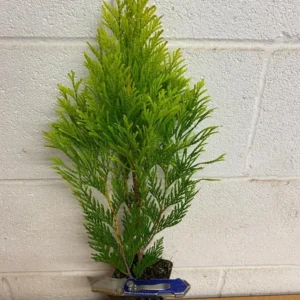
This offering is for one Emerald Green Arborvitae live tree, carefully nurtured and shipped to your door. The plant typically arrives at a height of 6-12 inches, measured from the top of the soil, housed in a healthy 4-inch nursery pot. This size is ideal for establishing quickly in your garden or for growing on in a larger container before permanent placement. The Thuja occidentalis plant has a moderate growth rate, typically adding 6-12 inches of height per year under optimal conditions, allowing you to achieve a substantial privacy hedge or landscape feature within a few seasons.
At maturity, expect your Emerald Green Arborvitae live tree to reach a height of 10-15 feet with a narrow spread of 3-4 feet. This columnar habit makes it an excellent choice for areas where space is limited but vertical impact is desired. The plant will arrive with a well-developed root system, ensuring a smooth transition to your garden. For creating a dense privacy hedge evergreen, we recommend spacing plants 2-3 feet apart. The rich, emerald-green foliage will provide year-round interest and structure to your landscape. This robust specimen is ready to be planted upon arrival, offering immediate impact and long-term beauty.
Frequently Asked Questions
- Q: How big does this Emerald Green Arborvitae live tree get? A: This particular Emerald Green Arborvitae live tree typically grows to a mature height of 10-15 feet tall and maintains a narrow width of 3-4 feet. Its columnar shape makes it perfect for tight spaces.
- Q: What size pot does it come in? A: The Thuja occidentalis plant you receive will be shipped in a 4-inch nursery pot, and the tree itself will be approximately 6-12 inches tall from the soil line.
- Q: Is this an indoor or outdoor plant? A: The Emerald Green Arborvitae live tree is an outdoor plant, best suited for landscaping. It thrives in various outdoor conditions and is not recommended for long-term indoor growth.
- Q: How much sunlight does it need? A: For best growth and foliage color, your privacy hedge evergreen requires full sun to partial shade, ideally at least 6 hours of direct sunlight per day.
- Q: Is this plant easy to care for? A: Yes, the Emerald Green Arborvitae live tree is considered low-maintenance once established. It requires consistent watering during its first year but is quite resilient afterward, making it a good choice for beginners.
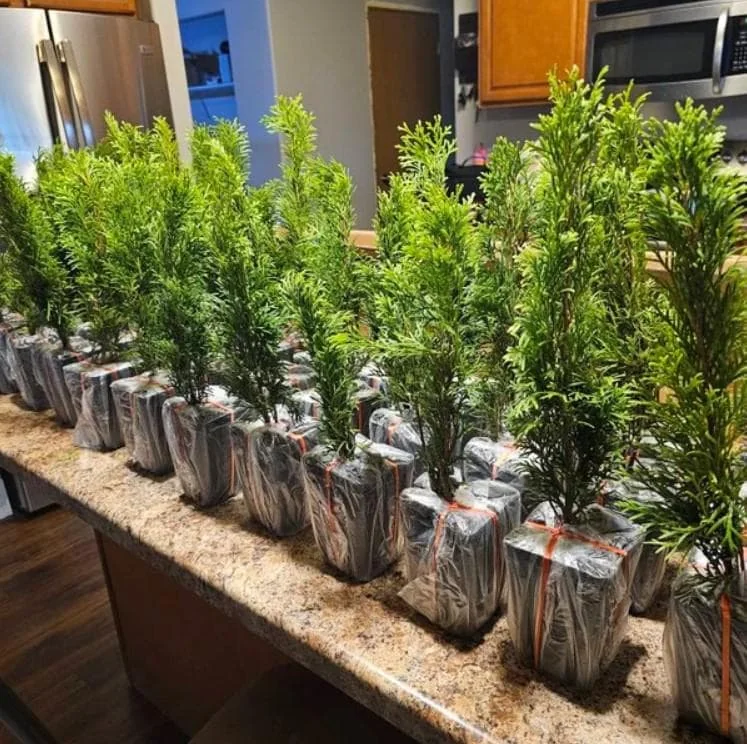
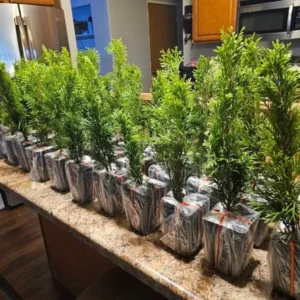
- Q: What condition will it arrive in? A: Your fast growing privacy trees will arrive carefully packaged, with a healthy root system and vibrant foliage, ready for planting. We take great care to ensure safe transit.
- Q: When is the best time to plant Emerald Green Arborvitae? A: The ideal times to plant your Emerald Green Arborvitae live tree are in the spring or fall when temperatures are moderate. This allows the plant to establish its root system before extreme weather.
- Q: What’s the minimum temperature this plant can tolerate? A: This Thuja occidentalis plant is hardy and can tolerate cold temperatures down to USDA Zone 3, which can experience winter lows of -40°F to -30°F (-40°C to -34°C).
- Q: How far apart should I plant them for a hedge? A: For a dense and effective narrow arborvitae for landscaping privacy hedge, we recommend spacing your plants 2-3 feet apart. This allows them to grow together and form a solid barrier.
- Q: Is this plant deer resistant? A: While no plant is entirely deer-proof, Emerald Green Arborvitae is generally less preferred by deer compared to some other evergreens. However, in areas with high deer pressure, protection may still be necessary, especially for young plants.
Be the first to review “Emerald Green Arborvitae Live Tree – 6-12″ Tall – 4″ Pot – Thuja occidentalis – Outdoor Evergreen”
People Also Viewed
Sold 71 products
Original price was: $45.98.$22.99Current price is: $22.99.
Sold 66 products
Original price was: $79.06.$39.53Current price is: $39.53.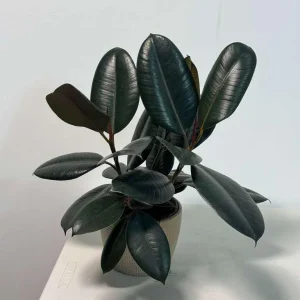
HousePlants
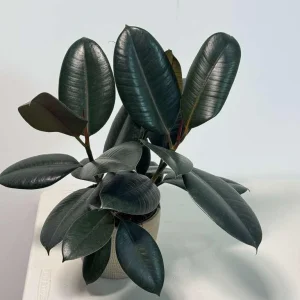
Rubber Tree in 6″ Pot – Burgundy Ficus Elastica – Live Indoor Rubber Plant for Home & Office Decor
Sold 87 products
Original price was: $71.96.$35.98Current price is: $35.98.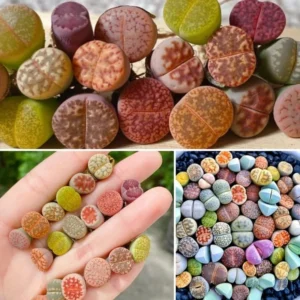
HousePlants
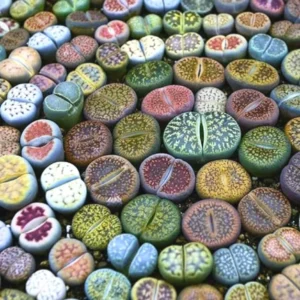
Lithops Live Plants Mix – 10 Large Colorful Living Stones Succulents for Indoor/Outdoor Growing
Sold 66 products
Original price was: $27.98.$13.99Current price is: $13.99.
Sold 84 products
Original price was: $73.08.$36.54Current price is: $36.54.
Sold 58 products
Original price was: $71.98.$35.99Current price is: $35.99.
Sold 65 products
$54.98
Sold 62 products
$87.98
Flower Plants
Sword Dance Peony Bare Root – Red Japanese Peony Plant – Paeonia lactiflora – Outdoor Perennial
Sold 54 products
Original price was: $91.80.$45.90Current price is: $45.90.
Sold 68 products
Original price was: $91.98.$45.99Current price is: $45.99.
Sold 97 products
$48.38
Sold 89 products
Original price was: $77.16.$38.58Current price is: $38.58.
Sold 91 products
Original price was: $49.98.$24.99Current price is: $24.99.
Sold 59 products
Original price was: $110.14.$55.07Current price is: $55.07.

Sold 78 products
From $33.98
Sold 73 products
Original price was: $91.80.$45.90Current price is: $45.90.
Sold 65 products
Original price was: $28.76.$14.38Current price is: $14.38.
Sold 100 products
Original price was: $201.60.$100.80Current price is: $100.80.



Reviews
There are no reviews yet.