
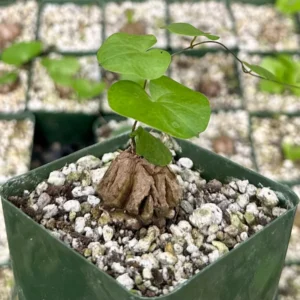
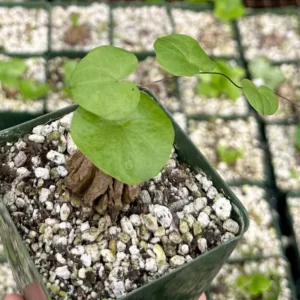
Elephant’s Foot Live Plant – Rare Dioscorea Elephantipes in 4″ Pot
Original price was: $61.56.$30.78Current price is: $30.78.
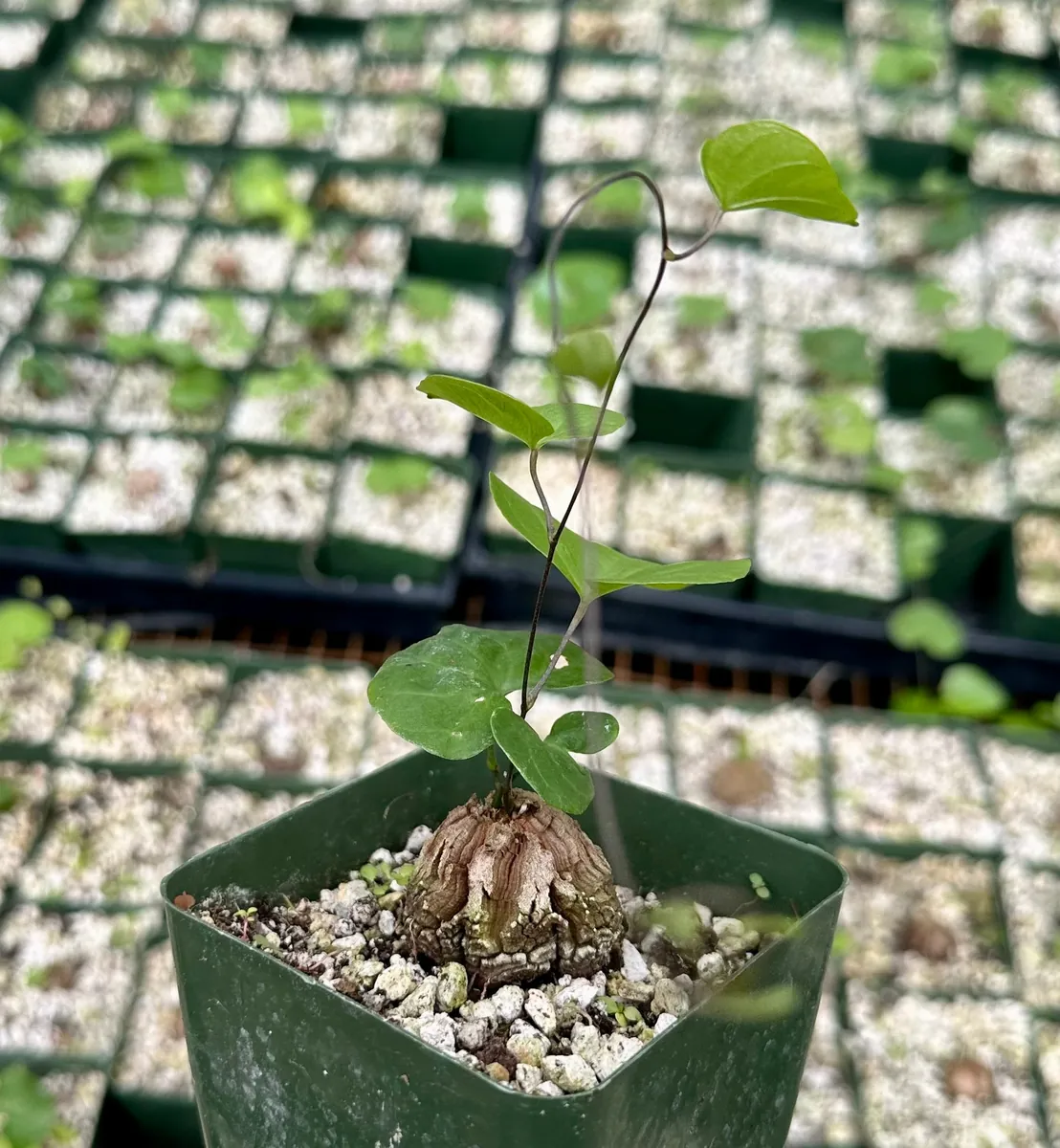
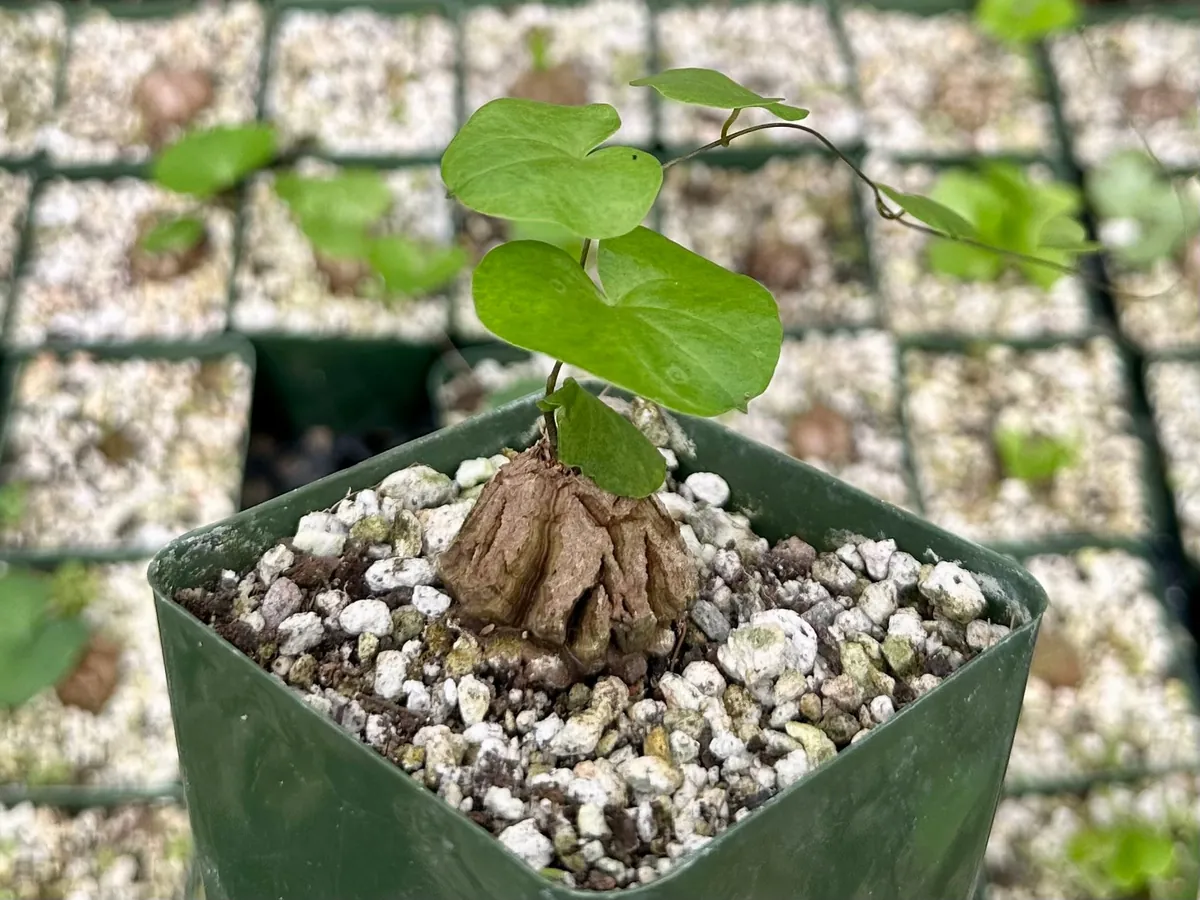
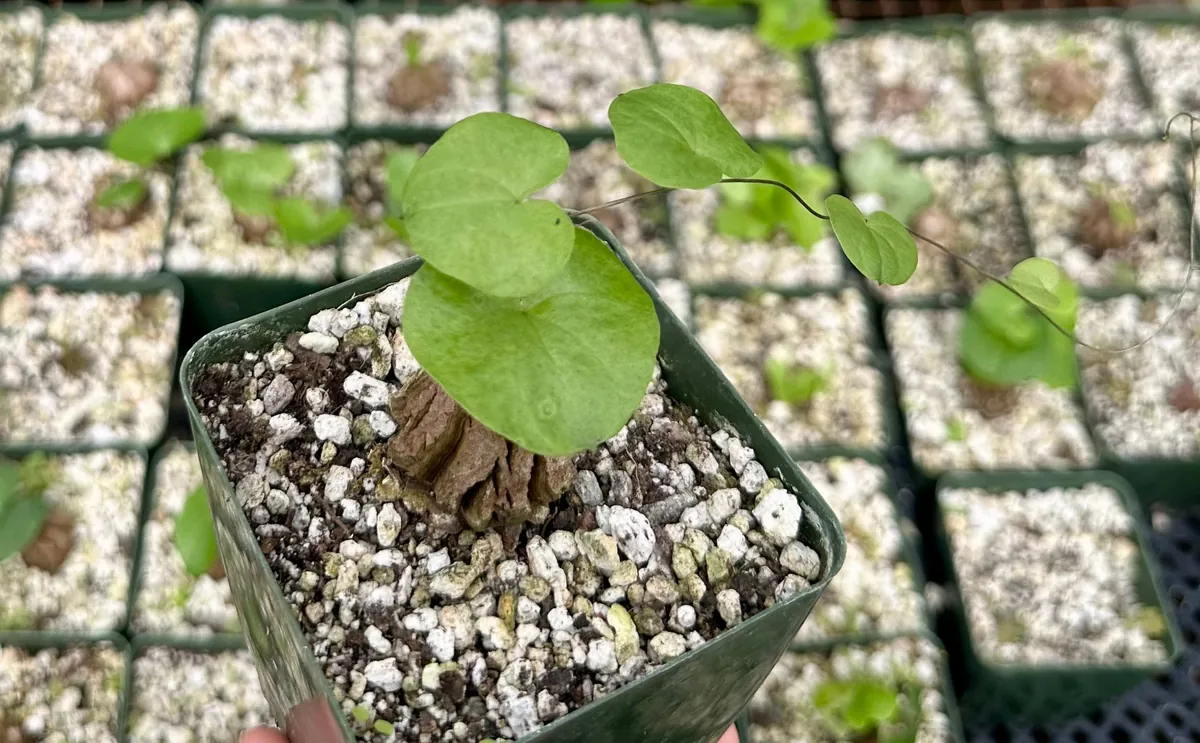
Bring home a fascinating botanical specimen with this Elephant’s Foot live plant, also known as Dioscorea elephantipes care. This rare succulent plant boasts a unique, spherical caudex, resembling an elephant’s foot. Grown in a 4-inch pot, it’s a perfect addition for collectors seeking an easy-to-care-for, drought-tolerant conversation starter.
-
USDA Hardiness Zone
USDA zones 9-11 (outdoors); suitable for all zones indoors -
Soil Type
Well-draining cactus or succulent potting mix -
Sunlight Exposure
Full sun to partial shade (4-6+ hours direct light) -
Expected Planting Period
Year-round indoors; Spring to early summer outdoors in appropriate zones

You can track your order HERE
Feb 28
Mar 05 - Mar 07
Mar 10 - Mar 14
Shipping and return policies: Our Alive & Thrive Guarantee covers issues with your plants within the first 30 days. Reach out to us. Our team will answer your questions and help you find the plants that are truly suitable for your environment, climate, and personal preferences.

Overview
Introduce an extraordinary piece of nature into your collection with the Elephant’s Foot live plant. Scientifically known as Dioscorea elephantipes, this remarkable perennial vine is native to the arid regions of South Africa. Revered by enthusiasts and collectors alike, its most striking feature is the large, woody caudex that develops above ground, resembling the foot of an elephant – hence its common name. The caudex can grow to impressive sizes, creating a truly unique and sculptural aesthetic. This particular specimen is offered as a healthy live plant, ready to thrive in your home or garden, providing years of visual interest and a captivating growth habit. The Elephant’s Foot live plant is a true testament to nature’s artistry, offering a distinctive focal point in any plant display.
Often referred to as Hottentot bread, Dioscorea elephantipes is an unusual and highly sought-after plant. Its dramatic caudex stores water, allowing it to endure long periods of drought, making it a surprisingly resilient and low-maintenance choice for both novice and experienced plant parents. As it matures, slender, twining stems emerge from the caudex, bearing heart-shaped, glossy green leaves that add a delicate contrast to its rugged base. This rare succulent plant is not just a botanical curiosity; it’s a living sculpture that evolves with age, promising continuous fascination.
Key Benefits
The Elephant’s Foot live plant offers a wealth of benefits beyond its striking appearance, making it a cherished addition to any plant collection. Its unique characteristics contribute to its appeal and ease of care.
- Exceptional Ornamental Value: The most distinctive feature is its massive, spherical caudex, which creates a natural, sculptural focal point. This makes the Elephant’s Foot live plant an instant conversation starter and a visual delight.
- Drought Tolerance: As a succulent, Dioscorea elephantipes is highly adapted to dry conditions, storing water in its caudex. This makes it incredibly forgiving and suitable for those who may occasionally forget to water.
- Low Maintenance: Once established, the Dioscorea elephantipes care requirements are minimal. It thrives on neglect rather than over-attention, making it ideal for busy individuals or beginner plant enthusiasts.
- Unique Growth Habit: Beyond the caudex, the plant produces long, twining stems with delicate heart-shaped leaves, offering an interesting contrast and a dynamic element to its form.
- Collector’s Item: Due to its distinctive appearance and relatively slow growth, the Hottentot bread plant is highly prized by succulent and rare plant collectors worldwide, adding prestige to your collection.
- Long Lifespan: With proper care, these plants can live for many decades, becoming a long-term botanical companion and an enduring piece of living art.
- Adaptable to Various Settings: While preferring specific conditions, its compact nature in a 4-inch pot allows it to be grown indoors on windowsills or outdoors in appropriate climates, making it a versatile caudex plant for sale.
Plant Care & Growing Tips
Caring for your Elephant’s Foot live plant is relatively straightforward, especially once you understand its natural dormancy cycle. This plant thrives on conditions that mimic its native South African environment. It prefers full sun to partial shade, meaning it should receive at least 4-6 hours of direct sunlight daily. An east-facing window is often ideal indoors, providing bright morning light without the harsh intensity of afternoon sun. If growing outdoors, ensure it has some protection from the most intense midday sun, especially in hotter climates, to prevent scorching of the caudex.
Watering is perhaps the most critical aspect of Dioscorea elephantipes care. As a succulent, it is highly susceptible to root rot if overwatered. The golden rule is to allow the soil to dry out completely between waterings. During its active growing phase (typically fall through spring), water thoroughly until water drains from the bottom of the pot. Reduce watering significantly during its dormancy period (late spring to late summer), when it may lose its leaves. The plant prefers a well-draining soil mix, ideally a cactus or succulent blend that allows for quick drainage. Repotting should be done sparingly, only when the plant has significantly outgrown its container, and always into a pot with drainage holes.
The Hottentot bread plant is drought-tolerant and generally unfussy about humidity. It can tolerate a wide range of temperatures but prefers warmer conditions, ideally between 60-80°F (15-27°C). Protect it from frost, as it is not cold-hardy. Fertilization is not strictly necessary but can encourage more vigorous growth during its active period. Use a diluted, balanced liquid fertilizer formulated for succulents once or twice during the growing season. Keep an eye out for common pests like mealybugs, though they are generally not a major issue for this resilient caudex plant for sale. Understanding and respecting its dormancy cycle is key to successful long-term cultivation.
Size & Details
This offering is for one healthy Elephant’s Foot live plant, Dioscorea elephantipes, presented in a 4-inch nursery pot. The plant’s caudex will vary in size and shape, as each is a unique natural specimen, typically ranging from 1 to 3 inches in diameter at the time of shipment, with potential for significant growth over many years. The plant will be actively growing during its season, sending out its characteristic twining vines and heart-shaped leaves. During its natural dormancy period (late spring to late summer), the plant may arrive without foliage, but the robust caudex will be healthy and ready to sprout new growth when conditions become favorable. The twining stems can reach up to 20 feet in length in their natural habitat, though they can be pruned and managed for container growing. This rare succulent plant is a slow grower, adding to its unique charm and making it a long-term investment for any collector.
Frequently Asked Questions
- Q: How big does this plant get? A: The caudex of the Elephant’s Foot live plant can eventually reach up to 1.5 feet (0.5 meters) in diameter over many years. The twining stems can grow quite long but can be pruned to maintain a desired size.
- Q: Is this an indoor or outdoor plant? A: While it can thrive outdoors in warm, frost-free climates (USDA zones 9-11), it is commonly grown indoors as a houseplant in most regions due to its unique appearance and specific care needs.
- Q: How much sunlight does it need? A: The Dioscorea elephantipes care involves providing full sun to partial shade, meaning at least 4-6 hours of direct sunlight daily. Bright, indirect light is also suitable, but more light generally leads to better caudex development.
- Q: Is this plant easy to care for? A: Yes, once you understand its dormancy cycle and watering needs, the Hottentot bread plant is considered relatively easy to care for and very drought-tolerant, making it a good choice for beginners interested in unique succulents.
- Q: What condition will it arrive in? A: Your Elephant’s Foot live plant will arrive in a 4-inch nursery pot. Depending on the season, it may be actively growing with foliage or in its natural dormant state, which means it will have a healthy caudex but no leaves.
- Q: How long until it blooms? A: Dioscorea elephantipes produces small, inconspicuous flowers, usually in late winter to early spring, after several years of maturity. The primary ornamental feature is its caudex, not its blooms.
- Q: What is the best soil for this plant? A: This caudex plant for sale thrives in a very well-draining soil mix, such as a commercial cactus or succulent blend. Good drainage is crucial to prevent caudex and root rot.
Be the first to review “Elephant’s Foot Live Plant – Rare Dioscorea Elephantipes in 4″ Pot”
People Also Viewed
Sold 75 products
From $40.00
Sold 55 products
Original price was: $82.40.$41.20Current price is: $41.20.
Sold 93 products
Original price was: $38.00.$19.00Current price is: $19.00.
Sold 61 products
Original price was: $28.76.$14.38Current price is: $14.38.
Sold 60 products
From $9.90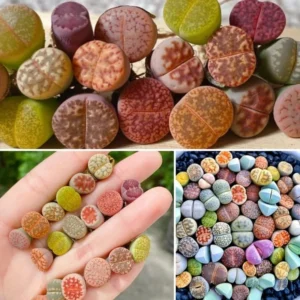
HousePlants
Lithops Live Plants Mix – 10 Large Colorful Living Stones Succulents for Indoor/Outdoor Growing
Sold 79 products
Original price was: $27.98.$13.99Current price is: $13.99.
Sold 72 products
From $64.08
Trees
Sold 67 products
From $19.98
Sold 69 products
From $68.68
Sold 80 products
Original price was: $77.98.$38.99Current price is: $38.99.
Sold 76 products
Original price was: $70.98.$35.49Current price is: $35.49.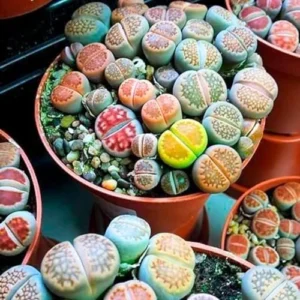
HousePlants
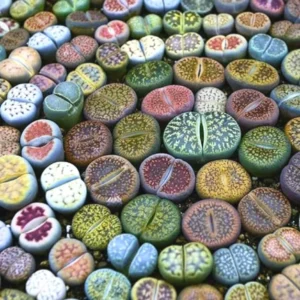
Lithops Live Plants Mix – 30 Colorful Succulents – Living Stones for Indoor/Outdoor Planting
Sold 69 products
Original price was: $65.98.$32.99Current price is: $32.99.
Sold 94 products
Original price was: $340.00.$170.00Current price is: $170.00.
Fruits
Sold 95 products
From $83.80

Sold 60 products
From $16.04
Sold 65 products
Original price was: $146.76.$73.38Current price is: $73.38.

Sold 99 products
Original price was: $22.76.$11.38Current price is: $11.38.
Sold 93 products
From $82.40



Reviews
There are no reviews yet.