
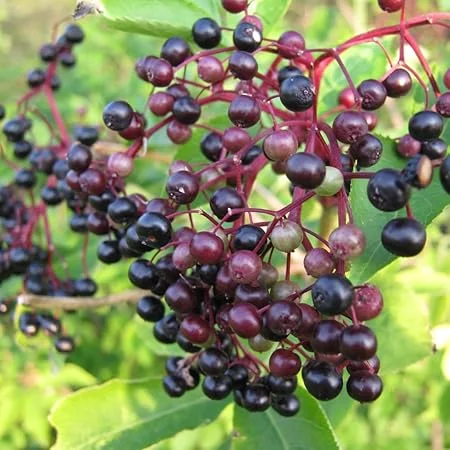
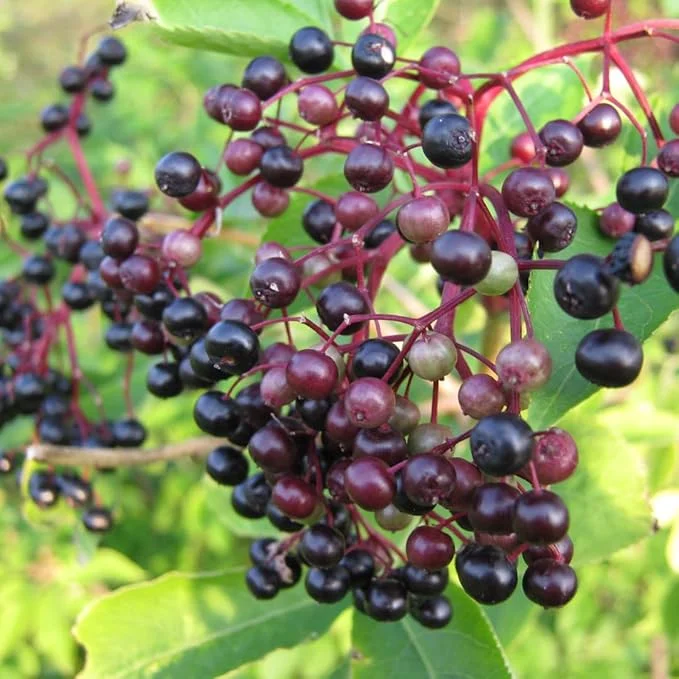
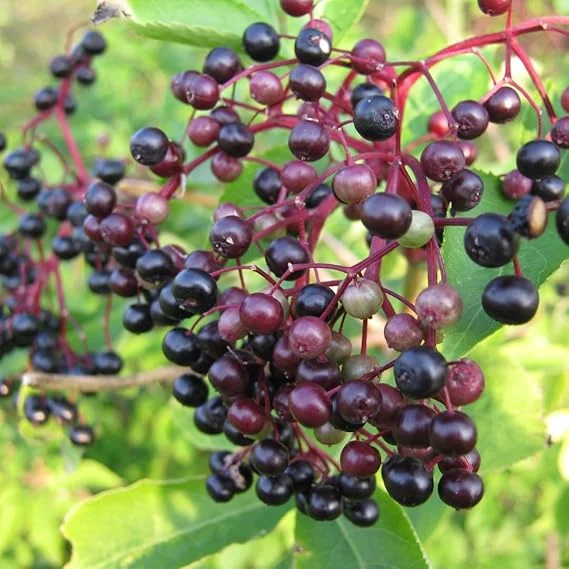
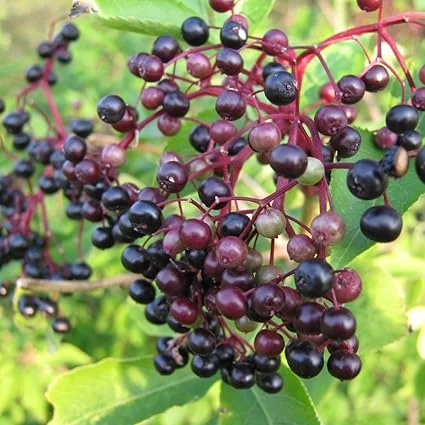
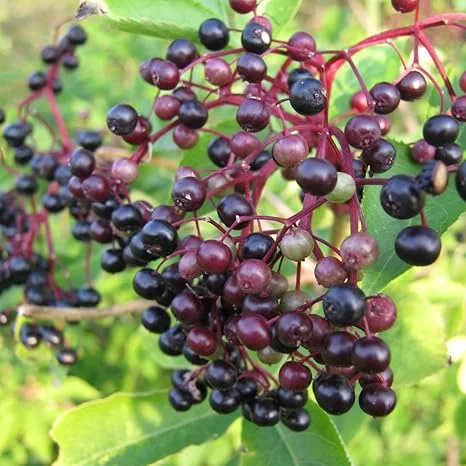
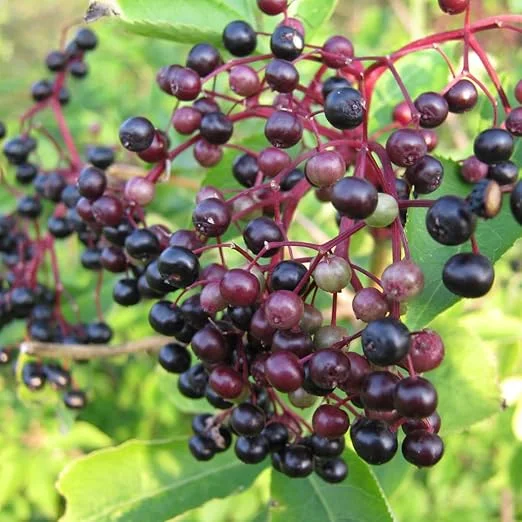
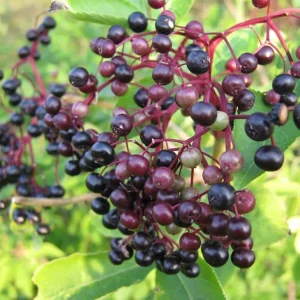
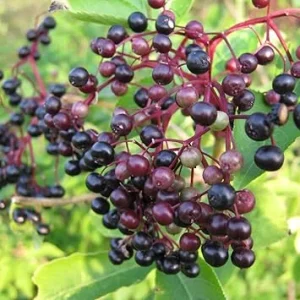
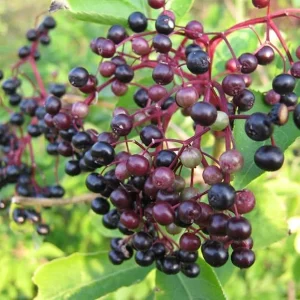
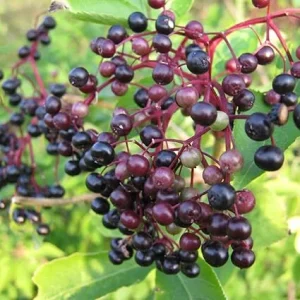
Elderberry Plant Live Rooted Cuttings – Set of 2, 8-12 Inch Tall, Outdoor
Original price was: $33.98.$16.99Current price is: $16.99.
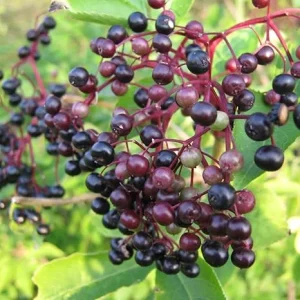
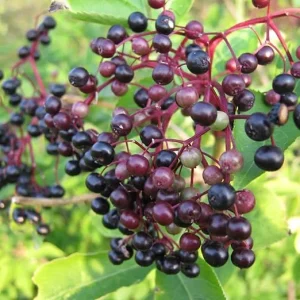
Start your own fruit garden with this set of two elderberry plant live rooted cuttings. Each cutting measures 8-12 inches tall, offering a fantastic start for growing a productive elderberry plant live bush. These robust plants are suitable for outdoor cultivation and are ready to be planted upon arrival.
-
USDA Hardiness Zone
3-9 -
Soil Type
Moist, well-drained, loamy soil -
Sunlight Exposure
Full sun to partial shade -
Expected Planting Period
Spring to early fall

You can track your order HERE
Feb 10
Feb 15 - Feb 17
Feb 20 - Feb 24
Shipping and return policies: Our Alive & Thrive Guarantee covers issues with your plants within the first 30 days. Reach out to us. Our team will answer your questions and help you find the plants that are truly suitable for your environment, climate, and personal preferences.

Overview
Embark on a rewarding gardening journey with this exceptional set of two elderberry plant live rooted cuttings. These vigorous young plants, each measuring 8-12 inches tall, provide the perfect foundation for cultivating your very own elderberry patch. Known for their beautiful white flower clusters in spring and abundant dark berries in late summer, elderberries are a versatile addition to any landscape. Not only do they offer ornamental appeal, but their fruit is highly prized for culinary uses, from jams and jellies to pies and wines. Growing your own elderberries ensures a fresh, organic supply right from your backyard. These live rooted cuttings are carefully prepared to ensure a strong start, allowing you to enjoy the benefits of a mature elderberry bush sooner.
The elderberry, scientifically known as Sambucus nigra (or variations like Sambucus canadensis for North American species), is a resilient and fast-growing shrub. This offering provides a convenient way to grow elderberry bush specimens that can eventually reach heights of 6-10 feet. They are a fantastic choice for gardeners looking to add a productive and attractive plant to their outdoor space. With proper care, these cuttings will quickly establish themselves, leading to years of bountiful harvests.
Key Benefits
Cultivating elderberries offers a multitude of advantages, enhancing both your garden and your pantry. This set of elderberry plant live cuttings brings these benefits directly to your home:
- Abundant Fruit Production: Enjoy a generous harvest of nutrient-rich black elderberries, perfect for making delicious jams, jellies, pies, and elderberry syrup. These berries are known for their distinctive flavor and health-promoting properties.
- Attractive Landscape Addition: Elderberry bushes provide visual interest throughout the seasons. Their large, flat-topped clusters of white flowers in late spring create a stunning display, followed by dark, glossy berries that attract birds and beneficial insects.
- Easy to Grow & Maintain: These plants are remarkably hardy and adaptable, thriving in a variety of soil conditions and requiring minimal maintenance once established. They are a great choice for both novice and experienced gardeners.
- Supports Local Wildlife: The flowers provide nectar for pollinators like bees, and the berries are a favorite food source for many bird species, contributing to local biodiversity.
- Drought Tolerant: Once established, elderberry plants show good resistance to drought, making them a sustainable choice for many garden settings and reducing the need for constant watering.
- Medicinal Properties: Historically, elderberries have been valued for their medicinal uses, particularly for supporting immune health. Growing your own allows you to harness these natural benefits.
- Fast Growth Rate: Elderberry plants are known for their relatively fast growth, meaning you won’t have to wait long to see your small cuttings transform into productive, fruit-bearing shrubs. This makes it exciting to grow elderberry bush in your garden.
Plant Care & Growing Tips
To ensure your elderberry plant live cuttings thrive and develop into productive bushes, follow these essential care guidelines. Elderberries are generally robust plants, but a good start is crucial for their long-term health. These plants prefer a location with full sun to partial shade, meaning they should receive at least 6 hours of direct sunlight daily for optimal fruit production. While they can tolerate some shade, less sun might result in fewer berries.
When it comes to watering, elderberries prefer consistently moist, well-drained soil. During their establishment phase, especially in the first year, water regularly to keep the soil evenly damp but not waterlogged. Once established, they become quite drought-tolerant, but supplemental watering during prolonged dry spells will benefit fruit development. The ideal soil for elderberry is a rich, loamy soil with a pH between 5.5 and 6.5. Amending your soil with compost or other organic matter before planting will provide essential nutrients and improve drainage. These plants are incredibly hardy and suitable for USDA Hardiness Zones 3-9, demonstrating their ability to withstand a wide range of temperatures.
Fertilization can be done annually in early spring with a balanced slow-release fertilizer or by applying a layer of compost around the base of the plant. Pruning is important for maintaining plant health and encouraging fruit production. In late winter or early spring, remove any dead, damaged, or weak canes. You can also thin out older, less productive canes to encourage new growth. Watch out for common pests like aphids, which can usually be managed with a strong spray of water or insecticidal soap. With these simple tips, you’ll be well on your way to a successful elderberry plant care routine and a bountiful harvest from your fruit bearing shrubs.
Size & Details
This offering includes a set of two live, rooted black elderberry cuttings, each carefully selected to ensure a strong start for your garden. Upon arrival, each cutting will measure approximately 8-12 inches in height, featuring established roots ready for planting. These elderberry plants are shipped as live rooted cuttings, meaning they have already begun developing a root system, which significantly aids in their transplant success. With an expected growth rate of 1-3 feet per year, these plants can quickly mature into impressive bushes, potentially reaching 6-10 feet tall and wide at full maturity. They are an excellent choice for creating edible landscapes, hedgerows, or adding a productive element to your garden.
The plants are robust and designed to thrive outdoors across a broad range of climates, specifically USDA Hardiness Zones 3-9. The brown color mentioned in the raw data refers to the natural color of the stems and dormant parts of the plant, which will green up with new foliage upon planting and establishment. Their moderate size upon arrival makes them easy to plant and manage as they begin to grow. Prepare to enjoy the beauty and bounty of these productive plants within a few seasons.
Frequently Asked Questions
- Q: How big do these elderberry cuttings get? A: Each cutting arrives at 8-12 inches tall. Once established, these plants can grow into large shrubs, typically reaching 6-10 feet tall and wide, providing ample space to grow elderberry bush.
- Q: Are these plants suitable for indoor or outdoor growing? A: These elderberry plant live cuttings are specifically intended for outdoor cultivation. They require significant sunlight and space to grow to their full potential and produce fruit.
- Q: How much sunlight do elderberry plants need? A: Elderberries thrive in full sun to partial shade. For optimal fruit production, aim for at least 6 hours of direct sunlight per day.
- Q: Is this plant easy to care for, especially for beginners? A: Yes, elderberry plants are relatively easy to care for and are considered a good choice for beginners. They are hardy and adaptable, requiring consistent watering during establishment and minimal ongoing elderberry plant care.
- Q: What condition will the cuttings arrive in? A: The cuttings are live and rooted, carefully packaged to ensure they arrive in good health, ready for immediate planting in your garden.
- Q: When is the best time to plant these elderberry cuttings? A: The best time to plant elderberry cuttings is typically in the spring after the last frost, or in early fall before the ground freezes, allowing them time to establish roots.
- Q: What type of soil is best for elderberries? A: Elderberries prefer well-drained, loamy soil that is rich in organic matter. They can tolerate a range of soil types but perform best with good drainage and consistent moisture.
- Q: Will these elderberry plants produce fruit? A: Yes, these are fruit-bearing shrubs. With proper care and sufficient sunlight, you can expect your elderberry plants to produce black elderberries, which are excellent for culinary uses.
- Q: What USDA Hardiness Zones are suitable for these elderberry plants? A: These elderberry plants are hardy and suitable for USDA Zones 3-9, making them adaptable to a wide range of climates across the United States.
- Q: Can I grow these as part of a hedgerow or windbreak? A: Absolutely! Elderberry bushes are an excellent choice for creating edible hedgerows, windbreaks, or natural privacy screens due to their relatively fast growth and dense foliage. They are fantastic fruit bearing shrubs.
Be the first to review “Elderberry Plant Live Rooted Cuttings – Set of 2, 8-12 Inch Tall, Outdoor”
People Also Viewed
Sold 88 products
Original price was: $160.00.$80.00Current price is: $80.00.
Sold 91 products
From $15.98
Sold 82 products
Original price was: $180.00.$90.00Current price is: $90.00.
Sold 81 products
From $51.80
Sold 63 products
From $40.00
Sold 67 products
From $8.38
Sold 95 products
Original price was: $181.98.$90.99Current price is: $90.99.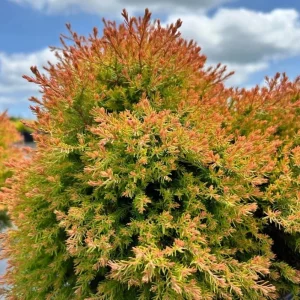
Shrubs
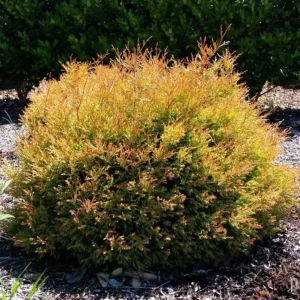
Fire Chief Globe Arborvitae Live Plant – Dwarf Evergreen Shrub 1 Quart Pot 6 Inches Tall Outdoor
Sold 82 products
Original price was: $39.98.$27.98Current price is: $27.98.
Sold 75 products
Original price was: $50.98.$25.49Current price is: $25.49.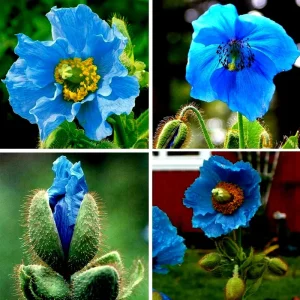
Flower Seeds
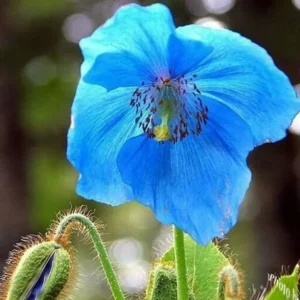
Himalayan Blue Poppy Seeds – Meconopsis Grandis Perennial Flower Seeds – Blue Flowering, Easy Grow
Sold 95 products
From $4.06
Sold 50 products
Original price was: $360.00.$180.00Current price is: $180.00.
Aquatic Plant Seeds
Colorful Lotus Water Lily Bulbs – Easy Grow Aquarium & Pond Aquatic Plant – Perennial
Sold 77 products
Original price was: $22.76.$11.38Current price is: $11.38.
Sold 89 products
Original price was: $39.99.$19.99Current price is: $19.99.
Flower Bulbs
5 Dormant Lily of the Valley (Convallaria Majalis) Bare Root Bulbs – Fragrant Perennial Ground Cover
Sold 71 products
Original price was: $24.00.$12.00Current price is: $12.00.
Sold 96 products
Original price was: $35.99.$15.99Current price is: $15.99.
Sold 61 products
Original price was: $46.00.$36.80Current price is: $36.80.
Sold 57 products
Original price was: $29.98.$20.98Current price is: $20.98.
Sold 86 products
Original price was: $37.98.$20.49Current price is: $20.49.

Reviews
There are no reviews yet.