
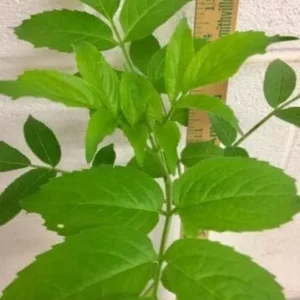
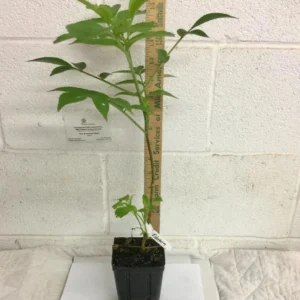
Elderberry Live Plant – American Black Sambucus Canadensis – 12″ Tall 1 Quart Pot for Outdoor Planting
Original price was: $34.10.$11.64Current price is: $11.64.
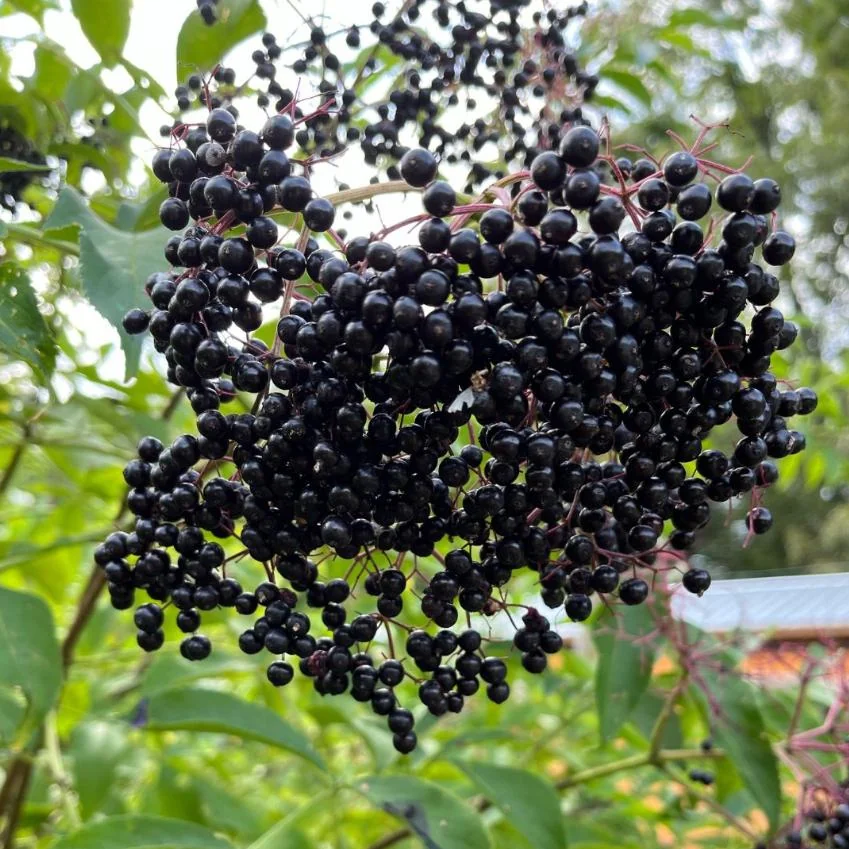
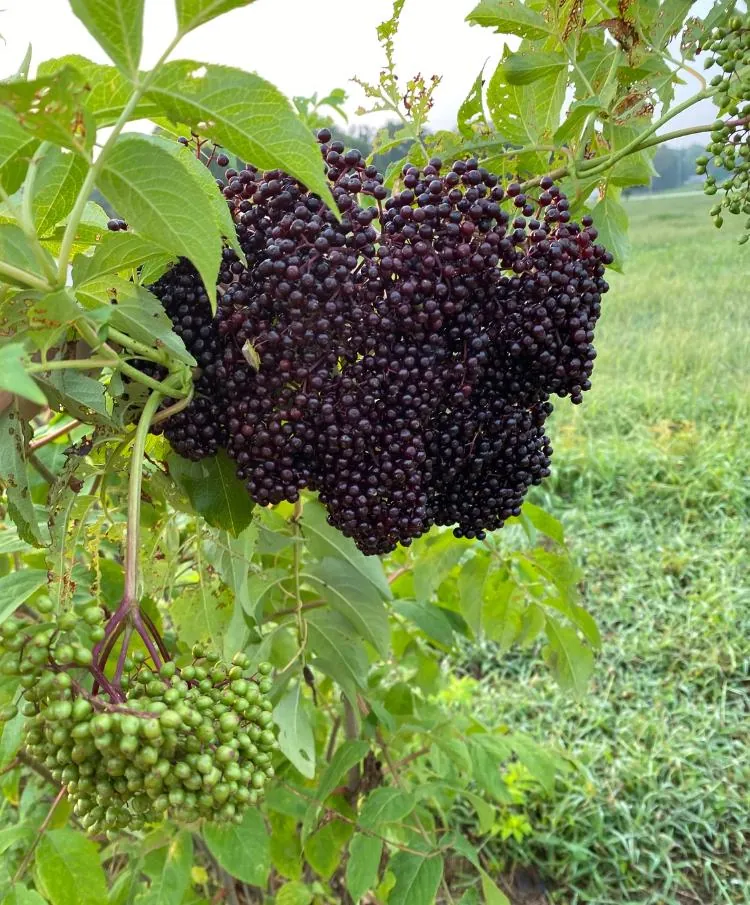
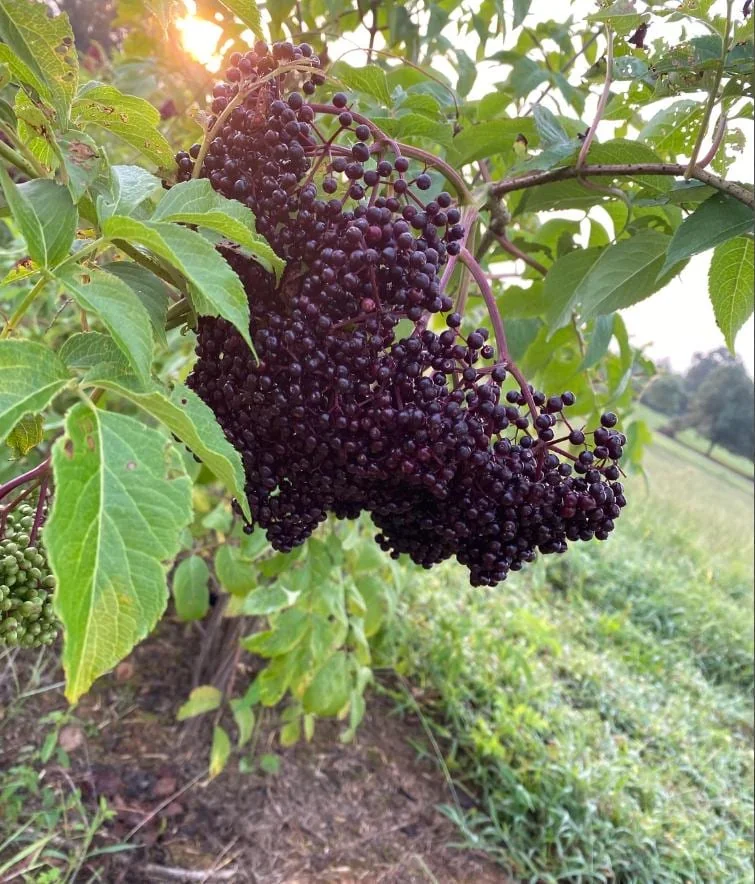
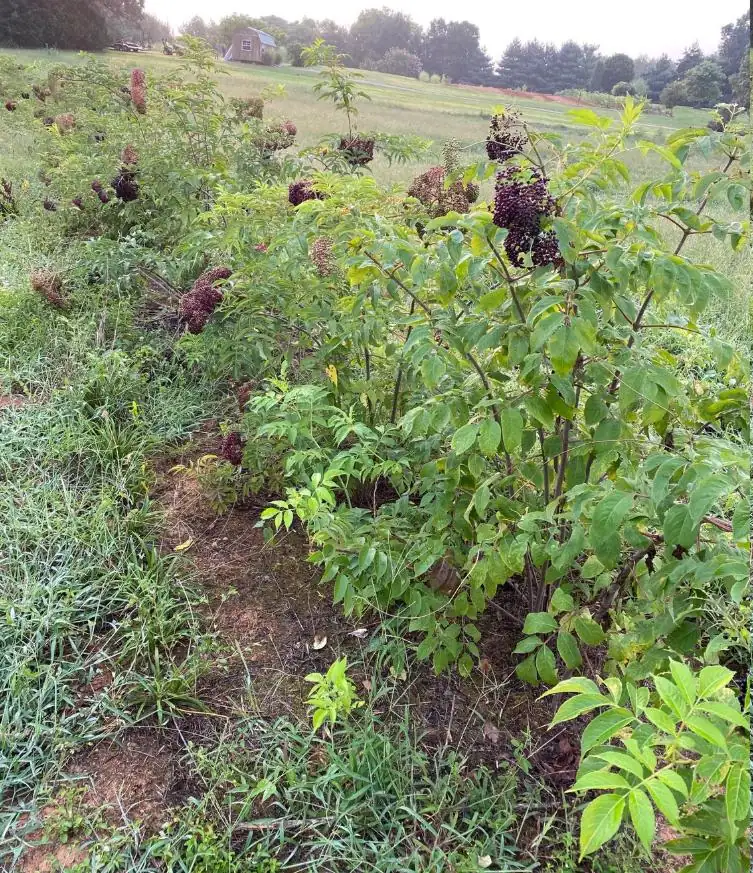
Cultivate your own elderberry live plant. This American elderberry plant (Sambucus canadensis) is 12 inches tall in a 1 quart pot, perfect for outdoor gardens. Enjoy its fragrant flowers and nutrient-rich berries, ideal for culinary and wellness uses.
-
USDA Hardiness Zone
USDA zones 3–9 -
Soil Type
Moist, well-drained loam; pH 5.5–6.5 -
Sunlight Exposure
Full sun to partial shade -
Expected Planting Period
Early spring or fall

You can track your order HERE
Feb 27
Mar 04 - Mar 06
Mar 09 - Mar 13
Shipping and return policies: Our Alive & Thrive Guarantee covers issues with your plants within the first 30 days. Reach out to us. Our team will answer your questions and help you find the plants that are truly suitable for your environment, climate, and personal preferences.

Overview
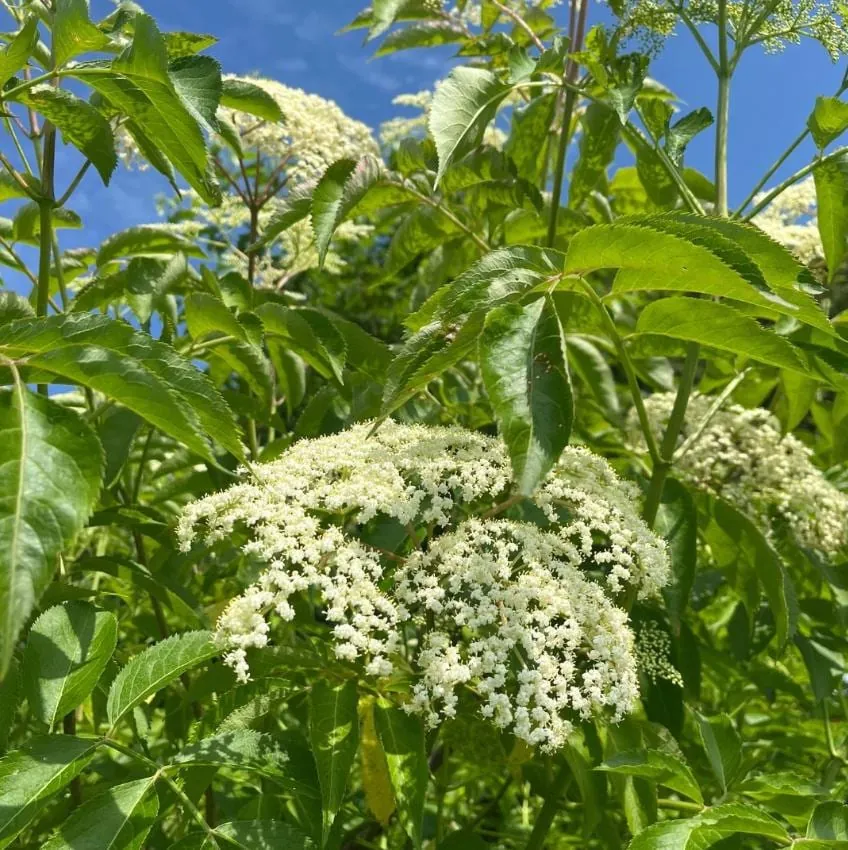
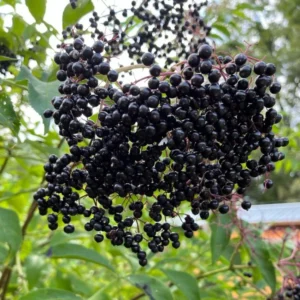
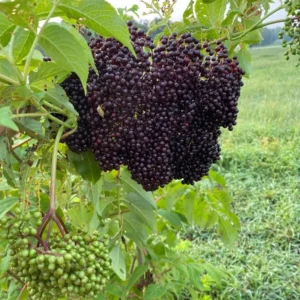
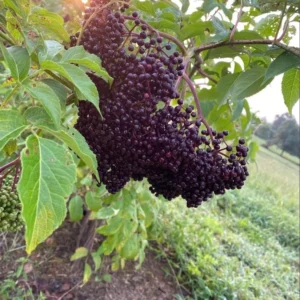
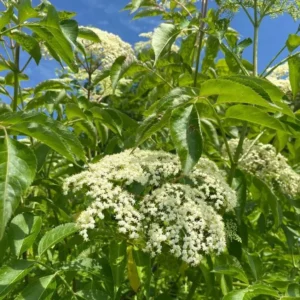
Bring the beauty and bounty of nature to your garden with this vibrant elderberry live plant. Scientifically known as Sambucus canadensis, this particular variety is the highly sought-after American elderberry plant, celebrated for its robust growth and prolific fruit production. Originating from North America, this native shrub is an excellent addition to any landscape, providing both ornamental appeal and a valuable food source. Each plant arrives as a healthy, young specimen, ready to establish itself in your outdoor space. The American Black Elderberry is a fast-growing, deciduous shrub that will quickly mature, rewarding you with clusters of fragrant white flowers in spring, followed by abundant, deep-purple berries in late summer. These berries are not only delicious but also packed with beneficial properties, making them a favorite for homemade syrups, jams, jellies, teas, and natural wellness remedies. This Sambucus canadensis live plant is an investment in both your garden’s biodiversity and your family’s health.
Key Benefits
The elderberry live plant offers a multitude of advantages for both the gardener and the environment. Its ease of care and versatility make it a popular choice for various garden designs. Discover the key benefits of incorporating this wonderful shrub into your home:
- High Yielding Berries: Produces abundant crops of nutrient-rich, deep-purple berries, perfect for culinary and medicinal uses. These berries are a powerhouse of antioxidants and vitamins.
- Attractive Foliage & Flowers: Features lush green leaves and clusters of fragrant white flowers in spring, adding significant aesthetic value to your garden landscape. The flowers are also edible and can be used to make delightful elderflower cordial.
- Pollinator & Wildlife Attractor: The fragrant blooms attract bees, butterflies, and other beneficial pollinators, enhancing your garden’s ecosystem. The berries also provide food for birds, contributing to local wildlife support.
- Hardy & Easy to Grow: This native American elderberry plant is incredibly resilient and adaptable, thriving in a wide range of conditions and requiring minimal maintenance once established. It’s an excellent choice for beginner gardeners.
- Versatile Garden Use: Ideal for edible gardens, wildlife gardens, hedgerows, food forests, and backyard orchards. Its fast growth rate makes it suitable for creating natural screens or borders.
- Natural Wellness Properties: Elderberries are widely recognized for their potential immune-boosting properties, making them a valuable ingredient for natural health remedies.
- Soil & Climate Tolerant: Tolerates various soil types, including clay and wet soils, better than many fruiting plants. It is also hardy across a broad range of USDA zones.
Plant Care & Growing Tips
Caring for your elderberry live plant is straightforward, making it an excellent choice for gardeners of all experience levels. To ensure optimal growth and fruit production, provide your Sambucus canadensis live plant with the right conditions. Elderberries thrive in locations that receive at least 6 hours of direct sunlight daily. While they can tolerate partial shade, full sun exposure will result in the best fruit yield and overall plant vigor. Plant your elderberry in early spring or fall when the plant is dormant. Ensure adequate spacing, ideally 6–10 feet apart, to allow for good air circulation and growth.
Consistent moisture is crucial for elderberries, especially during their first year and throughout the fruiting season. The soil should be moist but well-drained; avoid waterlogging. A good quality loam soil with a pH between 5.5 and 6.5 is ideal, though these plants are quite tolerant of clay and wetter conditions. Fertilize in early spring with a balanced slow-release fertilizer or compost to support vigorous growth. Pruning is best done in late winter or early spring while the plant is dormant, focusing on removing dead, damaged, or weak canes to encourage new growth and better fruit production. This will help your growing elderberry reach its full potential.
Size & Details
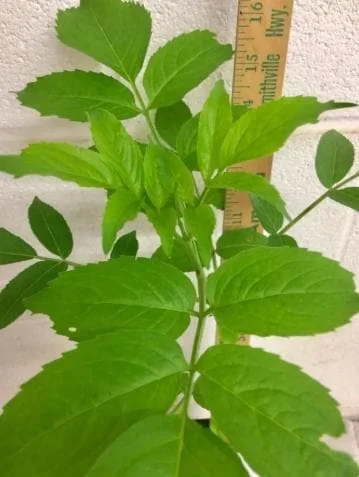
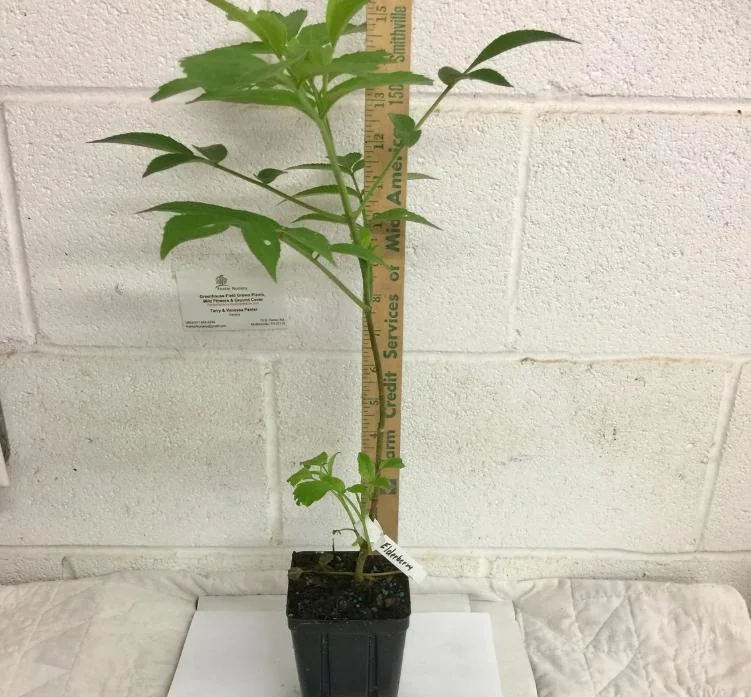
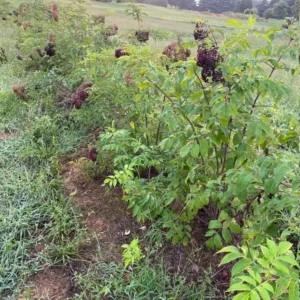
This elderberry live plant is currently approximately 12 inches tall and comes planted in a 1 quart nursery pot. It is a young, healthy specimen, ready for transplanting into your garden. As a fast-growing fruiting shrub, the American Elderberry can reach mature heights of 6-10 feet with a similar spread, depending on growing conditions and pruning practices. It will typically begin producing flowers and berries within 1-2 years after planting, with full production achieved in 3-5 years. The plant will be shipped securely in its nursery pot with soil, ensuring it arrives in excellent condition, ready for planting. Expect vigorous growth and a beautiful addition to your landscape.
Frequently Asked Questions
- Q: How big does this plant get? A: This elderberry live plant is currently 12 inches tall in a 1 quart pot. At maturity, the American Elderberry (Sambucus canadensis) typically grows to a height and spread of 6-10 feet, depending on growing conditions and pruning.
- Q: What size pot does it come in? A: The plant is supplied in a 1 quart (1qt) nursery pot, providing a healthy root system for successful transplanting into your garden or a larger container.
- Q: Is this an indoor or outdoor plant? A: The American elderberry plant is an outdoor shrub, best suited for planting in gardens, orchards, or naturalized areas where it can receive adequate sunlight and space to grow.
- Q: How much sunlight does it need? A: This plant thrives in full sun to partial shade, requiring at least 6 hours of direct sunlight daily for optimal fruit production. More sun generally leads to more berries.
- Q: Is this plant easy to care for? A: Yes, the American Black Elderberry is known for being incredibly hardy and easy to grow, making it suitable for gardeners of all skill levels. It requires consistent moisture and good drainage.
- Q: What condition will it arrive in? A: Your elderberry for sale will arrive as a healthy, live young plant, securely packaged in its nursery pot with soil, ready for immediate planting or temporary care before transplanting.
- Q: Can I use the elderberries for cooking? A: Absolutely! The deep-purple berries are commonly used for making delicious and healthy syrups, jams, jellies, pies, and teas. Ensure berries are fully ripe before consumption.
- Q: When is the best time to plant this elderberry live plant? A: The best times to plant your elderberry are in early spring or in the fall, while the plant is dormant. This allows the roots to establish before extreme weather conditions.
- Q: Will it survive winter in my zone? A: The American Elderberry is highly cold-hardy, thriving in USDA zones 3–9. It tolerates cold winters well and will go dormant, returning with new growth in spring.
- Q: What type of soil does this Sambucus canadensis live plant prefer? A: It prefers moist, well-drained loam with a pH of 5.5–6.5. However, it is quite adaptable and tolerates clay and wetter soils better than many other fruiting plants.
Be the first to review “Elderberry Live Plant – American Black Sambucus Canadensis – 12″ Tall 1 Quart Pot for Outdoor Planting”
People Also Viewed
Sold 64 products
Original price was: $30.76.$15.38Current price is: $15.38.
Sold 52 products
Original price was: $100.00.$80.00Current price is: $80.00.
Sold 76 products
From $59.80

Sold 54 products
From $150.99
Sold 56 products
From $61.58
Sold 53 products
$48.38
Sold 54 products
Original price was: $28.99.$18.99Current price is: $18.99.
Sold 97 products
From $4.18
Sold 92 products
Original price was: $65.98.$32.99Current price is: $32.99.
Sold 88 products
From $4.34
Sold 72 products
Original price was: $31.48.$15.74Current price is: $15.74.
Sold 51 products
From $19.00
Sold 52 products
Original price was: $36.36.$18.18Current price is: $18.18.
Sold 74 products
Original price was: $68.78.$41.26Current price is: $41.26.
Sold 83 products
$329.98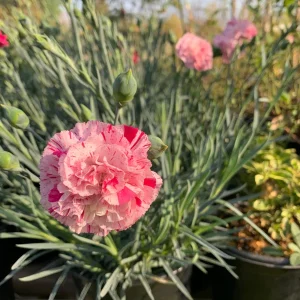
Flower Plants
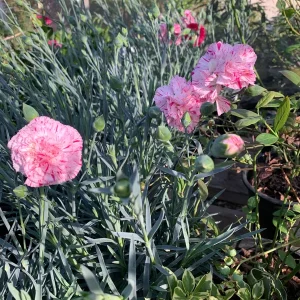
Dianthus ‘Devon Pinball Wizard’ Live Plant – Pink & Red Stripe Flowers – 6 inch Pot – Outdoor
Sold 57 products
Original price was: $147.16.$73.58Current price is: $73.58.
Sold 55 products
Original price was: $67.64.$33.82Current price is: $33.82.
Sold 89 products
Original price was: $70.00.$35.00Current price is: $35.00.


Reviews
There are no reviews yet.