


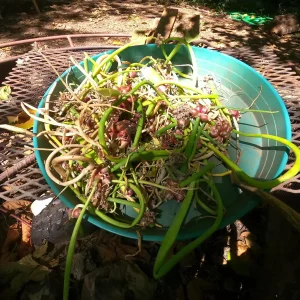
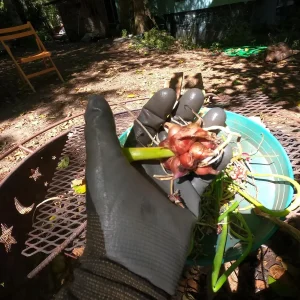
Egyptian Walking Onion Bulbs – Heirloom Perennial Tree Onion – Organic, Easy Grow
From $10.96
Cultivate your own flavorful, self-propagating Egyptian Walking Onion bulbs. These perennial onion bulbs (Allium proliferum) are an heirloom variety known for their unique ‘walking’ growth habit and minimal care requirements. Perfect for home gardens and permaculture, offering versatile culinary use.
-
USDA Hardiness Zone
USDA Zones 3-9 -
Soil Type
Well-draining soil -
Sunlight Exposure
Full sun to partial shade -
Expected Planting Period
Fall (September-October) or early spring

You can track your order HERE
Mar 09
Mar 14 - Mar 16
Mar 19 - Mar 23
Shipping and return policies: Our Alive & Thrive Guarantee covers issues with your plants within the first 30 days. Reach out to us. Our team will answer your questions and help you find the plants that are truly suitable for your environment, climate, and personal preferences.

Overview
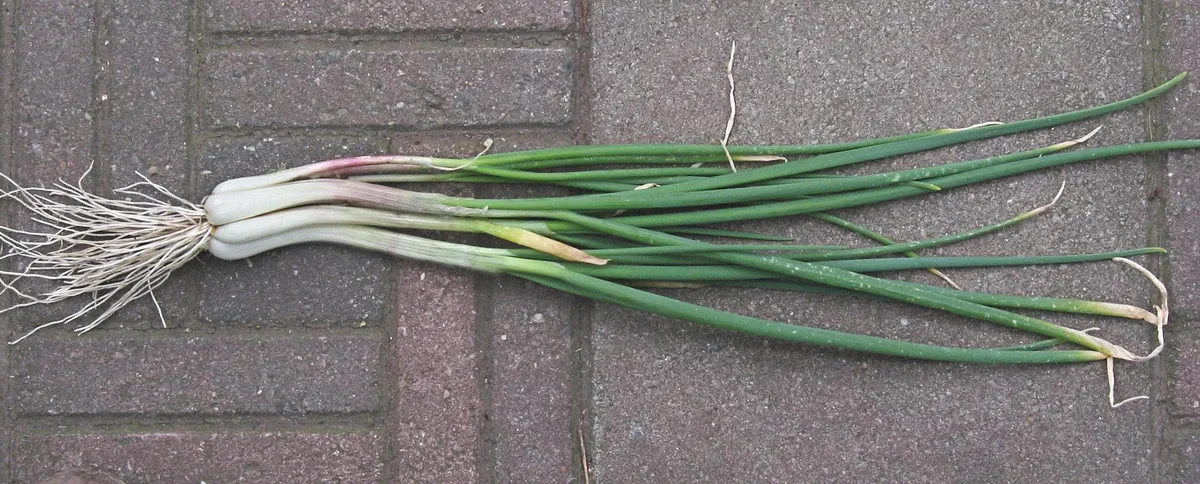
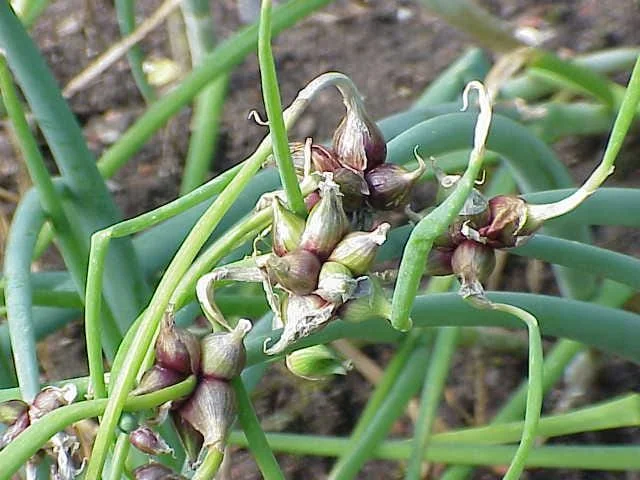
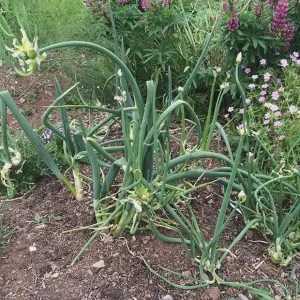
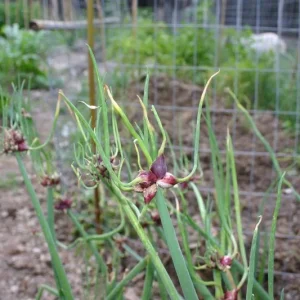
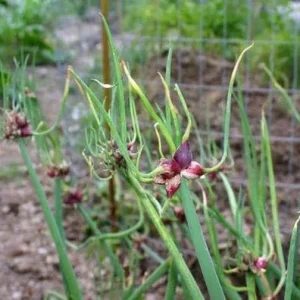
Discover the unique charm and culinary versatility of Egyptian Walking Onion bulbs, also known scientifically as Allium proliferum or colloquially as tree onions and topset onions. These remarkable heirloom perennial bulbs offer a truly low-maintenance and rewarding gardening experience. Unlike traditional onions, the Egyptian Walking Onion bulbs produce small bulbils at the top of their stalks, which eventually bend over and root themselves, effectively ‘walking’ across your garden over time. This self-propagating nature makes them an excellent choice for sustainable gardening and permaculture enthusiasts, providing a continuous harvest year after year with minimal intervention.
These hardy and adaptable perennial onion bulbs are perfect for gardeners seeking a reliable, flavorful, and easy-to-grow crop. They thrive in a variety of conditions, offering both green tops early in the season and flavorful bulbils later on, suitable for cooking, pickling, or expanding your patch. Embrace the simplicity and abundance these unique onions bring to your garden and kitchen.
Key Benefits
The Egyptian Walking Onion bulbs offer a multitude of advantages for any gardener, from novice to expert. Their distinctive growth habit and robust nature make them a standout choice.
- Perennial & Self-Propagating: Enjoy a continuous harvest with minimal effort. These unique onions ‘walk’ by producing topset bulbs that bend to the ground and root, creating new plants year after year without the need for replanting. This makes them an incredibly sustainable option for your garden.
- Versatile Culinary Use: Harvest young green onion tops early in the season for fresh salads and garnishes, and later collect the flavorful bulbils for cooking, pickling, or even replanting. They add a mild, sweet onion flavor to a wide array of dishes.
- Hardy & Low-Maintenance: These tree onion bulbs are incredibly resilient, thriving across a wide range of climates (USDA Zones 3-9). They tolerate varied soil conditions and require very little care once established, making them ideal for busy gardeners or those new to growing edibles.
- Organic & Sustainable: Our organic walking onion bulbs are grown without synthetic pesticides or fertilizers, ensuring a natural and healthy addition to your garden. They support eco-conscious gardening practices and contribute to a healthier ecosystem.
- Heirloom Variety: Cultivate a piece of gardening history with these traditional heirloom bulbs. Known for their robust flavor and reliable performance, they are a time-tested favorite among gardeners.
- Space-Efficient: While they ‘walk,’ their growth habit can be easily managed, and they provide a high yield in a relatively small footprint, making them suitable for various garden sizes.
- Pest Resistant: Generally resistant to common garden pests, these onions require less intervention and allow you to focus on other aspects of your garden.
Plant Care & Growing Tips
Growing Egyptian Walking Onion bulbs is remarkably straightforward, making them a fantastic addition to almost any garden. For optimal growth, plant your bulbils approximately 1 inch deep and 4-6 inches apart in well-drained soil. Amending your soil with compost before planting will significantly improve drainage and nutrient availability, leading to stronger, healthier plants. These onions are adaptable but prefer a location with full sun to partial shade, meaning they need at least 4-6 hours of direct sunlight daily for the best production of topsets.
Watering should be regular, especially during dry spells, but it’s crucial to avoid overwatering, as this can lead to rot. The soil should be consistently moist but never waterlogged. Fall planting (September-October) is often ideal, allowing the bulbs to establish roots over winter for robust spring growth. Alternatively, you can store the bulbils in a cool, dry place for spring planting. Expect green shoots to emerge in early spring, followed by the development of topsets by summer. Fertilize sparingly with a balanced organic fertilizer in spring if your soil is poor, but generally, these hardy perennial onion bulbs are not heavy feeders.
The tree onion bulbs are remarkably cold-hardy, thriving in USDA Zones 3-9, and can withstand frost and snow. They are also relatively disease-resistant. Keep an eye out for any signs of fungal issues in overly wet conditions, and ensure good air circulation. Harvesting can begin with the green tops in spring, and the bulbils or mother bulbs can be harvested in summer. To ensure your patch continues indefinitely, simply allow some of the topset bulbils to fall and root, or replant them yourself. This continuous cycle is what makes the organic walking onion such a sustainable choice.
Size & Details
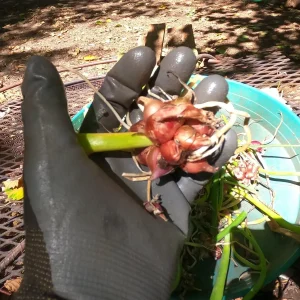
These Egyptian Walking Onion bulbs are freshly harvested and carefully cleaned to ensure premium quality upon arrival. Each bulb is ready for immediate planting or culinary use, providing an instant start to your perennial onion patch. They are shipped as individual bulbils, which are the small ‘topsets’ that form at the top of the onion stalk. The size of the bulbils can vary slightly, but they are typically suitable for planting directly into your garden. They are robust and ready to establish quickly.
Once planted, these perennial onion bulbs will produce green shoots that can reach heights of 18-24 inches, culminating in the unique topset bulbils by mid-summer. The mother bulbs in the ground can also be harvested, typically growing to a diameter of 1-2 inches. They have a moderate growth rate, establishing well within the first season and then expanding their patch in subsequent years. Expect green growth to appear in early spring, with the topsets forming and maturing through summer, ready for harvest or replanting.
Frequently Asked Questions
- Q: How big do these Egyptian Walking Onion bulbs get? A: The green tops of the plants typically grow 18-24 inches tall. The underground mother bulbs can reach 1-2 inches in diameter, while the topset bulbils are smaller, usually pea to marble-sized, perfect for replanting or culinary use.
- Q: Is this an indoor or outdoor plant? A: Egyptian Walking Onion bulbs are primarily grown outdoors. They are very hardy and thrive in garden beds across USDA Zones 3-9. While you could potentially grow them in large containers indoors, their ‘walking’ nature and need for space make them best suited for outdoor cultivation.
- Q: How much sunlight do these tree onion bulbs need? A: They prefer a location with full sun to partial shade. This means they need at least 4-6 hours of direct sunlight per day for the best growth and production of topset bulbils.
- Q: Is this plant easy to care for? Is it good for beginners? A: Yes, Egyptian Walking Onion bulbs are incredibly easy to care for and are an excellent choice for beginners. They are low-maintenance, hardy, and self-propagating, requiring minimal intervention once established.
- Q: What condition will the bulbs arrive in? A: Your organic walking onion bulbs will arrive freshly harvested, carefully cleaned, and packed dry to ensure their quality and readiness for planting. They are dormant and robust.
- Q: Can I use these perennial onion bulbs in cooking? A: Absolutely! Both the green tops and the topset bulbils are edible. The green tops can be used like scallions, and the bulbils have a mild, sweet onion flavor perfect for salads, stir-fries, pickling, or roasting.
- Q: When is the best time to plant Egyptian Walking Onion bulbs? A: Fall planting (September-October) is ideal for establishing strong roots before winter and for early spring growth. However, they can also be planted in early spring after the last frost.
- Q: Will these onions survive winter in my zone? A: Yes, these onions are extremely cold-hardy and thrive in USDA Zones 3-9. They are perennial and will reliably return year after year, even in colder climates.
- Q: Do I need to replant them every year? A: No, that’s the beauty of Egyptian Walking Onion bulbs! They are self-propagating. The topset bulbils will naturally fall and root themselves, creating new plants and expanding your patch without yearly replanting.
- Q: What kind of soil do these onions prefer? A: They prefer well-drained soil. Amending your garden soil with compost will provide the best results, improving both drainage and fertility.
| How Many Bulbs? | 1 Bulb, 10 Bulbs, 20 Bulbs, 3 Bulbs, 5 Bulbs |
|---|
Be the first to review “Egyptian Walking Onion Bulbs – Heirloom Perennial Tree Onion – Organic, Easy Grow”
People Also Viewed
Sold 99 products
Original price was: $36.00.$18.00Current price is: $18.00.
Sold 53 products
Original price was: $66.00.$52.80Current price is: $52.80.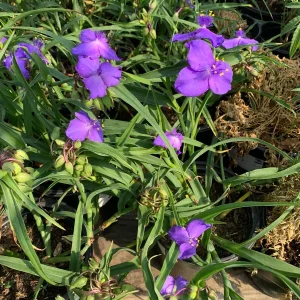
Flower Plants
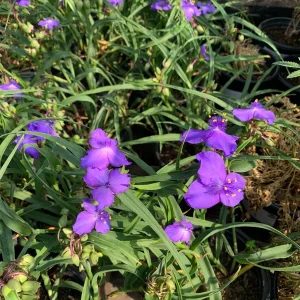
Tradescantia Virginia Purple Spiderwort Live Plant – 1 ft Tall in 6″ Pot – Outdoor Flower
Sold 73 products
Original price was: $147.16.$73.58Current price is: $73.58.
Sold 58 products
Original price was: $36.00.$18.00Current price is: $18.00.
Sold 55 products
Original price was: $59.08.$29.54Current price is: $29.54.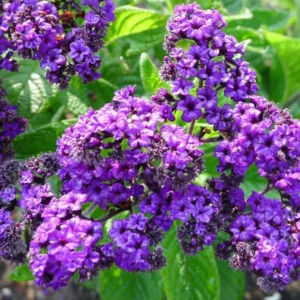
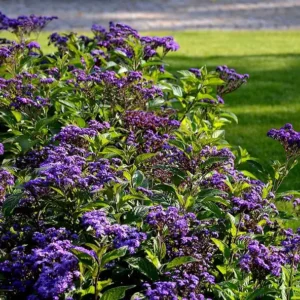
Flower Plants
Heliotrope Fragrant Delight Live Plants – Set of 2, 3-6″ Tall, Violet Fragrant Flowers
Sold 69 products
Original price was: $41.97.$13.99Current price is: $13.99.
Sold 80 products
Original price was: $50.98.$39.99Current price is: $39.99.
Sold 68 products
Original price was: $35.98.$17.99Current price is: $17.99.
Sold 100 products
Original price was: $18.76.$9.38Current price is: $9.38.
Sold 69 products
Original price was: $40.00.$20.00Current price is: $20.00.
Sold 93 products
Original price was: $49.98.$24.99Current price is: $24.99.
Sold 99 products
Original price was: $88.00.$44.00Current price is: $44.00.
Sold 79 products
Original price was: $28.00.$14.00Current price is: $14.00.
Sold 55 products
Original price was: $67.96.$33.98Current price is: $33.98.
Sold 79 products
Original price was: $89.98.$44.99Current price is: $44.99.
Sold 92 products
Original price was: $116.26.$69.76Current price is: $69.76.
Sold 92 products
Original price was: $14.76.$7.38Current price is: $7.38.
Sold 67 products
From $63.80



Reviews
There are no reviews yet.