
Eddoe Edible Corms (Colocasia antiquorum) – Tropical Vegetable for Planting & Cooking
Original price was: $39.96.$19.98Current price is: $19.98.
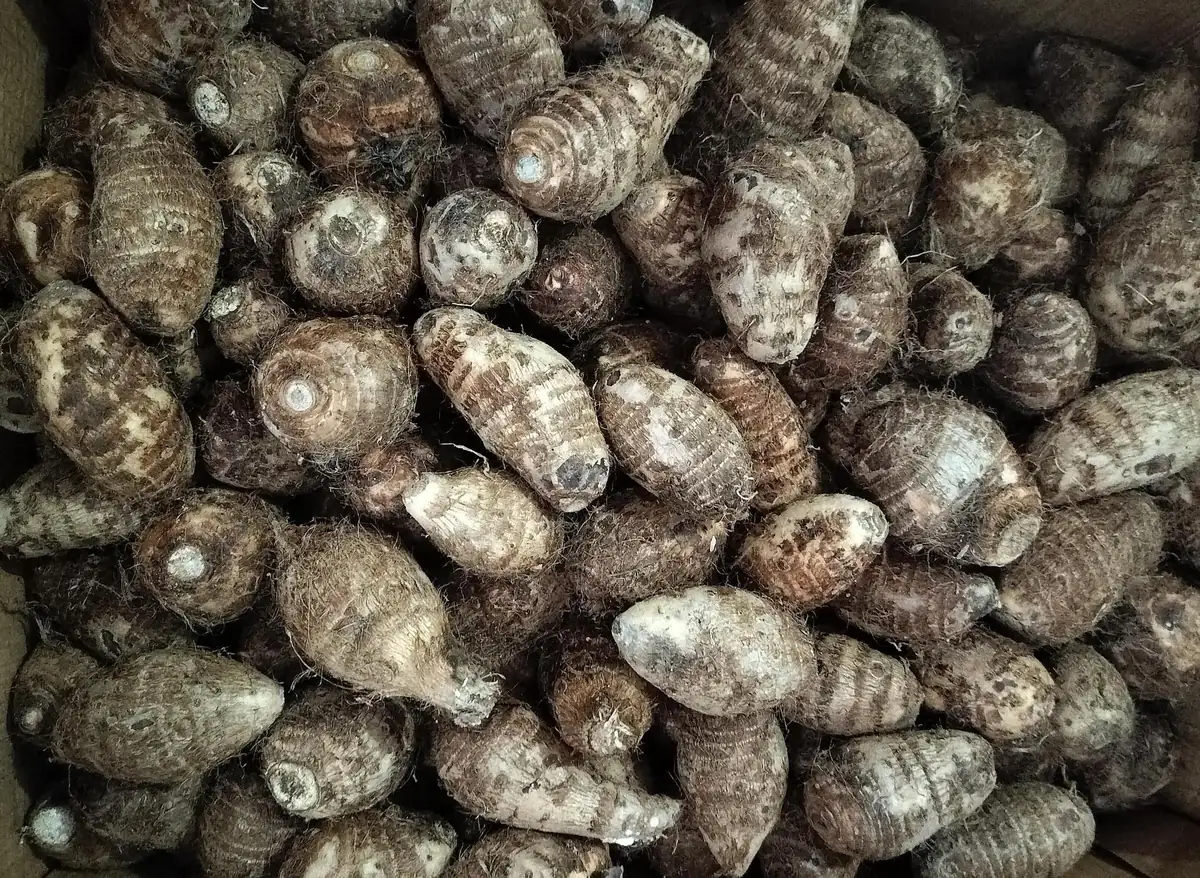
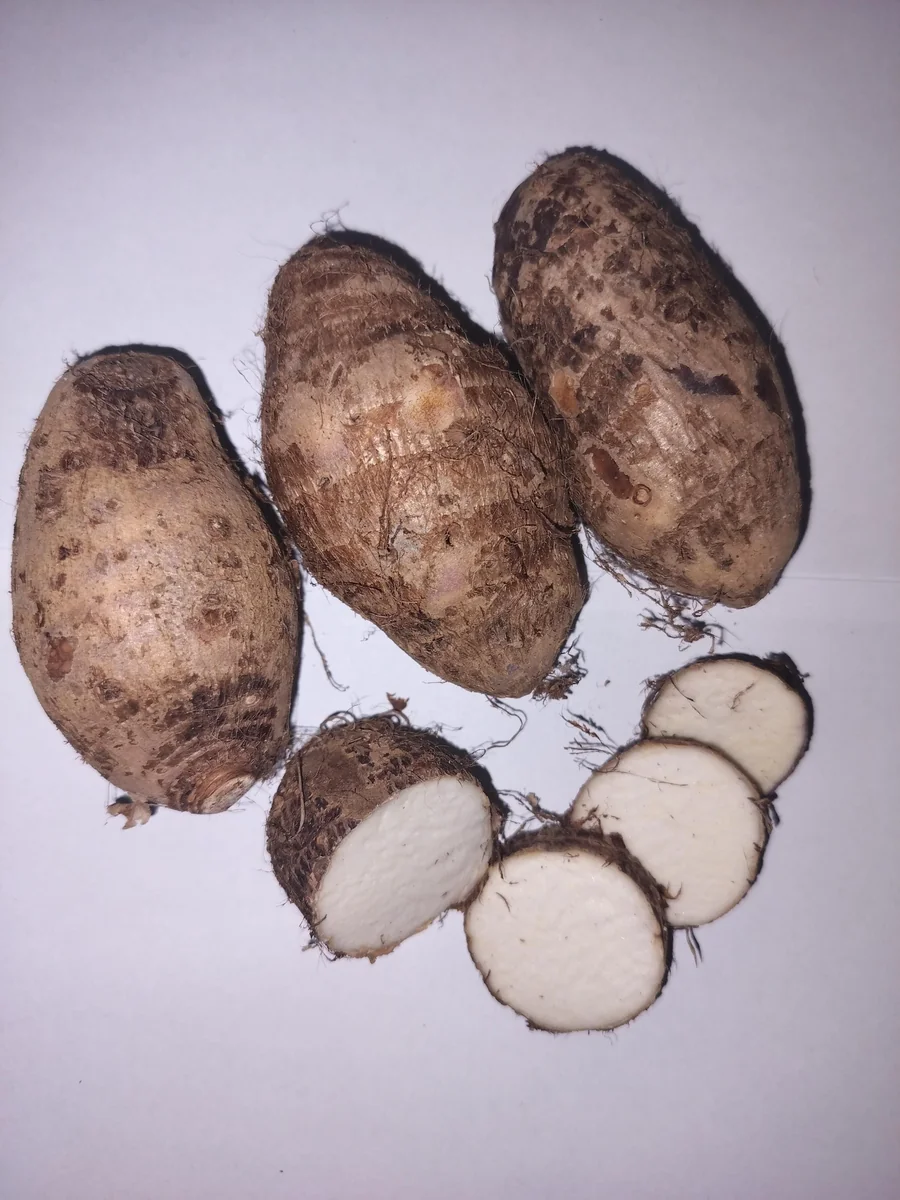
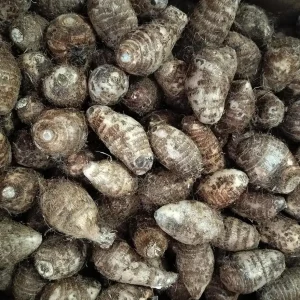
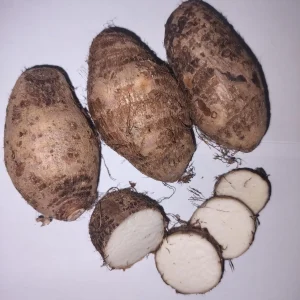
Cultivate your own delicious eddow corms, also known as Taro or Dasheen. These versatile eddoe vegetable corms are perfect for planting and can be boiled, baked, or fried to create a variety of flavorful dishes, bringing a taste of the tropics to your home.
-
USDA Hardiness Zone
USDA Zones 8-11 (or annuals in cooler zones) -
Soil Type
Rich loam soil with good drainage -
Sunlight Exposure
Full sun to partial shade -
Expected Planting Period
Year-round in tropical climates, spring in temperate regions

You can track your order HERE
Mar 27
Apr 01 - Apr 03
Apr 06 - Apr 10
Shipping and return policies: Our Alive & Thrive Guarantee covers issues with your plants within the first 30 days. Reach out to us. Our team will answer your questions and help you find the plants that are truly suitable for your environment, climate, and personal preferences.

Overview
Experience the joy of growing and cooking with fresh eddow corms. These unique corms, scientifically known as colocasia antiquorum, are a tropical vegetable closely related to taro and are cultivated for their thickened stems. Also known as Eddo, Taro, or Dasheen, eddoe is a staple in many cuisines around the world, particularly in the Caribbean, South America, Africa, and parts of Asia. While the corms and young leaves cannot be eaten raw, careful cooking unlocks their delicious nutty flavor and versatile culinary potential. Whether you aim to grow eddoe plant in your garden or simply enjoy its rich taste in your cooking, these corms offer an authentic tropical experience.
Our fresh eddow corms are ready for planting or immediate culinary use. They provide an excellent opportunity for gardeners to cultivate a unique and rewarding plant, or for chefs to explore new flavors and textures in their dishes. The robust nature of colocasia antiquorum makes it a fascinating addition to any garden, thriving in conditions that might challenge other plants in its family.
Key Benefits
Cultivating and consuming eddow corms offers a range of rewarding benefits, from garden enrichment to culinary delight. These versatile corms are a fantastic choice for anyone looking to expand their plant collection or culinary repertoire.
- Nutritious and Flavorful: Eddoe boasts a nutty taste and is rich in fiber, vitamins, and antioxidants, making it a healthy addition to your diet. It’s an excellent alternative to potatoes.
- Culinary Versatility: These eddoe vegetable corms can be boiled, baked, or fried, and incorporated into a wide array of dishes from soups and stews to side dishes, mirroring the usage of potatoes.
- Unique Garden Addition: Growing a colocasia antiquorum plant adds a distinctive tropical flair to your garden, offering lush foliage in addition to edible corms.
- Adaptable Growth: While thriving in tropical climates, eddoe plants are more tolerant of poorer soils, drier conditions, and cooler temperatures compared to other Colocasia varieties, making it easier to grow eddoe plant in various regions.
- Cultural Significance: Eddoe holds a significant place in the culinary traditions of many cultures, particularly in the Caribbean, allowing you to explore diverse global flavors.
- Rewarding Harvest: After 8-12 months in tropical climates, you can harvest your own fresh taro corms, providing a satisfying and sustainable food source.
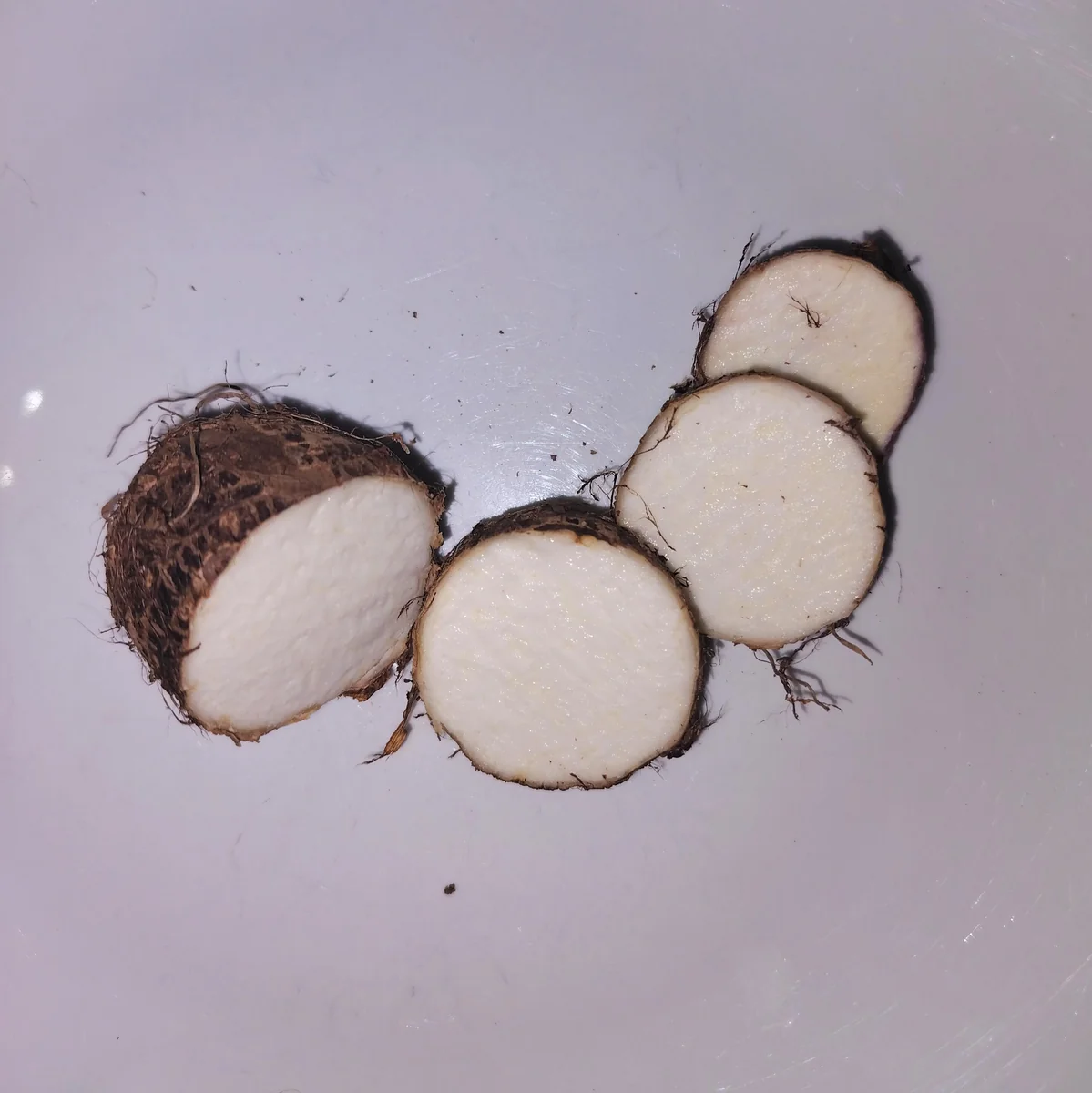
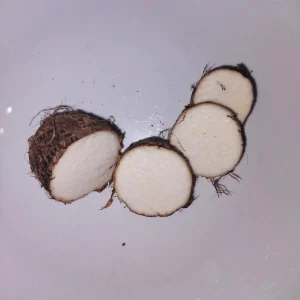
- Easy Propagation: Eddoe plants can be easily grown by planting an entire corm or by cutting a corm into pieces containing at least one eye, ensuring continued growth and harvest.
Plant Care & Growing Tips
Successfully growing eddow corms, or colocasia antiquorum, requires attention to specific conditions to ensure a healthy and productive plant. These tropical plants thrive best in warm environments but show remarkable adaptability. For optimal growth, plant your eddow corms in rich loam soil that offers excellent drainage. While they can tolerate poorer soil conditions and even drier climates than some other Colocasia varieties, consistent moisture and nutrient-rich soil will yield the best results.
Sunlight requirements for eddow corms typically involve full sun to partial shade, especially in hotter climates where some afternoon shade can prevent leaf scorch. They prefer consistently moist soil but should not be waterlogged, as this can lead to rot. Regular watering is crucial, particularly during dry spells. Eddoe plants are tropical and prefer warm temperatures, generally thriving in USDA Zones 8-11. In cooler zones, they can be grown as annuals or overwintered indoors. Fertilize regularly during the growing season with a balanced, all-purpose fertilizer to support vigorous growth and the development of healthy eddoe vegetable corms. Watch out for common garden pests, though eddoe is generally robust, and address any issues promptly to ensure your plant continues to flourish and produce delicious taro corms.
Size & Details
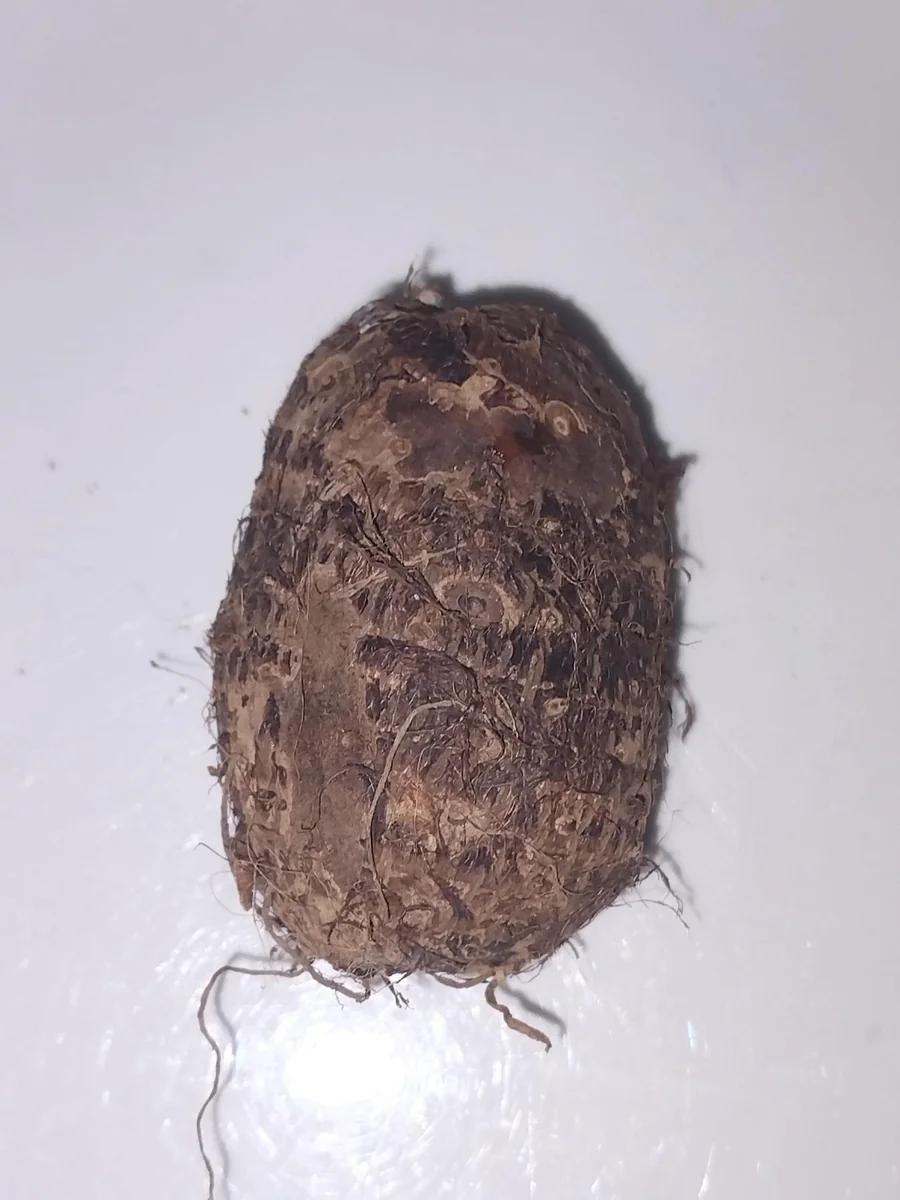
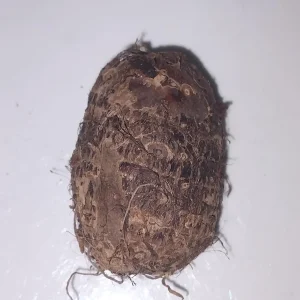
You will receive multiple eddow corms with a combined weight equal to the number of pounds you purchase. These corms are ready for immediate planting or culinary preparation. When planted, the colocasia antiquorum plant typically takes 8-12 months to mature in tropical climates, at which point the edible corms can be harvested. Plants can be propagated by planting a whole corm or by dividing a corm into pieces, ensuring each piece has at least one ‘eye’ for successful sprouting. The mature plants can reach several feet in height, providing lush, ornamental foliage before the harvest of the valuable eddoe vegetable. The size of individual corms will vary, but the total weight will match your order, ensuring you have ample material to grow eddoe plant or enjoy in your kitchen.
Frequently Asked Questions
- Q: How big do these eddow corms get? A: The individual corms vary in size, but you will receive multiple corms with a combined weight equal to the number of pounds purchased, suitable for planting or cooking. The mature plant itself can grow several feet tall.
- Q: Is this an indoor or outdoor plant? A: Colocasia antiquorum is primarily an outdoor plant in tropical and subtropical climates (USDA Zones 8-11). In cooler regions, it can be grown as an annual or brought indoors during colder months.
- Q: How much sunlight does the eddoe plant need? A: Eddoe plants prefer full sun to partial shade. In very hot climates, partial afternoon shade can help protect the leaves from scorching.
- Q: Is this eddoe vegetable easy to care for? A: Yes, eddoe is relatively easy to care for, especially compared to some other Colocasia varieties. It tolerates a wider range of soil and temperature conditions, making it a good choice for beginner gardeners looking to grow eddoe plant.
- Q: What condition will the taro corms arrive in? A: Your taro corms will arrive fresh and ready for either planting or culinary use, carefully packaged to ensure their quality during transit.
- Q: Can I use these eddow corms in cooking? A: Absolutely! These corms are edible and can be boiled, baked, or fried. They are a staple in many cuisines, offering a delicious nutty flavor. Remember, they must be cooked thoroughly before consumption.
- Q: How long until I can harvest the eddoe corms? A: In tropical climates, it typically takes 8-12 months from planting for the eddoe vegetable corms to reach maturity for harvest.
- Q: What type of soil is best for growing eddoe? A: Eddoe plants thrive best in rich loam soil with good drainage, but they are adaptable and can grow in poorer soils as well.
- Q: Will these eddow corms survive winter in my zone? A: Eddoe plants are tropical and are hardy in USDA Zones 8-11. In colder zones, you would need to either grow them as annuals or dig up and store the taro corms indoors for the winter.
- Q: What are some common dishes made with eddoe? A: Eddoe is frequently used in Caribbean dishes like callaloo and pepper pot. It can be prepared similarly to potatoes in soups, stews, and as a side dish.
Be the first to review “Eddoe Edible Corms (Colocasia antiquorum) – Tropical Vegetable for Planting & Cooking”
People Also Viewed
Sold 88 products
From $19.98
Flower Plants
Sold 78 products
Original price was: $27.98.$13.99Current price is: $13.99.
Sold 85 products
Original price was: $59.18.$29.59Current price is: $29.59.
Sold 53 products
Original price was: $39.98.$27.98Current price is: $27.98.

Sold 83 products
Original price was: $89.98.$44.99Current price is: $44.99.
Sold 50 products
From $13.98
Sold 67 products
Original price was: $21.56.$10.78Current price is: $10.78.
Sold 63 products
Original price was: $91.98.$45.99Current price is: $45.99.
Sold 56 products
Original price was: $31.98.$15.99Current price is: $15.99.
Sold 95 products
Original price was: $47.58.$23.79Current price is: $23.79.
Sold 91 products
Original price was: $55.98.$27.99Current price is: $27.99.
Sold 56 products
Original price was: $35.98.$17.99Current price is: $17.99.
Sold 81 products
Original price was: $31.96.$15.98Current price is: $15.98.
Flowers
Set of 2 Spanish Eyes Lavender Live Plants – 4-6″ Tall – Fragrant Perennial Flowers – Indoor/Outdoor
Sold 54 products
Original price was: $36.38.$18.19Current price is: $18.19.

Vegetable Seeds
Organic True Potato Seeds – 50 Count Purple, Red, Yellow Color Mix – Vegetable Seeds
Sold 86 products
Original price was: $39.96.$19.98Current price is: $19.98.
Sold 89 products
Original price was: $61.98.$30.99Current price is: $30.99.
Sold 92 products
Original price was: $39.99.$34.99Current price is: $34.99.
Sold 80 products
Original price was: $32.18.$16.09Current price is: $16.09.



Reviews
There are no reviews yet.