
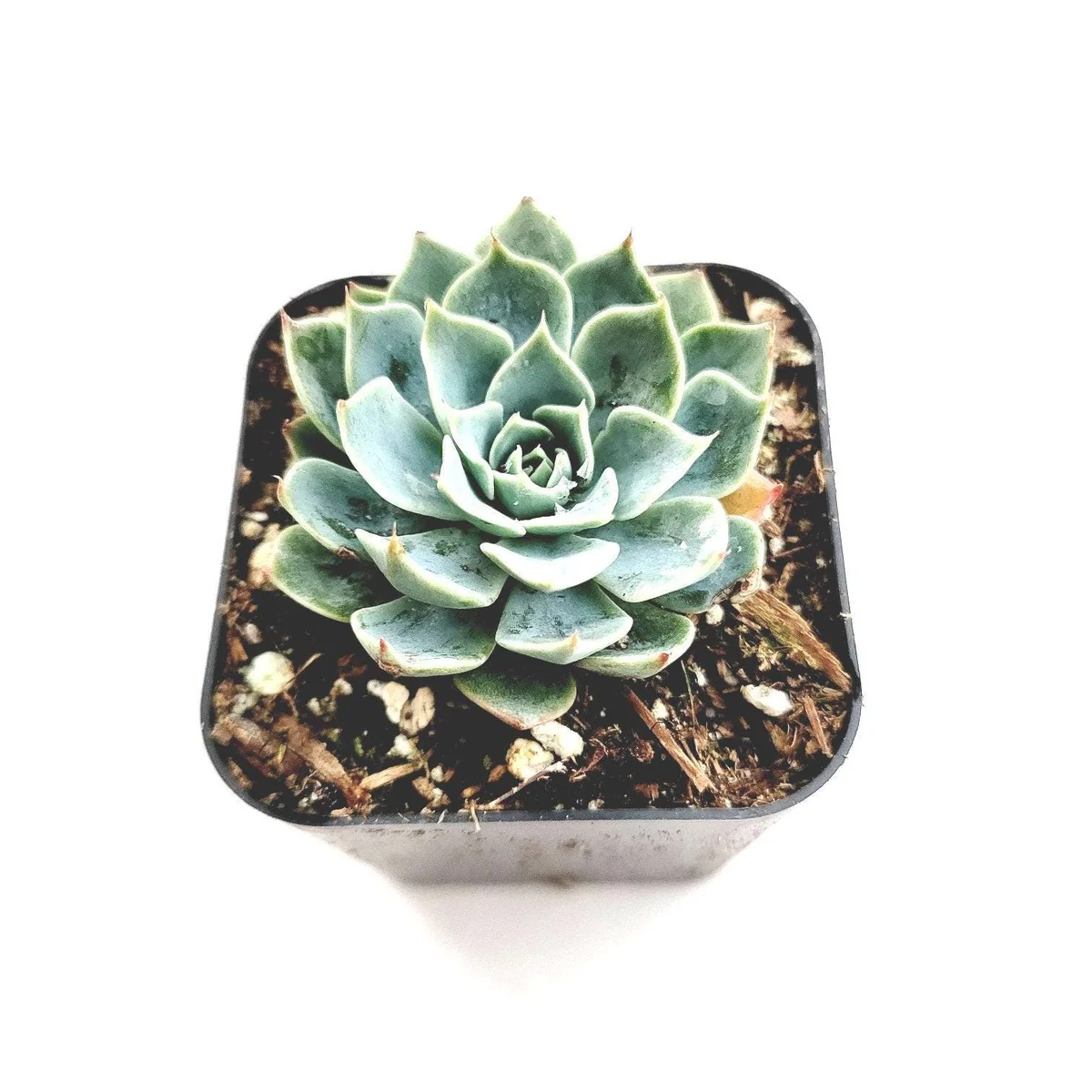
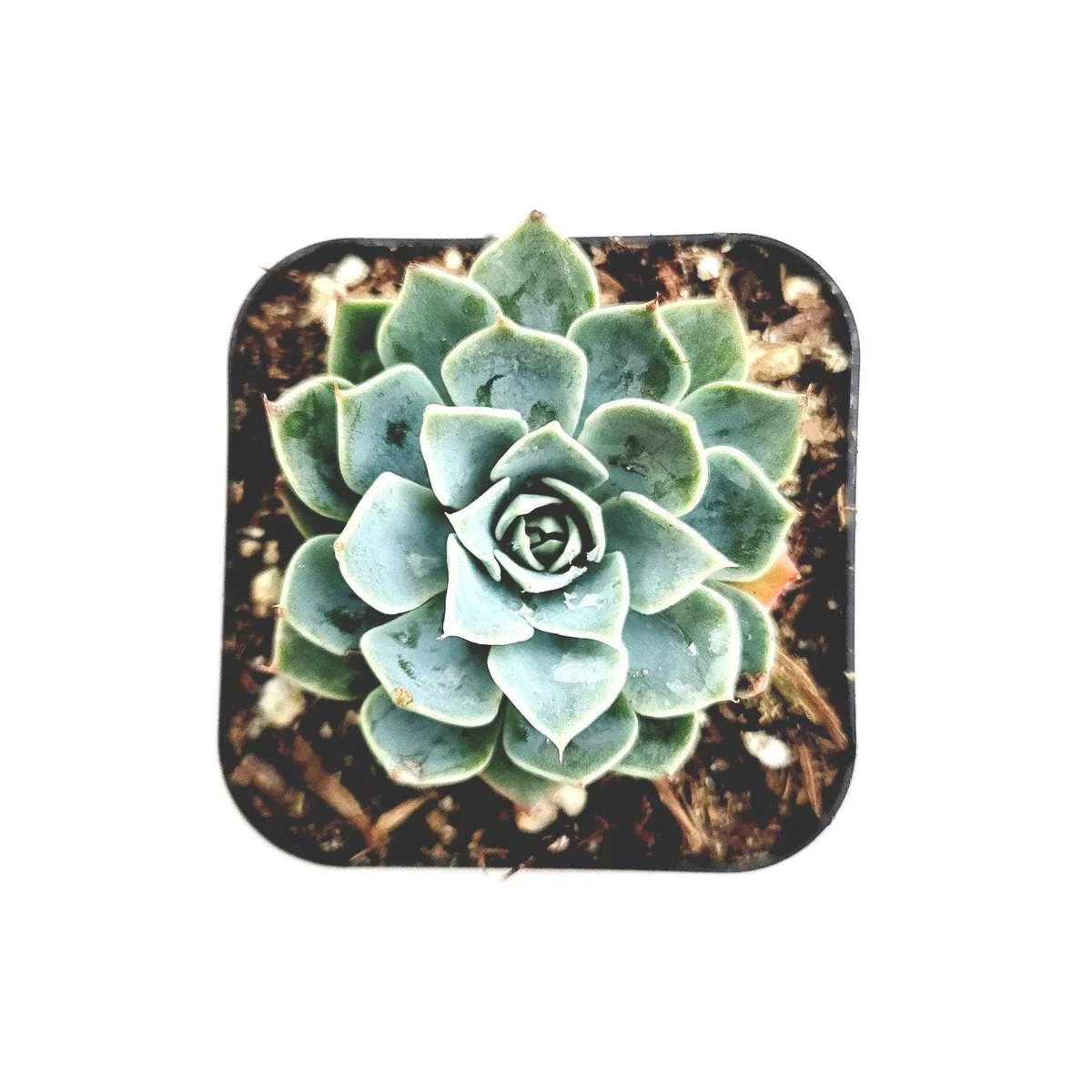
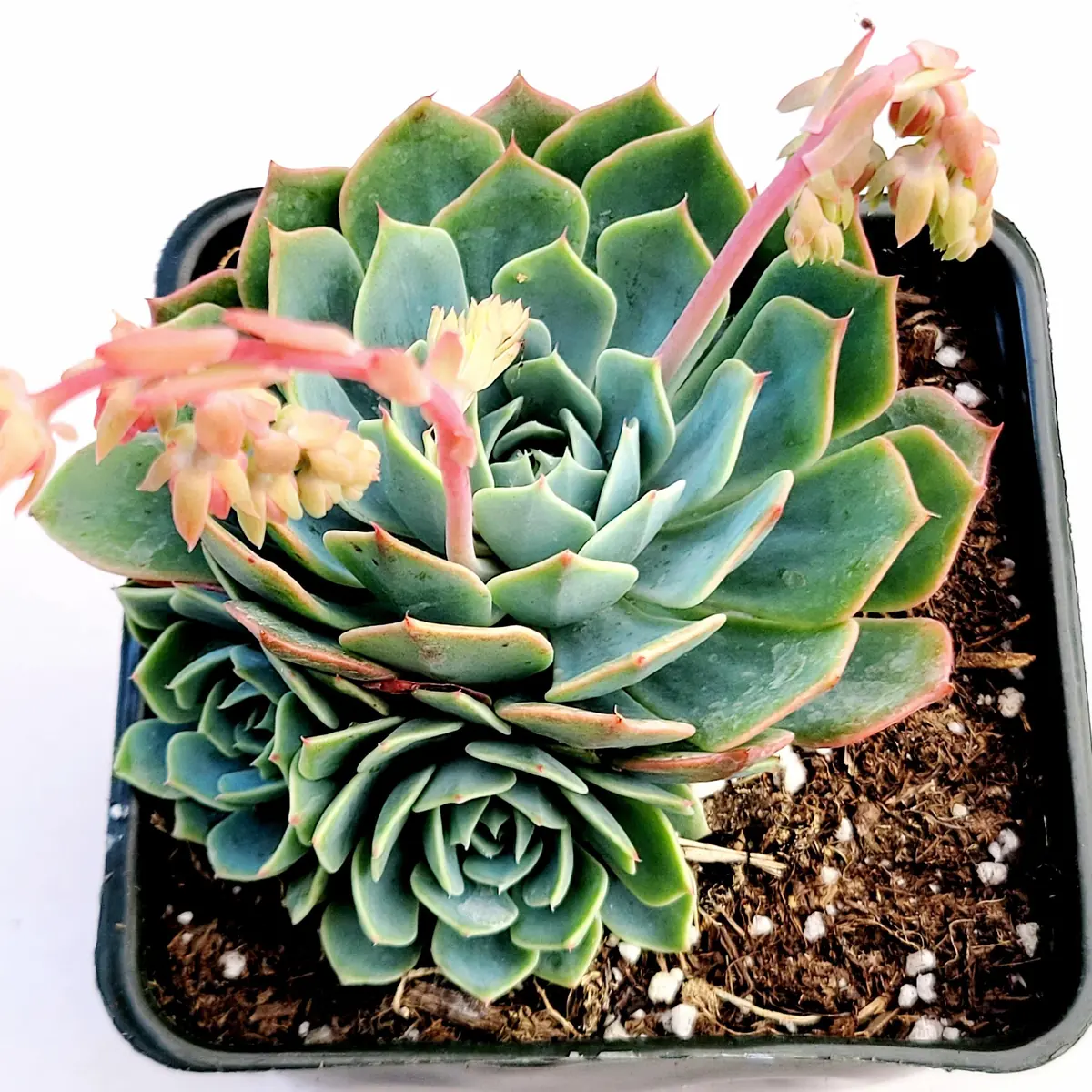
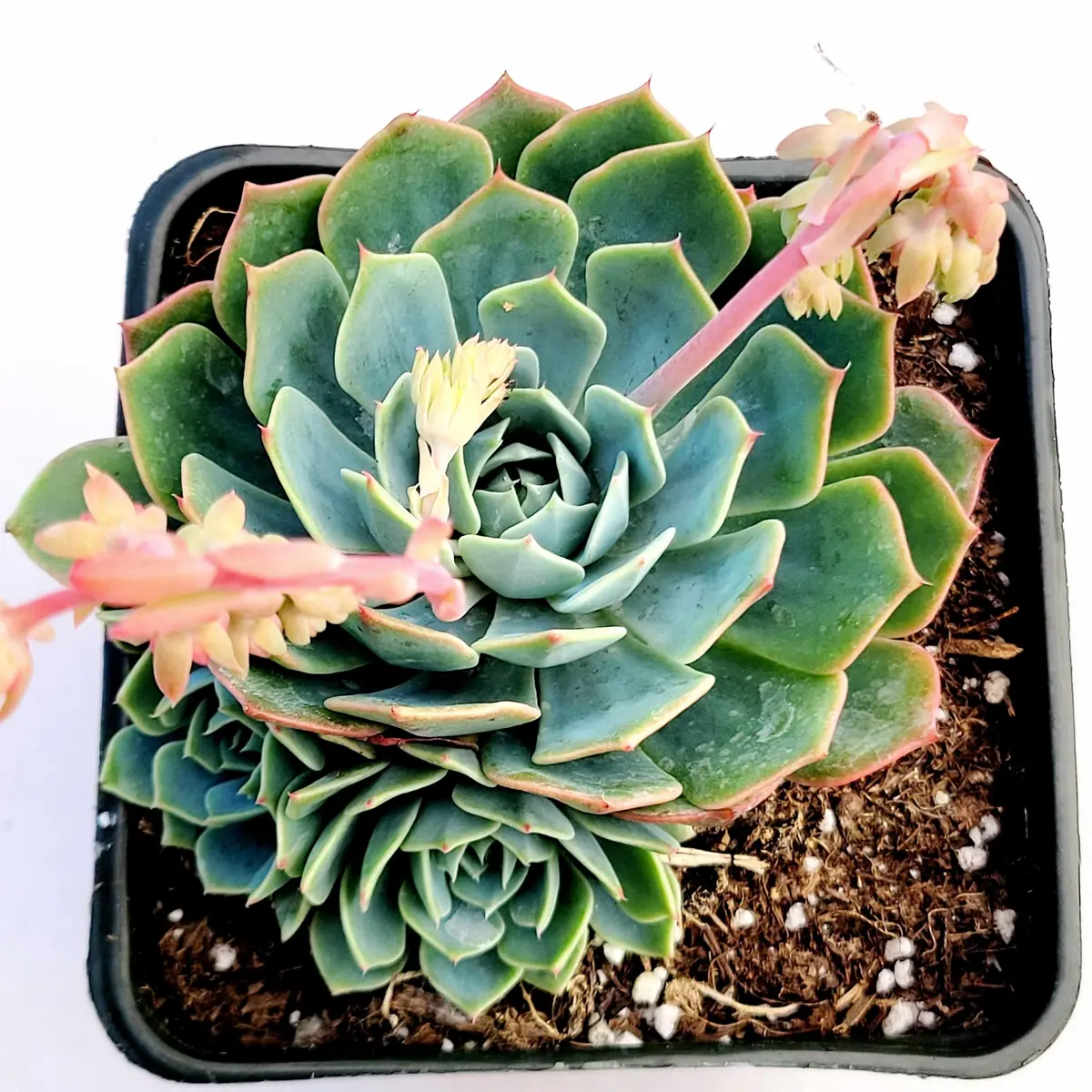
Echeveria subalpina Succulent Plant – Live, Drought-Tolerant, Easy Care
Original price was: $38.00.$19.00Current price is: $19.00.
Bring home the captivating Echeveria subalpina succulent, a beautiful and resilient live plant known for its striking rosettes. This drought-tolerant succulent is perfect for sunny locations, offering easy care and a unique aesthetic to your indoor or outdoor garden.
-
USDA Hardiness Zone
USDA zones 9–11 -
Soil Type
Porous, well-draining succulent or cactus mix -
Sunlight Exposure
Full sun to bright indirect light -
Expected Planting Period
Year-round indoors, spring to fall outdoors

You can track your order HERE
Mar 07
Mar 12 - Mar 14
Mar 17 - Mar 21
Shipping and return policies: Our Alive & Thrive Guarantee covers issues with your plants within the first 30 days. Reach out to us. Our team will answer your questions and help you find the plants that are truly suitable for your environment, climate, and personal preferences.

Overview
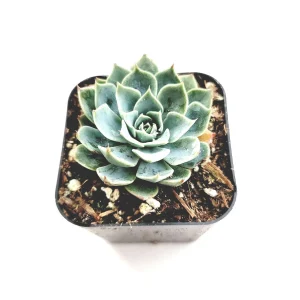
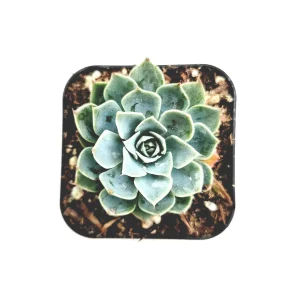
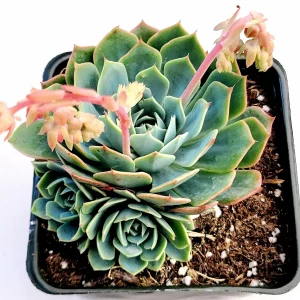
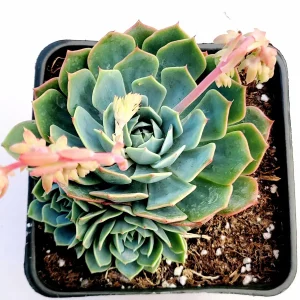
Immerse yourself in the beauty of the Echeveria subalpina succulent, a captivating live plant that brings unique charm to any plant collection. Known for its compact, tightly packed rosettes of bluish-green leaves often tinged with pink or red margins, this succulent variety is a favorite among gardeners and collectors alike. Originally hailing from rocky, arid regions, the Echeveria subalpina is celebrated for its hardiness and remarkable ability to thrive with minimal water. As a live plant, it offers both aesthetic appeal and a fascinating glimpse into the world of resilient flora. Whether you’re a seasoned succulent enthusiast or new to plant care, this particular Echeveria plant is an excellent choice, promising enduring beauty and easy maintenance. Its distinctive form and color make it a standout specimen, perfect for adding a touch of natural elegance to windowsills, rock gardens, or mixed succulent arrangements.
This particular Echeveria subalpina succulent is a testament to nature’s artistry, showcasing intricate leaf patterns that create a visually appealing texture. It’s a fantastic option for those seeking a low-maintenance yet stunning addition to their home or garden. The Echeveria genus is vast and varied, but Echeveria subalpina stands out for its robust nature and appealing coloration, especially when exposed to adequate sunlight. It’s a plant that not only survives but truly thrives, making it a rewarding experience for any plant parent. Its ability to reproduce easily also means you can often propagate new plants from offsets, expanding your collection or sharing with friends.
Key Benefits
The Echeveria subalpina succulent offers numerous advantages for plant lovers, combining beauty with practicality. This remarkable plant is a joy to cultivate, providing a host of benefits that make it a top choice for various settings and skill levels.
- Exceptional Drought Tolerance: One of the most significant benefits of the Echeveria subalpina succulent is its incredible drought tolerance. These plants are adapted to arid conditions, meaning they require infrequent watering, making them ideal for busy individuals or those looking to conserve water. This characteristic also makes them very forgiving if you occasionally forget to water.
- Low Maintenance: This Echeveria plant is incredibly easy to care for, requiring minimal attention once established. Its robust nature means it’s less prone to common plant issues, allowing you to enjoy its beauty without constant fuss. This makes it an excellent choice for beginners learning about succulent plant care.
- Stunning Aesthetic Appeal: With its beautifully formed rosettes and potential for vibrant color changes under stress or bright light, the Echeveria subalpina adds significant visual interest. Its sculptural form is perfect for modern or minimalist decor, and it can be a focal point in any potted arrangement or garden bed.
- Versatile Placement: Suitable for both indoor and outdoor environments (in appropriate climates), this succulent can adorn windowsills, desks, patios, or rock gardens. Its adaptability allows for creative display options, enhancing various living spaces.
- Air Purifying Qualities: Like many plants, succulents contribute to indoor air quality by absorbing toxins and releasing oxygen, making your living environment healthier and more pleasant.
- Propagation Potential: The Echeveria subalpina readily produces offsets (pups) that can be easily removed and rooted to create new plants. This allows for easy propagation, enabling you to expand your collection or share with friends without additional cost.
- Resilience and Hardiness: Succulents are known for their resilience, and the Echeveria subalpina care is no exception. It can withstand various environmental stresses once established, proving to be a long-lasting and rewarding addition to your plant family.
Plant Care & Growing Tips
Proper succulent plant care for your Echeveria subalpina succulent ensures its long-term health and vibrant appearance. These plants thrive with specific conditions that mimic their natural desert habitats, focusing primarily on light, water, and soil requirements. For optimal growth, provide ample sunlight. A south-facing window is ideal for indoor plants, offering several hours of direct sun each day. If grown outdoors, aim for at least six hours of direct sunlight. Insufficient light can lead to etiolation, where the plant stretches and loses its compact rosette form. Gradually introduce the plant to stronger light to prevent sunburn if moving from a shadier spot.
Watering is crucial for Echeveria subalpina care. Succulents prefer a ‘soak and dry’ method. Water thoroughly until water drains from the bottom of the pot, then allow the soil to dry out completely before watering again. Overwatering is the most common cause of succulent demise, leading to root rot. During warmer months, you might water every 2-4 weeks, while in cooler, dormant periods, watering can be reduced to once a month or even less. The soil type is equally important; use a porous, well-draining succulent or cactus mix. You can enhance drainage by adding perlite, pumice, or coarse sand to regular potting soil. Good drainage prevents water from sitting around the roots, which is vital for the plant’s health.
Temperature-wise, Echeveria subalpina prefers warm conditions, ideally between 60-80°F (15-27°C). While they can tolerate brief dips, protect them from temperatures below 40°F (4°C) to prevent freezing damage. These plants are generally hardy in USDA zones 9-11 if grown outdoors. Fertilization is typically not a frequent requirement for succulents. A diluted, balanced liquid fertilizer can be applied once or twice during the growing season (spring and summer) but is not strictly necessary, especially if repotting annually with fresh soil. Always ensure any fertilizer is specifically formulated for succulents or diluted to half strength to avoid chemical burn. Keep an eye out for common pests like mealybugs or aphids, which can be treated with insecticidal soap or neem oil. Good airflow and proper watering practices are the best preventative measures for a healthy Echeveria plant.
Size & Details
The Echeveria subalpina succulent typically grows into a compact rosette, reaching an average diameter of 4-6 inches (10-15 cm) at maturity, though some can grow slightly larger under ideal conditions. The plant maintains a relatively low profile, usually staying under 6 inches in height. This makes it an excellent choice for small spaces, windowsills, or as part of a larger succulent arrangement. When shipped, the plant will be a live specimen, similar to the one depicted in photos, though slight variations in shape and color may occur due to natural growth patterns and seasonal changes. These variations are normal and part of the unique beauty of each individual plant. It will arrive ready for planting in a fast-draining soil mix. The growth rate is moderate, allowing you to observe its development over time without it outgrowing its space too quickly. With proper succulent plant care, your Echeveria subalpina will continue to flourish and potentially produce offsets, further enriching your collection.
Frequently Asked Questions
- Q: How big does this Echeveria subalpina succulent get? A: The Echeveria subalpina succulent typically grows to about 4-6 inches in diameter, forming a compact rosette. Its height usually remains under 6 inches, making it a perfect desk or shelf plant.
- Q: Is this an indoor or outdoor plant? A: This Echeveria plant is versatile and can be grown both indoors and outdoors. If grown outdoors, ensure your climate is suitable (USDA zones 9-11) and protect it from freezing temperatures. Indoors, it thrives in bright, sunny locations.
- Q: How much sunlight does the Echeveria subalpina need? A: The Echeveria subalpina succulent requires ample sunlight to thrive, ideally at least 6 hours of direct sun per day. A south-facing window is recommended for indoor placement. Insufficient light can cause the plant to stretch.
- Q: Is this plant easy to care for? A: Yes, the Echeveria subalpina care is considered relatively easy, making it a great choice for beginners and experienced gardeners alike. Its drought-tolerant nature means it requires infrequent watering and minimal fuss.
- Q: What condition will it arrive in? A: Your Echeveria subalpina succulent will arrive as a healthy, live plant, carefully packaged to ensure its safe transit. It may be shipped bare-root or with a small amount of soil, depending on what is best for the plant’s health during shipping.
- Q: How often should I water my Echeveria subalpina? A: Water your Echeveria subalpina succulent using the ‘soak and dry’ method. Water thoroughly until it drains from the bottom, then allow the soil to dry out completely before watering again. This could range from every 2-4 weeks, depending on your climate and indoor conditions.
- Q: What kind of soil is best for this succulent plant care? A: A well-draining succulent or cactus potting mix is essential for the Echeveria subalpina. You can improve drainage further by adding perlite, pumice, or coarse sand to a standard potting mix to prevent root rot.
- Q: Will it survive winter in my zone? A: If you live in USDA zones 9-11, your Echeveria subalpina succulent can typically survive outdoors year-round. In colder zones, it should be brought indoors or protected from freezing temperatures below 40°F (4°C).
- Q: Can I propagate new Echeveria plants from this one? A: Yes, Echeveria subalpina readily produces offsets, or ‘pups’, which can be carefully removed and rooted to create new plants. This is a common and enjoyable aspect of succulent plant care.
- Q: Are there any specific issues I should watch out for with Echeveria subalpina? A: The main issues to watch for are overwatering, which leads to root rot, and insufficient light, which can cause etiolation. Pests like mealybugs can occasionally be a problem, but good cultural practices usually prevent them.
| Size | 2 Inch, 4 Inch |
|---|
Be the first to review “Echeveria subalpina Succulent Plant – Live, Drought-Tolerant, Easy Care”
People Also Viewed
Sold 95 products
From $79.80
Flower Plants
Pardon Me Daylily Bare Root Plant – Fragrant Red Reblooming Hemerocallis, 1-2 Fans, Outdoor
Sold 97 products
From $119.80
Sold 60 products
Original price was: $40.00.$20.00Current price is: $20.00.
Sold 91 products
Original price was: $111.96.$55.98Current price is: $55.98.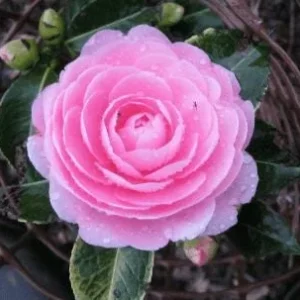
Shrubs
E.G. Waterhouse Camellia Live Plant – Pink Formal Double Flowers, Trade Gallon Pot, Outdoor Shrub
Sold 92 products
From $131.80

Sold 92 products
From $16.04
Sold 68 products
Original price was: $160.00.$128.00Current price is: $128.00.
Sold 85 products
Original price was: $79.80.$39.90Current price is: $39.90.
Sold 78 products
From $63.80

Sold 55 products
Original price was: $89.98.$44.99Current price is: $44.99.
Sold 85 products
Original price was: $69.98.$34.99Current price is: $34.99.
Sold 53 products
From $99.80
Sold 92 products
$103.38
Sold 62 products
Original price was: $120.00.$60.00Current price is: $60.00.
Sold 53 products
Original price was: $79.80.$39.90Current price is: $39.90.
Sold 81 products
Original price was: $19.00.$9.50Current price is: $9.50.
Sold 82 products
Original price was: $36.00.$18.00Current price is: $18.00.
Sold 99 products
Original price was: $123.80.$61.90Current price is: $61.90.


Reviews
There are no reviews yet.