


Echeveria ‘Lolita’ Succulent Live Plant – Drought Tolerant Indoor/Outdoor
Original price was: $77.84.$38.92Current price is: $38.92.
Bring home the beautiful Echeveria Lolita succulent, a charming live plant known for its striking rosettes and vibrant colors. This easy care succulent is drought-tolerant, making it a perfect addition to any collection, whether indoors or outdoors in suitable climates. Ideal for beginners and experienced plant enthusiasts alike.
-
USDA Hardiness Zone
USDA zones 9-11 -
Soil Type
Well-draining succulent/cactus mix -
Sunlight Exposure
Full sun to bright indirect light -
Expected Planting Period
Year-round indoors, spring to fall outdoors

You can track your order HERE
Mar 01
Mar 06 - Mar 08
Mar 11 - Mar 15
Shipping and return policies: Our Alive & Thrive Guarantee covers issues with your plants within the first 30 days. Reach out to us. Our team will answer your questions and help you find the plants that are truly suitable for your environment, climate, and personal preferences.

Overview
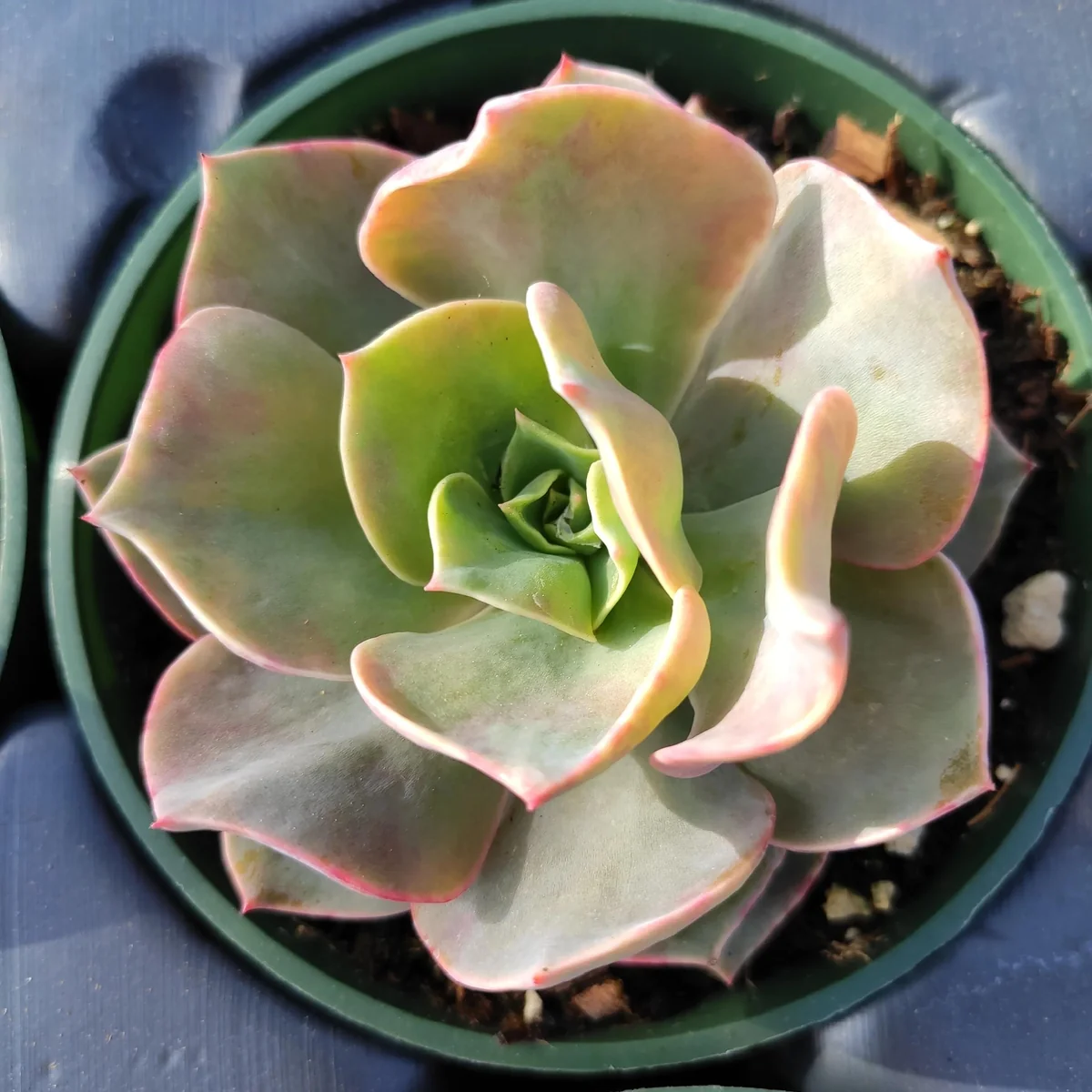
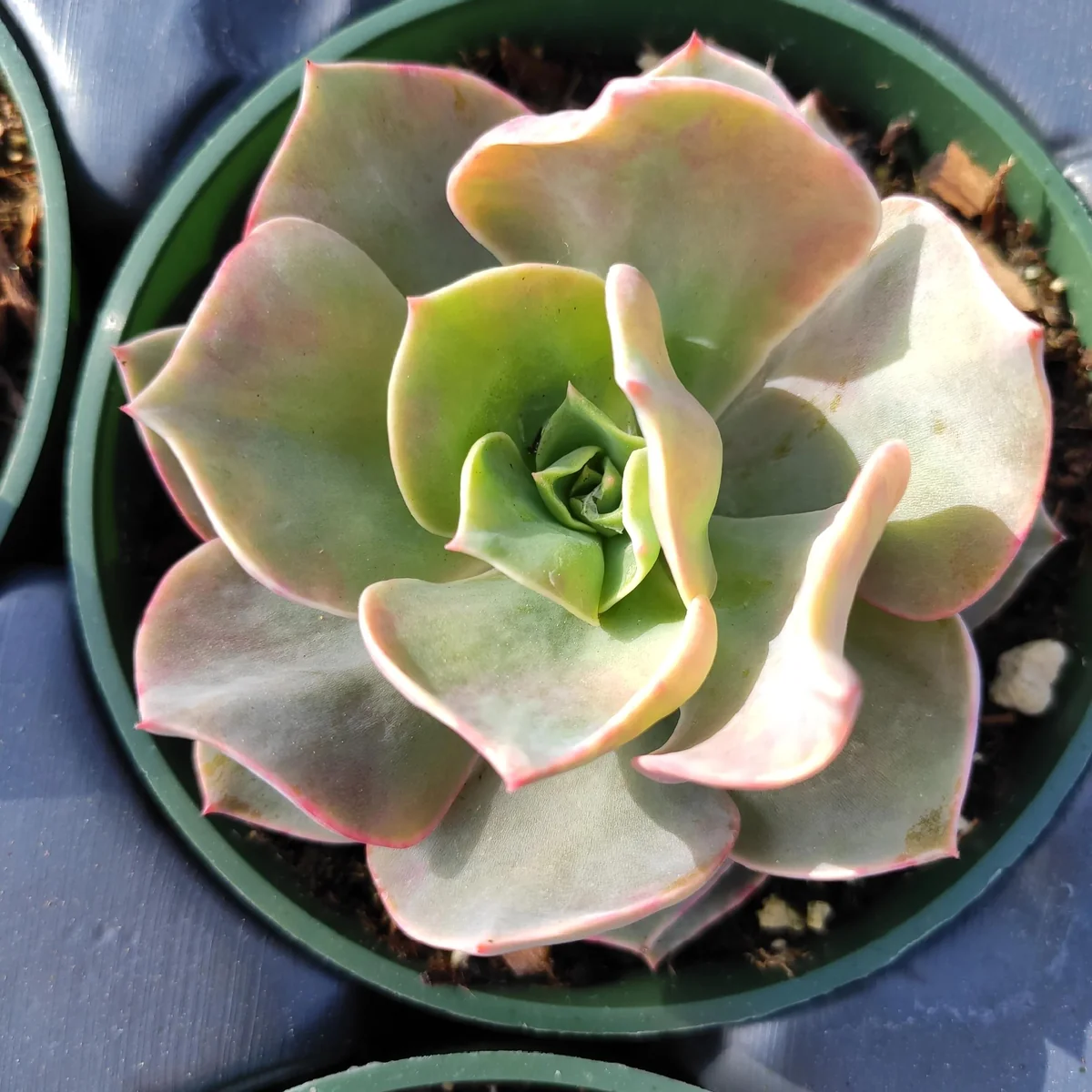
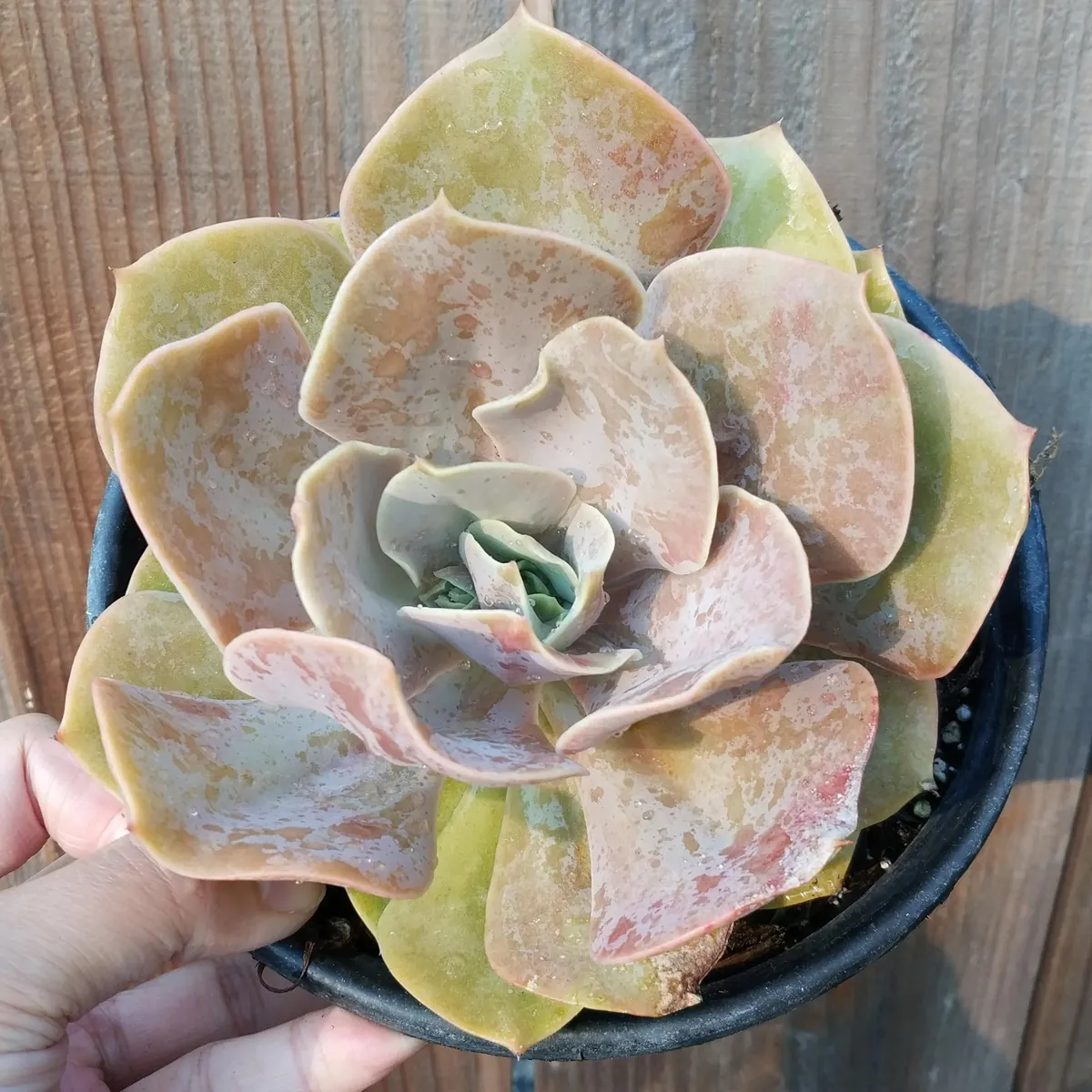
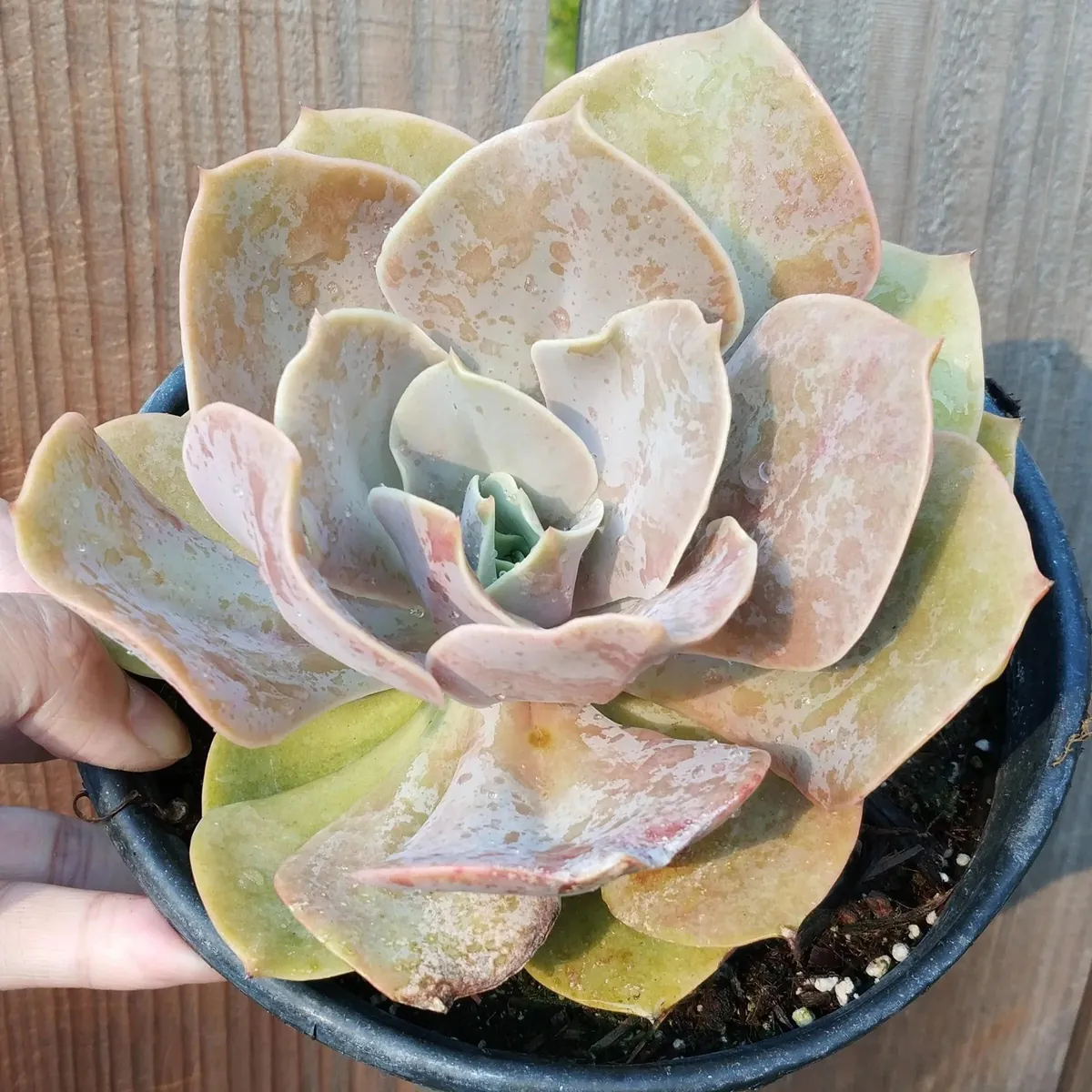
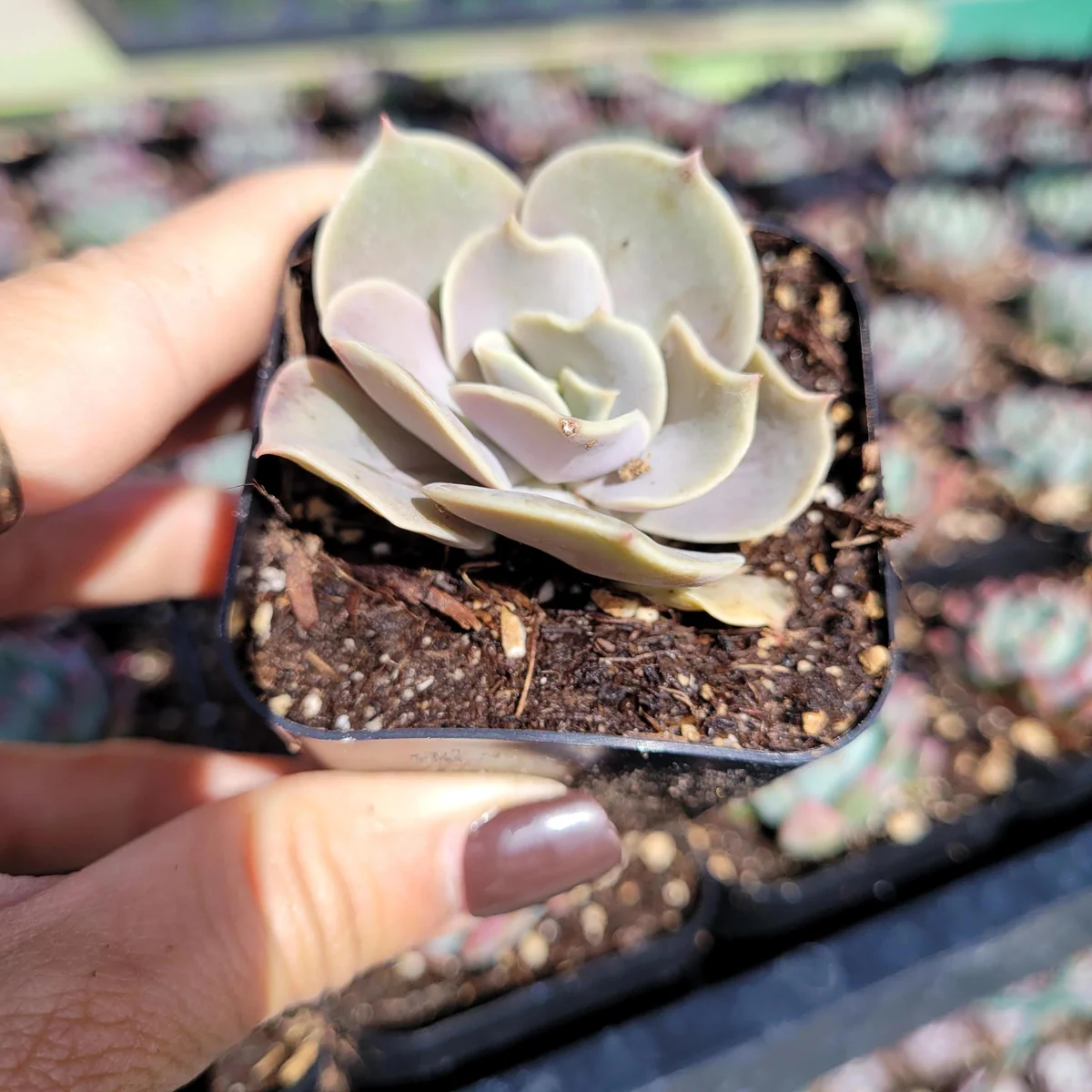
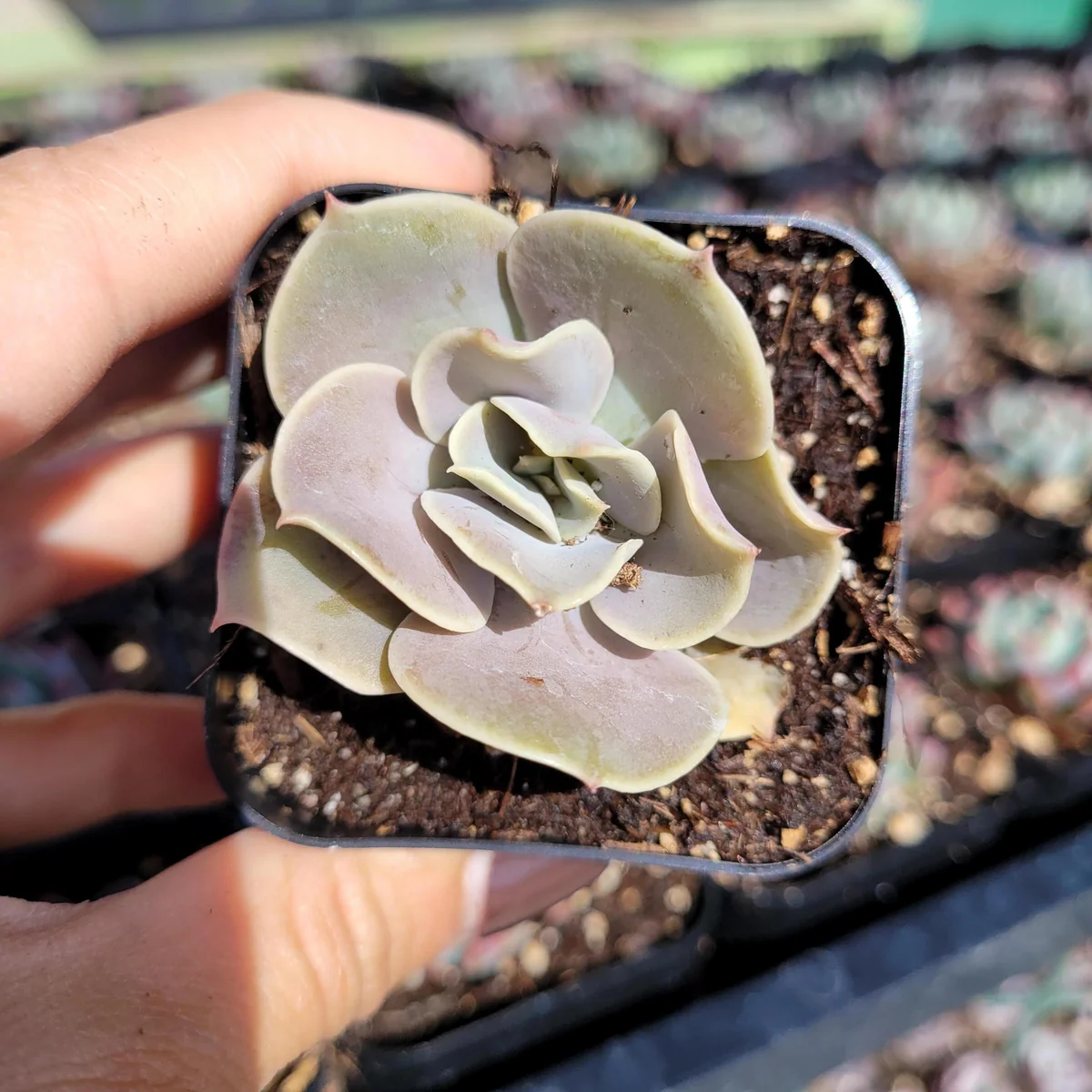
Introduce a touch of natural elegance to your home or garden with the exquisite Echeveria Lolita succulent. This captivating live plant forms tight, symmetrical rosettes of fleshy leaves, often displaying a delightful blend of green, pink, and purple hues, especially when exposed to ample sunlight. Echeverias are celebrated for their architectural beauty and resilience, making them a favored choice among plant enthusiasts. The ‘Lolita’ cultivar stands out with its unique coloration and robust growth habit, offering a visually stunning focal point in any plant arrangement. As a member of the succulent family, it is naturally adapted to arid conditions, making it an excellent low-maintenance option for busy individuals or those new to plant care. This particular indoor succulent plant can also thrive outdoors in warmer climates, adding versatility to its appeal.
The Echeveria genus originates from semi-desert areas of Central America, Mexico, and northwestern South America, contributing to their remarkable ability to store water in their leaves. This adaptation allows them to endure periods of drought, simplifying their care requirements significantly. The ‘Lolita’ variety, with its charming appearance and hardy nature, embodies the best characteristics of these fascinating plants. Enhance your living space with this beautiful and resilient live plant that promises to bring lasting beauty with minimal fuss.
Key Benefits
The Echeveria Lolita succulent offers a multitude of benefits, making it an excellent choice for both novice and experienced plant owners. Its striking appearance and adaptable nature contribute to its widespread popularity.
- Stunning Visual Appeal: The ‘Lolita’ succulent features beautiful, compact rosettes with vibrant colors that can range from soft greens to striking pinks and purples, adding an artistic touch to any space.
- Drought-Tolerant Nature: This plant is incredibly resilient and can withstand long periods without water, making it a perfect choice for those who occasionally forget to water their plants. Its drought tolerant succulent characteristics mean less frequent watering.
- Low Maintenance: Requiring minimal attention, the Echeveria care routine is straightforward, involving proper light and occasional watering. This makes it an ideal plant for beginners or individuals with busy schedules.
- Versatile Placement: Thrives both as an indoor succulent plant on a sunny windowsill or outdoors in rock gardens and containers in appropriate climates, offering flexibility in its display.
- Air Purification: Like many succulents, Echeverias contribute to a healthier indoor environment by improving air quality, though to a lesser extent than some larger houseplants.
- Compact Size: Its modest size makes it suitable for small spaces, desks, shelves, or as part of a larger succulent arrangement.
- Easy Propagation: Echeverias are known for being easy to propagate from leaves or offsets, allowing you to expand your collection or share with friends.
Plant Care & Growing Tips
Proper Echeveria care is essential for the health and vibrant coloration of your ‘Lolita’ succulent. These plants thrive with specific conditions that mimic their natural desert habitats.
Sunlight Requirements: Echeveria ‘Lolita’ succulents require abundant bright light to maintain their compact form and vivid colors. A south-facing window is ideal for indoor placement, providing at least 6 hours of direct sunlight daily. If kept outdoors, choose a location with full sun to partial shade, especially protecting them from intense afternoon sun in very hot climates to prevent scorching. Insufficient light will cause the plant to etiolate, stretching out with pale, sparse leaves.
Watering Schedule & Soil Moisture: The most crucial aspect of Echeveria care is careful watering. Allow the soil to dry out completely between waterings to prevent root rot. When watering, do so thoroughly until water drains from the bottom of the pot. In warmer months, this might be every 2-4 weeks, while in cooler, dormant periods, watering can be reduced to once a month or less. Always check the soil moisture with your finger before watering. This drought tolerant succulent prefers to be underwatered rather than overwatered.
Soil Type & Drainage: To support its drought-tolerant nature, plant your Echeveria Lolita succulent in a porous, well-draining soil mix. A specialized cactus and succulent potting mix is highly recommended. You can enhance drainage by adding perlite, pumice, or coarse sand to a standard potting mix. Good drainage is critical to prevent water from sitting around the roots, which can lead to fungal diseases.
Temperature Range & USDA Hardiness Zone: Echeveria ‘Lolita’ thrives in temperatures between 65°F and 80°F (18°C-27°C). They are not frost-hardy and should be protected from temperatures below 40°F (4°C). If you live in an area with cold winters, it’s best to grow this as an indoor succulent plant or bring it indoors before the first frost. Its typical USDA hardiness zone is 9-11.
Fertilization Schedule & Type: Succulents generally do not require heavy fertilization. During the growing season (spring and summer), you can fertilize lightly once a month with a balanced, diluted liquid succulent fertilizer (e.g., 1/4 strength). Avoid fertilizing in fall and winter when the plant is dormant. Over-fertilization can harm the plant.
Common Problems & Solutions: Watch out for common pests like mealybugs or aphids; treat with insecticidal soap or neem oil. Overwatering is the most common issue, leading to soft, mushy leaves and root rot. If this occurs, reduce watering frequency and ensure proper drainage. Leggy growth indicates insufficient light, so move the plant to a brighter location.
Size & Details
This Echeveria Lolita succulent is typically shipped as a healthy, established live plant, often bare-root to ensure safe transit and minimize shock. You will receive a plant very similar to those pictured, though natural variations in shape and color are common. The rosette generally measures between 2 to 4 inches in diameter, making it a compact and versatile addition to various settings. While exact measurements can vary, expect a robust specimen ready to thrive in its new environment. These plants have a moderate growth rate, gradually expanding their rosettes and potentially producing offsets (pups) around the base, which can be propagated to create new plants.
When properly cared for, this little beauty can be a long-term companion. It arrives ready for potting into a well-draining container with appropriate succulent soil. Its compact nature makes it ideal for decorative pots, terrariums, or as part of a mixed succulent dish garden. The vibrant colors are most pronounced when the plant receives ample sunlight, making it a dynamic and ever-changing display.
Frequently Asked Questions
- Q: How big does this Echeveria Lolita succulent get? A: The ‘Lolita’ succulent typically forms rosettes that are 2-4 inches in diameter. Its compact size makes it perfect for small spaces, windowsills, or succulent arrangements.
- Q: Is this an indoor or outdoor plant? A: The Echeveria Lolita succulent can thrive both indoors and outdoors. It makes an excellent indoor succulent plant when placed in a bright, sunny window. Outdoors, it prefers full sun to partial shade in USDA zones 9-11.
- Q: How much sunlight does it need? A: This succulent requires at least 6 hours of bright, direct sunlight daily to maintain its vibrant colors and compact form. Insufficient light can lead to stretching and duller coloration.
- Q: Is this plant easy to care for? A: Yes, this is considered an easy care succulent. Its drought-tolerant nature and minimal watering requirements make it suitable for beginners and those with busy lifestyles, provided it receives adequate light.
- Q: What condition will it arrive in? A: The plant is typically shipped bare-root, meaning without a pot or soil, to ensure its health and safety during transit. It will be a healthy, established specimen ready for planting.
- Q: How often should I water my Echeveria? A: Water thoroughly only when the soil has completely dried out. This could be every 2-4 weeks during warmer months and even less frequently in winter. Always check soil moisture before watering. Proper Echeveria care in terms of watering is key.
- Q: What type of soil is best for this drought tolerant succulent? A: A well-draining soil mix specifically formulated for cacti and succulents is ideal. You can also create your own by adding perlite or pumice to a standard potting mix to improve drainage.
| Size | 2 Inch, 4 Inch, 6 Inch |
|---|
Be the first to review “Echeveria ‘Lolita’ Succulent Live Plant – Drought Tolerant Indoor/Outdoor”
People Also Viewed
Sold 56 products
Original price was: $144.00.$72.00Current price is: $72.00.
Sold 92 products
Original price was: $355.96.$177.98Current price is: $177.98.
Sold 98 products
$35.18
Sold 95 products
Original price was: $614.76.$307.38Current price is: $307.38.
Sold 86 products
Original price was: $39.98.$19.99Current price is: $19.99.
Sold 80 products
From $51.80
Sold 84 products
From $47.80
Sold 66 products
Original price was: $44.76.$22.38Current price is: $22.38.
Sold 73 products
Original price was: $111.96.$55.98Current price is: $55.98.
Sold 71 products
Original price was: $391.96.$195.98Current price is: $195.98.
Sold 88 products
Original price was: $44.00.$35.20Current price is: $35.20.
Sold 59 products
Original price was: $91.98.$45.99Current price is: $45.99.
Sold 91 products
From $79.80
Sold 93 products
Original price was: $8.52.$4.26Current price is: $4.26.
Sold 96 products
Original price was: $200.00.$160.00Current price is: $160.00.
Sold 62 products
Original price was: $43.80.$21.90Current price is: $21.90.
HousePlants
Purple Nepenthes Pitcher Plant Live – Exotic Tropical Houseplant for Indoor/Outdoor Décor
Sold 59 products
$65.98
Sold 58 products
Original price was: $30.00.$24.00Current price is: $24.00.



Reviews
There are no reviews yet.