
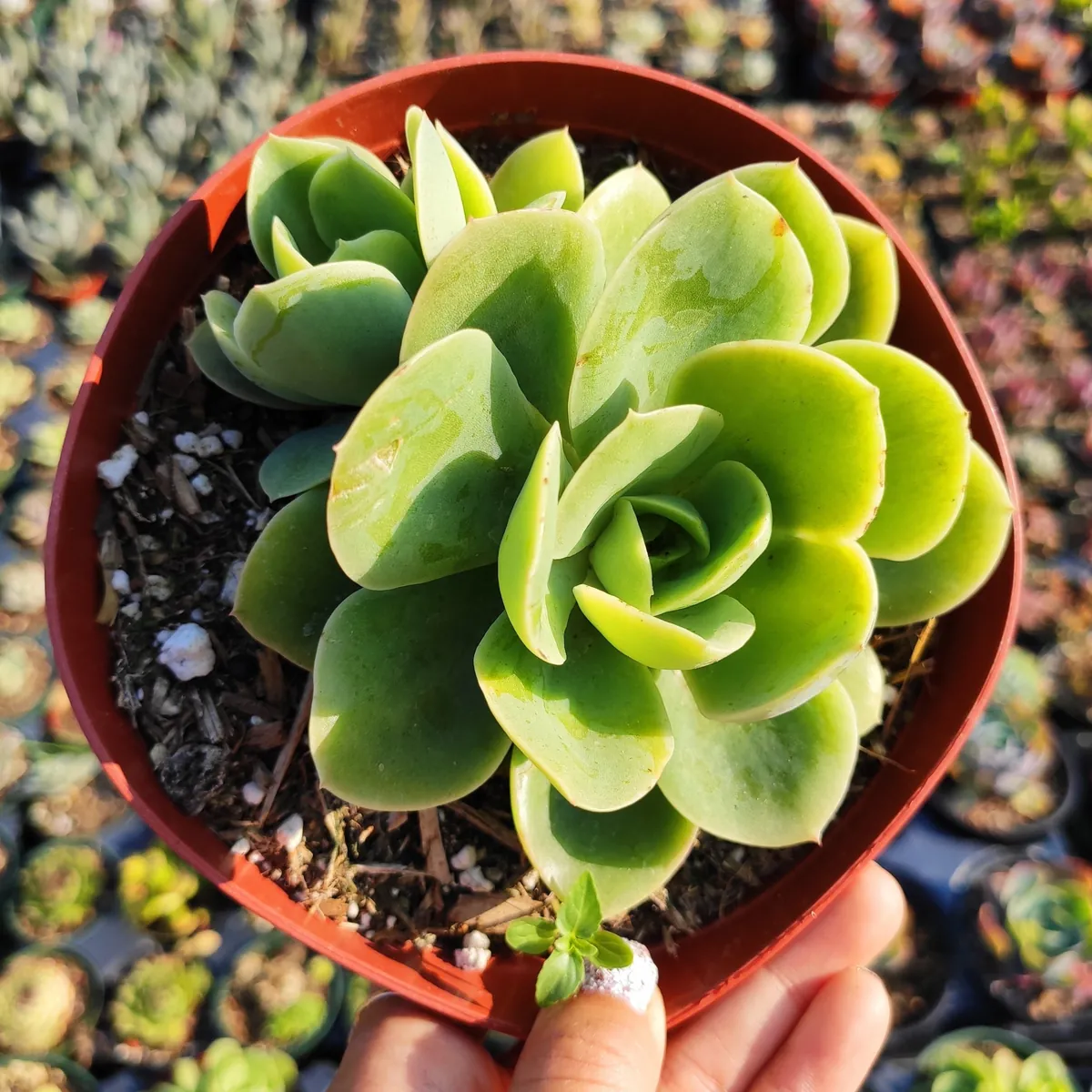
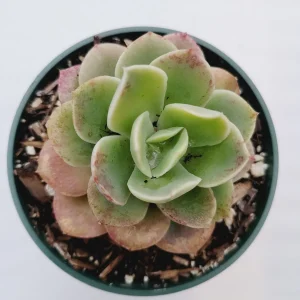
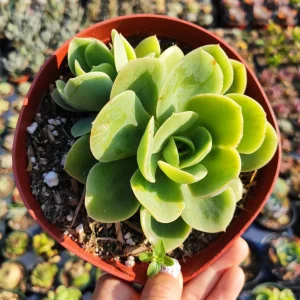
Echeveria ‘Lemon Lime’ Succulent Live Plant – Drought-Tolerant Indoor/Outdoor
Original price was: $68.24.$34.12Current price is: $34.12.
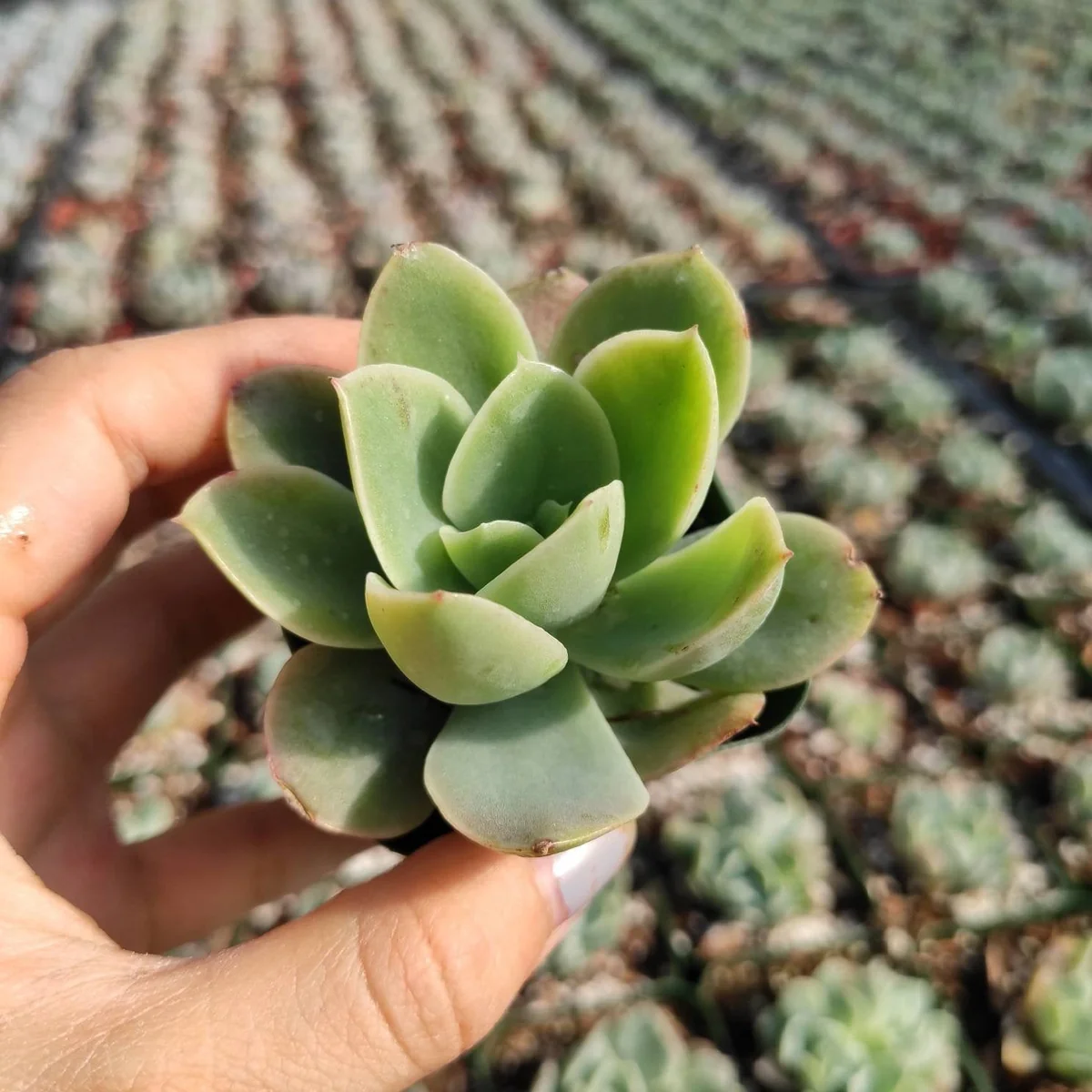
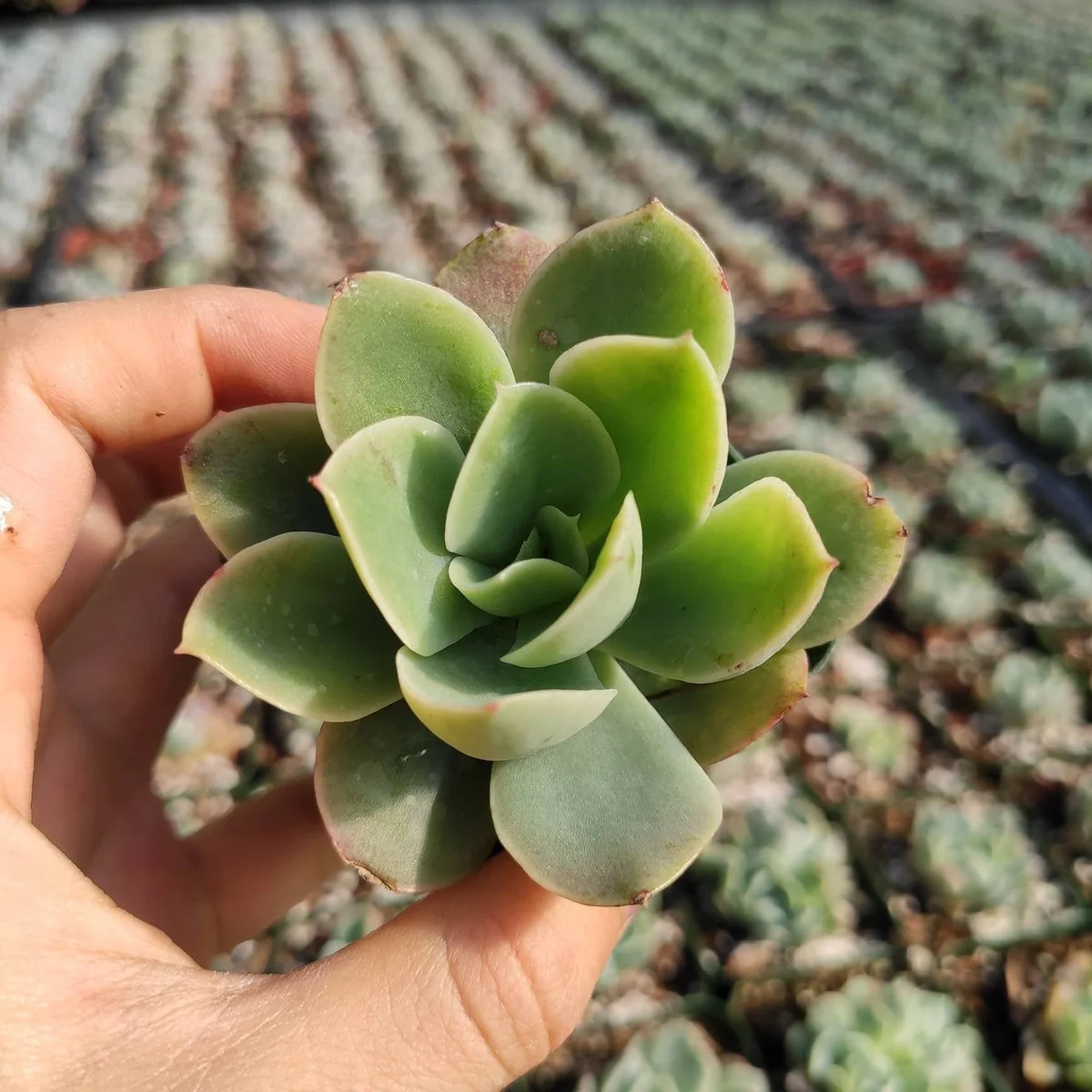
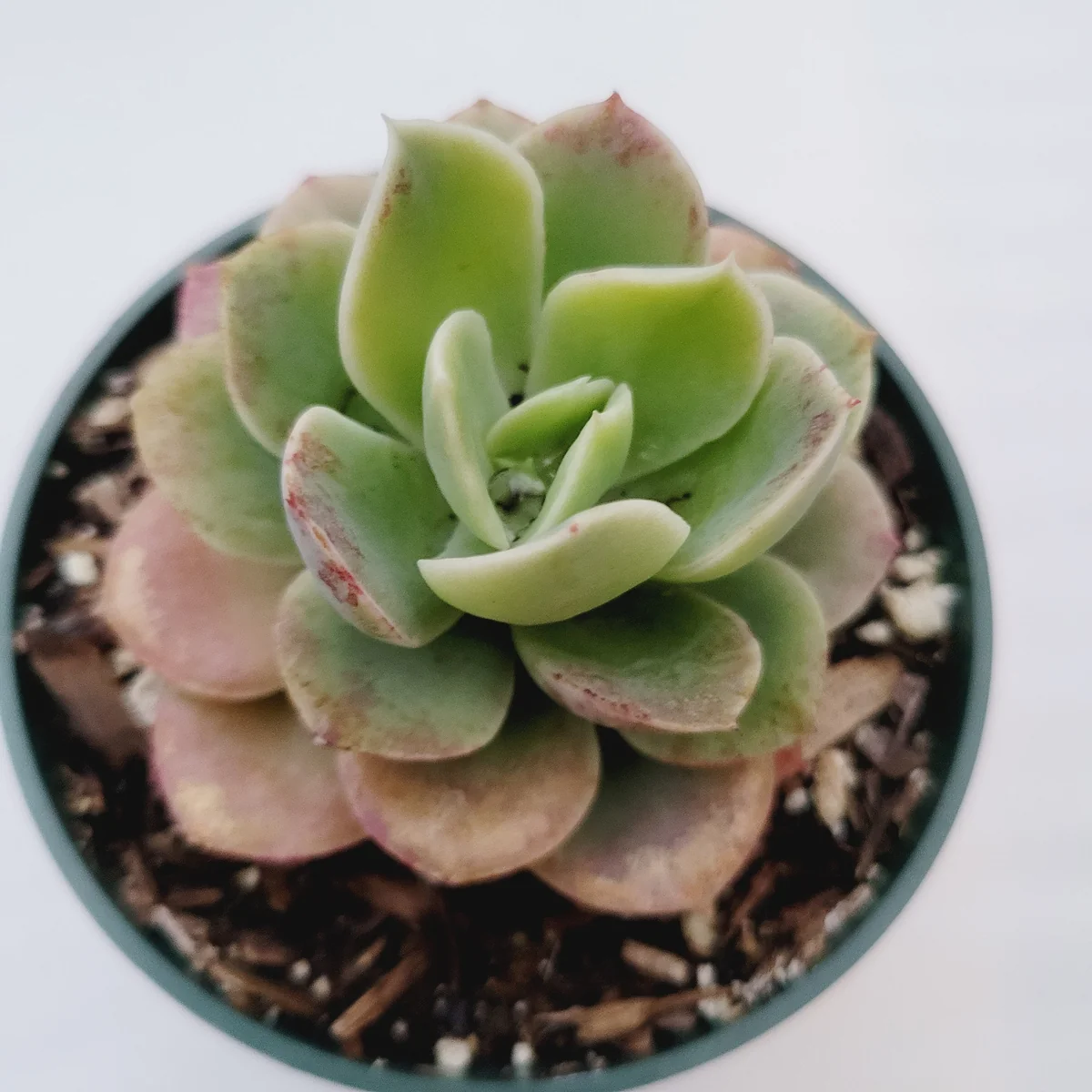
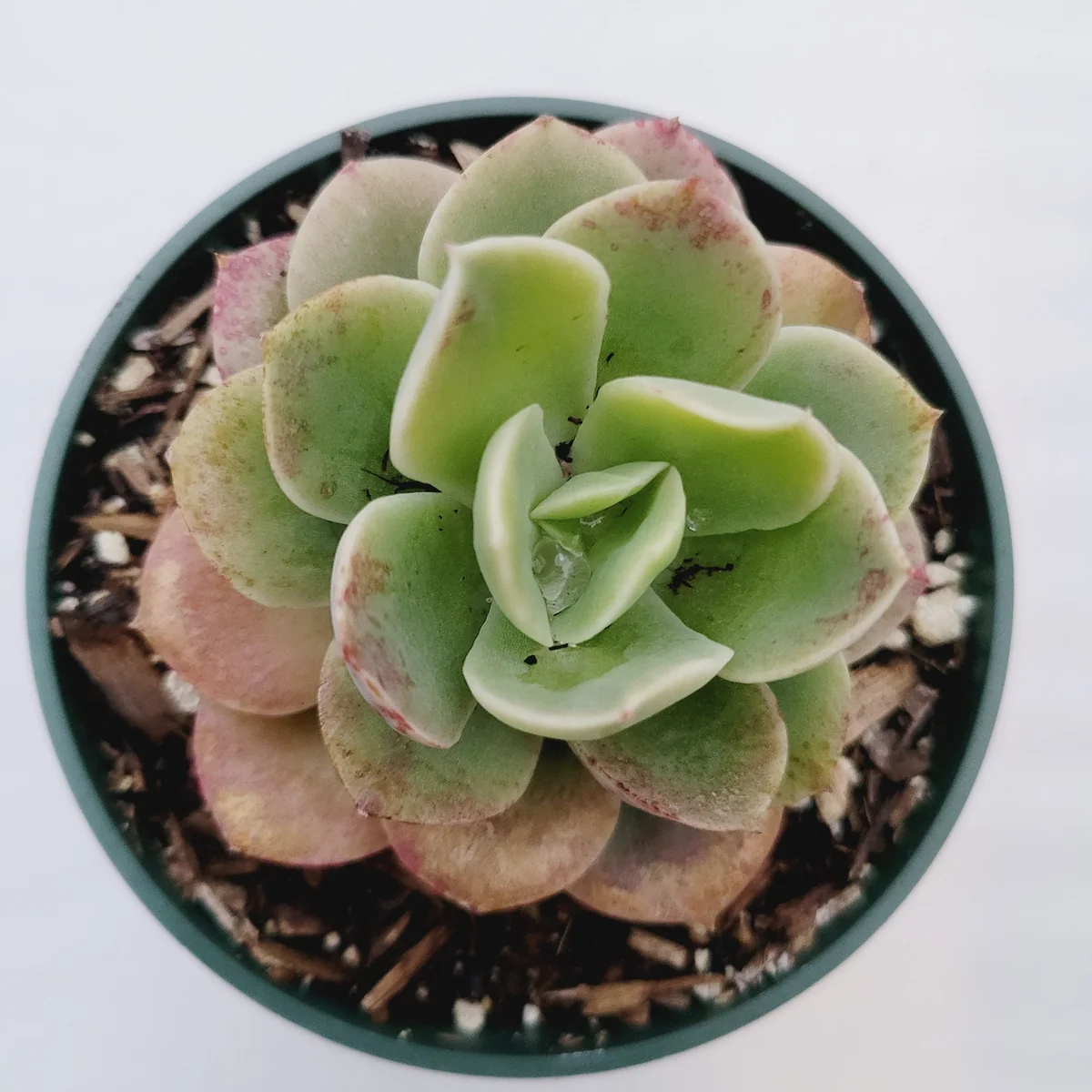
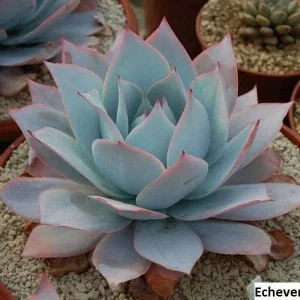
Bring vibrant color and easy care to your home with the Echeveria Lemon Lime succulent. This beautiful rosette-forming live Echeveria plant features striking lemon-lime hues, making it a perfect addition to any collection. Known for being a drought-tolerant succulent, it thrives in bright light and requires minimal watering.
-
USDA Hardiness Zone
USDA zones 9-11 (or indoors) -
Soil Type
Well-draining succulent or cactus mix -
Sunlight Exposure
Full sun to bright indirect light -
Expected Planting Period
Year-round indoors; spring to early summer outdoors

You can track your order HERE
Mar 02
Mar 07 - Mar 09
Mar 12 - Mar 16
Shipping and return policies: Our Alive & Thrive Guarantee covers issues with your plants within the first 30 days. Reach out to us. Our team will answer your questions and help you find the plants that are truly suitable for your environment, climate, and personal preferences.

Overview
Introduce a splash of vibrant color and unique texture to your plant collection with the stunning Echeveria Lemon Lime succulent. This captivating live Echeveria plant is celebrated for its exquisite rosette formation and its striking foliage, which transitions through shades of green and yellow, often with a hint of red along the edges when exposed to ample sunlight. Echeveria ‘Lemon Lime’ is not just a visual delight; it’s also incredibly resilient, making it an ideal choice for both novice and experienced plant enthusiasts. As a naturally drought-tolerant succulent, it requires minimal attention, thriving in conditions that mimic its native arid environments. This specific cultivar stands out with its bright coloration, adding a cheerful and exotic touch to any indoor space or outdoor garden.
Echeverias are a genus of flowering plants in the family Crassulaceae, native to semi-desert areas of Central America, Mexico, and northwestern South America. They are cherished for their symmetrical rosettes and often produce bell-shaped flowers on tall stalks. The ‘Lemon Lime’ variety brings a refreshing palette to the group, making it a popular choice for succulent arrangements, rock gardens, or as a standalone specimen. Embrace the beauty and simplicity of this robust live Echeveria plant, and watch it flourish with minimal effort, becoming a focal point wherever it’s placed. Its hardiness and striking appearance truly embody the best qualities of a drought-tolerant succulent.
Key Benefits
The Echeveria Lemon Lime succulent offers a wealth of benefits that make it a highly desirable addition to any plant collection. Its natural resilience and striking appearance contribute to a positive and vibrant living space. This live Echeveria plant is not only beautiful but also incredibly practical for modern lifestyles.
- Stunning Ornamental Value: The ‘Lemon Lime’ Echeveria boasts vibrant green and yellow foliage, often tipped with red, forming a perfect rosette. Its unique coloration and sculptural form make it a beautiful focal point, enhancing the aesthetic appeal of any room or garden.
- Exceptional Drought Tolerance: As a true drought-tolerant succulent, this plant stores water in its leaves, allowing it to withstand long periods without watering. This makes it an excellent choice for busy individuals or those looking for a low-maintenance plant.
- Low Maintenance & Easy Care: This live Echeveria plant requires minimal attention once established. With proper light and occasional watering, it will thrive, making it perfect for beginners or those with limited gardening time.
- Versatile Placement: Echeveria ‘Lemon Lime’ can be grown indoors as a charming houseplant, adding a touch of nature to desks, windowsills, or shelves. It also excels outdoors in rock gardens, succulent arrangements, or containers in suitable climates.
- Air Purifying Qualities: Like many plants, succulents contribute to better indoor air quality by absorbing toxins and releasing oxygen, promoting a healthier living environment.
- Propagates Easily: This succulent is known for its ability to reproduce readily from offsets or leaf cuttings, allowing you to easily expand your collection or share with friends. This makes learning the Echeveria care guide even more rewarding.
- Pet-Friendly Option: While not entirely non-toxic, Echeverias are generally considered safe for pets if ingested in small quantities, posing less risk than many common houseplants.
Plant Care & Growing Tips
Caring for your Echeveria Lemon Lime succulent is straightforward, making it an excellent choice for both beginners and seasoned gardeners. The key to a thriving live Echeveria plant lies in replicating its natural arid environment, focusing on proper light, watering, and soil conditions. Understanding the specific needs outlined in this Echeveria care guide will ensure your plant flourishes.
Sunlight Requirements: Echeveria ‘Lemon Lime’ thrives in bright light. For indoor plants, a south-facing window is ideal, providing at least 6 hours of direct sunlight per day. If direct sun is too intense or causes scorching, bright indirect light can also work, though the plant may stretch or lose some of its vibrant coloration. Outdoors, full sun to light shade is best. In very hot climates, some afternoon shade can prevent leaf burn. Adequate light is crucial for maintaining the compact rosette shape and brilliant lemon-lime hues of this drought-tolerant succulent.
Watering Schedule and Soil Moisture: As a drought-tolerant succulent, Echeveria ‘Lemon Lime’ prefers infrequent but thorough watering. Allow the soil to dry out completely between waterings. When it’s time to water, soak the soil until water drains from the bottom of the pot. Avoid overhead watering to prevent water from sitting in the rosette, which can lead to rot. In warmer months, watering might be every 2-4 weeks, while in cooler months, it could extend to 4-6 weeks or even longer. Always check the soil moisture before watering.
Soil Type and Drainage Requirements: The most crucial aspect of soil for this live Echeveria plant is excellent drainage. Use a specialized succulent or cactus potting mix, or create your own by mixing regular potting soil with perlite, pumice, or coarse sand in a 1:1 ratio. This ensures that water passes through quickly, preventing root rot, which is a common issue for succulents in overly moist conditions. A pot with a drainage hole is absolutely essential.
Temperature Range and USDA Hardiness Zone: Echeveria ‘Lemon Lime’ prefers temperatures between 60-80°F (15-27°C). It is not frost-tolerant and should be protected from temperatures below 40°F (4°C). If grown outdoors in colder climates, it should be brought inside for winter. This particular indoor succulent plant is best suited for USDA Zones 9-11 if grown outdoors year-round. For fertilization, feed sparingly during the growing season (spring and summer) with a diluted succulent fertilizer, typically once a month. Avoid fertilizing in fall and winter when the plant is dormant. Common problems include etiolation (stretching due to lack of light), overwatering leading to rot, and pests like mealybugs. Address these promptly to maintain a healthy Echeveria Lemon Lime succulent.
Size & Details
The Echeveria Lemon Lime succulent typically forms a compact rosette, growing to an average diameter of 4-6 inches (10-15 cm) at maturity, though some can reach up to 8 inches (20 cm) under optimal conditions. The height of the rosette itself is usually around 3-5 inches (7-12 cm). This particular live Echeveria plant is generally slow to moderate growing, gradually expanding its rosette and producing offsets over time. It is commonly shipped as a bare-root plant, carefully packaged to ensure its health during transit, or in a small nursery pot, typically 2-4 inches in diameter, depending on the supplier.
When you receive your indoor succulent plant, it will be a healthy, established specimen ready for planting in your chosen container or garden spot. Expect the plant to establish itself within a few weeks, after which it will begin to show new growth. The vibrant lemon-lime coloration is often most pronounced with sufficient sunlight, and the plant’s leaves can develop a reddish blush on the tips in response to sun exposure or cooler temperatures. This makes the Echeveria care guide crucial for maximizing its aesthetic appeal. While it doesn’t have a specific blooming period like some flowers, Echeverias can produce delicate, bell-shaped flowers on stalks, typically in spring or summer, adding another layer of beauty to this already attractive drought-tolerant succulent.
Frequently Asked Questions
- Q: How big does this plant get? A: The Echeveria Lemon Lime succulent typically grows into a compact rosette, reaching about 4-6 inches in diameter. Under ideal conditions, it can sometimes grow slightly larger, up to 8 inches across.
- Q: Is this an indoor or outdoor plant? A: This live Echeveria plant is versatile and can thrive both indoors and outdoors. It makes an excellent indoor succulent plant when placed in a bright, sunny window, and it also performs well in outdoor gardens in suitable climates (USDA Zones 9-11).
- Q: How much sunlight does it need? A: The ‘Lemon Lime’ Echeveria requires plenty of bright light. Aim for at least 6 hours of direct sunlight daily if grown indoors, such as a south-facing window. Outdoors, full sun to partial shade is ideal, especially protecting it from intense afternoon sun in very hot regions.
- Q: Is this plant easy to care for? A: Yes, the Echeveria Lemon Lime succulent is considered very easy to care for. It’s a drought-tolerant succulent that thrives on neglect rather than over-attention, making it perfect for beginners or those seeking low-maintenance plants.
- Q: What condition will it arrive in? A: Your live Echeveria plant will typically arrive either bare-root or in a small nursery pot. It will be carefully packaged to ensure it reaches you in healthy condition, ready for planting.
- Q: When is the best time to plant this succulent? A: If planting outdoors, spring or early summer is ideal, allowing the plant to establish before colder weather. For an indoor succulent plant, it can be planted any time of year, provided it receives adequate light and warmth.
- Q: What type of soil should I use? A: Use a well-draining soil mix specifically formulated for succulents or cacti. You can also create your own by amending regular potting soil with perlite, pumice, or coarse sand to improve drainage, which is crucial for the health of this Echeveria Lemon Lime succulent.
- Q: How often should I water my Echeveria? A: Water sparingly. Allow the soil to dry out completely between waterings, then soak thoroughly until water drains from the bottom. Overwatering is the most common cause of problems for this drought-tolerant succulent.
- Q: Will it survive winter in my zone? A: Echeveria ‘Lemon Lime’ is not frost-hardy. If you live in an area where temperatures drop below 40°F (4°C), you should bring your outdoor plant indoors for the winter or provide adequate protection.
- Q: How can I tell if my Echeveria needs water? A: The easiest way to tell is by checking the soil. If the soil is completely dry, it’s likely time to water. The leaves might also appear slightly less plump or feel softer when the plant is thirsty, as per the Echeveria care guide.
| Size | 2 Inch, 4 Inch, 6 Inch |
|---|
Be the first to review “Echeveria ‘Lemon Lime’ Succulent Live Plant – Drought-Tolerant Indoor/Outdoor”
People Also Viewed
Sold 80 products
Original price was: $154.36.$77.18Current price is: $77.18.
Sold 98 products
Original price was: $18.76.$9.38Current price is: $9.38.
Sold 67 products
Original price was: $73.08.$36.54Current price is: $36.54.
Sold 85 products
Original price was: $57.98.$28.99Current price is: $28.99.
Sold 85 products
Original price was: $72.00.$36.00Current price is: $36.00.
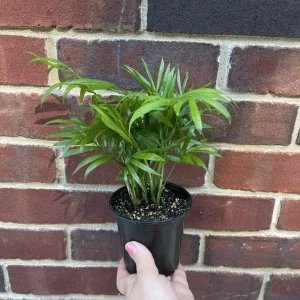
HousePlants
Parlor Palm Live Plant Neanthe Bella 2-3 Inch Pot – Easy Care Low Light Indoor Houseplant
Sold 55 products
Original price was: $27.90.$13.95Current price is: $13.95.
Sold 54 products
Original price was: $147.16.$73.58Current price is: $73.58.
Sold 55 products
Original price was: $39.98.$19.99Current price is: $19.99.
Sold 63 products
Original price was: $39.98.$19.99Current price is: $19.99.
Sold 62 products
Original price was: $53.70.$32.22Current price is: $32.22.
Sold 84 products
Original price was: $39.98.$31.98Current price is: $31.98.
Sold 57 products
Original price was: $45.98.$22.99Current price is: $22.99.
Sold 88 products
Original price was: $49.98.$24.99Current price is: $24.99.
Sold 52 products
Original price was: $119.96.$59.98Current price is: $59.98.
Sold 58 products
Original price was: $47.96.$23.98Current price is: $23.98.
Sold 61 products
$54.98

Sold 99 products
From $67.80
Sold 86 products
From $63.80



Reviews
There are no reviews yet.