
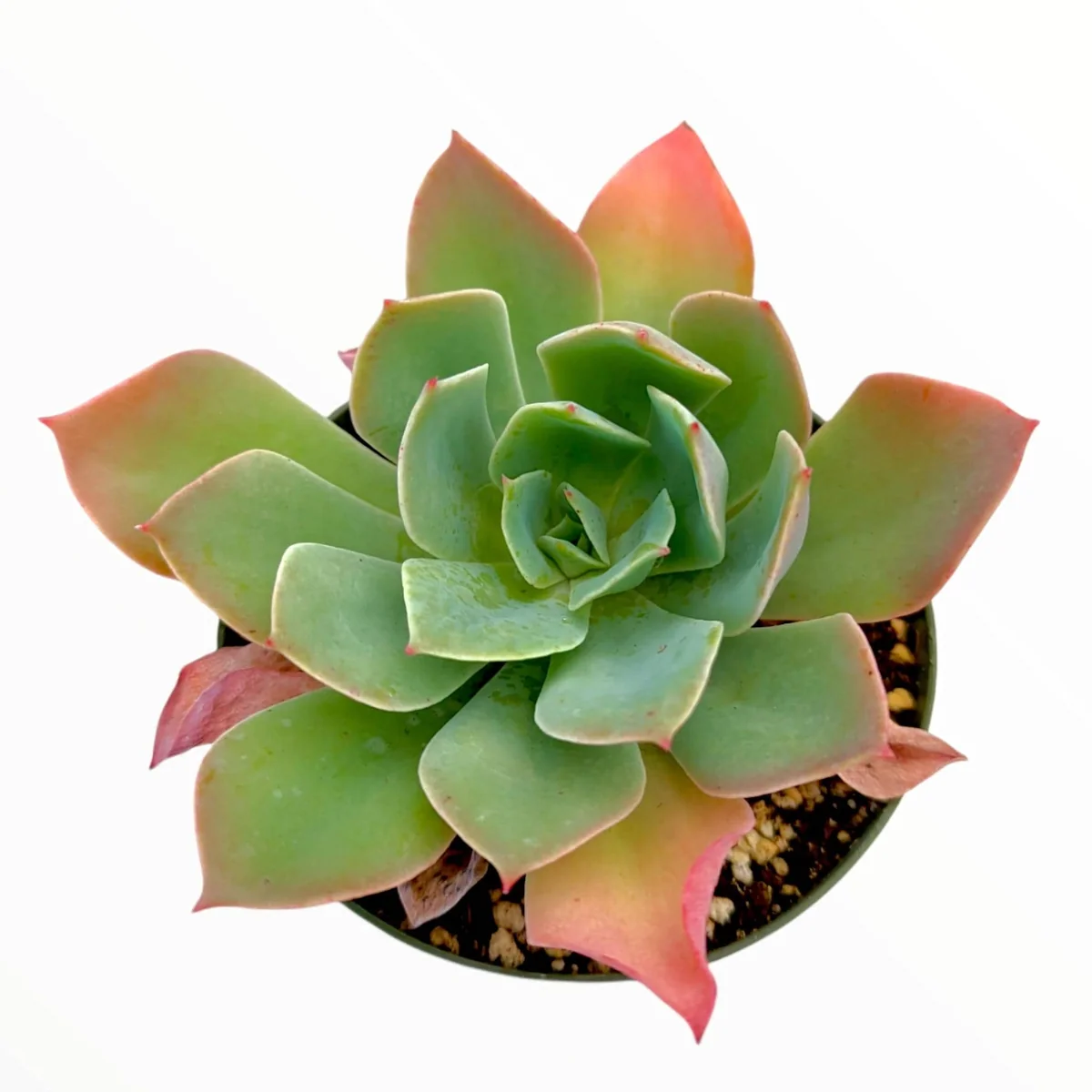
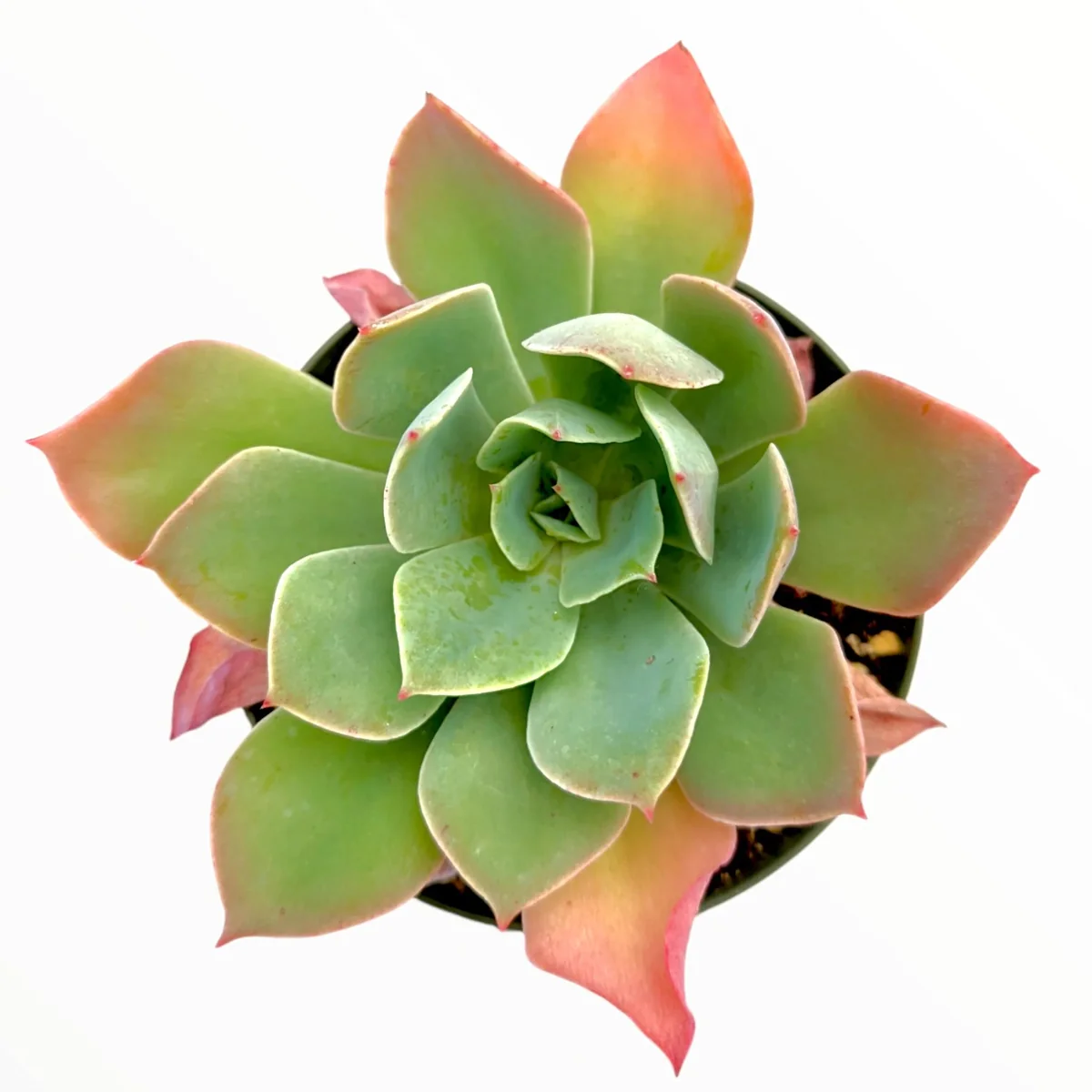
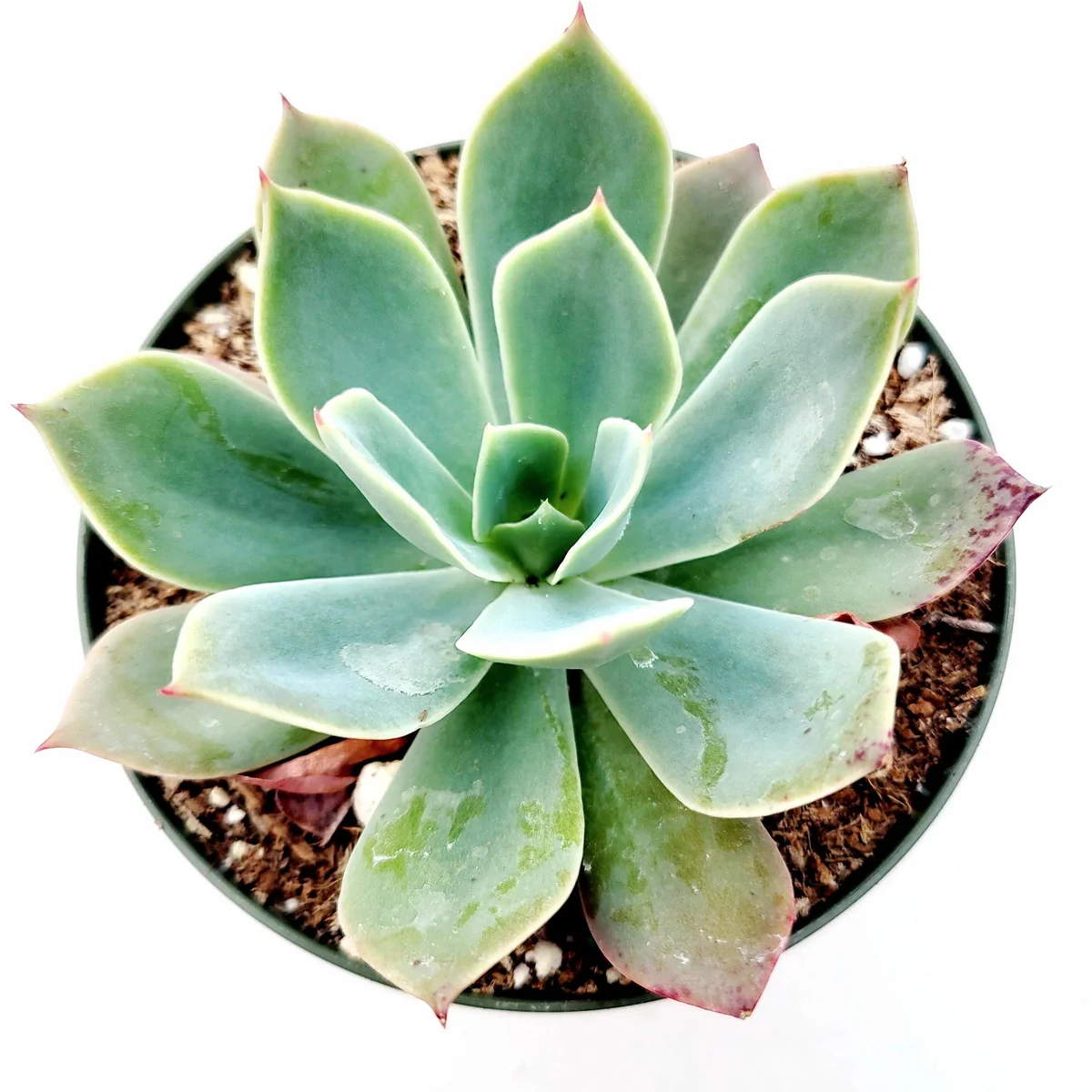
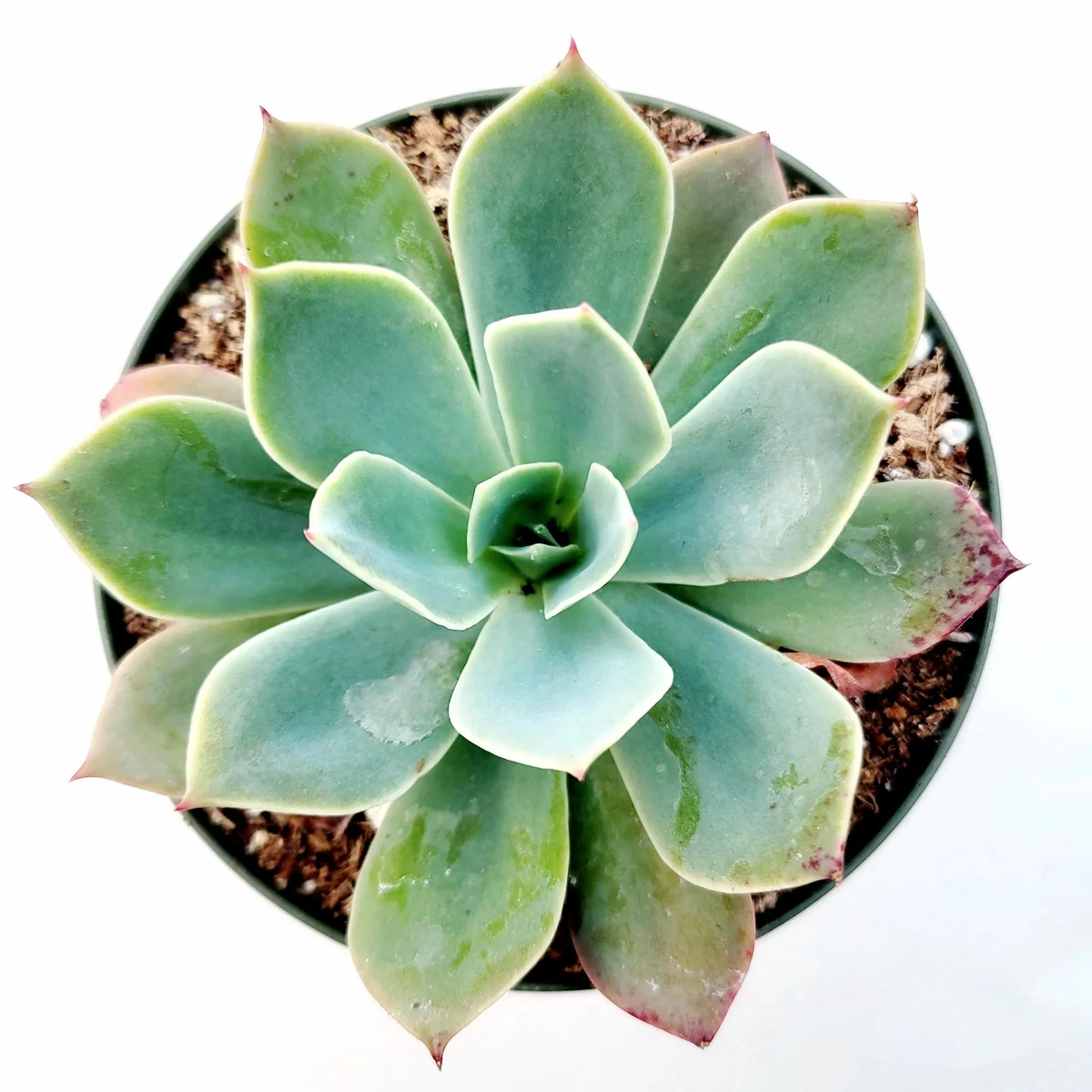
Echeveria Imbricata Hybrid Live Succulent Plant – Drought Tolerant
Original price was: $36.64.$18.32Current price is: $18.32.
Bring home the stunning echeveria imbricata hybrid, a robust and beautiful succulent plant care is simple for. This drought tolerant succulent is perfect for beginners and experienced plant enthusiasts alike, thriving in bright, sunny conditions. Its unique rosette form adds a touch of natural elegance to any indoor or outdoor space.
-
USDA Hardiness Zone
USDA zones 9-11 (outdoors), can be grown indoors year-round -
Soil Type
Porous, well-draining cactus or succulent mix -
Sunlight Exposure
Full sun (at least 6 hours direct sunlight daily) -
Expected Planting Period
Year-round indoors; spring to early summer outdoors (in suitable zones)

You can track your order HERE
Feb 28
Mar 05 - Mar 07
Mar 10 - Mar 14
Shipping and return policies: Our Alive & Thrive Guarantee covers issues with your plants within the first 30 days. Reach out to us. Our team will answer your questions and help you find the plants that are truly suitable for your environment, climate, and personal preferences.

Overview
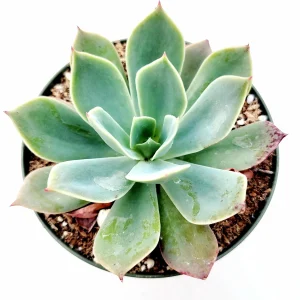
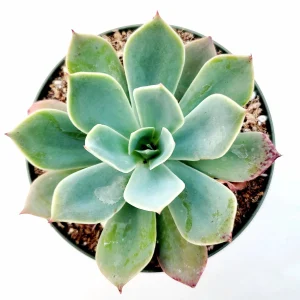
The echeveria imbricata hybrid is a captivating and highly sought-after succulent, renowned for its striking rosette formation and ease of care. This particular hybrid combines the best features of its parent plants, resulting in a resilient and visually appealing specimen. As a live plant, it offers both aesthetic charm and the joy of nurturing a living organism. Often called the ‘Blue Rose Echeveria’ due to its tightly packed, blue-green leaves that form a perfect rosette, this succulent is a true garden gem. It belongs to the Crassulaceae family, known for its diverse and hardy members. Ideal for both indoor and outdoor cultivation in suitable climates, the echeveria imbricata hybrid thrives on neglect, making it a fantastic choice for those new to gardening or seeking low-maintenance greenery. Its ability to store water in its thick leaves makes it incredibly drought-tolerant, a characteristic that contributes to its widespread popularity.
These succulents are celebrated for their architectural beauty and their ability to add texture and color to succulent arrangements, rock gardens, or as standalone potted plants. The distinct shape and often powdery ‘farina’ coating on its leaves protect it from harsh sunlight and dehydration, giving it a unique, almost ethereal appearance. Whether you’re looking to start a succulent collection or add a beautiful, easy-to-manage plant to your home, the echeveria imbricata hybrid is an excellent choice that promises to bring lasting beauty with minimal fuss.
Key Benefits
The echeveria imbricata hybrid offers numerous advantages, making it a favorite among plant enthusiasts. Its hardiness, beauty, and low-maintenance nature contribute to its widespread appeal. This drought tolerant succulent is incredibly adaptable and can thrive in various settings with proper light.
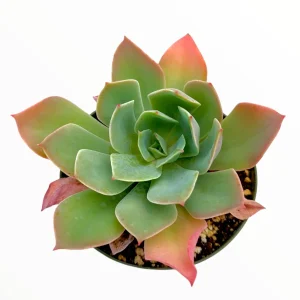
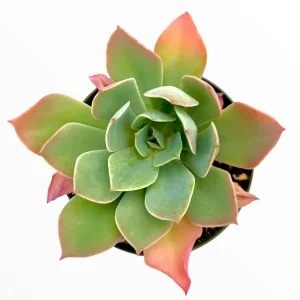
- Stunning Aesthetic Appeal: The Echeveria imbricata hybrid forms a beautiful, compact rosette with blue-green leaves, often tipped with pink in bright sun. It adds a sophisticated and natural touch to any decor, from minimalist modern to rustic charm.
- Exceptional Drought Tolerance: As a succulent, this plant is naturally adapted to dry conditions. It stores water in its fleshy leaves, requiring infrequent watering and making it an ideal choice for busy individuals or water-wise gardens. This makes it a truly drought tolerant succulent.
- Low Maintenance and Easy Care: Perfect for beginners, the echeveria imbricata hybrid thrives with minimal intervention. It does not demand constant attention, preferring bright light and well-draining soil, which simplifies its care routine significantly.
- Versatile Placement: This succulent can be grown indoors as a charming houseplant on a sunny windowsill or outdoors in rock gardens, containers, and xeriscapes in warmer climates. Its compact size allows it to fit into various spaces.
- Air Purification Qualities: Like many plants, succulents contribute to better indoor air quality by absorbing toxins and releasing oxygen. While not as potent as some larger houseplants, it still contributes to a healthier living environment.
- Easy Propagation: Echeveria imbricata hybrids are known for their ability to reproduce easily from offsets or leaf cuttings. This allows enthusiasts to expand their collection or share with friends, making it a rewarding plant to grow.
- Hardy and Resilient: These plants are generally robust and resistant to many common plant pests and diseases when given appropriate care. Its natural resilience contributes to its reputation as a hardy echeveria.
Plant Care & Growing Tips
Caring for your echeveria imbricata hybrid is straightforward, primarily focusing on providing ample sunlight and appropriate watering. These plants naturally grow in sunny, arid regions, so replicating these conditions is key to their success. For optimal growth, a south-facing window indoors or a well-drained outdoor spot receiving at least 6 hours of direct sunlight daily is recommended. Insufficient light can lead to stretching (etiolation), where the plant grows tall and leggy in search of light, compromising its compact rosette form.
Watering is perhaps the most critical aspect of succulent plant care. Succulents require little watering, but it’s crucial not to let them sit in wet soil, which can lead to root rot. The ‘soak and dry’ method is best: water thoroughly until water drains from the bottom of the pot, then allow the soil to dry out completely before watering again. The frequency will vary depending on climate, pot size, and season, but typically every 2-4 weeks is sufficient. During winter dormancy, reduce watering significantly. To create an adequate cactus mix, simply add pumice, perlite, or coarse grit to regular potting soil to provide the proper drainage. A good soil mix will ensure that excess water can escape quickly, preventing waterlogging.
Temperature and hardiness are also important considerations. While echeveria imbricata hybrid can tolerate a range of temperatures, they are not frost-hardy. If temperatures drop below 40 degrees Fahrenheit, it’s best to bring outdoor plants indoors or provide protection. They generally thrive in USDA zones 9-11 outdoors. Fertilization is not strictly necessary but can encourage growth during the active growing season (spring and summer). Use a diluted, balanced fertilizer specifically formulated for succulents, applied once or twice during this period. Watch out for common pests like mealybugs or aphids; treat them promptly with insecticidal soap or rubbing alcohol. Understanding these echeveria care tips will help your plant flourish.
Size & Details
The echeveria imbricata hybrid typically grows into a compact rosette, reaching an average diameter of 4-6 inches (10-15 cm) at maturity, though some can grow slightly larger under ideal conditions. The height of the plant usually remains low, around 2-4 inches (5-10 cm), maintaining its characteristic ground-hugging form. When shipped, plants are often sent bare root without the pot and soil to ensure their health during transit, reducing stress and shipping weight. You will receive a very similar plant to the one shown in photographs, though slight variations in shape and color are natural due to individual plant growth and seasonal changes. The growth rate is moderate, allowing for steady development without becoming overgrown too quickly. This makes it an ideal plant for maintaining a neat appearance in arrangements or as a standalone specimen. It typically takes about 1-2 years to reach its full mature size from a small cutting or young plant.
Frequently Asked Questions
- Q: How big does this Echeveria imbricata hybrid get? A: The echeveria imbricata hybrid typically grows to about 4-6 inches in diameter and 2-4 inches tall. Its compact size makes it ideal for small spaces or succulent arrangements.
- Q: Is this an indoor or outdoor plant? A: This succulent plant care is versatile for both. It can thrive as an indoor houseplant near a sunny window or outdoors in suitable climates (USDA zones 9-11) in a well-drained spot with plenty of sun.
- Q: How much sunlight does the Echeveria imbricata hybrid need? A: The echeveria imbricata hybrid requires at least 6 hours of bright, direct sunlight daily to maintain its compact form and vibrant colors. A south-facing location is often recommended.
- Q: Is this plant easy to care for? Is it good for beginners? A: Yes, this is considered a hardy echeveria and is excellent for beginners. It’s very forgiving and requires minimal attention, primarily needing bright light and infrequent watering.
- Q: What condition will the Echeveria imbricata hybrid arrive in? A: Most plants are shipped bare roots without the pot and soil to ensure they arrive healthy and reduce transit stress. You will receive a plant very similar to the one pictured, though natural variations occur.
- Q: How often should I water my drought tolerant succulent? A: Water thoroughly when the soil is completely dry to the touch, then allow it to dry out again before the next watering. This ‘soak and dry’ method typically means watering every 2-4 weeks, depending on environmental conditions. This is key for good echeveria care tips.
- Q: What kind of soil is best for Echeveria imbricata hybrid? A: A well-draining succulent or cactus mix is essential. You can create one by adding pumice, perlite, or coarse grit to regular potting soil to ensure proper drainage and prevent root rot.
- Q: Will it survive winter in my zone? A: The echeveria imbricata hybrid is not frost-hardy. If you live in an area where temperatures drop below 40 degrees Fahrenheit, it’s best to bring the plant indoors or provide winter protection.
- Q: Can I propagate this Echeveria imbricata hybrid? A: Yes, this hardy echeveria is known for easy propagation from offsets (pups) that grow around the base of the mother plant, or from individual leaves.
- Q: What are some common problems with Echeveria imbricata hybrid? A: The most common problems are overwatering leading to root rot, and insufficient light causing the plant to stretch out. Pests like mealybugs can occasionally be an issue but are generally easy to treat.
Be the first to review “Echeveria Imbricata Hybrid Live Succulent Plant – Drought Tolerant”
People Also Viewed
Sold 74 products
Original price was: $91.98.$45.99Current price is: $45.99.
Sold 71 products
Original price was: $77.08.$38.54Current price is: $38.54.
Sold 51 products
Original price was: $69.98.$34.99Current price is: $34.99.
Sold 87 products
Original price was: $152.00.$76.00Current price is: $76.00.
Sold 98 products
Original price was: $36.00.$28.80Current price is: $28.80.
Sold 93 products
Original price was: $147.16.$73.58Current price is: $73.58.
Sold 82 products
$43.98
Sold 69 products
Original price was: $35.98.$17.99Current price is: $17.99.
Sold 80 products
Original price was: $147.16.$73.58Current price is: $73.58.
Sold 93 products
Original price was: $91.80.$45.90Current price is: $45.90.
Sold 98 products
Original price was: $85.98.$42.99Current price is: $42.99.
Sold 73 products
Original price was: $77.98.$38.99Current price is: $38.99.
Sold 84 products
From $197.96
Sold 99 products
Original price was: $89.98.$44.99Current price is: $44.99.
Sold 90 products
$54.98
Sold 86 products
From $61.58
Sold 53 products
Original price was: $79.98.$39.99Current price is: $39.99.
Sold 94 products
Original price was: $391.96.$195.98Current price is: $195.98.


Reviews
There are no reviews yet.