
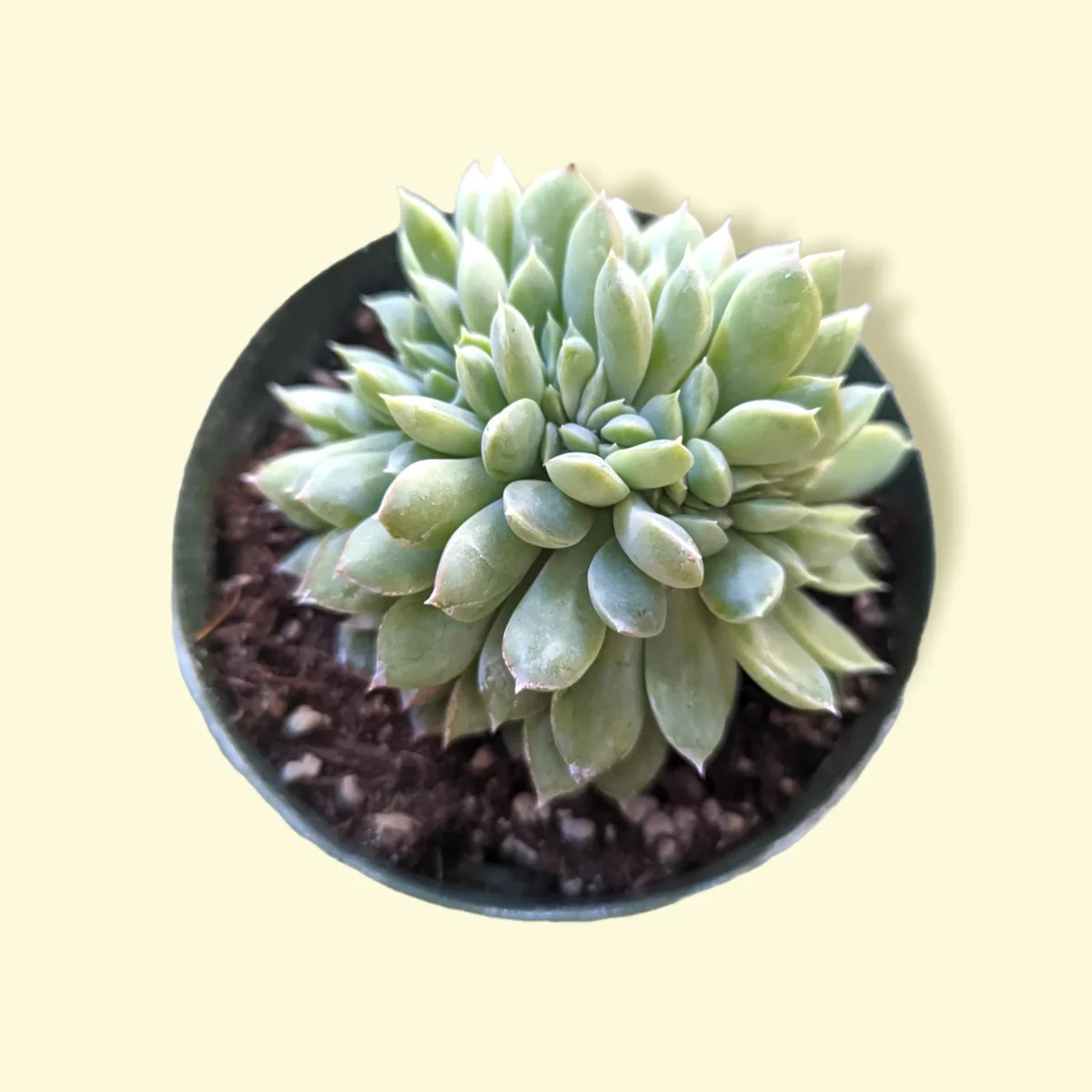
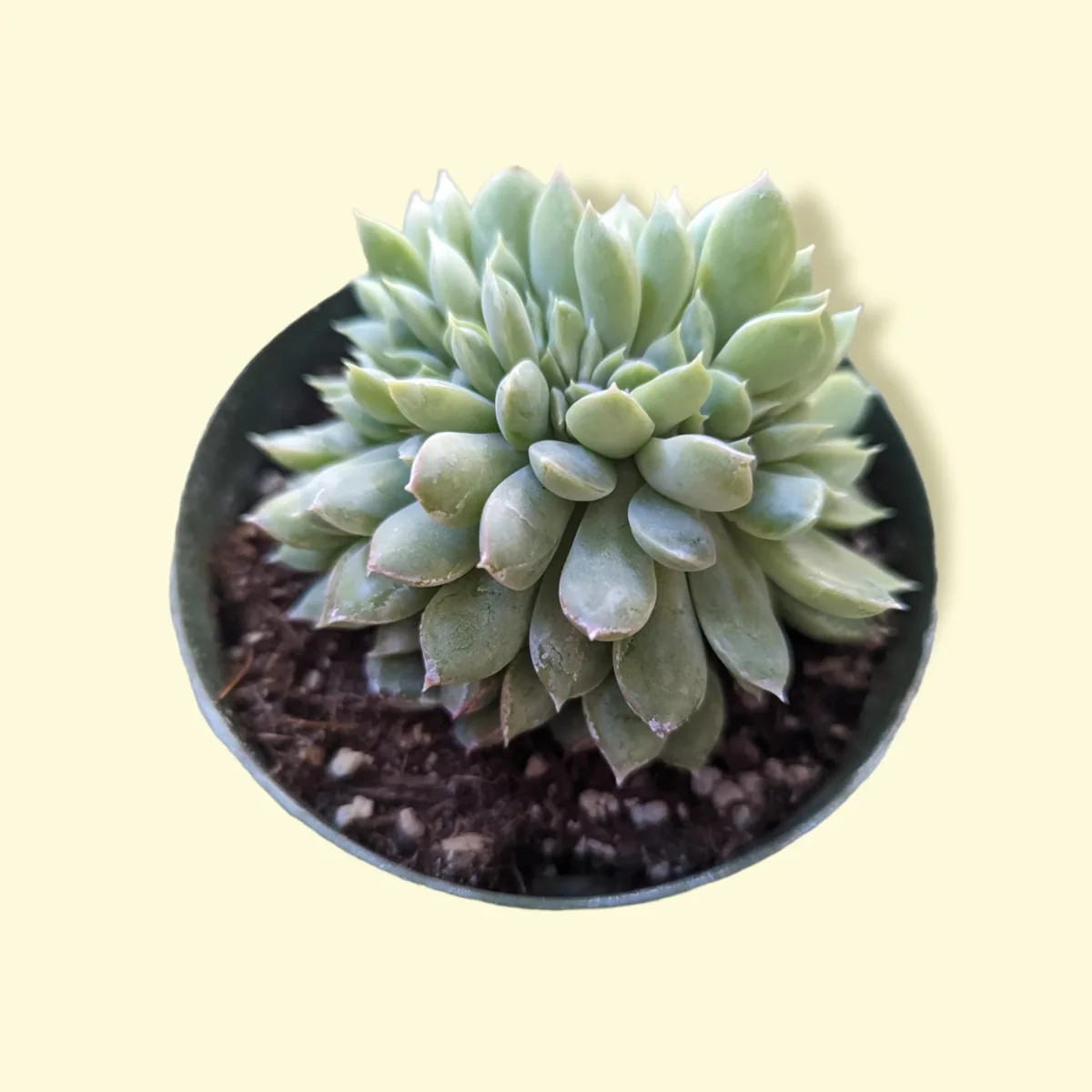
Echeveria Elegans Crest Succulent Live Plant – Low Maintenance Indoor/Outdoor
Original price was: $109.84.$54.92Current price is: $54.92.
Bring unique natural beauty into your home or garden with the Echeveria Elegans Crest succulent plant. Known for its distinctive crested form and attractive rosettes, this crested succulent care is surprisingly easy. It thrives in bright light and requires minimal watering, making it an ideal choice for both beginners and experienced plant enthusiasts looking for drought-tolerant succulent varieties.
-
USDA Hardiness Zone
USDA zones 9-11 -
Soil Type
Well-draining succulent or cactus mix -
Sunlight Exposure
Full sun to bright indirect light -
Expected Planting Period
Year-round indoors, spring to fall outdoors

You can track your order HERE
Mar 03
Mar 08 - Mar 10
Mar 13 - Mar 17
Shipping and return policies: Our Alive & Thrive Guarantee covers issues with your plants within the first 30 days. Reach out to us. Our team will answer your questions and help you find the plants that are truly suitable for your environment, climate, and personal preferences.

Overview
The Echeveria Elegans Crest succulent plant is a truly captivating addition to any plant collection, renowned for its unusual and fascinating crested growth habit. Unlike typical Echeveria Elegans that form neat rosettes, the ‘Crest’ variety exhibits a fan-like or wavy growth pattern, creating a unique sculptural appearance. This specific form, also known as a fasciated succulent, is a natural mutation that results in a compressed stem, causing the growth point to spread along a line rather than a single point. Originating from semi-desert regions, this live plant is well-adapted to arid conditions, making it an exceptionally hardy and drought-tolerant succulent. Its striking blue-green to silvery-green foliage, often tipped with a delicate pink blush under ample sunlight, adds an elegant touch to rock gardens, succulent arrangements, or as a standalone potted specimen. The Echeveria Elegans Crest succulent plant is a conversation starter, perfect for those who appreciate the extraordinary beauty of nature’s variations.
Key Benefits
Choosing the Echeveria Elegans Crest succulent plant offers a multitude of advantages for both novice and seasoned gardeners. Its unique form and resilience make it a standout choice for various settings. This plant is not only visually appealing but also remarkably easy to maintain, reducing the stress often associated with plant care.
- Distinctive Crested Form: The most striking feature of this succulent is its fasciated growth, which creates a captivating, fan-like shape. This unique characteristic makes it a focal point in any collection and a fascinating specimen that stands out from other succulents.
- Low Maintenance & Drought-Tolerant: As a succulent, the Echeveria Elegans Crest succulent plant requires minimal watering and thrives on neglect. It’s an excellent choice for busy individuals or those new to plant care, as it can withstand periods of drought.
- Visually Appealing Foliage: Its attractive blue-green leaves, sometimes with pink edges, add a soft, elegant color to your space. The compact rosette structure, even in its crested form, maintains a tidy appearance.
- Versatile Placement: Suitable for both indoor and outdoor environments (in appropriate climates), it can adorn windowsills, desks, patios, or be integrated into xeriscaping designs.
- Air Purification: Like many plants, succulents contribute to better indoor air quality by absorbing toxins and releasing oxygen, albeit on a smaller scale than larger plants.
- Easy Propagation: With proper technique, this Echeveria Elegans plant can be propagated from offsets or leaf cuttings, allowing you to expand your collection or share with friends.
- Resilient & Hardy: Succulents are known for their toughness. This plant is generally resistant to many common pests and diseases, ensuring a long and healthy life with basic crested succulent care.
Plant Care & Growing Tips
Proper crested succulent care is straightforward, ensuring your Echeveria Elegans Crest succulent plant thrives and maintains its unique form. Sunlight is paramount; these plants naturally flourish in sunny conditions. A south-facing window indoors or a location receiving at least 6 hours of bright, direct sunlight outdoors is ideal. If grown indoors, consider supplementing with a grow light, especially during winter months, to prevent etiolation (stretching due to insufficient light). Adequate light also enhances the beautiful pink hues on the leaf edges.
Watering is perhaps the most critical aspect of caring for any drought-tolerant succulent. The ‘soak and dry’ method is best: water thoroughly until water drains from the bottom of the pot, then allow the soil to dry out completely before watering again. Overwatering is the biggest killer of succulents, so err on the side of underwatering. During dormant periods (typically winter), reduce watering frequency significantly. Use a well-draining soil mix designed specifically for succulents or cacti, which often includes perlite, pumice, or coarse sand to prevent water retention. A terracotta pot can also help wick away excess moisture. The ideal temperature range for your Echeveria Elegans plant is between 60-80°F (15-27°C). While they can tolerate brief dips, protect them from freezing temperatures below 40°F (4°C). Fertilize sparingly, once or twice during the growing season (spring and summer) with a diluted, balanced succulent fertilizer. Repot only when the plant outgrows its container, typically every 2-3 years, ensuring fresh, well-draining soil. This careful attention to light, water, and soil will ensure your Echeveria Elegans Crest succulent plant remains vibrant and healthy.
Size & Details
The Echeveria Elegans Crest succulent plant is typically shipped as a bare-root specimen, allowing for safe transit and easy acclimation to its new environment. While specific dimensions can vary, most plants will arrive with a rosette diameter of approximately 2-4 inches, showcasing their distinct crested formation. This unique succulent grows at a moderate pace, gradually expanding its fascinating fan-like structure over time. When mature, an Echeveria Elegans Crest succulent plant can reach a height of about 4-6 inches and a spread of 6-8 inches, depending on growing conditions and pot size. It is best suited for growing in a 4-inch to 6-inch pot initially, allowing room for its root system to establish without holding excessive moisture. The plant’s compact size makes it an excellent choice for windowsills, terrariums, or mixed succulent arrangements where its unique shape can be appreciated. Expect your plant to establish within a few weeks of potting, demonstrating new growth as it settles into its new home. This is a robust and long-lived plant, providing years of enjoyment with proper crested succulent care.
Frequently Asked Questions
- Q: How big does this Echeveria Elegans Crest succulent plant get? A: The Echeveria Elegans Crest succulent plant typically reaches a height of 4-6 inches and a spread of 6-8 inches at maturity. Its size can vary slightly depending on growing conditions and the size of its container.
- Q: Is this an indoor or outdoor plant? A: This Echeveria Elegans plant is versatile and can be grown both indoors and outdoors. Outdoors, it thrives in USDA zones 9-11. Indoors, it requires a location with ample bright, direct sunlight, such as a south-facing window.
- Q: How much sunlight does the Echeveria Elegans Crest succulent plant need? A: The Echeveria Elegans Crest succulent plant requires at least 6 hours of bright, direct sunlight daily to maintain its compact form and vibrant colors. Insufficient light can lead to stretching and duller foliage.
- Q: Is this plant easy to care for? A: Yes, this is considered a low-maintenance plant, especially if you follow basic crested succulent care guidelines. Its primary needs are plenty of sunlight and infrequent watering using a well-draining soil mix.
- Q: What condition will the unique succulent varieties arrive in? A: Your Echeveria Elegans Crest succulent plant will typically arrive as a bare-root specimen, meaning it will be shipped without soil or a pot. This method ensures healthier travel and reduces the risk of rot.
- Q: How often should I water my drought-tolerant succulent? A: Water your drought-tolerant succulent thoroughly when the soil is completely dry to the touch. This could be every 2-4 weeks, depending on temperature, humidity, and light exposure. Always avoid leaving the plant in standing water.
- Q: What type of soil is best for the Echeveria Elegans Crest succulent plant? A: A well-draining succulent or cactus potting mix is essential. This type of soil prevents water logging, which can lead to root rot. You can also amend regular potting soil with perlite or pumice for better drainage.
- Q: Will this Echeveria Elegans plant survive winter outdoors? A: The Echeveria Elegans plant is not frost-hardy. If you live in an area where temperatures drop below 40°F (4°C), it’s best to bring the plant indoors for the winter or provide adequate protection from the cold.
- Q: Can I propagate my Echeveria Elegans Crest succulent plant? A: Yes, propagation is possible, though crested forms can be a bit trickier than standard rosettes. You can attempt to propagate from leaf cuttings or by carefully separating any offsets that form.
- Q: What are the main signs of an unhealthy Echeveria Elegans Crest succulent plant? A: Overwatering can lead to soft, mushy leaves and rot. Underwatering results in shriveled, dry leaves. Lack of light causes stretching (etiolation) and a loss of vibrant color. Regularly inspect your plant for these signs to adjust its care.
| Size | 2 Inch, 4 Inch |
|---|
Be the first to review “Echeveria Elegans Crest Succulent Live Plant – Low Maintenance Indoor/Outdoor”
People Also Viewed

Sold 88 products
Original price was: $89.98.$44.99Current price is: $44.99.
Sold 57 products
$54.98

Sold 87 products
Original price was: $15.92.$7.96Current price is: $7.96.
Sold 69 products
Original price was: $39.98.$19.99Current price is: $19.99.
Sold 94 products
Original price was: $216.00.$108.00Current price is: $108.00.
Sold 58 products
Original price was: $28.76.$14.38Current price is: $14.38.
Sold 67 products
$48.38

Sold 69 products
Original price was: $63.96.$31.98Current price is: $31.98.
Succulents
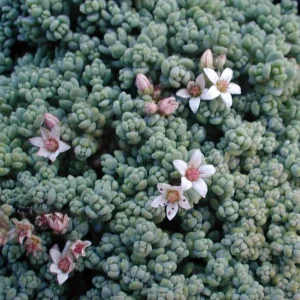
Corsican Blue Tears Sedum Live Plant – Sedum dasyphyllum – 3.7″ Pot – Indoor/Outdoor Succulent
Sold 83 products
Original price was: $41.56.$20.78Current price is: $20.78.
Sold 70 products
From $43.98
Sold 80 products
$61.58
Sold 51 products
$87.98

Sold 70 products
Original price was: $14.76.$7.38Current price is: $7.38.
Sold 56 products
Original price was: $77.98.$38.99Current price is: $38.99.
Sold 56 products
Original price was: $39.98.$19.99Current price is: $19.99.
Sold 53 products
Original price was: $18.76.$9.38Current price is: $9.38.
Sold 85 products
From $61.58
Sold 50 products
Original price was: $535.96.$267.98Current price is: $267.98.



Reviews
There are no reviews yet.