




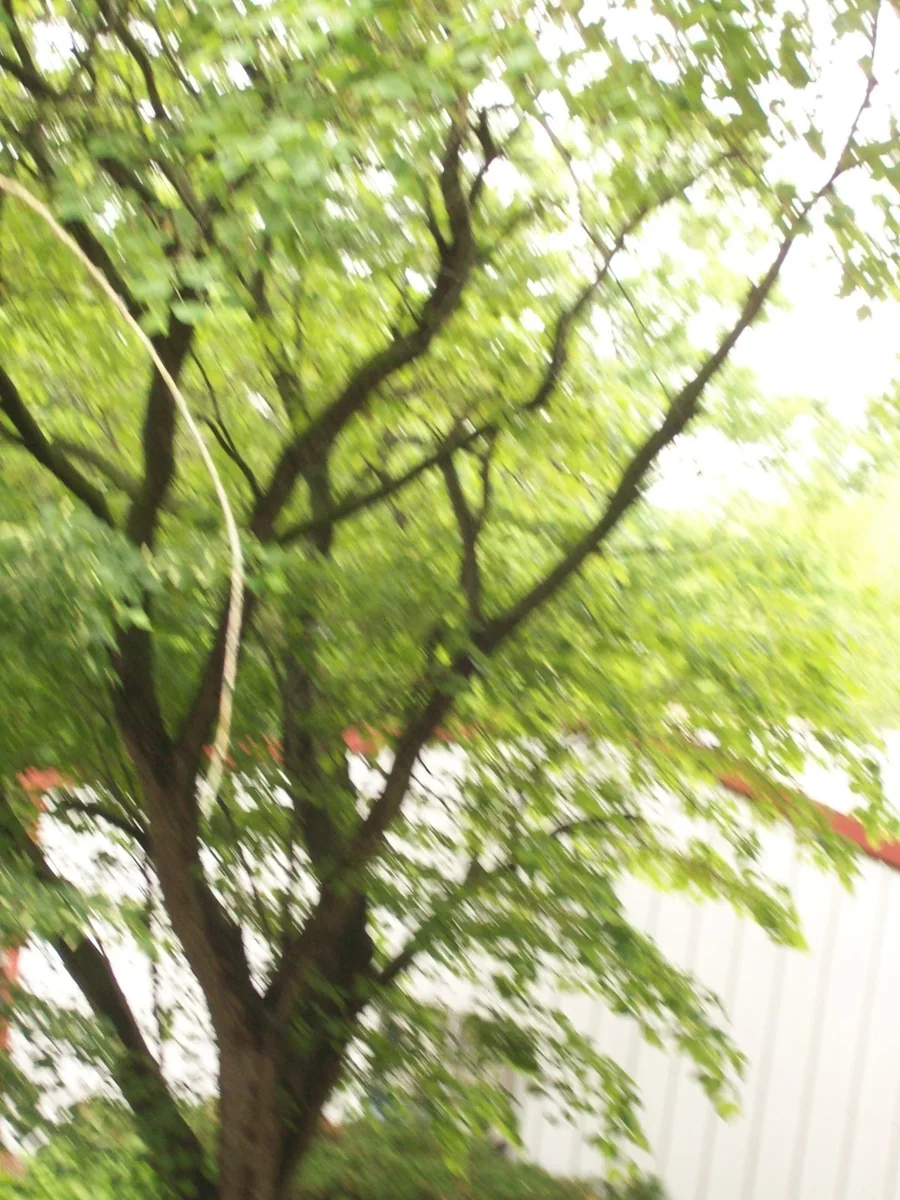
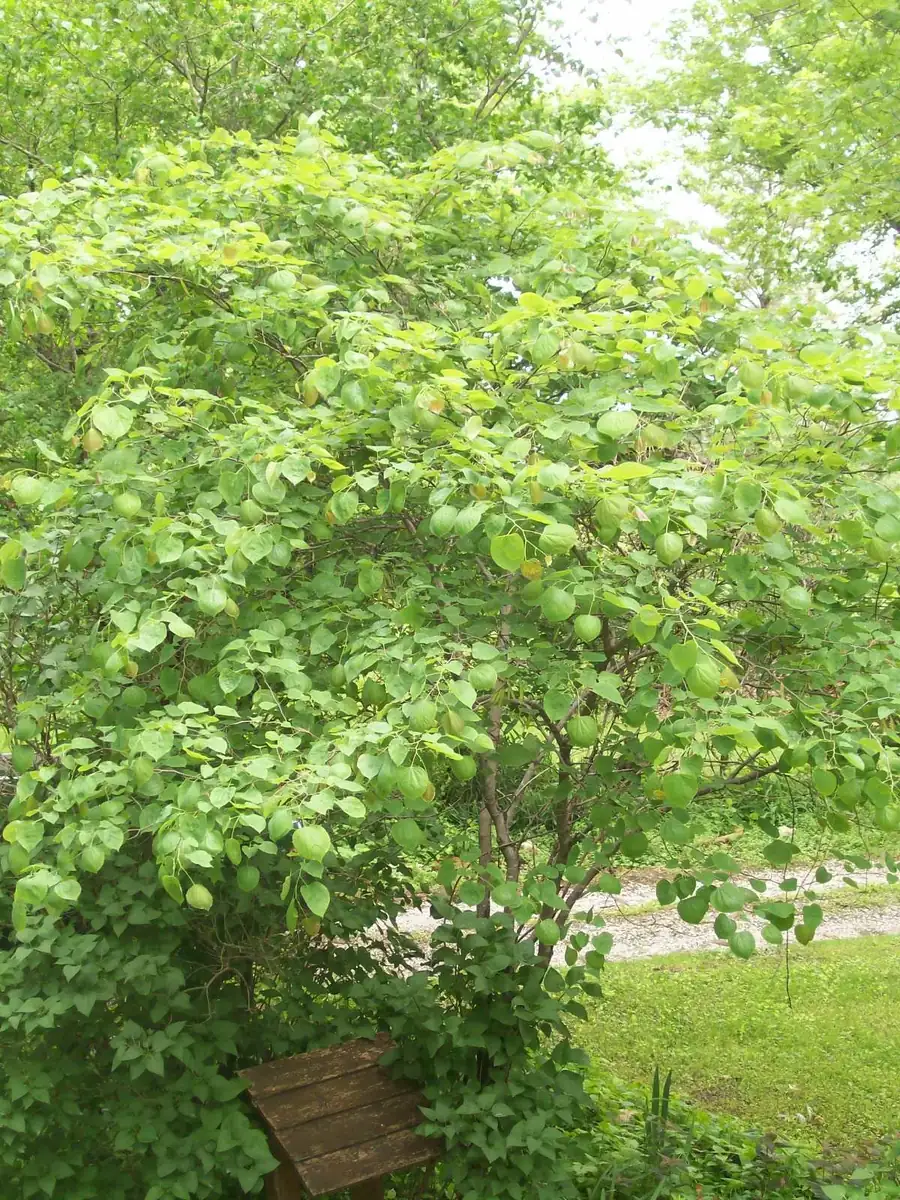




Eastern Redbud Tree Live Plant – Cercis canadensis – 16-24 Inches Tall – 1-2 Year Old
Original price was: $31.16.$15.58Current price is: $15.58.
Enhance your garden with a beautiful Eastern Redbud Tree (Cercis canadensis). This Cercis canadensis live plant, 16-24 inches tall and 1-2 years old, features stunning pink flowers in spring, offering a spectacular display before its heart-shaped leaves emerge. Perfect as a small shade tree or ornamental specimen.
-
USDA Hardiness Zone
USDA Zones 4-9 -
Soil Type
Well-draining soil -
Sunlight Exposure
Full sun to partial shade -
Expected Planting Period
Early spring or fall

You can track your order HERE
Mar 17
Mar 22 - Mar 24
Mar 27 - Mar 31
Shipping and return policies: Our Alive & Thrive Guarantee covers issues with your plants within the first 30 days. Reach out to us. Our team will answer your questions and help you find the plants that are truly suitable for your environment, climate, and personal preferences.

Overview
The Eastern Redbud Tree, scientifically known as Cercis canadensis, is a beloved native deciduous tree renowned for its breathtaking spring display. This particular Cercis canadensis live plant is a young specimen, typically 1 to 2 years old and standing 16 to 24 inches tall, making it an ideal candidate for establishing in your landscape. Before its distinctive heart-shaped leaves unfurl, the tree bursts into a spectacular show of vibrant pink to purplish-pink flowers directly on its branches and even the trunk. This unique flowering habit, known as cauliflory, adds an enchanting touch to early spring gardens, providing a vital nectar source for early pollinators. Once the blooms fade, the tree offers attractive green foliage that turns a lovely yellow in the fall, ensuring multi-seasonal interest. It’s a fantastic choice for a small shade tree, an understory tree, or as a striking ornamental specimen in various garden settings.
Known for its adaptability and relatively low maintenance, the Eastern Redbud Tree thrives in a range of conditions, making it a popular choice for both experienced gardeners and newcomers. Its moderate size at maturity means it fits well into smaller yards or urban landscapes where larger trees might be overwhelming. The delicate yet profuse blooms are a true harbinger of spring, signaling the end of winter with their cheerful color. This pink flowering tree is not just beautiful but also provides ecological benefits, supporting local wildlife. Investing in a young Eastern Redbud Tree allows you to watch it grow and flourish, becoming a cherished part of your outdoor space for years to come.
Key Benefits
The Eastern Redbud Tree offers a multitude of benefits, making it an excellent addition to any garden or landscape. Its striking appearance and ecological value contribute to a vibrant outdoor environment.
- Spectacular Spring Blooms: The most notable feature of the Eastern Redbud Tree is its early spring show of vibrant pink to purplish-pink flowers. These abundant blooms appear before the leaves, covering the branches and trunk in a stunning display that brightens the landscape after winter.
- Attractive Foliage: Following the flowering period, the tree develops distinctive heart-shaped, green leaves that provide lush greenery throughout the summer. In autumn, the foliage transforms into beautiful shades of yellow, adding further seasonal interest.
- Native and Adaptable: As a native species to North America, Cercis canadensis live plant is well-adapted to local climates and soils, making it resilient and easier to care for. It tolerates a range of conditions once established.
- Wildlife Friendly: The early spring flowers are a crucial food source for early pollinators like bees and butterflies. Birds also enjoy the seeds produced later in the season, making it a valuable asset for supporting local ecosystems.
- Compact Size: Reaching a mature height of 20-30 feet with a similar spread, the Eastern Redbud Tree is an ideal choice for smaller gardens, urban landscapes, or as an understory tree beneath larger trees.
- Low Maintenance: Once established, this tree requires minimal care. It is relatively pest and disease resistant and typically only needs occasional pruning to maintain its shape and health.
- Versatile Landscape Use: This pink flowering tree can be used as a specimen tree, in groups, along borders, or even in naturalized settings. Its unique form and seasonal interest make it a versatile focal point.
Plant Care & Growing Tips
Caring for your Eastern Redbud Tree is relatively straightforward, especially once it’s established. This Cercis canadensis live plant prefers a site with well-draining soil and can adapt to various soil types, including sandy, loamy, or clay, as long as drainage is adequate. It thrives in full sun to partial shade, meaning it needs at least 4-6 hours of direct sunlight per day to produce the most abundant blooms. However, in hotter climates, some afternoon shade can be beneficial to protect it from intense sun. When planting, ensure the root ball is level with the ground and water thoroughly. For the first year, consistent watering is crucial to help the tree establish a strong root system. Aim for about 1 inch of water per week, either from rainfall or irrigation, especially during dry spells.
The Eastern Redbud Tree is hardy in USDA zones 4-9. It tolerates a wide range of temperatures, from cold winters to warm summers. Fertilization is not always necessary, but if your soil is poor, a balanced slow-release fertilizer can be applied in early spring before new growth begins. Pruning should be done in late winter or early spring while the tree is dormant, focusing on removing any dead, damaged, or crossing branches to maintain a healthy structure and open canopy. Avoid heavy pruning, as redbuds can be sensitive to large cuts. Common problems include canker disease, which can be minimized by avoiding trunk injuries and ensuring good air circulation. Keep an eye out for leaf miners or scale insects, though these are usually not severe. Overall, providing the right growing conditions and consistent initial care will ensure your spring blooming tree flourishes.
Size & Details
This offering is for one Eastern Redbud Tree (Cercis canadensis) live plant, which is typically 1 to 2 years old. The plant height ranges from 16 to 24 inches tall, making it a young, manageable specimen ready for transplanting into your garden. It is shipped as a bare root plant or in a small nursery pot, ensuring its roots are protected during transit. The mature height of an Eastern Redbud Tree can reach 20-30 feet with a similar spread, forming a beautiful, rounded canopy. Its growth rate is moderate, meaning it will add about 13-24 inches of height per year. Expect the first significant blooms to appear within a few years of planting, with the tree reaching its full ornamental potential over several seasons. This size is ideal for easy handling and allows the tree to adapt quickly to its new environment, providing a good head start for establishing a beautiful native shade tree in your landscape.
Frequently Asked Questions
- Q: How big does this Eastern Redbud Tree get? A: This young plant is 16-24 inches tall and 1-2 years old. At maturity, an Eastern Redbud Tree typically reaches a height of 20-30 feet with a similar spread, forming a beautiful, rounded canopy.
- Q: Is this an indoor or outdoor plant? A: The Eastern Redbud Tree is an outdoor deciduous tree. It requires seasonal changes and is not suitable for indoor growth.
- Q: How much sunlight does the Cercis canadensis live plant need? A: This tree thrives in full sun to partial shade. For the best flowering, aim for at least 4-6 hours of direct sunlight daily, though some afternoon shade is beneficial in hot climates.
- Q: Is this plant easy to care for? A: Yes, the Eastern Redbud Tree is considered relatively low maintenance once established. It’s adaptable to various soil types and largely pest and disease resistant.
- Q: What condition will the pink flowering tree arrive in? A: The plant will arrive as a healthy, young live plant, either bare root or in a small nursery pot, with its roots protected to ensure a successful transplant.
- Q: When is the best time to plant this spring blooming tree? A: The best time to plant an Eastern Redbud Tree is in early spring or fall, allowing the roots to establish before extreme temperatures.
- Q: Will this native shade tree survive winter in my zone? A: The Eastern Redbud Tree is hardy in USDA Zones 4-9, meaning it can tolerate winter temperatures in a wide range of climates across the United States.
- Q: What type of soil does the Eastern Redbud Tree prefer? A: It prefers well-draining soil and can adapt to a variety of soil types, including sandy, loamy, or clay, as long as they are not waterlogged.
- Q: How often should I water my newly planted Eastern Redbud Tree? A: For the first year after planting, water consistently to keep the soil moist but not soggy. Aim for about 1 inch of water per week, especially during dry periods.
- Q: How long until my Eastern Redbud Tree blooms? A: Young trees like this 1-2 year old specimen may start producing a few blooms in their second or third year, with more abundant flowering as they mature.
Be the first to review “Eastern Redbud Tree Live Plant – Cercis canadensis – 16-24 Inches Tall – 1-2 Year Old”
People Also Viewed
Sold 68 products
Original price was: $200.00.$100.00Current price is: $100.00.
Sold 91 products
Original price was: $110.76.$55.38Current price is: $55.38.
Sold 64 products
Original price was: $147.16.$73.58Current price is: $73.58.
Sold 81 products
Original price was: $147.16.$73.58Current price is: $73.58.
Sold 88 products
Original price was: $147.16.$73.58Current price is: $73.58.
Sold 74 products
Original price was: $38.92.$19.46Current price is: $19.46.
Sold 81 products
From $14.99
Sold 65 products
Original price was: $283.96.$141.98Current price is: $141.98.
Sold 81 products
Original price was: $54.36.$27.18Current price is: $27.18.
Sold 75 products
Original price was: $18.76.$9.38Current price is: $9.38.
Sold 89 products
Original price was: $355.96.$177.98Current price is: $177.98.
Sold 99 products
Original price was: $52.78.$26.39Current price is: $26.39.
Sold 74 products
Original price was: $53.98.$26.99Current price is: $26.99.
Sold 80 products
Original price was: $120.00.$96.00Current price is: $96.00.
Sold 62 products
Original price was: $60.00.$48.00Current price is: $48.00.
Sold 88 products
Original price was: $63.22.$37.94Current price is: $37.94.
Sold 69 products
Original price was: $59.98.$29.99Current price is: $29.99.
Sold 55 products
Original price was: $67.96.$33.98Current price is: $33.98.



Reviews
There are no reviews yet.