
Eastern Redbud ‘Merlot’ Live Tree – 3ft Tall, Ships in 3 Gallon Pot
Original price was: $283.96.$141.98Current price is: $141.98.
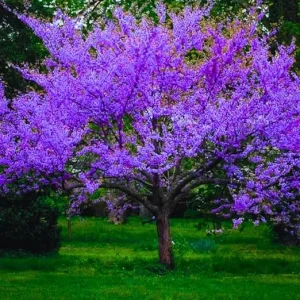
Enhance your landscape with the beautiful Eastern Redbud ‘Merlot’ tree. This 3ft tall live plant boasts striking deep purple, heart-shaped leaves that retain their color throughout the growing season, offering exceptional ornamental appeal. It’s a perfect choice for vibrant garden accents and thrives outdoors.
-
USDA Hardiness Zone
USDA Zones 5-9 -
Soil Type
Well-draining, moist, fertile soil -
Sunlight Exposure
Full sun to partial shade -
Expected Planting Period
Spring or early fall

You can track your order HERE
Mar 05
Mar 10 - Mar 12
Mar 15 - Mar 19
Shipping and return policies: Our Alive & Thrive Guarantee covers issues with your plants within the first 30 days. Reach out to us. Our team will answer your questions and help you find the plants that are truly suitable for your environment, climate, and personal preferences.

Overview
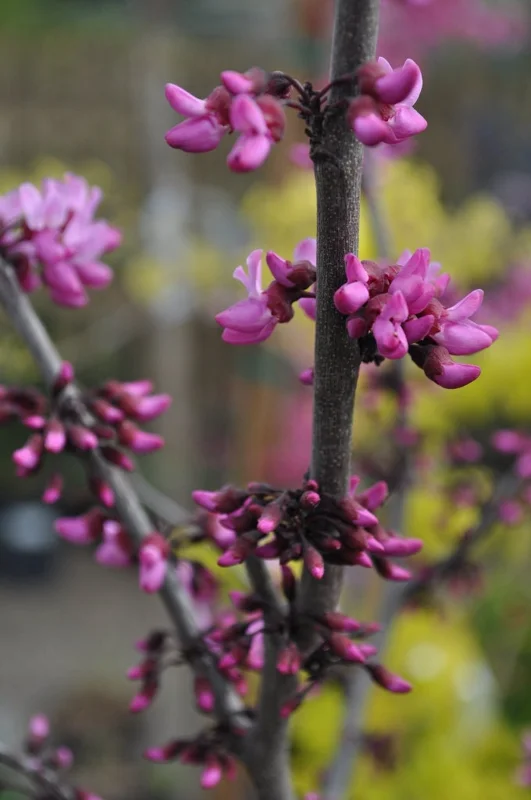
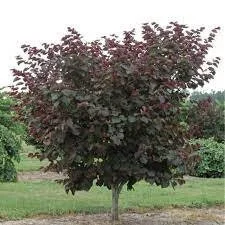
Introducing the magnificent Eastern Redbud ‘Merlot’ tree, a cultivar celebrated for its intense, deep purple foliage and elegant form. This particular specimen is a vibrant 3ft tall live plant, ready to bring sophisticated color and structure to your garden. The ‘Merlot’ Redbud, scientifically known as Cercis canadensis ‘Merlot’, is a relatively new and highly sought-after variety of the classic Eastern Redbud. It stands out with its glossy, heart-shaped leaves that emerge a brilliant burgundy-red in spring, maturing to a rich, dark purple that holds its hue even in summer heat. Before the leaves unfurl, a profusion of delicate, pea-like pink flowers adorn the bare branches, creating a breathtaking display. This ornamental tree live plant is a true showstopper, offering multi-seasonal interest from its early spring blooms to its distinctive purple foliage and attractive winter silhouette. It’s an excellent choice for a specimen tree, a focal point, or integrated into a mixed border.
Key Benefits
The Merlot Redbud plant offers a wealth of benefits that make it a standout choice for any landscape. Its unique characteristics contribute to its popularity and aesthetic value:
-
Stunning Foliage Color: The most prominent feature of the ‘Merlot’ Redbud is its spectacular deep purple leaves. This vibrant color provides a dramatic contrast to typical green landscapes, ensuring your garden remains visually interesting throughout the spring and summer. The glossy finish of the leaves adds an extra layer of appeal.
-
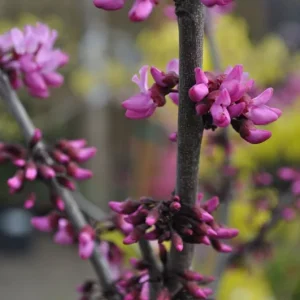
Early Spring Blooms: Before its striking leaves even appear, the purple leaf Redbud bursts into bloom with clusters of small, rosy-pink flowers directly on its branches. This early spring display is a welcome sight after winter, attracting pollinators and signaling the arrival of warmer weather.
-
Compact & Manageable Size: As a smaller ornamental tree, the ‘Merlot’ Redbud typically reaches a mature height of 15-20 feet with a similar spread. This makes it an ideal choice for urban gardens, smaller yards, or as an understory tree where space is a consideration.
-
Drought Tolerance: Once established, the Cercis canadensis ‘Merlot’ exhibits good drought tolerance, making it a relatively low-maintenance option for various climates. This resilience contributes to its ease of care and long-term health in the landscape.
-
Year-Round Interest: From its early spring flowers, through its vibrant purple summer foliage, to its attractive branching structure in winter, this tree provides continuous visual appeal across all seasons. Its unique characteristics ensure it’s always a focal point.
-
Attracts Pollinators: The early spring flowers of the Eastern Redbud ‘Merlot’ tree are a valuable nectar source for early emerging bees and other beneficial pollinators, contributing to the biodiversity of your garden.
-
Versatile Landscape Use: Whether used as a standalone specimen, part of a mixed border, or as an accent tree, its unique color and manageable size allow it to fit into various garden designs and landscape styles.
Plant Care & Growing Tips
Caring for your Eastern Redbud ‘Merlot’ tree is relatively straightforward, ensuring it thrives and displays its full beauty. This live plant prefers a site with full sun to partial shade. For the best purple foliage color, aim for at least 6 hours of direct sunlight per day. While it can tolerate some afternoon shade, too much shade can result in greener leaves and fewer blooms. The ‘Merlot’ Redbud adapts to a variety of well-draining soils, but it particularly flourishes in moist, fertile soil that is slightly acidic to neutral. Avoid overly wet or poorly drained sites, as this can lead to root rot. Good drainage is crucial for its health.
When it comes to watering, new Merlot Redbud plant specimens require regular watering to establish their root systems. Water deeply once or twice a week, especially during dry periods, until the tree is well-established, usually for the first year or two. Once established, it becomes more drought-tolerant but will still benefit from supplemental watering during prolonged dry spells. Fertilize in early spring with a balanced, slow-release granular fertilizer formulated for trees and shrubs. Follow the product instructions for application rates. Pruning should be done in late winter or early spring while the tree is dormant. Remove any dead, damaged, or crossing branches to maintain a healthy structure. The Cercis canadensis ‘Merlot’ is generally hardy in USDA Zones 5-9, making it suitable for a wide range of climates. Protect young trees from harsh winter winds in colder zones.
Size & Details
This offering is for a vibrant Eastern Redbud ‘Merlot’ tree that stands approximately 3ft tall from the base of the plant to the top. It is shipped as a live plant in a 3-gallon plastic nursery pot, ensuring its roots are well-protected and ready for transplanting into your garden. The tree’s size makes it easy to handle and establish, allowing it to quickly integrate into your landscape. The ‘Merlot’ cultivar is known for its moderate growth rate, typically adding 12-18 inches of height per year. With proper care, you can expect this ornamental tree live plant to develop into a beautiful, mature specimen, reaching an eventual height of 15-20 feet and a spread of 15-20 feet, forming an attractive, rounded canopy. Its distinctive purple leaf Redbud foliage will provide a stunning focal point for many years to come.
Frequently Asked Questions
-
Q: How big does this ‘Merlot’ Redbud tree get? A: The Eastern Redbud ‘Merlot’ tree typically grows to a mature height of 15-20 feet with a similar spread. Its moderate growth rate makes it a great choice for various garden sizes.
-
Q: What size pot does it come in? A: This Merlot Redbud plant is shipped in a 3-gallon plastic nursery pot, which provides ample space for its root system during transit and initial growth.
-
Q: How much sunlight does the ‘Merlot’ Redbud need? A: For the best growth and most intense purple foliage color, this tree prefers full sun (at least 6 hours of direct sunlight daily) to partial shade. More sun generally means richer leaf color.
-
Q: Is this an indoor or outdoor plant? A: The Cercis canadensis ‘Merlot’ is an outdoor ornamental tree, hardy in USDA Zones 5-9. It is not suitable for long-term indoor cultivation.
-
Q: Is this plant easy to care for? A: Yes, once established, the purple leaf Redbud is considered a relatively low-maintenance tree. It requires regular watering during establishment but becomes quite resilient to drought thereafter.
-
Q: What condition will the live plant arrive in? A: Your ornamental tree live plant will arrive carefully packaged in its 3-gallon pot, with its roots protected and foliage intact, ready for planting.
-
Q: When is the best time to plant an Eastern Redbud ‘Merlot’ tree? A: The best times to plant are in the spring after the last frost, or in the early fall, allowing the tree to establish its root system before extreme temperatures.
-
Q: Will it survive winter in my zone? A: The ‘Merlot’ Redbud is hardy in USDA Zones 5-9. If you are within these zones, it should successfully overwinter with proper care and protection, especially when young.
-
Q: What type of soil does the ‘Merlot’ Redbud prefer? A: It thrives in well-draining, moist, fertile soil with a slightly acidic to neutral pH. Avoid heavy, waterlogged soils.
-
Q: Does the foliage color change? A: The leaves emerge burgundy-red in spring and mature to a deep, rich purple that holds well through the summer, even in heat, making it a reliable purple leaf Redbud.
Be the first to review “Eastern Redbud ‘Merlot’ Live Tree – 3ft Tall, Ships in 3 Gallon Pot”
People Also Viewed
Sold 78 products
From $16.78
Sold 98 products
Original price was: $120.00.$96.00Current price is: $96.00.
Sold 79 products
$34.00
Sold 51 products
Original price was: $391.96.$195.98Current price is: $195.98.
Sold 72 products
Original price was: $29.90.$17.94Current price is: $17.94.
Sold 99 products
Original price was: $36.36.$18.18Current price is: $18.18.

Sold 74 products
Original price was: $45.10.$27.06Current price is: $27.06.
Sold 77 products
Original price was: $39.96.$19.98Current price is: $19.98.

Sold 52 products
Original price was: $39.96.$19.98Current price is: $19.98.
Sold 93 products
Original price was: $37.98.$18.99Current price is: $18.99.
Sold 76 products
Original price was: $72.00.$36.00Current price is: $36.00.
Sold 85 products
Original price was: $40.76.$20.38Current price is: $20.38.
Sold 91 products
Original price was: $33.98.$18.49Current price is: $18.49.
Sold 90 products
Original price was: $130.00.$104.00Current price is: $104.00.
Sold 98 products
From $56.08
Sold 100 products
Original price was: $8.12.$4.06Current price is: $4.06.
Sold 61 products
Original price was: $51.96.$25.98Current price is: $25.98.
Sold 50 products
Original price was: $32.00.$25.60Current price is: $25.60.


Reviews
There are no reviews yet.