
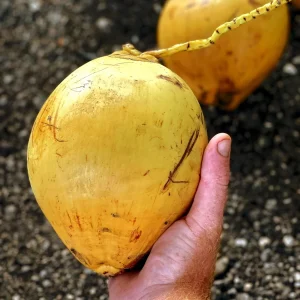
Dwarf Yellow Malayan Coconut Seeds – Tropical Palm Seeds
Original price was: $107.96.$53.98Current price is: $53.98.
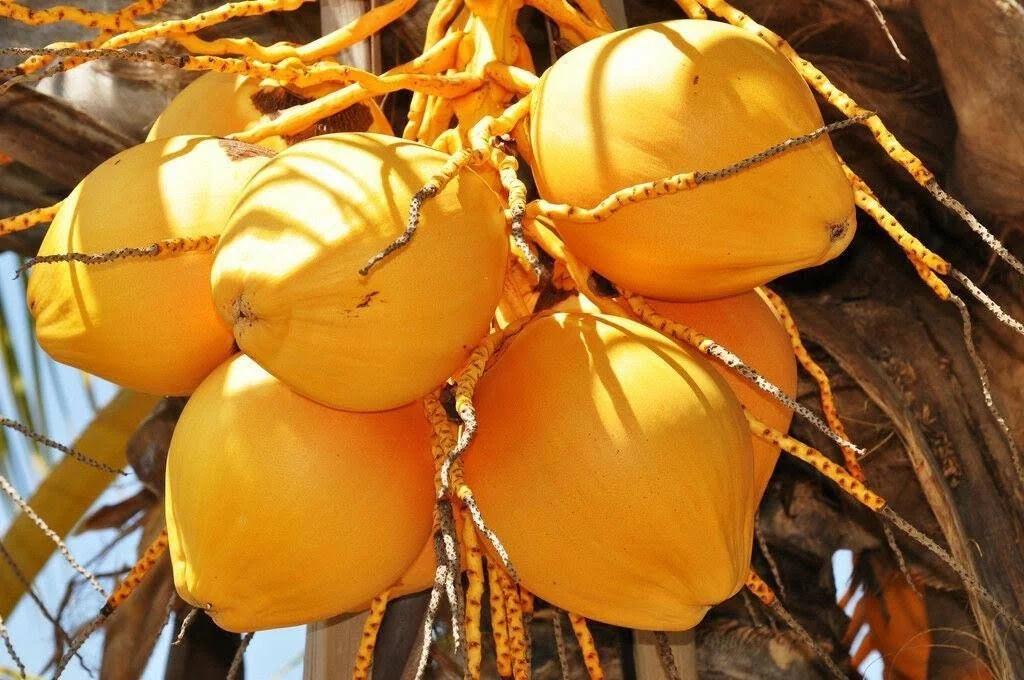
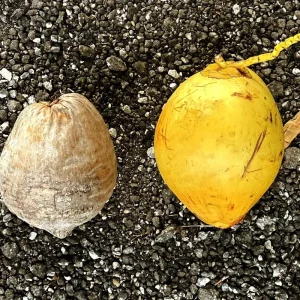
Start your tropical garden with dwarf yellow malayan coconut seeds. These non-sprouted seeds are easy to germinate and quickly grow into beautiful, fruit-bearing coconut palms. Perfect for warm climates, they offer high drought and salt tolerance, making them a resilient choice for your landscape.
-
USDA Hardiness Zone
USDA Zones 10-11 -
Soil Type
Well-draining sandy loam -
Sunlight Exposure
Full sun -
Expected Planting Period
Year-round in tropical climates, spring to summer in others

You can track your order HERE
Mar 01
Mar 06 - Mar 08
Mar 11 - Mar 15
Shipping and return policies: Our Alive & Thrive Guarantee covers issues with your plants within the first 30 days. Reach out to us. Our team will answer your questions and help you find the plants that are truly suitable for your environment, climate, and personal preferences.

Overview
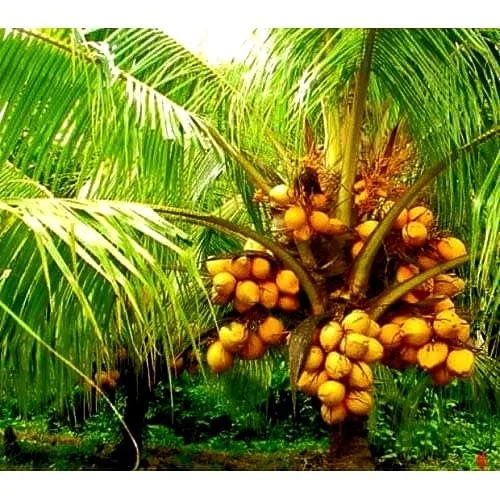
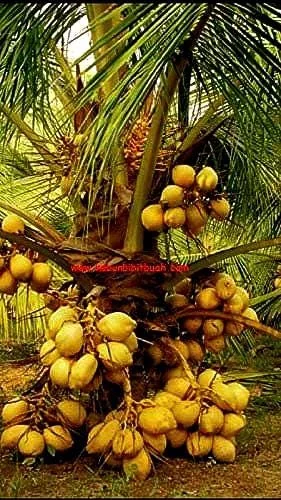
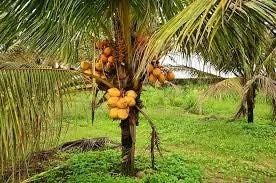
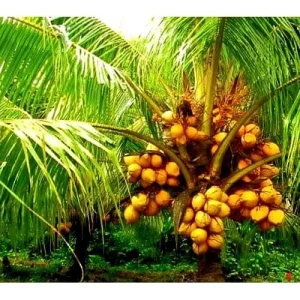
Embark on a tropical gardening adventure with these premium dwarf yellow malayan coconut seeds. Sourced for quality, these non-sprouted seeds offer an exciting opportunity to cultivate your own coconut palm. The Dwarf Yellow Malayan, scientifically known as Cocos Nucifera, is a highly sought-after variety known for its earlier fruiting compared to other types, typically producing coconuts when the tree reaches just 2-3 feet of grey wood. This makes it an excellent choice for those eager to enjoy fresh, homegrown coconuts sooner. These resilient palms are not only beautiful but also boast high drought and salt tolerance, thriving in warm, sunny environments. With proper care, growing a yellow malayan coconut palm from seed is a rewarding and relatively straightforward process, bringing a touch of the tropics to your home or garden.
Known for their elegant appearance and practical benefits, these coconut palms are a low-maintenance addition to any suitable landscape. They are self-pruning, meaning old fronds naturally fall away, reducing the need for manual trimming. Each seed comes with instructions to guide you through the germination process, ensuring a successful start. Whether you’re an experienced gardener or a curious beginner, cultivating cocos nucifera seeds is an accessible way to introduce exotic beauty and function to your outdoor space.
Key Benefits
Cultivating dwarf yellow malayan coconut seeds offers numerous advantages, transforming your landscape into a vibrant, productive oasis. These seeds provide an opportunity to grow a resilient and beautiful tropical palm that delivers both aesthetic appeal and delicious fruit.
- Early Fruiting: Unlike many other coconut varieties, the Dwarf Yellow Malayan begins to fruit when the trunk is relatively short (2-3 feet of grey wood), allowing you to enjoy fresh coconuts much sooner.
- High Drought Tolerance: This variety is exceptionally well-suited for arid conditions, requiring less frequent watering once established, making it a sustainable choice for many climates.
- High Salt Tolerance: Ideal for coastal regions, these palms can withstand salty air and soil, thriving where other plants might struggle.
- Low Maintenance: Coconut palms are naturally self-pruning; old fronds conveniently fall off on their own, significantly reducing your gardening workload.
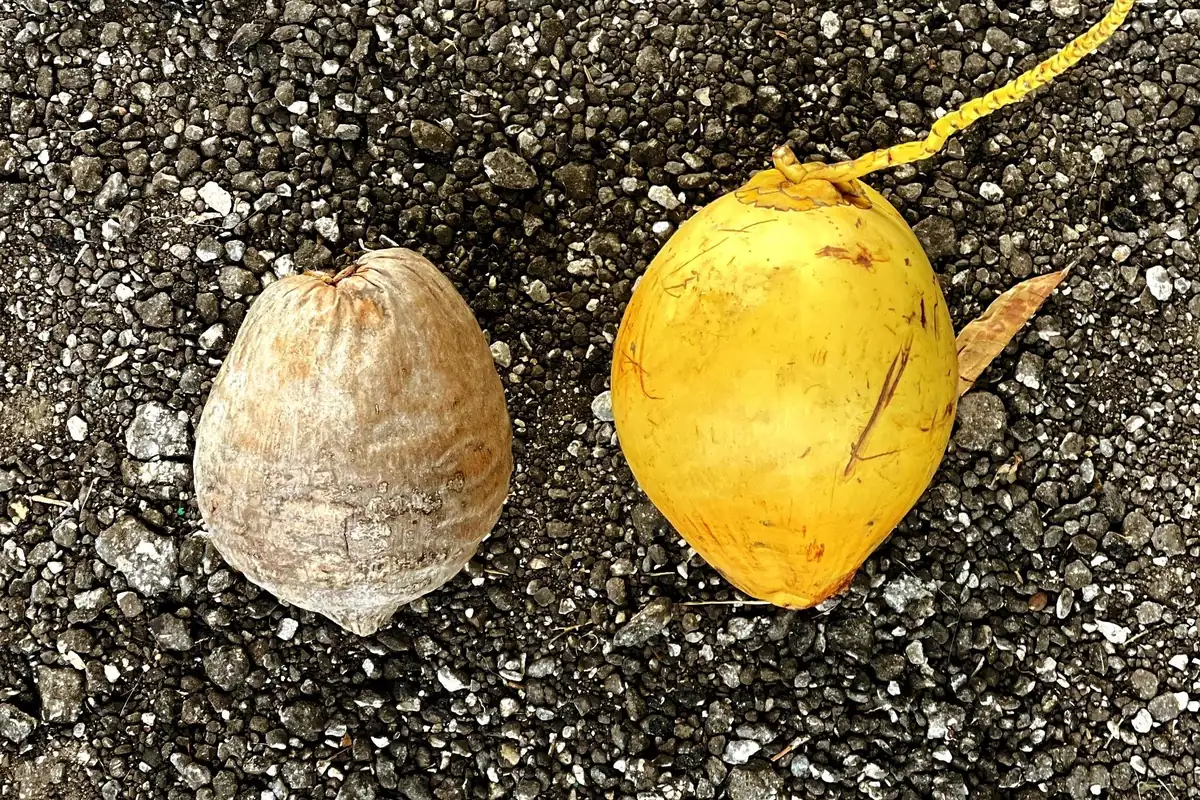
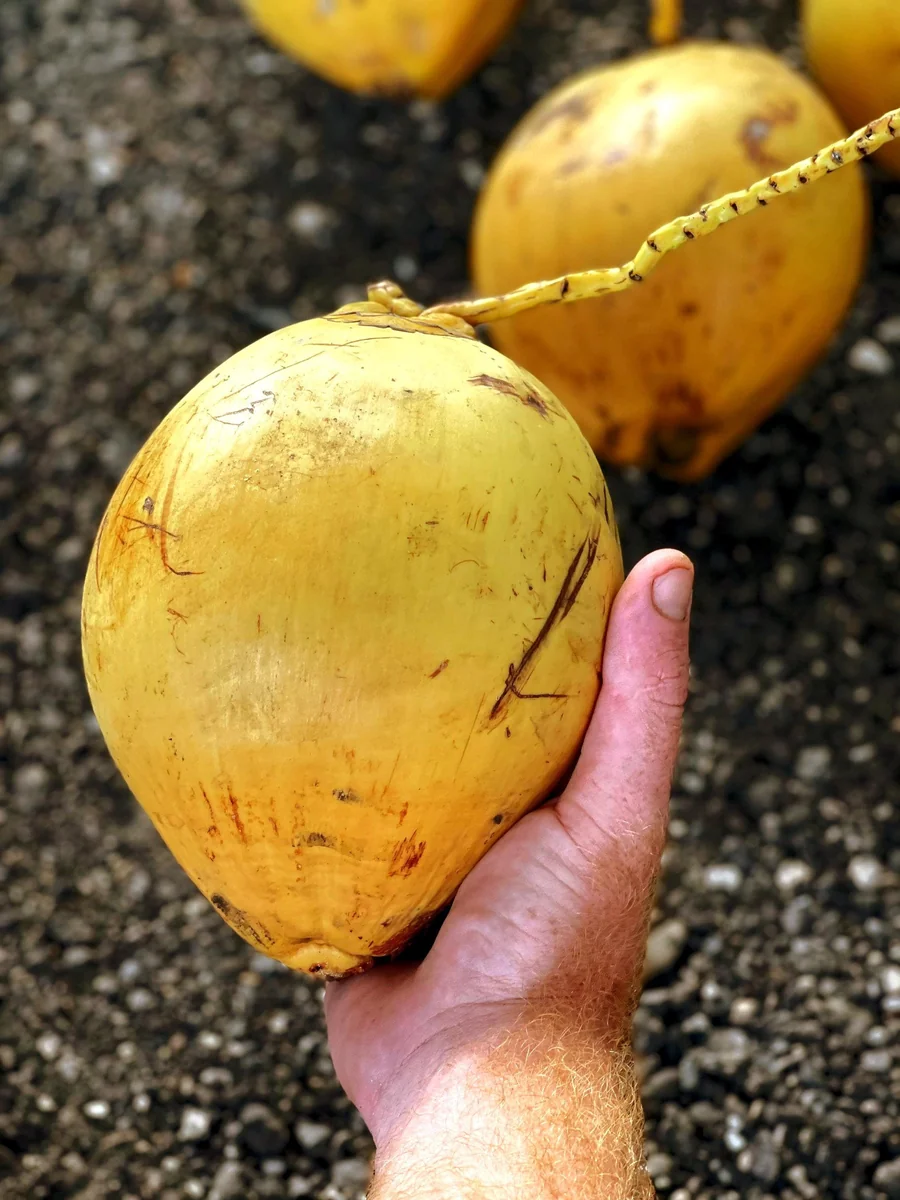
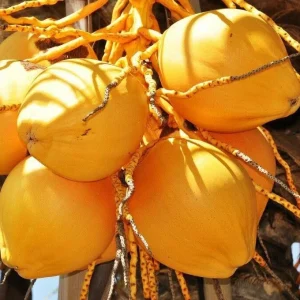
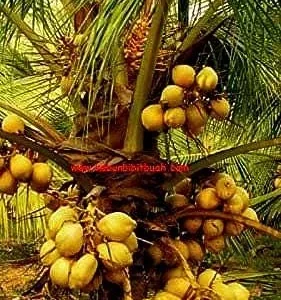
- Exotic Aesthetic Appeal: The vibrant green fronds and distinctive yellow coconuts add a stunning tropical ambiance to any garden or patio.
- Source of Fresh Coconuts: Enjoy the satisfaction of harvesting your own fresh coconuts, perfect for culinary uses, beverages, or simply for their natural goodness.
- Easy to Sprout: With simple instructions provided, these non-sprouted seeds are designed for an easy germination process, making it accessible for gardeners of all experience levels to grow coconut tree from seed.
Plant Care & Growing Tips
Successfully growing dwarf yellow malayan coconut seeds requires attention to specific environmental conditions, particularly concerning sunlight, water, and soil. These tropical plants thrive in warm climates and benefit from consistent care. For germination, place the seeds in a warm, humid environment, ideally between 80-90°F (27-32°C). A well-draining, sandy potting mix is crucial. Plant the seed horizontally with about one-third of the coconut exposed above the soil line. Keep the soil consistently moist but never waterlogged, as this can lead to rot. Germination can take a few weeks to several months, so patience is key.
Once sprouted, your yellow malayan coconut palm will need ample sunlight. Provide at least 6-8 hours of direct sun daily. If growing indoors, ensure it receives the brightest possible light, perhaps supplementing with grow lights if natural light is insufficient. Water deeply when the top few inches of soil feel dry, allowing excess water to drain away. These palms prefer a slightly acidic to neutral soil pH (5.0-7.0). Fertilize regularly during the growing season with a balanced, slow-release fertilizer formulated for palms, ensuring it contains essential micronutrients like magnesium and potassium. Protect young palms from strong winds and frost, as they are not cold-hardy. The ideal USDA hardiness zones for outdoor cultivation are 10-11, where temperatures rarely drop below freezing. With consistent warmth and light, your cocos nucifera seeds will develop into robust, fruit-bearing trees.
Size & Details
These dwarf yellow malayan coconut seeds are non-sprouted, offering you the opportunity to witness the entire germination process. Once germinated and established, the Dwarf Yellow Malayan variety is known for its moderate growth rate. While it is a dwarf variety, a mature tree can still reach impressive heights of 30-50 feet over many years, with a spread of 15-25 feet, providing significant shade and presence. The distinctive feature of this particular coconut palm is its early fruiting, typically beginning production when the grey wood of the trunk reaches approximately 2-3 feet in height. This is considerably earlier than many other coconut varieties, which may take 6-8 feet of grey wood to start bearing fruit. Each seed is carefully selected to ensure viability, and instructions are included to guide you through the sprouting process. These seeds are perfect for those looking to cultivate a tropical fruit-bearing palm in suitable warm climates, and with proper care, they will mature into a beautiful and productive yellow malayan coconut palm.
Frequently Asked Questions
- Q: How long does it take for dwarf yellow malayan coconut seeds to sprout? A: Germination can vary, but typically these seeds will sprout within a few weeks to a few months under optimal warm and humid conditions. Patience is key during this initial phase.
- Q: How big does a Dwarf Yellow Malayan Coconut palm get? A: While considered a dwarf variety, a mature Dwarf Yellow Malayan palm can still reach heights of 30-50 feet with a spread of 15-25 feet. Its dwarf characteristic refers more to its earlier fruiting at a shorter trunk height.
- Q: Is this an indoor or outdoor plant? A: The yellow malayan coconut palm is a tropical plant best suited for outdoor cultivation in USDA Zones 10-11. In colder climates, it can be grown in containers and brought indoors during winter, but it requires significant light.
- Q: How much sunlight does a coconut palm need? A: Coconut palms thrive in full sun, requiring at least 6-8 hours of direct sunlight per day to grow vigorously and produce fruit.
- Q: Is it difficult to grow coconut tree from seed? A: Growing a coconut tree from seed is generally considered easy with the right conditions. The main requirements are warmth, humidity, and consistent moisture, along with a bit of patience.
- Q: What kind of soil is best for these seeds? A: A well-draining, sandy potting mix is ideal for germinating and growing cocos nucifera seeds. Ensure the soil allows water to drain freely to prevent rot.
- Q: When will my coconut palm start producing fruit? A: The Dwarf Yellow Malayan variety is known for early fruiting, typically starting to produce coconuts when the trunk’s grey wood reaches approximately 2-3 feet in height.
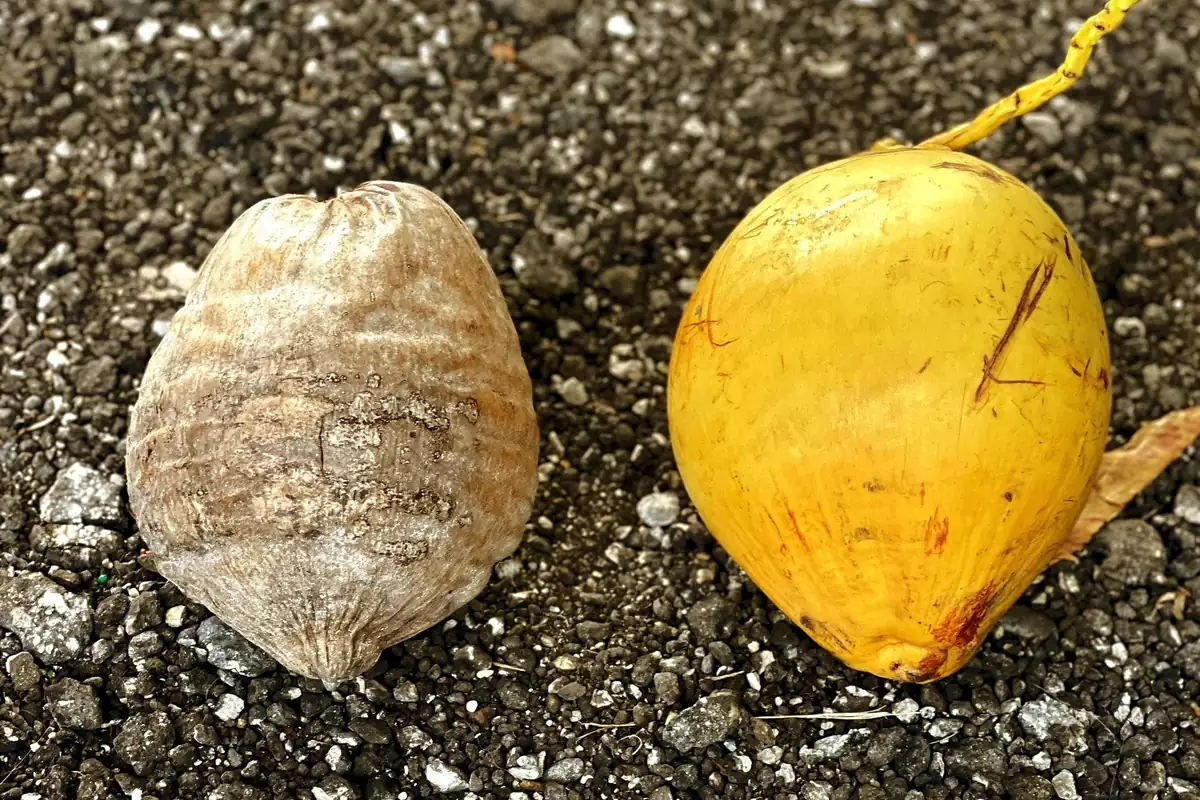
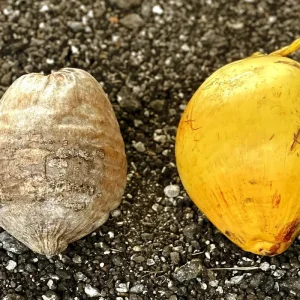
- Q: What condition will the seeds arrive in? A: You will receive non-sprouted dwarf yellow malayan coconut seeds, ready for you to begin the germination process. Instructions for sprouting will be included.
- Q: Are these coconuts edible? A: Yes, the coconuts produced by the Dwarf Yellow Malayan palm are edible and delicious, perfect for culinary uses, beverages, or enjoying fresh.
- Q: What is the minimum temperature these plants can tolerate? A: Coconut palms are tropical and are highly sensitive to cold. They cannot tolerate frost, and sustained temperatures below 50°F (10°C) can cause damage or even be fatal.
Be the first to review “Dwarf Yellow Malayan Coconut Seeds – Tropical Palm Seeds”
People Also Viewed
Sold 96 products
Original price was: $319.96.$159.98Current price is: $159.98.
Sold 79 products
Original price was: $77.98.$38.99Current price is: $38.99.
Sold 53 products
Original price was: $73.98.$36.99Current price is: $36.99.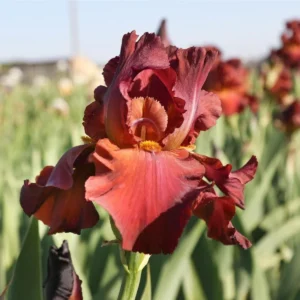
Flower Plants
Red Reblooming Bearded Iris Live Plant – ‘My Friend Jonathan’ – 3.5 inch Pot – Outdoor
Sold 56 products
From $47.80
Sold 76 products
From $79.80
Sold 78 products
Original price was: $147.16.$73.58Current price is: $73.58.
Sold 63 products
$54.98
Sold 62 products
Original price was: $48.08.$24.04Current price is: $24.04.
Sold 65 products
Original price was: $23.96.$11.98Current price is: $11.98.
Sold 97 products
Original price was: $355.96.$177.98Current price is: $177.98.
Sold 68 products
Original price was: $18.98.$15.18Current price is: $15.18.
Sold 74 products
$329.98
Sold 92 products
Original price was: $319.96.$159.98Current price is: $159.98.
Sold 67 products
$43.98
Sold 80 products
Original price was: $58.14.$29.07Current price is: $29.07.
Sold 56 products
$35.18
Sold 56 products
Original price was: $39.68.$19.84Current price is: $19.84.
Sold 72 products
From $67.80



Reviews
There are no reviews yet.