
Dwarf Crested Iris Bare-root Plant – Wild Iris Cristata – 4-9 Inch Tall
From $59.96
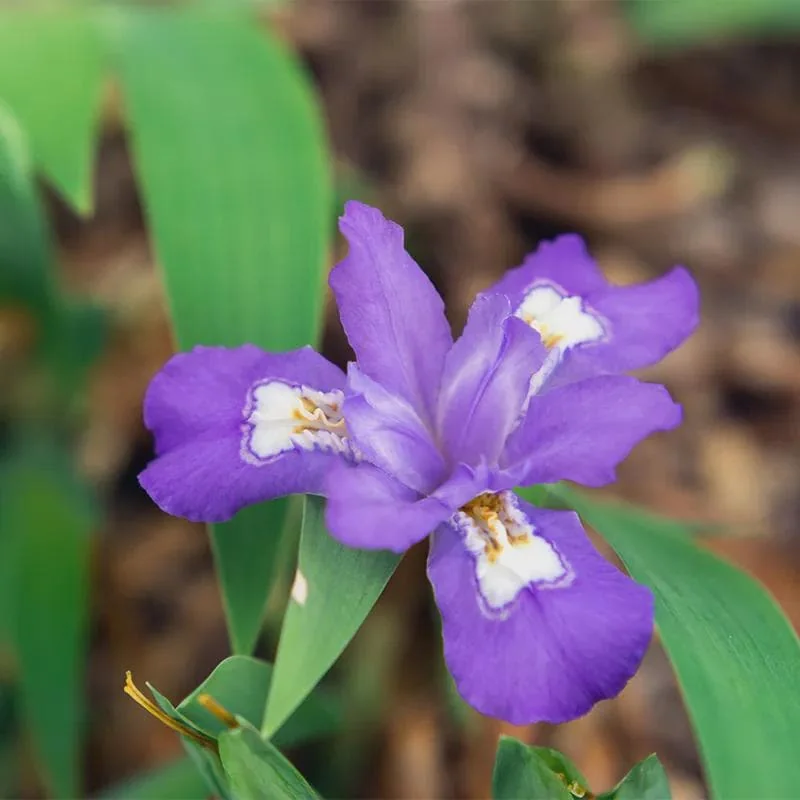
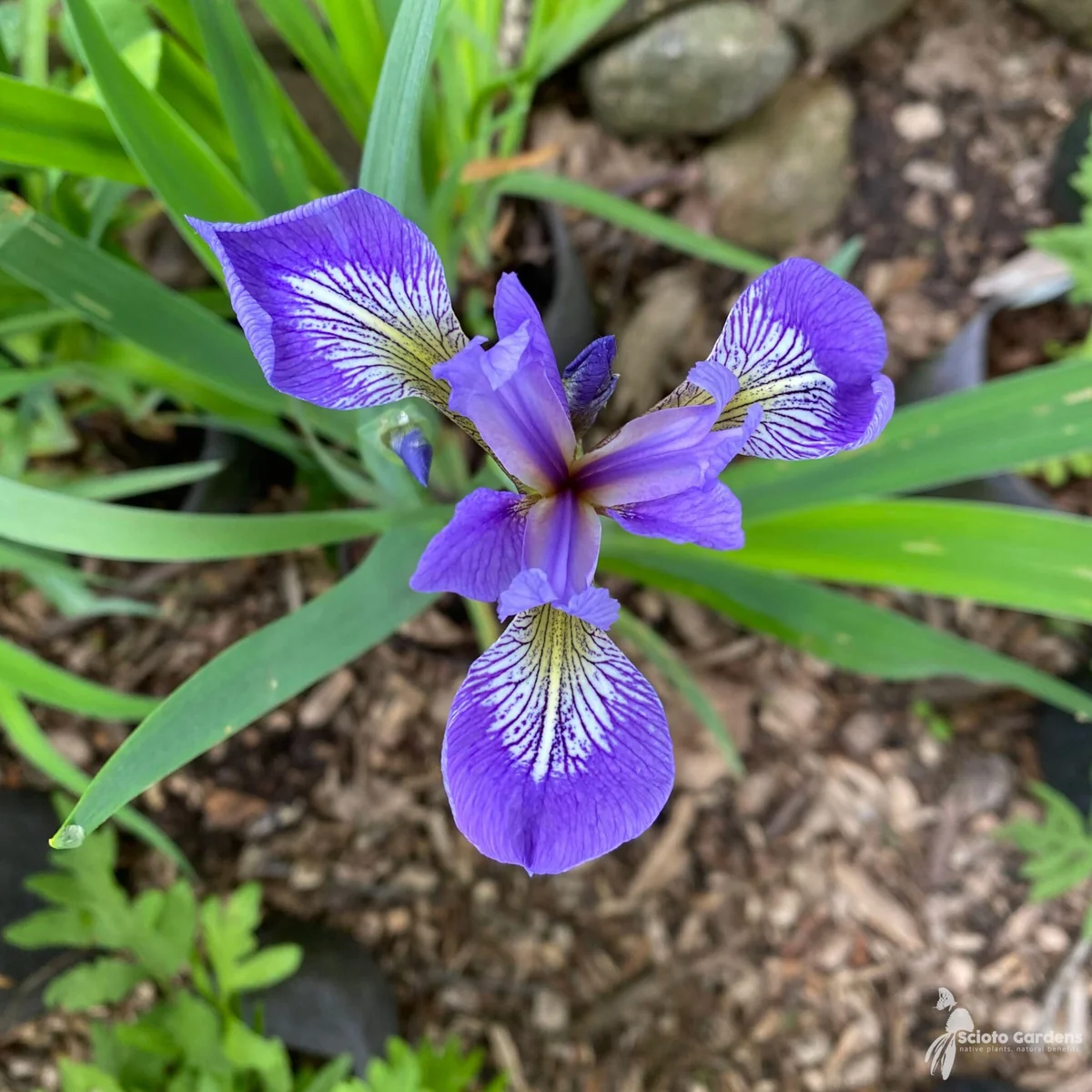
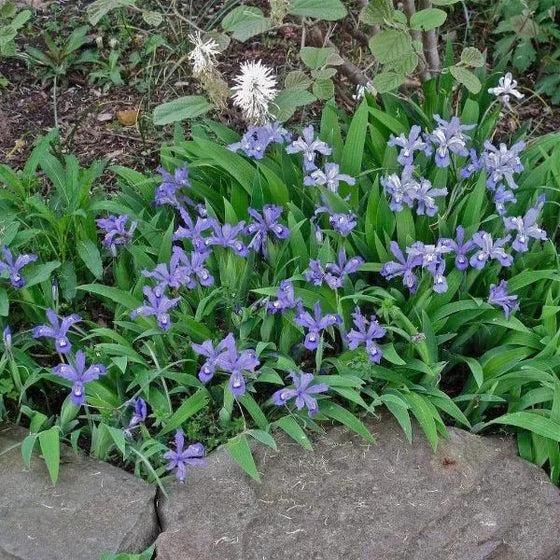
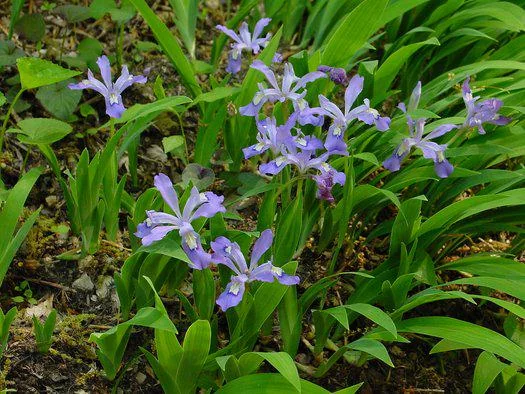
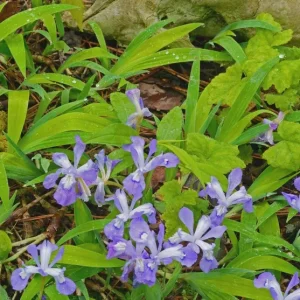
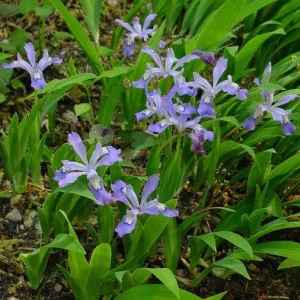
Enhance your garden with the beautiful dwarf crested iris bare-root plant. This native, low-growing perennial forms dense colonies, offering stunning pale blue to lavender flowers with gold crests in early spring. Ideal for groundcover and woodland settings, it’s also deer-resistant.
-
USDA Hardiness Zone
USDA zones 3-9 -
Soil Type
Rich, well-draining soil -
Sunlight Exposure
Partial sun to partial shade -
Expected Planting Period
Early spring or fall

You can track your order HERE
Mar 03
Mar 08 - Mar 10
Mar 13 - Mar 17
Shipping and return policies: Our Alive & Thrive Guarantee covers issues with your plants within the first 30 days. Reach out to us. Our team will answer your questions and help you find the plants that are truly suitable for your environment, climate, and personal preferences.

Overview
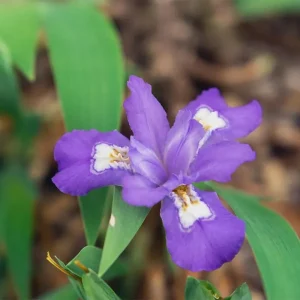
Introduce a touch of natural elegance to your landscape with the dwarf crested iris bare-root. This charming perennial, scientifically known as Iris cristata, is a fascinating native iris species originating from the eastern United States. Celebrated for its compact size and striking blooms, the dwarf crested iris bare-root is a low-growing plant that effortlessly forms dense, lush colonies through its rhizomatous spread. Its ability to thrive as an effective groundcover makes it a popular choice for various garden designs. In early spring, this remarkable plant unfurls delicate flowers in shades of pale blue, lilac, or lavender, each adorned with distinctive gold crests, creating a captivating display. As a native iris species, it brings ecological value and beauty to any garden.
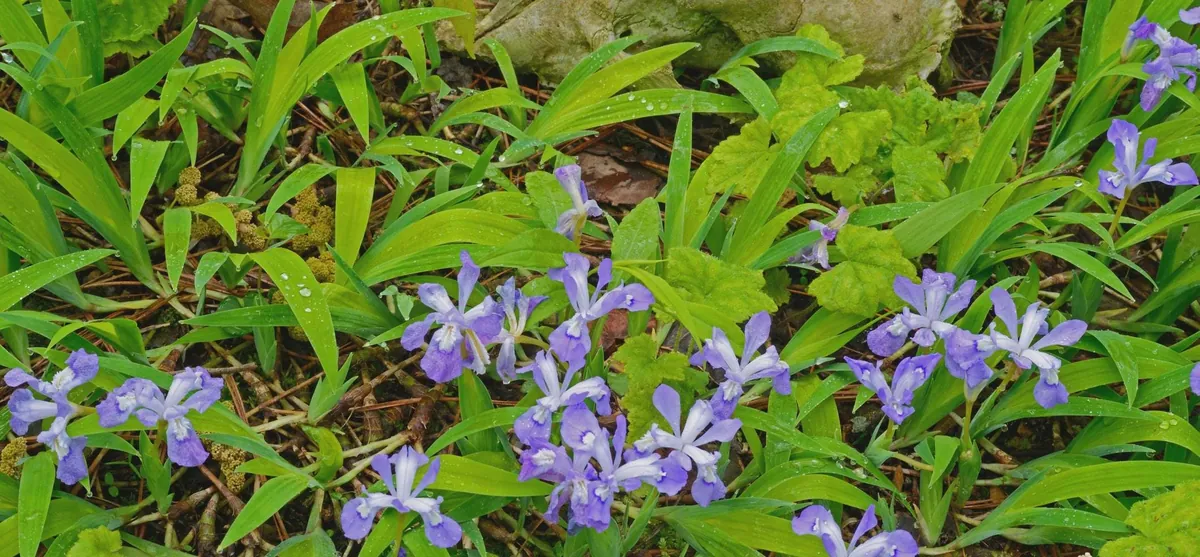
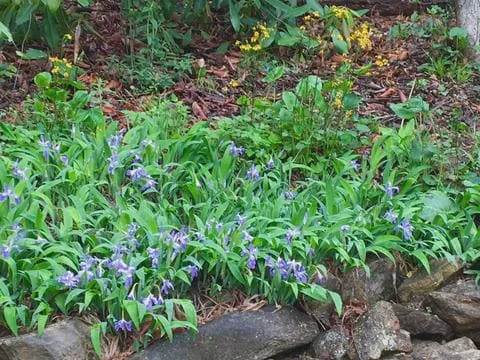
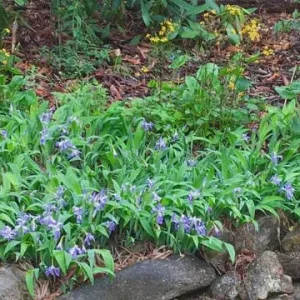
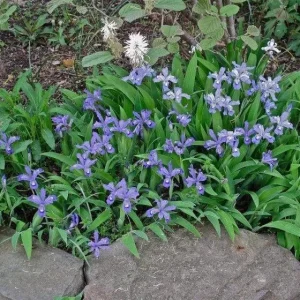
The wild iris cristata is a beloved member of the Iridaceae family, known for its resilience and adaptability. Reaching a modest height of only 4-9 inches, it spreads gracefully to create a vibrant groundcover, particularly in its preferred peaty woodland habitats. Beyond its ornamental appeal, this plant is an excellent choice for adding early spring color to partly shady areas, making it perfect for rock gardens and woodland sites. Even after its beautiful blooms fade, the foliage continues to provide attractive ground cover, maintaining visual interest throughout the growing season. This makes it a versatile and valuable addition to any garden aiming for both beauty and ecological benefit.
Key Benefits
The dwarf crested iris bare-root offers a multitude of benefits, making it an exceptional choice for gardeners seeking both beauty and practicality. Its unique characteristics contribute to a vibrant and resilient garden space.
- Stunning Early Spring Blooms: Enjoy a spectacular display of pale blue, lilac, or lavender flowers, each with a distinctive gold crest, bringing vibrant color to your garden when many other plants are just beginning to emerge. This early bloom period provides essential nectar for early pollinators.
- Excellent Groundcover Solution: This low-growing perennial spreads effectively via rhizomes, forming dense colonies that suppress weeds and provide an attractive, lush green carpet in challenging areas. Its natural spreading habit makes it a perfect choice for filling in bare spots.
- Deer Resistant: Gardeners in areas with deer populations will appreciate that the dwarf crested iris bare-root is naturally resistant to deer damage, ensuring its beauty remains intact without the need for constant protection.
- Adaptable to Difficult Shades: While preferring partial sun to partial shade, this robust plant can tolerate dry shade, a notoriously difficult environment for many plants. This makes it a versatile option for various light conditions in your landscape.
- Low Maintenance: Once established, the wild iris cristata requires minimal care, making it an ideal choice for busy gardeners or those looking for an easy-to-grow plant. It thrives with little intervention, allowing you more time to enjoy your garden.
- Native Plant Benefits: As a native iris species, it supports local ecosystems by providing habitat and food sources for native wildlife, contributing to biodiversity and ecological balance in your garden.
- Versatile Landscape Use: Perfect for rock gardens, woodland borders, perennial beds, or as a naturalized groundcover, its compact size and spreading habit allow for diverse applications in your garden design.
Plant Care & Growing Tips
Caring for your dwarf crested iris bare-root is straightforward, making it an excellent choice for gardeners of all experience levels. Understanding its specific needs will ensure a thriving and floriferous plant. This plant prefers partial sun to partial shade. In its native habitat, it often grows under the dappled light of deciduous trees, so aim to replicate these conditions. While it can tolerate full sun, more moisture will be required to prevent stress, especially in warmer climates. Conversely, it’s remarkably adaptable to dry shade, a challenging spot where many other plants struggle, though blooms might be less prolific in very deep shade.
For optimal growth, the wild iris cristata thrives in rich, well-drained soil. Good drainage is crucial to prevent rhizome rot. While it appreciates fertile soil, avoid overly rich conditions, as this can encourage excessive foliage growth at the expense of flowering. A balanced soil composition will promote healthy root development and abundant blooms. Water regularly during dry periods, especially during its establishment phase and when grown in sunnier locations. Once established, it is relatively drought-tolerant, particularly in shadier spots. Fertilization is generally not heavily required; a light application of a balanced, slow-release fertilizer in early spring can be beneficial but is often unnecessary in rich soil.
The dwarf iris plant care routine also includes monitoring for pests and diseases, though this species is generally quite robust. Division every few years, typically in late summer or early fall, can help rejuvenate older colonies and prevent overcrowding, ensuring continued vigorous growth and blooming. This process also provides opportunities to expand your garden or share with friends. Its natural resistance to deer damage makes it a worry-free addition to many landscapes, allowing you to enjoy its beauty without constant vigilance. For a healthy and vibrant crested iris groundcover, focus on providing the right balance of light, well-draining soil, and occasional watering.
Size & Details
The dwarf crested iris bare-root is a compact and charming perennial that typically reaches a height of 4-9 inches (10-23 cm) with a similar spread, forming a dense groundcover. This plant is shipped as a bare-root specimen, meaning it arrives without soil or a pot, ready for immediate planting in your garden. Bare-root plants establish quickly once planted, developing a robust root system. Expect it to begin spreading and forming colonies within the first growing season. Blooms typically appear in early spring, usually from April to May, depending on your specific climate and growing conditions. Its growth rate is moderate, steadily expanding its footprint over time to create a lush carpet of foliage and flowers. The mature size makes it ideal for front borders, rock gardens, and underplanting taller shrubs.
Frequently Asked Questions
- Q: How big does this plant get? A: The dwarf crested iris bare-root typically grows to a compact height of 4-9 inches tall and spreads to form a dense groundcover through its rhizomes.
- Q: Is this an indoor or outdoor plant? A: This is primarily an outdoor plant, ideally suited for woodland gardens, rock gardens, and perennial borders. It thrives in outdoor conditions.
- Q: How much sunlight does it need? A: The wild iris cristata prefers partial sun to partial shade. It can tolerate full sun with more moisture, and is also known to grow in dry shade, making it quite versatile.
- Q: Is this plant easy to care for? A: Yes, the dwarf iris plant care is considered low-maintenance once established. It’s a robust plant that generally requires minimal intervention.
- Q: How long until it blooms? A: The dwarf crested iris bare-root typically blooms in early spring, usually from April to May, after it has had a chance to establish itself.
- Q: What condition will it arrive in? A: This plant will arrive as a bare-root specimen, which means it will be dormant and ready for planting directly into your garden soil.
- Q: When is the best time to plant? A: Bare-root plants like the crested iris groundcover are best planted in early spring or fall when the weather is cool and moist, allowing for optimal root establishment.
- Q: Will it survive winter in my zone? A: The native iris species is hardy and typically thrives in USDA zones 3-9, making it suitable for a wide range of climates.
- Q: Is this plant resistant to deer? A: Yes, a significant benefit of the dwarf crested iris bare-root is its natural resistance to deer, making it a great choice for gardens where deer are a concern.
- Q: What type of soil does it prefer? A: It prefers rich, well-drained soil, but is also adaptable to difficult-to-manage dry shade. Good drainage is key to its health.
| Wild Iris | 10, 15 |
|---|
Be the first to review “Dwarf Crested Iris Bare-root Plant – Wild Iris Cristata – 4-9 Inch Tall”
People Also Viewed
Sold 91 products
Original price was: $111.96.$55.98Current price is: $55.98.

Sold 83 products
Original price was: $70.36.$35.18Current price is: $35.18.
HousePlants
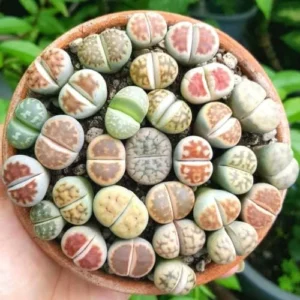
Lithops Live Plants Mix – 30 Colorful Succulents – Living Stones for Indoor/Outdoor Planting
Sold 73 products
Original price was: $65.98.$32.99Current price is: $32.99.
Sold 74 products
Original price was: $39.98.$19.99Current price is: $19.99.
Sold 89 products
Original price was: $191.80.$95.90Current price is: $95.90.
Sold 73 products
$48.38
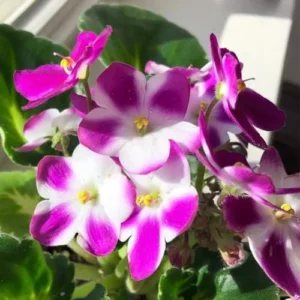
Flower Plants
African Violet Live Plant – Pink White Flower Houseplant 4 Inch Pot Indoor Ready to Grow
Sold 51 products
Original price was: $63.98.$31.99Current price is: $31.99.
Sold 94 products
Original price was: $50.97.$16.99Current price is: $16.99.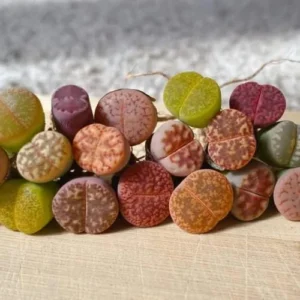
Sold 76 products
Original price was: $39.98.$19.99Current price is: $19.99.
Sold 65 products
$93.90
Sold 87 products
From $47.80
Sold 77 products
Original price was: $45.98.$22.99Current price is: $22.99.
Sold 73 products
Original price was: $283.96.$141.98Current price is: $141.98.
Sold 65 products
Original price was: $61.98.$49.58Current price is: $49.58.
Sold 83 products
Original price was: $312.00.$156.00Current price is: $156.00.
Sold 96 products
Original price was: $39.99.$25.99Current price is: $25.99.
Flower Bulbs
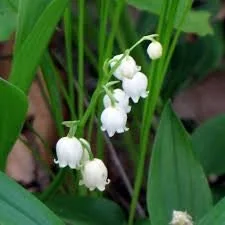
Lily of the Valley Bulbs – Convallaria Majalis – Fragrant White Flowers for Shade Garden
Sold 53 products
From $79.80



Reviews
There are no reviews yet.