
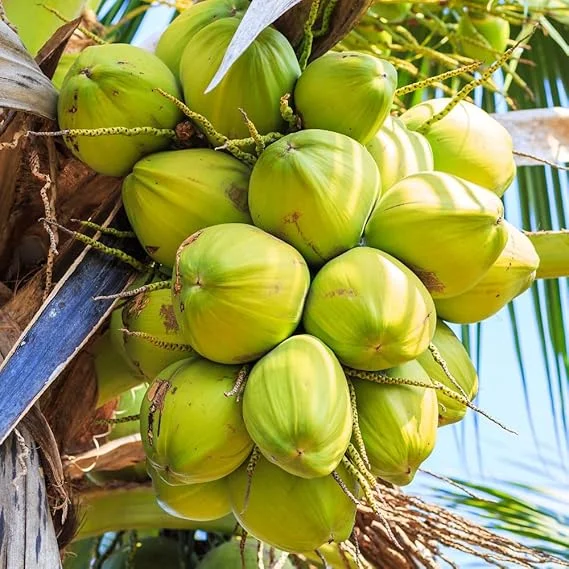
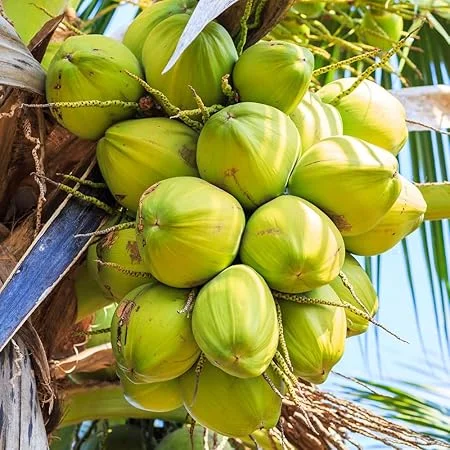
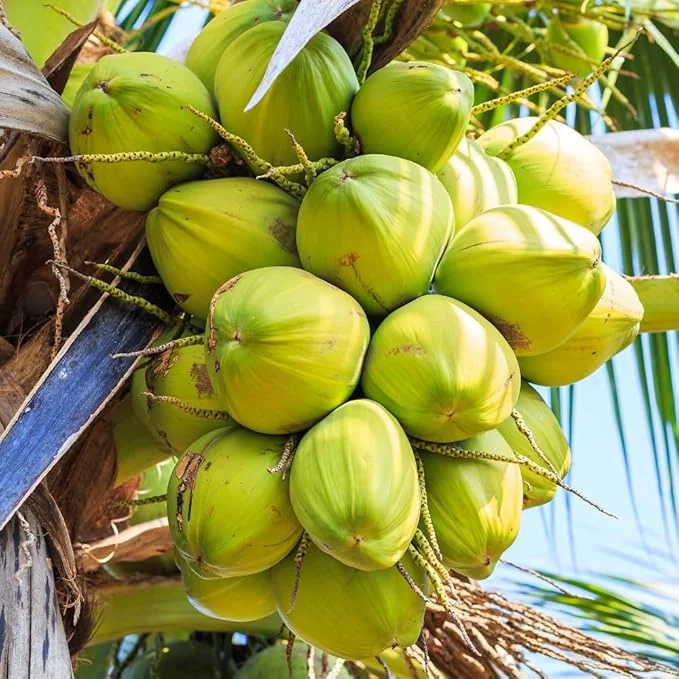
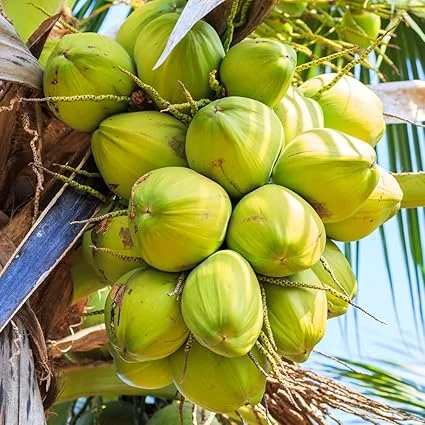
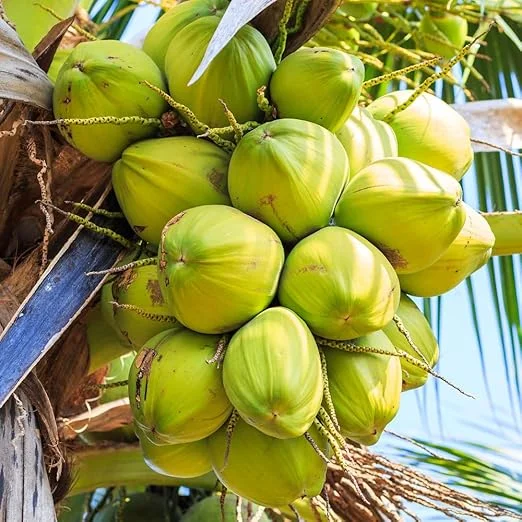
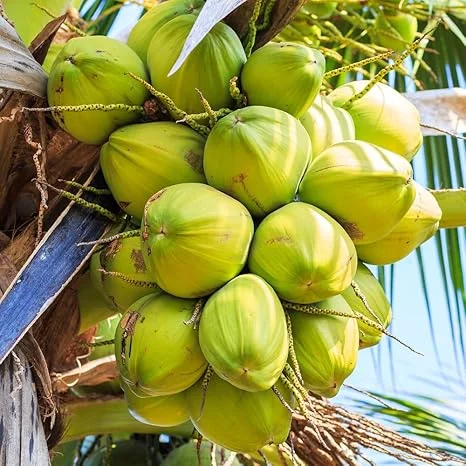
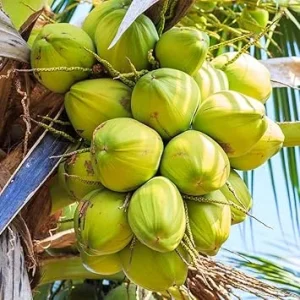
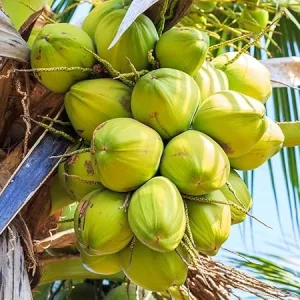
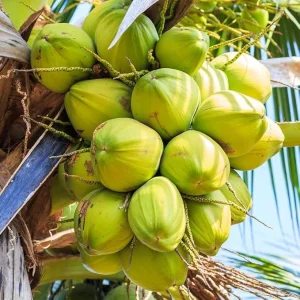
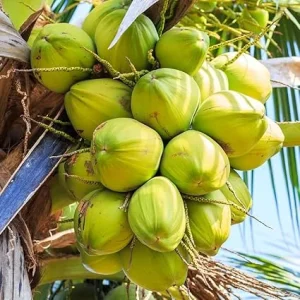
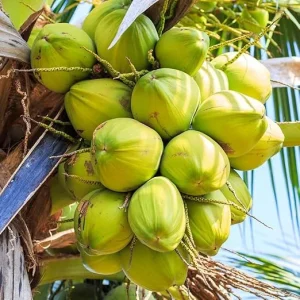
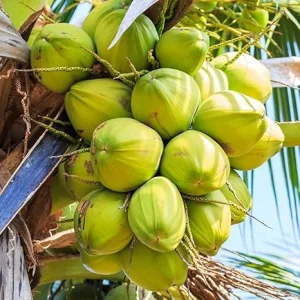
Dwarf Coconut Tree Live Plant – 2-3 Feet Tall Tropical Fruit for Indoor & Outdoor
$175.98
Cultivate a taste of the tropics with this dwarf coconut tree live plant, standing 2 to 3 feet tall. Ideal for both indoor and outdoor settings, this plant promises lush foliage and the potential for delicious green and yellow coconuts. Enjoy the beauty and bounty of a tropical fruit plant in your own home or garden.
-
USDA Hardiness Zone
10-11 -
Soil Type
Well-drained, sandy loam -
Sunlight Exposure
Full Sun -
Expected Planting Period
Year-round indoors; Spring to early summer outdoors

You can track your order HERE
Feb 14
Feb 19 - Feb 21
Feb 24 - Feb 28
Shipping and return policies: Our Alive & Thrive Guarantee covers issues with your plants within the first 30 days. Reach out to us. Our team will answer your questions and help you find the plants that are truly suitable for your environment, climate, and personal preferences.

Overview
Bring the allure of the tropics to your home or garden with this stunning dwarf coconut tree live plant. Sourced from well-rooted stock and standing proudly between 2 to 3 feet tall, this vibrant specimen is perfect for anyone looking to cultivate an exotic touch. Unlike its towering relatives, a dwarf coconut tree live plant offers a more manageable size for various growing environments, making it an excellent choice for both experienced gardeners and enthusiastic beginners. Imagine harvesting your own fresh coconuts, whether green or yellow, from a plant you’ve nurtured from the ground up. This tropical beauty, scientifically known as Cocos nucifera, is not just a fruit producer but also a magnificent ornamental plant, adding a lush, resort-like feel to any space. Its relatively compact nature means you can enjoy the benefits of a coconut tree without the immense scale of traditional varieties.
This particular tropical fruit plant is well-suited for a variety of climates, thriving in warmer regions but also adaptable to indoor cultivation in cooler zones. Its robust root system ensures a strong start, allowing you to establish it with confidence. The promise of fresh, homegrown coconuts, rich in flavor and nutrients, is a truly rewarding experience. Whether you dream of a backyard oasis or a unique indoor plant, this dwarf coconut tree offers an exciting opportunity to connect with nature’s bounty.
Key Benefits
Beyond its exotic appeal, the dwarf coconut tree live plant offers a multitude of benefits for both the gardener and the environment. Growing your own tropical plant can be an incredibly fulfilling experience, providing both aesthetic pleasure and practical rewards.
- Homegrown Tropical Fruit: Experience the joy of harvesting your own fresh green and yellow coconuts. These can be used for refreshing drinks, culinary creations, or simply enjoyed straight from the shell. Having a coconut fruit plant at your fingertips is a unique convenience.
- Stunning Ornamental Value: With its tall, slender trunk and graceful, arching fronds, this plant creates a dramatic focal point. It instantly transforms any space into a tropical paradise, enhancing curb appeal or adding an exotic touch to interior decor.
- Adaptable for Indoor & Outdoor Growth: While thriving outdoors in USDA Zones 10-11, this indoor coconut tree can also flourish in containers, allowing you to bring it indoors during colder months. This versatility ensures you can enjoy its beauty year-round.
- Low Maintenance & Resilient: Once established, the dwarf coconut tree is relatively low maintenance. It requires consistent watering and full sun, but doesn’t demand constant attention, making it suitable for those with busy lifestyles.
- Air Purification: Like many large-leaved plants, the coconut tree contributes to better air quality by absorbing carbon dioxide and releasing oxygen, creating a healthier living environment.
- Educational Experience: Growing a tropical fruit producer like this provides an excellent educational opportunity for families, teaching about plant life cycles, tropical ecosystems, and sustainable living.
- Unique Gift Idea: A dwarf coconut tree live plant makes an unforgettable and unique gift for plant enthusiasts, gardeners, or anyone who appreciates exotic flora. It’s a living gift that continues to give.
Plant Care & Growing Tips
Caring for your dwarf coconut tree live plant is straightforward, provided you understand its tropical origins and replicate those conditions as closely as possible. Success hinges on providing ample sunlight, consistent moisture, and well-draining soil. These plants thrive in conditions that mimic their native habitats, which are typically warm and humid.
Sunlight Requirements: This plant absolutely craves sunlight. It requires full, direct sun exposure for at least 6-8 hours daily to grow vigorously and produce fruit. If growing outdoors, choose a location that receives unobstructed sunlight throughout the day. For an indoor coconut tree, place it near your brightest south-facing window or under powerful grow lights to ensure it gets sufficient light. Insufficient light can lead to stunted growth and yellowing fronds. Rotate the plant periodically if indoors to ensure even light distribution and growth.
Watering and Soil Moisture: Coconut trees need consistently moist, but not waterlogged, soil. Water thoroughly when the top 1-2 inches of soil feel dry to the touch. During warmer months, this might mean daily watering, especially for container-grown plants. Reduce watering slightly in cooler, less active periods. Ensure excellent drainage to prevent root rot, which is a common issue for plants in overly wet conditions. A good indicator is water draining from the bottom of the pot within minutes of watering. This consistent moisture is crucial for a healthy tropical fruit plant.
Soil Type and Drainage: The ideal soil for a dwarf coconut tree is well-draining, sandy, and rich in organic matter. A mix formulated for palms or tropical plants is excellent. You can create your own by combining sandy loam with compost or peat moss. Good drainage is paramount; stagnant water will quickly harm the roots. The soil should be kept evenly moist but never soggy. This specific requirement is vital for the health of your outdoor coconut plant or indoor specimen.
Temperature Range and USDA Hardiness Zone: Coconut trees are tropical and are highly sensitive to cold. They thrive in temperatures between 70°F and 95°F (21°C-35°C). They are suitable for outdoor cultivation year-round in USDA Hardiness Zones 10-11, where temperatures rarely drop below 30°F (-1°C). If you live in a cooler zone, you must grow your dwarf coconut tree live plant in a container and bring it indoors when temperatures drop below 50°F (10°C). Protect them from cold drafts and sudden temperature fluctuations.
Fertilization: Fertilize your plant every 2-3 months during the growing season (spring through fall) with a balanced, slow-release fertilizer rich in potassium and magnesium, specifically formulated for palms or tropical fruit trees. Follow the product instructions carefully to avoid over-fertilization, which can burn the roots. Reduced fertilization is recommended during winter months when growth slows.
Common Problems: Watch out for common pests like spider mites, mealybugs, and scale insects, especially on indoor plants. Treat infestations promptly with insecticidal soap or neem oil. Yellowing fronds can indicate nutrient deficiency (often magnesium or potassium), overwatering, or insufficient sunlight. Brown tips usually suggest underwatering or low humidity. Addressing these issues quickly will help maintain a healthy coconut fruit plant.
Size & Details
This dwarf coconut tree live plant is well-rooted and typically stands between 2 to 3 feet tall upon arrival, measured from the base of the pot to the tip of the tallest frond. While called “dwarf,” these trees can still reach a mature height of 30 feet or more when fully grown in ideal conditions, though they mature slower and remain more compact than traditional varieties. They are shipped as a single, established plant, ready for transplanting into a larger pot or directly into the ground, depending on your climate and growing preferences. The plant will have a healthy root ball, ensuring a smoother transition to its new environment. Expect a moderate growth rate, with new fronds appearing regularly under optimal care. Fruit production typically begins after 5-7 years for dwarf varieties, offering a long-term reward for your cultivation efforts. The overall dimensions of the shipped product, including packaging, are approximately 28 x 6 x 6 inches, ensuring it arrives safely and securely.
Frequently Asked Questions
- Q: How big does this dwarf coconut tree get? A: While this dwarf coconut tree live plant arrives 2-3 feet tall, it can eventually reach a mature height of 30 feet or more under ideal outdoor conditions. Indoors, its size will be more restricted by pot size and ceiling height, typically remaining smaller.
- Q: Is this an indoor or outdoor plant? A: This tropical fruit plant can be grown both indoors and outdoors. It thrives outdoors year-round in USDA Zones 10-11. In cooler climates, it must be grown in a container and brought indoors during colder months as an indoor coconut tree.
- Q: How much sunlight does it need? A: A dwarf coconut tree requires full, direct sunlight for at least 6-8 hours a day to grow optimally and produce fruit. Ensure it receives ample bright light, especially if grown indoors.
- Q: Is this plant easy to care for? A: Once established, the dwarf coconut tree live plant is considered relatively low maintenance. Its main requirements are consistent full sun, regular watering, and well-draining soil. It’s a great choice for those who can provide these specific conditions.
- Q: What condition will it arrive in? A: Your plant will arrive well-rooted and healthy, carefully packaged to minimize stress during transit. It will be a live plant, ready for immediate planting or repotting upon arrival.
- Q: Can I really get coconuts from this plant? A: Yes, with proper care and sufficient maturity (typically 5-7 years), this coconut fruit plant has the potential to produce green and yellow coconuts. Providing optimal growing conditions will increase your chances of a successful harvest.
- Q: What type of soil is best for a dwarf coconut tree? A: A well-draining, sandy soil rich in organic matter is ideal. You can use a specific palm mix or create your own with sand, loam, and compost to ensure proper drainage and aeration for the roots of your outdoor coconut plant.
- Q: How often should I water my coconut tree? A: Water thoroughly when the top 1-2 inches of soil feel dry. The frequency will depend on temperature, humidity, and pot size, but it’s crucial to keep the soil consistently moist but never waterlogged.
- Q: What is the minimum temperature this plant can tolerate? A: This tropical plant is sensitive to cold. It should not be exposed to temperatures below 50°F (10°C) for extended periods. Protect it from frost if growing outdoors in marginal zones.
- Q: When is the best time to plant a dwarf coconut tree? A: The best time to plant is in spring or early summer, allowing the plant ample time to establish itself before cooler temperatures arrive. For indoor plants, planting can be done year-round.
Be the first to review “Dwarf Coconut Tree Live Plant – 2-3 Feet Tall Tropical Fruit for Indoor & Outdoor”
People Also Viewed
Sold 90 products
Original price was: $107.80.$53.90Current price is: $53.90.
Sold 94 products
Original price was: $300.00.$150.00Current price is: $150.00.
Sold 72 products
Original price was: $59.98.$29.99Current price is: $29.99.
Sold 100 products
Original price was: $28.76.$14.38Current price is: $14.38.
Sold 56 products
Original price was: $60.00.$48.00Current price is: $48.00.
Sold 96 products
$48.38
Sold 78 products
Original price was: $51.80.$25.90Current price is: $25.90.
Sold 98 products
Original price was: $35.98.$17.99Current price is: $17.99.
Sold 96 products
Original price was: $39.98.$19.99Current price is: $19.99.
Sold 97 products
From $43.98
Sold 65 products
$43.98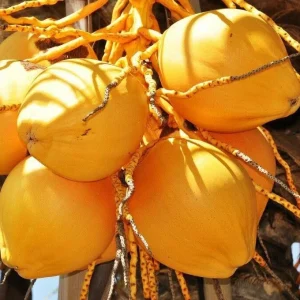
Sold 70 products
Original price was: $107.96.$53.98Current price is: $53.98.
Sold 69 products
$35.18

Sold 93 products
Original price was: $51.96.$25.98Current price is: $25.98.
Sold 86 products
Original price was: $46.99.$26.99Current price is: $26.99.
Sold 95 products
Original price was: $39.98.$19.99Current price is: $19.99.
Sold 83 products
From $61.58
Sold 86 products
Original price was: $607.96.$303.98Current price is: $303.98.


Reviews
There are no reviews yet.