
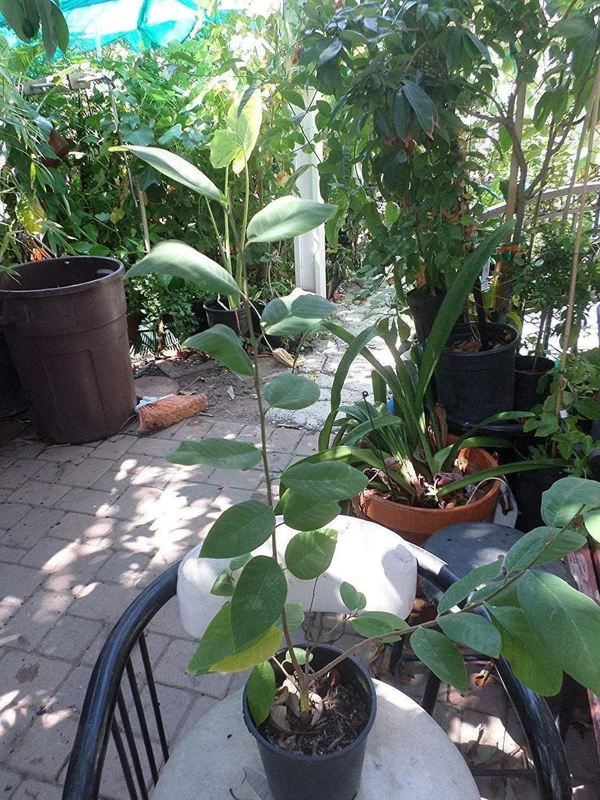
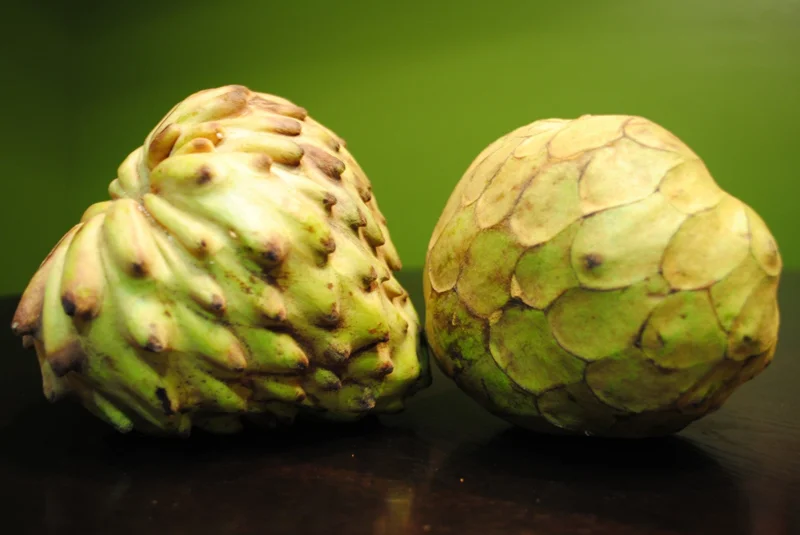
Dr. White Cherimoya Live Plant – Grafted Tree – 3-4 ft Tall – Ship in 3 Gal Pot
Original price was: $391.96.$195.98Current price is: $195.98.
Cultivate your own exotic fruit with the Dr. White Cherimoya live plant. This grafted cherimoya tree stands 3 to 4 feet tall and ships in a 3-gallon pot, ready to thrive. Enjoy sweet, juicy fruit from this popular variety.
-
USDA Hardiness Zone
USDA Zones 9-11 -
Soil Type
Well-draining, rich, sandy loam -
Sunlight Exposure
Full sun -
Expected Planting Period
Spring to early summer

You can track your order HERE
Mar 01
Mar 06 - Mar 08
Mar 11 - Mar 15
Shipping and return policies: Our Alive & Thrive Guarantee covers issues with your plants within the first 30 days. Reach out to us. Our team will answer your questions and help you find the plants that are truly suitable for your environment, climate, and personal preferences.

Overview
Bring the taste of the tropics to your home with the Dr. White Cherimoya live plant. Revered for its exceptional flavor and texture, the Cherimoya, scientifically known as Annona cherimola, is a highly sought-after fruit tree. The ‘Dr. White’ variety is particularly prized for its large, sweet, and juicy fruits, which possess a mild, delightful cherimoya flavor. This vigorous tree is a favorite among both commercial growers and home gardeners due to its reliable production and superior fruit quality. Our Dr. White Cherimoya live plant comes as a robust, grafted tree, ensuring it retains the desirable characteristics of the parent plant and reaches maturity faster, allowing you to enjoy its delicious bounty sooner. It’s an excellent choice for anyone looking to add a unique and rewarding fruit-bearing tree to their garden or patio.
This particular specimen is a healthy, well-established grafted cherimoya tree, measuring between 3 to 4 feet tall. It is shipped carefully in a 3-gallon pot, providing a strong root system to help it acclimate quickly to its new environment. Cherimoyas are often called ‘custard apples’ due to their creamy, aromatic flesh, which offers a delightful blend of pineapple, banana, and strawberry notes. Growing your own means you can savor the freshest possible fruit, straight from your garden. Whether you’re an experienced fruit tree enthusiast or a budding gardener, the Dr. White Cherimoya offers a rewarding cultivation experience and an abundance of delectable fruit.
Key Benefits
The Dr. White Cherimoya live plant offers numerous advantages, making it a valuable addition to any garden:
- Exceptional Fruit Quality: Produces large, sweet, and incredibly juicy fruits with a mild, delightful flavor that is highly favored by many. This variety is known for its superior taste and creamy texture, often described as a tropical custard.
- Grafted for Success: Being a grafted tree, it ensures genetic consistency with the parent plant, leading to predictable fruit quality and earlier fruiting compared to seed-grown trees. Grafting also promotes stronger, more resilient growth.
- Strong Growth Habit: This variety is known for its robust growth and good production, making it a reliable choice for consistent harvests. It adapts well to various growing conditions within its hardiness zones.
- Ornamental Appeal: Beyond its delicious fruit, the cherimoya tree has attractive foliage, adding a tropical aesthetic to your landscape or patio. Its lush green leaves provide a beautiful backdrop for the developing fruit.
- Commercial Popularity: The ‘Dr. White’ cherimoya is a popular choice among commercial growers, which speaks to its consistent quality and market desirability. This means you’re growing a proven, high-value fruit.
- Garden Freshness: Enjoy the unparalleled taste of freshly picked cherimoya fruit, free from the handling and transportation associated with store-bought produce.
- Rewarding Experience: Cultivating your own cherimoya fruit tree provides immense satisfaction as you watch it grow and bear delicious fruit. It’s a fantastic project for any fruit enthusiast.
Plant Care & Growing Tips
Caring for your Dr. White Cherimoya live plant ensures a bountiful harvest. Cherimoyas thrive in a subtropical climate, appreciating consistent warmth. They prefer a location with full sun, ideally receiving at least 6-8 hours of direct sunlight per day. While they can tolerate some partial shade, especially in hotter climates, ample sunlight is crucial for fruit development and sweetness. When planting, ensure good air circulation around the tree to prevent fungal issues. If growing in a container, choose a large pot (at least 15-20 gallons) to accommodate its root system as it grows.
Watering is critical, especially during dry periods and when the tree is actively fruiting. Cherimoyas prefer consistently moist, but not waterlogged, soil. Allow the top inch or two of soil to dry out slightly between waterings. Overwatering can lead to root rot, so good drainage is essential. Use a well-draining soil mix; a sandy loam with plenty of organic matter is ideal. Fertilize your cherimoya fruit tree with a balanced fertilizer, such as a 8-8-8 or 10-10-10 NPK, applied monthly during the growing season (spring through summer). Reduce feeding in fall and winter. Pruning is important to maintain the tree’s shape, remove dead or diseased branches, and encourage fruit production. Light pruning in late winter or early spring is generally sufficient. Hand-pollination can significantly increase fruit set, especially in areas with limited natural pollinators.
Protect your how to grow cherimoya in colder climates. While cherimoyas can tolerate brief dips to 25-28°F, prolonged exposure to freezing temperatures can damage the tree. Consider bringing potted plants indoors or providing frost protection for in-ground trees. Watch out for common pests like mealybugs and scale insects, treating them with horticultural oil or insecticidal soap if necessary. With proper cherimoya plant care, your tree will reward you with years of delicious, homegrown fruit. Regular inspection for any signs of stress or disease will help maintain a healthy and productive tree.
Size & Details
This Dr. White Cherimoya live plant is a robust, actively growing specimen, measuring approximately 3 to 4 feet in height from the base of the pot to the top of the foliage. It is a grafted tree, ensuring true-to-type characteristics and a quicker path to fruiting. The plant is shipped securely in a 3-gallon nursery pot, providing a well-developed root system ready for transplanting. Cherimoya trees typically have a moderate growth rate, and with proper care, this tree will continue to grow and develop into a productive fruit-bearer. Expect the tree to begin producing fruit within 2-4 years of planting, with yields increasing as the tree matures. The mature size of a cherimoya tree can range from 15 to 30 feet tall, depending on growing conditions and pruning practices, but it can be maintained at a smaller size with regular pruning.
Frequently Asked Questions
- Q: How big does this plant get? A: This Dr. White Cherimoya live plant is currently 3 to 4 feet tall. Mature cherimoya trees can reach 15-30 feet, but can be kept smaller with regular pruning, making them suitable for various garden sizes or large containers.
- Q: What size pot does it come in? A: The tree is shipped in a 3-gallon nursery pot, which is ideal for its current size and provides a healthy root system for successful transplanting into your garden or a larger container.
- Q: Is this an indoor or outdoor plant? A: Cherimoyas are typically grown outdoors in subtropical climates (USDA Zones 9-11). In colder regions, they can be grown in large containers and brought indoors during winter, or cultivated in a greenhouse. This makes it a versatile grafted cherimoya tree.
- Q: How much sunlight does it need? A: For optimal growth and fruit production, the Dr. White Cherimoya live plant requires full sun, meaning at least 6-8 hours of direct sunlight per day. Some afternoon shade can be beneficial in very hot climates.
- Q: Is this plant easy to care for? A: While cherimoyas require specific care regarding watering, sunlight, and frost protection, they are generally considered moderately easy to care for, especially for those familiar with fruit trees. Following our cherimoya plant care tips will ensure success.
- Q: What condition will it arrive in? A: Your Dr. White Cherimoya live plant will arrive as a healthy, actively growing tree in its 3-gallon pot, carefully packaged to ensure minimal stress during transit. We take great care to ensure it reaches you in excellent condition.
- Q: How long until it blooms and fruits? A: As a grafted tree, this cherimoya typically begins to bloom and produce fruit within 2-4 years of planting, much faster than trees grown from seed. Fruiting will increase as the tree matures.
- Q: When is the best time to plant? A: The best time to plant your grafted cherimoya tree is in spring or early summer after the danger of frost has passed, allowing it ample time to establish before cooler temperatures.
- Q: Will it survive winter in my zone? A: Cherimoyas are hardy in USDA Zones 9-11. If you are in a colder zone, you will need to provide frost protection or grow the tree in a container that can be moved indoors during winter months. This is crucial for how to grow cherimoya in non-tropical areas.
- Q: What does the fruit taste like? A: The Dr. White Cherimoya fruit is known for its sweet, juicy, and creamy flesh, often described as having a mild, delightful flavor reminiscent of a blend of banana, pineapple, and strawberry.
Be the first to review “Dr. White Cherimoya Live Plant – Grafted Tree – 3-4 ft Tall – Ship in 3 Gal Pot”
People Also Viewed
Sold 91 products
Original price was: $55.98.$27.99Current price is: $27.99.
Sold 61 products
Original price was: $33.98.$16.99Current price is: $16.99.
Sold 53 products
Original price was: $103.60.$51.80Current price is: $51.80.
HousePlants
Lithops Live Plants Mix – 30 Colorful Succulents – Living Stones for Indoor/Outdoor Planting
Sold 53 products
Original price was: $65.98.$32.99Current price is: $32.99.
Sold 80 products
Original price was: $58.14.$29.07Current price is: $29.07.
Sold 83 products
From $197.96
Sold 58 products
Original price was: $28.76.$14.38Current price is: $14.38.
Sold 97 products
$54.98
Sold 78 products
Original price was: $39.98.$19.99Current price is: $19.99.
Sold 55 products
$43.98
Sold 55 products
Original price was: $74.18.$37.09Current price is: $37.09.
Sold 65 products
Original price was: $28.76.$14.38Current price is: $14.38.
Sold 60 products
Original price was: $64.80.$32.40Current price is: $32.40.
Sold 58 products
Original price was: $161.56.$80.78Current price is: $80.78.
Sold 90 products
$87.98
Sold 79 products
$48.38
Sold 76 products
Original price was: $37.98.$18.99Current price is: $18.99.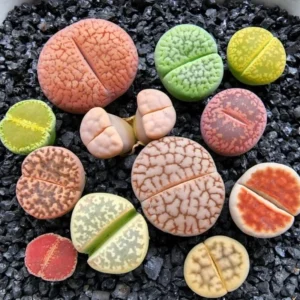
Sold 58 products
Original price was: $39.98.$19.99Current price is: $19.99.



Reviews
There are no reviews yet.