

Donut Peach Tree Live Plant – 3 to 4 Feet Tall – 3 Gallon Pot – Outdoor Fruit Tree
Original price was: $355.96.$177.98Current price is: $177.98.
Bring the joy of homegrown fruit to your garden with a donut peach tree. This 3 to 4 feet tall live plant ships in a 3-gallon pot, ready to produce unique, sweet, and juicy flat peaches. Perfect for a productive and ornamental addition to your fruit garden.
-
USDA Hardiness Zone
USDA Zones 5-8 -
Soil Type
Well-draining, slightly acidic to neutral soil (pH 6.0-7.0) -
Sunlight Exposure
Full sun (6-8+ hours direct sunlight) -
Expected Planting Period
Spring or Fall

You can track your order HERE
Mar 05
Mar 10 - Mar 12
Mar 15 - Mar 19
Shipping and return policies: Our Alive & Thrive Guarantee covers issues with your plants within the first 30 days. Reach out to us. Our team will answer your questions and help you find the plants that are truly suitable for your environment, climate, and personal preferences.

Overview
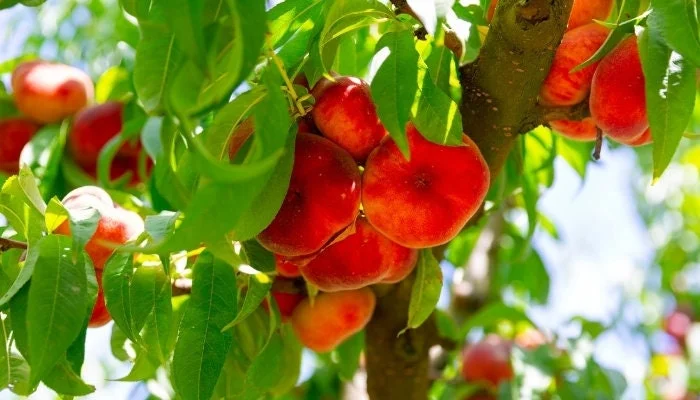
Cultivate your very own delightful fruit with this premium donut peach tree. Also known as the flat peach or saucer peach, this deciduous tree is celebrated for its distinctive, sweet, and juicy fruit. Originating from China, the donut peach live plant is an excellent choice for home gardeners seeking a productive and visually appealing addition to their landscape. This live plant, standing 3 to 4 feet tall and shipped in a 3-gallon pot, arrives ready to thrive and begin its journey towards bearing delicious fruit. Its unique flat shape and delectable flavor make the donut peach a favorite for fresh eating, baking, and preserves, offering a rewarding experience for any fruit enthusiast. Beyond its bountiful harvest, the tree also provides ornamental beauty with its charming pink blossoms in spring.
The donut peach tree is a resilient and relatively fast-growing specimen, often beginning to produce fruit within 1 to 2 years after planting. Its vigorous growth and generous yield, typically around 50 pounds of peaches per season once established, ensure a plentiful supply of these sought-after fruits. With its appealing form and delicious produce, this tree transforms any garden into a vibrant, edible oasis. Embrace the satisfaction of growing your own fresh, organic peaches right in your backyard with this robust and promising tree.
Key Benefits
Adding a donut peach tree to your garden offers numerous advantages, blending aesthetic appeal with practical, delicious rewards. This versatile fruit tree is a fantastic investment for any home orchard:
- Unique & Delicious Fruit: Enjoy the distinct, sweet, and juicy flavor of flat-shaped peaches, perfect for snacking, desserts, or preserving. The unique shape also makes them easy to eat.
- High Yield Potential: Once established, these trees can produce approximately 50 pounds of peaches per season, ensuring a generous harvest for your family and friends.
- Ornamental Value: Beyond its fruit, the tree provides beautiful pink blossoms in early spring, adding a splash of color and charm to your garden before the foliage fully emerges.
- Early Fruiting: Many donut peach live plant specimens begin to bear fruit within just 1 to 2 years of planting, offering a quicker return on your gardening effort compared to some other fruit trees.
- Versatile Use: The fruits are excellent for fresh consumption, but also hold up well in baking, canning, and making jams, providing culinary flexibility.
- Enhanced Garden Biodiversity: Attract pollinators like bees to your garden during blooming season, contributing to a healthier and more vibrant ecosystem.
- Freshness & Quality: Experience the unparalleled taste and quality of homegrown fruit, free from pesticides and picked at peak ripeness, a significant advantage over store-bought alternatives.
Plant Care & Growing Tips
Successful growing donut peaches requires attention to a few key cultural practices to ensure a healthy and productive tree. This donut peach tree thrives in full sun, meaning it needs at least 6-8 hours of direct sunlight per day to produce the best fruit and maintain vigorous growth. Choose a planting site that receives ample sunlight and has good air circulation to minimize disease pressure. When planting, ensure the graft union (the slightly swollen area on the trunk where the scion was joined to the rootstock) remains above the soil line.
Watering is crucial, especially during the establishment phase and dry periods. Provide deep, consistent watering, aiming for about 1 inch of water per week, either from rainfall or irrigation. The soil should be well-draining; avoid planting in areas where water tends to sit, as this can lead to root rot. A slightly acidic to neutral soil pH (6.0-7.0) is ideal. Fertilize your donut peach tree in early spring before new growth begins, using a balanced fertilizer designed for fruit trees. Follow the product instructions for application rates based on the tree’s age and size. Pruning is also essential for peach trees, typically done in late winter or early spring to shape the tree, remove dead or diseased branches, and encourage fruit production on strong, healthy wood. Learning proper peach tree care will ensure a bountiful harvest for years to come.
Protecting your tree from pests and diseases is an ongoing part of peach tree care. Common issues include peach leaf curl, brown rot, and various insect pests. Regular inspection and timely intervention with organic or conventional treatments can keep these problems at bay. In colder climates, consider protecting young trees from harsh winter conditions with burlap wraps or by ensuring adequate mulch around the base. The flat peach tree is generally hardy, but a little extra care can go a long way in ensuring its long-term health and productivity.
Size & Details
This donut peach tree arrives as a vibrant live plant, standing approximately 3 to 4 feet tall from the base of the rootball to the top of the foliage. It is shipped securely in a 3-gallon nursery pot, providing a well-established root system ready for transplanting into your garden. The tree features a robust trunk, indicating good maturity and health. Expected growth rate is moderate, reaching a mature height of 10-15 feet with a similar spread, depending on pruning and growing conditions. Fruits typically ripen in August, offering a late summer harvest. The tree will begin producing within 1-2 years of planting, with increasing yields as it matures.
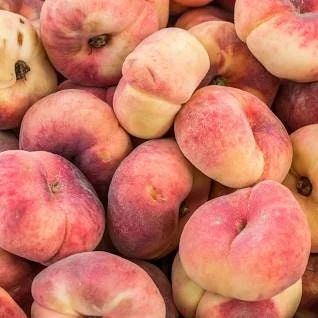
The unique round and flat peaches typically have yellow or orange skin, revealing a sweet, juicy flesh when ripe. This donut peach live plant is an investment in future harvests, promising not only delicious fruit but also a beautiful addition to your landscape. With proper growing donut peaches techniques and consistent peach tree care, you can look forward to many seasons of abundant and flavorful fruit from your own backyard.
Frequently Asked Questions
- Q: How big does this donut peach tree get? A: This live plant is currently 3 to 4 feet tall and can reach a mature height of 10-15 feet with proper care and pruning, making it a manageable size for most home gardens.
- Q: What size pot does it come in? A: The donut peach tree is shipped in a 3-gallon nursery pot, providing ample space for its root system and ensuring a healthy start for your plant.
- Q: Is this an indoor or outdoor plant? A: This is an outdoor fruit tree. While it can be started in a large container, it thrives best when planted directly in the ground in a suitable climate.
- Q: How much sunlight does it need? A: For optimal fruit production and health, the donut peach tree requires at least 6-8 hours of direct sunlight per day, ideally in a full-sun location.
- Q: Is this plant easy to care for? A: Peach trees require moderate care, including regular watering, fertilization, and annual pruning. With consistent peach tree care, even novice gardeners can successfully grow them.
- Q: What condition will it arrive in? A: Your donut peach live plant will arrive securely packaged in its 3-gallon pot, with a healthy root system and foliage, though flowers or buds may or may not be present depending on the season.
- Q: How long until it blooms? A: This tree typically blooms pink flowers in March or April. Fruit production can begin as early as 1-2 years after planting, with fruits ripening in August.
- Q: When is the best time to plant? A: The best time to plant your donut peach tree is in early spring or fall, allowing the roots to establish before extreme summer or winter temperatures.
- Q: Will it survive winter in my zone? A: Donut peach trees are generally hardy in USDA Zones 5-8. If you are in a colder zone, provide winter protection.
- Q: What’s the minimum temperature it can tolerate? A: Once established, a mature flat peach tree can tolerate winter temperatures down to around -10 to -20°F (-23 to -29°C), though young trees are more sensitive.
Be the first to review “Donut Peach Tree Live Plant – 3 to 4 Feet Tall – 3 Gallon Pot – Outdoor Fruit Tree”
People Also Viewed
Sold 89 products
Original price was: $49.98.$24.99Current price is: $24.99.

Sold 54 products
Original price was: $38.76.$19.38Current price is: $19.38.

Sold 78 products
Original price was: $51.80.$25.90Current price is: $25.90.
Sold 61 products
From $51.80
Sold 58 products
Original price was: $144.00.$72.00Current price is: $72.00.

Sold 81 products
Original price was: $131.96.$65.98Current price is: $65.98.
Sold 62 products
Original price was: $39.98.$19.99Current price is: $19.99.
Sold 100 products
Original price was: $33.82.$20.30Current price is: $20.30.
Sold 74 products
Original price was: $91.56.$45.78Current price is: $45.78.
Sold 66 products
Original price was: $300.00.$150.00Current price is: $150.00.
Sold 54 products
Original price was: $147.16.$73.58Current price is: $73.58.
Sold 82 products
Original price was: $65.00.$39.00Current price is: $39.00.
Sold 60 products
From $55.96
Flower Plants
Arabian Jasmine Plant – Live Sambac Jasmine, Fragrant White Flowers, 4-6 inch Pot, Indoor/Outdoor
Sold 86 products
From $57.72
Sold 72 products
Original price was: $40.00.$20.00Current price is: $20.00.

Sold 79 products
Original price was: $57.12.$34.28Current price is: $34.28.
Sold 87 products
Original price was: $60.00.$48.00Current price is: $48.00.
Sold 72 products
Original price was: $147.16.$73.58Current price is: $73.58.



Reviews
There are no reviews yet.